


Doll’s Eyes Bare Root Plant – White Baneberry Perennial Herb
From $55.96
Bring a unique touch to your shade garden with a Doll’s Eyes bare root plant. This distinctive perennial, also known as Actaea pachypoda plant or white baneberry perennial, features eye-catching white berries and delicate astilbe-like foliage. Ideal for woodland settings, it offers year-round visual interest and thrives in partial to full shade.
-
USDA Hardiness Zone
USDA zones 3-8 -
Soil Type
Rich, moist, well-draining soil -
Sunlight Exposure
Partial to full shade -
Expected Planting Period
Early spring or fall

You can track your order HERE
Mar 02
Mar 07 - Mar 09
Mar 12 - Mar 16
Shipping and return policies: Our Alive & Thrive Guarantee covers issues with your plants within the first 30 days. Reach out to us. Our team will answer your questions and help you find the plants that are truly suitable for your environment, climate, and personal preferences.

Overview
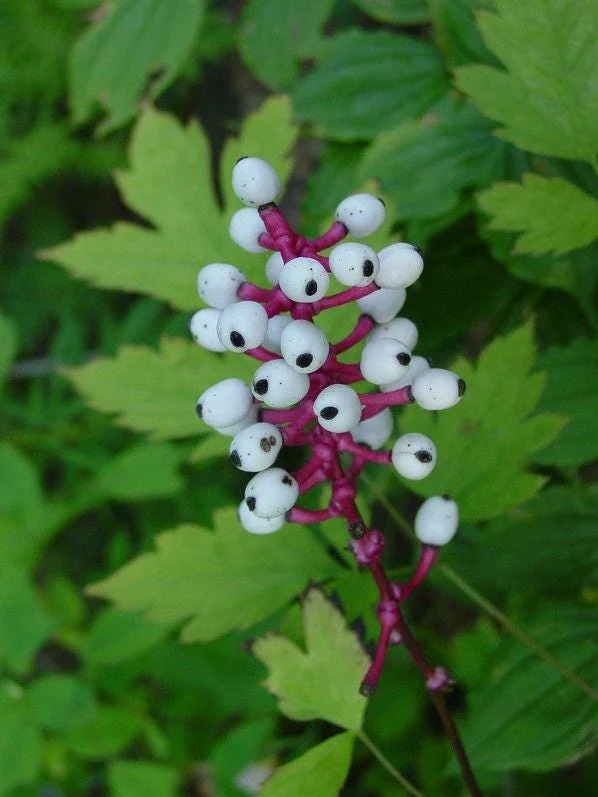
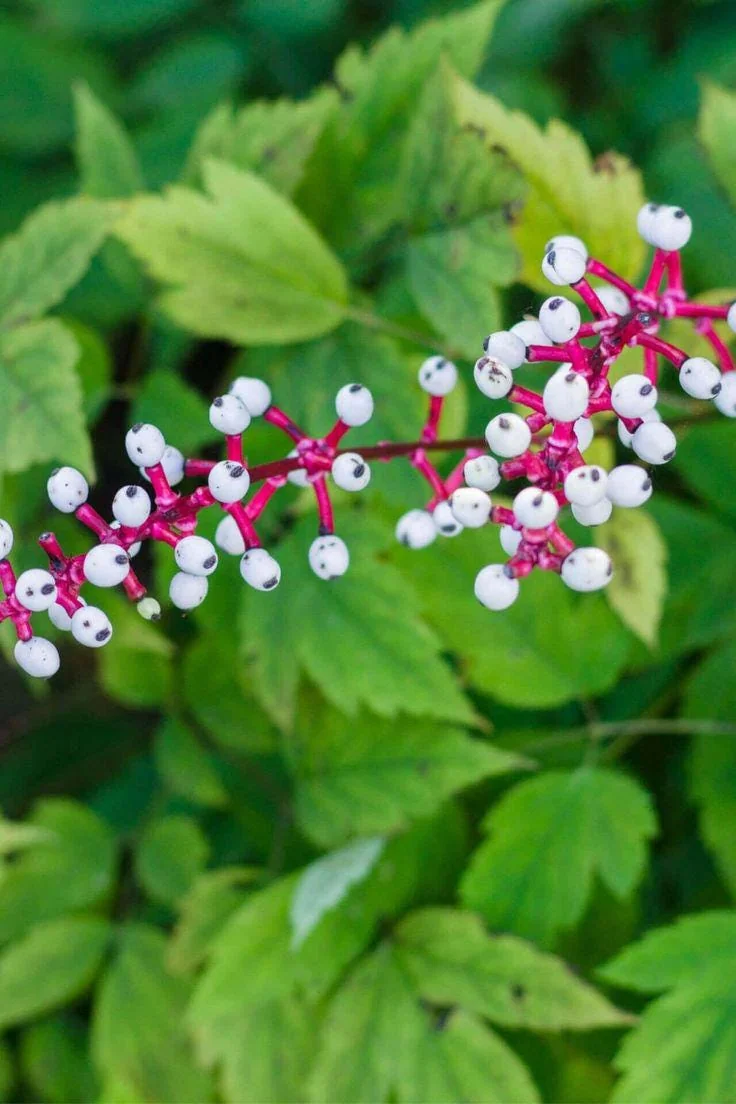
Introduce a touch of natural intrigue to your landscape with the Doll’s Eyes bare root plant, scientifically known as Actaea pachypoda. This fascinating perennial herb, also commonly referred to as white baneberry, is a native of eastern North America and is celebrated for its truly distinctive appearance. The common name, ‘Doll’s Eyes’, perfectly captures the plant’s most striking feature: clusters of pure white berries, each with a prominent black dot, remarkably resembling porcelain doll’s eyes. This bare-root specimen offers a robust start for gardeners looking to establish this unique plant in their woodland or shade gardens. As a member of the buttercup family (Ranunculaceae), it brings an elegant, architectural element to shaded areas where many other plants struggle to thrive. The Actaea pachypoda plant is not just about its berries; it also boasts attractive, astilbe-like foliage and small, delicate white flowers that emerge in spring, adding to its allure.
Cultivating a white baneberry perennial means inviting a conversation starter into your garden. Its unusual berries are a focal point from mid-summer through fall, providing an extended season of interest long after many other woodland plants have faded. This hardy Missouri native is a low-maintenance choice for those seeking to enhance their shaded outdoor spaces with something truly out of the ordinary. Its ability to adapt to various woodland conditions makes it a reliable and rewarding addition to naturalized areas, shaded borders, or under deciduous trees.
Key Benefits
The Doll’s Eyes bare root offers numerous advantages for the discerning gardener, providing both aesthetic appeal and ecological value. Its unique characteristics make it a standout choice for various garden designs:
- Unique Ornamental Value: The most striking feature of this plant is its clusters of pristine white berries with black ‘pupils’, giving it the ‘doll’s eyes’ appearance. These berries persist from summer into fall, offering long-lasting visual interest in the garden when many other plants are past their prime.
- Shade Tolerance: Thrives in partial to full shade, making it an excellent choice for woodland gardens, under dense tree canopies, or on the north side of buildings where sunlight is limited. This expands planting possibilities in challenging garden spots.
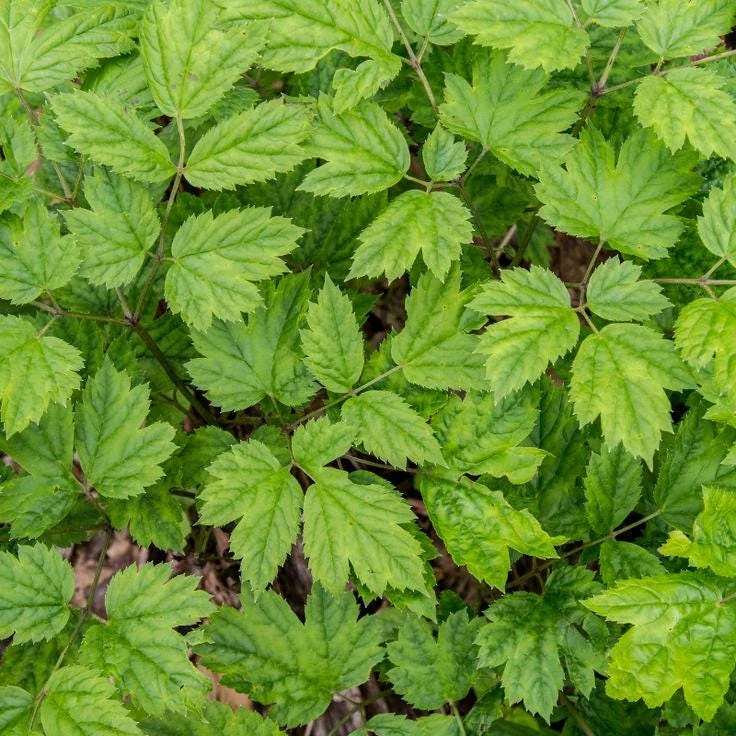
- Attractive Foliage: Beyond its berries, the Actaea pachypoda plant features elegant, compound leaves that resemble those of astilbe. This lush, green foliage provides a beautiful backdrop throughout the growing season, even before the berries develop.
- Low Maintenance: Once established, this perennial requires minimal care. It is relatively pest and disease resistant, making it a hassle-free addition to your landscape. This ease of care makes the white baneberry perennial a great choice for busy gardeners.
- Native Plant Appeal: As a native to eastern North America, it supports local ecosystems and wildlife, providing a natural food source (for birds, though toxic to humans) and habitat. Incorporating native plants helps maintain biodiversity and ecological balance.
- Distinctive White Berries: The singular beauty of its berries sets it apart from other woodland plants. These berries create a captivating contrast against the green foliage, drawing attention and admiration.
- Deer Resistant: Generally not favored by deer, making it a good option for gardens in areas with high deer populations where other plants might be damaged.
Plant Care & Growing Tips
Caring for your Doll’s Eyes bare root plant is straightforward, especially when planted in conditions that mimic its native woodland habitat. This robust perennial thrives with consistent moisture and protection from harsh sun. When planting your bare root, choose a location with partial to full shade. Morning sun is generally acceptable, but avoid intense afternoon sun which can scorch the foliage. Dig a hole wide enough to accommodate the roots spread out, and deep enough so that the crown of the plant (where roots meet stems) is at or just below soil level. Amend heavy clay soils with organic matter to improve drainage and aeration, as the Actaea pachypoda plant prefers rich, well-draining soil.
Water thoroughly after planting, and maintain consistent moisture, especially during dry spells in the first growing season. While established plants tolerate some drought, they perform best with regular watering, ensuring the soil remains evenly moist but not waterlogged. Overwatering can lead to root rot. For optimal growth, enrich the soil annually with a layer of compost or a balanced slow-release fertilizer in early spring. The white baneberry perennial is generally hardy in USDA Zones 3-8, tolerating a wide range of temperatures. Protect young plants from late spring frosts. No significant pruning is typically required, other than removing any dead or damaged foliage to maintain a tidy appearance. Keep an eye out for slugs and snails, which can sometimes be a problem, especially in moist, shaded environments. Ensure good air circulation to prevent fungal issues.
The distinctive white berries are a hallmark of this plant, but remember that they are considered toxic if ingested by humans. While they are a food source for some bird species, it’s wise to educate children and pets about not consuming them. With proper care, your shade garden plant will establish well and provide years of unique beauty. The foliage and berries are a welcome sight in a woodland setting, and understanding the needs of your distinctive white berries plant ensures its long-term health and vigor.
Size & Details
The Doll’s Eyes bare root plant typically grows to an impressive height of 18-30 inches (45-76 cm) tall, with some mature specimens reaching up to 30 inches or more, especially in ideal conditions. Its spread can range from 24-36 inches (60-91 cm) wide, forming an attractive, mounded clump of foliage. The bare root form means you are receiving the plant without soil, which is an economical and environmentally friendly way to ship and plant. This allows the roots to establish directly into your garden soil, promoting strong growth. Expect the plant to establish itself in the first year, with more significant growth and potential berry production in its second season and beyond. The small white flowers typically bloom in spring, usually in May or June, followed by the development of the characteristic white berries in summer, which remain showy through fall. This plant offers a moderate growth rate, gradually filling its space in the garden.
Frequently Asked Questions
- Q: How big does this plant get? A: The Doll’s Eyes bare root plant typically reaches a mature height of 18-30 inches tall and spreads 24-36 inches wide, creating a substantial presence in your shade garden.
- Q: Is this an indoor or outdoor plant? A: Actaea pachypoda, or Actaea pachypoda plant, is an outdoor perennial best suited for woodland or shade gardens in USDA Zones 3-8. It is not recommended for indoor cultivation.
- Q: How much sunlight does it need? A: This plant thrives in partial to full shade. It prefers locations that receive dappled sunlight or shade throughout the day, especially protection from harsh afternoon sun.
- Q: Is this plant easy to care for? A: Yes, once established, the white baneberry perennial is relatively low-maintenance. It requires consistent moisture and good soil, but is generally pest and disease resistant.
- Q: What condition will it arrive in? A: Your plant will arrive as a healthy bare root, meaning it is shipped without soil. This is a common and effective way to transport dormant perennials, ready for planting.
- Q: When is the best time to plant a bare root Doll’s Eyes? A: The ideal time to plant a Doll’s Eyes bare root is in early spring or fall when the plant is dormant, allowing it to establish its root system before the stress of summer heat or winter cold.
- Q: Are the berries on Doll’s Eyes plants safe to eat? A: No, the distinctive white berries of the Doll’s Eyes plant are considered toxic if ingested by humans. While they are a food source for birds, they should not be consumed by people or pets.
- Q: What type of soil does it prefer? A: This shade garden plant prefers rich, moist, well-draining soil that is high in organic matter. Amending with compost can greatly benefit its growth.
- Q: How long until it blooms or produces berries? A: Small white flowers typically appear in spring, followed by the development of the distinctive white berries in summer, which persist into fall. Berry production is usually more substantial from the second year onward.
- Q: Will it survive winter in my zone? A: Yes, Actaea pachypoda is hardy in USDA Zones 3-8, meaning it can tolerate cold winter temperatures and will return reliably each spring in these regions.
| Qty | 10, 15, 5 |
|---|
Be the first to review “Doll’s Eyes Bare Root Plant – White Baneberry Perennial Herb”
People Also Viewed
Sold 54 products
Original price was: $55.80.$27.90Current price is: $27.90.
Sold 96 products
Original price was: $59.98.$29.99Current price is: $29.99.
Sold 90 products
Original price was: $95.96.$47.98Current price is: $47.98.
Sold 60 products
Original price was: $355.96.$177.98Current price is: $177.98.
Sold 81 products
Original price was: $223.96.$111.98Current price is: $111.98.
Sold 51 products
Original price was: $77.84.$38.92Current price is: $38.92.
HousePlants
Lithops Live Plants Mix – 30 Colorful Succulents – Living Stones for Indoor/Outdoor Planting
Sold 76 products
Original price was: $65.98.$32.99Current price is: $32.99.
Sold 94 products
Original price was: $111.96.$55.98Current price is: $55.98.
Sold 54 products
Original price was: $211.96.$105.98Current price is: $105.98.
Sold 51 products
Original price was: $111.96.$55.98Current price is: $55.98.
Sold 73 products
From $43.98
Sold 98 products
$48.38
Sold 73 products
Original price was: $74.76.$37.38Current price is: $37.38.
Sold 63 products
$43.98
Sold 95 products
Original price was: $29.98.$23.98Current price is: $23.98.
Sold 79 products
Original price was: $89.98.$44.99Current price is: $44.99.
Sold 93 products
Original price was: $32.00.$25.60Current price is: $25.60.
Sold 86 products
Original price was: $89.56.$44.78Current price is: $44.78.


Reviews
There are no reviews yet.