
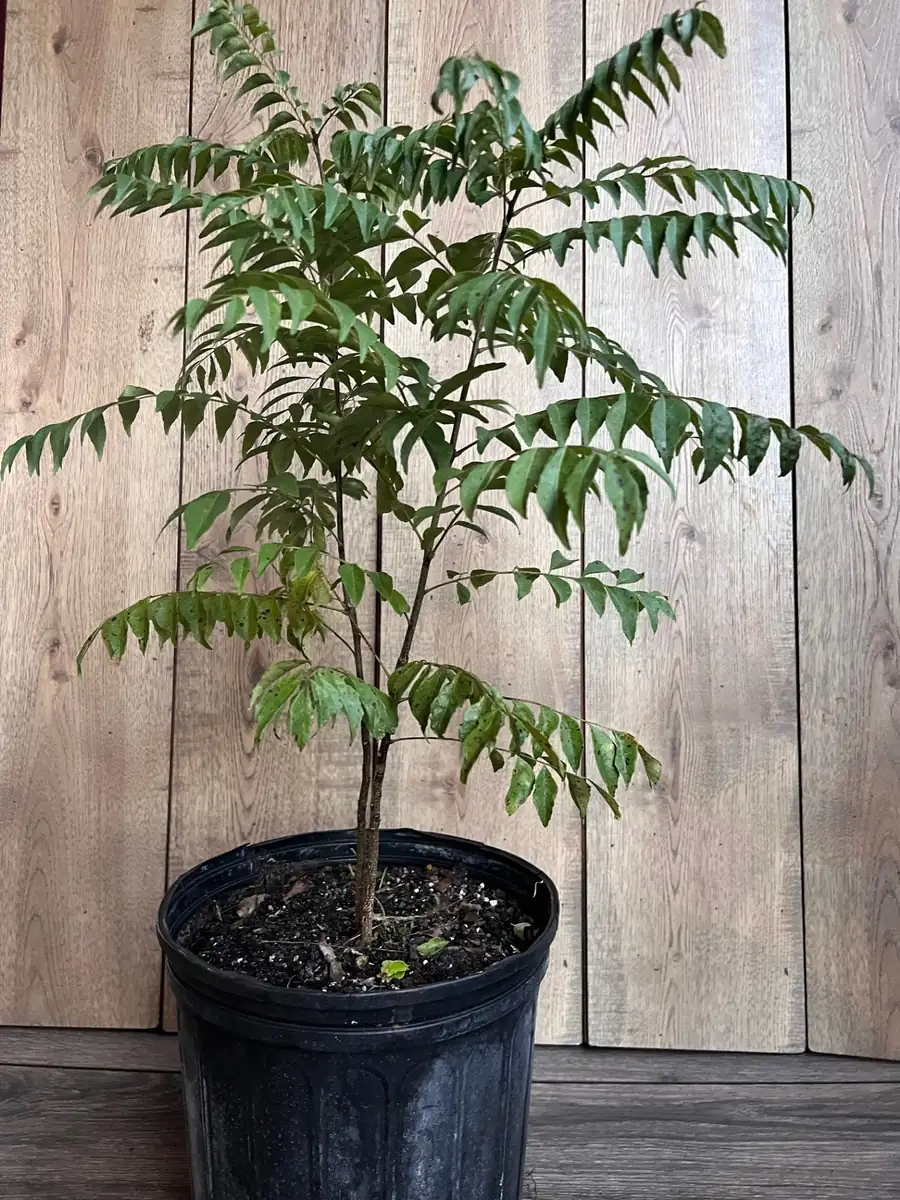


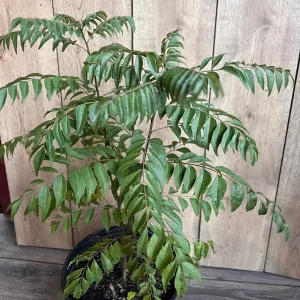
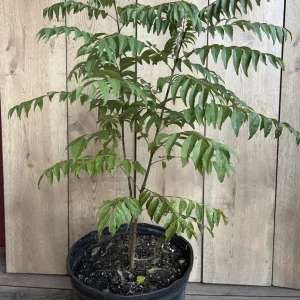
Curry Leaf Plant – Murraya Koenigii Live Plant in 10 inch Pot – Aromatic Herb
Original price was: $214.96.$128.98Current price is: $128.98.
Bring the authentic flavor of fresh curry leaves to your kitchen with this vibrant curry leaf live plant. Grown in a 10 inch pot, this Murraya Koenigii is ready to thrive in your garden or a sunny indoor spot. Enjoy its aromatic foliage for cooking and its natural beauty as an ornamental plant.
-
USDA Hardiness Zone
USDA zones 9-11 -
Soil Type
Well-draining, fertile, slightly acidic soil -
Sunlight Exposure
Full sun -
Expected Planting Period
Spring, or year-round indoors

You can track your order HERE
Mar 02
Mar 07 - Mar 09
Mar 12 - Mar 16
Shipping and return policies: Our Alive & Thrive Guarantee covers issues with your plants within the first 30 days. Reach out to us. Our team will answer your questions and help you find the plants that are truly suitable for your environment, climate, and personal preferences.

Overview
Cultivate your own source of fresh, flavorful leaves with this exquisite curry leaf live plant, scientifically known as Murraya Koenigii. Native to India, this fast-growing evergreen bush or small tree is celebrated for its highly aromatic foliage, which is an essential ingredient in many South Asian cuisines. Our curry leaf live plant arrives in a 10 inch pot, a robust specimen ready to be transplanted into your garden or a larger container. The plant’s pinnate leaves, comprised of many leaflets, release a distinct, spicy aroma when crushed, making them ideal for harvesting fresh for your culinary adventures. Beyond its practical uses, the curry tree also produces delicate, fragrant white flowers that eventually develop into small, black, berry-like fruits (though these are not typically consumed).
This particular Murraya Koenigii is a vigorous grower, capable of reaching significant heights if given the right conditions, typically between six to 20 feet tall. It’s a wonderful addition for anyone looking to connect with their food source or simply enjoy the unique beauty and fragrance of a tropical plant. Whether you’re an experienced gardener or new to growing herbs, this karivepaku plant offers a rewarding experience with its lush growth and abundant aromatic leaves.
Key Benefits
The curry leaf live plant offers a multitude of benefits, from enhancing your culinary creations to enriching your garden space. Its unique characteristics make it a standout choice for both practical and aesthetic purposes.
- Authentic Culinary Ingredient: Harvest fresh, aromatic curry leaves directly from your plant for unparalleled flavor in curries, stews, and other dishes. The fresh leaves are significantly more potent and fragrant than dried varieties, elevating your cooking.
- Beautiful Evergreen Foliage: The lush, green leaves of the Murraya Koenigii provide year-round beauty, making it an attractive ornamental plant for your patio or garden. Its vibrant appearance adds a touch of tropical elegance.
- Fragrant Blooms: In spring, the tree produces clusters of small, white, highly fragrant flowers that add a delightful scent to your outdoor space. These blooms later give way to small, non-edible black fruits.
- Fast Growing & Productive: Under optimal conditions, this curry leaf live plant grows quickly, ensuring a steady supply of fresh leaves for your kitchen. Regular harvesting encourages new growth and a bushier plant.
- Versatile Growing Options: While it thrives outdoors in warm climates, it can also be grown as a potted curry tree indoor in cooler regions, allowing you to enjoy its benefits regardless of your local climate.
- Air Purifying Qualities: Like many plants, the curry tree contributes to healthier air quality by absorbing carbon dioxide and releasing oxygen, making your living space fresher.
- Low Maintenance: Once established, the curry tree is relatively easy to care for, requiring consistent sunlight and well-drained soil to flourish. This makes it suitable for gardeners of varying skill levels.
Plant Care & Growing Tips
Ensuring your curry leaf live plant thrives requires understanding its specific needs for light, soil, water, and temperature. With proper curry leaf plant care, you can enjoy a bountiful supply of aromatic leaves for many years.
Sunlight Requirements: The curry tree is a sun-loving plant and thrives in full sun. For best results, place your plant in the absolute sunniest part of your garden where it can receive at least 6-8 hours of direct sunlight daily. If growing indoors, position it near a south-facing window or provide supplemental grow lights to ensure adequate light exposure. Proper light is crucial for robust foliage production.
Watering Schedule and Soil Moisture: During the first two months after planting, water regularly to help establish the root system. Afterward, allow the soil to dry out between heavy waterings. The curry tree prefers dry soil rather than constantly moist conditions. For potted plants, more frequent watering every 2 to 4 days may be necessary, depending on pot size and climate, but always ensure the soil dries out between waterings to prevent root rot. Avoid watering during winter dormancy if temperatures are below freezing. This karivepaku plant is quite resilient to drought once established.
Soil Type and Drainage: Plant your Murraya Koenigii in well-drained, fertile soil that is slightly acidic, with a pH between 6.4 and 6.9. A good quality potting mix amended with perlite or sand will ensure excellent drainage for potted plants. Poor drainage can quickly lead to root issues, so this aspect of curry leaf plant care is paramount.
Temperature Range and USDA Hardiness Zone: The curry tree is frost-tender. While it can survive a mild frost, prolonged cold temperatures will cause it to shed its leaves and go dormant until spring. It thrives in hot, humid climates and is generally suited for USDA zones 9-11 outdoors. If you live in a cooler climate, it’s best to grow your curry tree indoor or bring it inside during colder months.
Fertilization: Fertilize only if a soil test indicates a deficiency. Generally, a balanced organic fertilizer can be applied sparingly during the growing season (spring and summer). Avoid fertilizing during winter dormancy. Over-fertilization can harm the plant, so less is often more. For optimal growth of your curry leaf live plant, focus on providing consistent light and proper watering.
Size & Details
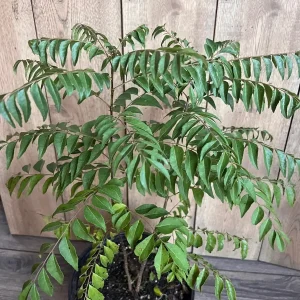
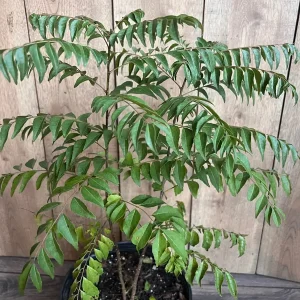
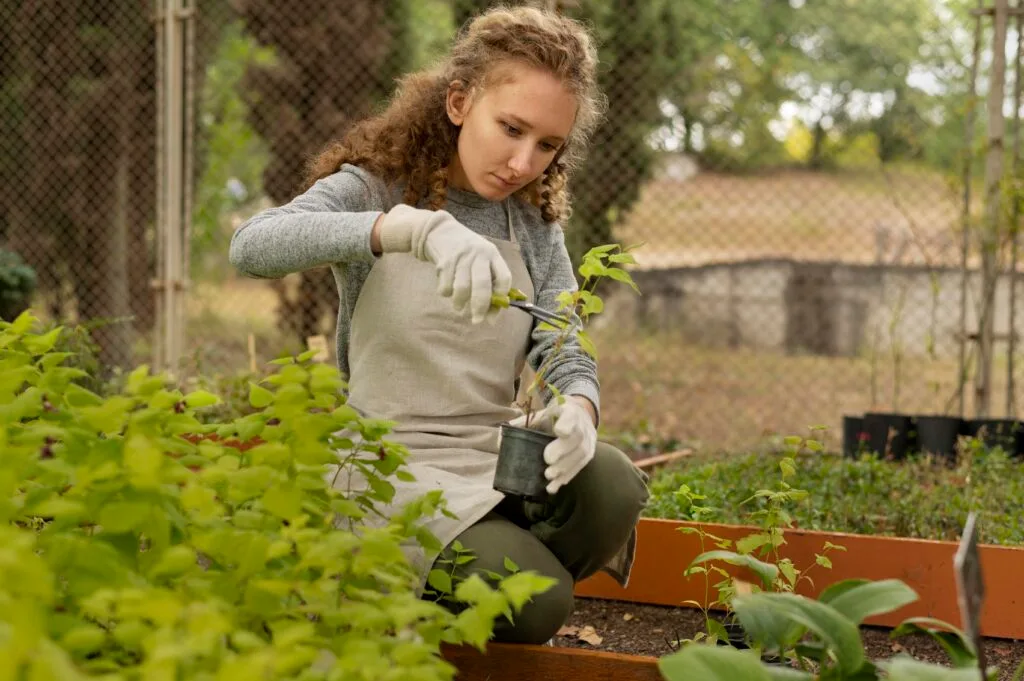
This curry leaf live plant (Murraya Koenigii) is supplied in a 10 inch nursery pot, providing a well-established root system and a healthy start for your garden or container. The plant you receive will be similar in size and vigor to those pictured, ready for immediate enjoyment or transplanting. Curry trees are known for their fast growth rate, and if given ideal conditions, they can grow anywhere from six to 20 feet tall over time, though they can be pruned to maintain a smaller, bushier size suitable for container growing.
When shipped, the plant is carefully packaged to ensure its safe arrival. The 10 inch pot size allows for a robust specimen that has had ample time to develop a strong root ball. This perennial herb will provide continuous harvests of its aromatic leaves throughout the warmer months. For best results, consider repotting into a larger container or planting directly into the ground in appropriate climates to allow for maximum growth potential. This karivepaku plant is a long-term investment in fresh flavor and garden beauty.
Frequently Asked Questions
- Q: How big does this curry leaf live plant get? A: If planted in the ground in ideal conditions, a curry tree can grow anywhere from six to 20 feet tall. When grown in a pot, its size can be managed through pruning, typically staying within a more compact range of 3-6 feet.
- Q: What size pot does it come in? A: This curry leaf live plant is shipped in a 10 inch nursery pot, providing a good starting size for a healthy and established plant.
- Q: Is this an indoor or outdoor plant? A: The curry tree thrives outdoors in warm, frost-free climates (USDA zones 9-11). In cooler regions, it can be successfully grown as a potted curry tree indoor, provided it receives ample sunlight.
- Q: How much sunlight does it need? A: This plant requires full sun, meaning at least 6-8 hours of direct sunlight per day. For indoor growing, a south-facing window is ideal.
- Q: Is this plant easy to care for? Is it good for beginners? A: Once established, curry leaf plant care is relatively straightforward. It requires consistent sunlight and careful watering to prevent overwatering. It can be a good plant for beginners who are attentive to its specific light and water needs.
- Q: What condition will it arrive in? Is it shipped in soil? A: Your Murraya Koenigii will arrive as a healthy, live plant in its 10 inch nursery pot with soil, carefully packaged to ensure its protection during transit.
- Q: Can I use curry leaf in cooking? A: Absolutely! The primary reason for growing a curry leaf live plant is for its highly aromatic leaves, which are a staple in many cuisines. Harvest them fresh for the best flavor.
- Q: Is it pet-safe? A: The leaves of the curry tree are generally considered non-toxic to humans when consumed in culinary quantities. However, the berries are not edible and typically it is not recommended for pets to consume large quantities of any plant matter.
- Q: When is the best time to plant? A: The curry tree is best planted in the spring after all danger of frost has passed, allowing it ample time to establish before cooler weather.
- Q: Will it survive winter in my zone? A: The curry tree is frost-tender and will only survive winters outdoors in USDA zones 9-11. In colder zones, it must be brought indoors or protected from freezing temperatures to survive.
Be the first to review “Curry Leaf Plant – Murraya Koenigii Live Plant in 10 inch Pot – Aromatic Herb”
People Also Viewed
Trees
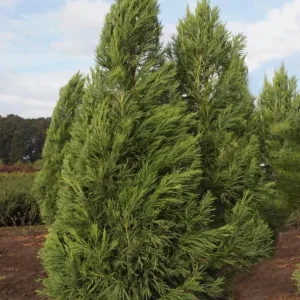
Cryptomeria Yoshino Japanese Cedar Live Plant – 6-10″ Tall Quart Pot – Fast Growing Evergreen Tree
Sold 74 products
Original price was: $45.98.$32.18Current price is: $32.18.
Sold 100 products
Original price was: $39.98.$19.99Current price is: $19.99.
Sold 59 products
Original price was: $19.00.$9.50Current price is: $9.50.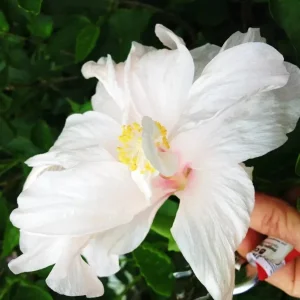

Flowers
Madagascar Hibiscus Moscheutos Mallow Live Starter Plant – Malvaceae – Indoor/Outdoor Perennial
Sold 68 products
Original price was: $62.76.$31.38Current price is: $31.38.
Trees
Sold 73 products
Original price was: $91.96.$45.98Current price is: $45.98.
Sold 61 products
Original price was: $54.36.$27.18Current price is: $27.18.
Sold 65 products
$43.98
Sold 66 products
Original price was: $38.00.$19.00Current price is: $19.00.
Sold 50 products
Original price was: $14.76.$7.38Current price is: $7.38.
Trees
Sold 76 products
Original price was: $21.98.$10.99Current price is: $10.99.
Sold 59 products
Original price was: $43.99.$23.99Current price is: $23.99.
Sold 93 products
Original price was: $93.98.$46.99Current price is: $46.99.
Sold 59 products
From $43.98

Sold 64 products
From $16.04
Flower Plants
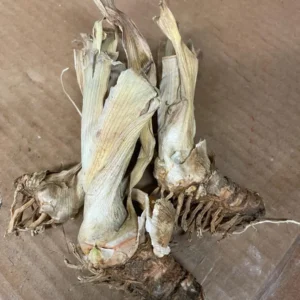
2 Reblooming Bearded Iris live plant – Iris germanica Bareroot – Purple, 32-36 in Tall
Sold 50 products
From $59.80
Sold 84 products
$54.98
Sold 50 products
From $53.56
Sold 70 products
Original price was: $279.60.$139.80Current price is: $139.80.


Reviews
There are no reviews yet.