
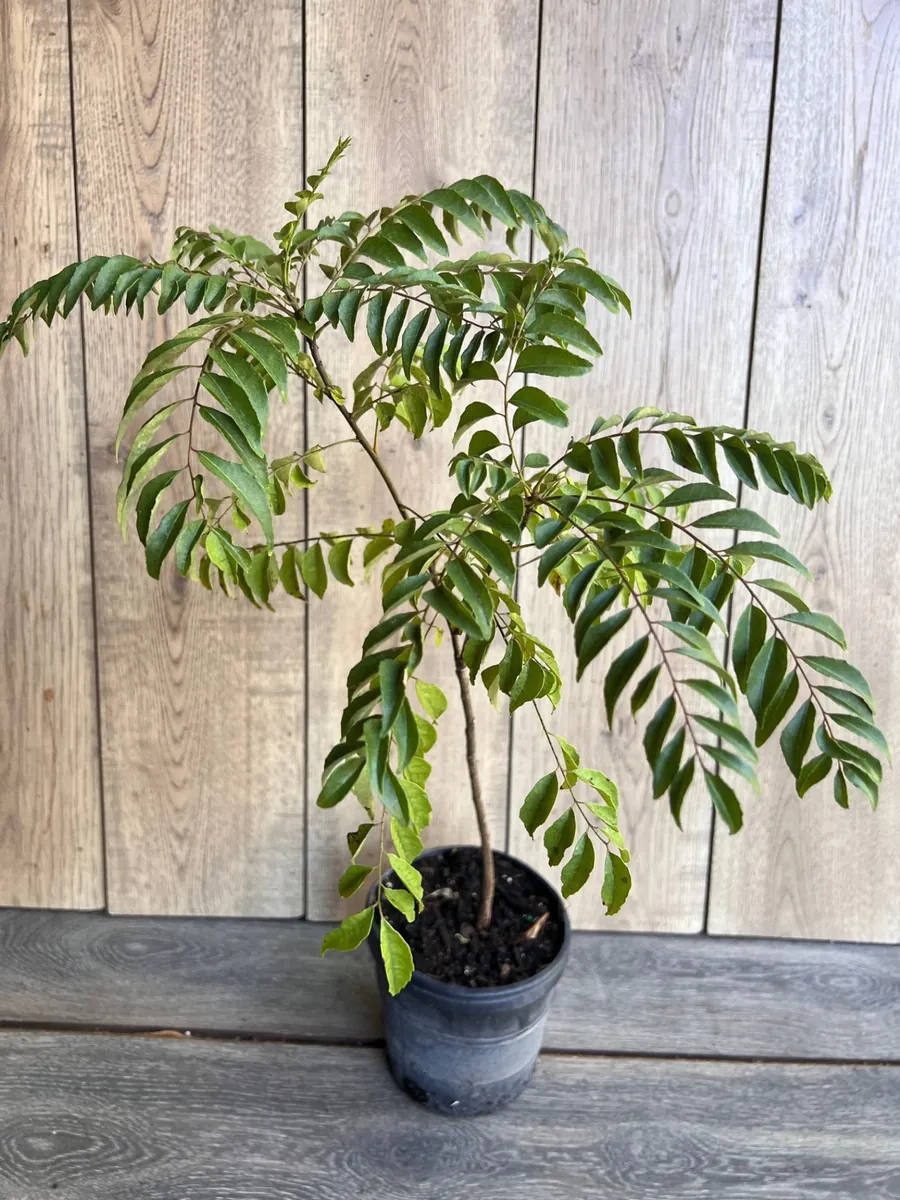
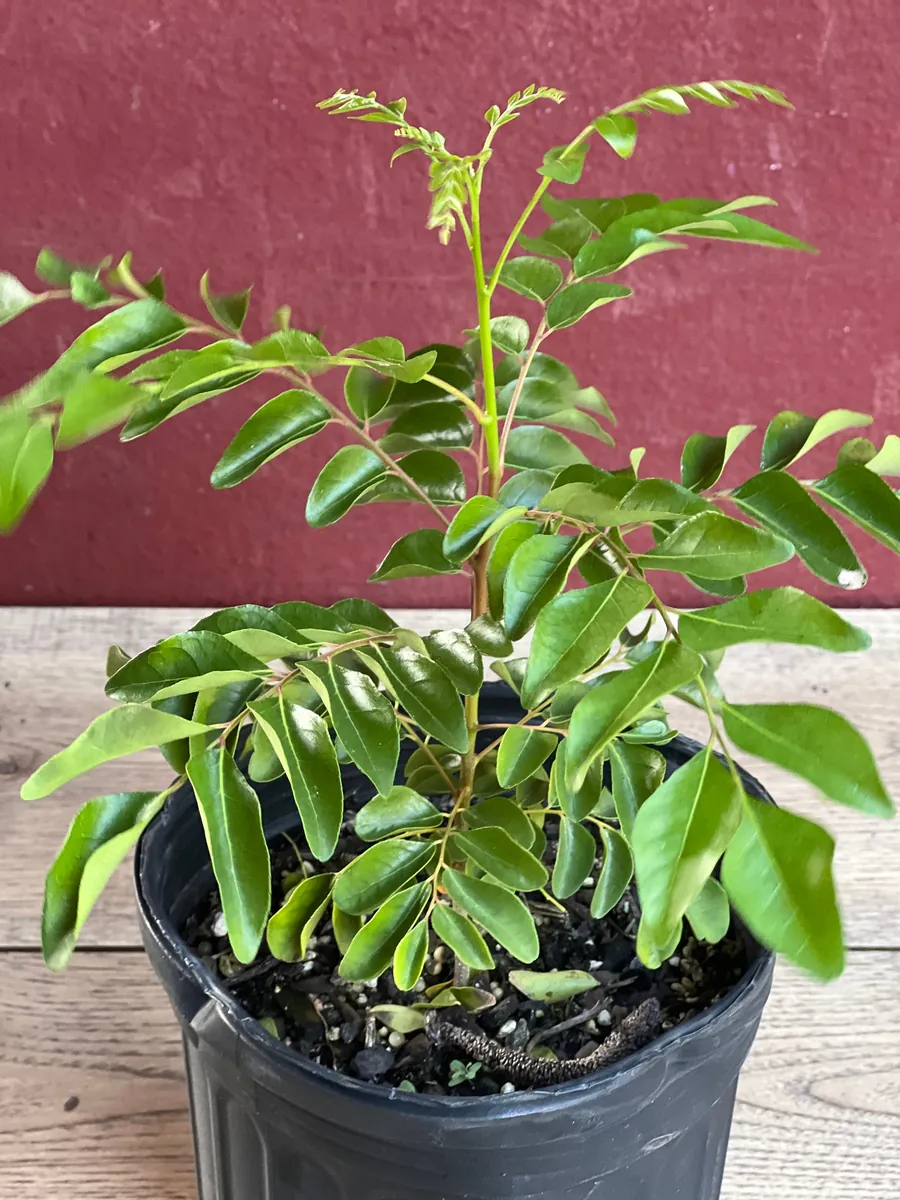
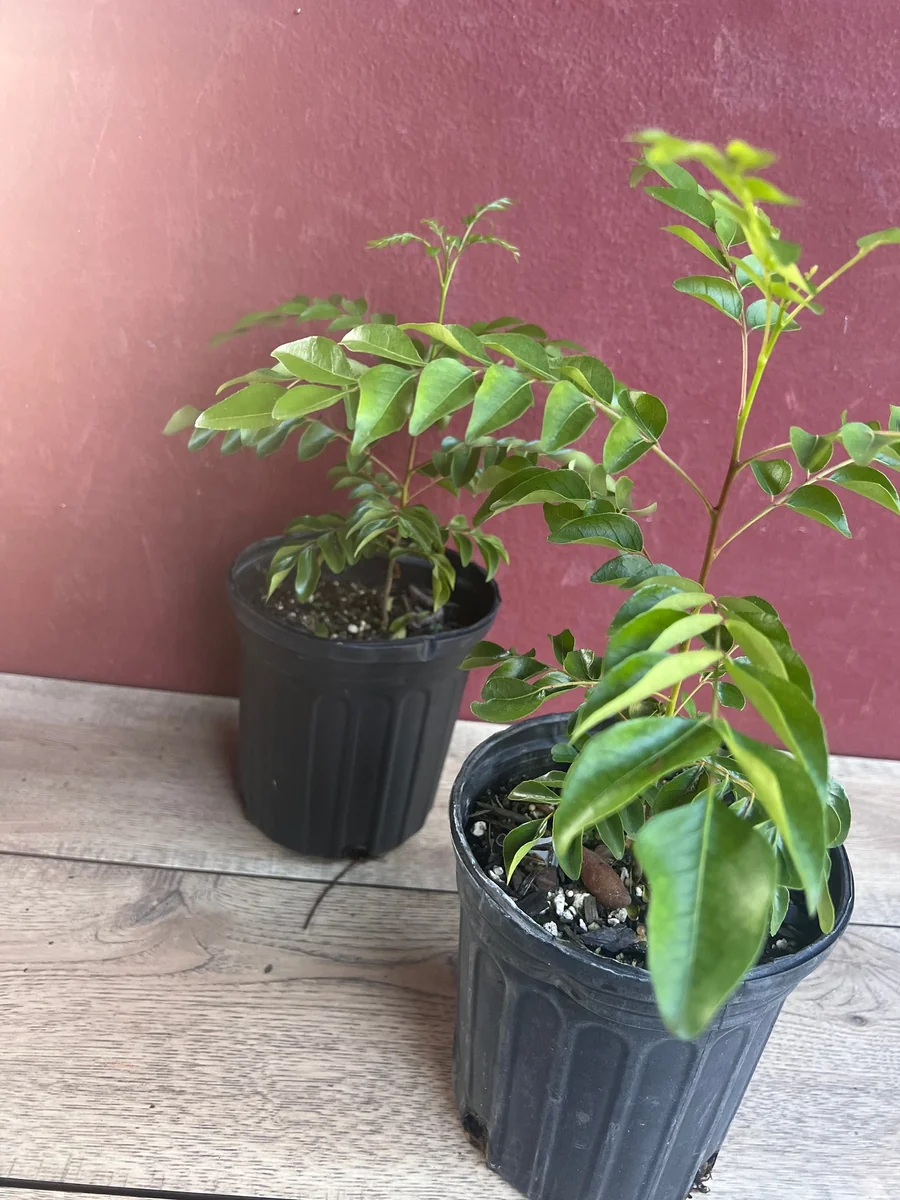
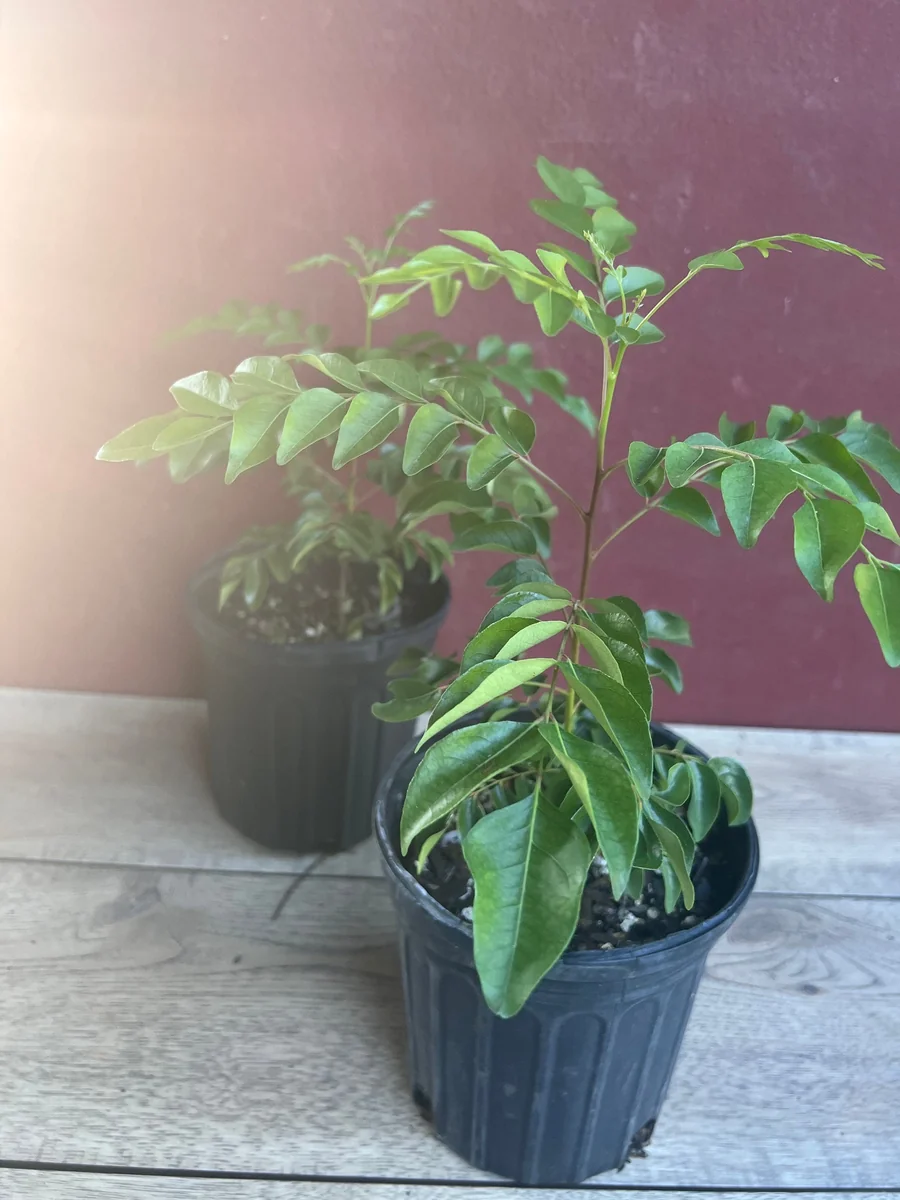
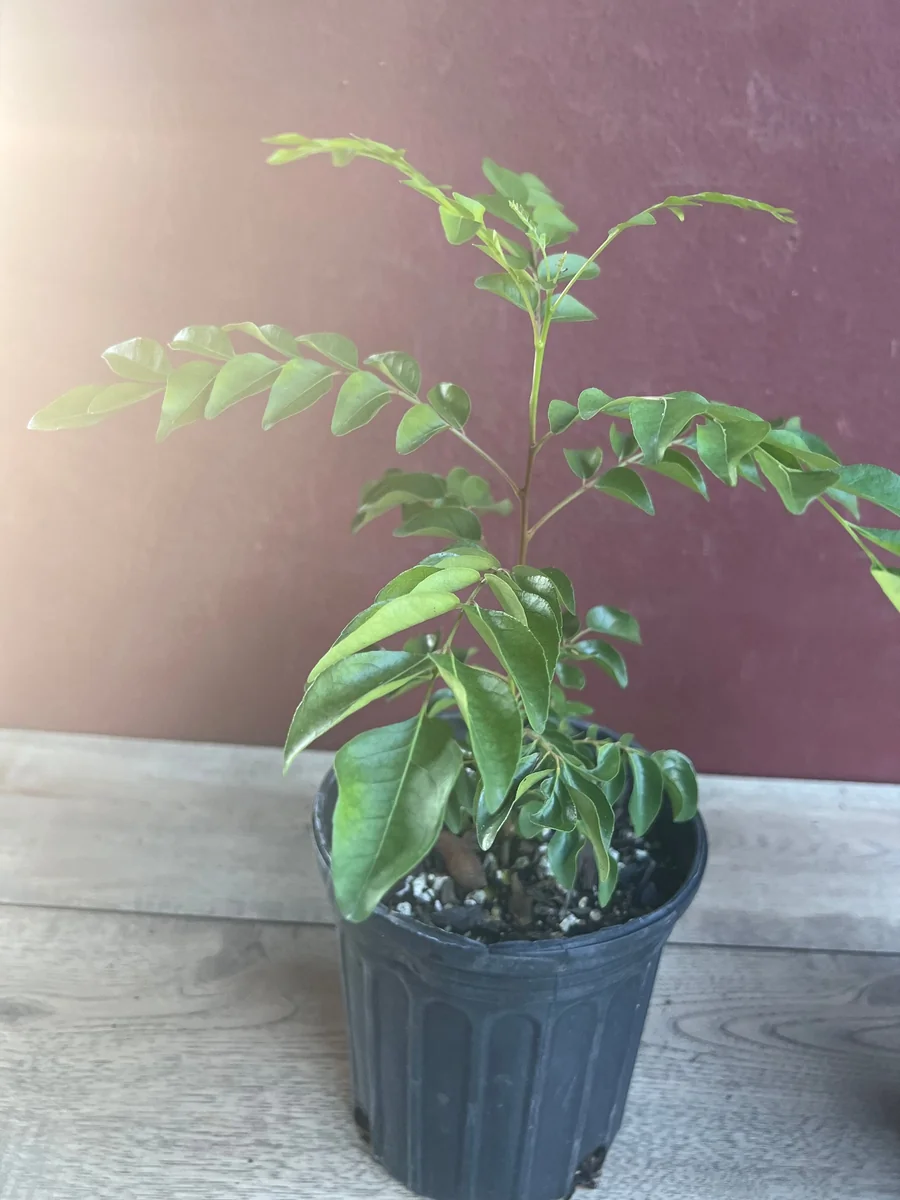
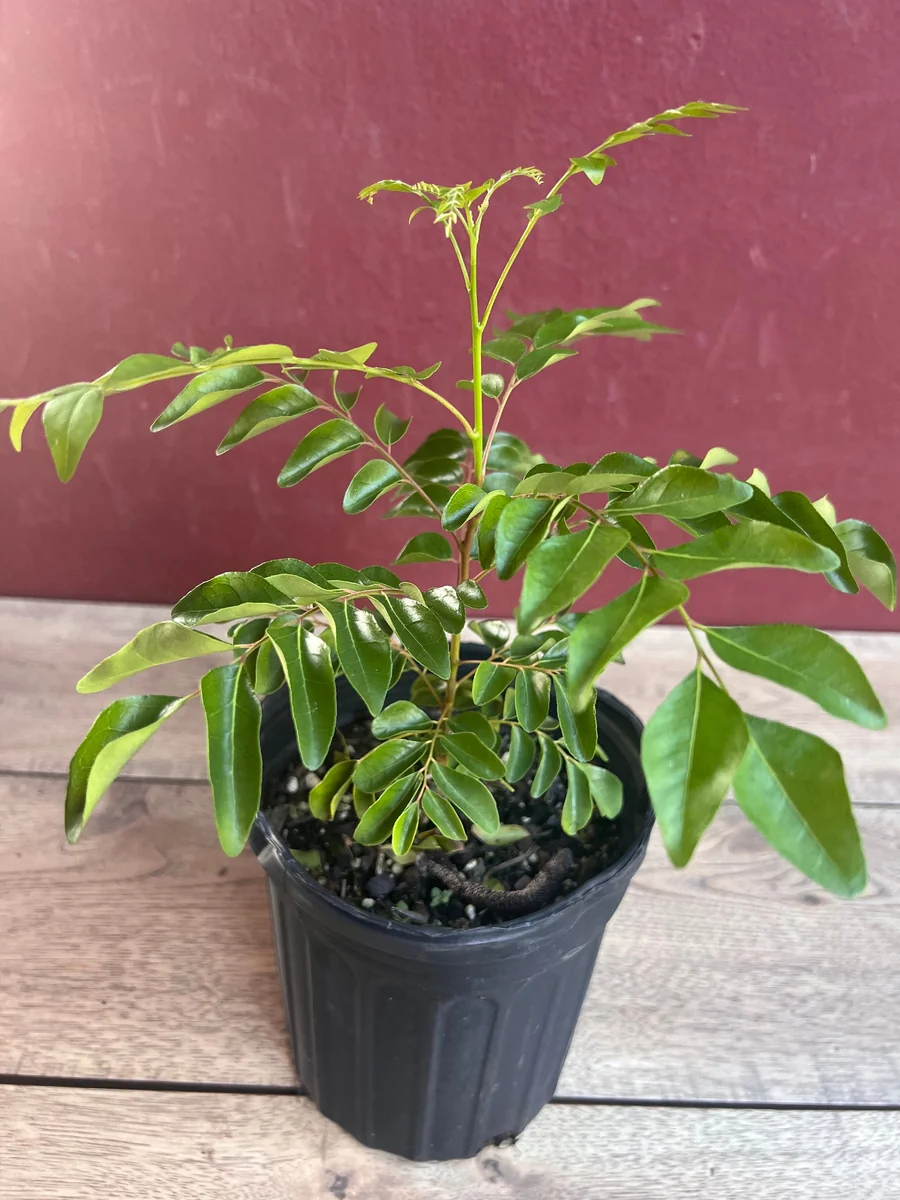
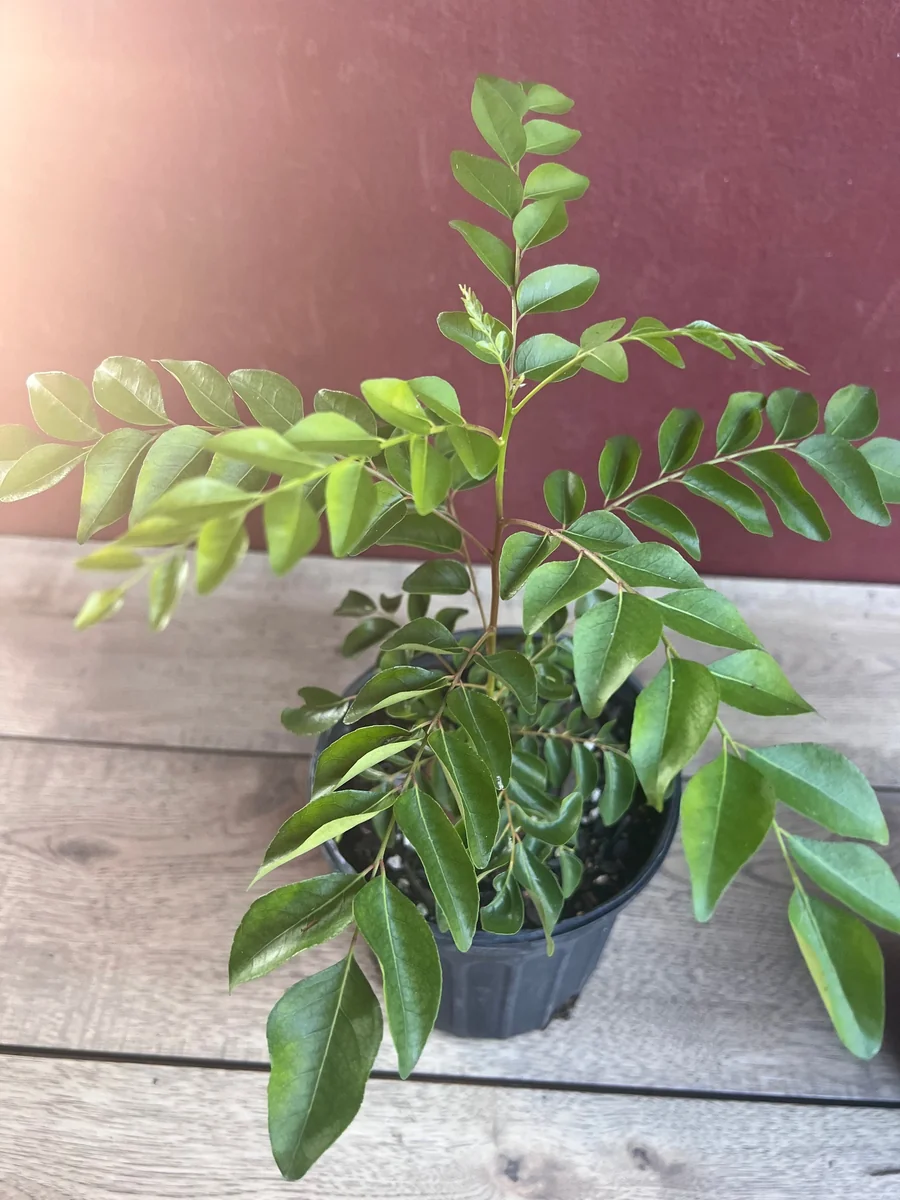
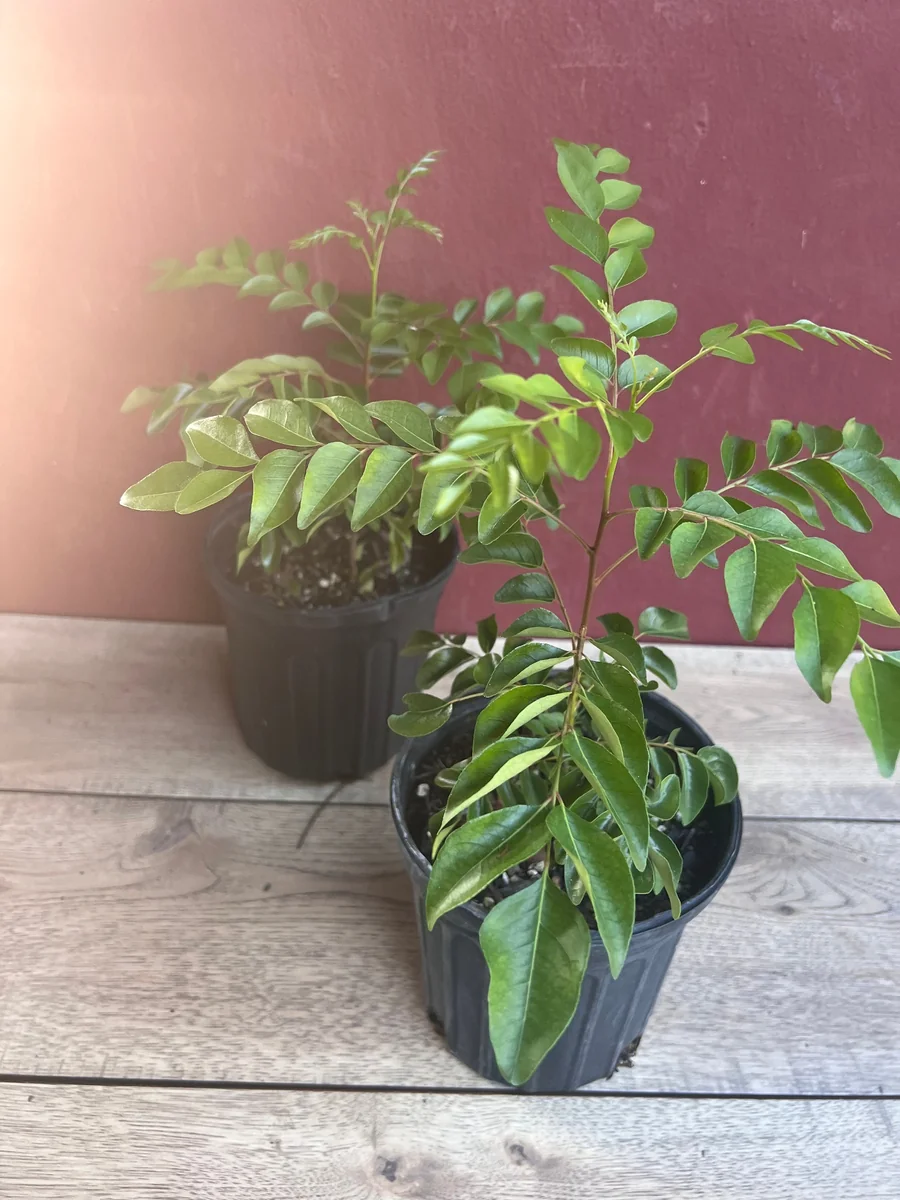
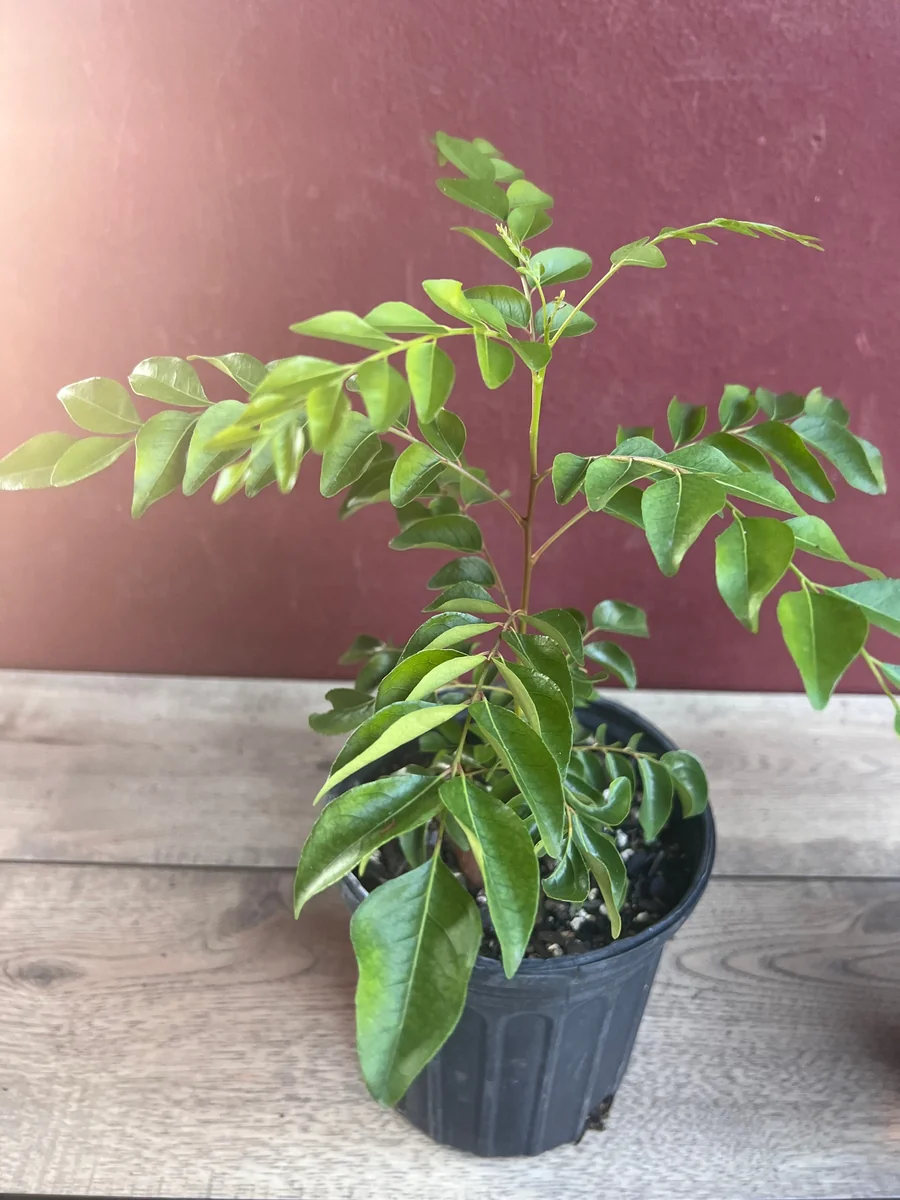
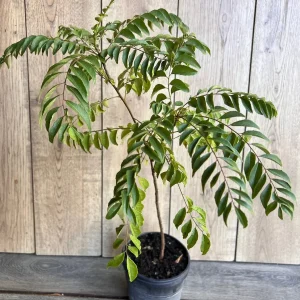
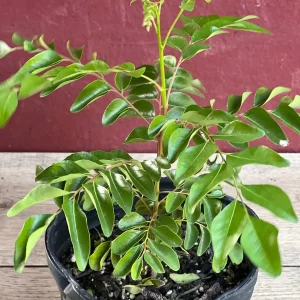
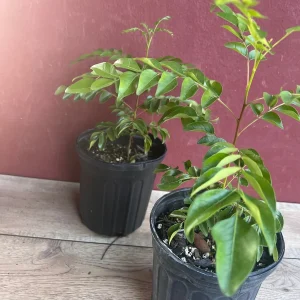
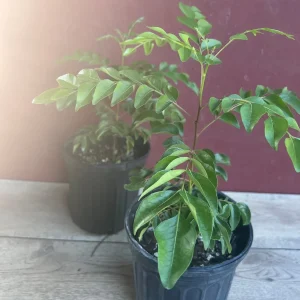
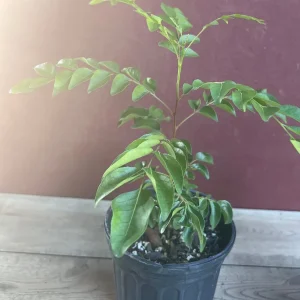
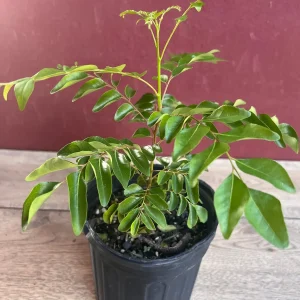
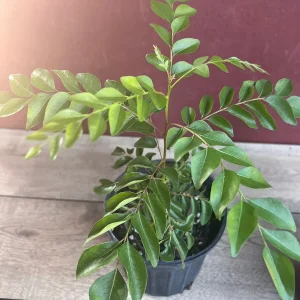
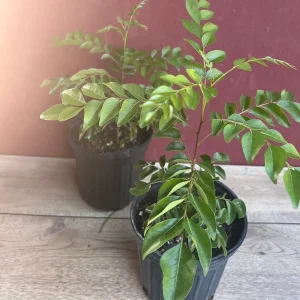
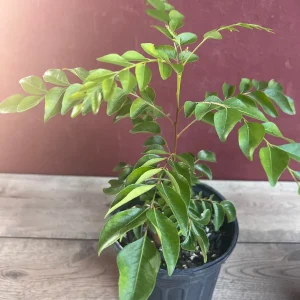
Curry Leaf Live Plant – Murraya Koenigii – 6 inch Pot – Culinary Evergreen
Original price was: $90.34.$54.20Current price is: $54.20.
Bring the authentic flavor of India to your home with this vibrant curry leaf live plant (Murraya Koenigii) in a 6-inch pot. Perfect for culinary enthusiasts, its aromatic leaves are essential for many dishes. This evergreen plant is easy to grow and thrives in sunny conditions, making it a great addition to your kitchen garden or patio.
-
USDA Hardiness Zone
USDA zones 9-11 (outdoors), suitable for indoor growing in all zones -
Soil Type
Well-draining, fertile, slightly acidic soil (pH 6.4-6.9) -
Sunlight Exposure
Full sun (6-8 hours direct sunlight daily) -
Expected Planting Period
Spring to early summer (year-round indoors)

You can track your order HERE
Mar 06
Mar 11 - Mar 13
Mar 16 - Mar 20
Shipping and return policies: Our Alive & Thrive Guarantee covers issues with your plants within the first 30 days. Reach out to us. Our team will answer your questions and help you find the plants that are truly suitable for your environment, climate, and personal preferences.

Overview
Introduce exotic flavors to your culinary adventures with the beautiful curry leaf live plant. This particular offering is a healthy, established Murraya Koenigii, arriving in a convenient 6-inch pot, ready to thrive in its new home. Known for its distinctive aromatic foliage, the curry tree is a small evergreen bush or tree native to India and Sri Lanka, where its leaves are a staple in South Indian and Southeast Asian cooking. The plant's botanical name, Murraya Koenigii, pays homage to the botanist Johann Gerhard König. Beyond its culinary uses, the curry leaf live plant is also an attractive addition to any garden or patio with its glossy green leaves and potential for fragrant white flowers. It offers a unique opportunity to grow your own fresh, organic curry leaves, ensuring the freshest ingredients for your favorite recipes.
The curry leaf live plant is highly valued not only for its strong, distinctive flavor but also for its cultural significance in many parts of the world. It's a fast-growing plant that can reach significant heights in ideal conditions, though it can be kept smaller with regular pruning, making it suitable for container growing. Whether you're an experienced gardener or just starting, cultivating a curry leaf live plant provides a rewarding experience and a constant supply of fresh, flavorful leaves for your kitchen.
Key Benefits
Growing your own curry leaf live plant offers a multitude of benefits, from enhancing your cooking to beautifying your living space. This versatile plant is a must-have for anyone who appreciates fresh ingredients and exotic aromas.
- Fresh Culinary Ingredient: Enjoy an endless supply of fresh, aromatic curry leaves right from your garden. These leaves are far more flavorful and potent than dried alternatives, elevating the taste of curries, stews, and other dishes.
- Fragrant Foliage: The leaves of the curry leaf live plant release a delightful, spicy aroma when crushed or cooked, adding an inviting scent to your garden or kitchen area.
- Attractive Evergreen Plant: With its glossy, pinnate leaves, the Murraya Koenigii is a visually appealing evergreen that can serve as an ornamental bush or small tree in your landscape or as a potted specimen.
- Easy to Grow: This plant is relatively low-maintenance and robust, thriving in warm, sunny conditions. It's a great choice for gardeners looking for an exotic plant that isn't overly demanding.
- Potential Health Benefits: Traditionally, karivepaku plant leaves are believed to possess various health-promoting properties, including antioxidant and anti-inflammatory qualities.
- Fast Growing: Under optimal conditions, the curry tree grows quickly, providing a steady harvest of leaves for your culinary needs.
- Versatile for Indoor/Outdoor Growing: While preferring warm climates, this plant can be grown outdoors in suitable zones or brought indoors during colder months, making it a versatile choice for many regions.
Plant Care & Growing Tips
Caring for your curry leaf live plant is straightforward, especially if you provide the right conditions. This plant thrives in warm, sunny environments, mimicking its native tropical habitat. For optimal growth and foliage production, place your curry tree in a location where it receives full sun, ideally 6-8 hours of direct sunlight per day. If growing indoors, a south-facing window is usually best. The curry tree indoor plant will benefit from being moved outdoors during warm summer months.
When it comes to soil, the curry leaf live plant prefers well-drained, fertile soil with a slightly acidic pH, ideally between 6.4 and 6.9. A good quality potting mix amended with some compost will work well for potted plants. Ensure the pot has drainage holes to prevent waterlogging. Watering should be regular, especially during the first two months after planting or repotting. Allow the top inch or two of soil to dry out completely between waterings to prevent root rot. Potted plants may require more frequent watering, every 2 to 4 days depending on pot size and climate. During winter dormancy or in very cold temperatures, reduce watering significantly. The curry leaf plant care routine is crucial for its health.
The curry tree is frost tender and prefers a hot, humid climate. It can survive a mild frost but will shed its leaves and go dormant in consistently cold winters. In cooler climates, it's best to grow it in a container so it can be brought indoors when temperatures drop below 40°F (4°C). Fertilization is generally only needed if a soil test indicates a deficiency. Avoid fertilizing during winter dormancy. Pruning can help maintain a bushy shape and encourage new leaf growth for harvesting. Keep an eye out for common pests like spider mites or scale, and treat them with organic pest control methods if necessary.
Size & Details
You will receive one healthy curry leaf live plant (Murraya Koenigii) delivered in a 6-inch nursery pot. This size is ideal for establishing the plant, allowing it to acclimate to its new environment before needing a larger container. The plant's height will vary but typically measures between 10-18 inches tall from the base of the pot upon arrival, with established foliage. The curry tree is a fast-growing evergreen, and with proper care, it can reach anywhere from six to 20 feet tall in its natural environment, though it can be maintained at a more compact size through regular pruning when grown in containers. Its leaves are pinnate, comprised of many leaflets, and are best harvested fresh for culinary use. Expect consistent new growth during warmer months, providing a continuous supply of aromatic leaves.
Frequently Asked Questions
- Q: How big does this plant get? A: In its natural habitat, the curry tree can grow up to 20 feet tall. However, when grown in a pot, its size can be easily managed through pruning, typically staying between 3-6 feet tall, making it suitable for most homes and gardens.
- Q: What size pot does it come in? A: The curry leaf live plant will arrive in a 6-inch nursery pot, which is a good starting size. You may wish to repot it into a larger container as it grows, typically every 1-2 years.
- Q: Is this an indoor or outdoor plant? A: The curry leaf plant thrives outdoors in USDA zones 9-11. In colder climates, it can be grown outdoors during warm months and brought inside as a curry tree indoor plant when temperatures drop, making it quite versatile.
- Q: How much sunlight does it need? A: This plant requires full sun, meaning at least 6-8 hours of direct sunlight per day, for optimal growth and foliage production. Place it in the sunniest spot in your garden or by a bright, south-facing window indoors.
- Q: Is this plant easy to care for? A: Yes, the curry leaf live plant is considered relatively easy to care for, especially if its basic needs for sunlight, well-draining soil, and consistent watering (without overwatering) are met. It's a great choice for both novice and experienced gardeners.
- Q: What condition will it arrive in? A: Your plant will arrive healthy and well-rooted in its 6-inch pot, carefully packaged to ensure its safety during transit. It will be similar to the plants pictured, ready for you to continue its care.
- Q: Can I use curry leaf in cooking? A: Absolutely! The aromatic leaves of the Murraya Koenigii are highly prized in South Indian and Southeast Asian cuisine, used fresh to flavor curries, stir-fries, and many other dishes.
- Q: Is it pet-safe? A: While the leaves are widely used in human cuisine, the berries of the curry tree are generally considered not suitable for consumption. It's always best to keep plants out of reach of curious pets, as reactions can vary.
- Q: When is the best time to plant? A: The curry leaf live plant is best planted or repotted in the spring or early summer, allowing it ample time to establish itself before colder temperatures arrive.
- Q: Will it survive winter in my zone? A: The curry tree is frost-tender. It will survive mild frosts but prefers consistently warm weather. In zones below USDA 9, it is recommended to bring the plant indoors during the winter months to protect it from freezing temperatures.
Be the first to review “Curry Leaf Live Plant – Murraya Koenigii – 6 inch Pot – Culinary Evergreen”
People Also Viewed
Vegetables
Cassava Yuca Cuttings – Set of 5, 3-5″ Tall – Manihot Esculenta Live Plant for Home Gardening
Sold 57 products
Original price was: $39.99.$27.99Current price is: $27.99.
Sold 97 products
Original price was: $18.76.$9.38Current price is: $9.38.
Sold 87 products
Original price was: $36.00.$18.00Current price is: $18.00.

Sold 73 products
Original price was: $54.36.$27.18Current price is: $27.18.
Sold 58 products
Original price was: $190.00.$142.50Current price is: $142.50.
Sold 100 products
Original price was: $179.98.$143.98Current price is: $143.98.
Sold 88 products
Original price was: $24.35.$7.74Current price is: $7.74.
Sold 90 products
Original price was: $14.76.$7.38Current price is: $7.38.
Sold 50 products
Original price was: $39.98.$19.99Current price is: $19.99.
Sold 84 products
Original price was: $151.20.$75.60Current price is: $75.60.
Sold 61 products
Original price was: $28.76.$14.38Current price is: $14.38.
Flower Plants
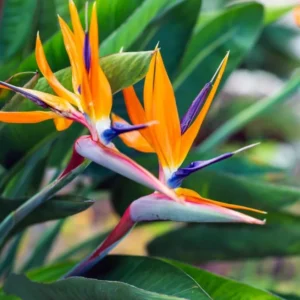
Orange Bird of Paradise Live Plant – 5-10 Inch Tropical Strelitzia Reginae Outdoor Plant
Sold 58 products
Original price was: $35.98.$17.99Current price is: $17.99.
Sold 53 products
Original price was: $147.16.$73.58Current price is: $73.58.
Sold 91 products
Original price was: $39.98.$19.99Current price is: $19.99.
Sold 91 products
Original price was: $77.98.$38.99Current price is: $38.99.
Flower Plants
Sold 60 products
Original price was: $64.48.$32.24Current price is: $32.24.
Sold 71 products
Original price was: $36.00.$18.00Current price is: $18.00.
Sold 97 products
Original price was: $34.96.$17.48Current price is: $17.48.


Reviews
There are no reviews yet.