
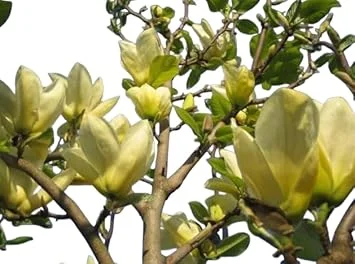
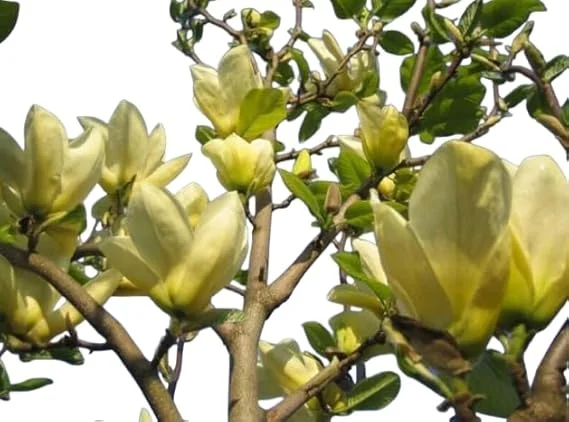
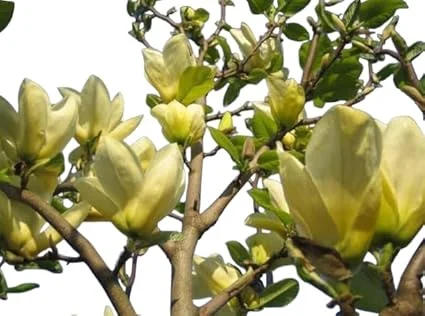
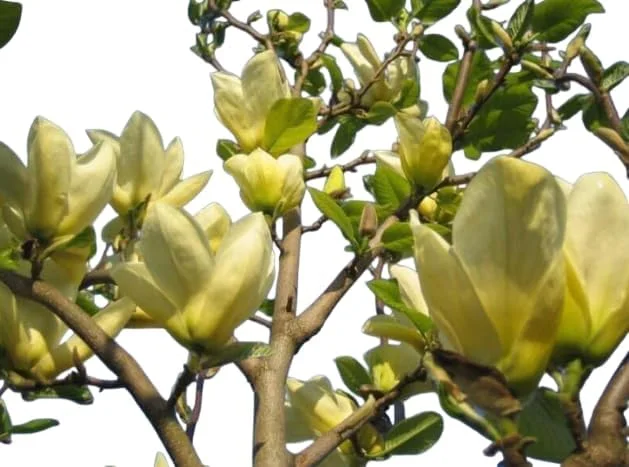
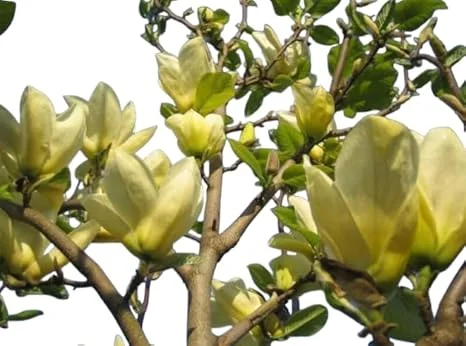
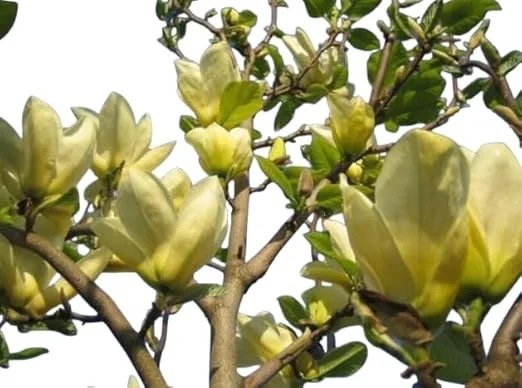
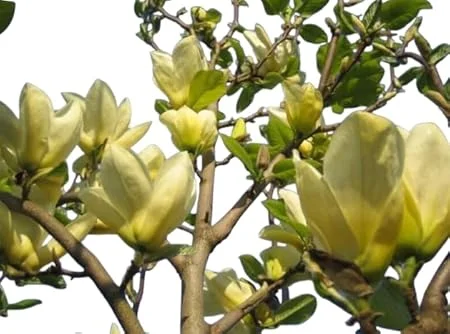
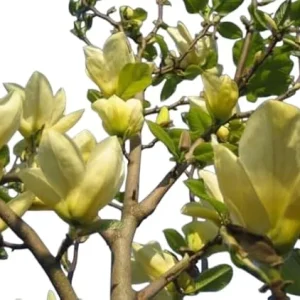
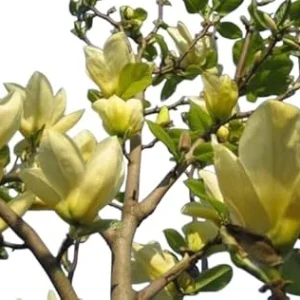
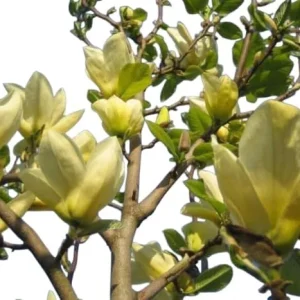
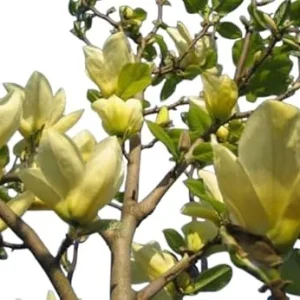
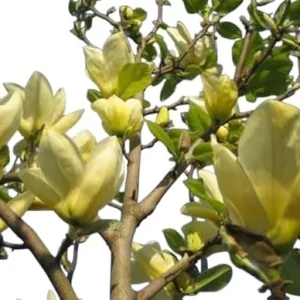
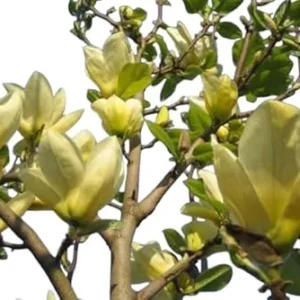
Cucumber Magnolia Tree Live Plant – Yellow Fragrant Flowers – 4-5 ft Tall – USDA Zones 4-8
Original price was: $273.60.$136.80Current price is: $136.80.
Bring elegance to your garden with a cucumber magnolia tree. This 4-5 ft tall live plant offers stunning yellow, fragrant flowers and a majestic pyramidal shape. Ideal for landscaping, it’s a beautiful addition to any outdoor space.
-
USDA Hardiness Zone
4-8 -
Soil Type
Loam soil, well-draining -
Sunlight Exposure
Full Sun to Partial Shade -
Expected Planting Period
Spring to Fall

You can track your order HERE
Mar 23
Mar 28 - Mar 30
Apr 02 - Apr 06
Shipping and return policies: Our Alive & Thrive Guarantee covers issues with your plants within the first 30 days. Reach out to us. Our team will answer your questions and help you find the plants that are truly suitable for your environment, climate, and personal preferences.

Overview
Introducing the magnificent cucumber magnolia tree, a stunning addition to any landscape. This live plant, also known as Yellow Magnolia or its botanical name Magnolia acuminata, is celebrated for its impressive size, stately pyramidal form, and unique greenish-yellow, slightly fragrant flowers that bloom in the spring. Our 4-5 ft tall specimen provides a head start on establishing this grand tree in your garden. The cucumber magnolia tree is a native North American species, known for its rapid growth and adaptability, making it a favorite among gardeners seeking both beauty and resilience.
This deciduous tree develops a broad, pyramidal canopy, eventually reaching heights of 50-80 feet with a spread of 30-40 feet, providing substantial shade and architectural interest. Its common name comes from the shape of its immature fruit, which resembles a small cucumber. The large, dark green leaves provide a lush backdrop throughout the growing season, turning an attractive yellow-brown in the fall. Plant a cucumber magnolia tree to create a focal point in your yard, attract pollinators, and enjoy its unique charm for decades.
Key Benefits
The cucumber magnolia tree offers numerous advantages for the discerning gardener and homeowner, enhancing both the aesthetic and ecological value of your property. Its robust nature and striking appearance make it a truly rewarding plant.
- Stunning Ornamental Value: The cucumber magnolia tree produces unique greenish-yellow, slightly fragrant flowers in spring, followed by interesting cucumber-shaped fruit. Its stately pyramidal form and large, lush green leaves provide year-round visual appeal and a strong focal point in any landscape design.
- Impressive Size and Shade: Growing to an impressive 50-80 feet tall, this tree provides substantial shade, helping to cool your home and outdoor living spaces during hot summer months. Its broad canopy creates a comfortable microclimate for relaxation and entertaining.
- Adaptable and Hardy: This species is incredibly resilient, thriving across a wide range of climates in USDA Hardiness Zones 4-8. It tolerates various soil conditions and is known for its ability to withstand urban environments, making it a versatile choice for many regions.
- Low Maintenance: Once established, the cucumber magnolia tree requires minimal care. It is relatively disease and pest-resistant, reducing the need for constant intervention and allowing you more time to enjoy its natural beauty.
- Ecological Benefits: The flowers attract pollinators, while the fruit provides a food source for birds and other wildlife, contributing to biodiversity in your garden. Planting this native tree supports local ecosystems and wildlife habitats.
- Fragrant Blooms: While not as intensely fragrant as some other magnolias, the greenish-yellow flowers of the cucumber magnolia tree emit a subtle, pleasant aroma, adding another sensory dimension to your garden experience.
- Unique Foliage and Form: Beyond its flowers, the large, dark green leaves and distinct pyramidal growth habit make this tree stand out. Its strong branching structure adds architectural interest even in winter.
Plant Care & Growing Tips
Caring for your cucumber magnolia tree is straightforward, especially once it’s established. This robust species prefers a site with full sun to partial shade, meaning it should receive at least 6 hours of direct sunlight per day for optimal growth and flowering. While tolerant of various soil types, it thrives best in moist, well-drained, slightly acidic loam soil. Avoid planting in heavy clay or overly sandy soils that either retain too much water or drain too quickly. Amending the planting hole with organic matter like compost can significantly improve soil structure and fertility.
Watering is crucial during the establishment phase. For the first year or two after planting, ensure the soil remains consistently moist but not waterlogged. Deep watering once or twice a week, depending on rainfall and temperature, is generally sufficient. Once mature, the yellow magnolia tree is fairly drought-tolerant but will benefit from supplemental watering during prolonged dry spells. Mulching around the base of the tree with 2-4 inches of organic material helps retain soil moisture, regulate soil temperature, and suppress weeds. Fertilize in early spring with a balanced, slow-release granular fertilizer formulated for trees and shrubs. Pruning is generally minimal, focused on removing dead, damaged, or crossing branches to maintain a strong structure and healthy canopy. This fragrant magnolia plant is quite hardy, growing well in USDA Zones 4-8, and tolerates winter conditions within this range without significant protection.
Size & Details
This offering is for one live cucumber magnolia tree, measuring approximately 4-5 feet tall at the time of shipment. It is typically shipped in a nursery container, ready for immediate planting. The tree will arrive with a well-developed root system, ensuring a strong start in your garden. While currently at a manageable height, this species is known for its vigorous growth, quickly developing into a substantial shade tree. Expect the tree to reach a mature height of 50-80 feet with a spread of 30-40 feet over many years, forming a majestic, pyramidal silhouette. Its unique greenish-yellow flowers typically appear in spring, and the distinctive cucumber-shaped fruit follows in late summer to early fall. The plant is suitable for USDA Hardiness Zones 4 through 8, making it a versatile choice for a wide range of climates.
Frequently Asked Questions
- Q: How big does this cucumber magnolia tree get? A: This particular cucumber magnolia tree is 4-5 feet tall upon arrival. At maturity, it can reach an impressive height of 50-80 feet with a spread of 30-40 feet, making it a magnificent shade tree.
- Q: Is this an indoor or outdoor plant? A: The cucumber magnolia tree is an outdoor plant. It is a large, deciduous tree that requires ample space to grow and thrive in a garden or landscape setting.
- Q: How much sunlight does a cucumber magnolia tree need? A: This tree prefers full sun to partial shade. For the best growth and flowering, ensure it receives at least 6 hours of direct sunlight per day.
- Q: Is this plant easy to care for? A: Once established, the cucumber magnolia tree is relatively low-maintenance. It’s hardy, adaptable, and generally resistant to pests and diseases, making it a good choice for gardeners of varying experience levels.
- Q: What condition will the yellow magnolia tree arrive in? A: Your yellow magnolia tree will arrive as a live plant, typically in a nursery container, with its root ball intact and protected, ready for planting. We take care to ensure safe transit.
- Q: When is the best time to plant a cucumber magnolia tree? A: The best time to plant a cucumber magnolia tree is in early spring or early fall, allowing the roots to establish before extreme summer heat or winter cold sets in.
- Q: What USDA Hardiness Zones is this tree suitable for? A: This tall magnolia tree is well-suited for USDA Hardiness Zones 4 through 8, indicating its ability to withstand a range of winter temperatures.
- Q: Does the cucumber magnolia tree have fragrant flowers? A: Yes, the cucumber magnolia tree produces greenish-yellow flowers that have a subtle, slightly fragrant scent, adding to its appeal in the spring.
- Q: What kind of soil does it prefer? A: It thrives in moist, well-drained, slightly acidic loam soil. Good drainage is key to preventing root issues.
- Q: How fast does the cucumber magnolia tree grow? A: The cucumber magnolia tree has a moderate to fast growth rate, typically adding 1-2 feet per year once established, eventually forming a large and impressive tree.
Be the first to review “Cucumber Magnolia Tree Live Plant – Yellow Fragrant Flowers – 4-5 ft Tall – USDA Zones 4-8”
People Also Viewed
Sold 93 products
Original price was: $60.00.$30.00Current price is: $30.00.
Sold 89 products
$46.18
Sold 92 products
Original price was: $48.00.$24.00Current price is: $24.00.
Sold 96 products
Original price was: $47.98.$23.99Current price is: $23.99.

Sold 92 products
From $75.80
Sold 84 products
Original price was: $49.96.$24.98Current price is: $24.98.
Sold 76 products
Original price was: $35.00.$28.00Current price is: $28.00.
Sold 99 products
Original price was: $147.16.$73.58Current price is: $73.58.
Sold 90 products
Original price was: $111.96.$55.98Current price is: $55.98.
Sold 68 products
Original price was: $144.00.$115.20Current price is: $115.20.
Sold 57 products
Original price was: $208.00.$104.00Current price is: $104.00.
Sold 73 products
Original price was: $35.98.$19.49Current price is: $19.49.
Sold 85 products
Original price was: $31.96.$15.98Current price is: $15.98.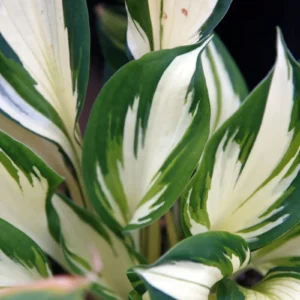
Flower Plants
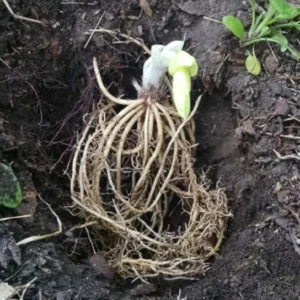
Fire and Ice Hosta Bare Root Live Plant – Variegated Perennial for Shade Gardens, Zones 3-9
Sold 89 products
From $83.80
Sold 66 products
Original price was: $51.78.$25.89Current price is: $25.89.
Sold 68 products
From $47.80
Sold 96 products
Original price was: $133.60.$66.80Current price is: $66.80.
Sold 50 products
Original price was: $72.00.$36.00Current price is: $36.00.



Reviews
There are no reviews yet.