
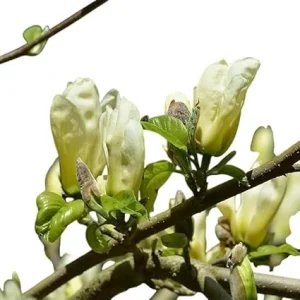
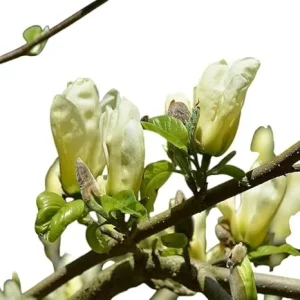
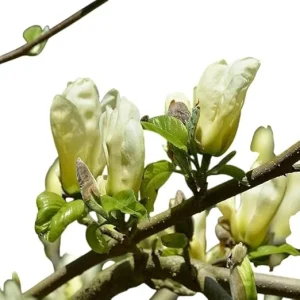
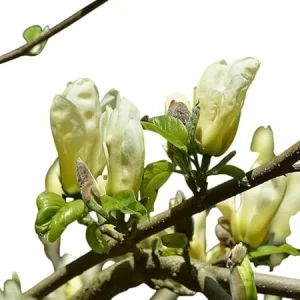
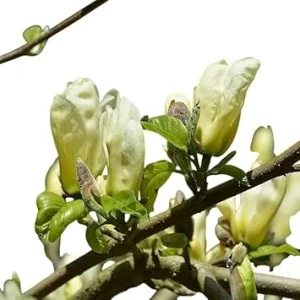
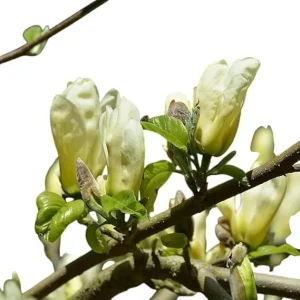
Cucumber Magnolia Tree Live Plant 12-18 Inch Tall – Yellow Flowering Shrub Outdoor
Original price was: $113.60.$56.80Current price is: $56.80.
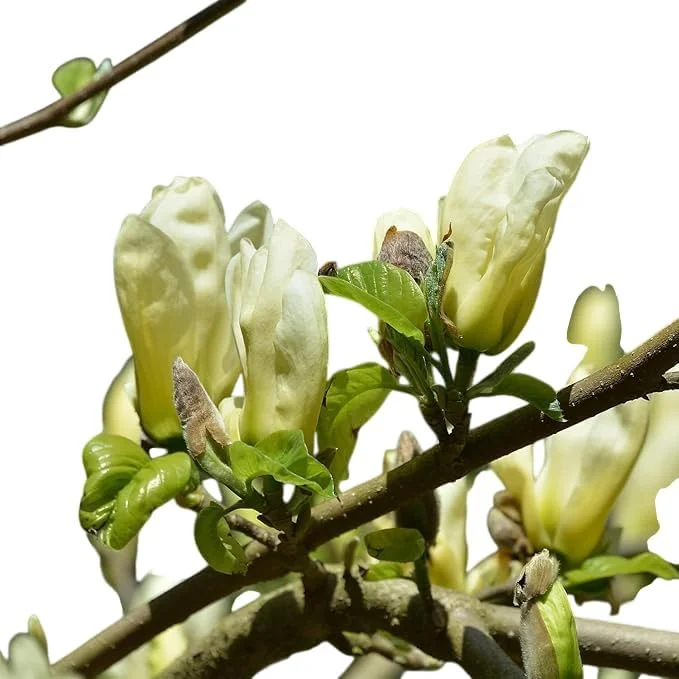
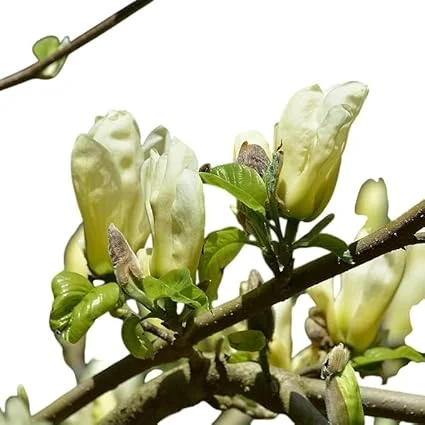
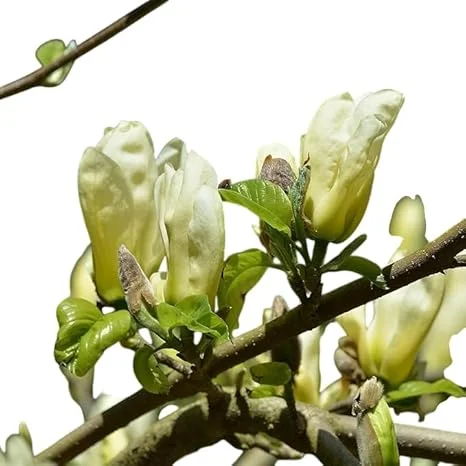
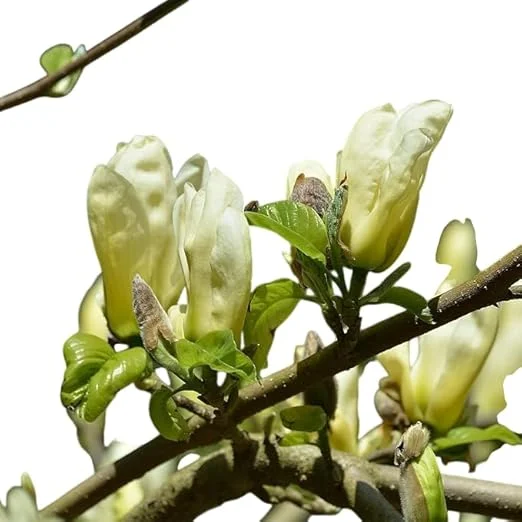
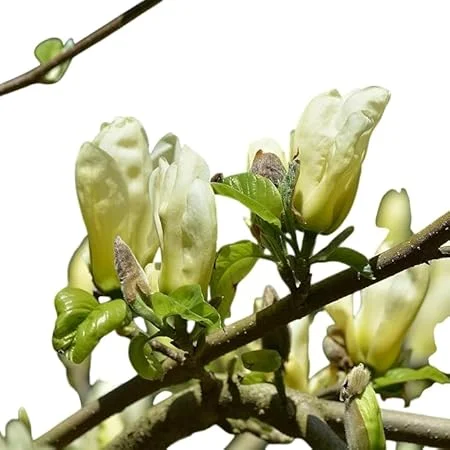
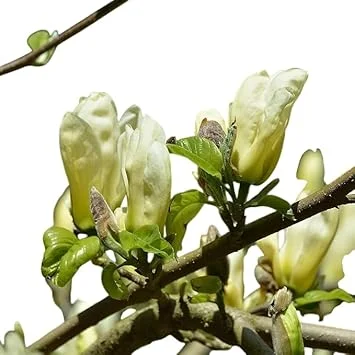
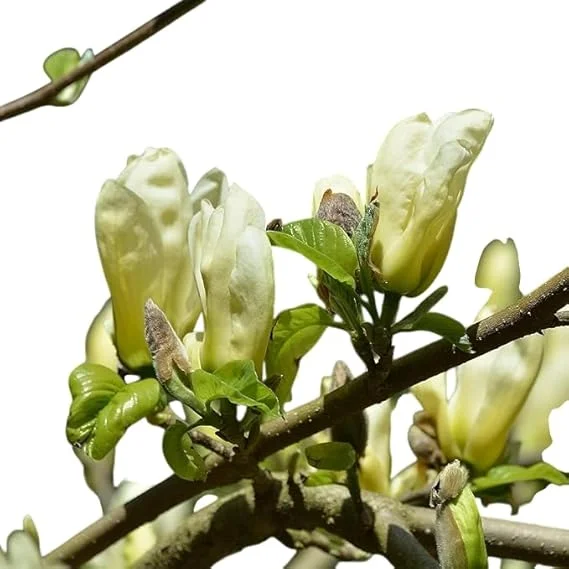
Cultivate a striking landscape with the cucumber magnolia tree, a captivating yellow magnolia shrub that adds elegance to any outdoor space. This live tree arrives 12-18 inches tall, ready to develop into a magnificent specimen with fragrant yellow flowers.
-
USDA Hardiness Zone
4-8 -
Soil Type
Loam Soil -
Sunlight Exposure
Full Sun to Partial Shade -
Expected Planting Period
Spring to Fall

You can track your order HERE
Mar 22
Mar 27 - Mar 29
Apr 01 - Apr 05
Shipping and return policies: Our Alive & Thrive Guarantee covers issues with your plants within the first 30 days. Reach out to us. Our team will answer your questions and help you find the plants that are truly suitable for your environment, climate, and personal preferences.

Overview
Introduce a touch of natural grandeur to your garden with the impressive cucumber magnolia tree. This live plant, also known as Magnolia acuminata, is a deciduous tree renowned for its stately pyramidal form and unique greenish-yellow, slightly fragrant flowers that emerge in spring. Growing 12-18 inches tall at arrival, this young tree offers a promising start to creating a majestic focal point in your landscape. The cucumber magnolia tree is a robust and adaptable species, celebrated for its resilience and ability to thrive in various outdoor conditions. Its common name derives from the unripe fruit, which resembles a small cucumber. Perfect for those seeking a unique flowering tree, this yellow magnolia shrub will mature into a towering specimen, providing shade and beauty for decades to come.
Key Benefits
The cucumber magnolia tree offers a multitude of advantages for the discerning gardener, enhancing both the aesthetic and ecological value of your property. Its distinctive features and easy-care nature make it a highly desirable addition:
- Unique Floral Display: Enjoy the subtle beauty of greenish-yellow, fragrant flowers that bloom in spring, offering a unique color among magnolia varieties. This makes the magnolia acuminata plant a stand-out choice.
- Stately Pyramidal Form: Develops a magnificent pyramidal shape, providing a strong architectural element and excellent shade as it matures, contributing to a well-structured garden design.
- Hardy and Adaptable: Thrives across USDA Hardiness Zones 4-8, demonstrating excellent cold tolerance and adaptability to a range of soil conditions, making fragrant magnolia tree cultivation accessible.
- Attracts Pollinators: The fragrant flowers attract beneficial pollinators, contributing to the biodiversity and health of your garden ecosystem.
- Low Maintenance: Once established, the cucumber magnolia tree requires minimal care, making it an ideal choice for gardeners seeking a beautiful yet easy-to-manage tree.
- Long-Lived Specimen: A long-lived tree that will provide beauty and shade for generations, becoming a treasured part of your landscape.
- Excellent Shade Tree: Its mature size and dense canopy make it an outstanding choice for providing natural cooling and shade during warmer months.
Plant Care & Growing Tips
Caring for your cucumber magnolia tree is straightforward, ensuring it grows into a healthy and beautiful specimen. This resilient tree prefers a location with full sun to partial shade, meaning it should receive at least 6 hours of direct sunlight daily for optimal growth and flowering. While it can tolerate some shade, more sun generally leads to better blooming. The ideal soil for this yellow magnolia shrub is moist, well-drained loam. Avoid excessively wet or poorly draining soils, as this can lead to root issues. When planting, amend heavy clay soils with organic matter to improve drainage, or sandy soils to enhance moisture retention. Consistent moisture is crucial, especially during the first few years after planting and during dry spells. Water deeply and regularly, allowing the top few inches of soil to dry out slightly between waterings. Once established, the cucumber magnolia tree becomes more drought-tolerant but will benefit from supplemental watering during prolonged dry periods.
Fertilize in early spring with a balanced, slow-release fertilizer formulated for trees and shrubs. Follow the product instructions carefully to avoid over-fertilization. Pruning is generally minimal, focused on removing dead, damaged, or crossing branches to maintain a strong structure and healthy canopy. The best time to prune is late winter or early spring before new growth begins. Protect young trees from harsh winter winds in colder zones. This magnolia acuminata plant is generally resistant to most pests and diseases, but regular inspection can help identify and address any issues early. Understanding cucumber tree care will ensure your tree thrives for many years.
Size & Details
This offering is for a live cucumber magnolia tree, arriving as a specimen between 12 and 18 inches tall. This young tree is in its early growth stage, providing an excellent opportunity to establish it in your chosen location and watch it mature. The tree is shipped as a live plant, typically in a nursery pot or carefully packaged to protect its root system during transit. The yellow magnolia shrub is known for its moderate to fast growth rate, eventually reaching an impressive height of 50-80 feet with a spread of 20-40 feet, developing its characteristic pyramidal form. Expect the first fragrant greenish-yellow flowers to appear in spring once the tree reaches a certain level of maturity, usually within a few years of planting. The fragrant magnolia tree will develop a robust root system and a strong central leader, making it a long-lasting addition to your garden.
Frequently Asked Questions
- Q: How big does this cucumber magnolia tree get? A: The cucumber magnolia tree can grow quite large, typically reaching heights of 50-80 feet and a spread of 20-40 feet at maturity, forming a stately pyramidal shape.
- Q: Is this an indoor or outdoor plant? A: The cucumber magnolia tree is an outdoor tree, best suited for planting in gardens, parks, or large landscapes where it has ample space to grow and mature.
- Q: How much sunlight does it need? A: This tree thrives in full sun to partial shade, ideally receiving at least 6 hours of direct sunlight each day for optimal growth and flowering.
- Q: Is this plant easy to care for? A: Yes, once established, the cucumber magnolia tree is relatively low-maintenance. It requires consistent watering during establishment but becomes quite resilient afterward, making cucumber tree care manageable.
- Q: What condition will it arrive in? A: Your cucumber magnolia tree will arrive as a live plant, carefully packaged to ensure its health and safety during shipping, typically with its root ball protected.
- Q: How long until it blooms? A: While it varies, your young yellow magnolia shrub will typically begin to produce its fragrant greenish-yellow flowers within a few years of planting, once it has established a strong root system.
- Q: Will it survive winter in my zone? A: The cucumber magnolia tree is hardy and well-suited for USDA Hardiness Zones 4-8, meaning it can withstand cold winter temperatures within this range.
- Q: What type of soil does the magnolia acuminata plant prefer? A: It prefers moist, well-drained loam soil. Good drainage is key to preventing root issues and ensuring healthy growth for your fragrant magnolia tree.
- Q: What is the best time to plant this tree? A: The best time to plant a cucumber magnolia tree is in spring or early fall, allowing the tree to establish its root system before extreme weather conditions.
- Q: Does this tree attract wildlife? A: Yes, the flowers of the cucumber magnolia tree can attract pollinators, and its mature form provides shelter for various birds and other wildlife.
Be the first to review “Cucumber Magnolia Tree Live Plant 12-18 Inch Tall – Yellow Flowering Shrub Outdoor”
People Also Viewed
Sold 66 products
Original price was: $607.96.$303.98Current price is: $303.98.
Sold 72 products
Original price was: $91.80.$45.90Current price is: $45.90.
Sold 63 products
Original price was: $80.00.$64.00Current price is: $64.00.
Sold 50 products
Original price was: $47.96.$23.98Current price is: $23.98.
Sold 72 products
Original price was: $57.98.$28.99Current price is: $28.99.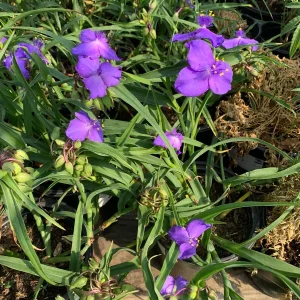
Flower Plants
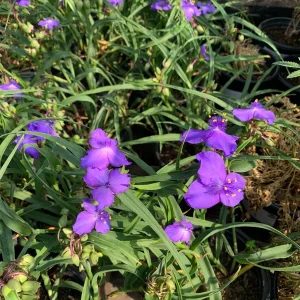
Tradescantia Virginia Purple Spiderwort Live Plant – 1 ft Tall in 6″ Pot – Outdoor Flower
Sold 95 products
Original price was: $147.16.$73.58Current price is: $73.58.
Sold 57 products
Original price was: $130.00.$104.00Current price is: $104.00.
Sold 53 products
Original price was: $355.96.$177.98Current price is: $177.98.
Sold 51 products
Original price was: $319.96.$159.98Current price is: $159.98.
Gardening Supplies
10 Inch Clay Pot Saucer – Round Terra Cotta Plant Drip Tray – Indoor/Outdoor – Clay Color
Sold 65 products
Original price was: $23.96.$11.98Current price is: $11.98.
Sold 96 products
Original price was: $67.98.$33.99Current price is: $33.99.
Sold 60 products
Original price was: $39.98.$19.99Current price is: $19.99.
Sold 63 products
Original price was: $100.00.$80.00Current price is: $80.00.
Sold 93 products
Original price was: $30.00.$24.00Current price is: $24.00.
Sold 82 products
Original price was: $76.00.$60.80Current price is: $60.80.
Sold 50 products
Original price was: $8.48.$4.24Current price is: $4.24.
Sold 73 products
Original price was: $227.80.$113.90Current price is: $113.90.
Flower Plants
Black Bat Flower Live Plant – Tacca Chantrieri in 4 Inch Pot – Exotic Black Orchid Indoor/Outdoor
Sold 98 products
Original price was: $47.98.$23.99Current price is: $23.99.



Reviews
There are no reviews yet.