
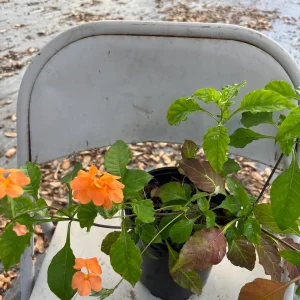
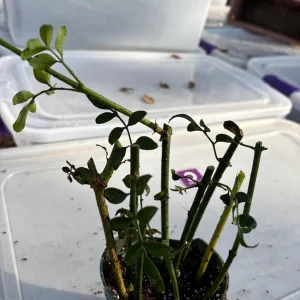
Crossandra Orange Live Plant – Firecracker Flower – Potted Houseplant – Attracts Pollinators
Original price was: $108.00.$54.00Current price is: $54.00.
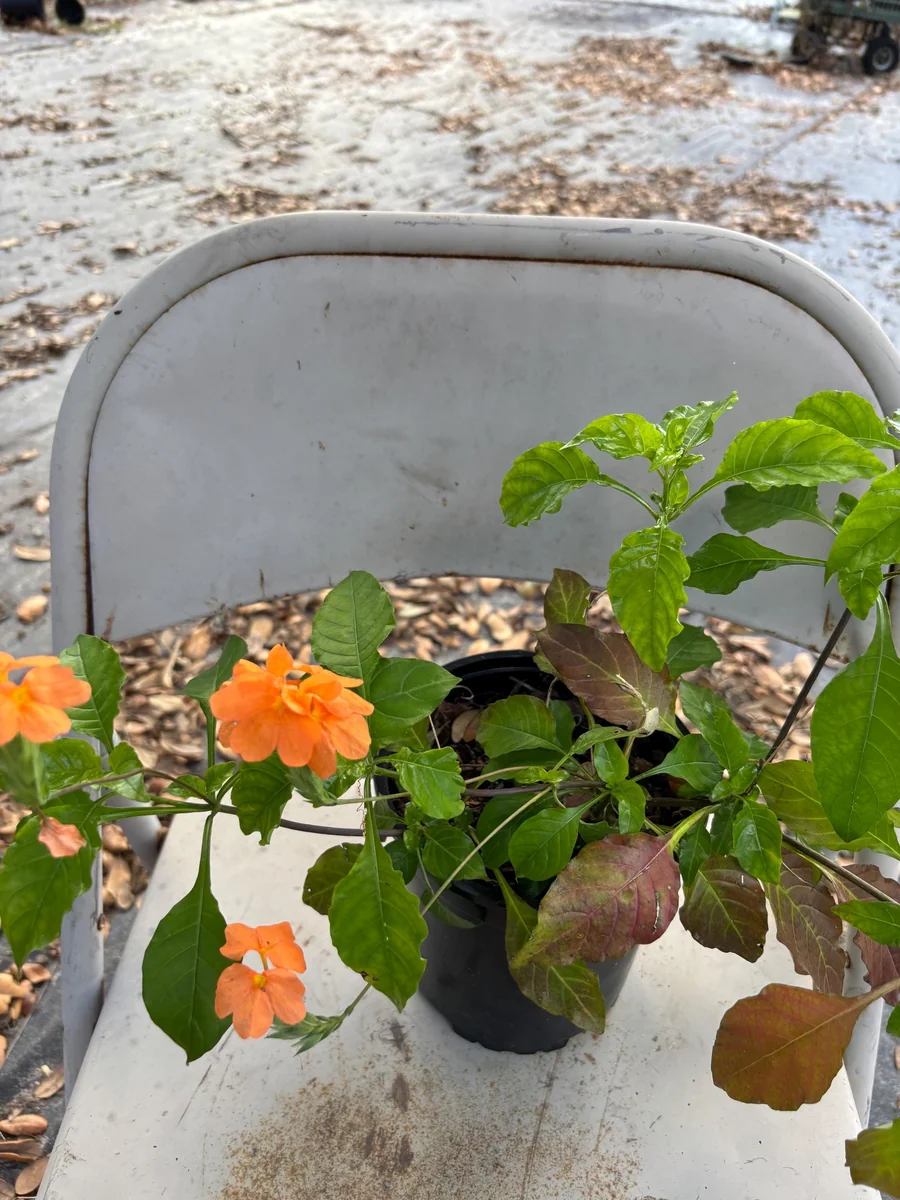
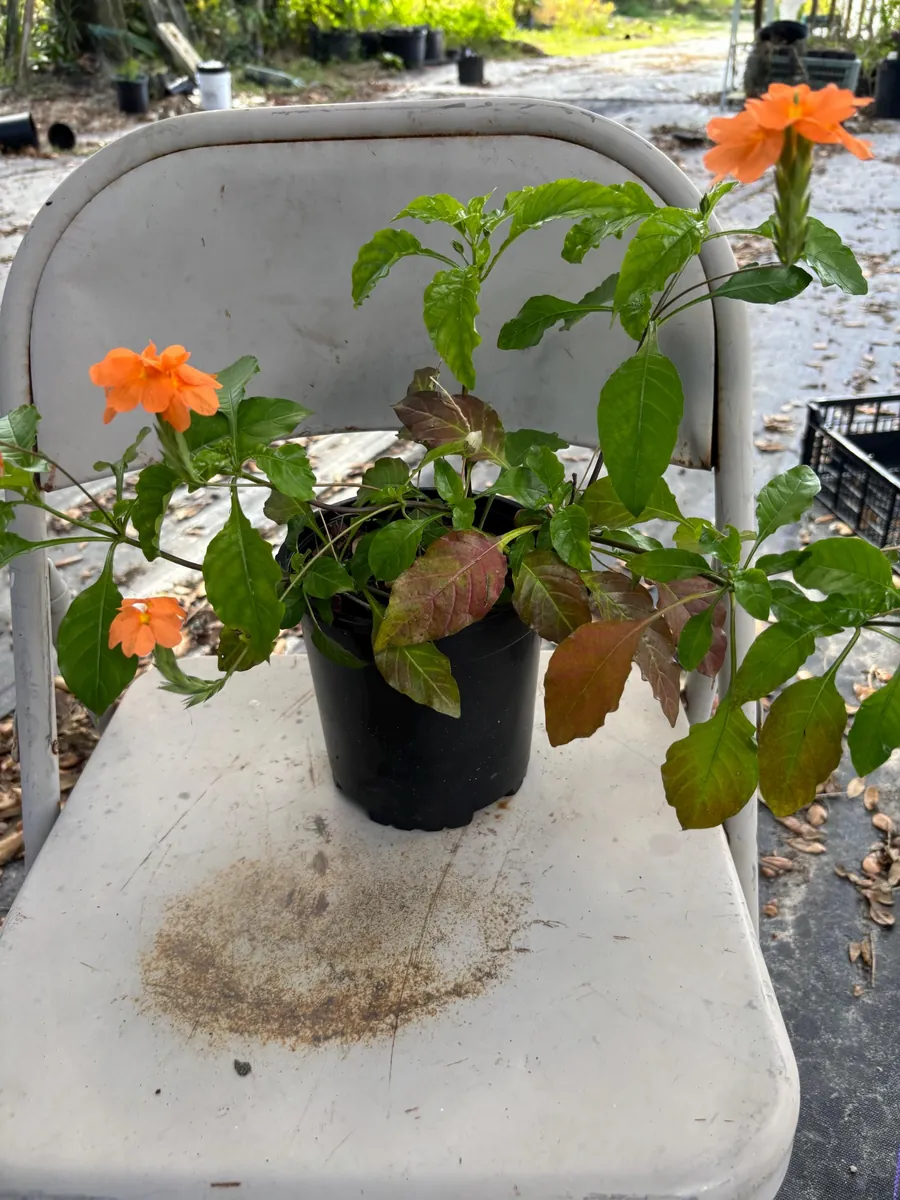
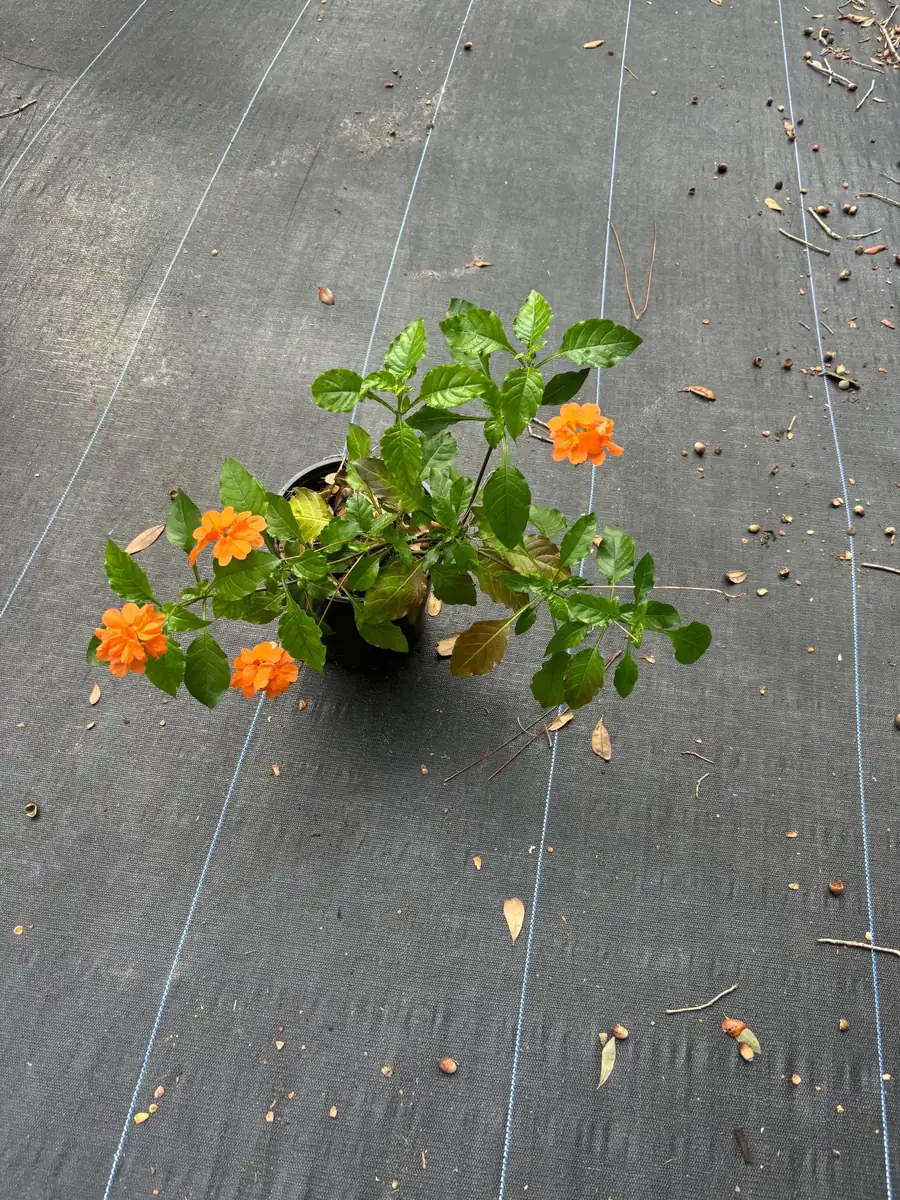
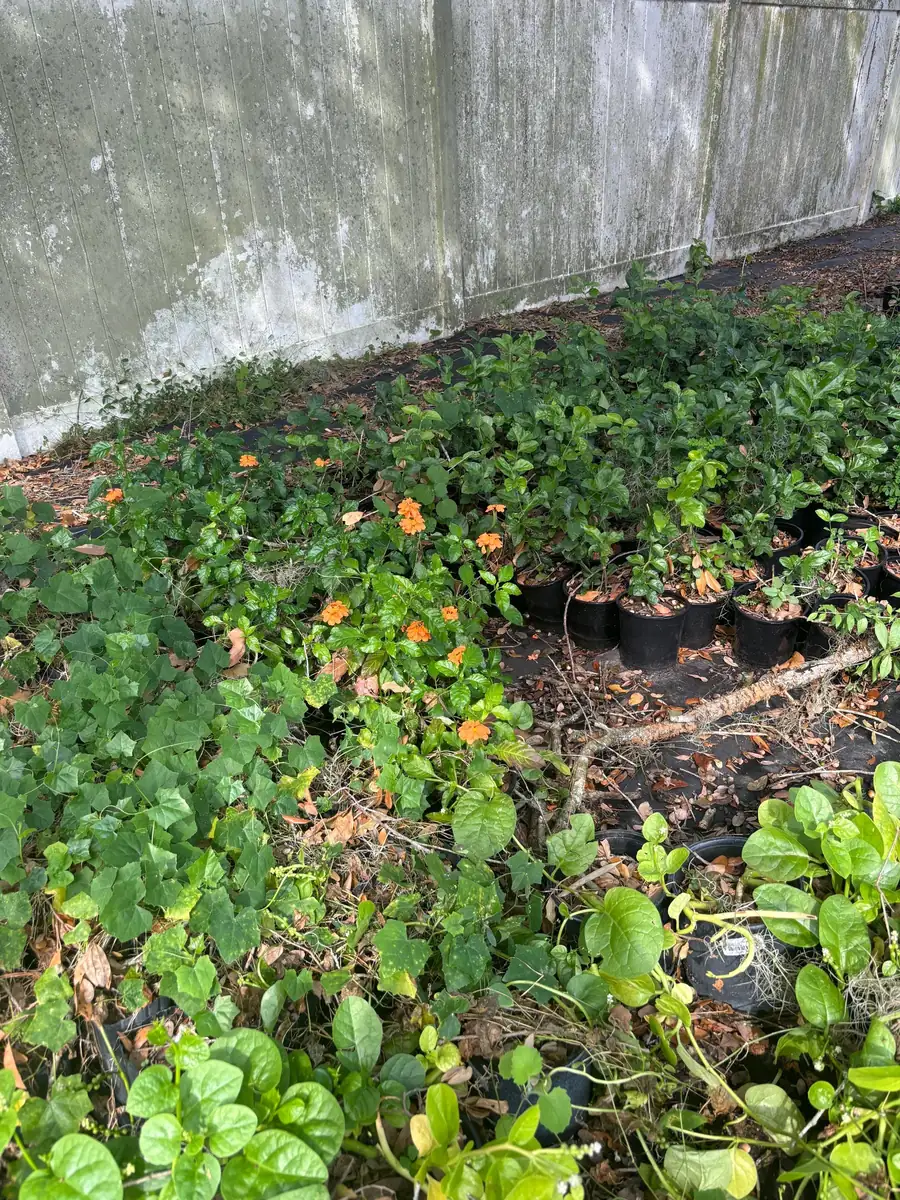
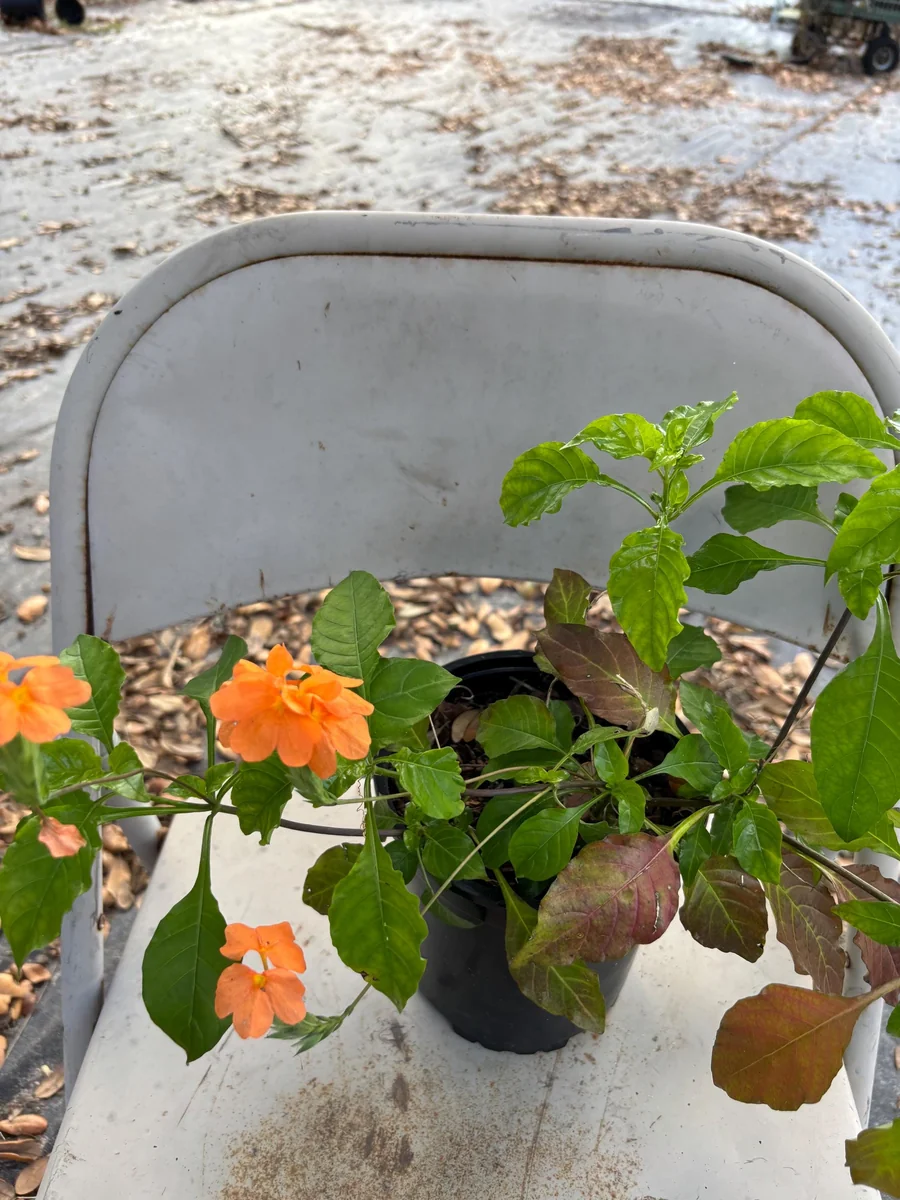
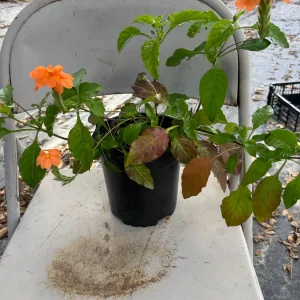
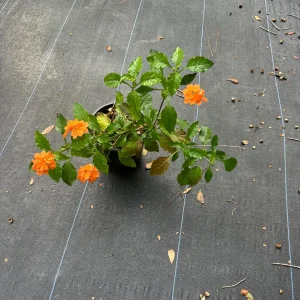
Bring vibrant color to your home or garden with the Crossandra Orange live plant. Also known as Firecracker Flower care, this tropical beauty produces striking orange blooms that attract beneficial pollinators like bees and butterflies. Ideal for humid environments, it offers continuous blossoms throughout the seasons with proper care.
-
USDA Hardiness Zone
USDA Zones 10-11 (outdoors); suitable for indoor cultivation in all zones -
Soil Type
Well-draining, rich potting mix -
Sunlight Exposure
Bright indirect light -
Expected Planting Period
Year-round indoors; spring to early summer outdoors (in suitable zones)

You can track your order HERE
Feb 27
Mar 04 - Mar 06
Mar 09 - Mar 13
Shipping and return policies: Our Alive & Thrive Guarantee covers issues with your plants within the first 30 days. Reach out to us. Our team will answer your questions and help you find the plants that are truly suitable for your environment, climate, and personal preferences.

Overview
The Crossandra Orange live plant, affectionately known as the Firecracker Flower or Kanakambaram, is a stunning tropical perennial celebrated for its fiery orange blooms and glossy green foliage. This vibrant plant is a fantastic addition to any indoor plant collection or a shaded outdoor garden in warmer climates. Its unique flower spikes, resembling small firecrackers, erupt with color, providing continuous visual appeal. Originating from India and Sri Lanka, the Crossandra thrives in humid conditions, making it an excellent choice for bright bathrooms, kitchens, or sheltered patios. Beyond its aesthetic charm, this plant is a magnet for local wildlife, particularly attracting pollinators such as bees and butterflies, contributing to a healthier ecosystem right in your backyard or on your balcony. With its relatively easy care requirements and prolific flowering, the Crossandra Orange live plant promises to be a rewarding and eye-catching specimen for both novice and experienced gardeners alike.
Key Benefits
Cultivating a Crossandra Orange live plant offers a multitude of advantages, transforming your living space into a vibrant and lively haven. Its continuous blooming habit and attractive nature make it a highly desirable plant.
- Vibrant, Continuous Blooms: The primary draw of the Firecracker Flower is its spectacular, long-lasting orange blossoms. Unlike many plants that have short flowering periods, Crossandra can bloom throughout the seasons, especially in warm, humid conditions, providing a constant splash of tropical color. This continuous display is perfect for adding cheer to any setting.
- Attracts Pollinators: This plant is renowned for its ability to attract beneficial insects. The bright orange flowers are irresistible to bees and butterflies, making it an excellent choice for supporting local pollinator populations and enhancing biodiversity in your garden or patio. It’s a great way to contribute positively to the environment.
- Low Maintenance & Easy Care: Despite its exotic appearance, the Crossandra Orange live plant is surprisingly easy to care for. It adapts well to various conditions as long as its basic needs for humidity and light are met, making it suitable for gardeners of all skill levels. With minimal effort, you can enjoy its beauty for years.
- Air Purification: Like many houseplants, Crossandra contributes to improved indoor air quality by absorbing common indoor pollutants and releasing oxygen. This natural air-filtering ability helps create a healthier and more pleasant living environment, making your home feel fresher.
- Versatile Placement: Whether you’re looking for a striking potted houseplant, a charming addition to a shaded garden bed, or an accent for a patio container, the Firecracker Flower fits beautifully. Its compact size and upright growth habit allow it to thrive in various settings, indoors or out.
- Enhances Humidity: For those in drier climates or homes, having plants like Crossandra naturally increases ambient humidity. This can be beneficial for both other plants and even human comfort, especially during dry indoor heating seasons.
- Aesthetic Appeal: The lush green foliage provides a beautiful contrast to the vivid orange flowers, creating a tropical and sophisticated look. This combination makes it a stunning decorative element that can elevate the aesthetic of any room or garden space.
Plant Care & Growing Tips
Proper care is essential to ensure your Crossandra Orange live plant thrives and produces its signature continuous blooms. These tropical plants prefer conditions that mimic their native humid environments, but with a few key considerations, they can flourish in a variety of settings. Understanding the specific needs for Firecracker Flower care will help you enjoy its beauty year-round.
Sunlight Requirements: Crossandra prefers bright, indirect light. Too much direct sun can scorch its delicate leaves, especially in hot climates, while too little light will result in sparse flowering. An east-facing window indoors or a location with morning sun and afternoon shade outdoors is ideal. If grown indoors, consider supplementing with a grow light during darker winter months to maintain vigorous growth and blooming. Ensure consistent light exposure for best results.
Watering Schedule and Soil Moisture: This plant likes consistently moist, but not waterlogged, soil. Water thoroughly when the top inch of soil feels dry to the touch. Ensure proper drainage to prevent root rot, which is a common issue for plants that prefer consistent moisture. Reduce watering during cooler, dormant periods. Humidity is also crucial; misting the leaves regularly, especially indoors, or placing the pot on a pebble tray filled with water, will help create the ideal humid environment that the Kanakambaram plant benefits from.
Soil Type and Drainage: A well-draining potting mix rich in organic matter is perfect for Crossandra. A mix designed for tropical plants or a general-purpose potting mix amended with perlite or coarse sand will provide the necessary drainage and aeration. Good drainage is paramount to prevent the roots from sitting in stagnant water, which can quickly lead to fungal issues and plant decline. Ensure your pot has drainage holes.
Temperature Range and USDA Hardiness Zone: Crossandra is a tropical plant and prefers warm temperatures, ideally between 65-80°F (18-27°C). It is not frost-tolerant and should be brought indoors when temperatures drop below 50°F (10°C). It is generally suited for USDA Hardiness Zones 10-11 for outdoor planting, but can be grown as an annual or a potted houseplant in cooler zones. Protect it from cold drafts and sudden temperature fluctuations.
Fertilization Schedule and Type: During the active growing and blooming season (spring through fall), feed your Crossandra every 2-4 weeks with a balanced liquid fertilizer diluted to half strength. A fertilizer higher in phosphorus can encourage more abundant blooms. Reduce or stop fertilization during the winter months when the plant’s growth slows. Over-fertilization can lead to salt buildup in the soil, which can harm the plant.
Common Problems and Solutions: Yellowing leaves can indicate overwatering or nutrient deficiency. Adjust watering habits and ensure proper fertilization. Pests like spider mites or aphids can sometimes be an issue, especially in dry indoor environments. Regular inspection and treatment with insecticidal soap or neem oil can help manage these pests. Deadheading spent flowers will encourage more blooms and keep the plant looking tidy. This simple practice is key to maximizing the flowering potential of your Crossandra Orange live plant.
Size & Details
This Crossandra Orange live plant typically grows as a compact shrub, reaching an average height of 1-3 feet and a similar spread when mature, making it an ideal size for both indoor containers and garden beds. Its moderate growth rate means it will establish itself well within a season with proper care. It is shipped as a live, healthy plant, often in a nursery pot (size may vary, but commonly 4-6 inches), ready for you to transplant into a larger pot or your garden. Expect to see its vibrant orange blooms continuously under optimal conditions, especially as it matures. The lush foliage provides a beautiful backdrop to the striking flowers. This plant is perfect for those seeking an orange flowering houseplant that remains manageable in size.
Frequently Asked Questions
- Q: How big does this plant get? A: The Crossandra Orange live plant typically grows to a height of 1-3 feet and a similar spread, making it a compact and manageable size for various settings. Its growth habit is bushy and upright.
- Q: What size pot does it come in? A: The plant usually arrives in a standard nursery pot, often between 4 to 6 inches in diameter, suitable for immediate care or transplanting into a larger decorative pot.
- Q: Is this an indoor or outdoor plant? A: While it can thrive outdoors in warm, humid climates (USDA Zones 10-11), it is most commonly grown as a stunning indoor houseplant or an annual in cooler regions. It prefers bright, indirect light.
- Q: How much sunlight does it need? A: The Firecracker Flower care requires bright, indirect sunlight. Avoid harsh, direct afternoon sun, which can scorch its leaves, but ensure it gets enough light to encourage abundant blooming.
- Q: Is this plant easy to care for? A: Yes, Crossandra is considered relatively easy to care for, especially for those familiar with tropical plants. Its main requirements are consistent moisture, high humidity, and bright, indirect light.
- Q: What condition will it arrive in? A: Your Crossandra Orange live plant will arrive carefully packaged as a healthy, live plant. Some minor leaf drop or stress can occur during transit, but the plant typically recovers quickly with proper care.
- Q: When is the best time to plant? A: If growing outdoors in suitable zones, spring is the ideal time to plant. For indoor cultivation, it can be planted any time of the year, allowing it to establish itself in its new environment.
- Q: Can I use the Kanakambaram plant benefits in any way? A: While primarily grown for its ornamental value and ability to attract pollinators, the plant is not typically used for culinary or medicinal purposes. Its main benefit is its beauty and ecological contribution.
- Q: Will it survive winter in my zone? A: If you are outside USDA Zones 10-11, the Crossandra will not survive winter outdoors and should be brought inside as a houseplant before temperatures drop below 50°F (10°C).
- Q: How can I encourage more blooms? A: Consistent bright, indirect light, regular watering, appropriate fertilization during the growing season, and deadheading spent flowers are key to encouraging continuous and prolific blooming from your orange flowering houseplant.
Be the first to review “Crossandra Orange Live Plant – Firecracker Flower – Potted Houseplant – Attracts Pollinators”
People Also Viewed
Sold 91 products
Original price was: $64.80.$32.40Current price is: $32.40.
Sold 50 products
From $197.96
Sold 69 products
Original price was: $216.00.$108.00Current price is: $108.00.
Sold 50 products
Original price was: $289.96.$144.98Current price is: $144.98.
Sold 79 products
Original price was: $391.96.$195.98Current price is: $195.98.
Flower Plants
Sold 81 products
Original price was: $35.96.$17.98Current price is: $17.98.
Sold 96 products
Original price was: $289.96.$144.98Current price is: $144.98.
Sold 54 products
$48.38
Sold 58 products
Original price was: $391.96.$195.98Current price is: $195.98.
Sold 50 products
Original price was: $22.00.$17.60Current price is: $17.60.
Sold 98 products
Original price was: $78.00.$39.00Current price is: $39.00.
Sold 95 products
Original price was: $146.90.$88.14Current price is: $88.14.

Sold 87 products
$43.98
Sold 63 products
Original price was: $147.16.$73.58Current price is: $73.58.

Sold 86 products
From $150.99
Sold 76 products
$85.78
Sold 57 products
$41.78
Sold 70 products
Original price was: $147.16.$73.58Current price is: $73.58.



Reviews
There are no reviews yet.