
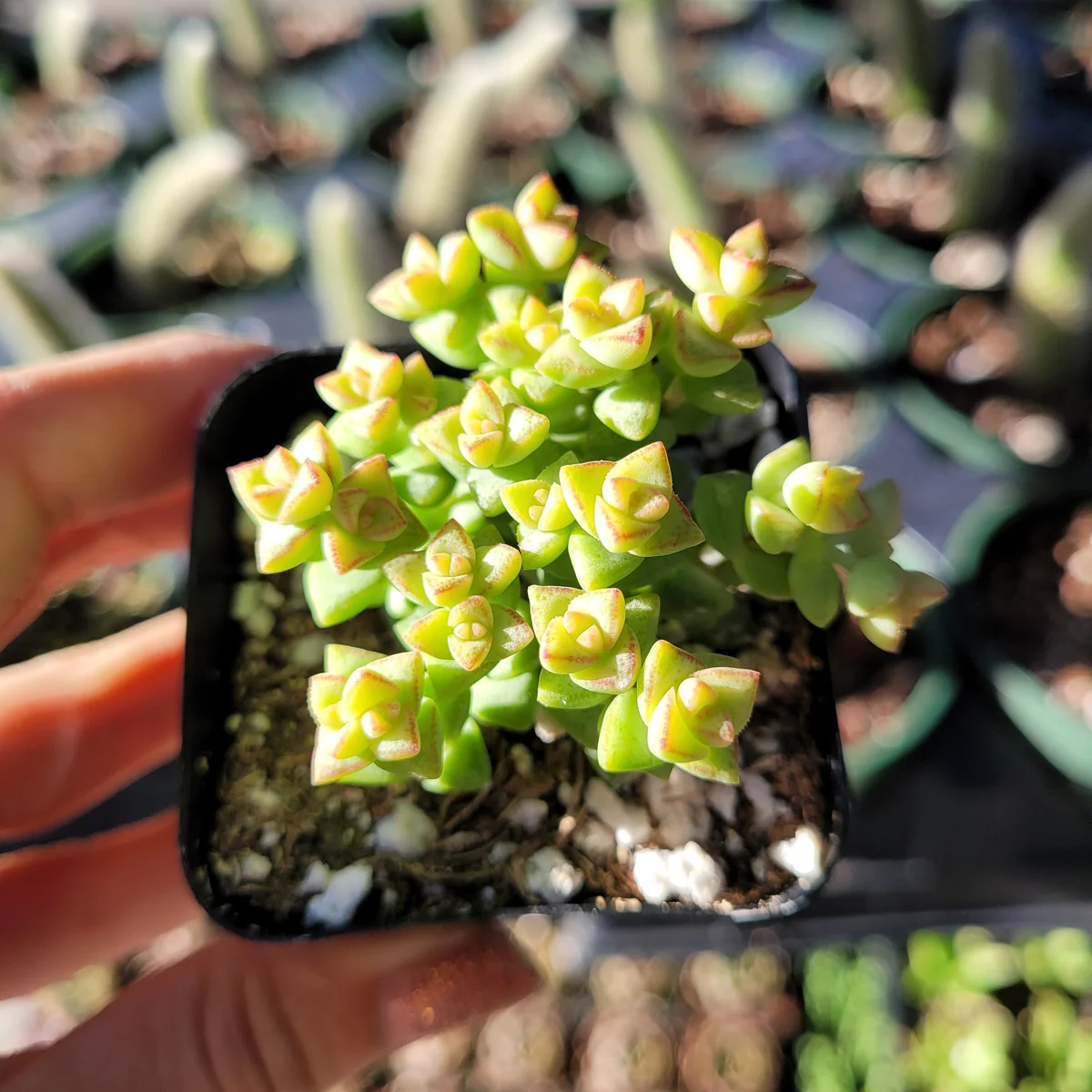
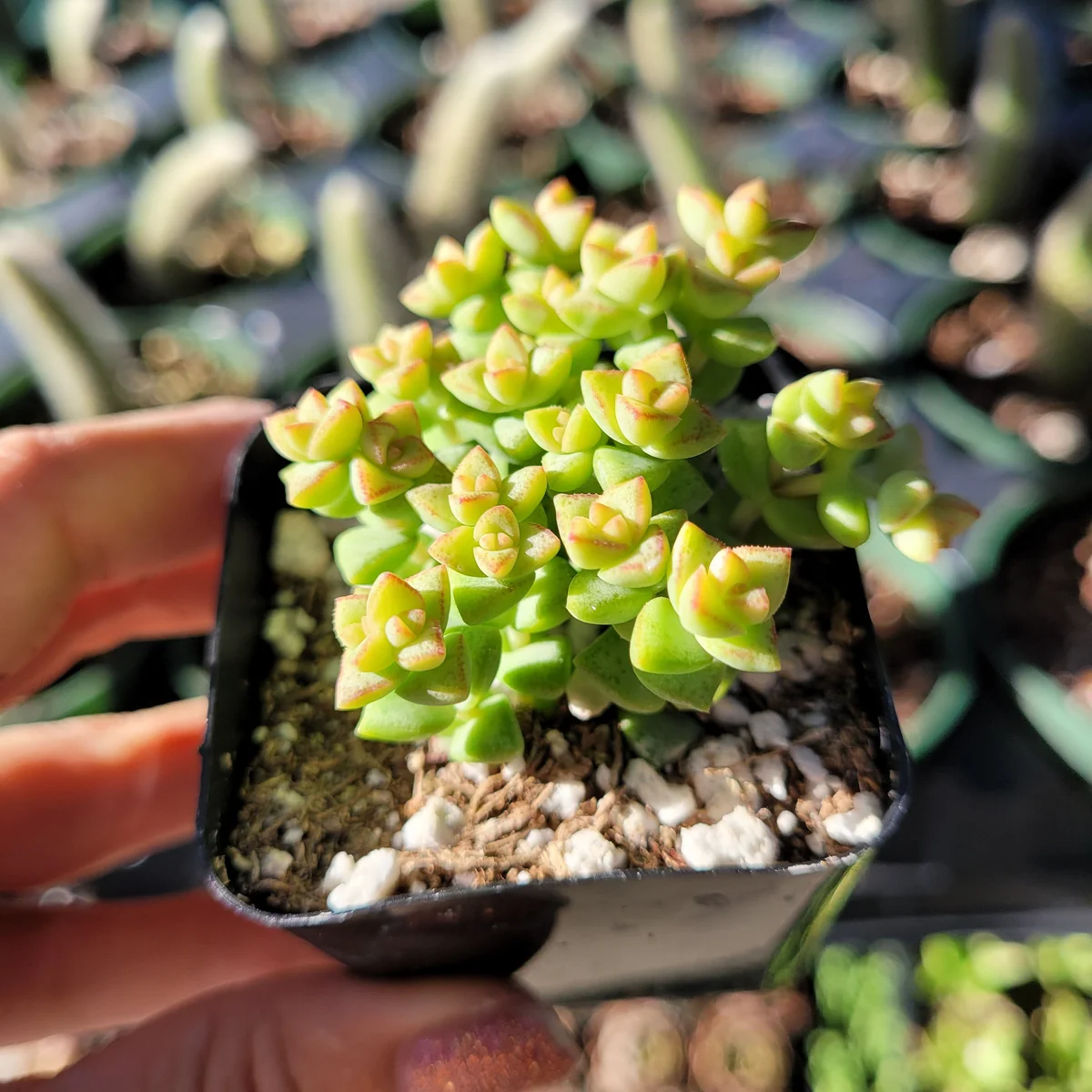
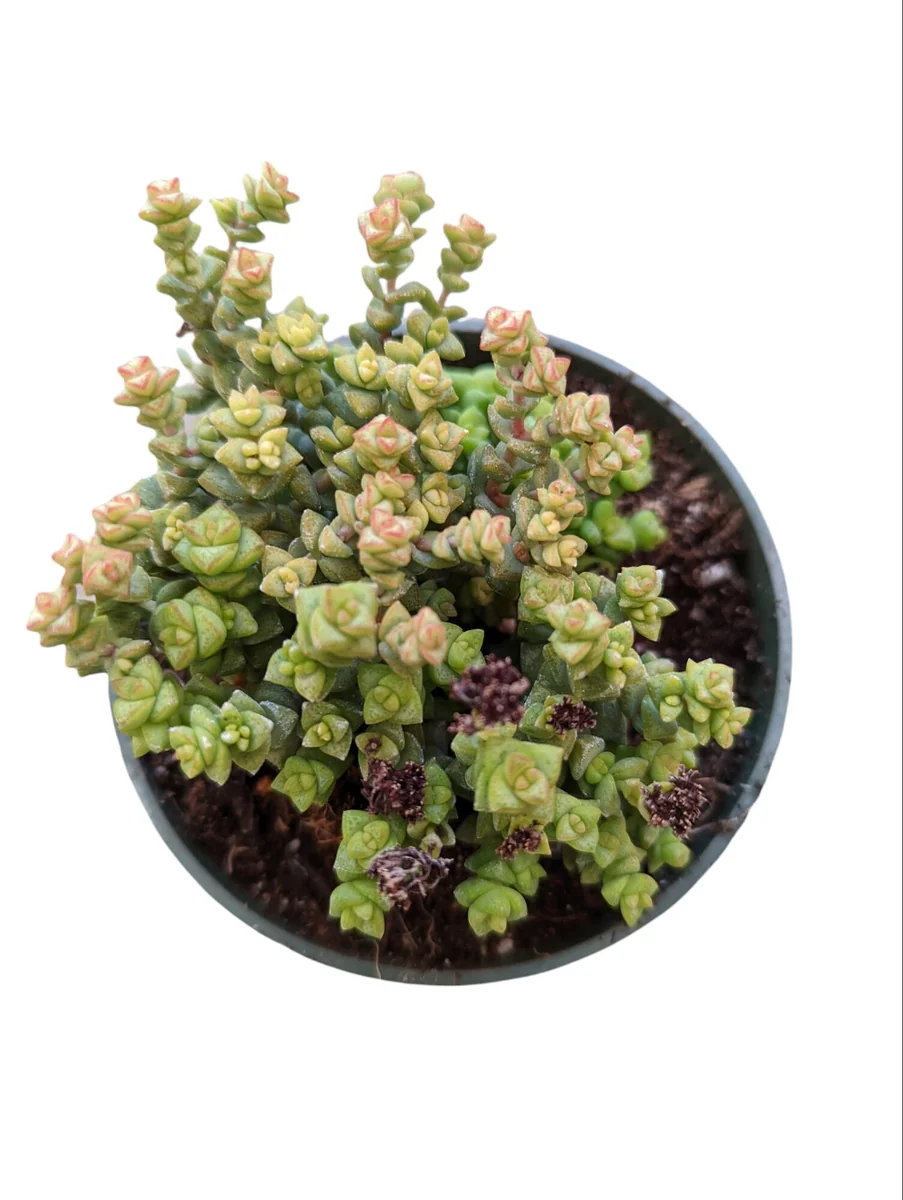
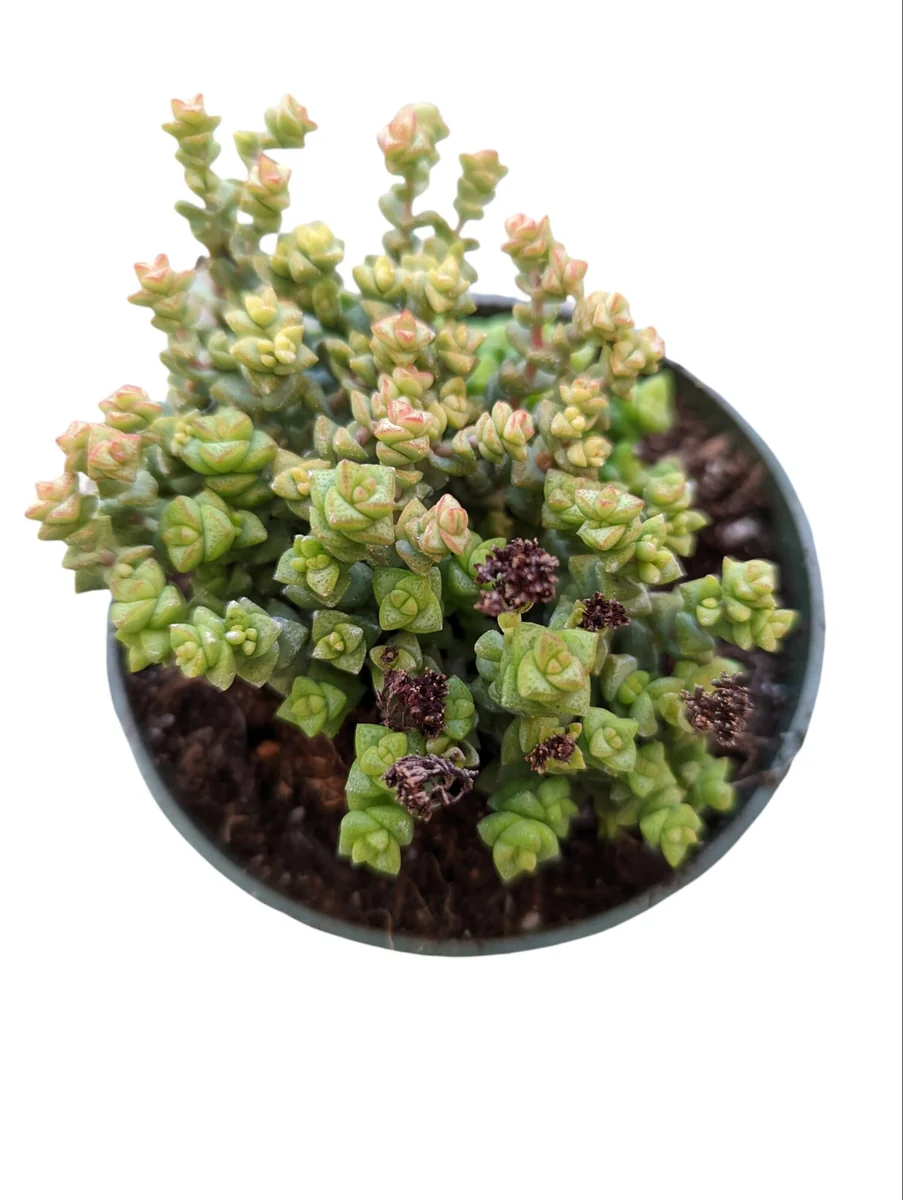
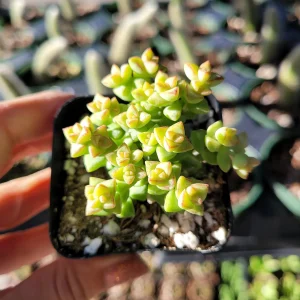
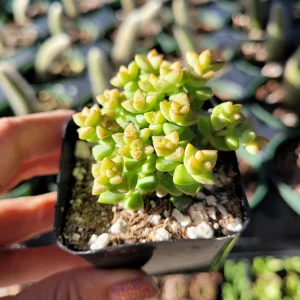
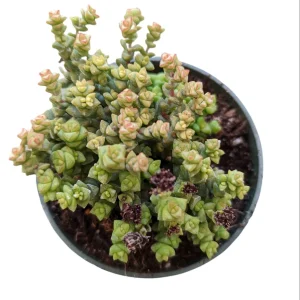
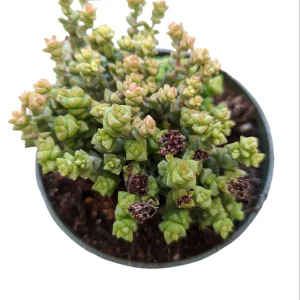
Crassula ‘Tom Thumb’ Succulent Live Plant – Drought Tolerant Houseplant
$0.00
Add a charming touch to your collection with the Crassula ‘Tom Thumb’ succulent plant. This unique miniature succulent features stacked, triangular leaves, creating an intriguing texture. It’s a drought tolerant succulent, making it ideal for busy plant enthusiasts or those new to gardening.
-
USDA Hardiness Zone
USDA zones 9-11 (outdoors) or indoor cultivation -
Soil Type
Porous, well-draining succulent or cactus mix -
Sunlight Exposure
Bright indirect light (4-6 hours daily) -
Expected Planting Period
Year-round indoors

You can track your order HERE
Jan 13
Jan 18 - Jan 20
Jan 23 - Jan 27
Shipping and return policies: Our Alive & Thrive Guarantee covers issues with your plants within the first 30 days. Reach out to us. Our team will answer your questions and help you find the plants that are truly suitable for your environment, climate, and personal preferences.

Overview
Introduce a delightful miniature to your plant collection with the Crassula ‘Tom Thumb’ succulent plant. This captivating live plant, scientifically known as Crassula rupestris ssp. commutata ‘Tom Thumb’, is a hybrid succulent celebrated for its distinctive appearance. Its small, triangular leaves grow tightly stacked on slender stems, forming charming, compact columns. Often displaying reddish hues along the leaf margins when exposed to ample sunlight, the ‘Tom Thumb’ offers a subtle yet striking visual appeal. As a member of the Crassula genus, it shares the characteristic hardiness and ease of care that makes succulents so popular among gardeners of all experience levels. This particular variety is perfect for windowsills, terrariums, or as a charming addition to any succulent arrangement, bringing a touch of natural beauty to small spaces.
The Crassula ‘Tom Thumb’ succulent plant is a fantastic choice for both seasoned collectors and those just beginning their succulent journey. Its unique form and low-maintenance nature make it a rewarding plant to grow, requiring minimal attention once established. Embrace the joy of cultivating this adorable succulent and watch it thrive with proper care.
Key Benefits
The Crassula ‘Tom Thumb’ succulent plant offers numerous advantages that make it a highly desirable addition to any home or office. Its resilience and striking appearance contribute to its popularity.
- Drought Tolerance: This succulent is exceptionally drought-tolerant, capable of storing water in its leaves. This makes it a perfect choice for those who might forget to water frequently, or for arid climates.
- Compact Size: Its miniature growth habit means it fits perfectly in small spaces, such as desks, shelves, windowsills, or as part of a mixed succulent planter. It won’t outgrow its spot quickly.
- Low Maintenance: The Crassula ‘Tom Thumb’ succulent plant requires minimal care, thriving on neglect rather than constant attention. This makes it an ideal plant for beginners or busy individuals.
- Unique Aesthetics: The tightly stacked, triangular leaves create an architectural and intriguing texture, adding a unique visual element to any plant display. The red-tipped leaves in bright light enhance its charm.
- Air Purification: Like many succulents, it helps improve indoor air quality by absorbing toxins and releasing oxygen, contributing to a healthier living environment.
- Versatile Decor: Its charming appearance and small size make it suitable for a wide range of decorative styles, from modern minimalist to rustic. It can be a standalone piece or complement other plants.
Plant Care & Growing Tips
Caring for your Crassula ‘Tom Thumb’ succulent plant is straightforward, making it an excellent choice for those seeking an easy-care plant. Understanding its basic needs will ensure it thrives and displays its best colors and compact form.
Sunlight Requirements: This miniature succulent plant thrives in bright, indirect light. A south-facing window is often ideal indoors, providing several hours of sunlight. While it can tolerate some direct morning sun, intense afternoon sun, especially in hot climates, might scorch its leaves. If growing outdoors, choose a spot with partial sun or filtered light. Ample light is crucial for maintaining its compact growth and encouraging the attractive reddish tints on its leaf edges.
Watering Schedule & Soil Moisture: The ‘Tom Thumb’ is a drought tolerant succulent, so overwatering is its biggest enemy. Water thoroughly only when the soil has completely dried out. In warmer months, this might be every 2-4 weeks, while in cooler months, it could extend to 4-6 weeks or even longer. Always check the soil moisture with your finger before watering. Ensure the pot has drainage holes to prevent waterlogging, which can lead to root rot. When in doubt, it’s always better to underwater than overwater.
Soil Type & Drainage: To prevent root rot, plant your Crassula ‘Tom Thumb’ in a porous, well-draining soil mix. A specialized cactus or succulent potting mix is highly recommended. You can further enhance drainage by adding perlite, pumice, or coarse sand to a standard potting mix. This ensures that water doesn’t sit around the roots, mimicking its natural arid habitat.
Temperature Range & USDA Hardiness Zone: This succulent prefers average to warm indoor temperatures, ideally between 65-80°F (18-27°C). It is not frost-tolerant and should be protected from temperatures below 40°F (4°C). If grown outdoors in colder climates, it must be brought indoors during winter. Generally, it is suitable for USDA zones 9-11 for outdoor growth, though it is predominantly grown as an indoor plant.
Fertilization: Fertilize sparingly, if at all. A diluted balanced liquid fertilizer specifically formulated for succulents can be applied once or twice during its active growing season (spring and summer). Avoid fertilizing in fall and winter when the plant is dormant. Too much fertilizer can lead to leggy growth and chemical burns.
Common Problems & Solutions: The most common issue is overwatering, leading to soft, mushy leaves and root rot. If this occurs, reduce watering and ensure proper drainage. Leggy growth indicates insufficient light; move your plant to a brighter location. Pests like mealybugs can occasionally appear; treat with rubbing alcohol on a cotton swab or an insecticidal soap.
Size & Details
The Crassula ‘Tom Thumb’ succulent plant is known for its compact and charming stature. Typically, this miniature succulent grows to about 4-6 inches (10-15 cm) in height, with individual stems reaching similar lengths before they may trail or branch. Its width is generally proportional to its height, forming a small, dense clump. This plant is often shipped bare root to ensure its health during transit, allowing you to plant it directly into your preferred well-draining succulent mix upon arrival. It has a relatively slow to moderate growth rate, making it an excellent choice for small containers or as a long-term addition to a succulent collection. Expect it to mature into a delightful, compact specimen within a year or two with proper care, showcasing its unique stacked foliage.
Frequently Asked Questions
- Q: How big does the Crassula ‘Tom Thumb’ succulent plant get? A: The Crassula ‘Tom Thumb’ typically grows to about 4-6 inches (10-15 cm) in height and width, maintaining a very compact and miniature form.
- Q: Is this an indoor or outdoor plant? A: While it can be grown outdoors in USDA zones 9-11, the Crassula ‘Tom Thumb’ is predominantly grown as an indoor houseplant due to its sensitivity to cold temperatures.
- Q: How much sunlight does the Crassula ‘Tom Thumb’ need? A: This easy care succulent thrives in bright, indirect light for at least 4-6 hours a day. A south-facing window is often ideal indoors.
- Q: Is this plant easy to care for? A: Yes, the Crassula ‘Tom Thumb’ is considered a very easy-care succulent, perfect for beginners due to its drought tolerance and minimal needs. It’s a great choice for those looking for an easy care succulent.
- Q: What condition will the Crassula ‘Tom Thumb’ arrive in? A: Most plants are shipped bare root to ensure their health and safety during transit, without a pot or soil, unless otherwise specified.
- Q: How often should I water my Crassula Tom Thumb? A: Water only when the soil is completely dry to the touch, which could be every 2-4 weeks during warmer months and less frequently in cooler periods.
- Q: What kind of soil is best for Crassula ‘Tom Thumb’? A: A well-draining cactus or succulent potting mix is essential to prevent root rot. You can enhance drainage by adding perlite or pumice.
- Q: Can the Crassula ‘Tom Thumb’ change color? A: Yes, with sufficient bright light, the edges of the leaves on your Crassula ‘Tom Thumb’ succulent plant may develop attractive reddish tints, enhancing its visual appeal.
- Q: Is the Crassula Tom Thumb care difficult during winter? A: During winter, reduce watering significantly as the plant enters a period of slower growth. Ensure it remains in a warm, bright spot away from cold drafts.
- Q: Is this miniature succulent plant pet-safe? A: While generally considered low toxicity, it’s always best to keep plants out of reach of pets to prevent any potential mild irritation.
Be the first to review “Crassula ‘Tom Thumb’ Succulent Live Plant – Drought Tolerant Houseplant”
People Also Viewed
Sold 92 products
From $51.80
Sold 63 products
Original price was: $39.98.$19.99Current price is: $19.99.
Sold 91 products
From $79.80

Sold 52 products
From $55.80
Sold 56 products
From $47.80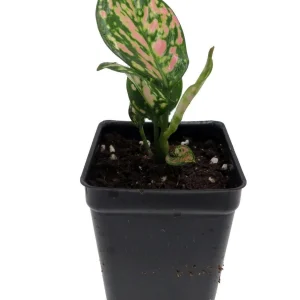
HousePlants
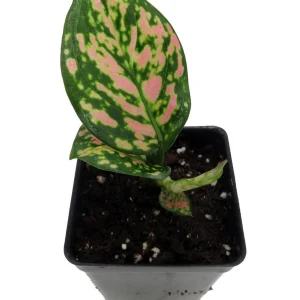
Red Lady Valentine Chinese Evergreen Plant – Aglaonema Live Plant – 2.5 inch Pot – Indoor
Sold 72 products
Original price was: $25.56.$12.78Current price is: $12.78.
Sold 76 products
Original price was: $15.96.$7.98Current price is: $7.98.
Sold 60 products
Original price was: $359.60.$179.80Current price is: $179.80.



Reviews
There are no reviews yet.