
Crassula Perforata String of Buttons Variegata Succulent Live Plant
Original price was: $19.00.$9.50Current price is: $9.50.
Bring home a beautiful crassula perforata string of buttons, a unique variegated succulent plant known for its stacked, button-like leaves. This easy-care, drought-tolerant succulent is perfect for bright indoor locations or accenting your garden.
-
USDA Hardiness Zone
USDA zones 9-11 (outdoors), year-round indoors -
Soil Type
Porous, well-draining succulent or cactus mix -
Sunlight Exposure
Bright direct light to full sun -
Expected Planting Period
Year-round indoors, spring to early summer outdoors

You can track your order HERE
Mar 01
Mar 06 - Mar 08
Mar 11 - Mar 15
Shipping and return policies: Our Alive & Thrive Guarantee covers issues with your plants within the first 30 days. Reach out to us. Our team will answer your questions and help you find the plants that are truly suitable for your environment, climate, and personal preferences.

Overview
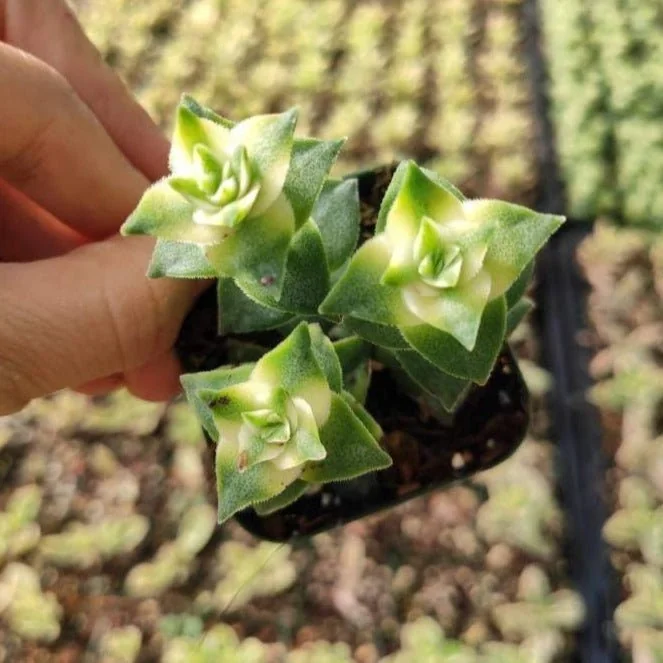
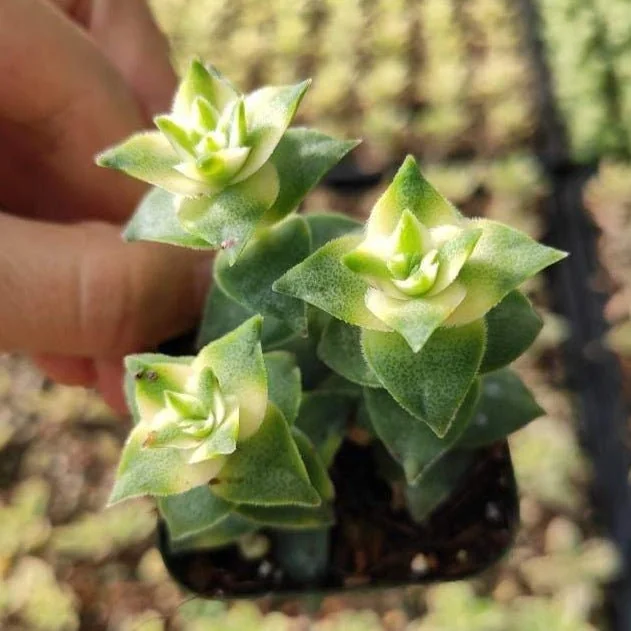
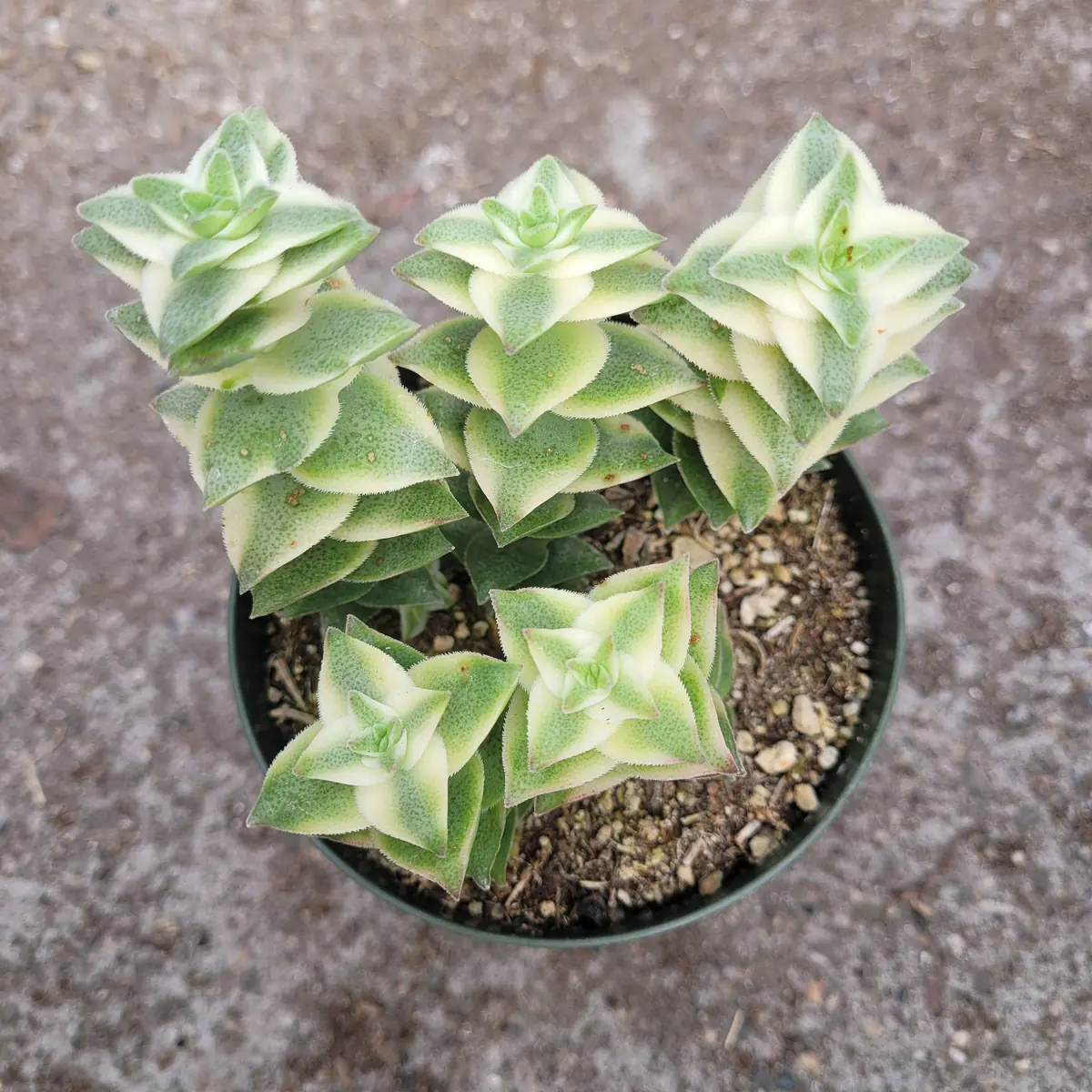
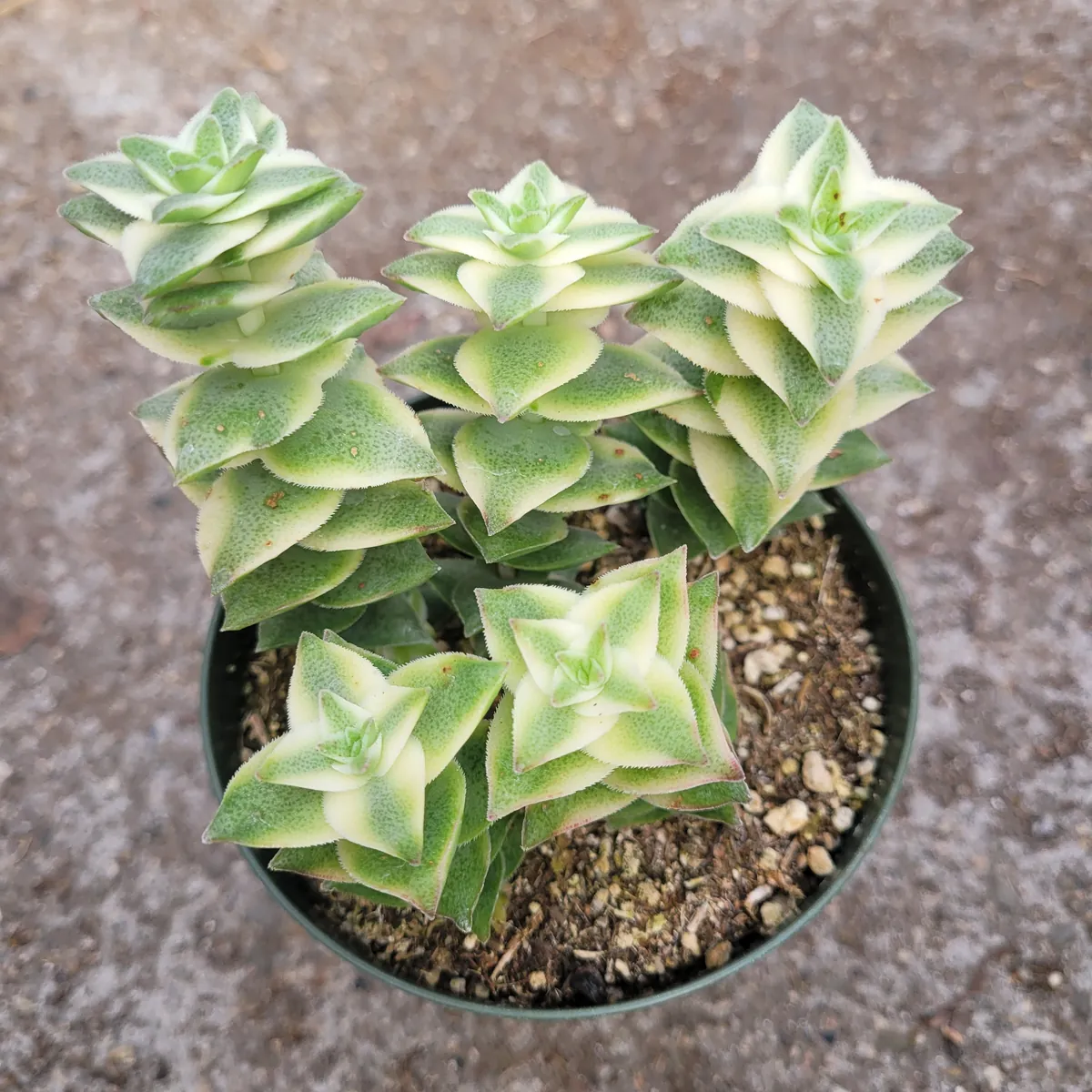
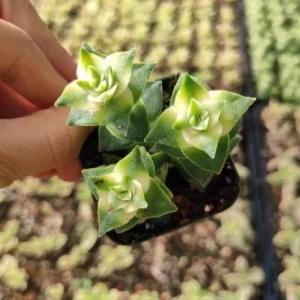
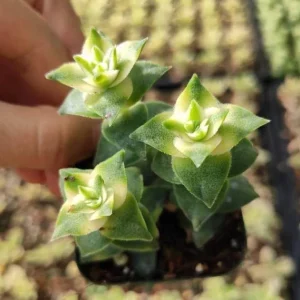
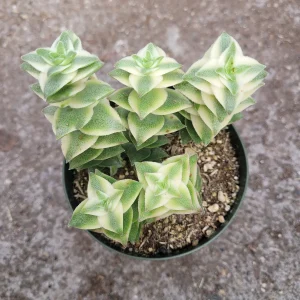
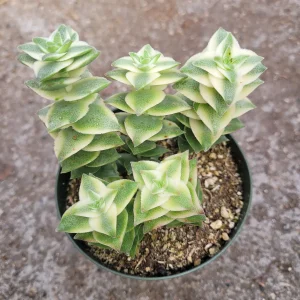
Introduce an eye-catching specimen to your plant collection with the crassula perforata string of buttons. This distinctive succulent, also known as ‘String of Buttons Variegata’ or Necklace Vine, is celebrated for its unique growth habit and attractive foliage. Its leaves are stacked neatly along the stems, resembling a string of buttons, and feature beautiful variegation with shades of green, cream, and often pink or red margins when exposed to ample light. As a variegated succulent plant, it offers a striking visual appeal that makes it a favorite among succulent enthusiasts and beginners alike. This live plant is robust and adds architectural interest to any bright space, whether it’s a sunny windowsill indoors or a protected outdoor rock garden.
The Crassula perforata is a member of the Crassulaceae family, native to South Africa, known for its hardiness and ability to thrive in dry conditions. This particular variegated form brings an extra layer of beauty and uniqueness to the species. It’s a relatively compact grower, making it ideal for small spaces, dish gardens, or as a charming addition to a mixed succulent arrangement. Its ability to reproduce easily also makes it a rewarding plant to propagate and share.
Key Benefits
The crassula perforata string of buttons offers a multitude of benefits, making it an excellent choice for any plant lover. Its unique aesthetics and resilience contribute to its widespread appeal, ensuring it remains a standout feature in your home or garden.
- Stunning Variegated Foliage: The stacked leaves display a beautiful mix of green, cream, and often pink or red, providing year-round visual interest. This variegation intensifies with proper light exposure.
- Drought-Tolerant: As a drought-tolerant succulent, it requires minimal watering, making it an ideal choice for busy individuals or those looking for water-wise gardening solutions.
- Low Maintenance: This plant is incredibly forgiving and easy to care for, thriving on neglect rather than constant attention. It’s perfect for novice plant parents.
- Compact Growth Habit: Its smaller size makes it suitable for windowsills, desks, terrariums, or as part of a succulent arrangement without taking up too much space.
- Air Purification: Like many succulents, it contributes to improved indoor air quality by absorbing toxins and releasing oxygen.
- Easy to Propagate: This variegated succulent plant readily reproduces from cuttings, allowing you to easily expand your collection or share with friends.
- Unique Texture and Form: The geometric stacking of its leaves provides a distinct textural element that adds depth and character to any plant display.
Plant Care & Growing Tips
Caring for your crassula perforata string of buttons is straightforward, ensuring it remains a vibrant and healthy addition to your home. This plant thrives with proper light, careful watering, and well-draining soil. Providing the right environment will allow its beautiful variegation to truly shine. For optimal growth and color, focus on mimicking its natural arid habitat.
Sunlight Requirements: The ‘String of Buttons Variegata’ loves bright, ample light. A south-facing window is ideal indoors, providing several hours of direct sunlight daily. If kept outdoors, position it in a spot that receives full sun to partial shade, especially protecting it from intense afternoon sun in very hot climates to prevent leaf burn. Good light exposure is crucial for maintaining the vibrant colors and compact growth of this crassula perforata care regimen. Insufficient light can lead to leggy growth and duller variegation.
Watering Schedule and Soil Moisture: Water thoroughly but infrequently. Allow the soil to dry out completely between waterings to prevent root rot, which succulents are very susceptible to. In warmer months, you might water every 2-4 weeks, while in cooler months, watering can be reduced significantly, perhaps once a month or even less. Always check the soil moisture before watering. When considering string of buttons care, remember that underwatering is generally better than overwatering for succulents.
Soil Type and Drainage: This succulent requires a porous, well-draining soil mix. A standard cactus or succulent potting mix is perfect. You can enhance drainage by adding pumice, perlite, or coarse sand to a regular potting mix. Good drainage is paramount to prevent water from sitting around the roots, which can lead to fungal issues and rot. The pot should also have a drainage hole.
Temperature Range and USDA Hardiness Zone: Crassula perforata prefers warm temperatures, ideally between 65-80°F (18-27°C). It is not frost-tolerant and should be protected from temperatures below 40°F (4°C). If you live in an area with cold winters, it’s best to grow this plant indoors or move it inside during colder months. It is generally hardy in USDA zones 9-11 if grown outdoors year-round.
Fertilization: Fertilize sparingly, if at all. A diluted, balanced liquid fertilizer designed for succulents can be applied once or twice during the growing season (spring and summer). Avoid fertilizing in fall and winter when the plant is dormant. Over-fertilization can harm the plant.
Common Problems: Watch out for mealybugs or spider mites, which can occasionally affect succulents. Inspect your plant regularly and treat any infestations promptly with insecticidal soap or neem oil. The most common issue is overwatering, leading to soft, mushy stems or leaves. Ensure proper watering practices for healthy growth of your drought-tolerant succulent.
Size & Details
The crassula perforata string of buttons typically grows as a compact, upright to trailing succulent, reaching heights of about 6 to 12 inches (15-30 cm) with a similar spread, depending on its age and growing conditions. Each stem is adorned with tightly stacked, button-like leaves that are usually 0.5 to 1 inch long. This live plant is usually shipped bare root or in a small nursery pot, ready for you to plant in your preferred container. It exhibits a moderate growth rate, gradually filling out its space and occasionally producing small, star-shaped white or pale yellow flowers, usually in late winter to spring, though it is primarily grown for its attractive foliage. The vibrant colors of the variegation are most pronounced under bright light, adding to its ornamental value.
Frequently Asked Questions
- Q: How big does this plant get? A: The crassula perforata string of buttons typically grows to about 6-12 inches tall and wide, forming a compact, sometimes trailing, mound. Its size can vary slightly based on growing conditions and pot size.
- Q: Is this an indoor or outdoor plant? A: This variegated succulent plant can be grown both indoors and outdoors. It thrives indoors in bright, sunny windowsills. Outdoors, it prefers a warm climate (USDA zones 9-11) and should be protected from frost.
- Q: How much sunlight does it need? A: The ‘String of Buttons Variegata’ requires ample bright light, preferably several hours of direct sun daily, to maintain its vibrant colors and compact form. A south-facing window is ideal for indoor growth.
- Q: Is this plant easy to care for? A: Yes, it is considered a very easy-care succulent, making it suitable for beginners. Its drought-tolerant succulent nature means it doesn’t require frequent watering, and it generally thrives on minimal attention.
- Q: What condition will it arrive in? A: Most succulents are shipped bare root to ensure their health during transit. You will receive a healthy, similar plant to the one pictured, ready for potting.
- Q: How often should I water my Crassula perforata? A: Water only when the soil is completely dry to the touch. This could be every 2-4 weeks in warm weather and even less frequently during cooler months. Overwatering is the biggest risk for this plant.
- Q: Will the colors of my Crassula perforata change? A: Yes, the variegation and colors of the crassula perforata string of buttons will become more vibrant, often showing pink or red edges, when exposed to brighter light conditions. Insufficient light can cause the colors to fade.
- Q: What kind of soil is best for string of buttons care? A: A well-draining cactus or succulent potting mix is essential. You can improve drainage by adding perlite or pumice.
- Q: Is this plant pet-safe? A: While Crassulas are generally considered mildly toxic if ingested, causing gastrointestinal upset, it’s always best to keep plants out of reach of pets to be safe.
- Q: When is the best time to repot this succulent? A: Repotting is best done in the spring or early summer when the plant is actively growing. Choose a pot only slightly larger than the current one, ensuring it has drainage holes.
Be the first to review “Crassula Perforata String of Buttons Variegata Succulent Live Plant”
People Also Viewed
Sold 67 products
Original price was: $37.98.$18.99Current price is: $18.99.
Sold 84 products
From $19.00
Sold 97 products
Original price was: $107.80.$53.90Current price is: $53.90.
Sold 95 products
Original price was: $33.56.$16.78Current price is: $16.78.
Sold 85 products
From $197.96
Sold 81 products
$23.90
Sold 93 products
Original price was: $88.00.$44.00Current price is: $44.00.
Sold 60 products
$35.18
Sold 95 products
Original price was: $33.56.$16.78Current price is: $16.78.
Sold 100 products
Original price was: $24.35.$7.74Current price is: $7.74.
Sold 70 products
Original price was: $39.98.$19.99Current price is: $19.99.
Sold 67 products
Original price was: $21.00.$10.50Current price is: $10.50.
Sold 96 products
Original price was: $59.98.$29.99Current price is: $29.99.
Sold 96 products
Original price was: $67.98.$57.78Current price is: $57.78.
Sold 77 products
Original price was: $100.00.$50.00Current price is: $50.00.
Sold 96 products
Original price was: $41.56.$20.78Current price is: $20.78.
Sold 82 products
Original price was: $51.96.$25.98Current price is: $25.98.
Sold 60 products
From $47.80



Reviews
There are no reviews yet.