
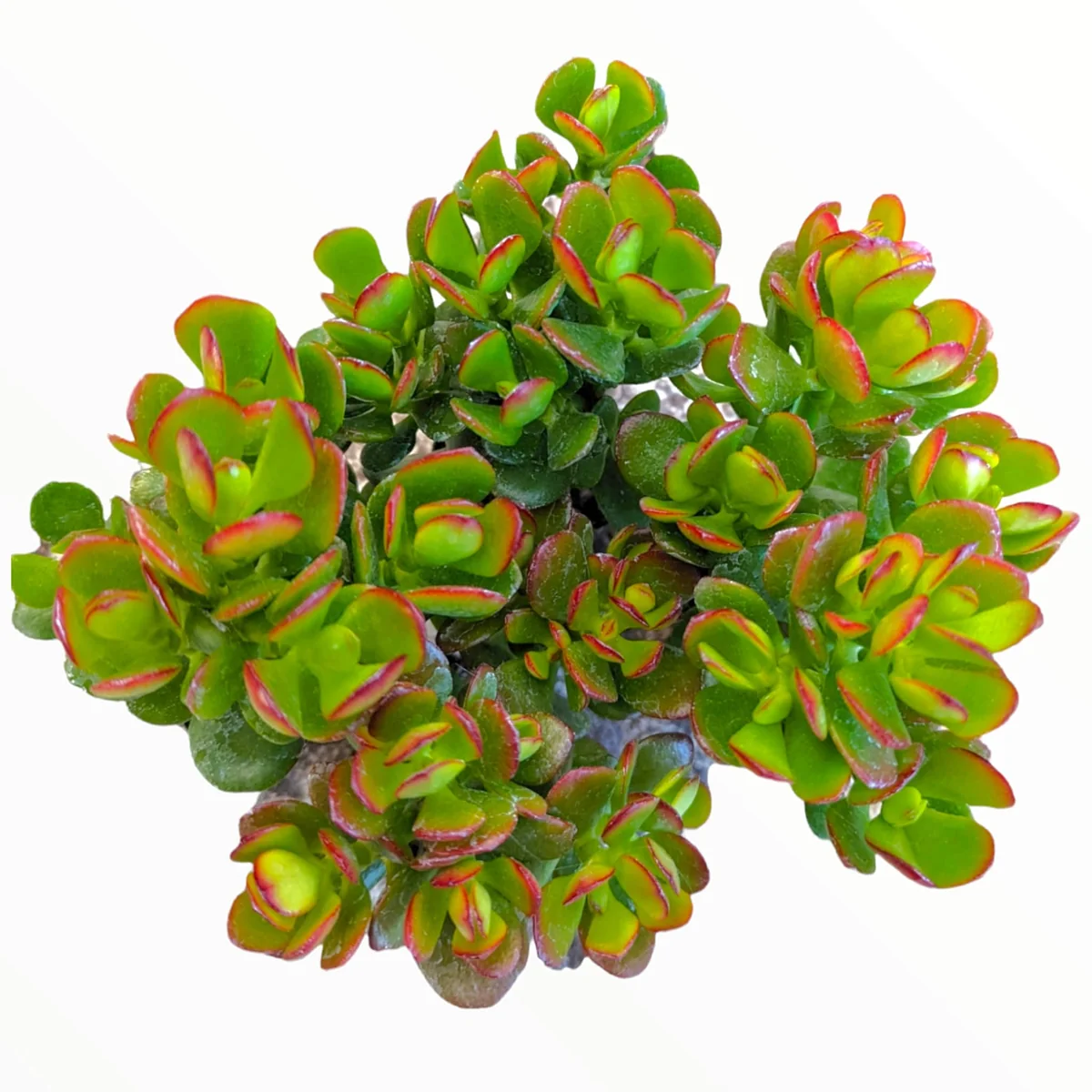
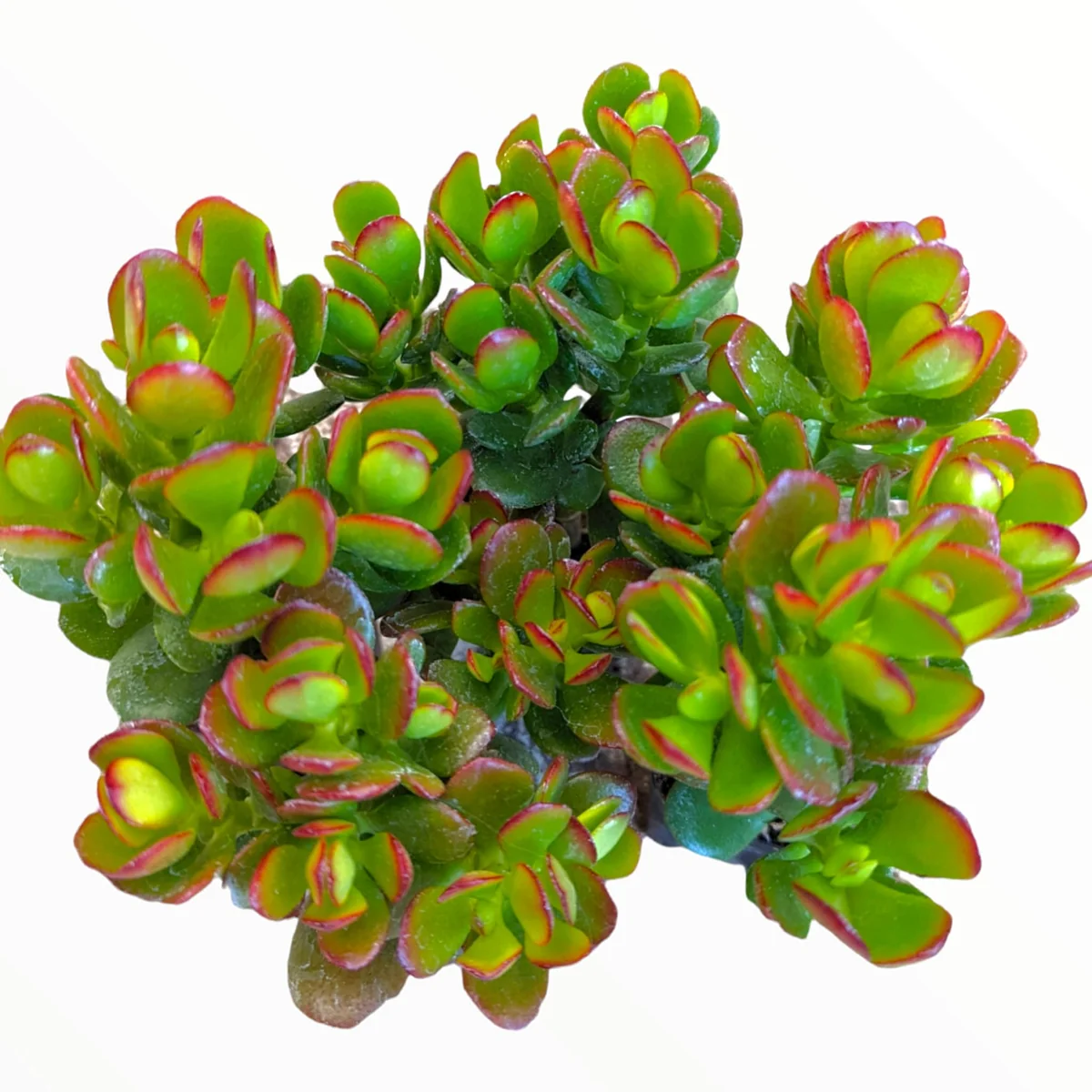
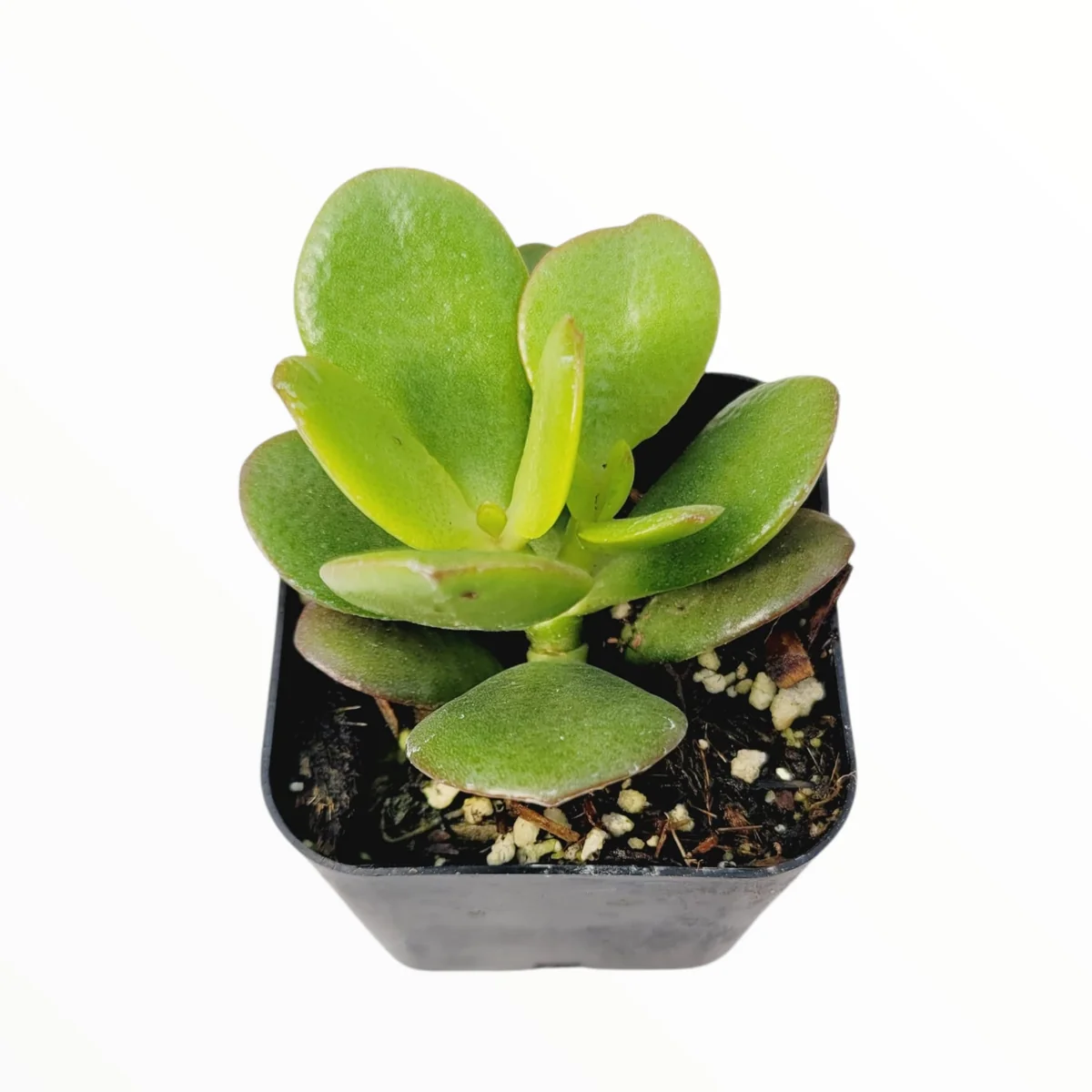
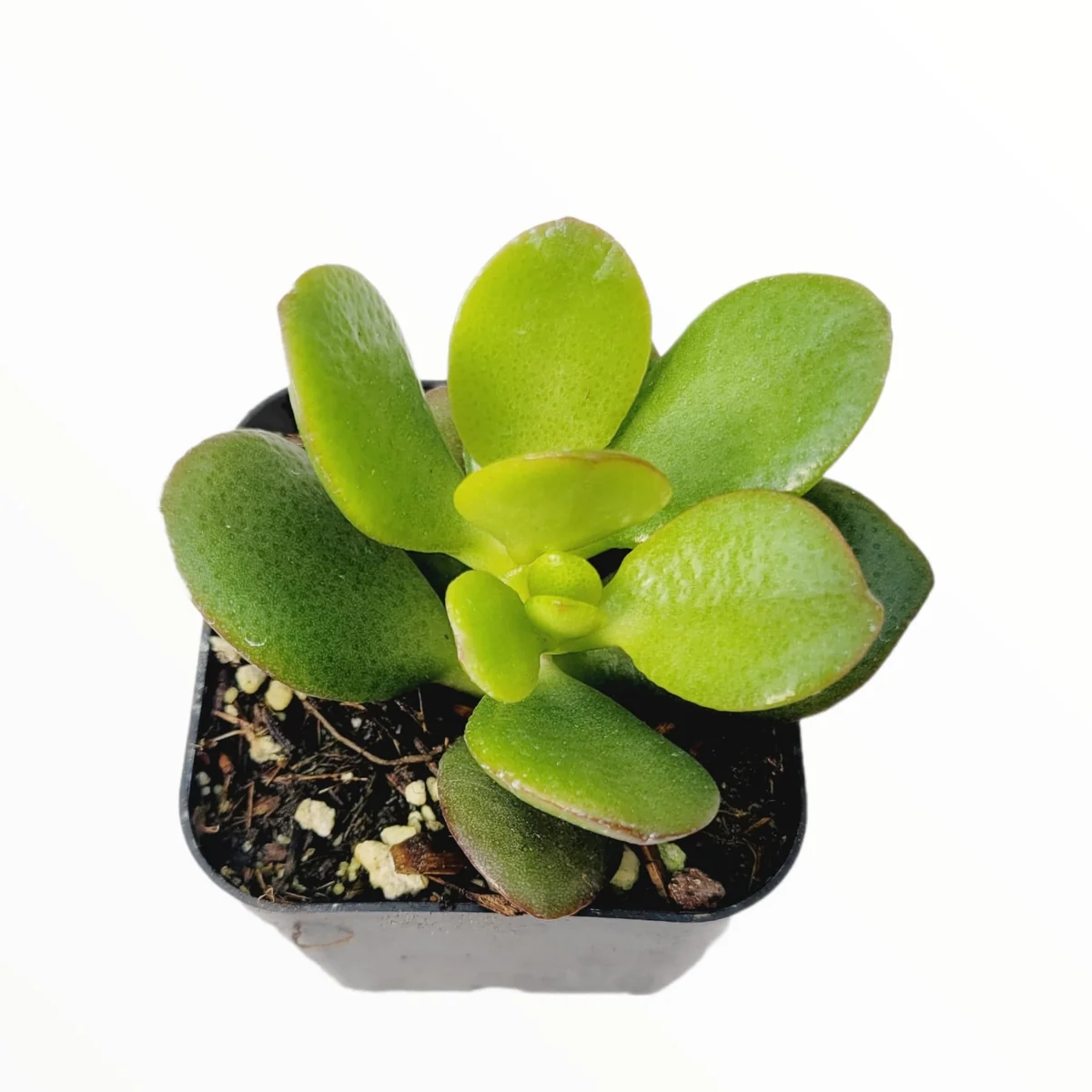
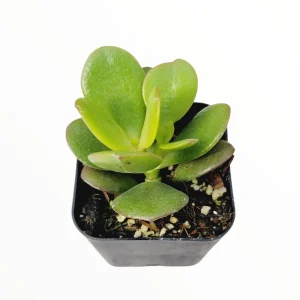
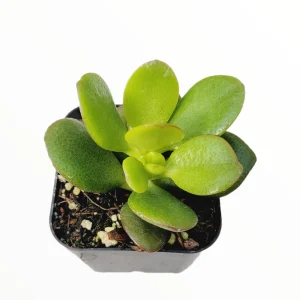
Crassula ovata ‘Baby Jade’ Succulent Live Plant – Drought-Tolerant Houseplant
From $18.32
Bring home the beautiful crassula ovata baby jade succulent, a low-maintenance and charming addition to any home or office. This drought tolerant succulent thrives in bright light, making it an ideal easy-care houseplant for beginners and enthusiasts alike. Its compact growth habit and vibrant green leaves add a touch of natural elegance.
-
USDA Hardiness Zone
USDA zones 9-11 -
Soil Type
Well-draining succulent or cactus mix -
Sunlight Exposure
Bright direct to indirect light -
Expected Planting Period
Year-round indoors

You can track your order HERE
Feb 28
Mar 05 - Mar 07
Mar 10 - Mar 14
Shipping and return policies: Our Alive & Thrive Guarantee covers issues with your plants within the first 30 days. Reach out to us. Our team will answer your questions and help you find the plants that are truly suitable for your environment, climate, and personal preferences.

Overview
The crassula ovata baby jade succulent is a popular and resilient live plant, cherished for its thick, glossy green leaves and compact, tree-like growth habit. Often referred to simply as ‘Baby Jade’ or Dwarf Jade, this variety of Crassula ovata is a fantastic choice for both novice and experienced plant enthusiasts. Its robust nature makes it incredibly forgiving, thriving in conditions where many other plants might struggle. This particular succulent is known for its ability to store water in its leaves, allowing it to endure periods of drought with ease. It’s a superb option for adding lush greenery to windowsills, desks, or any brightly lit area in your home or office. The crassula ovata baby jade succulent is highly adaptable and can even be trained as a bonsai, showcasing its versatility and ornamental appeal. This charming plant brings a touch of nature’s artistry into your living space, requiring minimal fuss for maximum enjoyment. Its slow growth rate and manageable size make it a perfect fit for smaller spaces.
Key Benefits
The crassula ovata baby jade succulent offers numerous advantages, making it a highly desirable choice for plant lovers. Its inherent resilience and striking appearance contribute to its widespread appeal, providing both aesthetic and practical benefits.
- Low Maintenance: This succulent is incredibly easy to care for, requiring infrequent watering and minimal attention. It’s perfect for busy individuals or those new to plant care. The baby jade plant care routine is straightforward, emphasizing bright light and well-draining soil.
- Drought Tolerant: Due to its ability to store water, the ‘Baby Jade’ succulent can withstand periods of drought, making it an excellent choice for those who might occasionally forget to water. This characteristic is a hallmark of a robust drought tolerant succulent.
- Air Purifying: Like many houseplants, the Crassula ovata ‘Baby Jade’ contributes to a healthier indoor environment by helping to filter air toxins.
- Compact Size: Its naturally compact growth habit makes it suitable for small living spaces, apartments, and office desks. It won’t quickly outgrow its spot.
- Visually Appealing: The plant’s plump, vibrant green leaves and unique growth structure provide significant ornamental value, enhancing the aesthetic of any room.
- Longevity: With proper crassula ovata care, this succulent can live for many years, becoming a long-term companion in your plant collection.
- Pet-Friendly (Non-Toxic): While always best to prevent pets from munching on plants, Crassula ovata is generally considered non-toxic to cats and dogs.
Plant Care & Growing Tips
Proper crassula ovata care is essential for the long-term health and vibrancy of your ‘Baby Jade’ succulent. These plants are generally forgiving, but understanding their basic needs will help them thrive and develop their best form. The key to successful succulent cultivation lies in mimicking their natural desert-like environments, primarily focusing on ample light and conservative watering.
Sunlight Requirements: The crassula ovata baby jade succulent thrives in bright, direct to indirect sunlight. A south-facing window is ideal, providing several hours of direct sun daily. If the light is insufficient, the plant may stretch or become leggy. If grown outdoors, ensure it receives at least 6 hours of sunlight. In very hot climates, some afternoon shade can prevent leaf scorch.
Watering Schedule: Water thoroughly when the soil is completely dry to the touch. This means waiting for the pot to feel light and the top few inches of soil to be bone dry. Overwatering is the most common cause of succulent demise, leading to root rot. During winter months, reduce watering significantly, perhaps to once every 3-4 weeks, as the plant’s growth slows. When watering, ensure water drains freely from the bottom of the pot; never let the plant sit in standing water. This conservative approach to watering is crucial for any drought tolerant succulent.
Soil Type and Drainage: A porous, well-draining soil mix is paramount for the ‘Baby Jade’ succulent. A standard cactus or succulent potting mix is perfect. You can also create your own by mixing regular potting soil with perlite, pumice, or coarse sand in a 1:1 ratio. Good drainage prevents waterlogging and promotes healthy root development.
Temperature and Hardiness: This succulent prefers warm temperatures, ideally between 65-80°F (18-27°C). It is not frost-tolerant and should be protected from temperatures below 40°F (4°C). If you live in an area with cold winters, it’s best to grow your jade succulent indoor. The USDA hardiness zone for Crassula ovata is typically 9-11.
Fertilization: Fertilize sparingly during the growing season (spring and summer) with a balanced, diluted liquid fertilizer formulated for succulents or houseplants. Over-fertilizing can harm the plant. Avoid fertilizing during its dormant winter period.
Pruning: Prune to maintain shape, encourage bushier growth, or propagate new plants. You can pinch off leggy stems or unwanted branches. Pruning also helps manage the size of your baby jade plant care.
Size & Details
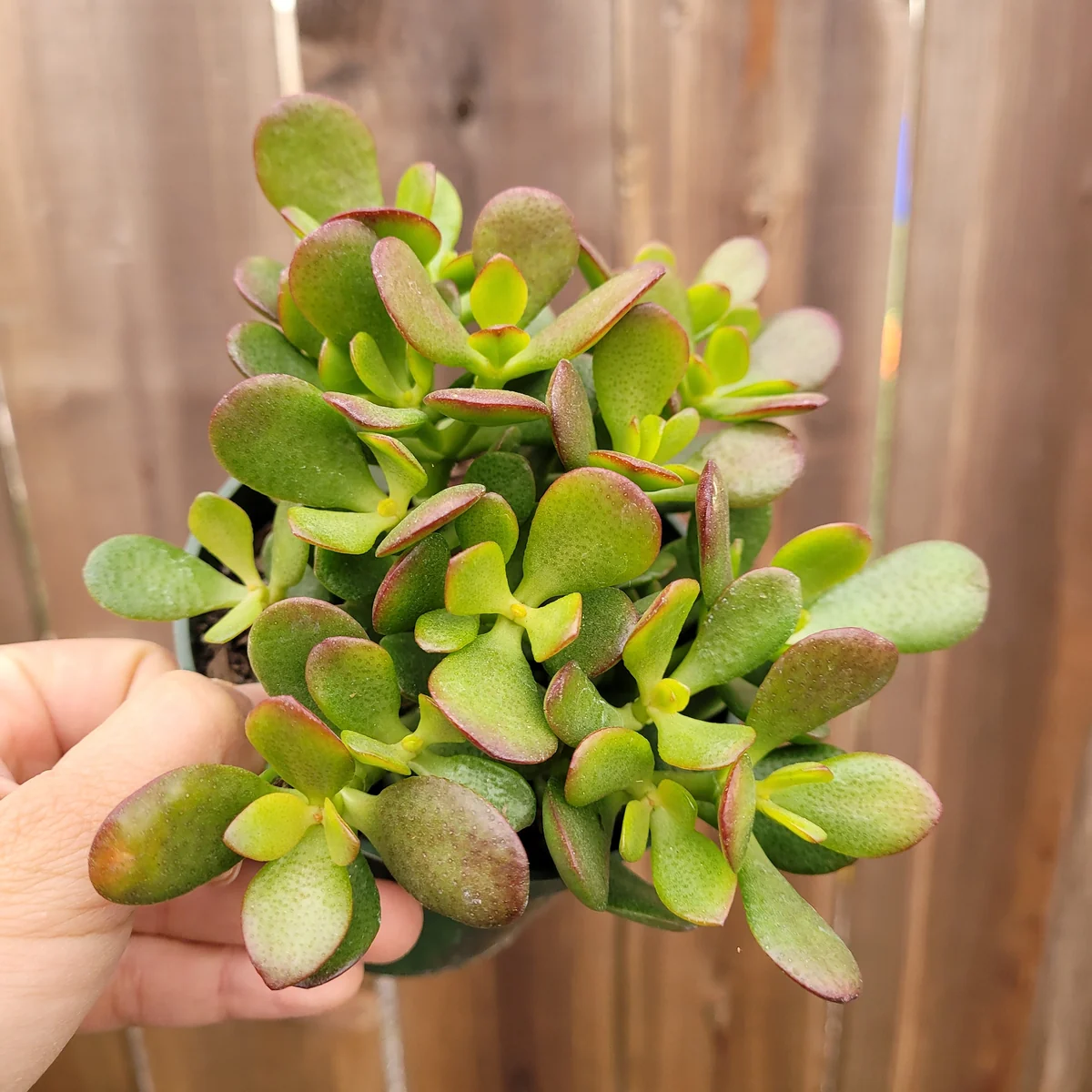
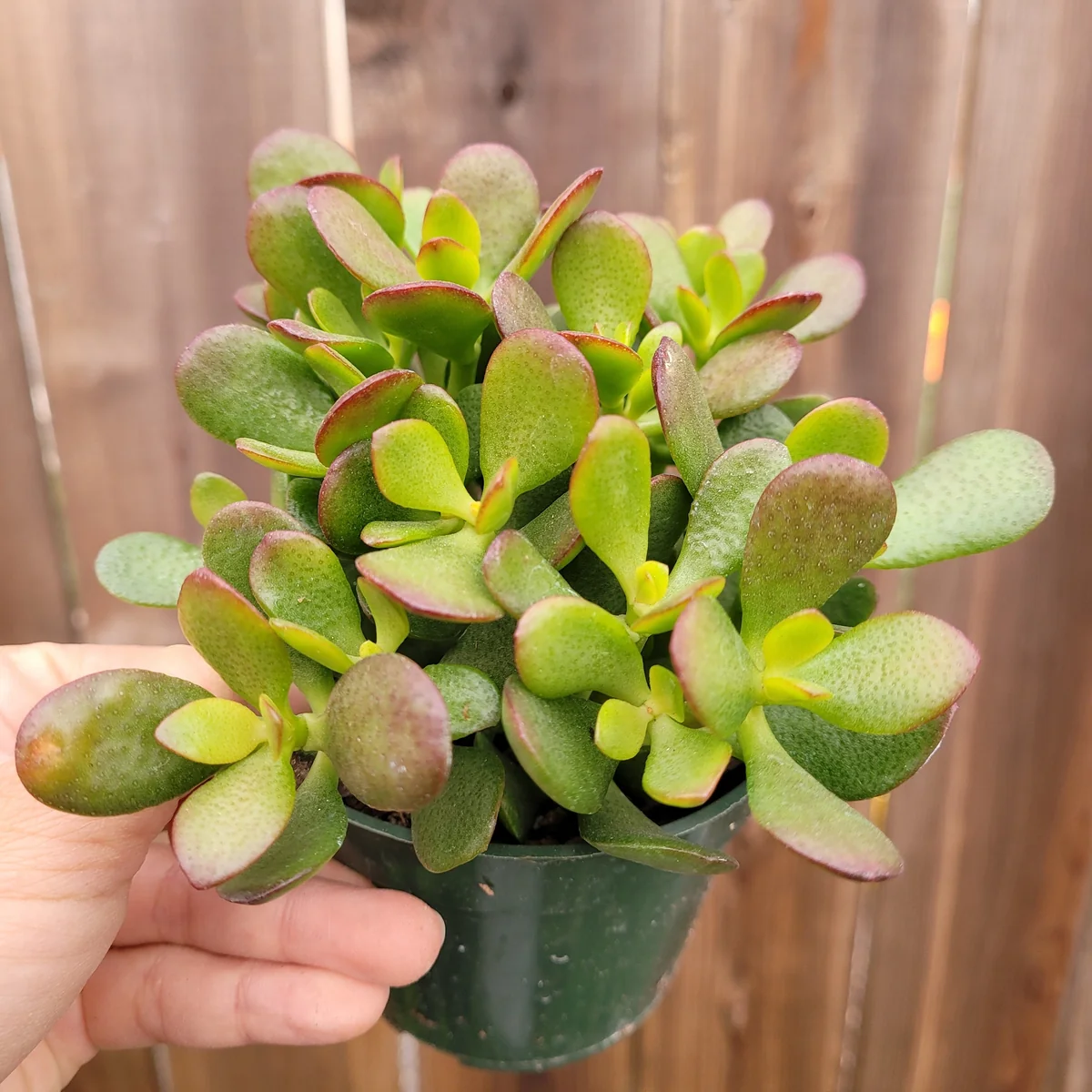
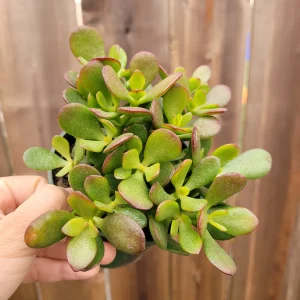
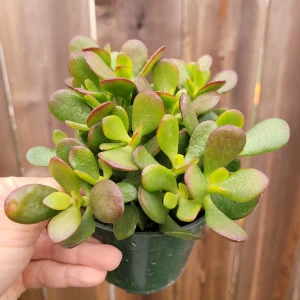
The crassula ovata baby jade succulent typically grows as a compact, branching shrub, reaching heights of about 1-3 feet when mature, though it can grow larger in ideal outdoor conditions. Its leaves are small, oval, and a vibrant green, often developing reddish edges when exposed to ample sunlight. The plant forms a sturdy, woody stem over time, giving it a miniature tree-like appearance. It is generally shipped as a live plant, often bare-root or in a small nursery pot, ready for transplanting into your preferred container. This particular succulent has a moderate to slow growth rate, making it easy to manage its size and shape. While it can produce small white or pink flowers in late winter to early spring under optimal conditions, it is primarily grown for its attractive foliage and structural form. This makes it a perfect jade succulent indoor plant for long-term enjoyment.
Frequently Asked Questions
- Q: How big does the crassula ovata baby jade succulent get? A: This succulent typically grows to about 1-3 feet tall and wide indoors, though it can get larger in ideal outdoor conditions over many years. Its compact nature makes it suitable for various spaces.
- Q: Is this an indoor or outdoor plant? A: The crassula ovata baby jade succulent can be grown both indoors and outdoors. It thrives indoors in bright light and outdoors in warm climates (USDA zones 9-11). It needs protection from frost.
- Q: How much sunlight does it need? A: It requires bright light, preferably 4-6 hours of direct sunlight daily. A south-facing window is excellent for indoor growth, or a sunny spot on a patio or garden bed outdoors.
- Q: Is this plant easy to care for? A: Yes, the crassula ovata baby jade succulent is considered very easy to care for, making it ideal for beginners. Its main requirements are bright light and infrequent watering.
- Q: What condition will it arrive in? A: Most live succulents are shipped bare-root or in a small nursery pot. They are carefully packaged to ensure they arrive healthy and ready for planting.
- Q: How often should I water my baby jade plant care? A: Water only when the soil is completely dry to the touch. This could be every 2-4 weeks depending on light, temperature, and humidity. Always err on the side of underwatering rather than overwatering.
- Q: Is this drought tolerant succulent pet-safe? A: While generally considered non-toxic, it’s always best to keep plants out of reach of pets to prevent any potential stomach upset if ingested in large quantities.
- Q: What kind of soil is best for Crassula ovata? A: A well-draining cactus or succulent potting mix is best. You can also amend regular potting soil with perlite or pumice to improve drainage, which is crucial for good crassula ovata care.
- Q: Can I propagate the ‘Baby Jade’ succulent? A: Yes, it’s very easy to propagate from stem or leaf cuttings. Simply let the cuttings callus over for a few days, then plant them in well-draining soil.
- Q: Why are the leaves on my jade succulent indoor turning red? A: Reddish edges on the leaves are often a sign of healthy stress from ample sunlight, which is generally a desirable trait for this succulent.
| Size | 2 Inch, 4 Inch, 6 Inch |
|---|
Be the first to review “Crassula ovata ‘Baby Jade’ Succulent Live Plant – Drought-Tolerant Houseplant”
People Also Viewed
Sold 89 products
Original price was: $127.96.$63.98Current price is: $63.98.
Sold 83 products
Original price was: $22.76.$11.38Current price is: $11.38.
Sold 51 products
Original price was: $95.96.$47.98Current price is: $47.98.
Sold 74 products
Original price was: $69.98.$34.99Current price is: $34.99.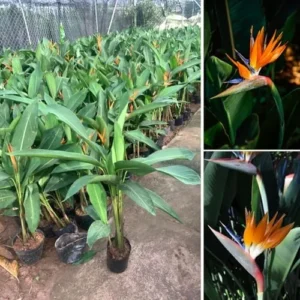
Flower Plants
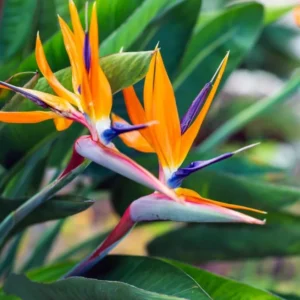
Orange Bird of Paradise Plant – Live Tropical Houseplant – 5-10 Inches – Exotic Blooms
Sold 78 products
Original price was: $57.98.$28.99Current price is: $28.99.
Sold 62 products
Original price was: $8.52.$4.26Current price is: $4.26.
Sold 78 products
Original price was: $39.98.$19.99Current price is: $19.99.
Sold 99 products
$48.38
Sold 89 products
Original price was: $37.98.$18.99Current price is: $18.99.
HousePlants
Purple Nepenthes Pitcher Plant Live – Exotic Tropical Houseplant for Indoor/Outdoor Décor
Sold 64 products
$65.98

Vegetable Seeds
85g Jumbo Bailey Virginia Peanut Seeds – Organic Non-GMO Vegetable Seeds for Planting Outdoor
Sold 98 products
Original price was: $26.76.$13.38Current price is: $13.38.
Sold 97 products
Original price was: $24.35.$7.74Current price is: $7.74.
Sold 70 products
Original price was: $79.96.$39.98Current price is: $39.98.
Sold 64 products
$329.98
Sold 98 products
Original price was: $89.98.$44.99Current price is: $44.99.
Sold 97 products
From $197.96
Sold 82 products
Original price was: $162.36.$81.18Current price is: $81.18.
Sold 70 products
Original price was: $150.76.$75.38Current price is: $75.38.


Reviews
There are no reviews yet.