
Crape Myrtle Cuttings – Fast Grow Rooting Plant – 7 Cuttings – Indoor/Outdoor Red
Original price was: $26.76.$13.38Current price is: $13.38.
Cultivate stunning Crape Myrtle cuttings with this bundle of 7. These fast grow Crape Myrtle cuttings are perfect for enthusiasts looking to propagate new plants, offering vibrant red blooms for both indoor and outdoor settings. Get started on your new garden project today with these easy-to-root specimens.
-
USDA Hardiness Zone
USDA zones 7-10 -
Soil Type
Well-draining soil (chalk, clay, loam, peat, saline, sand, silt) -
Sunlight Exposure
Full sun (6+ hours direct light) once established, bright indirect for rooting -
Expected Planting Period
Spring to early summer (for outdoor planting)

You can track your order HERE
Mar 19
Mar 24 - Mar 26
Mar 29 - Apr 02
Shipping and return policies: Our Alive & Thrive Guarantee covers issues with your plants within the first 30 days. Reach out to us. Our team will answer your questions and help you find the plants that are truly suitable for your environment, climate, and personal preferences.

Overview
Embark on a rewarding gardening journey with our premium selection of Crape Myrtle cuttings, specifically chosen for their vigorous growth and ease of rooting. This offering includes 7 robust cuttings, ideal for anyone looking to propagate new, beautiful Crape Myrtle plants. Known for their spectacular and long-lasting flowers, Crape Myrtles (Lagerstroemia indica) are a favorite in gardens across the United States. These cuttings provide an excellent opportunity to establish new plants, allowing you to enjoy the charm and elegance of these flowering shrubs in your own landscape or as potted specimens. The ‘Milk’ variety, often associated with its vibrant and prominent blooms, promises a delightful display once established. Whether you’re a seasoned gardener or just starting, these rooting plant cuttings are a fantastic way to expand your collection of flowering shrubs.
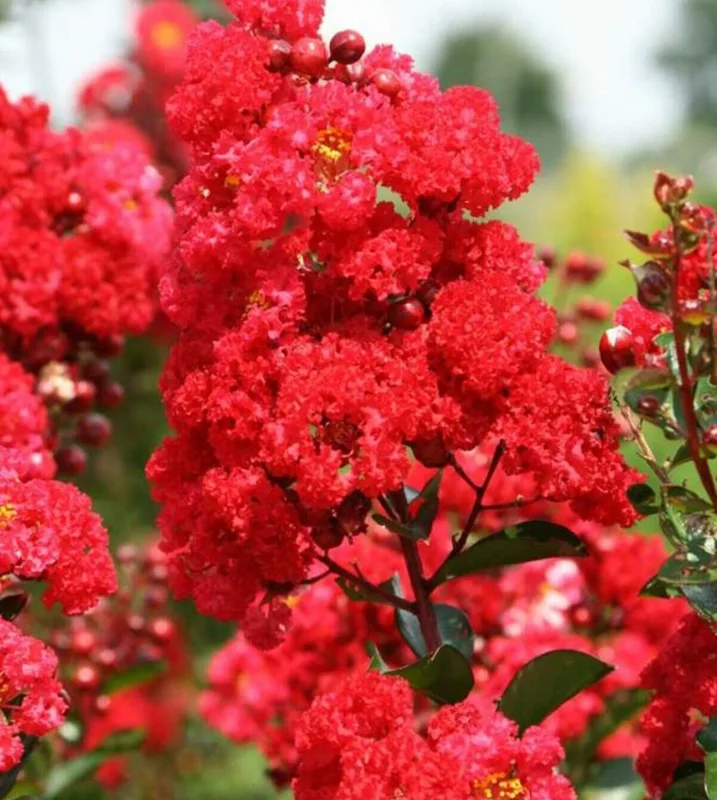
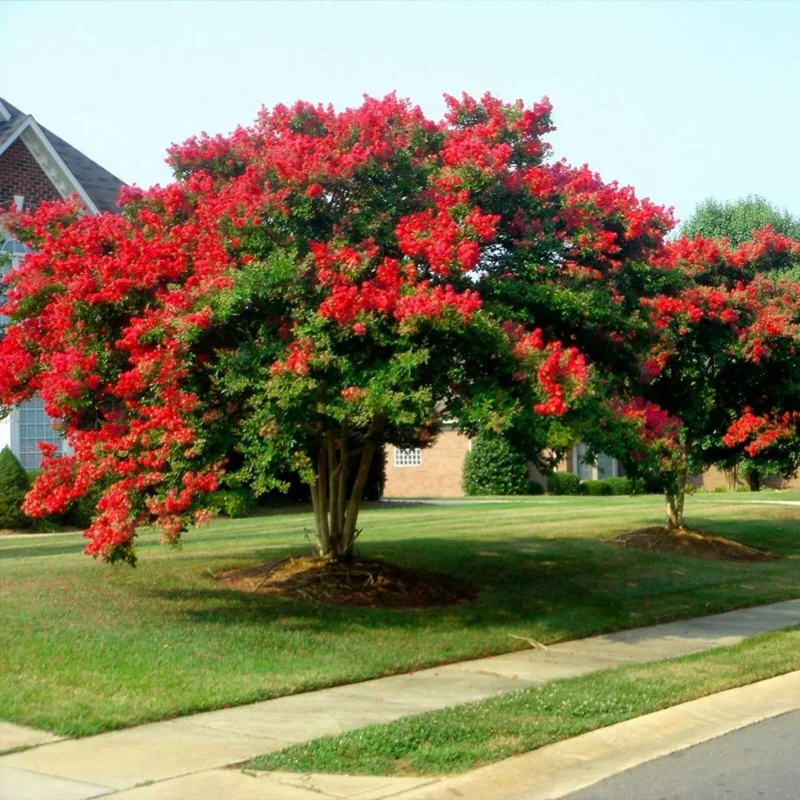
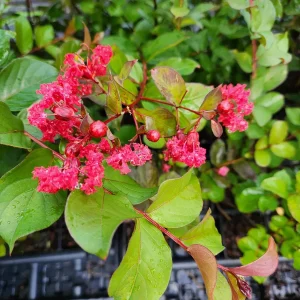
Crape Myrtles are deciduous plants renowned for their showy, crinkled flowers that bloom profusely throughout the summer. They come in a wide range of colors, and these cuttings are expected to produce beautiful red flowers, adding a splash of intense color to any setting. Their versatility allows them to thrive in various forms, from small trees to multi-stemmed shrubs, making them suitable for diverse garden designs. These cuttings are sourced to ensure high quality, giving you the best possible start for successful propagation. With a little care and patience, these 7 cuttings will transform into thriving plants, ready to adorn your garden or patio.
Key Benefits
Our Crape Myrtle cuttings offer numerous advantages for gardeners and plant enthusiasts:
- Easy Propagation: These cuttings are selected for their viability, making the rooting process straightforward and enjoyable for gardeners of all skill levels. You’ll soon have thriving new plants from these rooting plant cuttings.
- Fast Growth Rate: Experience the satisfaction of seeing your plants develop quickly. Crape Myrtles are known for their rapid growth, allowing you to enjoy mature plants sooner than many other species. This makes them a truly fast grow Crape Myrtle option.
- Vibrant Red Blooms: Anticipate a stunning display of rich red flowers that will brighten your garden or patio throughout the summer, attracting pollinators and admirers alike. The beautiful red Crape Myrtle flowers are a highlight.
- Versatile Landscaping: Crape Myrtles can be grown as shrubs, small trees, or even in containers, offering flexibility in how you choose to incorporate them into your landscape design, whether indoors or outdoors.
- Drought Resistance: Once established, Crape Myrtles are relatively drought-tolerant, making them a resilient choice for various climates and reducing the need for constant watering.
- Long Blooming Season: Enjoy months of continuous flowering from late spring through summer, providing sustained color when many other plants have finished their display.
- Low Maintenance: These plants are generally easy to care for, requiring minimal attention once established, freeing up your time to enjoy your garden.
Plant Care & Growing Tips
Successfully rooting and growing your Crape Myrtle cuttings is a rewarding process that requires attention to a few key details. For optimal rooting, place the cuttings in a well-draining rooting medium, such as a mix of peat and perlite or sand. Keep the medium consistently moist but not waterlogged. A rooting hormone can significantly increase success rates. Provide warmth and humidity, perhaps by covering the pot with a plastic bag or dome, to create a mini-greenhouse effect. Once roots have developed and new growth appears, typically within several weeks, the young plants can be gradually acclimated to less humid conditions.
Once established, your Crape Myrtle plant will thrive in a location with full sun, meaning at least 6 hours of direct sunlight per day. Adequate sunlight is crucial for abundant flowering and healthy growth. Crape Myrtles prefer well-draining soil with a neutral pH, though they are adaptable to a variety of soil types including chalk, clay, loam, peat, saline, sand, and silt. Water regularly during the first growing season to help establish a strong root system. After establishment, they are quite drought-tolerant, but regular watering during dry spells will encourage more prolific blooming. Fertilize in spring with a balanced slow-release fertilizer designed for flowering shrubs.
Crape Myrtles are generally hardy in USDA zones 7-10, though some varieties can tolerate zone 6 with protection. They are deciduous, shedding their leaves in the fall. Pruning is best done in late winter or early spring before new growth begins to shape the plant and encourage more flowers. Remove dead, damaged, or crossing branches, and thin out overcrowded areas to improve air circulation. While generally robust, keep an eye out for common issues like powdery mildew, especially in humid conditions, and treat with appropriate fungicides if necessary. Proper spacing and good air circulation can help prevent this problem for your fast grow Crape Myrtle.
Size & Details
This package includes 7 Crape Myrtle cuttings, ready for you to begin the rooting process. Each cutting is typically 6-8 inches in length, providing ample material for successful propagation. These are unrooted cuttings, meaning they will require a rooting medium and appropriate care to develop their root systems. With proper attention, you can expect these cuttings to begin showing signs of rooting within 4-8 weeks, depending on environmental conditions and rooting methods employed. The mature size of the resulting Crape Myrtle plant will vary based on variety and growing conditions, but they typically grow into medium to large shrubs, or small trees, reaching heights of 10-20 feet and widths of 8-15 feet over several years.
The growth rate of these Crape Myrtles is considered fast, allowing for quicker establishment in your garden. They are suitable for both indoor propagation and eventual outdoor planting in appropriate climates. The expected bloom season is summer, bringing beautiful red flowers to your landscape. These cuttings offer a cost-effective and engaging way to cultivate multiple Crape Myrtle specimens for your garden, providing a beautiful and long-lasting floral display.
Frequently Asked Questions
- Q: How big do these Crape Myrtle cuttings get once rooted? A: Once rooted and established, these Crape Myrtle plants typically grow into medium to large shrubs or small trees, reaching heights of 10-20 feet and widths of 8-15 feet, depending on the specific variety and growing conditions.
- Q: Is this an indoor or outdoor plant? A: These Crape Myrtle cuttings are primarily intended for outdoor planting in appropriate USDA zones (typically 7-10) once rooted. However, they can be rooted indoors and kept as young plants in containers before transplanting outside.
- Q: How much sunlight do these Crape Myrtle cuttings need? A: Once rooted and planted, Crape Myrtles require full sun, which means at least 6 hours of direct sunlight per day, for optimal growth and flowering. During the rooting phase, bright, indirect light is often preferred.
- Q: Is this plant easy to care for? A: Yes, Crape Myrtles are generally considered easy to care for once established. They are relatively drought-tolerant and require minimal maintenance, making them a good choice for both beginner and experienced gardeners looking for a fast grow Crape Myrtle.
- Q: What condition will the cuttings arrive in? A: Your 7 rooting plant cuttings will arrive fresh and unrooted, carefully packaged to ensure their viability for propagation. They will need to be placed in a rooting medium upon arrival.
- Q: When is the best time to plant these Crape Myrtle cuttings? A: While rooting can be attempted year-round indoors, the best time to start these Crape Myrtle cuttings for outdoor planting is typically in spring or early summer, allowing them ample time to establish before colder weather.
- Q: Will these Crape Myrtles survive winter in my zone? A: Crape Myrtles are generally hardy in USDA zones 7-10. If you are in a colder zone, they may require winter protection or can be grown in containers and brought indoors during the coldest months.
Be the first to review “Crape Myrtle Cuttings – Fast Grow Rooting Plant – 7 Cuttings – Indoor/Outdoor Red”
People Also Viewed
Sold 98 products
Original price was: $20.96.$10.48Current price is: $10.48.
Sold 59 products
Original price was: $28.76.$14.38Current price is: $14.38.
Sold 90 products
Original price was: $147.16.$73.58Current price is: $73.58.
Sold 81 products
Original price was: $26.76.$13.38Current price is: $13.38.
Sold 60 products
Original price was: $73.98.$36.99Current price is: $36.99.
Flower Plants
Sold 93 products
From $13.98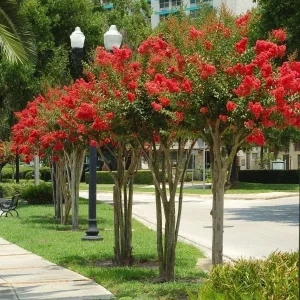
Sold 93 products
Original price was: $64.80.$32.40Current price is: $32.40.
Sold 82 products
Original price was: $159.80.$79.90Current price is: $79.90.
Sold 93 products
From $15.98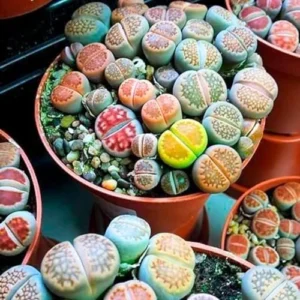
HousePlants
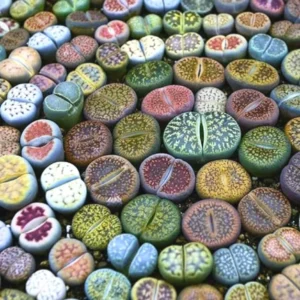
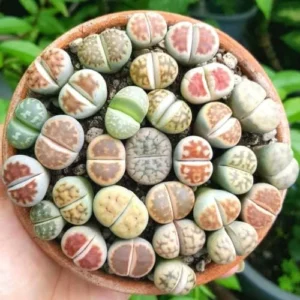
Lithops Live Plants Mix – 30 Colorful Succulents – Living Stones for Indoor/Outdoor Planting
Sold 82 products
Original price was: $65.98.$32.99Current price is: $32.99.
Sold 61 products
Original price was: $283.96.$141.98Current price is: $141.98.
Sold 59 products
Original price was: $115.16.$57.58Current price is: $57.58.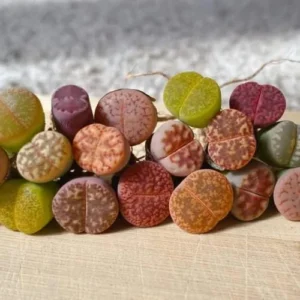
Sold 78 products
Original price was: $39.98.$19.99Current price is: $19.99.
Sold 98 products
Original price was: $91.98.$45.99Current price is: $45.99.
Sold 90 products
From $71.96

Sold 87 products
Original price was: $44.76.$22.38Current price is: $22.38.
Sold 71 products
Original price was: $154.36.$77.18Current price is: $77.18.
Sold 60 products
Original price was: $47.96.$23.98Current price is: $23.98.



Reviews
There are no reviews yet.