
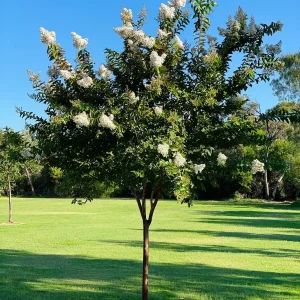
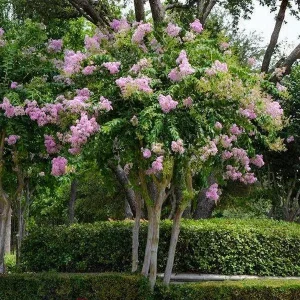
Crape Myrtle Bare Root Tree – 2 Pack – Outdoor Flowering Shrub
From $71.96
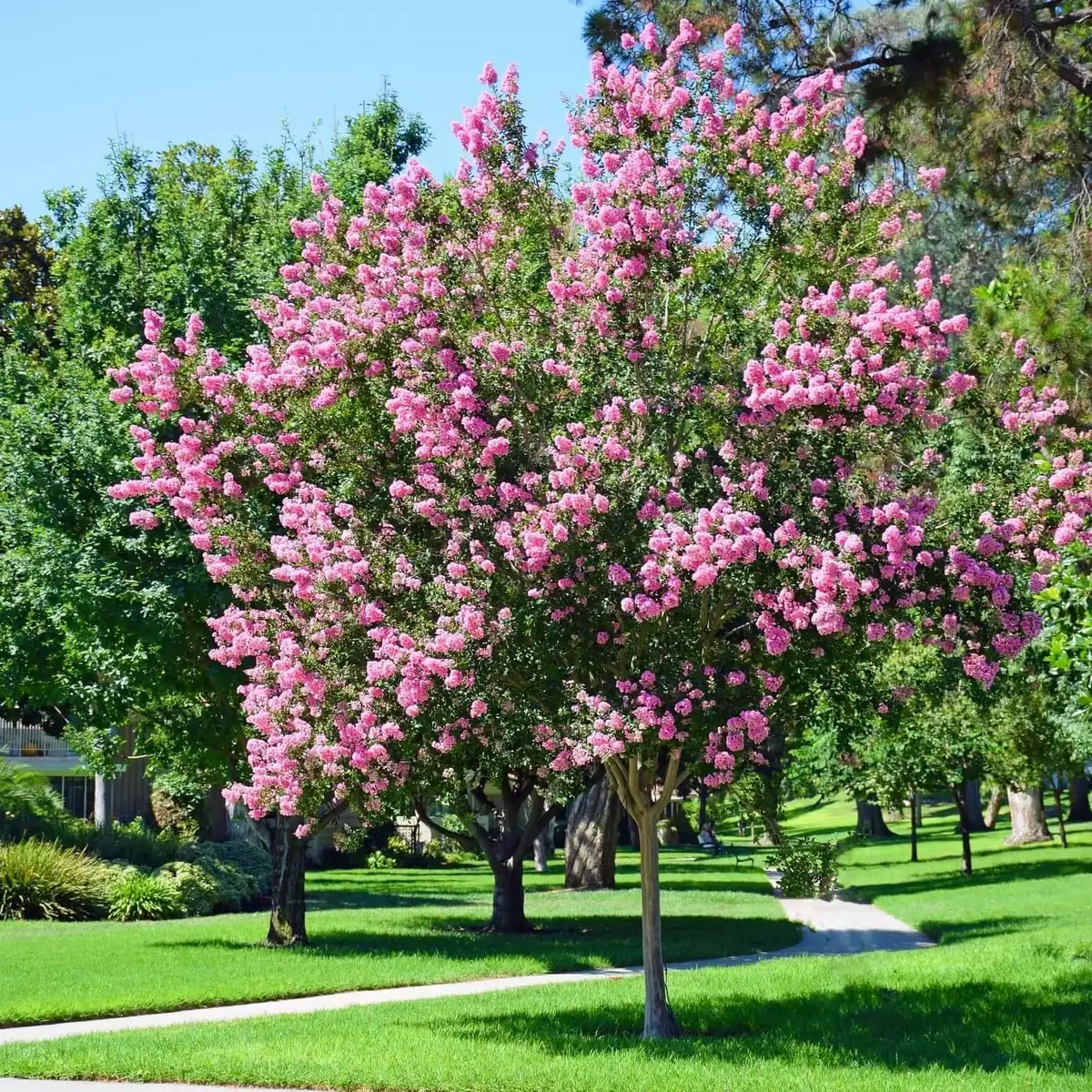
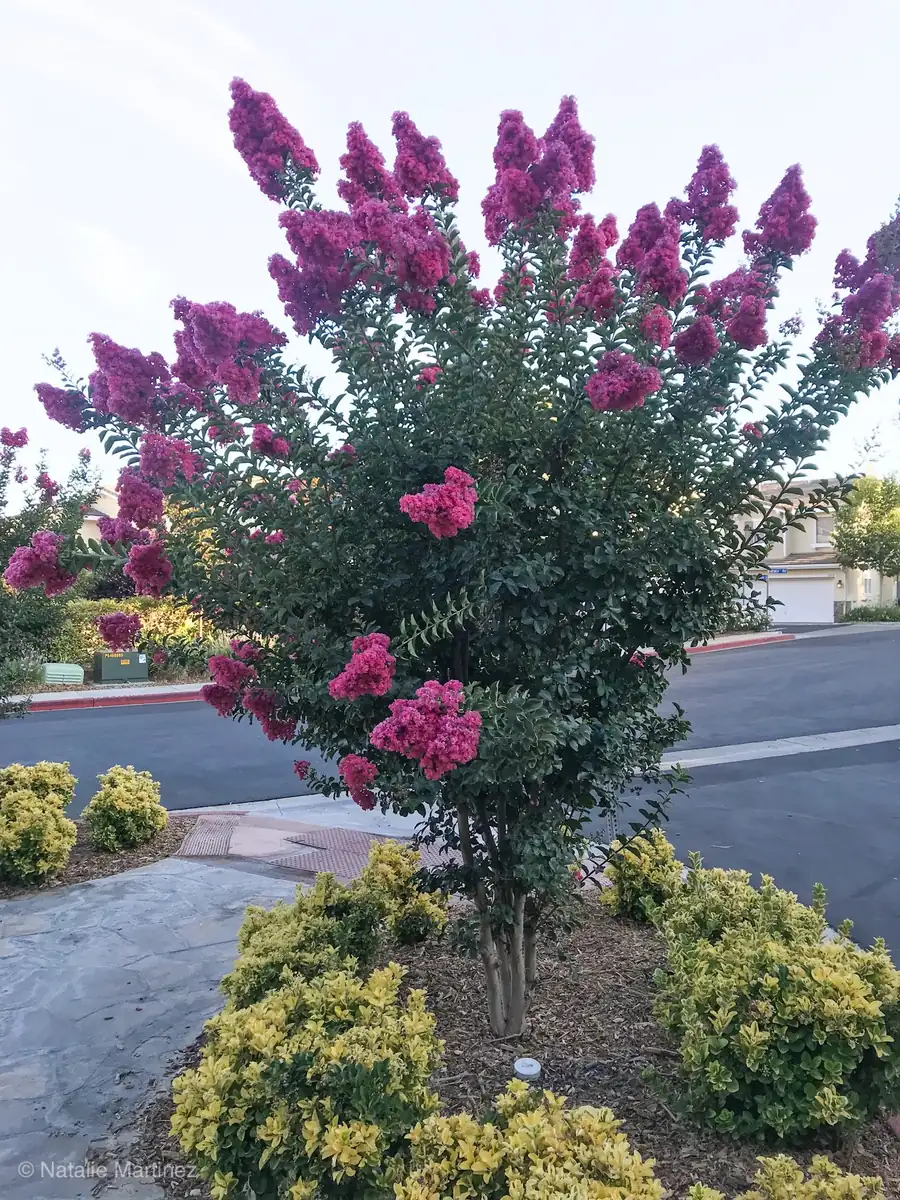
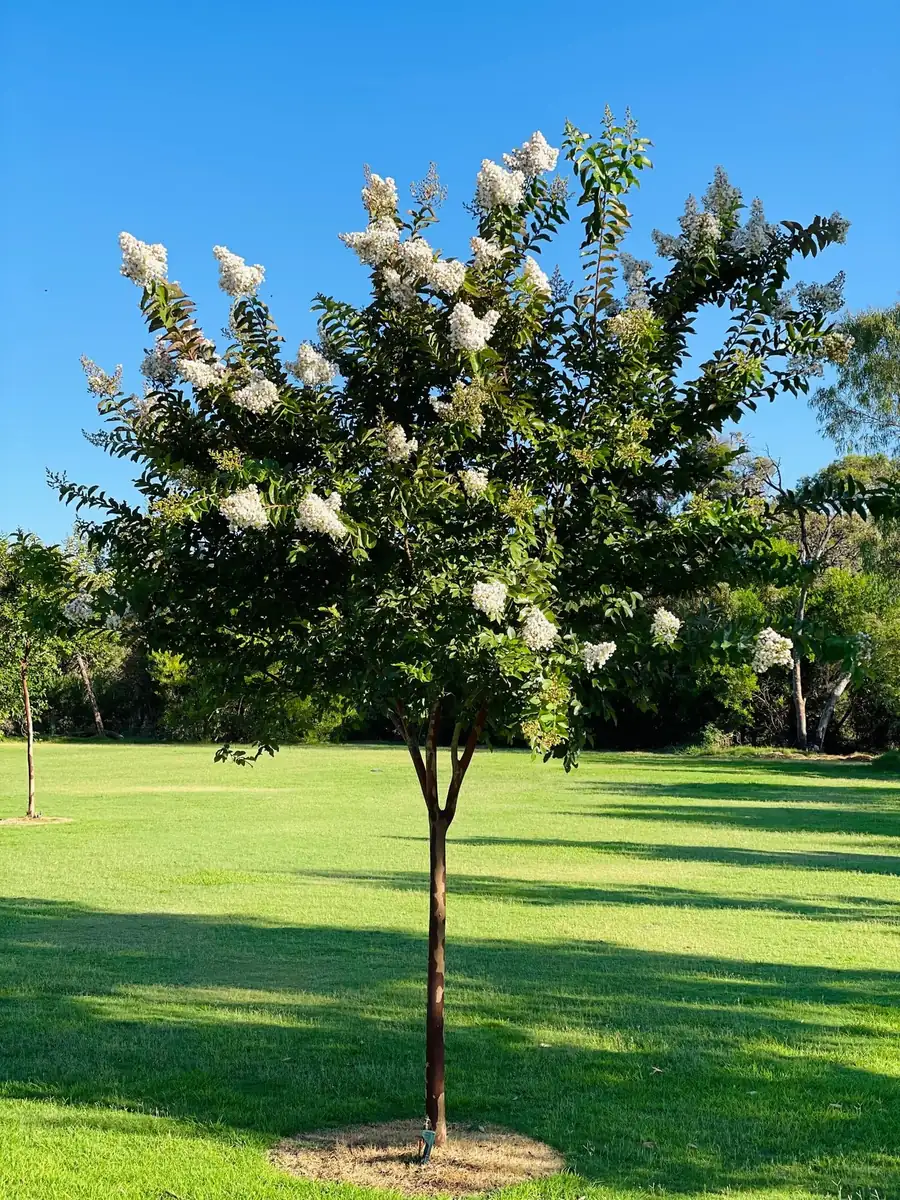
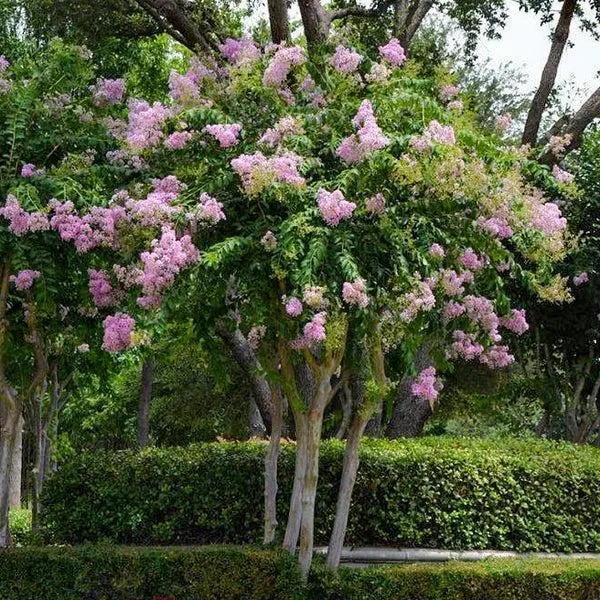
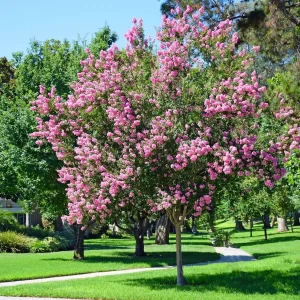
Bring vibrant color and unique texture to your garden with a crape myrtle bare root tree. This deciduous flowering shrub offers stunning blooms in various colors and attractive peeling bark, making it a beautiful focal point or hedge.
-
USDA Hardiness Zone
USDA zones 7-9 -
Soil Type
Well-draining soil, neutral to slightly acidic -
Sunlight Exposure
Full sun (6+ hours per day) -
Expected Planting Period
Late winter to early spring, or fall

You can track your order HERE
Mar 15
Mar 20 - Mar 22
Mar 25 - Mar 29
Shipping and return policies: Our Alive & Thrive Guarantee covers issues with your plants within the first 30 days. Reach out to us. Our team will answer your questions and help you find the plants that are truly suitable for your environment, climate, and personal preferences.

Overview
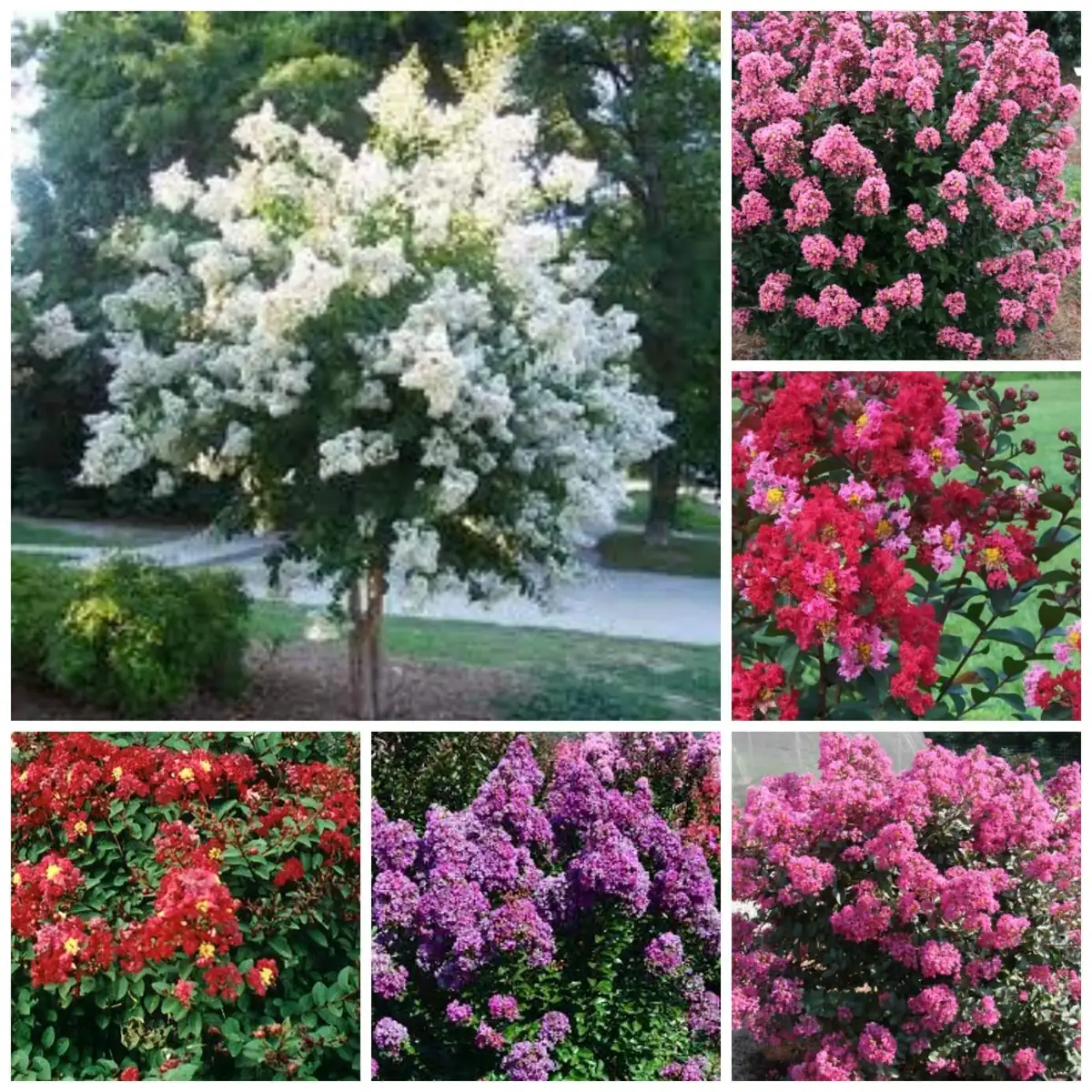
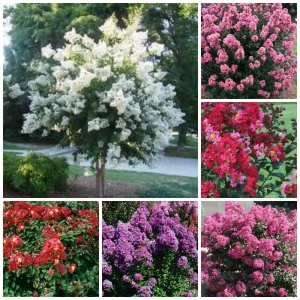
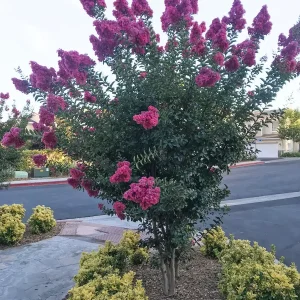
Transform your outdoor space with the timeless beauty of a crape myrtle bare root tree. Known for their spectacular, long-lasting blooms and distinctive exfoliating bark, Crape Myrtles (Lagerstroemia) are beloved deciduous shrubs or small trees that offer year-round interest. This offering includes 2 bare root specimens, ready to be planted and establish themselves in your landscape. Crape Myrtles are incredibly versatile, thriving in tropical and subtropical climates and adapting well to various garden designs, from colorful hedges and privacy screens to eye-catching specimen plants. Their frilly, crinkled, or rippled flowers come in a stunning array of colors, including deep purple, lavender, ivory, bright white, pale pink, magenta, and red, ensuring a vibrant display throughout the summer months. The unique peeling bark adds textural appeal to their trunks and stems, particularly in larger, more mature plants, providing visual interest even when not in bloom.
Key Benefits
A crape myrtle bare root plant offers numerous advantages for any gardener looking to enhance their outdoor environment. These plants are celebrated for their aesthetic appeal and relatively easy maintenance, making them a fantastic choice for both novice and experienced gardeners.
- Stunning Floral Display: Enjoy an abundance of showy, crinkled blooms in a wide spectrum of colors, providing continuous cheer and visual impact throughout the summer season. These vibrant flowers attract pollinators and create a lively garden atmosphere.
- Attractive Peeling Bark: Beyond their flowers, Crape Myrtles feature unique exfoliating bark, which peels away to reveal smooth, multi-toned underlayers, adding significant textural interest to the trunk and branches, especially during the winter months.
- Versatile Landscape Use: Whether you’re aiming for a colorful hedge, a privacy screen, a striking focal point, or even a container plant for smaller varieties, the crape myrtle bare root adapts beautifully to various landscaping needs.
- Relatively Low Maintenance: Once established, these trees are quite resilient and require minimal fuss, making them a practical choice for busy gardeners seeking maximum impact with less effort.
- Drought Tolerant: Crape Myrtles are known for their ability to withstand periods of drought, making them suitable for water-wise gardening in appropriate hardiness zones.
- Long Blooming Season: Many varieties boast an extended flowering period, ensuring your garden remains vibrant and colorful for several months, often from early summer well into fall.
- Adaptable to Soil Conditions: While they prefer well-draining soil, Crape Myrtles are not particularly demanding about soil pH, tolerating a range from neutral to slightly acidic conditions.
Plant Care & Growing Tips
To ensure your crape myrtle bare root thrives and produces its spectacular blooms, understanding its specific care requirements is essential. These plants, while generally low-maintenance, benefit greatly from proper planting and ongoing attention. For best results, choose a location that receives ample sunlight, as this is crucial for prolific flowering and vibrant color.
Crape Myrtles need full sun, meaning at least 6 or more hours of direct sunlight per day. Insufficient sunlight will result in fewer blooms and diminished flower color. When it comes to soil, these plants are adaptable but require well-draining conditions to prevent root rot. While they are not overly particular about soil pH, a neutral or slightly acidic soil is ideal. Ensure the planting site allows for good drainage. Water newly planted bare roots regularly to help establish the root system. Once established, Crape Myrtles are relatively drought-tolerant but will benefit from deep watering during prolonged dry spells. Fertilize lightly in early spring with a slow-release, nitrogen-rich fertilizer to promote healthy growth and brighter flowers, being careful not to over-fertilize, which can lead to excessive leaf growth at the expense of blooms. To keep your crape myrtle bare root healthy, treat for potential fungal issues like powdery mildew or sooty mold with a general fungicide if needed, ideally before problems arise.
Pruning is a vital aspect of crape myrtle care. These plants bloom on new wood, so late winter or early spring is the best time for pruning to encourage an abundance of flowers. Remove suckers, tangled branches, and any irregularly shaped growth to maintain the desired size and form. For larger varieties, consider pruning away lower branches (from the bottom 4-5 feet of the trunk) to expose the delicate peeling bark, adding year-round visual interest. Deadheading early-blooming varieties can encourage a second, though often less lush, flush of blooms later in the season. With proper care, you can grow crape myrtle into a stunning feature in your garden, providing a burst of floral wonder all summer long and showcasing its unique bark in cooler months.
Size & Details
This offering provides 2 crape myrtle bare root trees, ready for planting to establish robust root systems in your garden. Bare root plants are typically dormant upon arrival and are an economical way to acquire new trees and shrubs. The ultimate size of your Crape Myrtle will depend on the specific cultivar and growing conditions, with varieties ranging from dwarf types just over a foot tall to larger specimens that can reach 25-30 feet in height. When planted, these bare roots will begin to develop their foliage and structure, eventually growing into mature flowering shrubs or small trees. Expect a moderate growth rate, with full flowering typically beginning in the second or third year after planting, depending on care and climate. These plants are ideal for outdoor cultivation and are best suited for planting in spring or fall to allow for optimal root establishment before extreme weather conditions.
Frequently Asked Questions
- Q: How big does this plant get? A: The mature size of a crape myrtle bare root tree varies significantly by cultivar, ranging from dwarf varieties under 5 feet to larger trees that can grow 25-30 feet tall. Most common landscape varieties reach 10-20 feet.
- Q: What size pot does it come in? A: This product consists of 2 bare root trees, meaning they are shipped without soil or a pot. This allows for easier transplanting and establishment in your garden bed.
- Q: How much sunlight does it need? A: Crape Myrtles require full sun, which means at least 6 or more hours of direct sunlight daily, to ensure the best blooms and overall plant health.
- Q: Is this plant easy to care for? A: Yes, crape myrtle care is relatively low-maintenance once established. They are quite resilient but do require proper sunlight, well-draining soil, and occasional pruning to thrive.
- Q: What condition will it arrive in? A: Your crape myrtle bare root trees will arrive dormant, which is normal for bare root plants. They will appear as roots with some stem, ready for planting.
- Q: How long until it blooms? A: While some growth will occur in the first season, significant blooming typically begins in the second or third year after planting, as the plant establishes its root system and grows.
- Q: When is the best time to plant a bare root crape myrtle? A: The ideal time to plant a crape myrtle bare root is in late winter or early spring, before new growth begins, or in the fall after the leaves have dropped.
- Q: Will it survive winter in my zone? A: Crape Myrtles are generally hardy in USDA Zones 7-9, but many varieties are bred for hardiness down to Zone 6. Check the specific variety for precise hardiness information to ensure it will grow crape myrtle successfully in your region.
- Q: What are the benefits of choosing a bare root tree? A: Bare root trees are often more cost-effective, easier to transport, and establish quickly in the garden once planted because their root systems are exposed and can immediately interact with the soil.
- Q: Can I use a crape myrtle flowering shrub for a privacy screen? A: Absolutely! Taller varieties of Crape Myrtles make excellent, colorful privacy screens or hedges due to their dense foliage and abundant summer blooms.
| Chose Color | Pink, Purple, Red |
|---|---|
| Size | 12-18'', 18-24'' |
Be the first to review “Crape Myrtle Bare Root Tree – 2 Pack – Outdoor Flowering Shrub”
People Also Viewed
Sold 55 products
Original price was: $18.76.$9.38Current price is: $9.38.
Sold 78 products
Original price was: $27.98.$19.58Current price is: $19.58.
Sold 80 products
Original price was: $59.98.$29.99Current price is: $29.99.
Sold 84 products
From $22.99
Sold 52 products
Original price was: $87.96.$43.98Current price is: $43.98.
Sold 54 products
From $63.80
Sold 55 products
Original price was: $81.23.$30.49Current price is: $30.49.
Sold 87 products
Original price was: $15.76.$7.88Current price is: $7.88.
Sold 55 products
Original price was: $8.52.$4.26Current price is: $4.26.
Sold 73 products
Original price was: $59.98.$41.98Current price is: $41.98.
Sold 95 products
From $50.00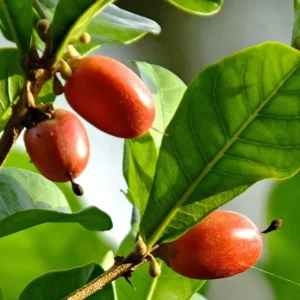
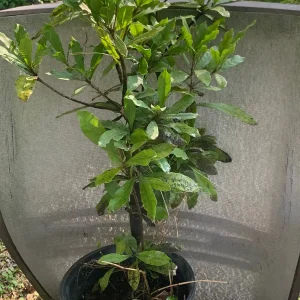
Fruits
Miracle Berry Grafted Live Plant – Synsepalum dulcificum – Taste-Altering Fruit – 6-12 inches
Sold 77 products
From $150.00
Sold 87 products
From $14.98
Sold 94 products
Original price was: $36.00.$18.00Current price is: $18.00.
Sold 72 products
Original price was: $614.76.$307.38Current price is: $307.38.
Sold 94 products
Original price was: $147.16.$73.58Current price is: $73.58.
Sold 67 products
Original price was: $67.98.$33.99Current price is: $33.99.
Sold 74 products
Original price was: $39.98.$19.99Current price is: $19.99.


Reviews
There are no reviews yet.