
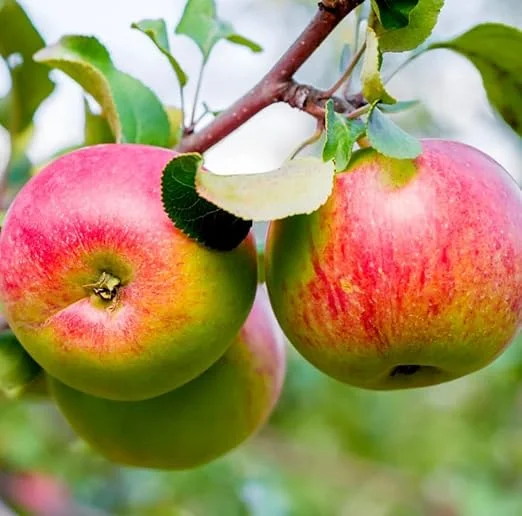
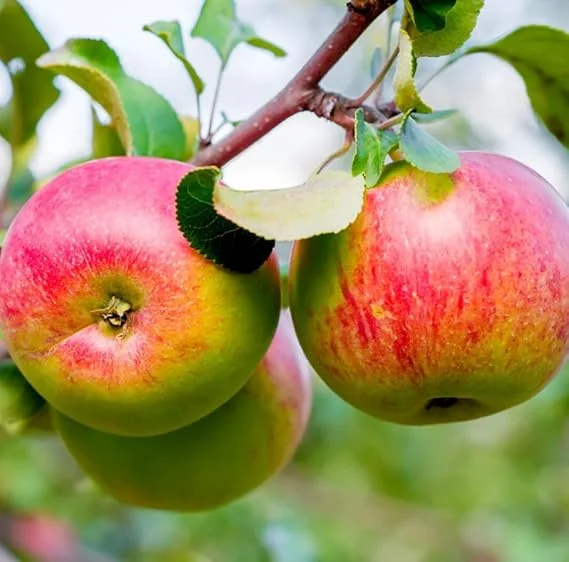
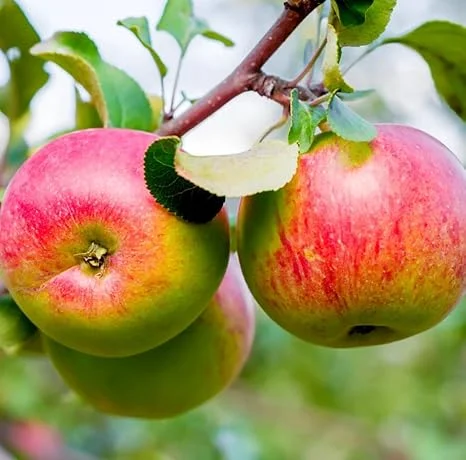
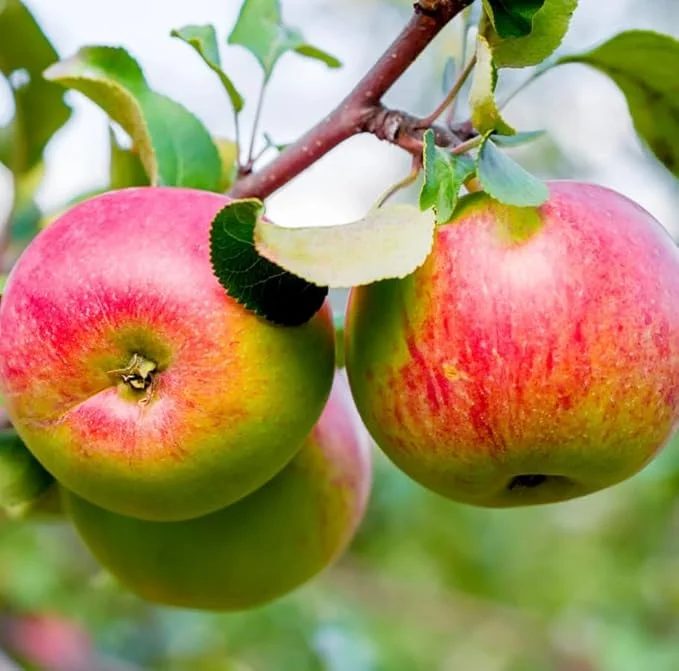
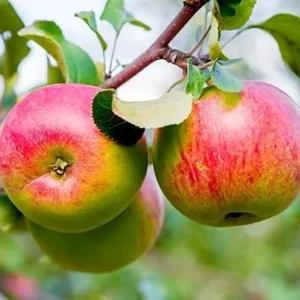
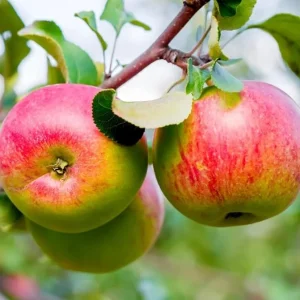
Cortland Apple Tree Live Plant 4-5 Ft Tall – Red Apples, Full Sun
Original price was: $201.60.$100.80Current price is: $100.80.
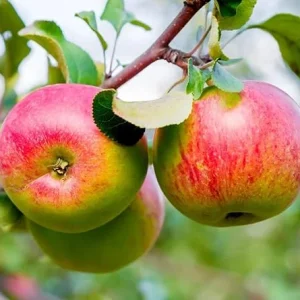
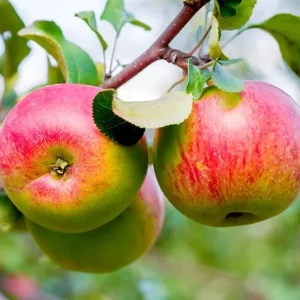
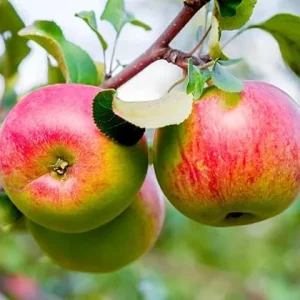
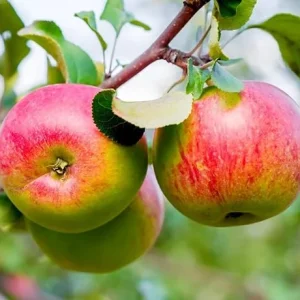
Cultivate delicious Cortland apple tree live plant in your garden. This 4-5 ft tall tree produces beautiful fragrant blossoms and yields sweet, crisp red apples, ideal for fresh eating or baking. Perfect for full sun exposure in USDA Zones 3-9.
-
USDA Hardiness Zone
3-9 -
Soil Type
Loam Soil, well-draining -
Sunlight Exposure
Full Sun (6-8 hours daily) -
Expected Planting Period
Spring to Fall blooming, plant in early spring or fall

You can track your order HERE
Mar 22
Mar 27 - Mar 29
Apr 01 - Apr 05
Shipping and return policies: Our Alive & Thrive Guarantee covers issues with your plants within the first 30 days. Reach out to us. Our team will answer your questions and help you find the plants that are truly suitable for your environment, climate, and personal preferences.

Overview
Bring the joy of a home orchard to your backyard with the Cortland apple tree live plant. This medium-sized apple tree is celebrated for its vibrant red fruits and delightful, fragrant blossoms that appear in spring. Known for their crisp texture and sweet-tart flavor, Cortland apples are a versatile choice, excellent for fresh consumption, baking, and cider making. Our 4-5 ft tall live plant arrives ready to thrive, providing a head start on establishing a productive apple tree in your landscape. This variety is a robust grower, suitable for a wide range of climates, making it a popular choice for gardeners seeking a reliable red apple tree with abundant yields. Experience the satisfaction of harvesting your own homegrown fruit with this exceptional apple tree.
The Cortland apple tree live plant is a truly rewarding addition to any garden, offering both aesthetic beauty and delicious produce. Its attractive form and seasonal changes, from delicate spring blooms to heavy-laden branches in autumn, create a dynamic focal point. The Cortland apple is particularly valued for its resistance to browning when cut, making it a favorite for salads and fruit platters. This makes it an ideal choice for families and culinary enthusiasts alike. Plant this tree and look forward to years of fresh, flavorful apples right from your garden.
Key Benefits
Choosing a Cortland apple tree live plant offers numerous advantages for the home gardener, blending beauty, productivity, and an easy growing experience. Here are some of the key benefits:
- Delicious, Versatile Fruit: Enjoy sweet, crisp red apples perfect for eating fresh, baking pies, making applesauce, or pressing into cider. The Cortland apple’s unique flesh resists browning, making it excellent for salads.
- Attractive Garden Feature: Beyond its fruit, the tree provides ornamental value with beautiful white-pink blossoms in spring and lush green foliage throughout the summer, adding visual appeal to your garden.
- Reliable Production: This variety is known for its consistent and generous yields, ensuring a bountiful harvest year after year once established. It’s a dependable red apple tree for home orchards.
- Adaptable & Hardy: Thriving in USDA Hardiness Zones 3-9, the Cortland apple tree demonstrates excellent cold hardiness and adaptability to various growing conditions, making it suitable for many regions.
- Fragrant Blossoms: The spring blooms are not just beautiful but also emit a lovely fragrance, attracting pollinators and enhancing the sensory experience of your garden.
- Easy to Grow: With proper care, even novice gardeners can successfully grow this sweet apple fruit tree. It requires full sun and well-drained soil, and consistent watering, especially in its first year.
- Healthy Living: Growing your own apples provides access to fresh, nutritious fruit free from commercial pesticides, contributing to a healthier lifestyle.
Plant Care & Growing Tips
Caring for your Cortland apple tree live plant is straightforward and ensures a healthy, productive tree. This variety thrives in specific conditions, making proper placement and ongoing maintenance crucial for a successful harvest. For optimal growth, choose a site that receives full sun, meaning at least 6-8 hours of direct sunlight daily. Good air circulation is also important to prevent fungal diseases. When planting, ensure the soil is well-drained and fertile. Loam soil is ideal, but amending heavy clay or sandy soils with organic matter will greatly improve its structure and nutrient content. Dig a hole wide enough to accommodate the roots comfortably, and plant the tree at the same depth it was growing in its nursery container. Backfill with soil, gently firming it around the roots to remove air pockets.
Watering is critical, especially during the first year after planting. Keep the soil consistently moist but never waterlogged. Deep watering encourages the development of a strong root system. Once established, the tree will be more drought-tolerant but will still benefit from regular watering during dry spells, particularly when fruits are developing. Fertilize in early spring with a balanced fertilizer formulated for fruit trees, following package instructions. Pruning is essential for maintaining tree health, shape, and fruit production. Annually prune in late winter or early spring to remove dead, diseased, or crossing branches, and to open the canopy for better light penetration and air circulation. This also helps to manage the size and encourage larger, better-quality fruit. Monitoring for pests and diseases is also important; address any issues promptly with appropriate organic or conventional treatments. Understanding apple tree care will lead to a thriving and fruitful tree.
The Cortland apple tree live plant is hardy in USDA Zones 3-9, indicating its resilience to cold temperatures. However, extreme heat or late spring frosts can sometimes affect fruit set. Protecting young trees during very cold snaps can be beneficial. Regular mulching around the base of the tree (keeping mulch away from the trunk) helps retain soil moisture, regulate soil temperature, and suppress weeds. With diligent care, your sweet apple fruit tree will reward you with abundant harvests for many years.
Size & Details
This offering is for a Cortland apple tree live plant that stands approximately 4-5 ft tall, providing a significant head start for your home orchard. The tree is shipped as a live plant, typically in a container, ensuring its roots are well-established and ready for transplanting into your garden. Cortland apple trees are considered medium-sized once mature, with an expected height of around 20 feet if left unpruned. However, with regular pruning, they can be maintained at a more manageable size for easier harvesting and garden integration. The tree features a moderate growth rate, allowing it to establish well in your landscape within a few seasons.
Expected blooming period for the Cortland apple tree is typically from spring to fall, with fruit ripening in late summer to early fall, depending on your specific climate zone. The plant requires full sun exposure for optimal fruit development and flavor. It thrives in well-drained loam soil with moderate watering needs. This particular apple tree for sale is a single unit, ready to be planted and begin its journey of producing delicious red apples. Its dimensions upon arrival are approximately 36 x 4 x 4 inches, reflecting its healthy juvenile state, poised for vigorous growth in its new home.
Frequently Asked Questions
- Q: How big does this plant get? A: This Cortland apple tree live plant is approximately 4-5 ft tall upon arrival. When mature, it can reach an expected height of about 20 feet, though regular pruning can keep it at a more manageable size for easier harvesting and garden maintenance.
- Q: Is this an indoor or outdoor plant? A: The Cortland apple tree is an outdoor plant, specifically a fruit tree designed for garden and orchard settings. It requires ample space and full sunlight to thrive and produce fruit.
- Q: How much sunlight does it need? A: This tree requires full sun exposure, meaning it needs at least 6-8 hours of direct sunlight each day for optimal growth and fruit production. This is a key aspect of proper apple tree care.
- Q: Is this plant easy to care for? A: Yes, the Cortland apple tree is considered relatively easy to care for, making it a good choice for both experienced and novice gardeners. It primarily needs consistent watering, full sun, well-drained soil, and annual pruning.
- Q: What condition will it arrive in? A: Your Cortland apple tree live plant will arrive as a healthy, established plant, typically in a nursery container with its roots protected. It will be carefully packaged to ensure it reaches you in the best possible condition, ready for planting.
- Q: How long until it blooms and produces fruit? A: Apple trees typically begin to bloom and produce fruit within 2-5 years after planting, depending on their age when purchased and growing conditions. You can expect to see fragrant blossoms in spring and delicious sweet apple fruit in late summer to early fall.
- Q: Will it survive winter in my zone? A: The Cortland apple tree is hardy in USDA Hardiness Zones 3-9, indicating its excellent ability to withstand cold winter temperatures within this range. If you live outside these zones, special winter protection might be necessary.
- Q: What kind of soil does this red apple tree prefer? A: This apple tree thrives in well-drained, fertile soil. Loam soil is ideal, but it can adapt to various soil types as long as drainage is good. Amending with organic matter can improve soil quality significantly.
- Q: Do I need more than one apple tree for pollination? A: While Cortland apple trees are often self-fertile to some extent, planting another compatible apple variety nearby (such as Honeycrisp or Gala) will significantly increase fruit production and yield a more abundant harvest of sweet apple fruit.
- Q: When is the best time to plant an apple tree for sale? A: The best time to plant a Cortland apple tree is in early spring or fall when the weather is cool and the tree is dormant. This allows the roots to establish before the stress of summer heat or deep winter cold.
Be the first to review “Cortland Apple Tree Live Plant 4-5 Ft Tall – Red Apples, Full Sun”
People Also Viewed
Sold 66 products
Original price was: $50.97.$16.99Current price is: $16.99.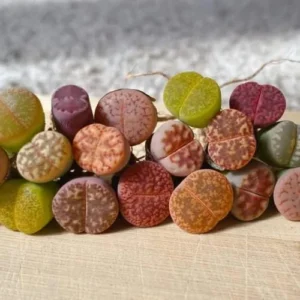
Sold 97 products
Original price was: $39.98.$19.99Current price is: $19.99.
Sold 78 products
Original price was: $57.98.$28.99Current price is: $28.99.
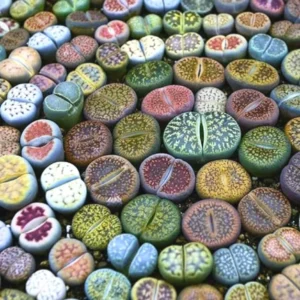
HousePlants
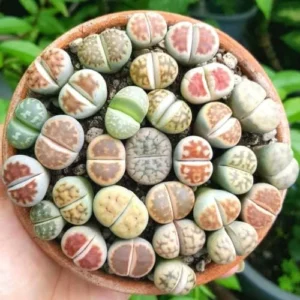
Lithops Live Plants Mix – 30 Colorful Succulents – Living Stones for Indoor/Outdoor Planting
Sold 68 products
Original price was: $65.98.$32.99Current price is: $32.99.
Sold 93 products
Original price was: $60.00.$48.00Current price is: $48.00.
Flower Plants
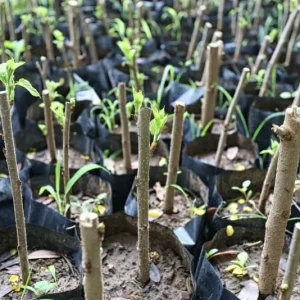
Madagascar Hibiscus Moscheutos Mallow Cuttings – 7 Pack Starter Plant for Indoor/Outdoor
Sold 61 products
Original price was: $62.76.$31.38Current price is: $31.38.
Sold 87 products
Original price was: $18.76.$9.38Current price is: $9.38.
Sold 55 products
Original price was: $147.16.$73.58Current price is: $73.58.
Sold 65 products
Original price was: $36.08.$21.64Current price is: $21.64.
Sold 99 products
Original price was: $93.78.$46.89Current price is: $46.89.
Sold 62 products
Original price was: $49.99.$29.99Current price is: $29.99.
Sold 62 products
Original price was: $47.96.$23.98Current price is: $23.98.
Sold 59 products
Original price was: $60.76.$30.38Current price is: $30.38.
Sold 62 products
Original price was: $41.20.$20.60Current price is: $20.60.
HousePlants
Dwarf Banana Plant Musa acuminata ‘Super Dwarf Cavendish’ Live Plant 4-6 inches tall Indoor/Outdoor
Sold 74 products
From $67.80
Sold 65 products
Original price was: $28.76.$14.38Current price is: $14.38.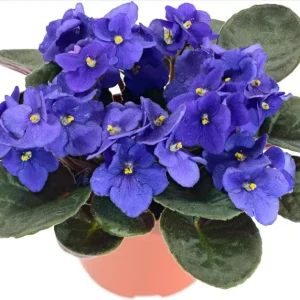
HousePlants
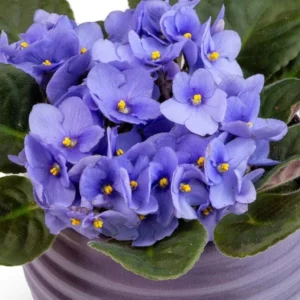
African Violet Live Plant – Purple Blooming Flowers, 3-5 Inch Tall, 4 Inch Pot for Indoor/Outdoor
Sold 58 products
Original price was: $44.99.$24.99Current price is: $24.99.
Sold 73 products
From $103.80



Reviews
There are no reviews yet.