

Corkscrew Willow Tree – Salix matsudana ‘Tortuosa’ Live Plant 4-5ft Tall – Grafted
Original price was: $283.96.$141.98Current price is: $141.98.
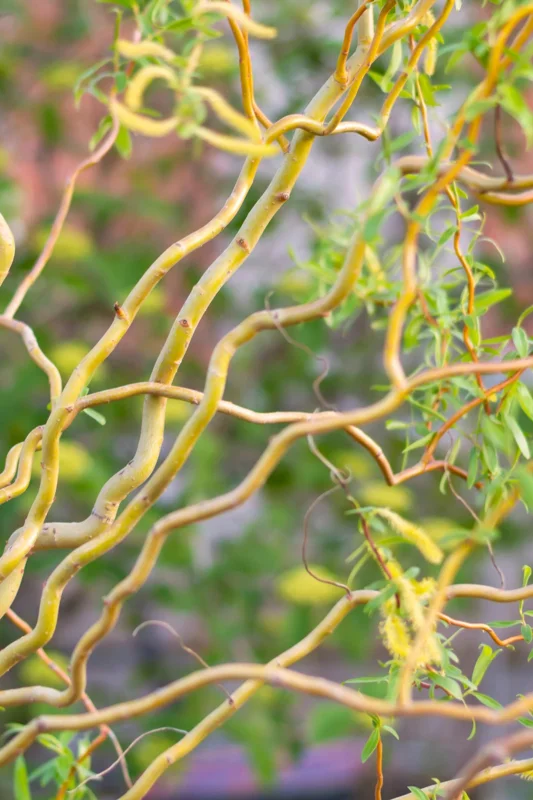
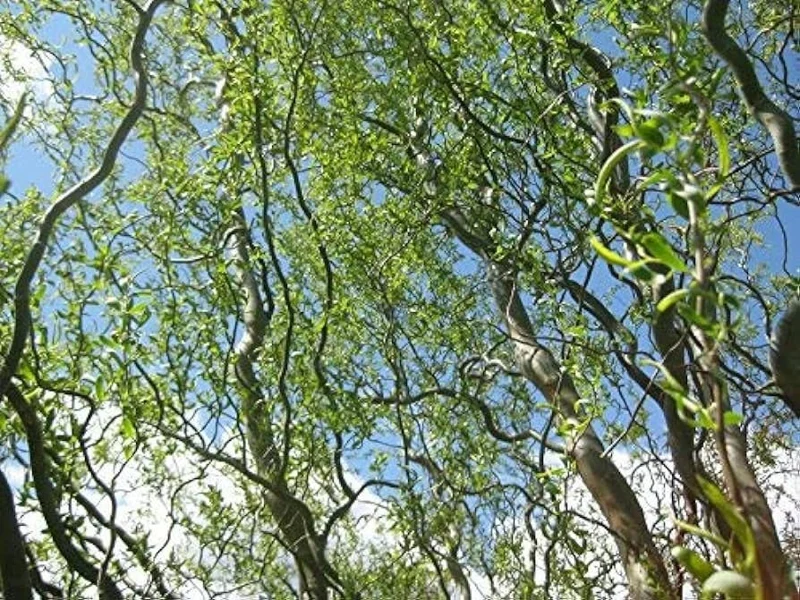
Enhance your landscape with a beautiful corkscrew willow tree, a 4-5 foot tall grafted ‘Tortuosa’ live plant. Known for its distinctively twisted branches and smooth green bark, this tree adds architectural interest to any garden. Ideal for full sun and moist areas, it’s a favorite for both garden enthusiasts and florists seeking unique decorative elements.
-
USDA Hardiness Zone
USDA Zones 4-8 -
Soil Type
Moist, well-draining soil -
Sunlight Exposure
Full sun -
Expected Planting Period
Spring to early fall

You can track your order HERE
Mar 05
Mar 10 - Mar 12
Mar 15 - Mar 19
Shipping and return policies: Our Alive & Thrive Guarantee covers issues with your plants within the first 30 days. Reach out to us. Our team will answer your questions and help you find the plants that are truly suitable for your environment, climate, and personal preferences.

Overview
Introduce a dramatic and captivating element to your garden with the corkscrew willow tree, specifically the Salix matsudana ‘Tortuosa’ variety. This live plant, arriving as a grafted tree typically 4 to 5 feet tall, is cherished for its unique, contorted growth habit and smooth, striking green bark. Also commonly known as Dragon’s Claw Willow or Curly Willow, its distinctive twisted stems make it a standout specimen in any landscape. Whether you’re a seasoned gardener looking for an unusual focal point or a florist seeking artistic branches for arrangements, the corkscrew willow tree offers unparalleled visual appeal. This female clone produces less pollen, making it a more pleasant option for those sensitive to pollen while still providing all the characteristic beauty of the species.
Key Benefits
The corkscrew willow tree offers a multitude of benefits, making it an excellent addition to various garden settings and decorative uses:
- Unique Ornamental Appeal: The most striking feature of the corkscrew willow tree is its dramatically twisted and contorted branches. These provide year-round interest, especially in winter when the leaves have fallen, showcasing its sculptural form.
- Fast-Growing Landscape Tree: This willow variety is known for its rapid growth, quickly establishing itself and reaching a mature height of 20-30 feet, providing significant visual impact in a relatively short time.
- Excellent for Wet Areas: The corkscrew willow tree thrives in moist to wet soil conditions, making it an ideal choice for planting near ponds, streams, or in boggy areas where other trees might struggle.
- Florist’s Favorite: The unique, curly branches are highly sought after by florists and crafters for their decorative qualities in floral arrangements, wreaths, and other artistic displays, often referred to as twisted willow plant.
- Effective for Bank Stabilization: Due to its extensive and vigorous root system, this tree is excellent for stabilizing soil on banks, slopes, and along waterways, helping to prevent erosion.
- Pollarding Potential: Regular pollarding can encourage the growth of new, even more heavily twisted stems, allowing for artistic shaping and management of the tree’s size and form.
- Distinctive Winter Interest: Even after leaves drop, the intricate, bare branches of the corkscrew willow tree create a stunning silhouette against a winter sky, adding beauty during dormant months.
Plant Care & Growing Tips
Caring for your corkscrew willow tree is straightforward, especially if you provide it with its preferred growing conditions. This tree thrives in full sun, meaning it needs at least 6 hours of direct sunlight per day to achieve its best growth and most pronounced twisting. It is highly adaptable to various soil types but absolutely prefers consistently moist to wet conditions. Ensure the soil is well-draining but retains moisture, making it perfect for areas of your garden that tend to stay damp. While it loves water, be mindful of its aggressive root system; plant it away from water lines, septic systems, and building foundations to prevent potential damage. The Salix matsudana ‘Tortuosa’ is hardy in USDA zones 4-8.
Watering should be consistent, especially during dry spells and in its first few years after planting. Fertilize annually in spring with a balanced, slow-release fertilizer formulated for trees and shrubs to support its vigorous growth. Pruning, especially pollarding, can be done in late winter or early spring to encourage new, heavily twisted stems and manage its size. Keep an eye out for common willow pests like aphids or willow sawflies, and treat as necessary. This resilient tree, sometimes mistaken for a weeping willow tree due to its elegant form, offers robust growth with proper care.
Size & Details
This offering is for a corkscrew willow tree, a live grafted plant that typically arrives 4 to 5 feet tall, shipped in a 3-gallon nursery pot. Grafted trees often exhibit specific desirable characteristics earlier and more reliably. The ‘Tortuosa’ variety is known for its rapid growth rate, quickly reaching its mature size of 20 to 30 feet in height and 15 feet in width. Its distinctive twisted branches begin to show their characteristic form even at a young age. This tree provides immediate architectural interest upon planting and will continue to develop its unique shape as it matures. It’s an excellent choice for a quick-growing shade tree or a prominent specimen in your garden. The roots are vigorous, making it an effective choice for areas needing bank stabilization, but remember to plant it thoughtfully due to its moisture-seeking nature.
Frequently Asked Questions
- Q: How big does this corkscrew willow tree get? A: This tree can grow rapidly to a mature height of 20-30 feet and spread up to 15 feet wide. Regular pruning or pollarding can help manage its size and encourage more twisted growth.
- Q: What size pot does it come in? A: The corkscrew willow tree is shipped as a 4 to 5 feet tall grafted tree in a 3-gallon nursery pot, ready for planting upon arrival.
- Q: Is this an indoor or outdoor plant? A: The Salix matsudana ‘Tortuosa’ is an outdoor plant, best suited for landscapes where it can reach its full potential. It requires full sun and moist conditions to thrive.
- Q: How much sunlight does it need? A: This willow tree prefers full sun, meaning it needs at least 6 hours of direct sunlight daily for optimal growth and health.
- Q: Is this plant easy to care for? A: Yes, the corkscrew willow tree is relatively easy to care for, especially if planted in its preferred moist, full-sun environment. It’s a robust and fast-growing specimen.
- Q: What condition will it arrive in? A: Your grafted corkscrew willow tree will arrive as a live, healthy plant, typically 4-5 feet tall, securely packaged in its 3-gallon nursery pot.
- Q: When is the best time to plant a twisted willow plant? A: The best time to plant is in spring or early fall, allowing the tree to establish its root system before extreme weather conditions.
- Q: Will it survive winter in my zone? A: The Salix matsudana ‘Tortuosa’ is hardy in USDA Zones 4-8, meaning it can withstand cold winter temperatures within this range.
- Q: What is the benefit of a grafted tree? A: Grafted trees often provide a stronger root system, faster growth, and ensure the desired characteristics of the ‘Tortuosa’ variety are present and consistent. This provides a reliable and beautiful unique garden tree.
- Q: Can the roots be aggressive? A: Yes, willow roots are known to be aggressive and moisture-seeking. It’s important to plant the tree away from water lines, septic systems, and building foundations to prevent any potential issues. Consider this characteristic when placing your weeping willow tree lookalike.
Be the first to review “Corkscrew Willow Tree – Salix matsudana ‘Tortuosa’ Live Plant 4-5ft Tall – Grafted”
People Also Viewed
Sold 94 products
Original price was: $57.98.$28.99Current price is: $28.99.
Sold 86 products
Original price was: $91.98.$45.99Current price is: $45.99.

Sold 83 products
Original price was: $36.00.$18.00Current price is: $18.00.
Sold 74 products
Original price was: $54.36.$27.18Current price is: $27.18.
Sold 52 products
Original price was: $39.96.$19.98Current price is: $19.98.

Sold 64 products
From $16.78
Sold 54 products
Original price was: $170.00.$127.50Current price is: $127.50.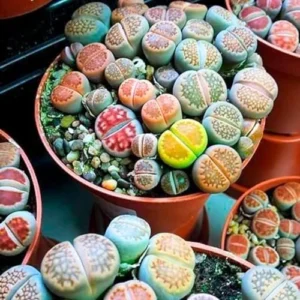
HousePlants
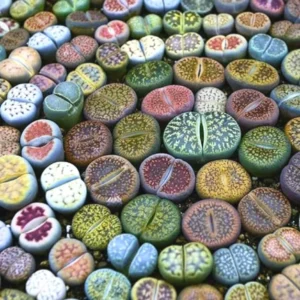
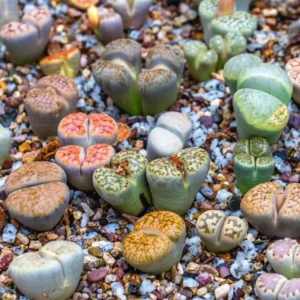
Lithops Live Plants Mix – 30 Colorful Succulents – Living Stones for Indoor/Outdoor Planting
Sold 56 products
Original price was: $65.98.$32.99Current price is: $32.99.
Sold 76 products
Original price was: $39.98.$19.99Current price is: $19.99.
Sold 82 products
$34.00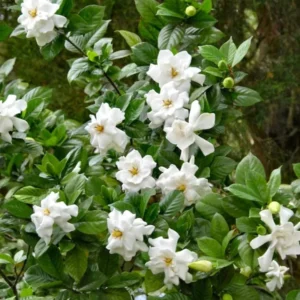
Flower Plants
Cape Jasmine Plants – 2 Live Gardenia Plants – 4-6 Inch – Blooming Indoor Outdoor Jasmine
Sold 95 products
Original price was: $59.96.$29.98Current price is: $29.98.
Sold 56 products
Original price was: $36.00.$18.00Current price is: $18.00.

Sold 98 products
Original price was: $89.98.$44.99Current price is: $44.99.

Sold 89 products
Original price was: $77.06.$38.53Current price is: $38.53.
Sold 56 products
Original price was: $39.98.$19.99Current price is: $19.99.

Sold 52 products
Original price was: $18.76.$9.38Current price is: $9.38.

Sold 91 products
Original price was: $45.10.$27.06Current price is: $27.06.

Sold 82 products
Original price was: $40.00.$20.00Current price is: $20.00.



Reviews
There are no reviews yet.