


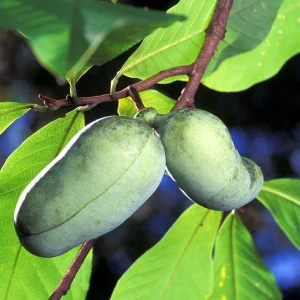
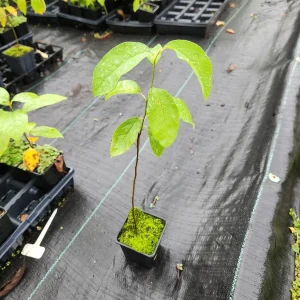

Common Paw Paw Live Plant – Asimina Triloba – 2 Plants, 4 inch Container, 6-12 inch Tall
Original price was: $64.80.$32.40Current price is: $32.40.
Grow your own delicious fruit with these common paw paw plant trees. You will receive 2 rooted asimina triloba plants, each 6-12 inches tall in a 4-inch container. Known for their unique, edible, banana-like fruit, these native trees are perfect for naturalizing or adding a semi-tropical touch to your garden in USDA Zones 5-8.
-
USDA Hardiness Zone
USDA Zones 5-8 -
Soil Type
Moist, deep, fertile, well-draining soil -
Sunlight Exposure
Partial shade when young, full sun when mature -
Expected Planting Period
Spring to early summer

You can track your order HERE
Feb 27
Mar 04 - Mar 06
Mar 09 - Mar 13
Shipping and return policies: Our Alive & Thrive Guarantee covers issues with your plants within the first 30 days. Reach out to us. Our team will answer your questions and help you find the plants that are truly suitable for your environment, climate, and personal preferences.

Overview
Introduce a unique and rewarding addition to your landscape with our common paw paw plant. You will receive two healthy Asimina triloba plants, each rooted in a 4-inch container and standing 6-12 inches tall. The paw paw, often referred to as the ‘poor man’s banana’ or ‘custard apple’, is North America’s largest native edible fruit. These deciduous trees are cherished for their delicious, sweet, banana-like fruit and their attractive, semi-tropical appearance. Ideal for naturalizing along streams or in moist, deep soils, the common paw paw plant develops into a multi-stemmed shrub or small tree with a dense, pyramidal or round-topped head, adding significant aesthetic and ecological value to any garden.
The common paw paw plant is a fantastic choice for gardeners looking for an interesting native tree that offers both beauty and a bountiful harvest. Its unique fruit, which ripens in late summer to fall, is highly sought after for its creamy texture and rich flavor. These plants are easy to establish and grow, making them suitable for both experienced gardeners and those new to growing fruit trees. Enjoy the satisfaction of cultivating your own delicious, home-grown fruit with these robust and beautiful paw paw trees.
Key Benefits
Adding the common paw paw plant to your garden provides numerous advantages, from its unique fruit to its ecological benefits. These plants are a truly rewarding choice for any gardener:
- Delicious Edible Fruit: The primary benefit of the common paw paw plant is its unique, sweet, banana-like fruit. This greenish-yellow berry, turning brownish-black when ripe, reaches about 2.5 inches and is a favorite for both humans and wildlife.
- Native Tree: As a native North American tree, the asimina triloba contributes to local biodiversity, providing food and habitat for native insects and animals, and is naturally adapted to regional climates.
- Semi-Tropical Appearance: Despite being native to temperate regions, the paw paw tree boasts large, lush leaves that give it a distinctive semi-tropical look, enhancing the aesthetic appeal of your garden.
- Adaptable to Various Soils: While it thrives in moist, deep soils, the paw paw is quite adaptable and can grow in a range of soil types, particularly when naturalized in suitable environments.
- Medium Growth Rate: These trees have a medium growth rate, allowing for steady development into a mature, fruit-bearing specimen without an excessively long wait.
- Low Maintenance: Once established, the common paw paw plant is relatively low-maintenance, requiring minimal intervention to thrive and produce fruit.
- Wildlife Attractor: The ripe fruit is a natural food source for various animals, including birds, squirrels, and raccoons, making it an excellent choice for supporting local wildlife.
Plant Care & Growing Tips
Caring for your common paw paw plant (asimina triloba) is straightforward, especially when you understand its natural preferences. These trees generally prefer partial shade when young, especially in hot climates, to protect them from scorching sun. As they mature, they can tolerate more sun, eventually thriving in full sun for optimal fruit production, provided they receive adequate moisture. Ensure they are planted in a location that receives at least 6 hours of direct sunlight per day once established, or dappled shade in the hottest part of the afternoon when young.
The paw paw tree thrives in moist, deep, fertile, well-draining soil. It’s crucial to maintain consistent moisture, especially during dry spells and when the fruit is developing. Avoid waterlogging, as this can lead to root rot. A good layer of mulch around the base of the tree can help retain soil moisture and regulate temperature. For optimal growth and fruit yield, ensure your edible fruit tree receives regular watering, particularly during its first few years after planting. These plants are hardy in USDA Zones 5-8, meaning they can withstand winter temperatures down to -10 to -20 degrees Fahrenheit.
Fertilize your common paw paw plant in the spring with a balanced, slow-release fertilizer. Avoid over-fertilizing, especially with high nitrogen fertilizers, as this can encourage leafy growth at the expense of fruit production. Pruning is generally minimal, focusing on removing dead, damaged, or crossing branches to maintain good air circulation and shape. While generally robust, watch for common pests like the paw paw peduncle borer or various fungal diseases, though these are rarely severe enough to cause significant damage. Proper site selection and consistent care will help your paw paw care routine be successful.
Size & Details
You will receive two healthy common paw paw plant specimens (Asimina triloba), each grown in a 4-inch container. At the time of shipment, these young trees typically range from 6 to 12 inches in height, with well-established root systems ready for planting. Paw paw trees are known for their medium growth rate, eventually reaching a mature height of 15 to 20 feet, and sometimes up to 30 feet, with a spread of 15 to 20 feet. These plants are shipped in their nursery containers, ensuring minimal transplant shock and a smooth transition to your garden. Expect these native fruit tree specimens to begin bearing fruit within 3-5 years after planting, with optimal yields as they mature further. They are excellent choices for creating a small orchard or integrating into a naturalized landscape.
Frequently Asked Questions
- Q: How big does this common paw paw plant get? A: A: The common paw paw plant typically grows to a height of 15-20 feet, with some specimens reaching up to 30 feet tall. They also have a similar spread of 15-20 feet, forming a dense canopy.
- Q: What size pot does it come in? A: You will receive two asimina triloba plants, each rooted in a 4-inch nursery container. They will be approximately 6-12 inches tall upon arrival.
- Q: Is this an indoor or outdoor plant? A: The paw paw is an outdoor tree, native to temperate North America. It is best suited for planting directly in the ground in USDA Hardiness Zones 5-8.
- Q: How much sunlight does the common paw paw plant need? A: Young paw paw trees prefer partial shade, especially during hot afternoons. As they mature, they thrive in full sun (at least 6 hours daily) for best fruit production.
- Q: Is this plant easy to care for? A: Yes, once established, the common paw paw plant is relatively low-maintenance. It requires consistent moisture, especially when young, and well-draining soil, making it a good choice for gardeners of varying experience levels.
- Q: What condition will it arrive in? A: Your edible fruit tree plants will arrive in their 4-inch containers with established root systems, carefully packaged to ensure they are healthy and ready for planting.
- Q: How long until it blooms and fruits? A: Paw paw trees typically begin to bloom and produce fruit within 3-5 years after planting, with yields increasing as the tree matures.
- Q: Will it survive winter in my zone? A: Yes, the common paw paw plant is hardy in USDA Zones 5-8, meaning it can tolerate winter temperatures ranging from -10°F to -20°F, depending on the specific zone.
- Q: What is the best time to plant these paw paw trees? A: The best time to plant paw paw trees is in the spring after the last frost, or in early fall before the ground freezes, allowing them ample time to establish roots.
- Q: Can I grow a single common paw paw plant for fruit? A: While some paw paw varieties are self-fertile, it’s generally recommended to plant at least two different paw paw trees for optimal cross-pollination and fruit production, as these are often not self-pollinating.
Be the first to review “Common Paw Paw Live Plant – Asimina Triloba – 2 Plants, 4 inch Container, 6-12 inch Tall”
People Also Viewed
Sold 77 products
Original price was: $28.00.$22.40Current price is: $22.40.
Sold 76 products
Original price was: $355.96.$177.98Current price is: $177.98.
Sold 60 products
Original price was: $180.00.$90.00Current price is: $90.00.

Sold 100 products
Original price was: $79.96.$39.98Current price is: $39.98.
Sold 93 products
$54.98
Sold 60 products
Original price was: $420.00.$156.99Current price is: $156.99.
Sold 59 products
$87.98
HousePlants
Variegated Philodendron Mican Aurea Live Plant – Rare Indoor Houseplant, Collector Philodendron
Sold 88 products
Original price was: $180.00.$90.00Current price is: $90.00.
Sold 78 products
Original price was: $29.98.$23.98Current price is: $23.98.

Sold 56 products
Original price was: $99.96.$49.98Current price is: $49.98.
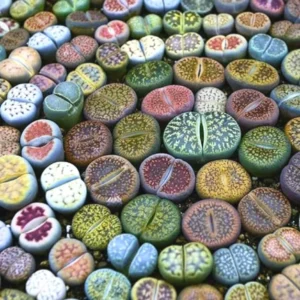
HousePlants
Lithops Live Plants Mix – 30 Colorful Succulents – Living Stones for Indoor/Outdoor Planting
Sold 57 products
Original price was: $65.98.$32.99Current price is: $32.99.
Sold 70 products
Original price was: $36.36.$18.18Current price is: $18.18.
Sold 82 products
From $107.80
Sold 99 products
Original price was: $21.56.$10.78Current price is: $10.78.
Sold 70 products
From $67.80
Sold 62 products
Original price was: $29.98.$14.99Current price is: $14.99.
Sold 68 products
$57.18
Sold 88 products
Original price was: $147.16.$73.58Current price is: $73.58.



Reviews
There are no reviews yet.