
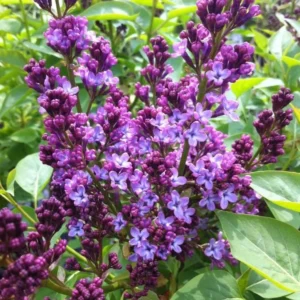
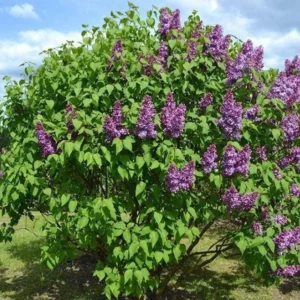
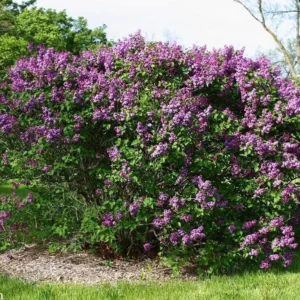
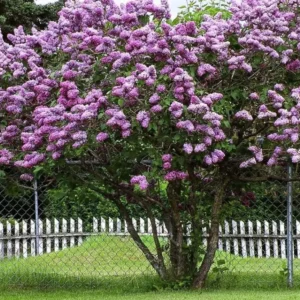
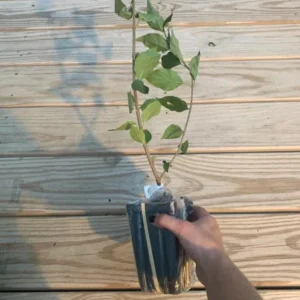
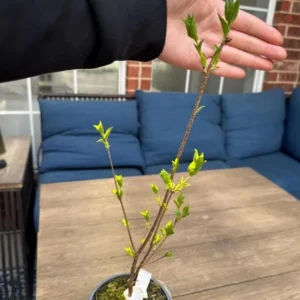
Common Lilac Shrub Live Plant – 6-12in Tall – 4in Pot – Fragrant Purple Bush
Original price was: $30.85.$10.34Current price is: $10.34.
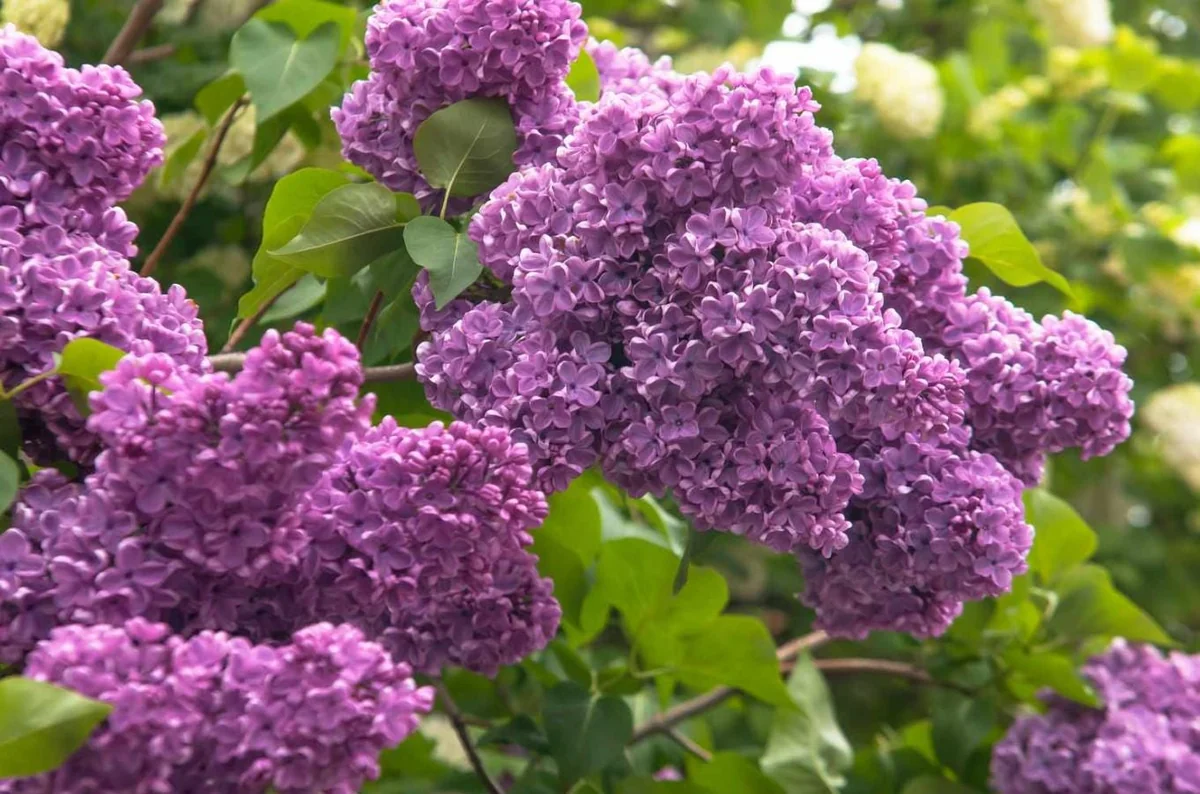
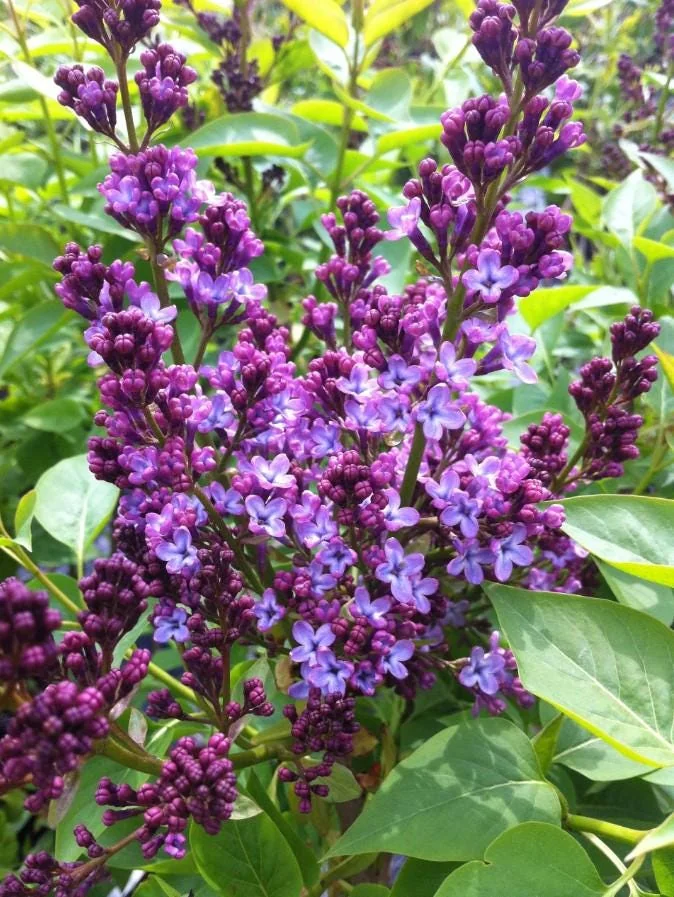
Bring timeless beauty and delightful fragrance to your garden with this common lilac live plant. This deciduous shrub, growing 6-12 inches tall in a 4-inch pot, produces showy purple flowers in spring, making it a classic ornamental favorite for any landscape.
-
USDA Hardiness Zone
USDA zones 3–7 -
Soil Type
Well-drained, slightly alkaline to neutral soil -
Sunlight Exposure
Full sun (minimum 6 hours daily) -
Expected Planting Period
Early spring or fall

You can track your order HERE
Mar 01
Mar 06 - Mar 08
Mar 11 - Mar 15
Shipping and return policies: Our Alive & Thrive Guarantee covers issues with your plants within the first 30 days. Reach out to us. Our team will answer your questions and help you find the plants that are truly suitable for your environment, climate, and personal preferences.

Overview
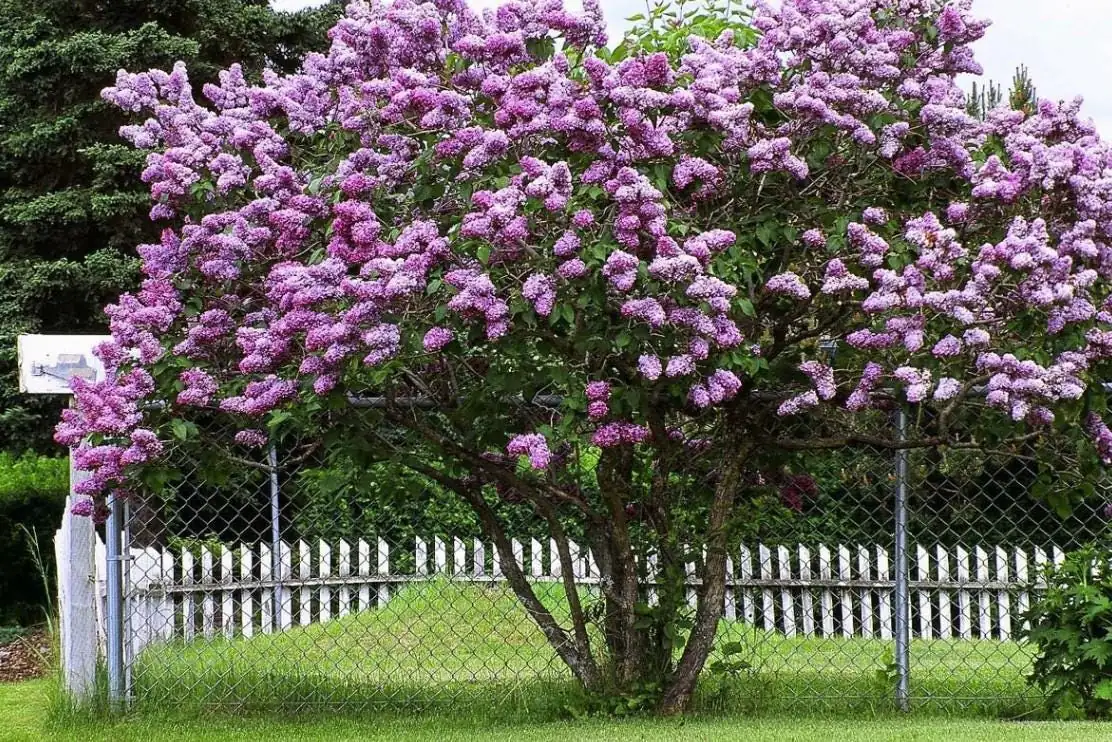
Introduce classic charm and a captivating aroma to your outdoor space with the common lilac live plant. This beloved deciduous shrub, scientifically known as Syringa vulgaris, is celebrated for its stunning clusters of fragrant purple flowers that burst into bloom each spring. Originating from the Balkan Peninsula and Eastern Europe, the common lilac has become a quintessential element in ornamental gardens across temperate climates. It’s not just a plant; it’s an experience, evoking nostalgia and providing a delightful sensory feast of sight and scent. Perfect for creating a focal point, a fragrant hedge, or contributing to a vibrant spring floral display, this plant also attracts pollinators, enriching your garden’s ecosystem. Our fragrant lilac bush arrives ready to thrive, bringing immediate beauty and the promise of spectacular seasonal displays.
The allure of the common lilac extends beyond its visual appeal. Its robust nature and relatively easy care make it a rewarding addition for both novice and experienced gardeners. Whether you’re looking to enhance your garden with a touch of old-world romance or simply desire a dependable, showy bloomer, the common lilac is an excellent choice. Its ability to thrive in a range of conditions, particularly with proper sunlight and soil, ensures a consistent and breathtaking performance year after year. Invest in this iconic shrub and transform your garden into a fragrant sanctuary.
Key Benefits
The common lilac live plant offers a multitude of benefits that make it a cherished inclusion in any garden:
- Exquisite Fragrance: One of the most sought-after qualities, the intoxicating sweet scent of lilac flowers fills the air in spring, creating a truly enchanting atmosphere. This natural perfume is a hallmark of traditional gardens and can be enjoyed both outdoors and when cut for indoor arrangements.
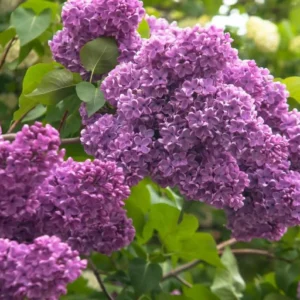
- Stunning Spring Blooms: Produces abundant, showy clusters of purple flowers that provide a spectacular visual display, signaling the arrival of warmer weather and adding vibrant color to the landscape. These blooms are a feast for the eyes after a long winter.
- Attracts Pollinators: The nectar-rich flowers are a magnet for bees, butterflies, and other beneficial pollinators, supporting local ecosystems and contributing to the health of your garden. This makes it an excellent choice for a pollinator garden.
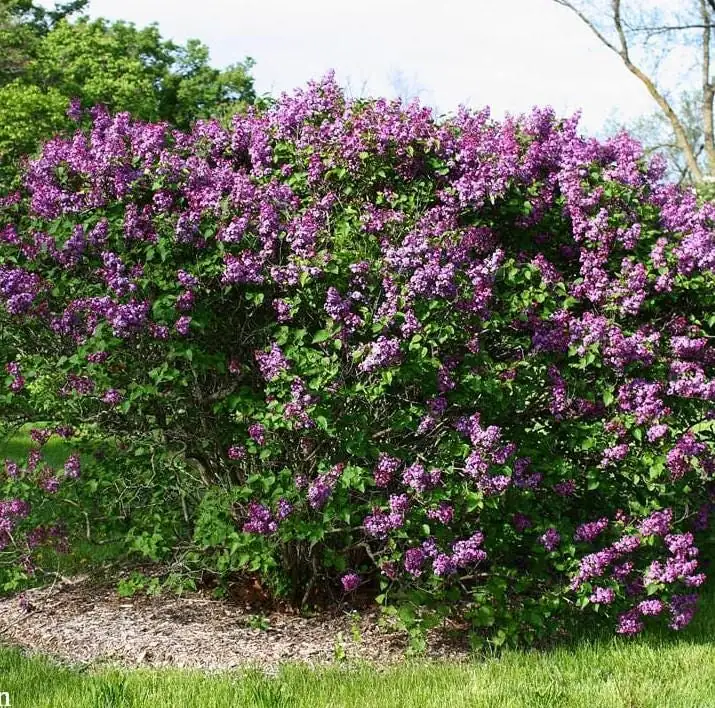
- Versatile Landscape Use: Ideal for use as a specimen plant, in mixed borders, as a fragrant hedge, or for mass plantings. Its adaptable nature allows it to fit into various garden designs, providing structure and beauty.
- Low Maintenance Once Established: While requiring initial care, once established, fragrant lilac bush plants are relatively hardy and require minimal intervention, making them a sustainable choice for busy gardeners.
- Cold Hardy: Thrives in temperate climates with cold winters, making it suitable for a wide range of USDA hardiness zones and ensuring its return year after year.
- Classic Appeal: A timeless garden favorite, the lilac brings a sense of tradition and elegance to any setting, enhancing the overall aesthetic and historical charm of your outdoor space.
Plant Care & Growing Tips
Caring for your common lilac live plant is straightforward, ensuring years of beautiful, fragrant blooms. These shrubs prefer temperate climates and are hardy in USDA zones 3–7, requiring a period of cold dormancy for optimal flowering. Plant your lilac in a location that receives full sun, meaning at least 6 hours of direct sunlight daily; this is absolutely essential for abundant blooming. Insufficient light can lead to sparse flowers. The ideal planting time is either early spring or fall when the plant is dormant, allowing it to establish its root system before extreme temperatures.
Soil conditions are critical for a healthy purple flowering shrub. Lilacs thrive in well-drained, slightly alkaline to neutral soil, with a pH range of 6.5–7.5. Avoid overly acidic or soggy soils, as these can lead to root rot and poor growth. When planting, amend heavy clay soils with organic matter to improve drainage, and for sandy soils, add compost to enhance water retention. Water deeply after planting to help settle the soil around the roots. Once established, lilacs are relatively drought-tolerant but will benefit from watering during prolonged dry spells, especially during their blooming period. Ensure the soil dries out slightly between waterings to prevent overhydration.
Regular pruning is key to maintaining the health and vigor of your lilac. Prune immediately after flowering to shape the bush, remove spent blooms (deadheading), and encourage new growth for the following season. Avoid pruning too late in the season, as lilacs bloom on old wood. Fertilize sparingly; an annual application of a balanced, slow-release fertilizer in early spring, before new growth begins, is usually sufficient. Over-fertilization, especially with high-nitrogen fertilizers, can promote foliage growth at the expense of flowers. Watch out for common pests like lilac borers and powdery mildew; good air circulation and proper watering can help mitigate these issues. For more specific guidance on maintaining a vibrant display, refer to a comprehensive lilac care guide.
Size & Details
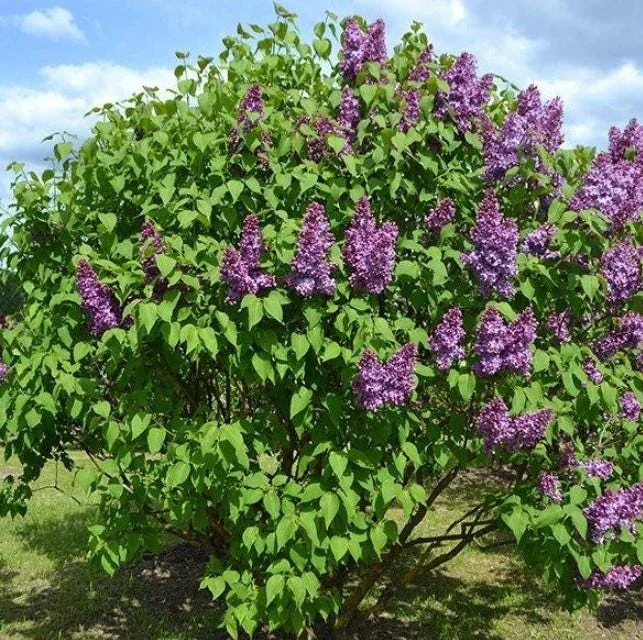
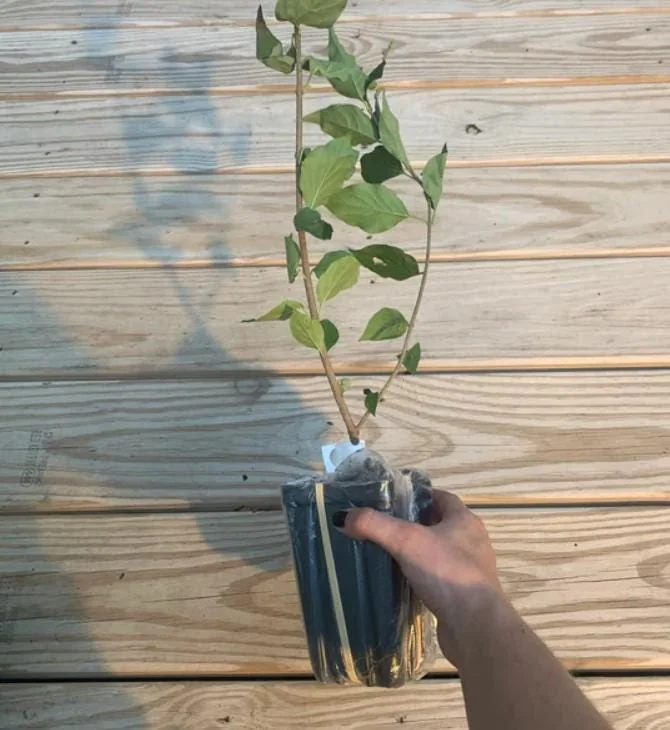
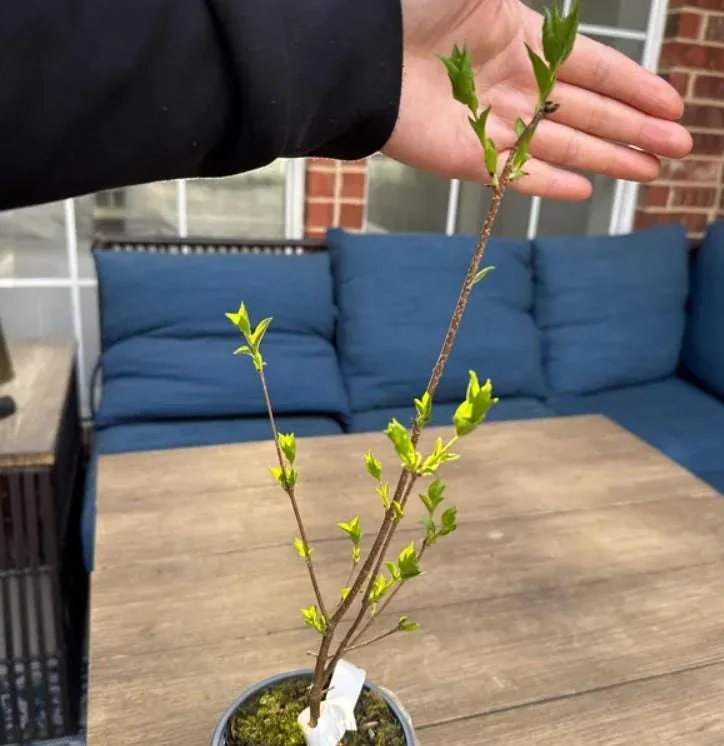
This common lilac live plant arrives as a vibrant specimen, typically measuring 6-12 inches in height, carefully grown in a 4-inch nursery pot. This size provides a robust root system ready for transplanting into your garden. Lilacs are known for their moderate to fast growth rate, and with optimal conditions, they can reach a mature height of 8-15 feet with a similar spread, depending on the specific cultivar and pruning practices. Expect this purple flowering shrub to begin producing its characteristic fragrant blooms within a few years of planting, with increasing abundance as it matures. The plant is shipped in its nursery pot with soil, ensuring it arrives healthy and ready for its new home. Its deciduous nature means it will shed its leaves in autumn and remain dormant through winter, ready to burst forth with new growth and spectacular flowers each spring.
Frequently Asked Questions
- Q: How big does this common lilac live plant get? A: This particular plant is 6-12 inches tall in a 4-inch pot. When mature, common lilacs can typically reach heights of 8-15 feet with a similar spread, depending on growing conditions and pruning.
- Q: Is this an indoor or outdoor plant? A: The common lilac live plant is an outdoor deciduous shrub. It requires a period of cold dormancy to produce its fragrant flowers and thrives in temperate climates.
- Q: How much sunlight does the fragrant lilac bush need? A: This shrub requires full sun, meaning a minimum of 6 hours of direct sunlight daily, to ensure abundant and showy flowering. Less sun can result in fewer blooms.
- Q: Is this plant easy to care for? Is it good for beginners? A: Yes, once established, the fragrant lilac bush is relatively low-maintenance and can be a good choice for beginners, provided its basic needs for sunlight and well-drained soil are met. Following a simple lilac care guide will ensure success.
- Q: What condition will the purple flowering shrub arrive in? A: Your lilac plant will arrive healthy and actively growing, shipped in its 4-inch nursery pot with soil, ready for transplanting.
- Q: How long until it blooms? A: While young plants may take a few years to establish and produce their first significant blooms, with proper care, your lilac should begin flowering within 2-3 years, with more profuse blooms as it matures.
- Q: Will it survive winter in my zone? A: Yes, the common lilac is very cold-hardy and thrives in USDA zones 3–7, making it well-suited to survive cold winters and bloom reliably year after year.
- Q: What type of soil does a common lilac require? A: This plant prefers well-drained, slightly alkaline to neutral soil with a pH between 6.5 and 7.5. Avoid heavy, waterlogged soils.
- Q: When is the best time to plant a common lilac? A: The best time to plant your common lilac live plant is in early spring or fall when the plant is dormant, allowing it to establish its root system before extreme weather.
- Q: Can I cut the flowers for indoor arrangements? A: Absolutely! Lilac flowers are excellent for cutting and bringing indoors to enjoy their beautiful appearance and delightful fragrance.
Be the first to review “Common Lilac Shrub Live Plant – 6-12in Tall – 4in Pot – Fragrant Purple Bush”
People Also Viewed
Sold 76 products
Original price was: $41.99.$21.99Current price is: $21.99.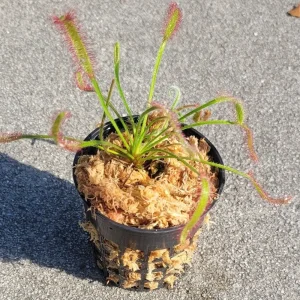
HousePlants
Merry Go Round Cape Sundew Carnivorous Live Plant Drosera Capensis 3 inch Pot Indoor/Outdoor
Sold 54 products
Original price was: $79.96.$39.98Current price is: $39.98.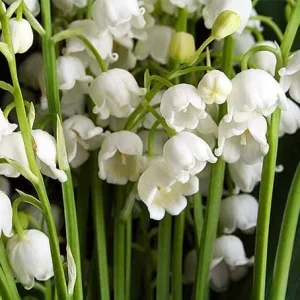
Flower Bulbs
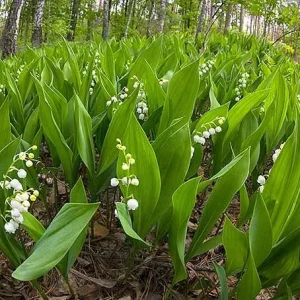
5 Dormant Lily of the Valley (Convallaria Majalis) Bare Root Bulbs – Fragrant Perennial Ground Cover
Sold 97 products
Original price was: $24.00.$12.00Current price is: $12.00.
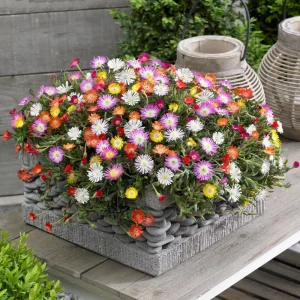
Sold 56 products
$48.38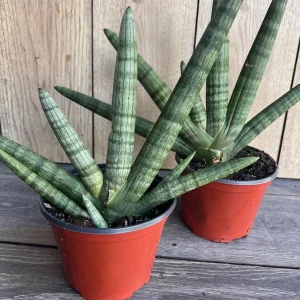
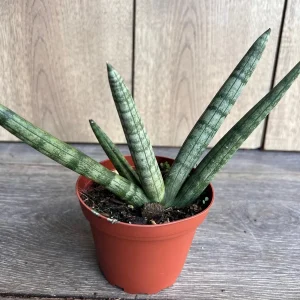
Sold 93 products
Original price was: $47.28.$28.36Current price is: $28.36.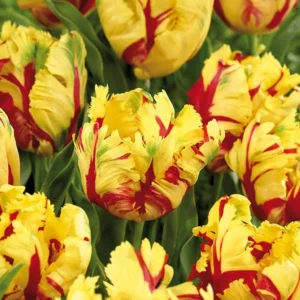
Flower Bulbs
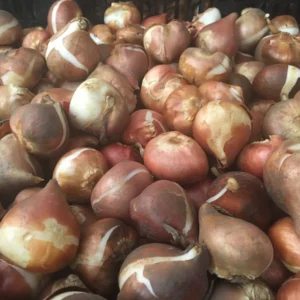
Texas Flame Parrot Tulip Bulbs – Fiery Ruffled Blooms, 18-22 in Tall, Zones 2-8, Fall Planting
Sold 69 products
From $67.80

Sold 62 products
Original price was: $89.98.$44.99Current price is: $44.99.
Sold 55 products
$43.98
Sold 86 products
From $19.00
Sold 54 products
Original price was: $16.76.$8.38Current price is: $8.38.
Sold 73 products
Original price was: $30.76.$15.38Current price is: $15.38.
Sold 75 products
Original price was: $72.76.$36.38Current price is: $36.38.
Sold 61 products
Original price was: $59.98.$29.99Current price is: $29.99.
Sold 68 products
Original price was: $39.68.$19.84Current price is: $19.84.
Sold 74 products
Original price was: $47.96.$23.98Current price is: $23.98.
Sold 66 products
Original price was: $62.76.$31.38Current price is: $31.38.

Sold 93 products
Original price was: $75.80.$37.90Current price is: $37.90.

Sold 97 products
From $18.32



Reviews
There are no reviews yet.