
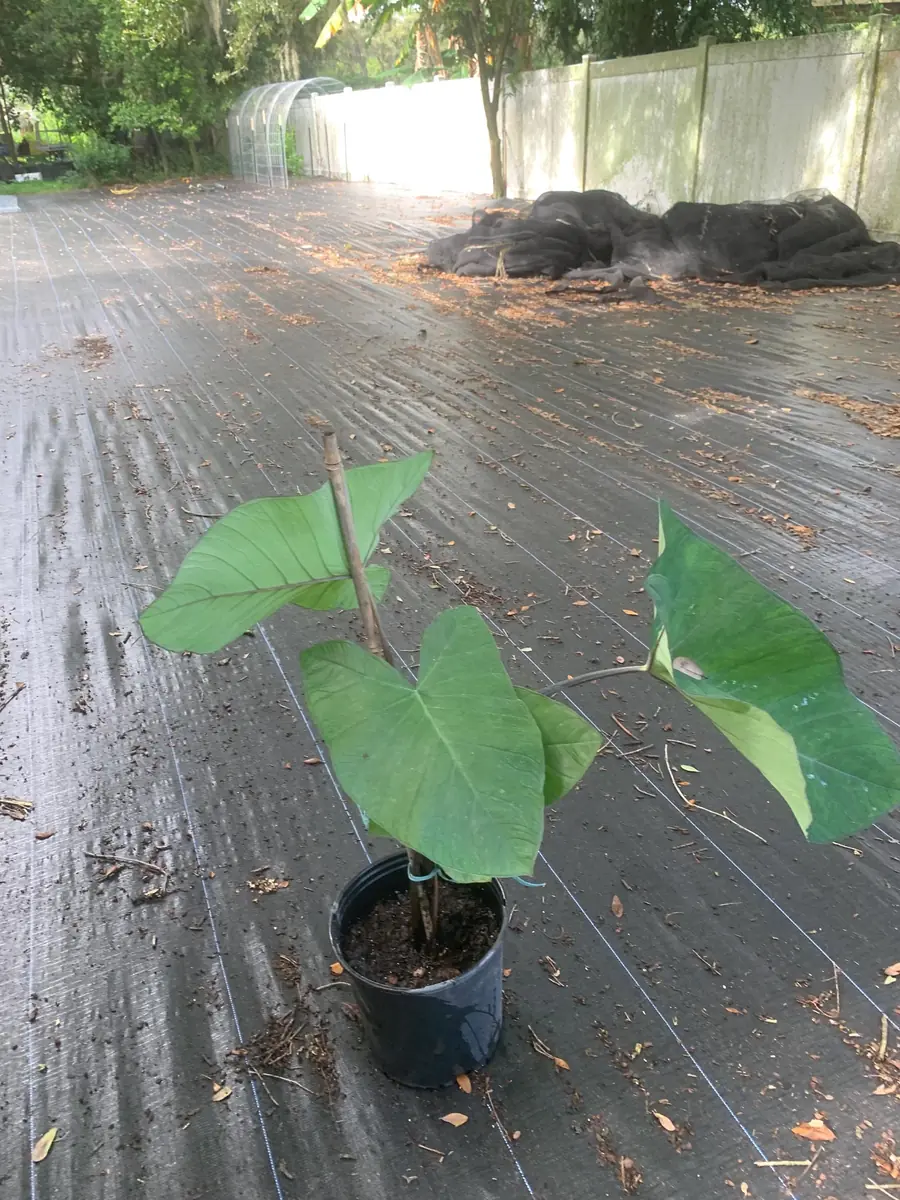
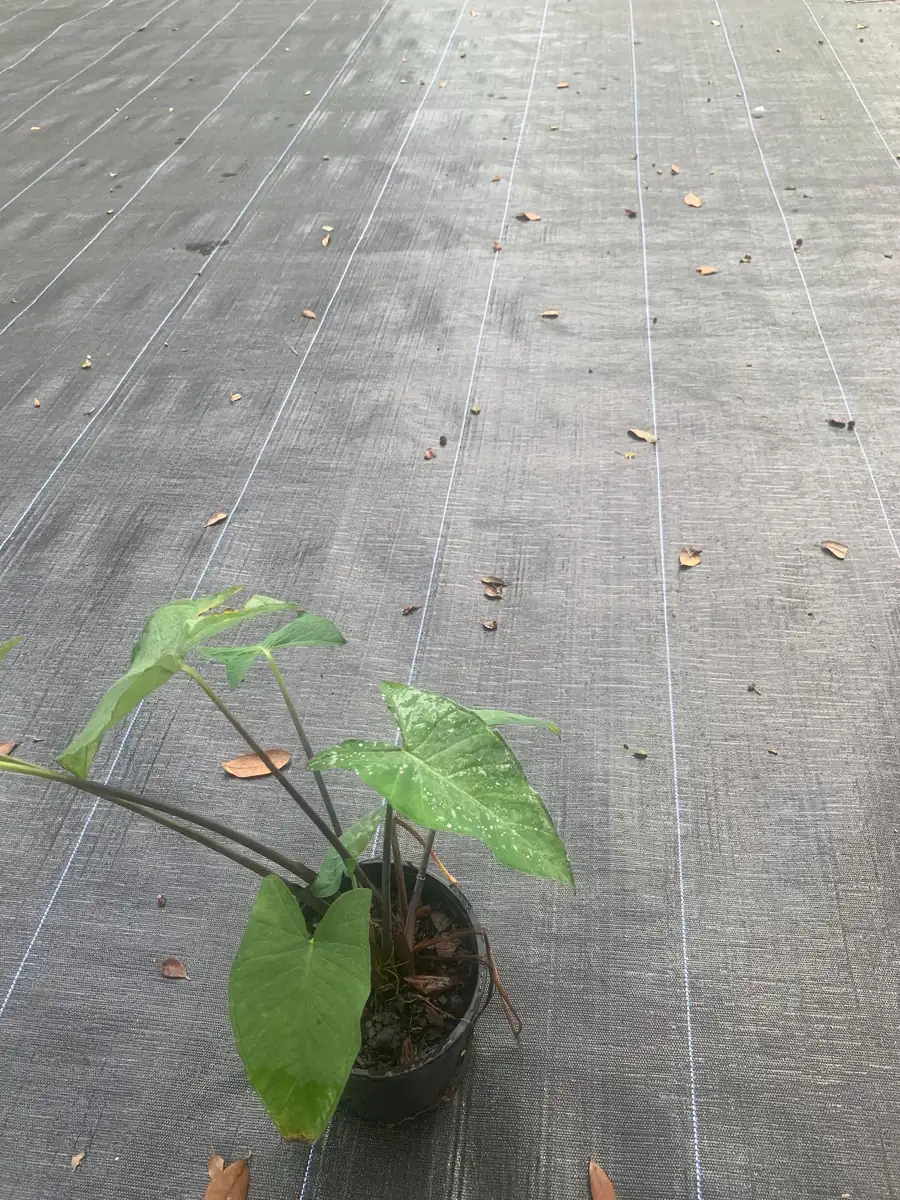
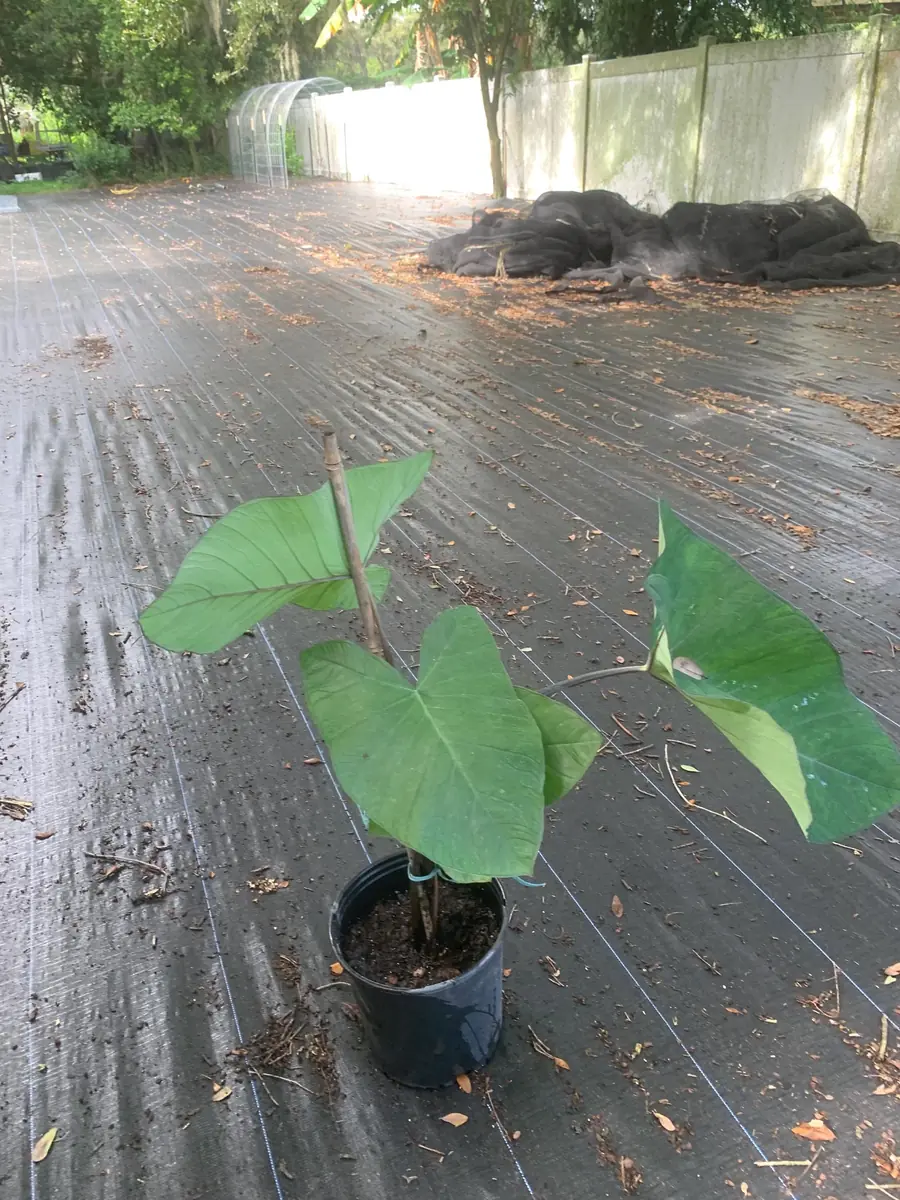
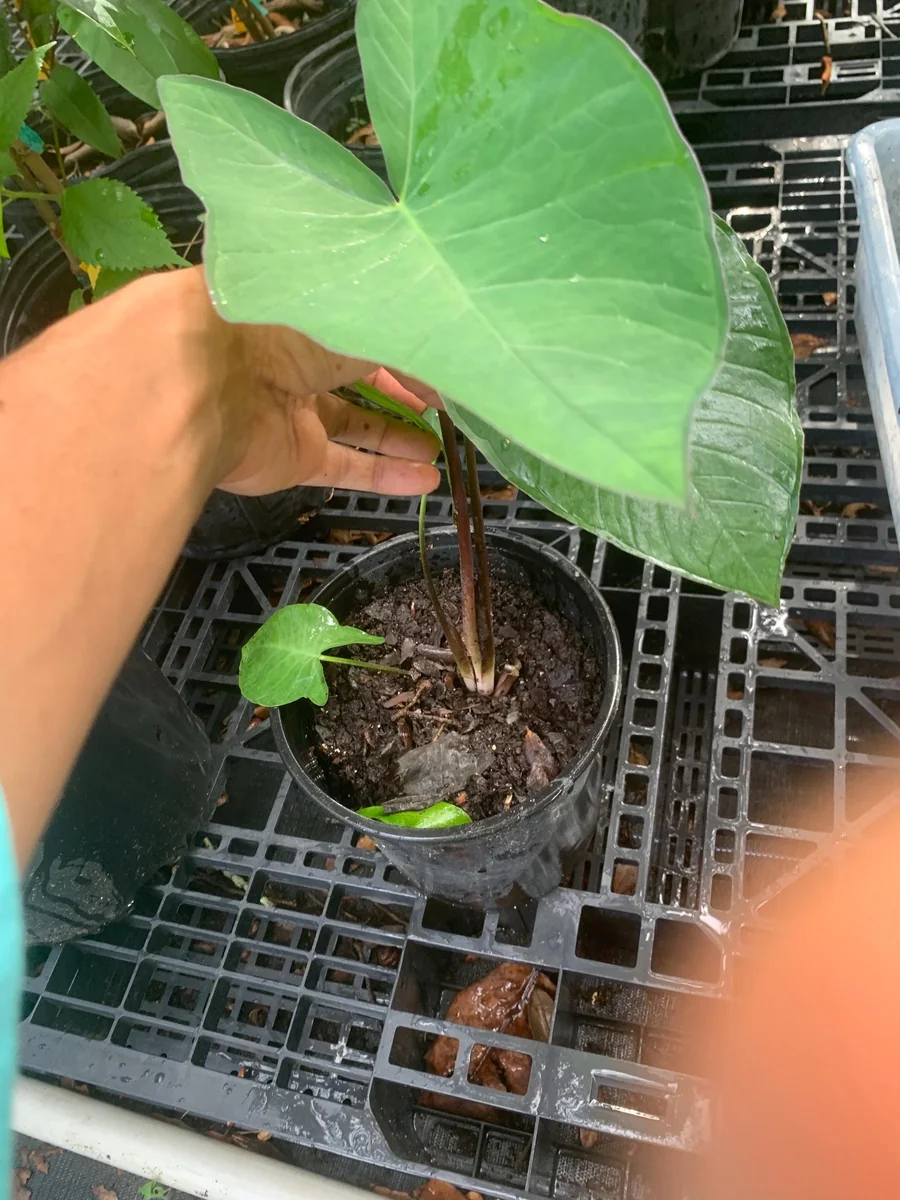
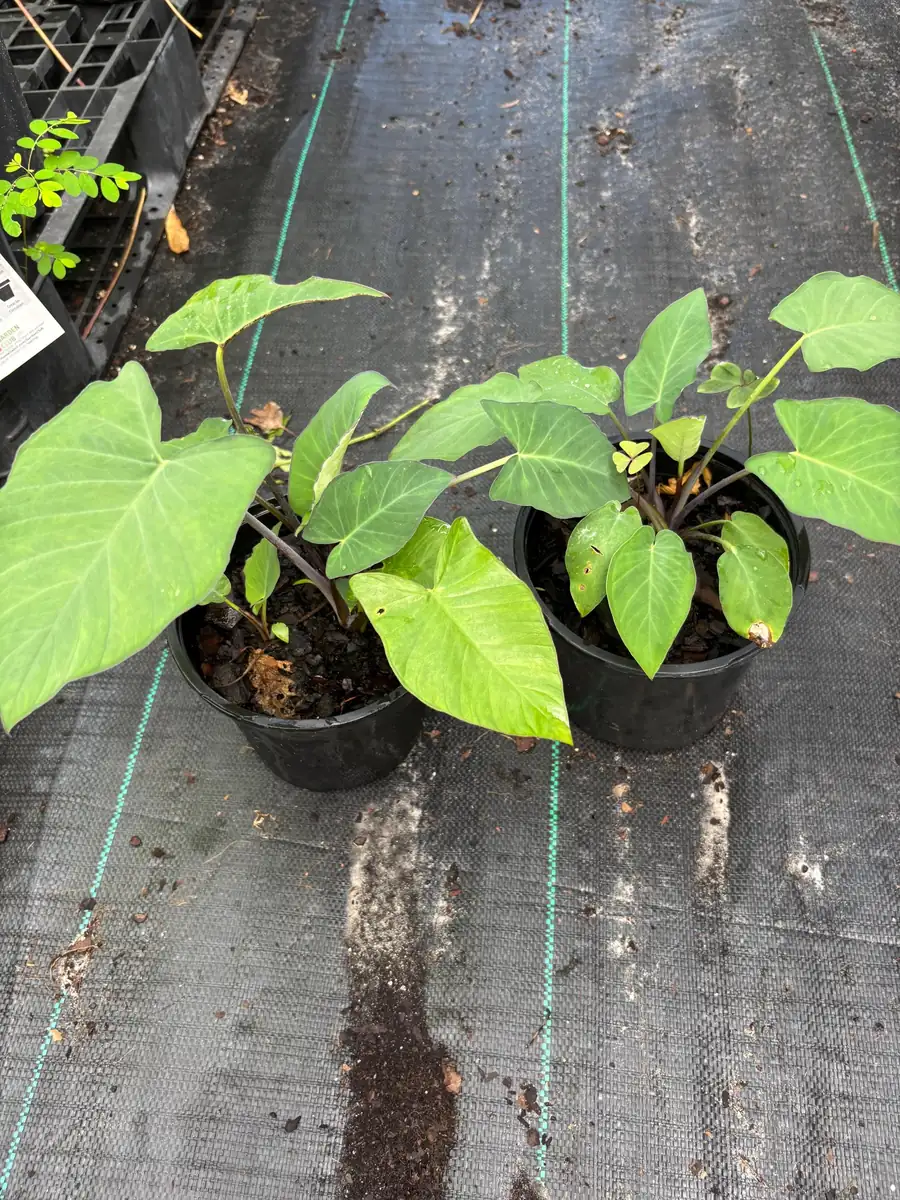
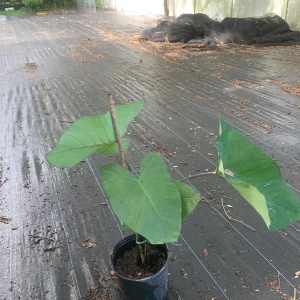
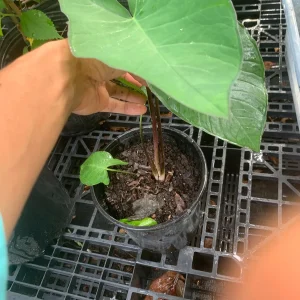
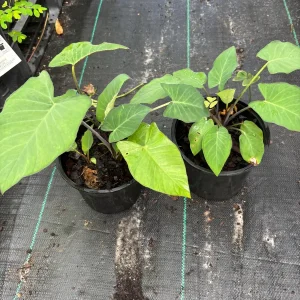
Colocasia Esculenta Live Plant – Elephant Ear (Taro) Edible Plant
From $70.00
Bring home a vibrant Colocasia esculenta live plant, also known as Elephant Ear or Taro. This versatile plant is cherished for its large, heart-shaped leaves, offering both ornamental beauty and culinary delight. Ideal for tropical gardens or as a striking potted specimen.
-
USDA Hardiness Zone
USDA Zones 8-11 (can be grown as annual or indoors elsewhere) -
Soil Type
Rich, well-draining soil with organic matter -
Sunlight Exposure
Partial shade to full sun (afternoon shade in hot climates) -
Expected Planting Period
Spring to early summer (outdoors), year-round (indoors)

You can track your order HERE
Mar 04
Mar 09 - Mar 11
Mar 14 - Mar 18
Shipping and return policies: Our Alive & Thrive Guarantee covers issues with your plants within the first 30 days. Reach out to us. Our team will answer your questions and help you find the plants that are truly suitable for your environment, climate, and personal preferences.

Overview
Cultivate the unique and versatile Colocasia esculenta live plant in your garden or home. Known by many names such as Elephant Ear, Taro, Pattarveliya, or Arbi, this plant is celebrated worldwide for its striking foliage and edible qualities. Originating from tropical regions, the Colocasia esculenta live plant brings an exotic touch with its large, heart-shaped leaves that can grow quite impressively. It’s not just a beautiful ornamental; the leaves and corms of the Taro plant are a staple in various cuisines, particularly in Indian and Southeast Asian dishes. This live plant offers the opportunity to grow your own fresh, edible leaves, perfect for traditional recipes or exploring new culinary adventures.
The elephant ear plant edible variety is a fantastic addition for gardeners looking for both aesthetic appeal and practical use. Its lush green foliage creates a dramatic statement in any landscape, whether planted directly in the ground or kept in containers. Beyond its visual charm, the plant is relatively easy to care for, thriving in warm, humid conditions. When you purchase a taro plant for sale, you’re investing in a plant that can provide continuous harvests of its flavorful leaves, often described as a delicacy.
Our Colocasia esculenta live plant comes ready to grow, allowing you to quickly establish this tropical beauty in your chosen environment. Its adaptability makes it suitable for various settings, from a vibrant centerpiece in a large pot to an impactful border plant in a garden bed. Experience the satisfaction of growing your own food and enjoying the tropical allure of this remarkable plant.
Key Benefits
The Colocasia esculenta live plant offers a multitude of benefits, combining ornamental beauty with practical culinary uses, making it a truly rewarding addition to any garden or home.
- Edible Foliage and Corms: The primary benefit of this plant is its delicious, heart-shaped leaves, often used in various traditional dishes. The corms (underground stems) are also edible after proper preparation, offering a starchy and nutritious food source. Growing your own elephant ear plant edible ensures fresh, organic produce.
- Striking Tropical Aesthetic: With its large, dramatic leaves, the Colocasia esculenta creates an instant tropical ambiance. It’s an excellent focal point for garden beds, patios, or even as an indoor plant, adding lush greenery and architectural interest to any space.
- Relatively Easy to Grow: This plant thrives with minimal fuss, especially in warm, humid climates. It’s quite forgiving once established, making it suitable for both experienced gardeners and those just starting their journey with exotic plants. Understanding growing colocasia esculenta is straightforward.
- Versatile Planting Options: Whether you prefer to plant it directly in the ground, in large decorative pots, or even near water features, the Colocasia esculenta adapts well. It can be grown indoors in bright, indirect light, extending its growing season.
- Fast Growing and Prolific: Under ideal conditions, the taro plant for sale grows quickly, producing a continuous supply of leaves throughout the warmer months. This makes it a great choice for those who enjoy regular harvests.
- Cultural Significance: Known as Patra or Pattarveliya in some cultures, this plant holds culinary and cultural significance, allowing you to connect with global culinary traditions right from your garden. The pattarveliya plant care is similar to other Colocasia varieties.
Plant Care & Growing Tips
Ensuring your Colocasia esculenta live plant thrives requires understanding its basic needs for light, water, soil, and temperature. These plants are tropical by nature, so mimicking their native environment will lead to the best results. For optimal growth and a bountiful harvest, especially for an elephant ear plant edible, proper care is crucial.
Sunlight Requirements: Colocasia esculenta prefers partial shade to full sun. In hotter climates, some afternoon shade is beneficial to prevent leaf scorch, while in cooler regions, more sun will encourage robust growth. If growing indoors, place your taro plant for sale in a location that receives bright, indirect light for several hours a day. Avoid direct, intense midday sun, especially through a window, as this can burn the leaves.
Watering Schedule and Soil Moisture: These plants love moisture and are often found growing in boggy areas in their natural habitat. Keep the soil consistently moist but not waterlogged. Water thoroughly when the top inch of soil feels dry to the touch. During hot weather, they may need daily watering. Reduce watering in cooler months or if grown indoors, allowing the soil to dry out slightly between waterings. Good drainage is still essential to prevent root rot, even though they enjoy moisture.
Soil Type and Drainage Requirements: A rich, well-draining soil mix is ideal for growing colocasia esculenta. Incorporate plenty of organic matter, such as compost or well-rotted manure, to provide nutrients and improve moisture retention. A slightly acidic to neutral pH (6.0-7.0) is preferred. For potted plants, use a high-quality potting mix designed for tropical plants. Ensure pots have drainage holes to prevent standing water.
Temperature Range and USDA Hardiness Zone: Colocasia esculenta is a tropical plant and is generally hardy in USDA Zones 8-11. It prefers warm temperatures, ideally between 65-85°F (18-29°C). Temperatures below 50°F (10°C) can cause the plant to go dormant or suffer damage. In colder zones, it can be grown as an annual or brought indoors for winter. The pattarveliya plant care in colder climates often involves digging up the corms and storing them over winter.
Fertilization Schedule and Type: Feed your plant regularly during the growing season (spring and summer) with a balanced liquid fertilizer, diluted to half strength, every 2-4 weeks. Alternatively, you can use a slow-release granular fertilizer at the beginning of the growing season. This will support the rapid growth of its large leaves. Reduce or stop fertilization during fall and winter when growth slows.
Common Problems and Solutions: Watch out for common pests like spider mites, aphids, and mealybugs, especially on indoor plants. Treat with insecticidal soap or neem oil. Yellowing leaves can indicate overwatering, underwatering, or nutrient deficiency. Adjust your watering schedule or fertilize as needed. Ensure good air circulation to prevent fungal issues, particularly in humid environments. If the plant appears stressed upon arrival, allow it a few days to recover in a partially shaded spot before transplanting.
Size & Details
The Colocasia esculenta live plant you receive is typically a young, well-rooted specimen, ready for transplanting into its new home. While exact sizes can vary, it will arrive in a small nursery pot, ensuring its root system is intact and protected during transit. These plants are known for their rapid growth once established, especially when provided with ideal conditions. Expect your plant to quickly develop its characteristic large, heart-shaped leaves, reaching an impressive size within a single growing season.
Under optimal conditions, the elephant ear plant edible can grow to be 3-6 feet tall and equally wide, with individual leaves spanning 1-2 feet across. The growth rate is vigorous, particularly in warm, humid environments with consistent moisture. If grown as a taro plant for sale for its edible corms, these will develop underground over several months. For those interested in growing colocasia esculenta for its leaves, you can begin harvesting once the plant has established several mature leaves. The plant will be shipped as a potted live plant, ensuring minimal stress upon arrival. The time to maturity for harvesting corms can range from 6-12 months, depending on growing conditions, while leaves can be harvested continuously throughout the growing season.
Frequently Asked Questions
- Q: How big does this plant get? A: The Colocasia esculenta live plant can grow quite large, typically reaching 3-6 feet in height and width with mature leaves spanning 1-2 feet. Its ultimate size depends on growing conditions and environment.
- Q: What size pot does it come in? A: Your plant will arrive in a small nursery pot, ensuring the root system is secure and ready for transplanting. We recommend allowing it a few days to recover before moving it to a larger container.
- Q: Is this an indoor or outdoor plant? A: The elephant ear plant edible can be grown both indoors and outdoors. It thrives outdoors in USDA Zones 8-11. In colder zones, it can be grown as an annual or brought indoors for winter, acting as a striking houseplant.
- Q: How much sunlight does it need? A: This plant prefers partial shade to full sun. In very hot climates, some afternoon shade is beneficial. Indoors, provide bright, indirect light.
- Q: Is this plant easy to care for? A: Yes, growing colocasia esculenta is relatively easy. It requires consistent moisture and warm temperatures but is quite forgiving once established, making it suitable for gardeners of various skill levels.
- Q: What condition will it arrive in? A: Your plant will arrive as a live, potted plant. While live plants may experience some stress during shipping, most recover quickly. Follow the provided instructions for initial care.
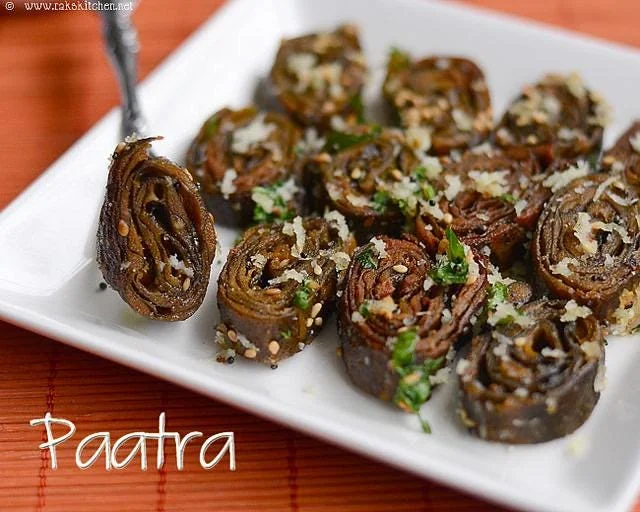
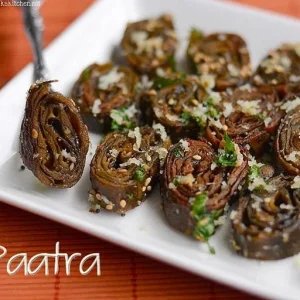
- Q: Can I use the leaves in cooking? A: Absolutely! The leaves of the taro plant for sale are edible and considered a delicacy in many cultures, often prepared in rolls or other dishes after proper cooking.
- Q: When is the best time to plant? A: The best time to plant outdoors is after the last frost in spring, when soil temperatures have warmed. Indoors, it can be planted year-round.
- Q: What’s the minimum temperature it can tolerate? A: Colocasia esculenta prefers temperatures above 50°F (10°C). Prolonged exposure to temperatures below this can cause dormancy or damage, requiring specific pattarveliya plant care for winterization.
- Q: Is it good for beginners? A: Yes, due to its robust nature and relatively simple care requirements, it’s a great choice for beginner gardeners looking to grow something exotic and edible.
| sell by size | Buy 12” Tall In 4” P, Buy 2 In 4” Pot |
|---|
Be the first to review “Colocasia Esculenta Live Plant – Elephant Ear (Taro) Edible Plant”
People Also Viewed
HousePlants
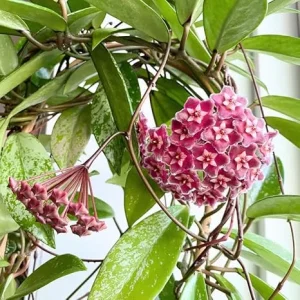
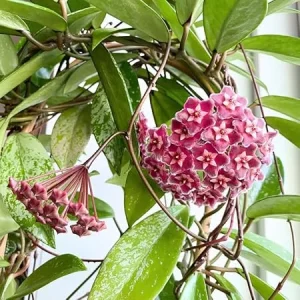
Hoya Plant Live Houseplant – Pink Flower Silver Leaf – 5 Inch Bareroot for Indoor/Outdoor
Sold 81 products
Original price was: $52.18.$26.09Current price is: $26.09.
Sold 75 products
$57.18
Sold 96 products
Original price was: $272.00.$136.00Current price is: $136.00.
Sold 91 products
Original price was: $64.80.$32.40Current price is: $32.40.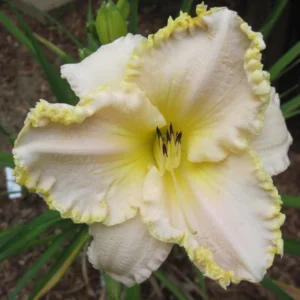
Flower Plants
Marquee Moon Daylily Live Plant – Creamy White Flowers, Gold Edge – 1 Gallon Pot – Outdoor Perennial
Sold 70 products
From $95.80

Sold 81 products
From $41.20
Sold 68 products
Original price was: $59.98.$41.98Current price is: $41.98.

Sold 84 products
Original price was: $18.76.$9.38Current price is: $9.38.
Sold 61 products
$34.00
Sold 55 products
From $49.28
Sold 92 products
Original price was: $180.00.$90.00Current price is: $90.00.
Sold 75 products
From $51.80
Sold 63 products
From $28.60
HousePlants
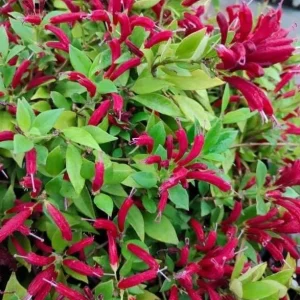
Purple Star Lipstick Live Plant – Aeschynanthus radicans – Trailing Houseplant, 4-6″ Tall, 2″ Pot
Sold 70 products
Original price was: $41.98.$20.99Current price is: $20.99.
Sold 51 products
From $20.98
Sold 62 products
Original price was: $45.98.$32.18Current price is: $32.18.
Sold 78 products
Original price was: $82.40.$41.20Current price is: $41.20.
Sold 73 products
Original price was: $32.28.$22.99Current price is: $22.99.


Reviews
There are no reviews yet.