
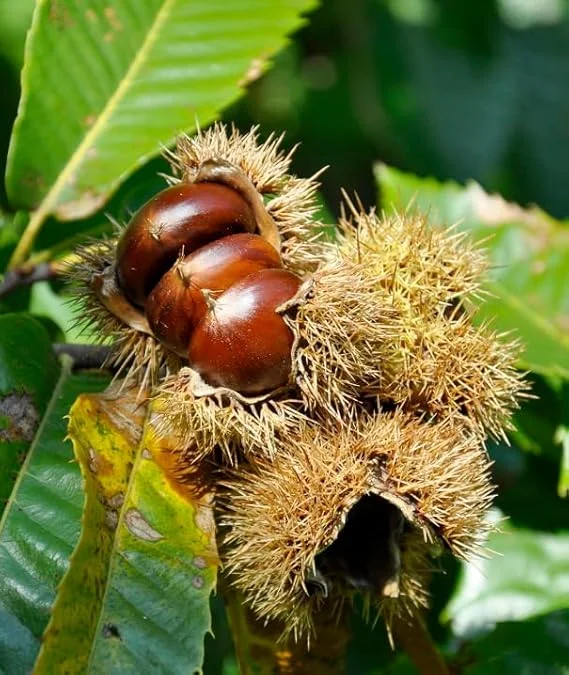
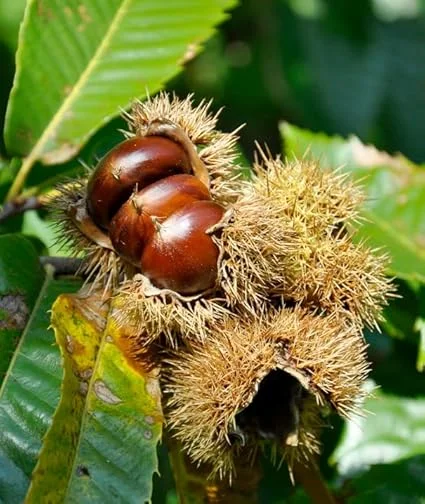
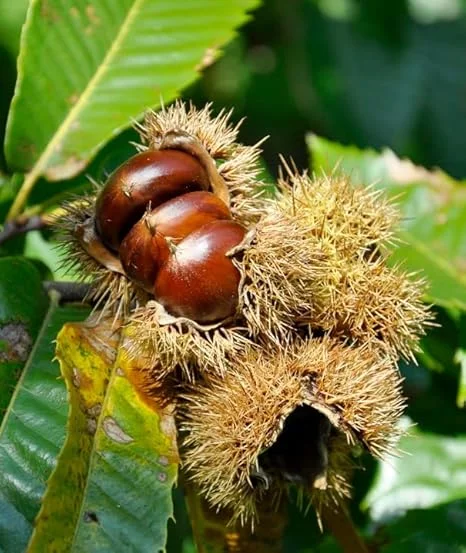
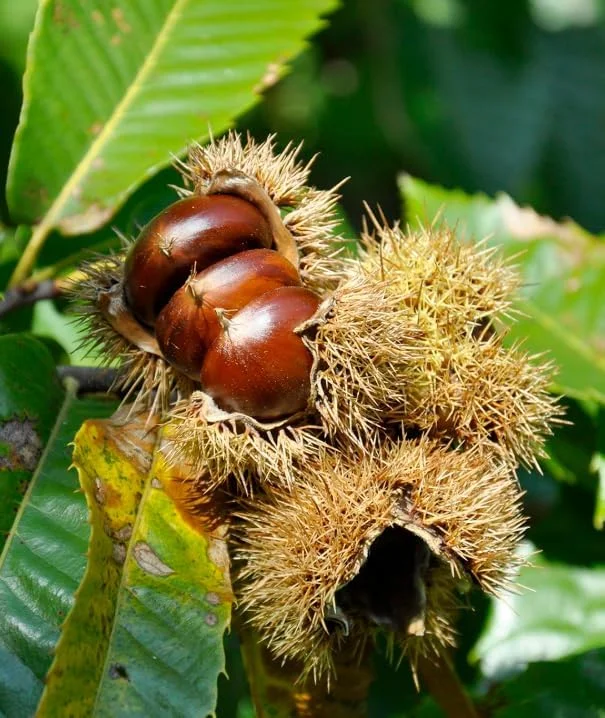
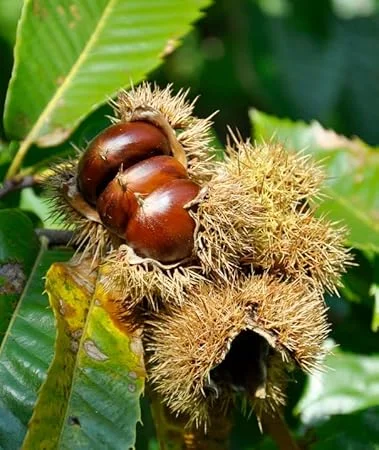
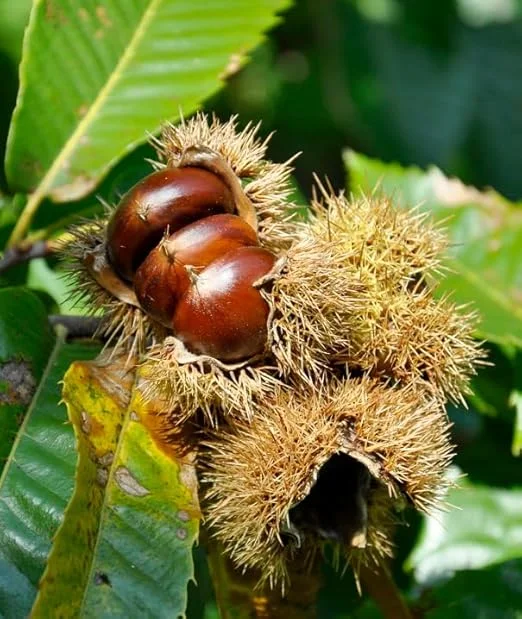
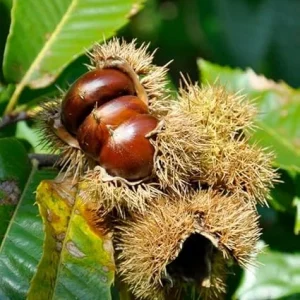
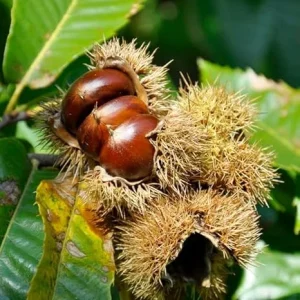
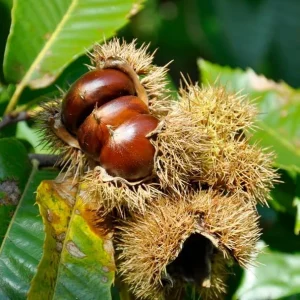
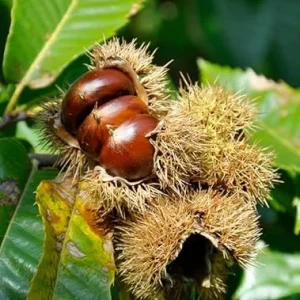
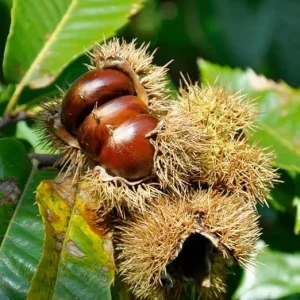
Chestnut Tree Live Plant 1.5-2 ft Tall – Fast Growing Nut Tree for Outdoors
Original price was: $53.98.$26.99Current price is: $26.99.
Cultivate your own harvest with a chestnut tree live plant. This 1.5-2 foot tall specimen is a fast growing nut tree, perfect for outdoor planting. Enjoy abundant, delicious nuts from this hardy and easy-to-care-for fruit tree.
-
USDA Hardiness Zone
USDA Zones 4–8 -
Soil Type
Well-draining soil -
Sunlight Exposure
Full Sun -
Expected Planting Period
Spring to Fall

You can track your order HERE
Apr 01
Apr 06 - Apr 08
Apr 11 - Apr 15
Shipping and return policies: Our Alive & Thrive Guarantee covers issues with your plants within the first 30 days. Reach out to us. Our team will answer your questions and help you find the plants that are truly suitable for your environment, climate, and personal preferences.

Overview
Start your journey to homegrown nuts with this robust chestnut tree live plant. Standing at an impressive 1.5-2 feet tall, this young tree is ready to establish itself in your garden and provide years of delicious harvests. Known for its rapid growth and high yield, the chestnut tree is a fantastic addition for both seasoned gardeners and beginners looking to cultivate their own fruit trees. This particular variety is selected for its hardiness and ability to thrive in various climates, making it an excellent choice for an outdoor nut tree. Imagine harvesting your own sweet, rich chestnuts right from your backyard, a truly rewarding experience that connects you with nature’s bounty.
The chestnut tree, a member of the genus Castanea, is celebrated not only for its edible nuts but also for its stately presence in the landscape. This fast growing nut tree will quickly become a prominent feature, offering shade and beauty alongside its productive nature. It’s an investment in your property and your palate, promising fresh, organic chestnuts for roasting, baking, or simply enjoying raw. Whether you’re starting a new orchard or adding to an existing landscape, this live plant offers a straightforward path to growing a successful chestnut harvest.
Key Benefits
Adding a chestnut tree live plant to your garden brings numerous advantages, from ecological benefits to culinary delights. This productive tree offers a rewarding experience for any gardener.
- Abundant Nut Production: Enjoy a generous harvest of delicious, nutritious chestnuts, perfect for roasting, baking, or snacking. This fast growing nut tree quickly matures to provide ample yields.
- Rapid Growth: Experience the satisfaction of seeing your tree develop quickly, transforming from a young plant into a mature, fruit-bearing specimen in a relatively short period.
- Hardy and Resilient: Known for its robust nature, this chestnut tree is adaptable to various conditions, making it a reliable choice for an outdoor nut tree in many regions.
- Low Maintenance: Once established, these trees require minimal care, thriving with basic attention to watering and sunlight, ideal for busy gardeners.
- Aesthetic Appeal: Beyond its practical benefits, the chestnut tree adds significant beauty to your landscape with its attractive foliage and stately form.
- Ecological Value: Provides shade and contributes to local biodiversity, offering habitat and food for wildlife.
- Long-Term Investment: A well-cared-for chestnut tree can provide harvests for many decades, becoming a valuable asset to your property. If you’re passionate about live fruit trees, this is an excellent choice.
Plant Care & Growing Tips
Caring for your chestnut tree live plant is relatively straightforward, ensuring it establishes well and thrives for years to come. Proper care from the start will lead to a healthy, productive fast growing nut tree. When planting, choose a site with well-draining soil and full sun exposure, meaning at least 6-8 hours of direct sunlight per day. Dig a hole twice as wide as the root ball and just as deep. Carefully remove the plant from its container, gently loosen any circling roots, and place it in the hole so that the top of the root ball is level with the surrounding soil. Backfill with soil, gently tamping to remove air pockets, and water thoroughly.
Watering is crucial, especially during the first few years of establishment. Provide regular watering, ensuring the soil remains consistently moist but not waterlogged. Deep watering encourages deeper root growth, making the tree more drought-tolerant in the long run. Once established, chestnut trees are quite resilient but will benefit from supplemental watering during prolonged dry spells. Fertilize annually in early spring with a balanced slow-release fertilizer designed for trees. Pruning should focus on removing dead, damaged, or diseased branches, as well as any crossing branches to improve air circulation and light penetration. Monitor for common pests and diseases, addressing any issues promptly. Understanding chestnut tree care is key to a successful harvest.
Chestnut trees are generally hardy in USDA Zones 4–8, making them suitable for a wide range of climates. They prefer slightly acidic to neutral soil (pH 5.5-7.0) and good drainage is paramount to prevent root rot. While they can tolerate some partial shade, full sun is essential for optimal growth and nut production. Protect young trees from deer and other wildlife that might browse on tender shoots. With consistent chestnut tree care, your plant will grow into a magnificent specimen capable of producing abundant nuts.
Size & Details
This offering is for one chestnut tree live plant, which stands approximately 1.5-2 feet tall upon arrival. It is a young, vigorous specimen, carefully nurtured to ensure a strong start in your garden. The tree is shipped in a nursery pot with its root system intact, minimizing transplant shock and promoting immediate growth. As a fast growing nut tree, you can expect it to gain significant height each year once established, eventually reaching an impressive mature height of 30-40 feet. The exact growth rate will depend on local growing conditions, soil quality, and care provided. This tree is ideal for an outdoor nut tree, designed to thrive in a spacious garden or orchard setting.
The plant is ready for outdoor planting and will begin to establish its root system quickly. While nut production won’t happen immediately, a well-cared-for chestnut tree typically begins bearing nuts within 3-5 years of planting. The mature tree will offer a wide canopy, providing ample shade and a beautiful focal point in your landscape. Prepare for a long-term, rewarding relationship with this productive and attractive addition to your collection of live fruit trees.
Frequently Asked Questions
- Q: How big does this chestnut tree get? A: This chestnut tree live plant arrives at 1.5-2 feet tall and can eventually reach a mature height of 30-40 feet, creating a substantial canopy in your landscape.
- Q: Is this an indoor or outdoor plant? A: This is an outdoor nut tree. Chestnut trees require significant space and full sun exposure to thrive and produce nuts, making them unsuitable for indoor cultivation.
- Q: How much sunlight does a chestnut tree need? A: Chestnut trees require full sun, meaning at least 6-8 hours of direct sunlight per day, for optimal growth and nut production.
- Q: Is this plant easy to care for? A: Once established, chestnut trees are considered relatively low maintenance. They require consistent watering during establishment and benefit from annual fertilization and occasional pruning. Good chestnut tree care is simple but important.
- Q: What condition will it arrive in? A: Your chestnut tree live plant will arrive carefully packaged in a nursery pot with its roots protected, ensuring it is healthy and ready for planting.
- Q: When is the best time to plant a chestnut tree? A: The best time to plant a chestnut tree is typically in early spring or fall when the weather is mild, allowing the tree to establish its roots before extreme temperatures.
- Q: Will this tree survive winter in my zone? A: This chestnut tree is hardy in USDA Zones 4–8, meaning it can tolerate winter temperatures within these ranges. Always check your specific zone.
- Q: How long until it starts producing nuts? A: A well-cared-for fast growing nut tree like this typically begins to produce nuts within 3-5 years after planting. This is a common expectation for live fruit trees.
- Q: What kind of soil does a chestnut tree prefer? A: Chestnut trees thrive in well-draining soil, preferably slightly acidic to neutral (pH 5.5-7.0). Good drainage is crucial to prevent root issues.
- Q: Can I grow other live fruit trees near it? A: Yes, you can plant other fruit trees nearby, but ensure they have adequate space and sunlight. Consider compatible pollinators if necessary for certain fruit varieties.
Be the first to review “Chestnut Tree Live Plant 1.5-2 ft Tall – Fast Growing Nut Tree for Outdoors”
People Also Viewed
Sold 94 products
Original price was: $41.56.$20.78Current price is: $20.78.
Sold 59 products
Original price was: $100.00.$50.00Current price is: $50.00.
Sold 67 products
Original price was: $59.98.$41.98Current price is: $41.98.
Sold 72 products
Original price was: $140.00.$112.00Current price is: $112.00.
Sold 61 products
Original price was: $89.56.$44.78Current price is: $44.78.
Sold 99 products
Original price was: $79.80.$39.90Current price is: $39.90.
Sold 55 products
Original price was: $44.99.$24.99Current price is: $24.99.

Sold 66 products
Original price was: $63.96.$31.98Current price is: $31.98.
Sold 75 products
Original price was: $36.98.$18.49Current price is: $18.49.
Sold 91 products
Original price was: $14.76.$7.38Current price is: $7.38.
Sold 75 products
Original price was: $340.00.$170.00Current price is: $170.00.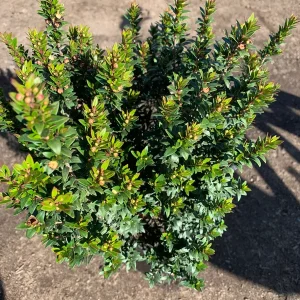
Shrubs
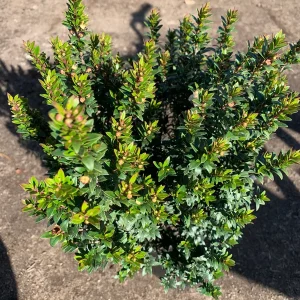
Myrtus Communis Compacta Live Plant – Dwarf Myrtle Shrub – 1 ft Tall in 1 Gallon Pot – Outdoor
Sold 73 products
Original price was: $147.16.$73.58Current price is: $73.58.
Sold 67 products
Original price was: $43.20.$21.60Current price is: $21.60.
Sold 67 products
Original price was: $197.60.$98.80Current price is: $98.80.
Sold 89 products
Original price was: $31.96.$15.98Current price is: $15.98.
Sold 76 products
Original price was: $355.96.$177.98Current price is: $177.98.
Sold 69 products
Original price was: $46.00.$36.80Current price is: $36.80.
Sold 100 products
Original price was: $1,596.00.$798.00Current price is: $798.00.


Reviews
There are no reviews yet.