
Cattail Plant Bare-root – Wetland Aquatic Grass for Ponds & Gardens – USDA Zones 3-10
From $59.96
Bring natural beauty to your water features with a cattail plant bare-root. This versatile wetland plant is perfect for ponds, bog gardens, and moist landscapes, offering distinctive flower spikes and lush foliage. Easy to establish and highly adaptable, it’s an excellent choice for creating a vibrant aquatic environment.
-
USDA Hardiness Zone
USDA zones 3-10 -
Soil Type
Heavy clay-based soil or muddy conditions -
Sunlight Exposure
Full sun to partial shade -
Expected Planting Period
Spring to early summer

You can track your order HERE
Mar 03
Mar 08 - Mar 10
Mar 13 - Mar 17
Shipping and return policies: Our Alive & Thrive Guarantee covers issues with your plants within the first 30 days. Reach out to us. Our team will answer your questions and help you find the plants that are truly suitable for your environment, climate, and personal preferences.

Overview
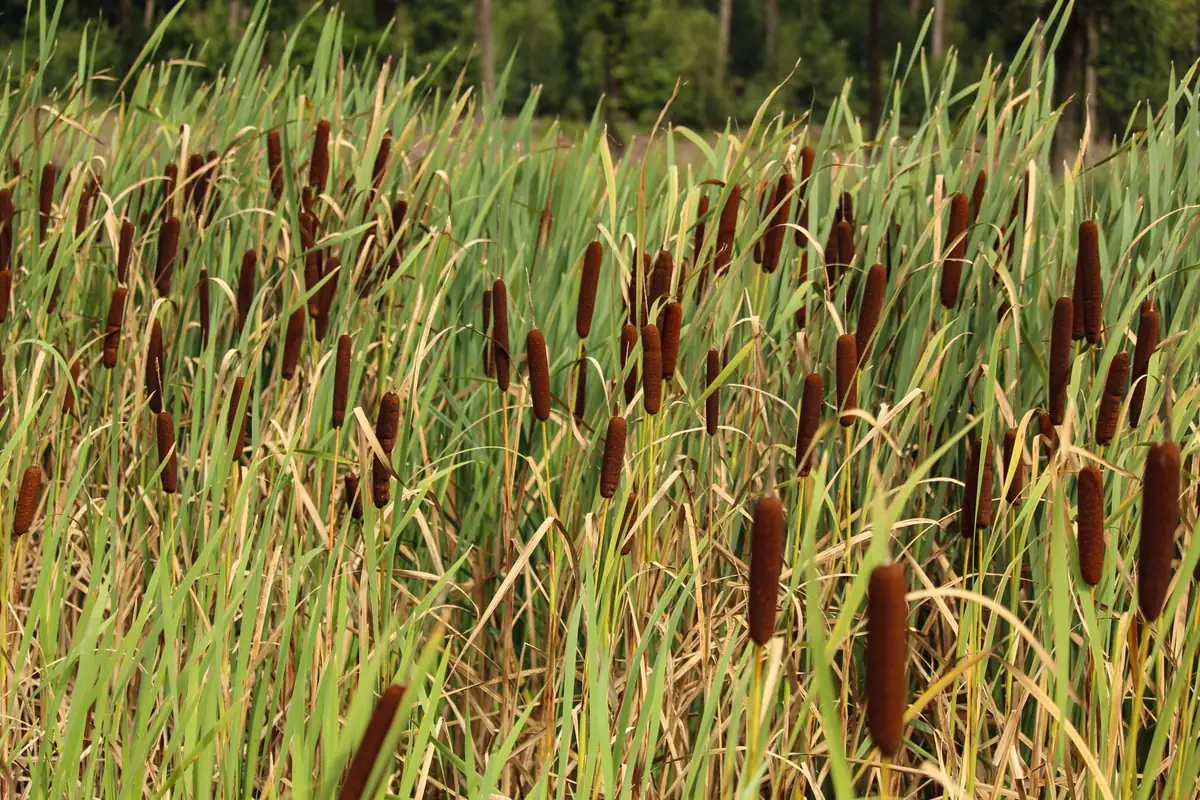
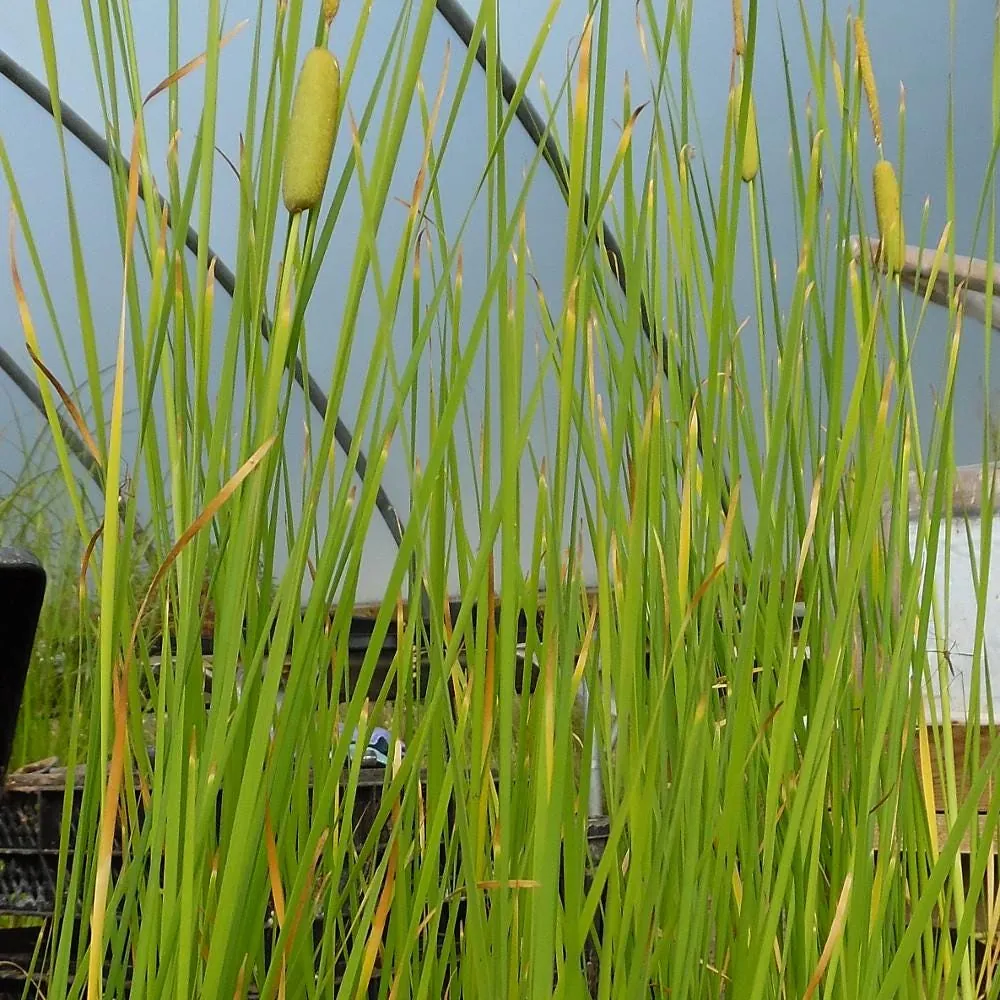
Introduce the robust and versatile cattail plant bare-root to your aquatic or wetland garden. Known scientifically as Typha latifolia, the common cattail is a striking native perennial that thrives in moist to wet conditions, making it an ideal choice for ponds, bogs, and water features. These fascinating plants are celebrated for their tall, reed-like foliage and distinctive, velvety brown flower spikes that emerge in summer. The cattail plant bare-root is an efficient way to establish these beautiful and beneficial plants, offering a natural look and providing habitat and food sources for local wildlife. Beyond its ornamental appeal, the cattail has a rich history as an important food and craft resource, offering edible roots, shoots, and pollen. Its vigorous growth helps to naturalize water edges and create a lush, green barrier.
The cattail plant bare-root is a fantastic addition for those looking to create a naturalized pond edge, an effective visual screen, or simply to add architectural interest to a damp garden area. These bare-root specimens are ready to plant upon arrival, ensuring a strong start for your new aquatic additions. With their ability to establish quickly, cattails are not only beautiful but also contribute to the ecological balance of their environment. They are incredibly resilient and can adapt to a range of wetland conditions, providing year-round interest with their evergreen-like foliage and unique seed heads in the fall and winter.
Key Benefits
Adding a cattail plant bare-root to your garden offers a multitude of benefits, from ecological contributions to visual enhancement:
- Natural Wetland Aesthetic: Cattails create a lush, natural, and wild look around ponds, streams, and bog gardens, adding an authentic touch to any water feature. Their tall, slender form and distinctive flower heads provide unique vertical interest.
- Wildlife Habitat and Food Source: These plants offer excellent cover for various aquatic wildlife, including birds, frogs, and insects. The seeds and roots of the cattail plant bare-root also serve as a food source for waterfowl and other animals, enriching your garden’s biodiversity.
- Edible Uses: Historically, cattails have been a significant food source. Their roots (rhizomes) are rich in starch and can be ground into flour, while young shoots and immature flower heads are edible and can be cooked like asparagus or corn, offering a unique culinary experience.
- Erosion Control: The extensive root systems of cattails help stabilize soil along pond banks and wetland edges, effectively preventing erosion and maintaining the integrity of your water features.
- Low Maintenance and Resilient: Once established, cattails are incredibly hardy and require minimal care. They are tolerant of various water conditions and are known for their vigorous growth, making them an easy-to-grow aquatic grass for beginners and experienced gardeners alike.
- Natural Filtration: Cattails can help improve water quality by absorbing excess nutrients from the water, which can reduce algae growth and promote a healthier aquatic ecosystem.
- Effective Visual Barrier: Their dense growth habit makes them excellent for creating natural screens or borders, providing privacy or defining different areas within a larger garden space.
Plant Care & Growing Tips
Caring for your cattail plant bare-root is relatively straightforward, given its hardy and adaptable nature. These plants thrive in full sun to partial shade, requiring at least 6 hours of direct sunlight daily for optimal growth and flowering. When planting, choose a location with consistently wet soil or standing water, such as shallow edges of ponds, bogs, or containers submerged in water. For best results, plant the bare root directly into muddy soil or a heavy clay-based soil mix, ensuring good anchorage. The ideal water depth for establishment is typically 2-6 inches above the crown, though mature plants can tolerate deeper water.
Cattails prefer consistently moist to wet conditions and are not drought-tolerant. Ensure the soil remains saturated, especially during the establishment phase. While they are not heavy feeders, an annual application of a slow-release aquatic plant fertilizer can promote more vigorous growth and larger flower spikes, particularly in contained environments. Propagation is primarily through rhizomes, and mature plants can spread rapidly. To manage their spread, consider planting your wetland plant in submerged containers without drainage holes, which will restrict root growth. These plants are incredibly resilient and rarely suffer from pests or diseases, making them a robust addition to your water garden. They are well-suited for USDA zones 3-10, demonstrating excellent cold hardiness.
Size & Details
This offering includes a cattail plant bare-root, ready for immediate planting in your wetland or aquatic garden. Each bare root is carefully harvested to ensure viability and robust growth upon establishment. While initial size will vary, once planted, cattails can quickly establish themselves, with foliage typically reaching heights of 5 to 10 feet, depending on growing conditions and specific variety. The distinctive brown flower spikes, often called ‘cat tails,’ generally appear in mid to late summer. These plants exhibit a fast growth rate, quickly filling in their designated areas to create a dense, lush appearance. When planting, ensure adequate space, as this vigorous aquatic grass can spread via rhizomes. For controlled growth, consider planting them in large, aquatic-specific containers.
Frequently Asked Questions
- Q: How large will my cattail plant bare-root grow? A: Once established, cattails can typically grow to a height of 5 to 10 feet, with their distinctive flower spikes adding further vertical interest. The exact size can vary based on growing conditions and available moisture.
- Q: Is this an indoor or outdoor plant? A: Cattails are predominantly outdoor plants, thriving in wetland environments such as ponds, bogs, and marshy areas. They require consistent moisture and sunlight.
- Q: How much sunlight does a cattail plant need? A: For optimal growth and flowering, cattails prefer full sun, meaning at least 6 hours of direct sunlight per day. They can tolerate partial shade but may not grow as vigorously.
- Q: Is this plant easy to care for? A: Yes, cattails are considered very easy to care for, especially once established. They are hardy, resilient, and require minimal intervention beyond ensuring they have adequate water.
- Q: What condition will the cattail plant bare-root arrive in? A: Your cattail will arrive as a healthy bare root, carefully packaged to ensure freshness and readiness for planting. It will not be in soil or a pot.
- Q: When is the best time to plant a wetland plant like cattail? A: The best time to plant cattail bare roots is in spring or early summer, after the last frost, when water temperatures begin to warm up.
- Q: Will this aquatic grass survive winter in my zone? A: Cattails are extremely cold hardy and are suitable for USDA zones 3-10, meaning they will generally survive winter in most parts of the US. Their foliage may die back in colder climates but will regrow from the rhizomes in spring.
- Q: Can I use edible cattail parts in cooking? A: Yes, many parts of the cattail are edible. The roots can be ground into flour, young shoots can be eaten raw or cooked, and immature flower heads can be prepared like corn.
- Q: How do I control the spread of my cattails? A: To control the spread of these vigorous plants, consider planting your pond plant in large, non-draining containers submerged in your pond or wetland area. This will restrict their rhizomatous growth.
| Cattail | 3, 6, 9 |
|---|
Be the first to review “Cattail Plant Bare-root – Wetland Aquatic Grass for Ponds & Gardens – USDA Zones 3-10”
People Also Viewed

Sold 61 products
Original price was: $39.98.$19.99Current price is: $19.99.
Sold 74 products
$54.98
Sold 98 products
$329.98
Sold 77 products
$87.98
Sold 94 products
Original price was: $279.60.$139.80Current price is: $139.80.
Sold 56 products
Original price was: $54.16.$32.50Current price is: $32.50.

Sold 80 products
From $197.96
Sold 85 products
Original price was: $59.70.$29.85Current price is: $29.85.
Sold 80 products
$54.98
Sold 55 products
Original price was: $77.06.$38.53Current price is: $38.53.
Sold 85 products
Original price was: $65.04.$32.52Current price is: $32.52.
Sold 70 products
Original price was: $355.96.$177.98Current price is: $177.98.
Sold 52 products
$43.98
Sold 69 products
$65.32

Sold 82 products
Original price was: $11.96.$5.98Current price is: $5.98.
Sold 87 products
Original price was: $91.98.$45.99Current price is: $45.99.
Sold 96 products
$43.98

Sold 67 products
Original price was: $279.80.$139.90Current price is: $139.90.



Reviews
There are no reviews yet.