
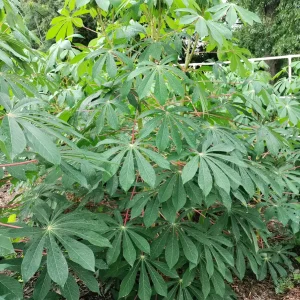
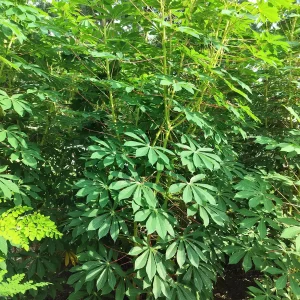
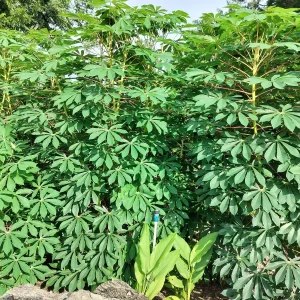
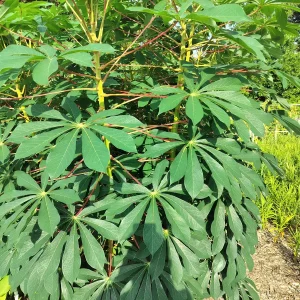
Cassava Edible Roots – Manihot esculenta Yuca Manioca – Fresh Harvest
Original price was: $39.96.$19.98Current price is: $19.98.
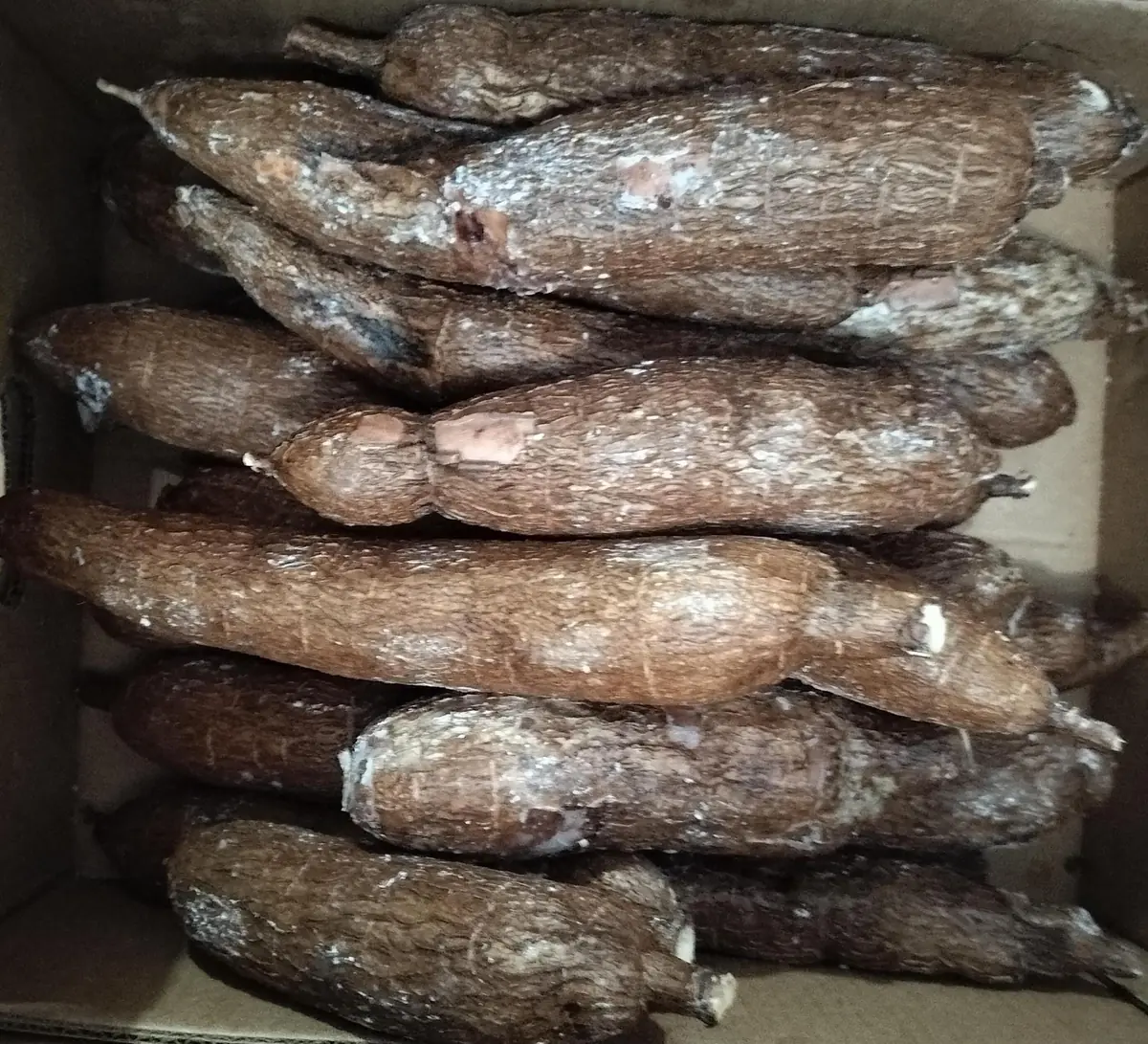
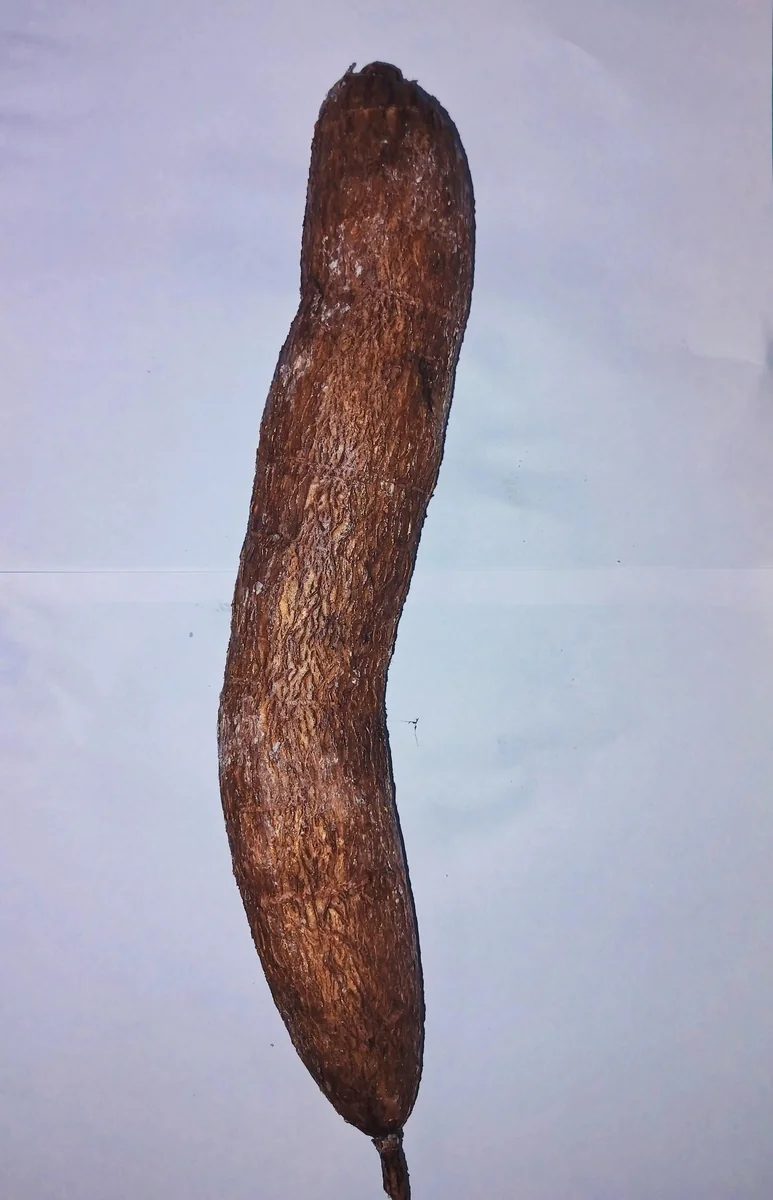
Obtain fresh cassava edible roots, also known as yuca or manioc, ready for your culinary creations. This versatile root vegetable (Manihot esculenta) is a staple in many tropical and subtropical diets, offering a delicious and starchy alternative to potatoes or rice.
Note: These roots are for eating only and will not grow into a new plant.
-
USDA Hardiness Zone
unknown -
Soil Type
well-draining soil (for cultivation) -
Sunlight Exposure
full sun (for cultivation) -
Expected Planting Period
year-round (for consumption)

You can track your order HERE
Mar 14
Mar 19 - Mar 21
Mar 24 - Mar 28
Shipping and return policies: Our Alive & Thrive Guarantee covers issues with your plants within the first 30 days. Reach out to us. Our team will answer your questions and help you find the plants that are truly suitable for your environment, climate, and personal preferences.

Overview
Experience the culinary versatility of fresh cassava edible roots, a staple food known globally by various names including yuca and manioc. Our premium cassava edible roots (Manihot esculenta) are harvested for their starchy, tuberous roots, which are a fundamental part of the diet in tropical and subtropical regions worldwide. These roots provide a rich source of carbohydrates and can be prepared in numerous ways, offering a unique flavor and texture to your dishes. Unlike plants grown from cuttings, these roots are specifically for consumption and will not propagate into new plants. Dive into a world of diverse culinary traditions with this essential ingredient.
Known scientifically as Manihot esculenta, cassava edible roots are the third-largest source of food carbohydrates in the tropics. Their adaptability and nutritional value make them a cornerstone in many global cuisines. This product focuses purely on providing high-quality roots for immediate culinary use, perfect for those exploring new flavors or restocking a traditional pantry.
Key Benefits
Incorporating cassava edible roots into your diet offers a range of culinary and nutritional advantages. This root vegetable is not only versatile but also provides significant health benefits:
- Nutrient-Rich Carbohydrate Source: Cassava edible roots are an excellent source of complex carbohydrates, providing sustained energy. They are also a good source of Vitamin C and essential minerals.
- Gluten-Free Alternative: Naturally gluten-free, yuca root for eating is a fantastic option for individuals with gluten sensitivities or those following a gluten-free diet, serving as a versatile substitute for grains.
- Culinary Versatility: From boiling and frying to making flour (like tapioca, farinha, or garri), the manioc culinary uses are extensive. It can be a delicious side dish, an ingredient in stews, or processed into various food products.
- Digestive Health: Cassava contains resistant starch, which can promote good gut health by feeding beneficial bacteria in the digestive system.
- Global Culinary Staple: Enjoy a food that is a cornerstone of diets across South America, Africa, and Asia, allowing you to explore authentic international flavors right in your kitchen.
- Unique Flavor and Texture: When cooked, fresh cassava for cooking offers a subtly sweet, nutty flavor and a firm, starchy texture that is distinct from potatoes or rice.
- Energy Boosting: As a significant source of energy, cassava edible roots are ideal for an active lifestyle, helping to fuel your body naturally.
Plant Care & Growing Tips
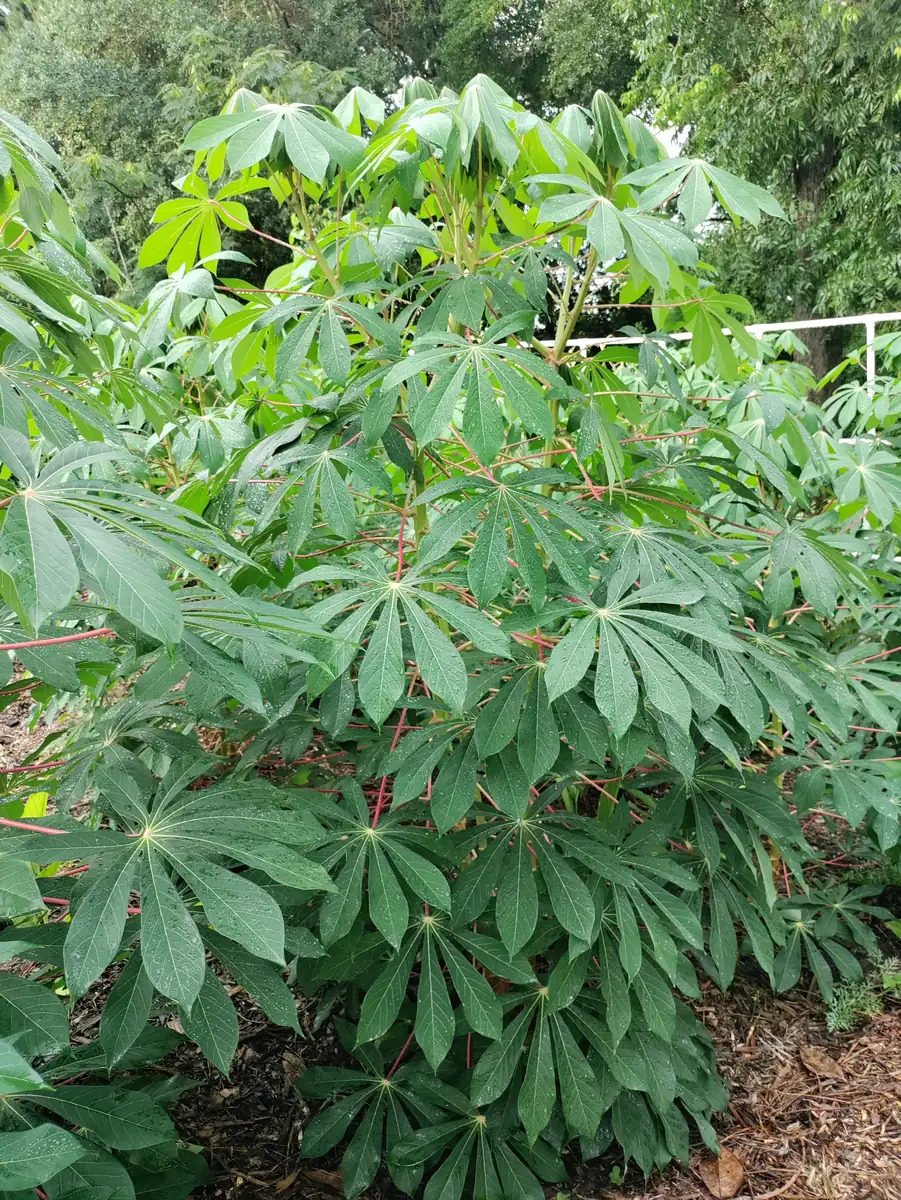
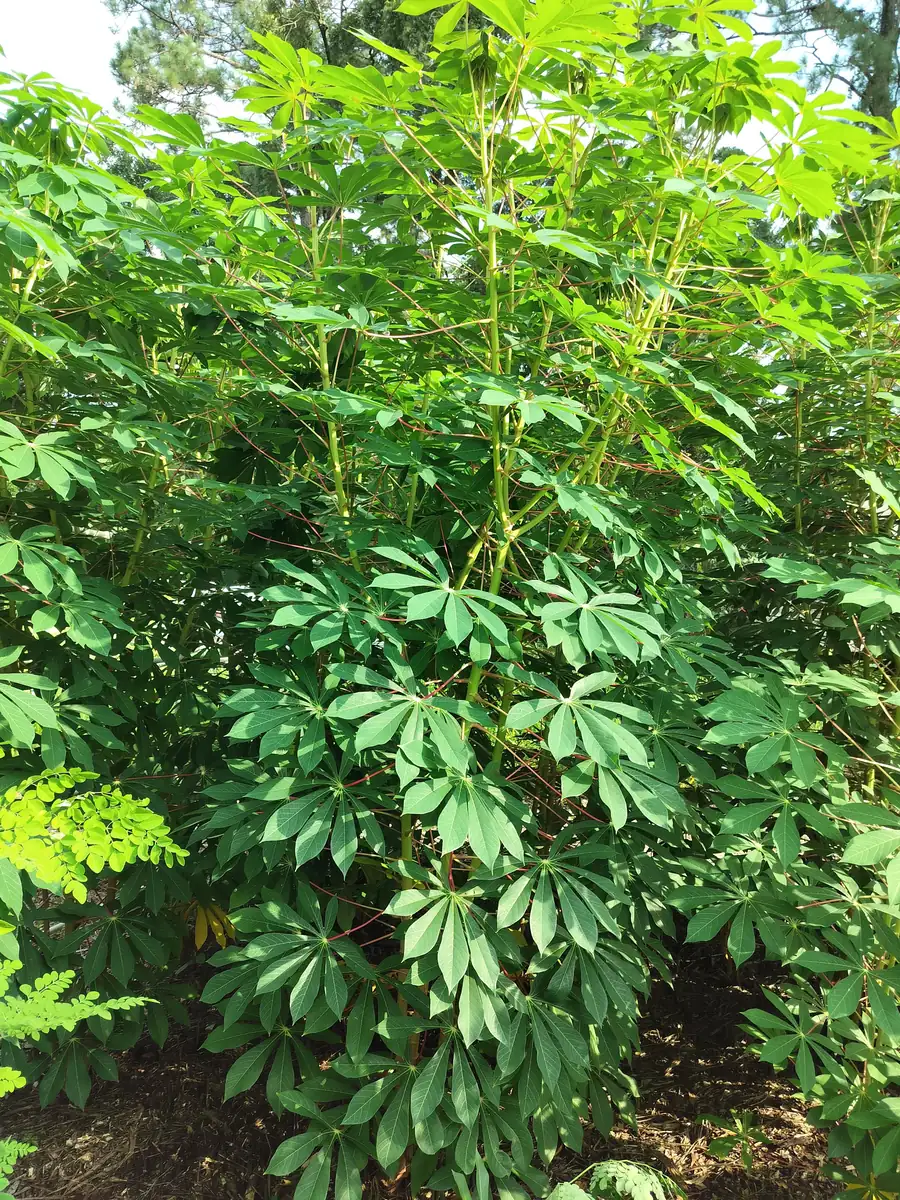
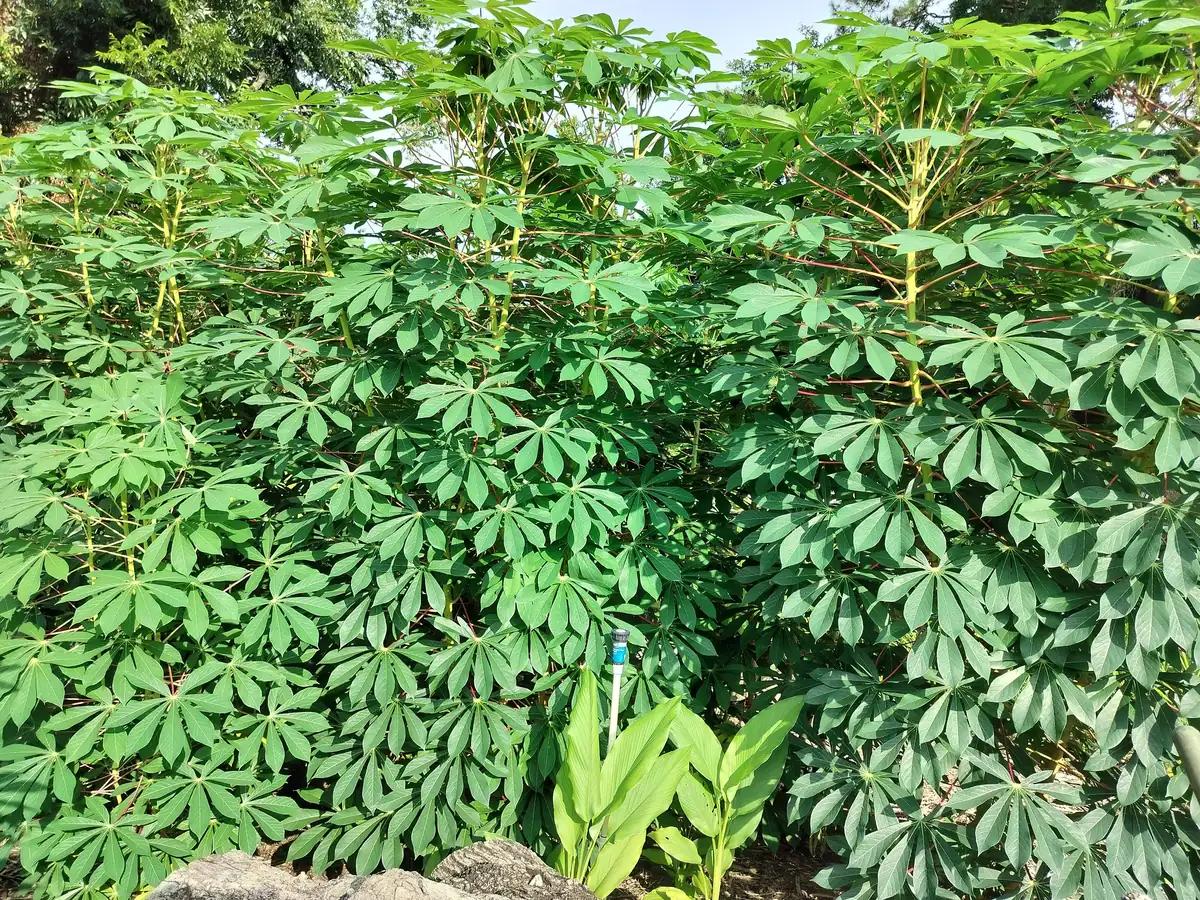
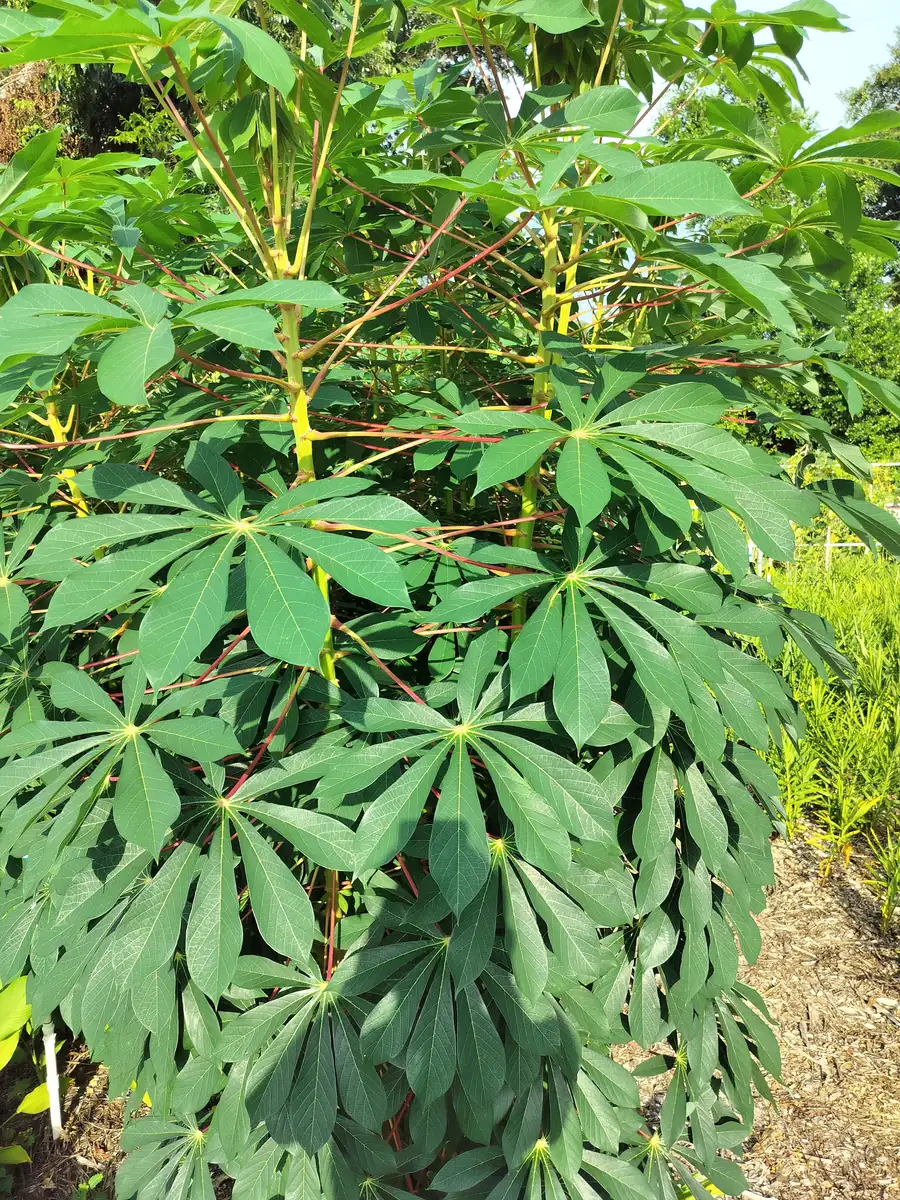
While these cassava edible roots are intended for eating and not for planting, it’s beneficial to understand their origin and the conditions under which they thrive. Manihot esculenta is a woody shrub native to South America, extensively cultivated in tropical and subtropical regions. It prefers warm climates and well-draining soil. For optimal growth, if you were to cultivate it, cassava requires full sun exposure and consistent moisture without being waterlogged. The plant is typically propagated from stem cuttings, not from the roots themselves, which is why these fresh roots are solely for consumption.
When preparing these cassava edible roots, proper cooking is crucial to ensure safety and enhance flavor. Cassava contains cyanogenic glycosides, which can be harmful if consumed raw or improperly prepared. Boiling is the most common and effective method to reduce these compounds. Peeling the root, cutting it into manageable pieces, and boiling it until tender is recommended. This process not only makes the root safe to eat but also brings out its delicious texture and taste, making it an excellent yuca root for eating.
Understanding the proper processing techniques for fresh cassava for cooking is key. After boiling, the cooked cassava can be mashed, fried, or incorporated into various dishes. This preparation ensures that you can safely enjoy the rich nutritional benefits and unique taste of this global staple, exploring its many manioc culinary uses without concern.
Size & Details
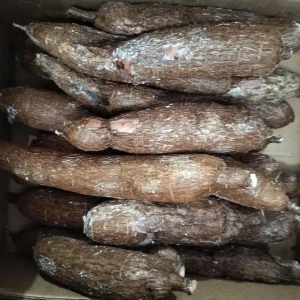
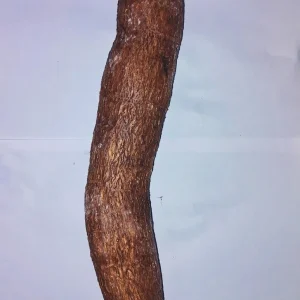
You will receive fresh cassava edible roots with a combined weight equivalent to the number of pounds you purchase. These roots are harvested for their edible starchy interior, offering a substantial and versatile ingredient for your kitchen. Each root’s size can vary, but the total weight will match your order. They are shipped fresh and ready for immediate preparation upon arrival. These are primarily a food product and are not intended for planting or propagation. The roots are meant to be consumed and should be prepared according to standard culinary practices to ensure safety and enjoyment. Expect robust, firm roots suitable for a variety of cooking applications, providing a fulfilling and delicious experience.
Frequently Asked Questions
- Q: What are cassava edible roots? A: Cassava edible roots, also known as yuca or manioc, are starchy tuberous roots from the Manihot esculenta plant, widely consumed as a staple food in tropical and subtropical regions for their rich carbohydrate content.
- Q: Can I plant these cassava edible roots to grow a new plant? A: No, these roots are specifically for eating only. Cassava plants are propagated from stem cuttings, not from the roots themselves. These roots will not grow into a new plant.
- Q: How do I prepare yuca root for eating? A: It is crucial to properly prepare cassava before consumption. Peel the skin, cut the root into pieces, and boil thoroughly until tender. This process removes natural compounds that can be harmful if consumed raw.
- Q: What are the best manioc culinary uses? A: Manioc culinary uses are diverse; it can be boiled, fried, mashed, or used to make flour (tapioca). It’s a versatile alternative to potatoes, rice, or pasta in many dishes, from stews to desserts.
- Q: Is fresh cassava for cooking gluten-free? A: Yes, fresh cassava is naturally gluten-free, making it an excellent dietary choice for those with gluten sensitivities or celiac disease.
- Q: How long can I store cassava edible roots? A: Fresh cassava roots are best stored in a cool, dry place and consumed within a few days of purchase. For longer storage, they can be peeled, cut, and frozen.
- Q: What is the nutritional value of cassava? A: Cassava is primarily a source of carbohydrates, providing energy. It also contains some Vitamin C, thiamine, riboflavin, and niacin, along with dietary fiber.
Be the first to review “Cassava Edible Roots – Manihot esculenta Yuca Manioca – Fresh Harvest”
People Also Viewed

Sold 71 products
Original price was: $58.14.$29.07Current price is: $29.07.
Sold 85 products
Original price was: $47.96.$23.98Current price is: $23.98.
Sold 61 products
Original price was: $65.98.$32.99Current price is: $32.99.
Sold 71 products
Original price was: $39.98.$19.99Current price is: $19.99.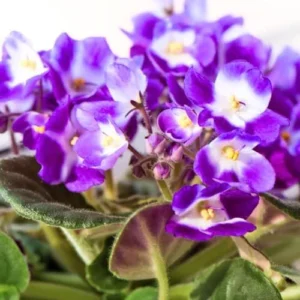
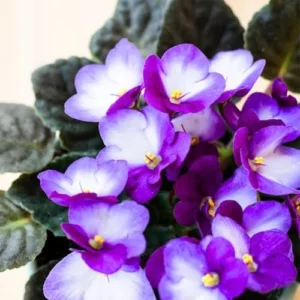
Flower Plants
African Violet Live Plant Houseplant – Purple White Flower, 4 Inch Pot, Indoor Growing
Sold 69 products
Original price was: $79.98.$39.99Current price is: $39.99.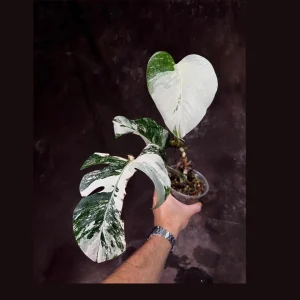
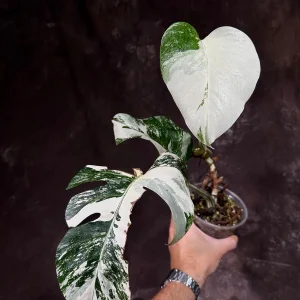
Sold 97 products
Original price was: $440.00.$220.00Current price is: $220.00.
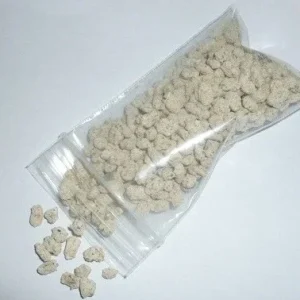
Sold 52 products
Original price was: $36.00.$18.00Current price is: $18.00.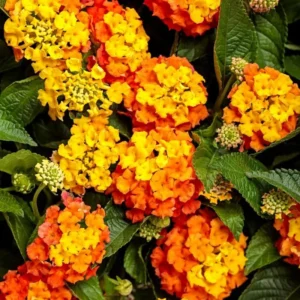
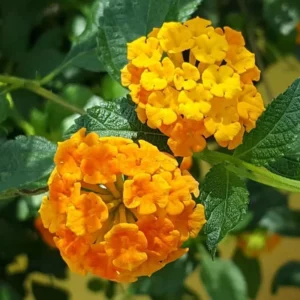
Flower Plants
Orange Lantana Plant Live – 6-9 Inch Tall – Fragrant Outdoor Butterfly Perennial Flowers
Sold 61 products
Original price was: $37.98.$18.99Current price is: $18.99.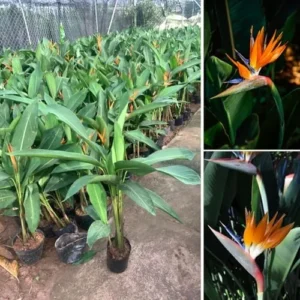
Flower Plants
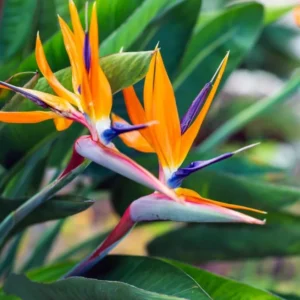
Orange Bird of Paradise Live Plant – 5-10 Inch Tropical Strelitzia Reginae Outdoor Plant
Sold 72 products
Original price was: $35.98.$17.99Current price is: $17.99.

Sold 67 products
Original price was: $89.98.$44.99Current price is: $44.99.
Sold 56 products
Original price was: $44.00.$22.00Current price is: $22.00.

Flower Plants
Sold 85 products
Original price was: $66.72.$22.24Current price is: $22.24.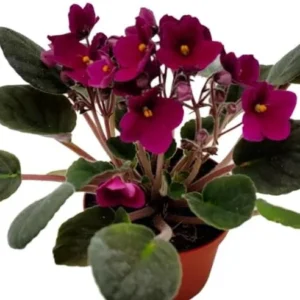
Sold 79 products
Original price was: $79.98.$39.99Current price is: $39.99.
Sold 82 products
From $63.80
Sold 87 products
Original price was: $54.36.$27.18Current price is: $27.18.
Flower Plants
Coreopsis Solar Eclipse Live Plant – Bicolor Red/Yellow, 3.5 inch Pot, Outdoor Perennial
Sold 68 products
From $43.80
Sold 97 products
Original price was: $28.76.$14.38Current price is: $14.38.
Sold 78 products
Original price was: $78.00.$39.00Current price is: $39.00.


Reviews
There are no reviews yet.