
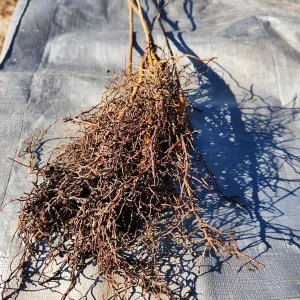

Carolina Allspice Live Plant – Sweetshrub Bare Root – 5 Pack, 12″ Tall – Outdoor Shrub
Original price was: $72.00.$36.00Current price is: $36.00.
Bring captivating fragrance and beauty to your landscape with this 5-pack of Carolina Allspice bare root plants. Also known as sweetshrub, these 12-inch bare roots quickly establish into delightful shrubs, offering unique blooms and vibrant fall foliage, perfect for USDA Zones 4-9.
-
USDA Hardiness Zone
USDA Zones 4-9 -
Soil Type
Well-draining, loamy soil -
Sunlight Exposure
Full sun to partial shade -
Expected Planting Period
Early spring

You can track your order HERE
Feb 27
Mar 04 - Mar 06
Mar 09 - Mar 13
Shipping and return policies: Our Alive & Thrive Guarantee covers issues with your plants within the first 30 days. Reach out to us. Our team will answer your questions and help you find the plants that are truly suitable for your environment, climate, and personal preferences.

Overview
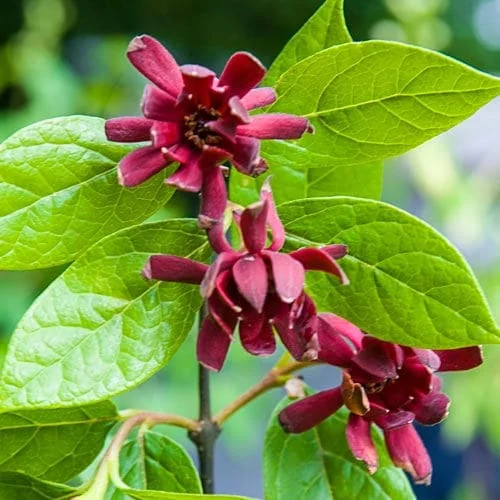
Transform your garden into a fragrant haven with the exquisite Carolina Allspice bare root plant. This offering includes five 12-inch bare root specimens, ready to be planted and establish themselves as a centerpiece in your outdoor space. The Carolina Allspice bare root, scientifically known as Calycanthus floridus, is a deciduous shrub celebrated for its unique, maroon-brown flowers that emit a spicy, fruity fragrance, often described as a blend of pineapple, strawberry, and banana. Also commonly referred to as sweetshrub, it’s a versatile and hardy plant that provides year-round interest. Beyond its aromatic blooms, this rounded shrub boasts attractive, glossy green foliage in the spring and summer, which transitions to a striking yellow in the fall, adding a splash of seasonal color to your landscape. Ideal for gardeners seeking a low-maintenance yet highly rewarding plant, these bare roots are an economical and effective way to introduce this charming shrub to your home.
The sweetshrub plant is a native of the southeastern United States, making it well-adapted to a variety of climates and soil conditions within its hardiness zones. Its natural resilience and captivating features make it a favorite for perennial borders, woodland gardens, or as a specimen plant near patios where its fragrance can be fully appreciated. Planting bare root specimens allows for a strong root system to develop quickly, ensuring a robust and healthy plant in the long term. With proper care, these Calycanthus floridus bare roots will grow into mature shrubs that provide beauty and fragrance for many years to come.
Key Benefits
The Carolina Allspice bare root offers a multitude of advantages that make it a superb addition to any garden. Its unique characteristics contribute both aesthetic appeal and practical benefits to your outdoor environment:
- Delightful Fragrance: One of the most cherished features of the sweetshrub plant is its intoxicating spicy-sweet fragrance. The unique maroon flowers, though not outwardly showy, emit a powerful scent that can perfume an entire section of your garden, especially noticeable on warm spring evenings. This makes it an excellent choice for planting near windows, walkways, or seating areas.
- Attractive Foliage: Beyond its blooms, the Calycanthus floridus offers lush, glossy green leaves throughout the growing season. This dense foliage provides a beautiful backdrop for other plants and adds texture to your garden design.
- Stunning Fall Color: As autumn approaches, the green leaves transform into a vibrant yellow, creating an eye-catching display. This impressive fall foliage extends the plant’s ornamental value well into the cooler months, enhancing your garden’s seasonal appeal.
- Low Maintenance: Once established, the Carolina Allspice bare root is remarkably hardy and requires minimal care. It’s tolerant of various soil conditions and can withstand periods of drought, making it suitable for busy gardeners or those looking for a fuss-free plant.
- Versatile Garden Use: This shrub can be used in many ways, from an informal hedge or screen to a specimen plant. Its rounded growth habit makes it suitable for mixed borders, woodland gardens, or even as a foundation planting.
- Wildlife Attractor: The fragrant flowers and dense foliage provide habitat and nectar for various pollinators and beneficial insects, contributing to a healthy garden ecosystem. It’s a wonderful choice for a fragrant garden shrub.
- Hardy and Resilient: Thriving in USDA Zones 4-9, the Carolina Allspice bare root is known for its cold hardiness and ability to adapt to different environmental conditions. This resilience ensures a lasting presence in your garden.
Plant Care & Growing Tips
Growing a healthy Carolina Allspice bare root is relatively straightforward, making it an excellent choice for gardeners of all experience levels. These plants prefer a location with full sun to partial shade. In hotter climates, some afternoon shade can help protect the foliage from scorching and maintain more vibrant green leaves. Aim for at least 4-6 hours of direct sunlight daily for optimal flowering and growth. When planting your sweetshrub plant, ensure the soil is well-draining, as they do not tolerate consistently wet feet. While adaptable to various soil types, a rich, moist, loamy soil with a slightly acidic to neutral pH is ideal. Incorporating organic matter, such as compost, into the planting hole will greatly benefit its establishment and long-term health.
Watering is crucial during the establishment phase of your Calycanthus floridus bare roots. Keep the soil consistently moist but not waterlogged for the first year after planting. Once established, they are quite drought-tolerant but will perform best with regular watering during dry spells. Fertilize in early spring with a balanced, slow-release granular fertilizer formulated for woody shrubs. Pruning is best done after flowering to maintain shape and size, or to remove any dead or damaged branches. You can also prune to encourage a bushier habit. The plant is hardy in USDA zones 4-9, meaning it can tolerate winter temperatures down to -30°F (-34°C). This robust nature makes it an excellent choice for a wide range of climates, establishing itself as a reliable fragrant garden shrub that requires minimal fuss once settled.
While generally disease-resistant, keep an eye out for common garden pests like aphids or spider mites, though severe infestations are rare. Good air circulation and proper watering practices can help prevent most issues. The Carolina Allspice bare root is a resilient plant that will reward you with its unique beauty and fragrance for many seasons with just a little care and attention. Its ability to provide vibrant fall foliage plant interest further enhances its appeal.
Size & Details
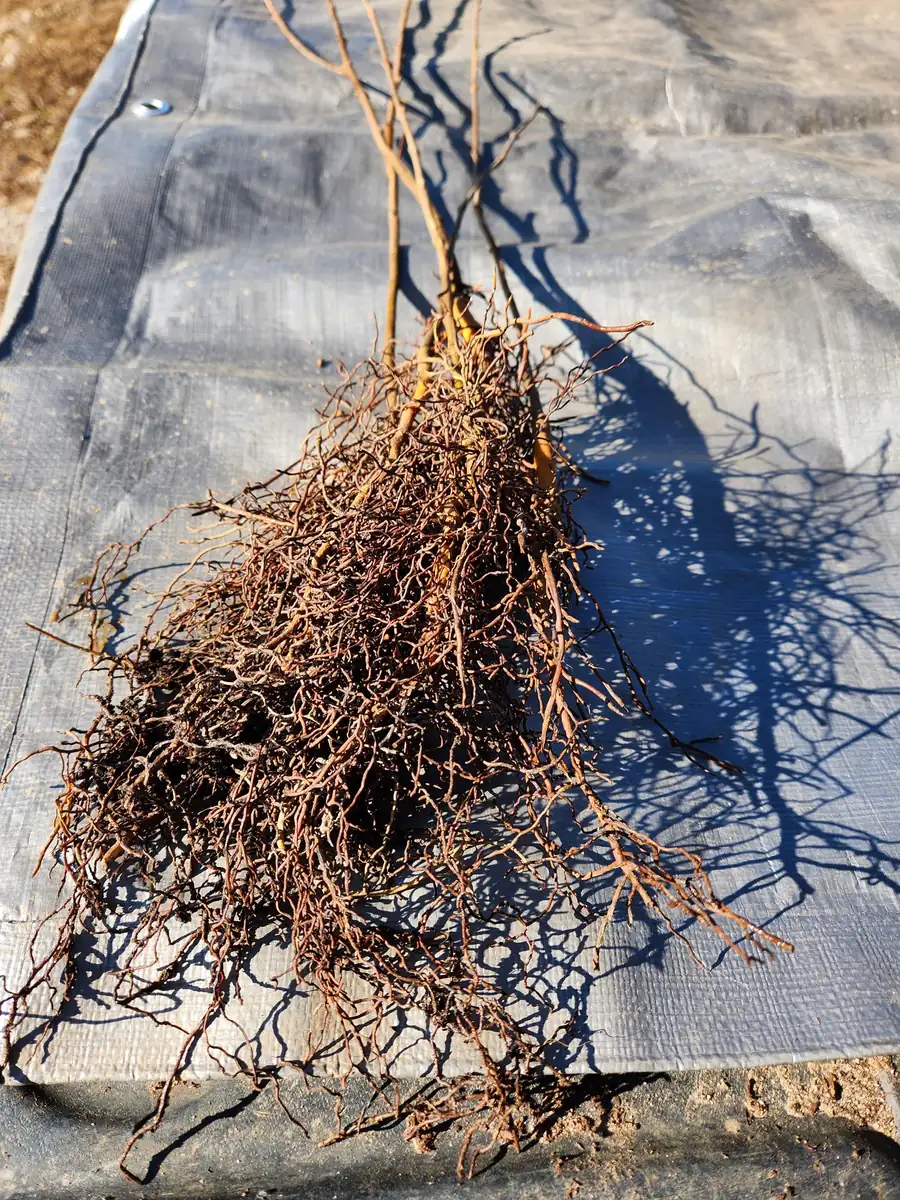
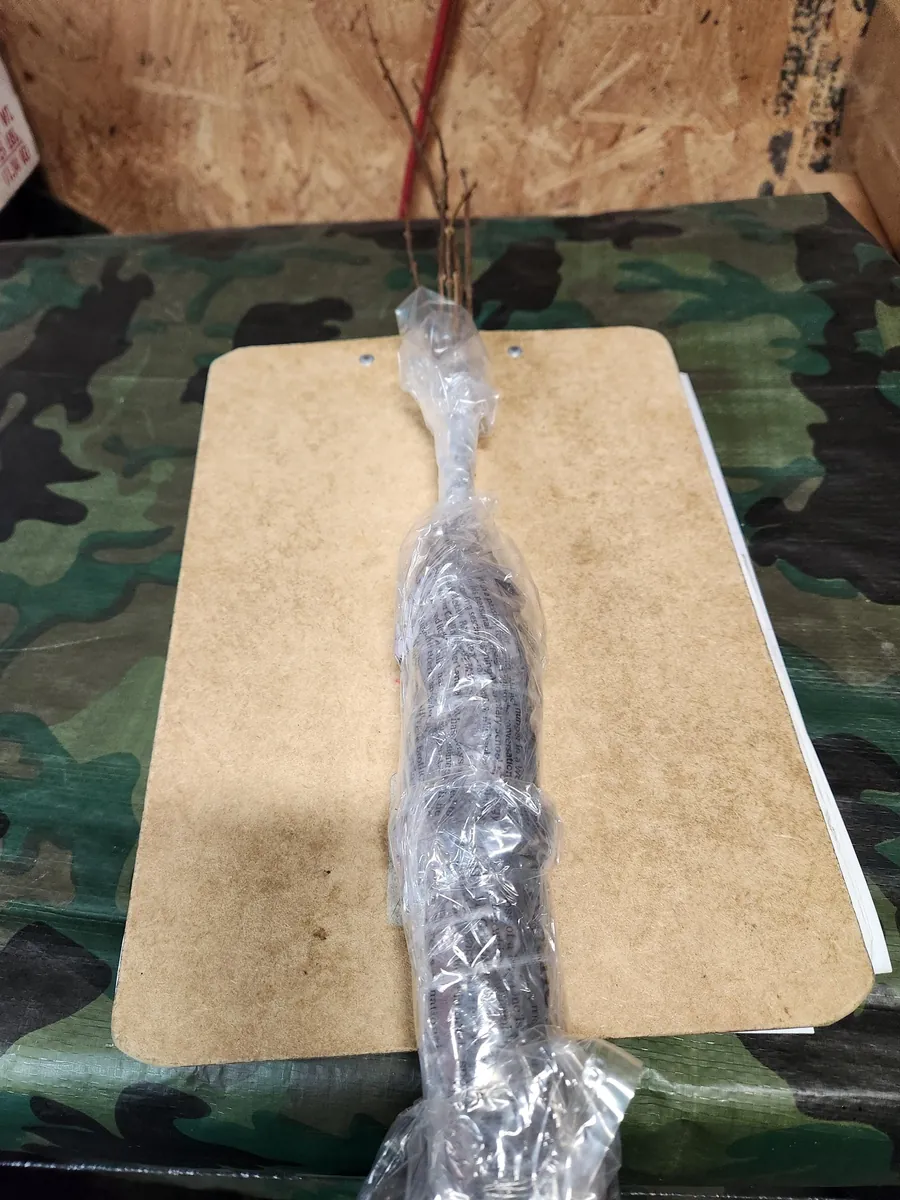
This offering consists of five individual Carolina Allspice bare root plants, each measuring approximately 12 inches in height. Bare root plants are shipped without soil, allowing for easier transport and often leading to a more robust root system development once planted. The mature size of the sweetshrub plant typically ranges from 6 to 8 feet in height and 8 to 12 feet in spread, forming a delightful, rounded shrub. Its growth rate is moderate to fast, meaning you can expect to see significant development within a few years of planting. The plant blooms in late spring, producing its characteristic fragrant flowers. It is recommended for USDA Hardiness Zones 4-9, indicating its wide adaptability to various climates across the United States. Planting instructions are included to ensure a successful start for your new additions.
Frequently Asked Questions
- Q: How big does this plant get? A: The Carolina Allspice bare root typically grows to a mature size of 6-8 feet tall with an 8-12 foot spread. It forms a rounded shrub that can be maintained with pruning.
- Q: Is this an indoor or outdoor plant? A: This is an outdoor shrub, perfectly suited for garden beds, borders, or as a specimen plant. It is not recommended for indoor growing.
- Q: How much sunlight does it need? A: The sweetshrub plant thrives in full sun to partial shade. In hotter climates, partial afternoon shade can be beneficial to prevent leaf scorch.
- Q: Is this plant easy to care for? A: Yes, once established, the Carolina Allspice bare root is considered a low-maintenance plant. It’s quite hardy and adaptable to various conditions.
- Q: What condition will it arrive in? A: Your order will include five 12-inch Carolina Allspice bare root plants. They are shipped without soil, ready for immediate planting upon arrival.
- Q: How long until it blooms? A: Established Calycanthus floridus plants typically bloom in late spring. With bare roots, you might see blooms in the first or second year after planting, depending on growing conditions.
- Q: Will it survive winter in my zone? A: Yes, the fragrant garden shrub is hardy in USDA Zones 4-9, meaning it can tolerate cold winter temperatures within this range.
- Q: What is the best time to plant a bare root Carolina Allspice? A: The best time to plant bare root shrubs like the Carolina Allspice is in early spring, after the danger of hard frost has passed but before the summer heat.
- Q: Can I use the flowers for anything? A: While the flowers are highly fragrant, they are primarily grown for their ornamental value. Some people use them in potpourri, but they are not typically consumed.
- Q: How does this plant contribute to wildlife? A: The fall foliage plant provides nectar for pollinators and its dense structure offers shelter for small birds and beneficial insects, supporting local wildlife.
Be the first to review “Carolina Allspice Live Plant – Sweetshrub Bare Root – 5 Pack, 12″ Tall – Outdoor Shrub”
People Also Viewed
Sold 56 products
Original price was: $22.36.$11.18Current price is: $11.18.
Sold 63 products
Original price was: $192.00.$96.00Current price is: $96.00.
Sold 71 products
Original price was: $51.98.$25.99Current price is: $25.99.
Sold 50 products
Original price was: $47.96.$23.98Current price is: $23.98.
Sold 93 products
From $43.98
Sold 61 products
Original price was: $119.80.$59.90Current price is: $59.90.
Sold 68 products
$65.98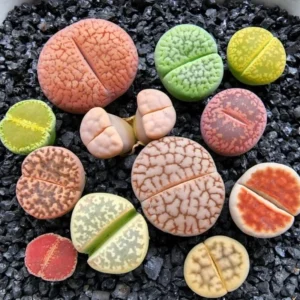
Sold 69 products
Original price was: $39.98.$19.99Current price is: $19.99.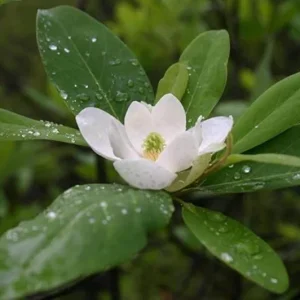
Trees
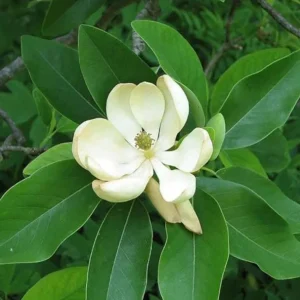
Sweetbay Magnolia Live Plant – Native Flowering Tree – Fragrant Blooms – 10-18 in Tall, 4-inch Pot
Sold 91 products
Original price was: $45.98.$32.18Current price is: $32.18.
Sold 60 products
Original price was: $272.00.$136.00Current price is: $136.00.
Sold 50 products
Original price was: $91.98.$45.99Current price is: $45.99.
Sold 66 products
Original price was: $72.00.$36.00Current price is: $36.00.
Sold 96 products
Original price was: $476.00.$238.00Current price is: $238.00.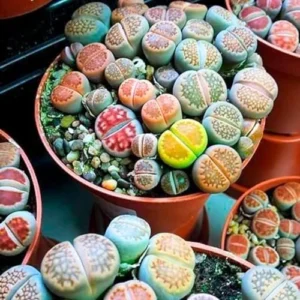
HousePlants
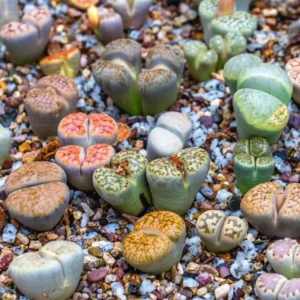
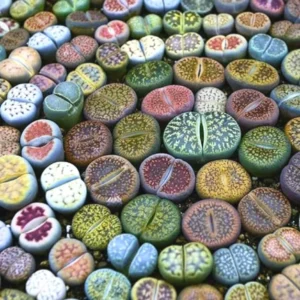
Lithops Live Plants Mix – 30 Colorful Succulents – Living Stones for Indoor/Outdoor Planting
Sold 83 products
Original price was: $65.98.$32.99Current price is: $32.99.
Sold 91 products
Original price was: $37.98.$18.99Current price is: $18.99.
Sold 60 products
Original price was: $54.36.$27.18Current price is: $27.18.
Sold 51 products
From $61.58
Sold 95 products
From $14.98



Reviews
There are no reviews yet.