
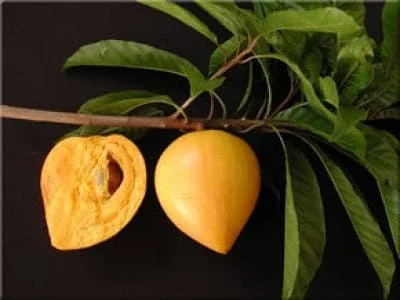
Canistel Tree Live Plant – 3 ft Tall Airlayered – Potted 3 Gallon
Original price was: $391.96.$195.98Current price is: $195.98.
Cultivate your own exotic fruit with this canistel tree live plant. Standing 3 feet tall, this airlayered specimen is ready to thrive. Known for its unique ‘egg yolk’ fruit, it’s a tropical delight for your garden or patio.
-
USDA Hardiness Zone
USDA Zones 9-11 -
Soil Type
Well-draining, rich, loamy soil -
Sunlight Exposure
Full sun -
Expected Planting Period
Spring to early summer (outdoors), year-round indoors

You can track your order HERE
Mar 01
Mar 06 - Mar 08
Mar 11 - Mar 15
Shipping and return policies: Our Alive & Thrive Guarantee covers issues with your plants within the first 30 days. Reach out to us. Our team will answer your questions and help you find the plants that are truly suitable for your environment, climate, and personal preferences.

Overview
Discover the unique pleasure of growing your very own canistel tree live plant. This impressive 3 feet tall airlayered specimen is ready to bring a touch of the tropics to your home or garden. The Canistel, scientifically known as Pouteria campechiana, is a fascinating evergreen tree revered for its distinctive fruit. Often referred to as ‘eggfruit’ or ‘yellow sapote tree’, the Canistel produces a sweet, creamy fruit with a texture reminiscent of a hard-boiled egg yolk, hence its common name. This canistel tree live plant is a fantastic addition for fruit enthusiasts and tropical plant collectors alike, promising delicious harvests and a beautiful, lush presence. Airlayering ensures a faster path to fruiting, making this a rewarding plant for any grower.
Originating from Central and South America, the Canistel is a robust and attractive tree. Its dark green leaves cluster at the tips of branches, creating a rich, full canopy. The fruit itself has a thin, orange to yellow skin and a pulp that is surprisingly dry yet sweet. Beyond eating fresh, the fruit is incredibly versatile, perfect for cooking, pies, ice cream, and even milkshakes where it offers an eggnog-like flavor. If you’re looking to expand your edible garden with something truly exotic and rewarding, a canistel fruit tree is an excellent choice.
Key Benefits
Adding a canistel tree live plant to your collection offers numerous advantages, from its unique fruit to its aesthetic appeal. This tropical gem provides both culinary delight and a vibrant addition to your landscape:
- Exotic Fruit Production: Enjoy the distinct flavor and texture of Canistel fruit, often compared to an egg yolk or sweet potato. It’s a rare treat not commonly found in regular grocery stores, offering a unique culinary experience right from your backyard.
- Culinary Versatility: The fruit is incredibly versatile. Beyond fresh consumption, it excels in desserts like ice cream, pies, and puddings. Its unique texture also makes it a great addition to smoothies and milkshakes, providing a creamy, rich consistency.
- Airlayered for Faster Fruiting: Our airlayered canistel tree live plant ensures a more mature root system and quicker establishment, meaning you can expect to enjoy its delicious fruit sooner than with seed-grown plants.
- Attractive Evergreen Foliage: The tree boasts large, dark green leaves that provide an attractive, lush appearance year-round, adding a tropical aesthetic to your garden or patio.
- Nutrient-Rich Fruit: Canistel fruit is known to be a good source of vitamins and minerals, offering a healthy and delicious addition to your diet.
- Unique Taste Profile: For those who appreciate unique flavors, the Canistel offers a taste similar to Lucuma from Andean countries, providing an intriguing and satisfying palate experience.
- Adaptable Growth: While tropical, with proper care, this canistel fruit tree can adapt to various growing environments, making it a rewarding project for many gardeners.
Plant Care & Growing Tips
Caring for your canistel tree live plant is relatively straightforward, especially when provided with the right conditions. These tropical trees thrive in warm, humid environments and require specific attention to light, water, and soil. For optimal growth and fruit production, ensure your tree receives plenty of sunlight. It prefers full sun, meaning at least 6-8 hours of direct sunlight per day. If growing indoors, place it near a south-facing window or use supplemental grow lights. Protecting it from strong, cold winds is also crucial, as it is sensitive to frost.
When it comes to watering, the canistel plant care routine involves consistent moisture without waterlogging. Water deeply when the top inch or two of soil feels dry to the touch. During hot, dry periods, this might mean watering several times a week. Reduce watering in cooler months or if the tree is dormant. Well-draining soil is paramount to prevent root rot. A rich, loamy soil with good organic content is ideal. You can amend heavy clay soils with compost and sand to improve drainage. Fertilize your yellow sapote tree with a balanced slow-release fertilizer during the growing season (spring and summer) to support healthy growth and fruit development.
The Canistel tree is generally resilient to pests and diseases, but regular inspection can help catch any issues early. Common problems might include nutrient deficiencies if the soil isn’t adequately fed. Ensure proper air circulation around the tree to prevent fungal issues, especially in humid conditions. Pruning is typically done to shape the tree, remove dead or diseased branches, and encourage better fruit production. This will help maintain a healthy and productive canistel fruit tree for years to come.
Size & Details
This offering is for a vibrant canistel tree live plant, meticulously airlayered to ensure robust growth and earlier fruiting. The plant stands approximately 3 feet tall from the base of the pot, providing a substantial specimen ready for transplanting. It is shipped in a 3-gallon pot, providing a healthy root ball and minimizing transplant shock. The Canistel tree is known for its moderate growth rate, eventually reaching heights of 20-30 feet in ideal tropical conditions. However, it can be maintained at a smaller size with regular pruning, making it suitable for larger containers on patios or as a specimen tree in warmer climates. Expect fruits to begin appearing within a few years, offering a rewarding harvest of this unique yellow sapote tree.
Frequently Asked Questions
- Q: How big does this Canistel tree get? A: This canistel tree live plant is currently 3 feet tall. In ideal tropical conditions, it can grow up to 20-30 feet tall, but its size can be managed with pruning for smaller spaces or container growing.
- Q: Is this an indoor or outdoor plant? A: The Canistel tree is a tropical plant best suited for outdoor growing in USDA Zones 9-11. In cooler climates, it can be grown in a large container and brought indoors during colder months, making it a versatile canistel fruit tree.
- Q: How much sunlight does it need? A: A canistel tree live plant thrives in full sun, requiring at least 6-8 hours of direct sunlight per day for optimal growth and fruit production.
- Q: Is this plant easy to care for? A: With proper attention to sunlight, watering, and soil, canistel plant care is considered moderate. It’s a rewarding plant for gardeners with some experience in tropical fruit trees.
- Q: What condition will it arrive in? A: Your canistel tree live plant will arrive carefully packaged in its 3-gallon nursery pot, ensuring its health and vigor during transit. We take great care to minimize stress to the plant.
- Q: When is the best time to plant a Canistel tree? A: The best time to plant is typically in the spring or early summer, after the last chance of frost, allowing the tree ample time to establish before cooler weather.
- Q: How long until it fruits? A: As an airlayered specimen, this yellow sapote tree is more mature than a seed-grown plant and can begin producing fruit within 2-4 years of planting, much faster than a tree grown from seed.
- Q: What kind of soil does a Canistel tree prefer? A: Canistel trees prefer well-draining, rich, loamy soil with a slightly acidic to neutral pH. Good drainage is crucial to prevent root issues.
- Q: Will it survive winter in my zone? A: Canistel trees are tropical and are not frost-tolerant. They will survive winter outdoors only in USDA Zones 9-11. In colder zones, they must be protected from freezing temperatures or grown in containers and moved indoors.
- Q: Can I use the fruit in cooking? A: Absolutely! The fruit from your canistel fruit tree is excellent for cooking, baking, making ice cream, milkshakes, and other desserts, thanks to its unique flavor and texture.
Be the first to review “Canistel Tree Live Plant – 3 ft Tall Airlayered – Potted 3 Gallon”
People Also Viewed
Sold 68 products
$87.98
Sold 55 products
$48.38
Sold 98 products
Original price was: $79.80.$39.90Current price is: $39.90.
Sold 84 products
Original price was: $180.00.$90.00Current price is: $90.00.
Sold 75 products
Original price was: $355.96.$177.98Current price is: $177.98.
Sold 98 products
Original price was: $79.80.$39.90Current price is: $39.90.
Sold 98 products
Original price was: $36.00.$28.80Current price is: $28.80.
Sold 85 products
Original price was: $183.16.$91.58Current price is: $91.58.
Sold 67 products
From $51.80
Sold 59 products
Original price was: $49.98.$39.98Current price is: $39.98.
Sold 61 products
Original price was: $319.96.$159.98Current price is: $159.98.
Sold 66 products
Original price was: $36.00.$28.80Current price is: $28.80.
Sold 53 products
Original price was: $39.98.$19.99Current price is: $19.99.

Sold 54 products
From $19.00
Sold 62 products
Original price was: $100.00.$80.00Current price is: $80.00.
Sold 82 products
Original price was: $23.96.$11.98Current price is: $11.98.
Sold 81 products
Original price was: $73.98.$36.99Current price is: $36.99.
Sold 70 products
Original price was: $80.00.$64.00Current price is: $64.00.


Reviews
There are no reviews yet.