
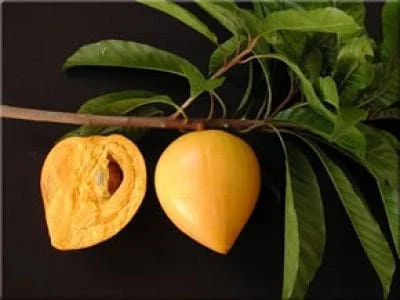
Canistel Live Plant – Pouteria campechiana – 3-4 ft Tall – 7 Gallon Pot
Original price was: $535.96.$267.98Current price is: $267.98.
Bring the tropics to your home with a Canistel live plant. This unique fruit tree, also known as Pouteria campechiana, produces delicious yellow-orange fruit with a creamy, egg-yolk-like texture. Standing 3-4 feet tall, it’s ready to thrive in your garden or a large container.
-
USDA Hardiness Zone
USDA Zones 10-11 -
Soil Type
Well-draining, fertile sandy loam -
Sunlight Exposure
Full sun -
Expected Planting Period
Year-round in tropical climates; spring to early summer in subtropical regions

You can track your order HERE
Mar 01
Mar 06 - Mar 08
Mar 11 - Mar 15
Shipping and return policies: Our Alive & Thrive Guarantee covers issues with your plants within the first 30 days. Reach out to us. Our team will answer your questions and help you find the plants that are truly suitable for your environment, climate, and personal preferences.

Overview
Cultivate your own exotic fruit with this vibrant Canistel live plant. Also known as the yellow sapote or eggfruit, the Canistel (Pouteria campechiana) is a fascinating evergreen tree native to southern Mexico and Central America. This particular specimen stands impressively at 3 to 4 feet tall, making it a substantial addition to your edible landscape or a large container garden. The Canistel tree is celebrated for its distinctive fruit, which boasts a thin orange to yellow skin and a unique pulp. This pulp is often described as having a dry, creamy texture, remarkably similar to the yolk of a hard-boiled egg – hence its ‘eggfruit’ moniker. Beyond its intriguing texture, the fruit offers a sweet, custardy flavor, making it a versatile ingredient for various culinary applications. Growing a Canistel live plant allows you to enjoy fresh, wholesome fruit directly from your garden, offering a taste of the tropics right at home.
The Canistel tree itself is an attractive specimen, typically growing into a large, open, evergreen form. Its dark green leaves can reach up to twelve inches long, clustered elegantly at the tips of the branches, providing lush foliage throughout the year. As your Canistel live plant matures, it will not only provide bountiful harvests but also serve as an ornamental feature in your garden. The fruit is commonly enjoyed fresh, often chilled, and its unique consistency makes it an excellent addition to desserts, smoothies, and baked goods. Its flavor profile is often compared to that of Lucuma, another cherished Andean fruit, offering a rich and satisfying sweetness. This yellow sapote tree is more than just a fruit producer; it’s a conversation starter and a source of healthy, delicious treats.
Key Benefits
Adding a Canistel live plant to your collection offers a multitude of benefits, from its unique fruit to its ornamental appeal. This tropical gem is not only a source of delicious produce but also contributes to the biodiversity of your garden. Enjoy the satisfaction of growing your own exotic fruit with ease.
- Exotic Fruit Production: Harvest unique, sweet, and custardy Canistel fruit directly from your own tree. The distinct ‘egg-yolk’ texture and flavor make it a culinary adventure, perfect for fresh eating, desserts, and shakes.
- Ornamental Value: The Pouteria campechiana is an attractive evergreen tree with lush, dark green foliage, adding a tropical aesthetic to your landscape or patio. Its open growth habit creates a lovely visual presence.
- Versatile Culinary Use: The fruit is incredibly versatile. Beyond eating fresh, it’s excellent in pies, custards, ice cream, and milkshakes, where its flavor can resemble eggnog. Explore new recipes with your homegrown produce.
- Healthy and Nutritious: Canistel fruit is known to be rich in vitamins and minerals, offering a healthy addition to your diet. Enjoy a natural source of energy and essential nutrients.
- Relatively Low Maintenance: Once established, the Canistel live plant is robust and requires moderate care, making it suitable for gardeners looking for rewarding tropical fruit trees without excessive fuss.
- Unique Flavor Profile: Experience a taste similar to the Andean Lucuma, providing a rich, sweet, and slightly dry flavor that is distinct from more common tropical fruits.
- Potential for Container Growing: While it can grow large in the ground, younger yellow sapote tree specimens can thrive in large containers, allowing you to grow it on patios or move it indoors during colder months.
Plant Care & Growing Tips
Caring for your Canistel live plant, or Pouteria campechiana, involves providing the right conditions to ensure healthy growth and abundant fruit production. Originating from tropical regions, this tree thrives in warm, humid environments. For sunlight, the Canistel prefers full sun, meaning at least 6-8 hours of direct sunlight per day. If growing indoors or in a greenhouse, ensure it receives bright, direct light, supplemented with grow lights if necessary. While it can tolerate some partial shade, full sun promotes better fruiting. When it comes to watering, consistent moisture is key, especially for young trees. Water deeply when the top few inches of soil feel dry to the touch, but avoid waterlogging, as this can lead to root rot. Good drainage is crucial for a healthy Canistel live plant.
The ideal soil for a yellow sapote tree is well-draining, fertile, and slightly acidic to neutral (pH 6.0-7.5). A sandy loam enriched with organic matter is highly recommended. If planting in a container, use a high-quality potting mix designed for tropical fruits or general outdoor plants, ensuring it has excellent drainage. The Canistel is a tropical tree and is sensitive to cold. It thrives in USDA hardiness zones 10-11, where temperatures rarely drop below freezing. If you live in a colder zone, it’s best to grow your Canistel live plant in a large pot that can be moved indoors during winter. Fertilize regularly during the growing season (spring through fall) with a balanced fertilizer formulated for fruit trees, following the product’s instructions. A slow-release granular fertilizer or a liquid feed applied every 4-6 weeks can be beneficial for robust growth and fruit development.
Pruning is generally minimal for the Canistel live plant; focus on removing any dead, diseased, or crossing branches to maintain good air circulation and shape. Young trees can be lightly pruned to encourage branching. Common problems are few, but watch out for typical fruit tree pests like aphids or scale insects, which can be managed with organic insecticidal soaps. Providing adequate air circulation and avoiding overwatering can also help prevent fungal issues. Understanding how to support the growth of your growing canistel ensures a bountiful harvest and a thriving tree for years to come.
Size & Details
This offering is for one Canistel live plant, scientifically known as Pouteria campechiana. The plant measures approximately 3 to 4 feet in height from the base of the pot to the top of the foliage, providing a substantial and well-established specimen ready for planting. It is shipped in its original 7-gallon nursery pot, ensuring the root system is well-developed and secure for transplanting. The yellow sapote tree is a moderately fast grower, and with proper care, it can reach mature heights of 20-30 feet in ideal conditions, though it can be maintained at a smaller size with pruning or by growing in a container. Expect fruit production to begin within a few years of planting, depending on care and climate.
The fruit typically ripens in late fall to early spring, offering a unique seasonal treat. When mature, the Canistel fruit can range from round to oval or spindle-shaped, with a distinctive pointed end. Its skin transitions from green to a vibrant orange-yellow when ripe, and the flesh inside is a rich yellow color. This Canistel live plant is a fantastic choice for those looking to add an unusual and rewarding fruit tree to their collection, whether in a tropical garden setting or as a movable patio plant in cooler climates. The robust size of this plant means it has a head start on growth, bringing you closer to enjoying its delicious fruit.
Frequently Asked Questions
- Q: How big does this Canistel live plant get? A: This specific Canistel live plant is 3 to 4 feet tall upon shipment. In ideal outdoor conditions, it can eventually grow to 20-30 feet tall, but it can be kept smaller with pruning or by growing it in a large container.
- Q: What size pot does it come in? A: The Pouteria campechiana is shipped in a 7-gallon nursery pot, providing a healthy and established root system to ensure a smooth transition to your garden or a larger container.
- Q: Is this an indoor or outdoor plant? A: The Canistel is a tropical tree best suited for outdoor planting in USDA Zones 10-11. In colder climates, it can be grown in a large container and moved indoors during winter months to protect it from frost.
- Q: How much sunlight does it need? A: This yellow sapote tree thrives in full sun, requiring at least 6-8 hours of direct sunlight daily for optimal growth and fruit production. It can tolerate partial shade but may produce less fruit.
- Q: Is this plant easy to care for? A: Once established, the Canistel live plant is relatively low-maintenance. It requires consistent watering, well-draining soil, and protection from cold temperatures. It’s a rewarding plant for gardeners with some experience in tropical fruit trees.
- Q: What condition will it arrive in? A: Your Canistel live plant will arrive well-packaged in its 7-gallon nursery pot, with its root ball intact and protected, ensuring it’s ready for immediate planting or repotting.
- Q: When is the best time to plant a Canistel? A: The best time to plant your growing canistel is during the warmer months, typically spring or early summer, after all danger of frost has passed. This allows the plant to establish itself before cooler weather.
- Q: Can I use Canistel fruit in cooking? A: Absolutely! Canistel fruit is incredibly versatile. It’s excellent eaten fresh, used in pies, custards, ice cream, and milkshakes. Its unique texture and sweet flavor make it a great ingredient for various desserts.
- Q: Will it survive winter in my zone? A: The Canistel is a tropical plant and is not cold-hardy. It will only survive outdoors year-round in USDA Zones 10 and 11. In other zones, it must be protected from frost, either by moving it indoors or providing significant winter protection.
- Q: What does Canistel taste like? A: The Canistel fruit has a sweet, custardy flavor often compared to a blend of sweet potato and mango, with a texture similar to a hard-boiled egg yolk. It’s also noted for its similarity to Lucuma.
Be the first to review “Canistel Live Plant – Pouteria campechiana – 3-4 ft Tall – 7 Gallon Pot”
People Also Viewed
Sold 52 products
Original price was: $3,439.80.$1,719.90Current price is: $1,719.90.
HousePlants
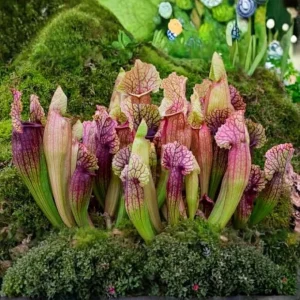
Purple Nepenthes Pitcher Plant Live – Exotic Tropical Houseplant for Indoor/Outdoor Décor
Sold 94 products
$65.98
Sold 90 products
Original price was: $48.78.$24.39Current price is: $24.39.
Sold 64 products
Original price was: $147.16.$73.58Current price is: $73.58.
Sold 98 products
Original price was: $35.98.$17.99Current price is: $17.99.
Sold 87 products
Original price was: $41.56.$20.78Current price is: $20.78.
Flower Plants
Sold 87 products
From $13.98
Sold 64 products
Original price was: $65.04.$32.52Current price is: $32.52.
Sold 78 products
Original price was: $70.98.$35.49Current price is: $35.49.
Sold 68 products
Original price was: $91.98.$45.99Current price is: $45.99.

Sold 51 products
Original price was: $30.76.$15.38Current price is: $15.38.
Sold 82 products
Original price was: $89.98.$44.99Current price is: $44.99.
Sold 79 products
$329.98
Sold 93 products
$43.98
Sold 93 products
Original price was: $63.98.$31.99Current price is: $31.99.
Sold 69 products
From $15.98
Sold 86 products
Original price was: $15.98.$12.78Current price is: $12.78.
Sold 66 products
Original price was: $112.00.$89.60Current price is: $89.60.


Reviews
There are no reviews yet.