
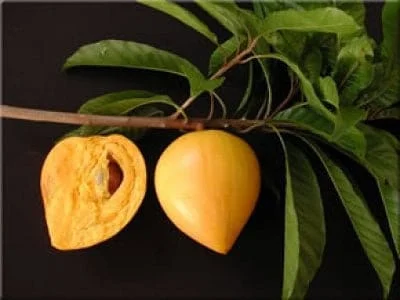
Canistel Live Plant – 2 ft Tall Airlayered Tree – Sweet Fruit – 3 Gallon Pot
Original price was: $391.96.$195.98Current price is: $195.98.
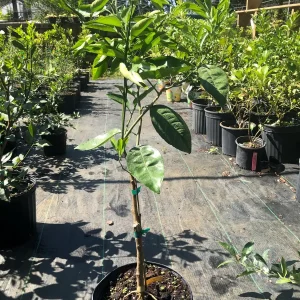
Bring home a delicious canistel live plant, also known as eggfruit! This 2-foot tall, airlayered tree is ready to thrive in a 3-gallon pot, producing sweet, unique fruit. Enjoy fresh, in desserts, or milkshakes. Perfect for tropical and subtropical climates.
-
USDA Hardiness Zone
USDA zones 9b-11 -
Soil Type
Well-draining, rich loam -
Sunlight Exposure
Full sun -
Expected Planting Period
Year-round in tropical climates; spring to summer in subtropical regions

You can track your order HERE
Mar 01
Mar 06 - Mar 08
Mar 11 - Mar 15
Shipping and return policies: Our Alive & Thrive Guarantee covers issues with your plants within the first 30 days. Reach out to us. Our team will answer your questions and help you find the plants that are truly suitable for your environment, climate, and personal preferences.

Overview
Discover the delightful world of the canistel live plant, a tropical fruit tree renowned for its unique, sweet fruit often called ‘eggfruit’ due to its texture. This offering is for a vibrant 2-foot tall canistel tree, expertly airlayered to ensure robust growth and earlier fruit production. The canistel, scientifically known as Pouteria campechiana, is a large, open, evergreen tree characterized by its dark green leaves that can reach up to twelve inches long, typically clustered at the tips of its branches. Originating from Central America, this fascinating tree is a fantastic addition to any tropical or subtropical garden, promising an abundance of delicious and versatile fruit. Embrace the opportunity to grow your own exotic fruit with this healthy and well-established canistel live plant.
The fruit itself is a true culinary marvel. It features a thin, attractive orange to yellow skin, encasing a pulp that, when ripe, has a dry, custardy consistency reminiscent of a hard-boiled egg yolk. This distinctive texture and sweet flavor make the canistel a favorite among fruit enthusiasts. Whether you’re looking to expand your edible landscape or simply enjoy fresh, homegrown fruit, a canistel fruit tree is an excellent choice.
Key Benefits
Growing a canistel live plant offers a multitude of benefits, from its ornamental appeal to its delicious and nutritious fruit. This unique tree provides both visual interest and a bountiful harvest for your enjoyment.
- Exotic Fruit Production: Enjoy the unique, sweet flavor of canistel fruit, often compared to eggnog in milkshakes or hard-boiled egg yolk in texture. A well-cared for tree will provide a consistent supply of this tropical delicacy.
- Versatile Culinary Uses: The fruit is incredibly versatile. It can be eaten fresh, used in baking for pies and custards, blended into smoothies, or even made into delicious ice cream, offering a taste similar to Lucuma.
- Attractive Evergreen Foliage: The canistel tree boasts lush, dark green leaves that provide year-round beauty and shade, making it an excellent ornamental addition to your garden or landscape.
- Airlayered for Faster Fruiting: This canistel live plant is airlayered, a propagation method that promotes earlier fruit production compared to trees grown from seed, allowing you to enjoy your harvest sooner.
- Nutrient-Rich Fruit: Canistel fruit is known to be a good source of vitamins and minerals, contributing to a healthy diet. It’s a flavorful way to boost your nutritional intake.
- Adaptable to Tropical Climates: Ideal for tropical and subtropical regions, this tree thrives in warm environments, making it a perfect fit for many southern US states and similar climates.
- Unique Garden Addition: Stand out with a distinctive fruit tree that offers both visual appeal and a conversation-starting fruit. A eggfruit tree for sale like this is a rare find for the home gardener.
Plant Care & Growing Tips
Caring for your canistel live plant is straightforward, especially if you provide the right conditions from the start. This tropical tree thrives in warm environments and requires specific attention to sunlight, watering, and soil to ensure healthy growth and abundant fruit production. Understanding these needs is key to successfully growing canistel.
Sunlight Requirements: The canistel tree prefers full sun, meaning at least 6-8 hours of direct sunlight per day. In very hot, arid climates, some afternoon shade can be beneficial, especially for young trees. If growing indoors or in a greenhouse in cooler zones, ensure it receives the brightest light possible, ideally near a south-facing window or under grow lights. Adequate sunlight is crucial for fruit development.
Watering and Soil: This tree enjoys consistently moist, but not waterlogged, soil. Water deeply when the top 2-3 inches of soil feel dry to the touch. During dry spells or hot weather, more frequent watering may be necessary. Ensure excellent drainage to prevent root rot; a heavy clay soil should be amended with organic matter. The ideal soil type for a pouteria campechiana plant is a rich, well-draining loam with a slightly acidic to neutral pH (6.0-7.0).
Temperature and Hardiness: Canistel trees are tropical and are not tolerant of frost. They thrive in temperatures above 50°F (10°C) and prefer warmth. They are generally suited for USDA Hardiness Zones 9b-11. In areas with occasional light frost, young trees may need protection. For those in colder climates, growing the canistel live plant in a large container that can be moved indoors during winter is a viable option. Fertilize regularly during the growing season (spring through fall) with a balanced, slow-release fertilizer or an organic fruit tree fertilizer. Address common pests like aphids or scale with horticultural oil or insecticidal soap as needed.
Size & Details
This canistel live plant is a healthy, airlayered specimen, standing approximately 2 feet tall from the base of the pot. It is shipped securely in a 3-gallon nursery pot, providing a substantial root ball for easy transplanting and continued growth. Airlayering ensures that the tree retains the genetic characteristics of the parent plant and typically leads to earlier fruiting compared to seed-grown trees. While initial growth may be moderate, a well-established canistel can eventually reach heights of 20-30 feet in optimal conditions, though it can be maintained at a smaller size with regular pruning. Expect your canistel fruit tree to begin producing fruit within a few years of planting, offering a rewarding harvest for your efforts.
The tree’s open, evergreen habit makes it a beautiful addition to any landscape. The 3-gallon pot provides ample space for the root system to establish before needing to be transplanted into the ground or a larger container. This size is ideal for safe shipping and ensures your plant arrives ready to thrive. When considering a eggfruit tree for sale, the airlayered method offers a distinct advantage in terms of maturity and fruit production timeline.
Frequently Asked Questions
- Q: How big will this canistel live plant get? A: This canistel live plant is currently about 2 feet tall and is shipped in a 3-gallon pot. In optimal conditions, and if planted in the ground, a mature canistel tree can reach 20-30 feet tall, but it can be kept smaller with regular pruning.
- Q: Is this an indoor or outdoor plant? A: The canistel is a tropical tree best suited for outdoor planting in USDA Zones 9b-11. In colder climates, it can be grown in a large container and brought indoors during winter to protect it from frost.
- Q: How much sunlight does a canistel tree need? A: A canistel fruit tree thrives in full sun, requiring at least 6-8 hours of direct sunlight daily for best growth and fruit production.
- Q: Is this plant easy to care for? A: The canistel is moderately easy to care for in the right climate. It requires consistent watering, well-draining soil, and protection from frost. For those interested in growing canistel, providing these basic needs will lead to success.
- Q: What condition will the tree arrive in? A: Your canistel live plant will arrive securely packaged in its 3-gallon nursery pot, with a healthy root system and foliage, ready for planting or continued growth in its container.
- Q: How long until it produces fruit? A: Since this is an airlayered pouteria campechiana plant, it is more mature than a seed-grown tree and can begin to produce fruit within a few years, typically 2-4 years after planting, depending on care and conditions.
- Q: What does canistel fruit taste like? A: Canistel fruit has a unique sweet flavor and a dry, custardy texture, often compared to a hard-boiled egg yolk. Many describe its taste in milkshakes as similar to eggnog.
- Q: Can I grow this canistel in a pot permanently? A: Yes, a canistel live plant can be grown permanently in a large container, especially in non-tropical climates. Ensure the pot is sufficiently large (e.g., 20-30 gallons) and provides good drainage, and be prepared to prune for size management.
- Q: Is the fruit safe to eat? A: Yes, canistel fruit is edible and widely enjoyed fresh, in desserts, and in various culinary preparations. It is a nutritious tropical fruit.
- Q: What kind of soil is best for growing canistel? A: The best soil for growing canistel is a rich, well-draining loam with a slightly acidic to neutral pH (6.0-7.0). Good drainage is crucial to prevent root issues.
Be the first to review “Canistel Live Plant – 2 ft Tall Airlayered Tree – Sweet Fruit – 3 Gallon Pot”
People Also Viewed
Sold 86 products
Original price was: $39.98.$19.99Current price is: $19.99.
Sold 60 products
Original price was: $147.16.$73.58Current price is: $73.58.
Sold 63 products
Original price was: $24.35.$7.74Current price is: $7.74.
Sold 95 products
Original price was: $79.98.$39.99Current price is: $39.99.
Sold 78 products
Original price was: $19.16.$9.58Current price is: $9.58.
Sold 86 products
From $160.99
Sold 63 products
Original price was: $59.98.$29.99Current price is: $29.99.

Sold 63 products
Original price was: $14.76.$7.38Current price is: $7.38.
Sold 98 products
Original price was: $53.98.$37.78Current price is: $37.78.
Sold 86 products
Original price was: $39.98.$19.99Current price is: $19.99.
Sold 90 products
Original price was: $123.80.$61.90Current price is: $61.90.

Sold 96 products
Original price was: $91.80.$45.90Current price is: $45.90.
Sold 97 products
Original price was: $39.98.$19.99Current price is: $19.99.
Sold 84 products
$35.18

Sold 58 products
Original price was: $45.98.$32.18Current price is: $32.18.
Sold 65 products
Original price was: $54.36.$27.18Current price is: $27.18.
Sold 79 products
Original price was: $62.00.$31.00Current price is: $31.00.
Sold 74 products
Original price was: $43.85.$15.54Current price is: $15.54.



Reviews
There are no reviews yet.