
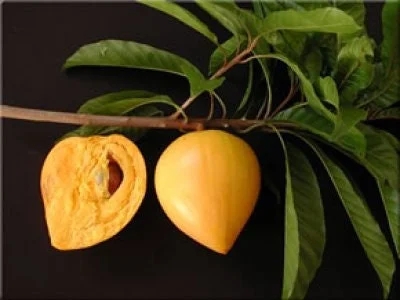
Canistel Live Plant – 2-3 Feet Tall – Ship in 3 Gallon Pot
Original price was: $391.96.$195.98Current price is: $195.98.
Bring the tropics home with a Canistel live plant. This evergreen fruit tree, also known as Eggfruit, stands 2-3 feet tall and ships in a 3-gallon pot, ready to produce unique, sweet fruit. Perfect for warm climates or container growing.
-
USDA Hardiness Zone
USDA Zones 9-11 -
Soil Type
Well-draining, fertile soil -
Sunlight Exposure
Full sun -
Expected Planting Period
Spring to early summer

You can track your order HERE
Mar 17
Mar 22 - Mar 24
Mar 27 - Mar 31
Shipping and return policies: Our Alive & Thrive Guarantee covers issues with your plants within the first 30 days. Reach out to us. Our team will answer your questions and help you find the plants that are truly suitable for your environment, climate, and personal preferences.

Overview
Introduce an exotic touch to your garden or patio with a Canistel live plant, also widely known as Eggfruit. This unique tropical fruit tree, scientifically named Pouteria campechiana for sale, originates from Central America and is celebrated for its distinctive, sweet fruit. Our Canistel live plant arrives at a healthy 2 to 3 feet tall, ready to be planted in its new home, shipped securely in a 3-gallon pot. The Canistel is an attractive, open, evergreen tree featuring lush, dark green leaves that can grow up to twelve inches long, gracefully clustered at the branch tips. Beyond its ornamental appeal, the tree produces a fascinating fruit with a thin orange to yellow skin and a pulp often described as having the dry, creamy texture and color of a hard-boiled egg yolk, hence its common name, Eggfruit. This makes the Canistel live plant a conversation starter and a source of delicious, unusual fruit for culinary adventures.
The fruit of the Canistel live plant is incredibly versatile. While commonly enjoyed fresh, its unique texture and flavor profile, reminiscent of sweet potato or pumpkin, also make it an excellent ingredient for cooking. It’s frequently used in pies, and its rich, creamy pulp is superb in ice cream. For a truly indulgent treat, blend it into milkshakes for an eggnog-like flavor. The taste is remarkably similar to Lucuma, another prized fruit from Andean countries. Growing your own Canistel live plant means you can enjoy this delightful fruit fresh from your garden, experiencing its full flavor and nutritional benefits. With proper care, this resilient tree can become a long-lasting, productive addition to your edible landscape.
Key Benefits
Cultivating a Canistel live plant offers a multitude of advantages, from its unique fruit to its aesthetic appeal. This tropical gem is not just a tree; it’s an investment in a distinctive culinary experience and a beautiful addition to your outdoor space.
- Exotic Fruit Production: Enjoy fresh, unique Canistel fruit directly from your own tree. The fruit’s creamy, sweet pulp is a rare delicacy that can be eaten fresh or used in various culinary applications, providing a truly distinct flavor profile unlike anything found in typical grocery stores.
- Culinary Versatility: The fruit of the Canistel live plant is incredibly adaptable. It’s perfect for pies, ice cream, smoothies, and milkshakes, offering a natural sweetness and creamy texture that can elevate many dishes. Explore new recipes and impress guests with this unusual ingredient.
- Ornamental Appeal: The Canistel is a large, open, evergreen tree with attractive dark green foliage. Its lush leaves and elegant form make it a beautiful specimen plant, providing shade and a tropical ambiance to your garden or patio.
- Hardy and Resilient: Once established, this tropical fruit tree is relatively low maintenance and can withstand temperatures down to 28-30°F, making it suitable for warmer climates (USDA Zones 9-11) or for container growing in cooler regions.
- Nutritional Value: Canistel fruit is known to be a good source of vitamins and minerals, adding a healthy boost to your diet. Growing your own ensures you have access to fresh, chemical-free produce.
- Unique Flavor Experience: Often described as having a texture similar to a hard-boiled egg yolk and a taste akin to sweet potato or pumpkin, the Canistel live plant offers a truly one-of-a-kind flavor that is both intriguing and delicious.
- Long Fruiting Season: The Canistel typically fruits from September to March, and sometimes even twice a year, providing a prolonged harvest period for enjoyment.
Plant Care & Growing Tips
Caring for your Canistel live plant is straightforward, especially when provided with the right conditions. This tropical tree thrives in warm environments and can be a prolific producer with consistent care. Understanding its needs will ensure a healthy and fruitful life for your Eggfruit tree care journey.
Sunlight Requirements
The Canistel tree prefers full sun exposure, meaning at least 6-8 hours of direct sunlight per day. In very hot climates, some afternoon shade can be beneficial to prevent leaf scorch, especially for young plants. If growing in a container, ensure it’s placed in the sunniest spot available, such as a south-facing patio or garden area. Adequate sunlight is crucial for fruit development and overall tree vigor.
Watering Schedule & Soil Moisture
While established Canistel trees are somewhat drought-tolerant, consistent watering is essential for optimal growth and fruit production, especially during dry periods and when the tree is young. Water deeply once or twice a week, allowing the top few inches of soil to dry out slightly between waterings. Avoid overwatering, which can lead to root rot. Ensure good drainage to prevent waterlogged conditions.
Soil Type & Drainage
The Canistel live plant adapts to a variety of soil types but thrives best in well-draining, fertile soil with a slightly acidic to neutral pH (6.0-7.0). A sandy loam or loamy soil enriched with organic matter is ideal. Good drainage is paramount; if planting in the ground, consider amending heavy clay soils with compost and sand. For container-grown plants, use a high-quality potting mix designed for fruit trees or tropical plants, ensuring the pot has drainage holes.
Temperature Range & USDA Hardiness Zone
The Canistel is a tropical tree, suitable for USDA Hardiness Zones 9-11. It can tolerate brief drops in temperature down to 28-30°F, but prolonged exposure to freezing temperatures will cause damage. In cooler zones, it must be grown in a container and brought indoors during winter or protected from frost. Ideal growing temperatures are between 65-90°F (18-32°C).
Fertilization Schedule & Type
Feed your Canistel live plant regularly during the growing season (spring and summer) with a balanced fertilizer formulated for fruit trees. A slow-release granular fertilizer or a liquid feed applied every 4-6 weeks works well. Look for formulations with a slightly higher potassium content as the tree matures to encourage fruiting. Reduce fertilization during the dormant season (fall and winter).
Common Problems & Solutions
Canistel trees are generally robust, but can occasionally face issues. Watch for common pests like aphids or scale insects, which can be treated with insecticidal soap or neem oil. Fungal issues, often related to excessive moisture, can be mitigated by ensuring good air circulation and proper watering practices. Yellowing leaves can indicate nutrient deficiencies or overwatering; assess soil moisture and fertilization schedule. Proper Eggfruit tree care practices will prevent most common problems.
Size & Details
This Canistel live plant is carefully cultivated to reach a height of 2 to 3 feet tall upon shipment, making it an ideal size for transplanting into your garden or a larger container. It is shipped securely in a 3-gallon pot, ensuring the root system is well-established and ready for continued growth. The average mature height and width for a Canistel tree can reach approximately 25 feet by 25 feet, developing into a substantial, open canopy with proper space and care. The growth rate is moderate, allowing the tree to establish well over a few years before reaching its full mature size and prolific fruiting capability.
This Canistel, also known as a Canistel fruit tree, is a single live plant, ready to begin its journey in your landscape. While specific varieties like ‘Bruce’ or ‘Ross Sapote’ exist, this offering represents the general Pouteria campechiana species, known for its consistent quality and delicious fruit. The tree typically begins to fruit within a few years of planting, with its primary season running from September to March, and potentially a second fruiting cycle within the year. It’s a fantastic choice for those looking to grow a unique tropical fruit with a rewarding harvest.
Frequently Asked Questions
- Q: How big does this Canistel live plant get? A: This Canistel live plant ships at 2 to 3 feet tall in a 3-gallon pot. Mature trees can reach an average height and width of 25 feet by 25 feet, forming a large, open evergreen canopy.
- Q: What size pot does it come in? A: The Canistel live plant is shipped in a sturdy 3-gallon nursery pot, providing a healthy root system for successful transplanting.
- Q: Is this an indoor or outdoor plant? A: The Canistel is a tropical outdoor plant suitable for USDA Zones 9-11. In cooler climates, it can be grown in a container and brought indoors during winter to protect it from frost.
- Q: How much sunlight does the Canistel tree need? A: This tropical fruit tree thrives in full sun, requiring at least 6-8 hours of direct sunlight daily for optimal growth and fruit production.
- Q: Is this plant easy to care for? A: Once established, the Canistel is a relatively low-maintenance tree. It requires consistent watering, good drainage, and regular fertilization during its growing season.
- Q: What condition will the Canistel live plant arrive in? A: Your Canistel live plant will arrive well-packaged, healthy, and securely rooted in its 3-gallon pot, ready for planting.
- Q: When is the best time to plant a Canistel? A: The best time to plant a Canistel is in spring or early summer, after the last chance of frost, allowing it ample time to establish before cooler weather.
- Q: What’s the minimum temperature this plant can tolerate? A: The Canistel can tolerate temperatures down to 28-30°F for short periods, but prolonged exposure to freezing temperatures should be avoided to prevent damage.
- Q: Can I use Canistel fruit in cooking? A: Absolutely! Canistel fruit tree produces versatile fruit that is excellent for eating fresh, baking into pies, making ice cream, or blending into milkshakes for an eggnog-like flavor.
- Q: How long until the Canistel tree produces fruit? A: A young Canistel live plant typically begins to produce fruit within 3-5 years from planting, with its main fruiting season from September to March.
Be the first to review “Canistel Live Plant – 2-3 Feet Tall – Ship in 3 Gallon Pot”
People Also Viewed

Sold 83 products
Original price was: $8.52.$4.26Current price is: $4.26.
Sold 62 products
From $79.80
Sold 79 products
Original price was: $30.78.$15.39Current price is: $15.39.
Sold 57 products
From $107.80
Vines
Grape Vine Collection – Concord, Catawba, Niagara – 3 Bare Root Live Plants – Outdoor Fruit Vines
Sold 97 products
Original price was: $179.80.$89.90Current price is: $89.90.
Sold 89 products
Original price was: $112.96.$67.78Current price is: $67.78.
Sold 98 products
Original price was: $39.98.$19.99Current price is: $19.99.

Sold 75 products
From $23.28
Sold 54 products
From $63.80
Sold 53 products
Original price was: $85.98.$42.99Current price is: $42.99.
Sold 98 products
Original price was: $47.58.$23.79Current price is: $23.79.
Sold 100 products
Original price was: $28.76.$14.38Current price is: $14.38.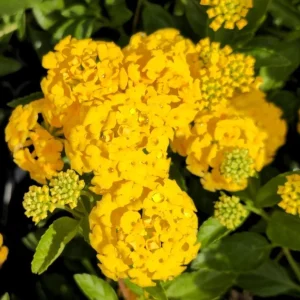
Flowers
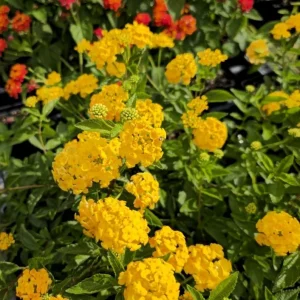
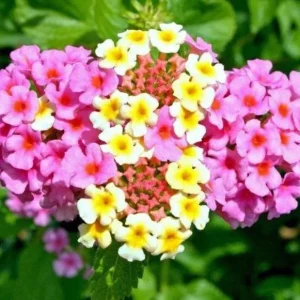
Set of 2 New Gold Lantana Live Plants – 4-6″ Tall – Yellow Flowers – Attracts Pollinators – Outdoor
Sold 63 products
Original price was: $32.18.$16.09Current price is: $16.09.
Sold 83 products
Original price was: $112.96.$67.78Current price is: $67.78.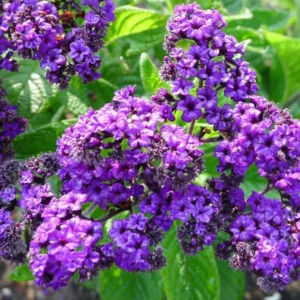
Flower Plants
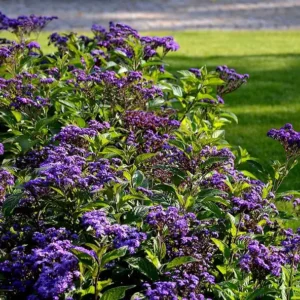
Heliotrope Fragrant Delight Live Plants – Set of 2, 3-6″ Tall, Violet Fragrant Flowers
Sold 98 products
Original price was: $41.97.$13.99Current price is: $13.99.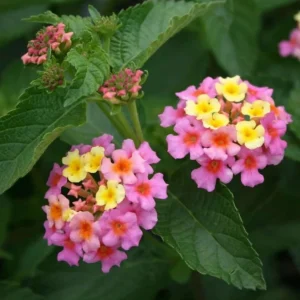
Sold 65 products
Original price was: $30.78.$15.39Current price is: $15.39.
Sold 58 products
Original price was: $39.98.$31.98Current price is: $31.98.
Sold 76 products
Original price was: $39.98.$19.99Current price is: $19.99.


Reviews
There are no reviews yet.