
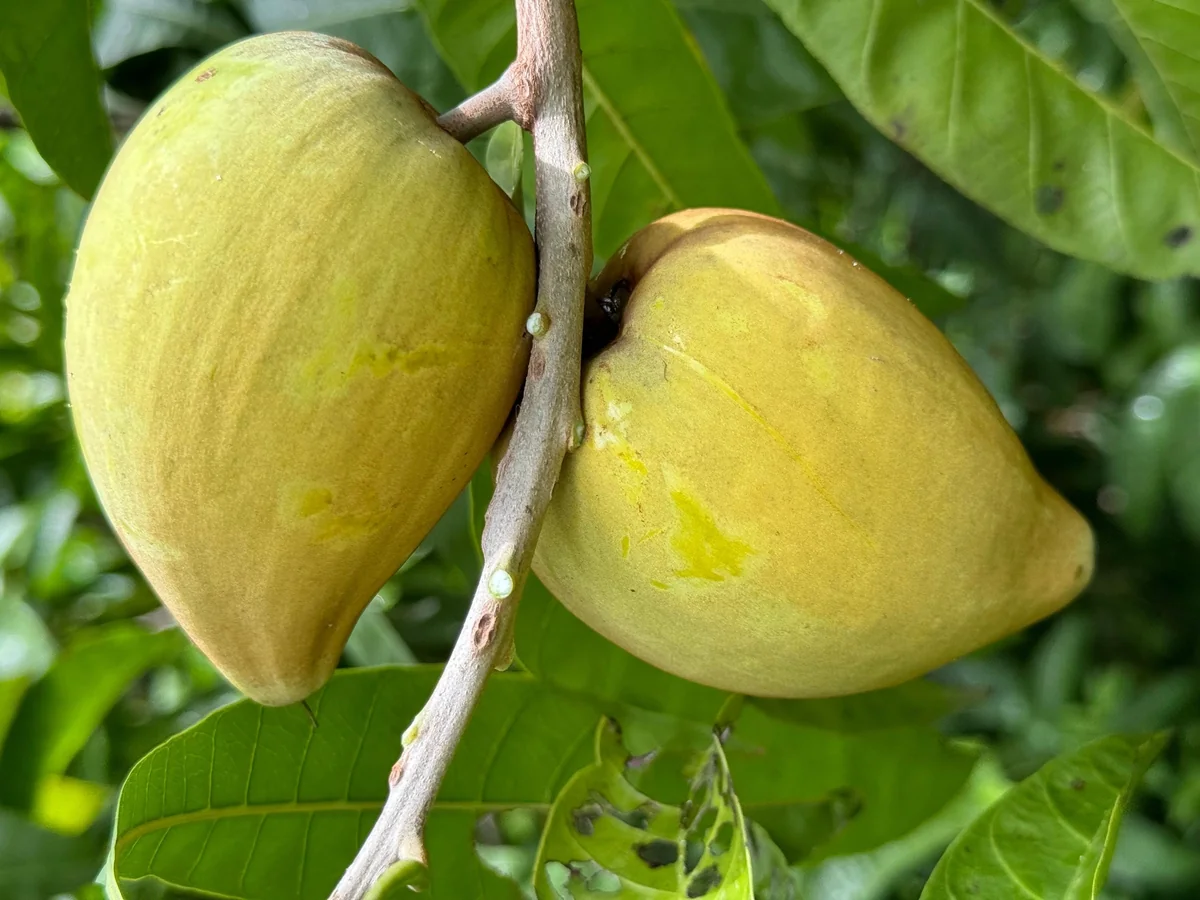
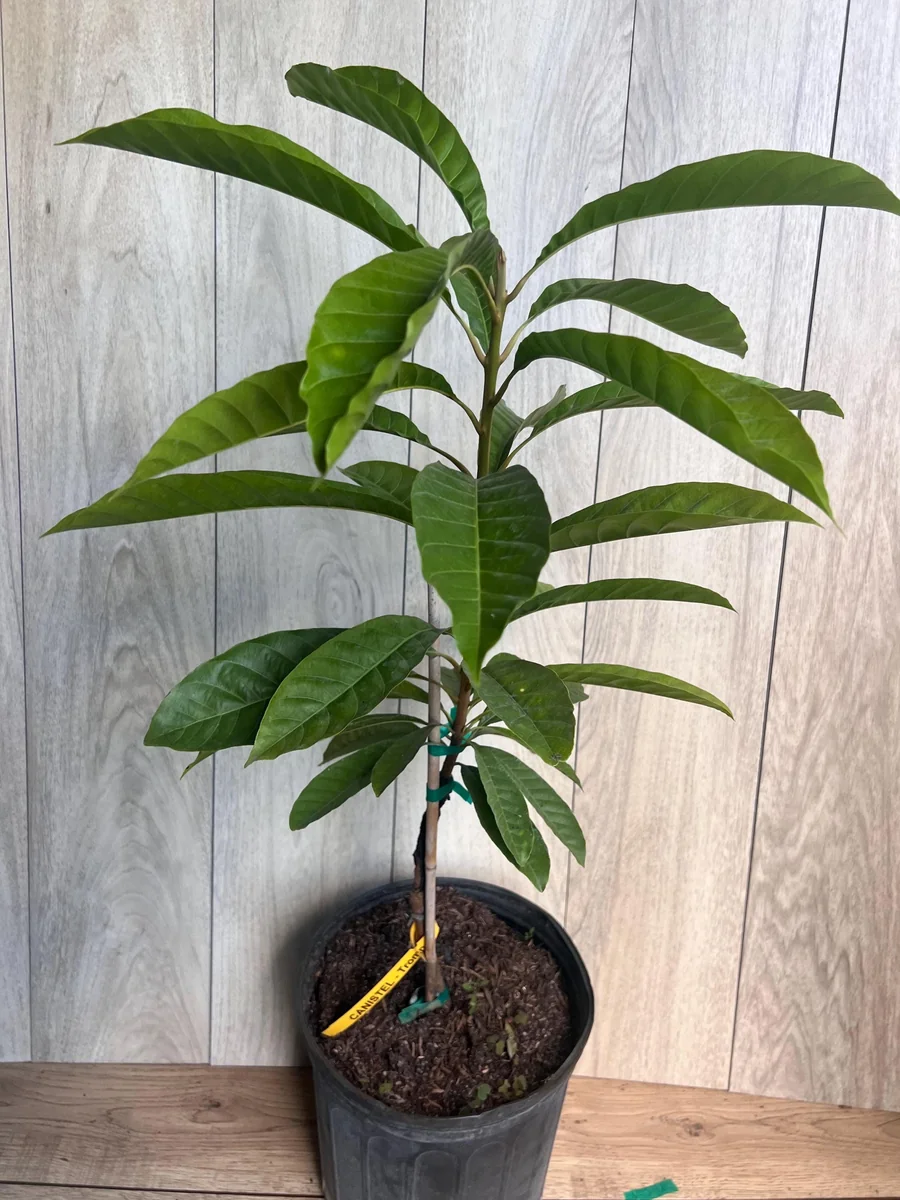
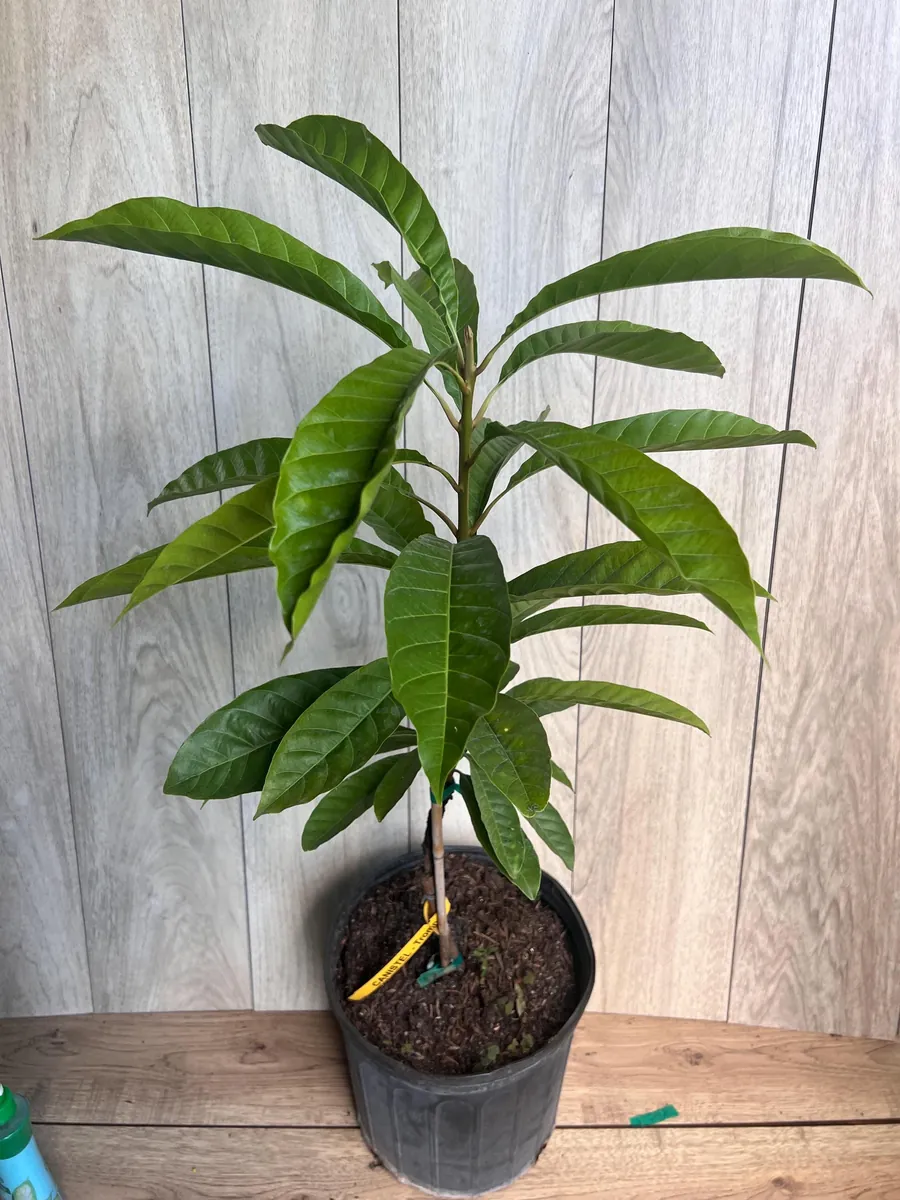
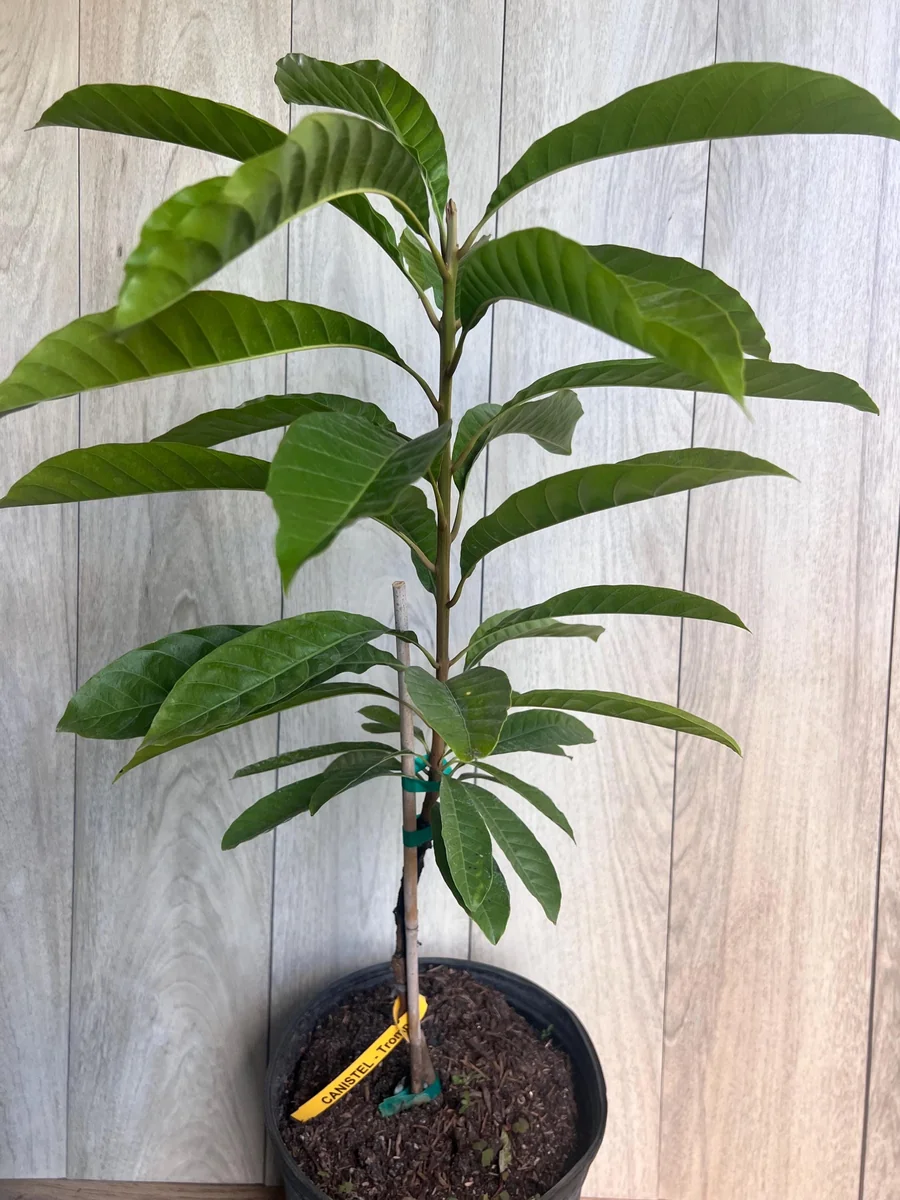
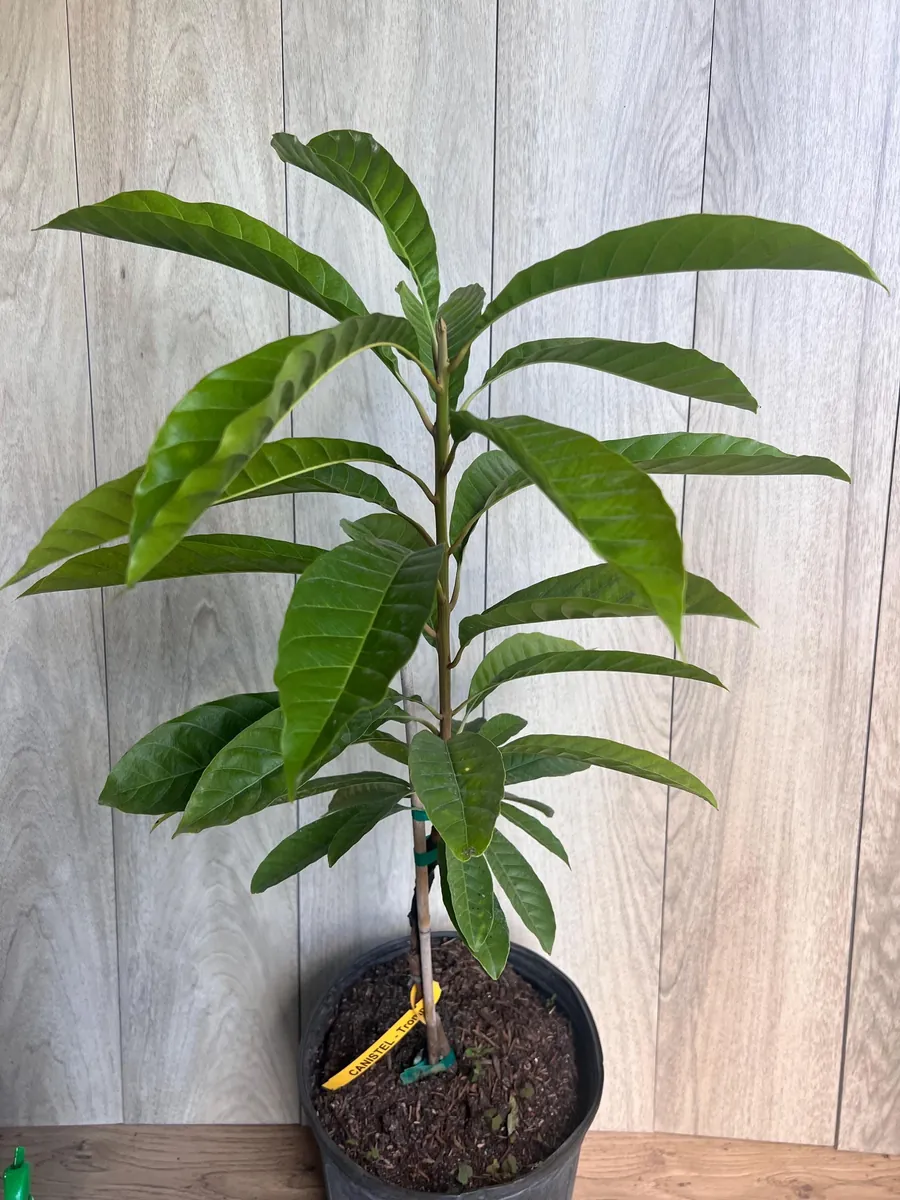
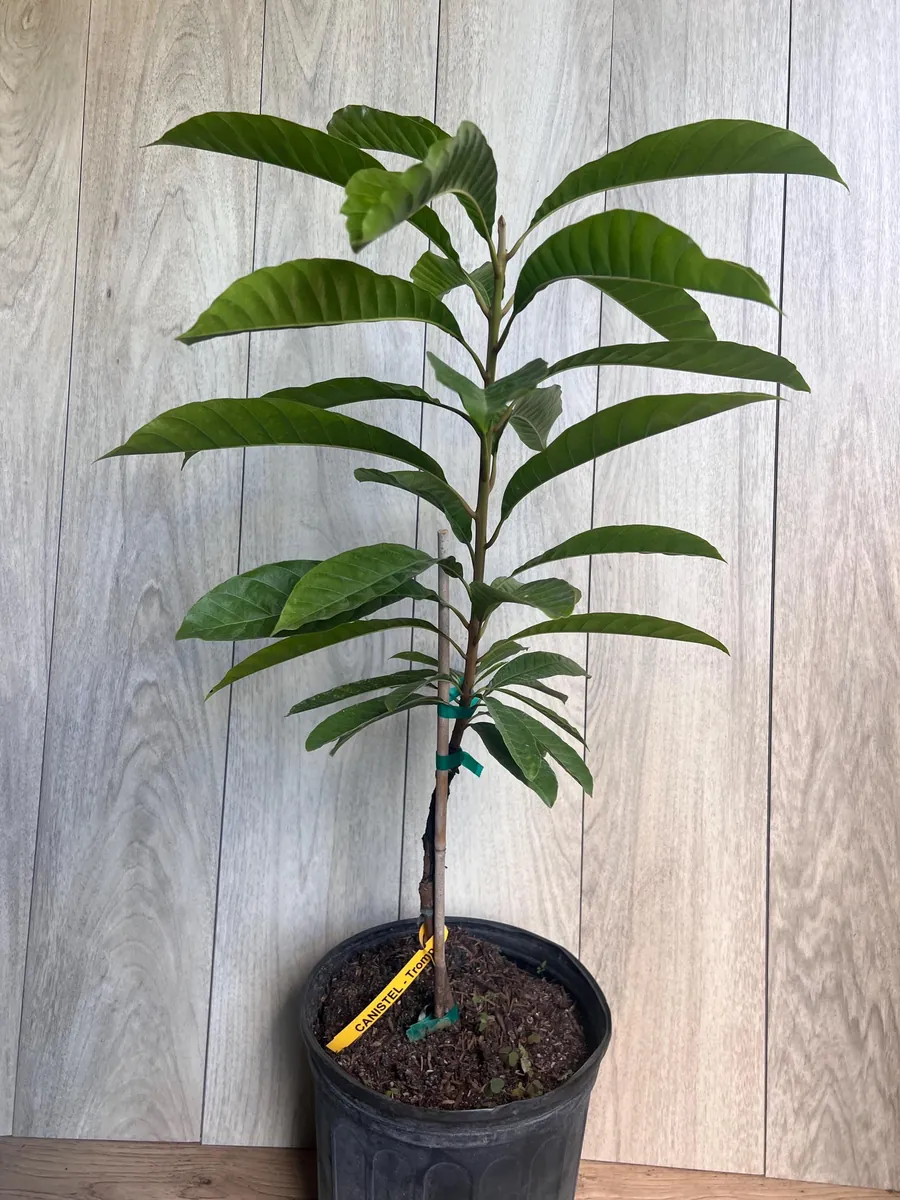
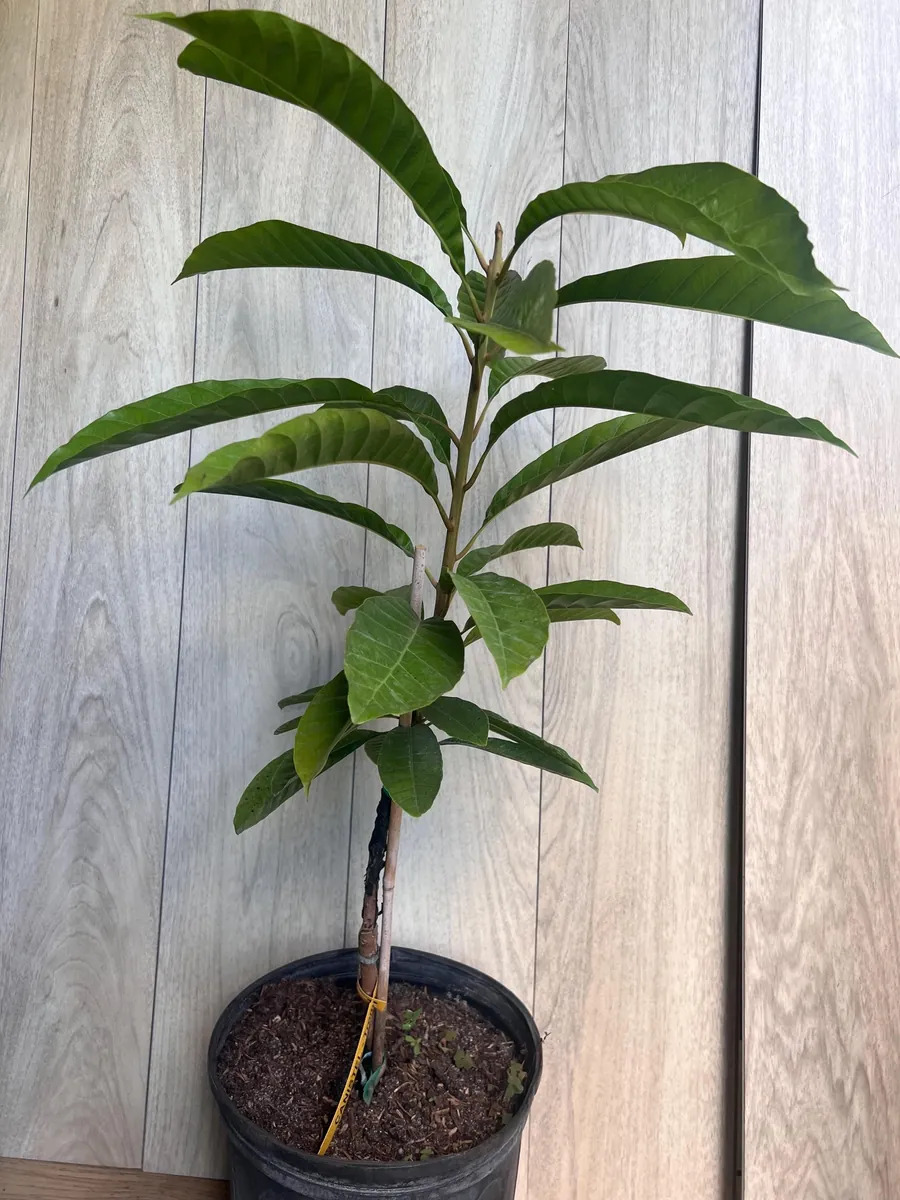
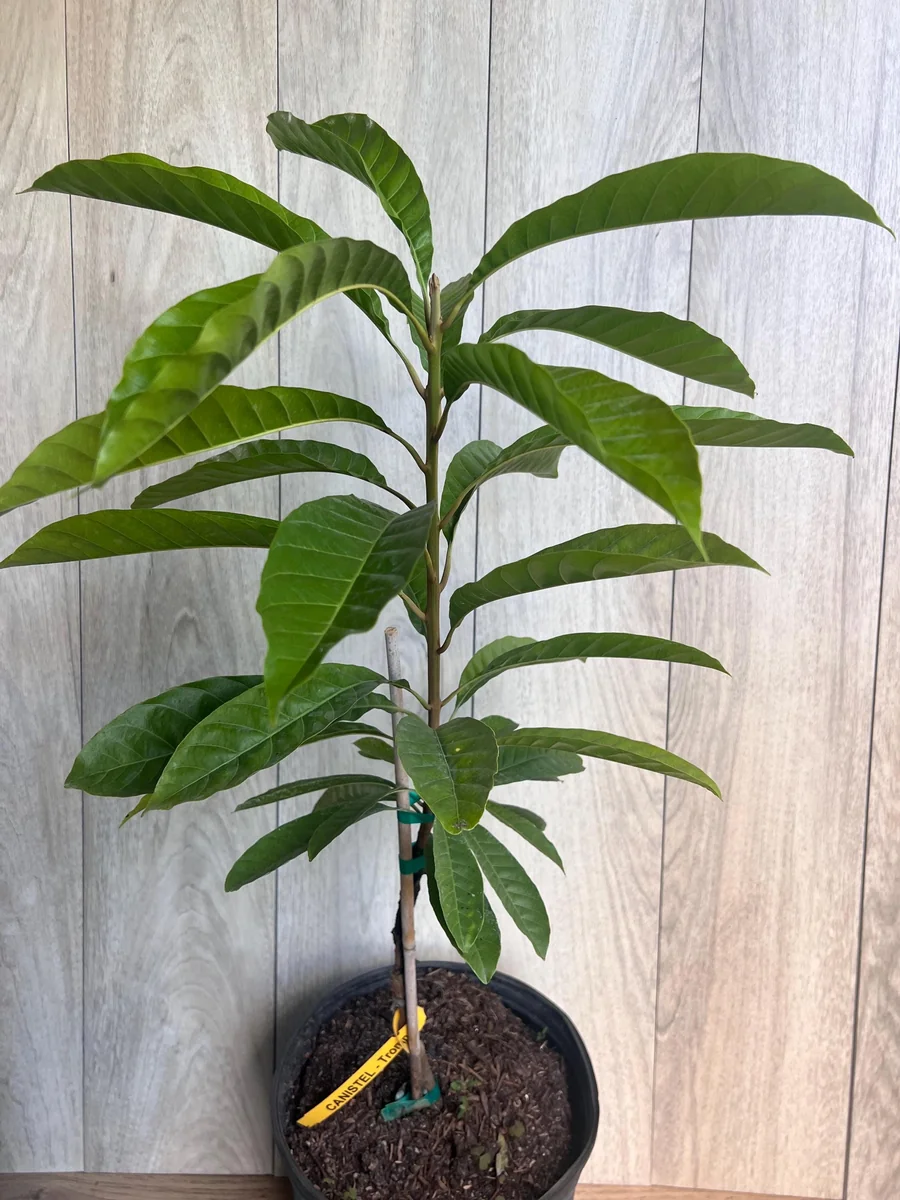
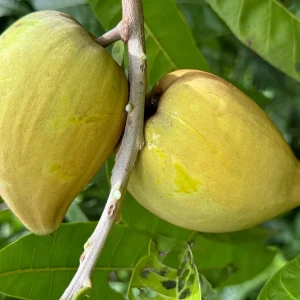
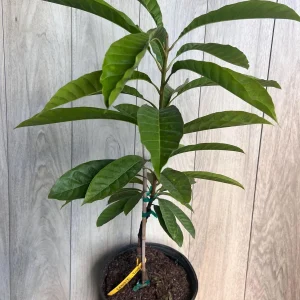
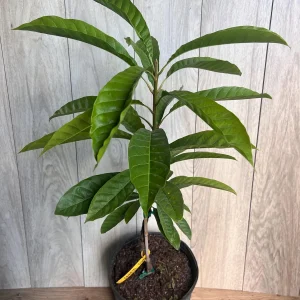
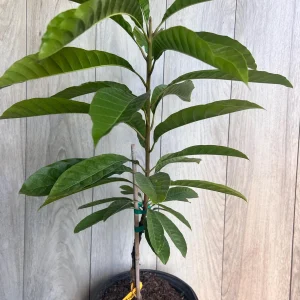
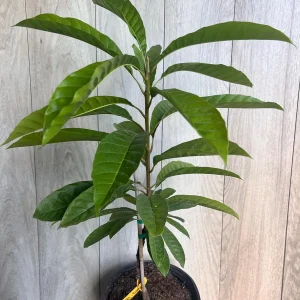
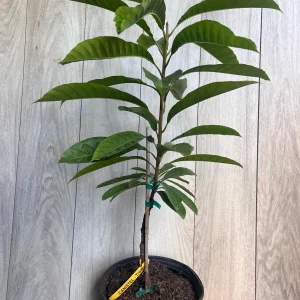
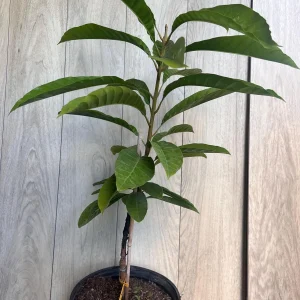
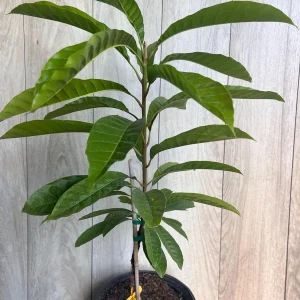
Canistel Grafted Tree Live Plant – 3 Gallon Pot – Eggfruit Custard Fruit
Original price was: $188.90.$113.34Current price is: $113.34.
Cultivate your own tropical delight with this canistel grafted tree, also known as eggfruit live plant. Arriving in a 3-gallon pot, this healthy specimen is ready to produce its unique, sweet, custard-like fruit. Perfect for warm climates (USDA Zones 10-11) and culinary enthusiasts.
-
USDA Hardiness Zone
USDA Zones 10–11 -
Soil Type
Well-draining, slightly acidic to neutral pH (6.0–7.5) -
Sunlight Exposure
Full sun -
Expected Planting Period
Year-round in warm climates

You can track your order HERE
Mar 04
Mar 09 - Mar 11
Mar 14 - Mar 18
Shipping and return policies: Our Alive & Thrive Guarantee covers issues with your plants within the first 30 days. Reach out to us. Our team will answer your questions and help you find the plants that are truly suitable for your environment, climate, and personal preferences.

Overview
Indulge in the exotic delight of a canistel grafted tree, a premium variety of the beloved eggfruit. This vigorous and healthy specimen, often referred to as the eggfruit live plant, arrives ready for planting in a generous 3-gallon pot. The Canistel tree, scientifically known as Pouteria campechiana, is celebrated for its unique golden-yellow fruit with a rich, velvety sweetness and a smooth, creamy texture reminiscent of pumpkin pie or sweet potato. This tropical treasure is a must-have for fruit connoisseurs and those looking to add a distinctive and productive tree to their garden. Grafted varieties ensure earlier fruiting and consistent fruit quality, making this an excellent choice for both experienced growers and enthusiastic beginners. Prepare to harvest abundant, delicious fruit that can be enjoyed fresh, in shakes, or as a delightful addition to various desserts.
The canistel grafted tree is not just a source of delicious fruit; it’s also a beautiful addition to any landscape, offering lush green foliage and a relatively compact growth habit when properly maintained. Its adaptability to container growing also makes it suitable for patios and smaller spaces in appropriate climates. Experience the joy of growing your own superfruit, packed with nutrients and unparalleled flavor.
Key Benefits
Adding a canistel grafted tree to your garden offers a wealth of advantages, transforming your outdoor space into a tropical paradise while providing a constant supply of unique fruit. This tree is more than just a plant; it’s an investment in flavor, health, and horticultural enjoyment.
- Exotic Fruit Production: Enjoy the unique, custard-like fruit with a sweet, rich flavor perfect for fresh eating, smoothies, and desserts. The eggfruit live plant yields a truly distinctive culinary experience.
- Nutrient-Rich Superfruit: Canistel fruit is packed with vitamins, minerals, and antioxidants, making it a healthy and delicious addition to your diet. Discover the many canistel fruit benefits for your well-being.
- Earlier Fruiting: As a grafted tree, it typically begins producing fruit sooner than trees grown from seed, offering quicker gratification for your gardening efforts.
- Adaptable Growth: While thriving in warm climates, the canistel grafted tree can also be grown in large containers, allowing for cultivation in cooler regions with proper winter protection.
- Attractive Ornamental Value: Beyond its fruit, the Canistel tree features attractive, dense foliage, providing a beautiful tropical aesthetic to your landscape or patio.
- Relatively Low Maintenance: Once established, the Canistel tree requires moderate care, making it a rewarding choice for gardeners looking for productive yet manageable fruit trees.
- Unique Culinary Versatility: The fruit’s texture and flavor lend themselves to a wide array of culinary applications, from savory to sweet, inspiring creative kitchen experiments.
Plant Care & Growing Tips
Caring for your canistel grafted tree is a rewarding experience that will lead to abundant harvests. This tropical fruit tree thrives with specific conditions that mimic its native environment. For optimal growth and fruiting, ensure your eggfruit live plant receives full sun exposure. It requires at least 6-8 hours of direct sunlight daily to produce the best quality and quantity of fruit. Plant your tree in well-draining soil with a slightly acidic to neutral pH (6.0–7.5). Sandy or loamy soils are ideal, as good drainage is crucial to prevent root rot. If planting multiple trees, space them 20–30 feet apart to allow for mature growth.
Watering is critical, especially for young trees. Water 2–3 times per week until the tree is well-established. Mature trees will benefit from deep watering every 7–10 days during dry periods. Always check the soil moisture before watering to avoid overwatering, which can be detrimental. When it comes to fertilization, young trees should receive a balanced fertilizer (e.g., 8-3-9 or 10-10-10) 3–4 times a year. As the tree matures and begins to fruit, switch to a fertilizer high in potassium and phosphorus to support fruit production. Organic compost or mulch can also be beneficial, improving soil structure and retaining moisture. Understanding how to best maintain and protect your tree is key to growing canistel tree successfully.
Pruning should be done to shape the tree, remove any dead or crossing branches, and maintain its size. Light annual pruning after harvest can encourage more branching and improve fruit yield. The canistel grafted tree is generally pest-resistant, but keep an eye out for scales, aphids, or mealybugs; these can typically be treated with neem oil or insecticidal soap. Preventing root rot and anthracnose is best achieved through good drainage and air circulation. The Canistel tree is best suited for tropical and subtropical regions, specifically USDA Zones 10–11, as it does not tolerate frost. If you are in a cooler zone, consider container growing and bringing the tree indoors during colder months. Knowing the specifics of canistel plant care will ensure a thriving tree for many years.
Size & Details
This offering is for one robust canistel grafted tree, meticulously grown and shipped in a 3-gallon nursery pot. The tree’s height will vary depending on its growth stage but is typically well-established and ready for transplanting upon arrival. Grafted trees like this one are selected for their superior fruit quality and earlier fruiting capabilities compared to seed-grown counterparts. While the exact mature height can depend on growing conditions and pruning, Canistel trees generally reach heights of 20-30 feet in optimal outdoor conditions, though they can be maintained at smaller sizes with regular pruning, especially when container-grown. The 3-gallon pot provides ample root space for the tree to continue developing a strong root system before being moved to its final location in the ground or a larger container (25+ gallons).
The fruit typically ripens in winter to early spring, turning a distinctive golden yellow when ready for harvest. The skin may become slightly wrinkled as it reaches peak ripeness, and the flesh should be soft and custard-like. This eggfruit live plant offers a moderate growth rate, allowing you to enjoy its beauty and bounty within a few years of planting. The careful grafting process ensures that you receive a tree with desirable characteristics, making it a valuable addition to any fruit tree collection.
Frequently Asked Questions
- Q: How big does this canistel grafted tree get? A: In ideal conditions, a canistel grafted tree can reach 20-30 feet tall. However, its size can be managed with regular pruning, and it can be kept smaller, especially when grown in large containers.
- Q: What size pot does the canistel tree come in? A: This eggfruit live plant is shipped in a 3-gallon nursery pot, providing a good head start for its root development before transplanting.
- Q: Is this an indoor or outdoor plant? A: The canistel grafted tree is primarily an outdoor plant for tropical and subtropical climates (USDA Zones 10-11). It can be grown indoors in large containers in cooler zones, provided it receives sufficient light and warmth.
- Q: How much sunlight does the canistel tree need? A: This tree requires full sun exposure, meaning at least 6-8 hours of direct sunlight daily, for optimal growth and fruit production.
- Q: Is this plant easy to care for? A: Once established, the canistel grafted tree is moderately easy to care for. It requires consistent watering, appropriate fertilization, and protection from frost. Understanding canistel plant care basics will ensure success.
- Q: What condition will it arrive in? A: Your eggfruit live plant will arrive as a healthy, well-rooted specimen in its 3-gallon pot, carefully packaged to ensure its safe journey.
- Q: How long until it produces fruit? A: As a grafted tree, it typically begins producing fruit much sooner than seed-grown trees, often within 2-4 years of planting, depending on growing conditions and care.
- Q: Can I grow the canistel tree in a container? A: Yes, the canistel grafted tree can be successfully grown in a large container (25+ gallons) with regular pruning and more frequent watering and feeding. This is a common method for growing canistel tree in cooler climates.
- Q: What are the main canistel fruit benefits? A: The fruit is known for being rich in vitamins, minerals, and antioxidants, contributing to overall health and well-being. It’s a nutritious and delicious superfruit.
- Q: Will it survive winter in my zone? A: This tree is not frost-tolerant and thrives in USDA Zones 10–11. If you live in a colder zone, you will need to provide winter protection or grow it in a container that can be moved indoors.
Be the first to review “Canistel Grafted Tree Live Plant – 3 Gallon Pot – Eggfruit Custard Fruit”
People Also Viewed
HousePlants
Lithops Live Plants Mix – 30 Colorful Succulents – Living Stones for Indoor/Outdoor Planting
Sold 64 products
Original price was: $65.98.$32.99Current price is: $32.99.
Sold 96 products
Original price was: $34.88.$17.44Current price is: $17.44.
Sold 50 products
Original price was: $216.00.$108.00Current price is: $108.00.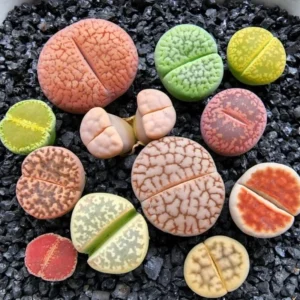
Sold 96 products
Original price was: $39.98.$19.99Current price is: $19.99.
Sold 51 products
Original price was: $38.36.$19.18Current price is: $19.18.
Sold 90 products
Original price was: $47.96.$23.98Current price is: $23.98.
Sold 76 products
Original price was: $47.96.$23.98Current price is: $23.98.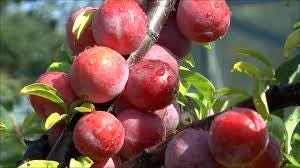
Sold 69 products
From $103.80
Sold 94 products
Original price was: $24.35.$7.74Current price is: $7.74.
Sold 79 products
Original price was: $31.98.$22.38Current price is: $22.38.
Sold 81 products
Original price was: $70.98.$35.49Current price is: $35.49.
Sold 72 products
From $61.58

Sold 62 products
From $147.80
Sold 62 products
Original price was: $39.98.$19.99Current price is: $19.99.
Sold 98 products
Original price was: $60.76.$30.38Current price is: $30.38.
Flower Plants
Orange Bird of Paradise Plant – Live Tropical Houseplant – 5-10 Inches – Exotic Blooms
Sold 70 products
Original price was: $57.98.$28.99Current price is: $28.99.
Sold 62 products
Original price was: $65.98.$32.99Current price is: $32.99.
Sold 81 products
Original price was: $67.96.$40.78Current price is: $40.78.



Reviews
There are no reviews yet.