
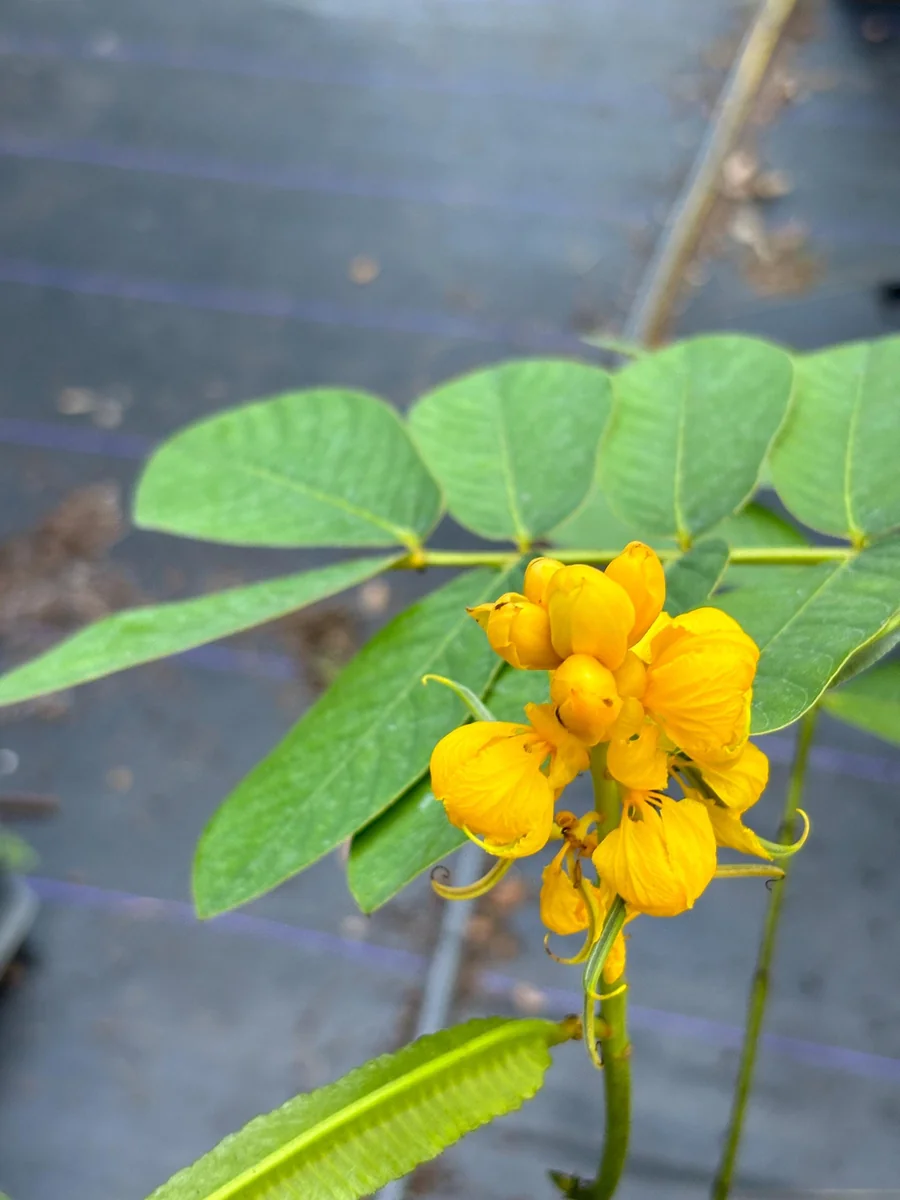
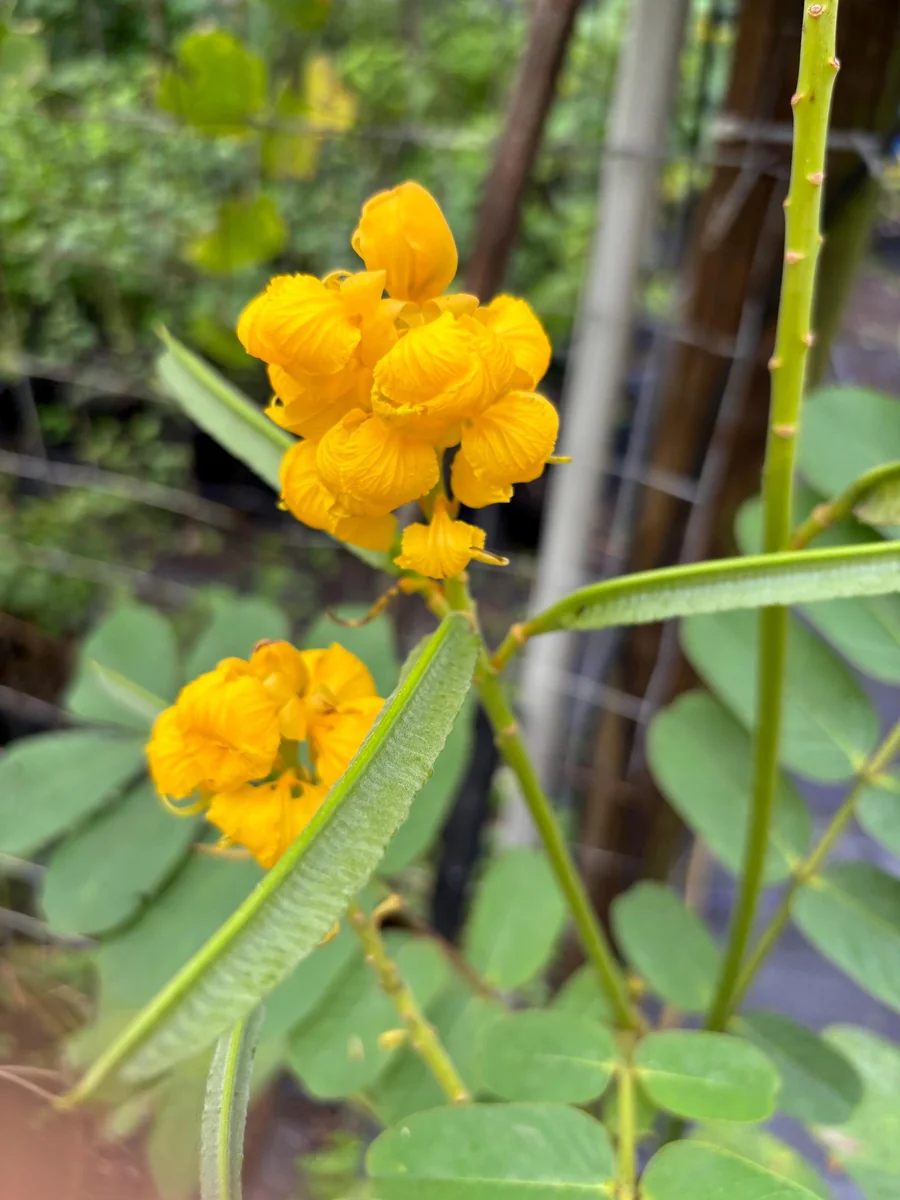
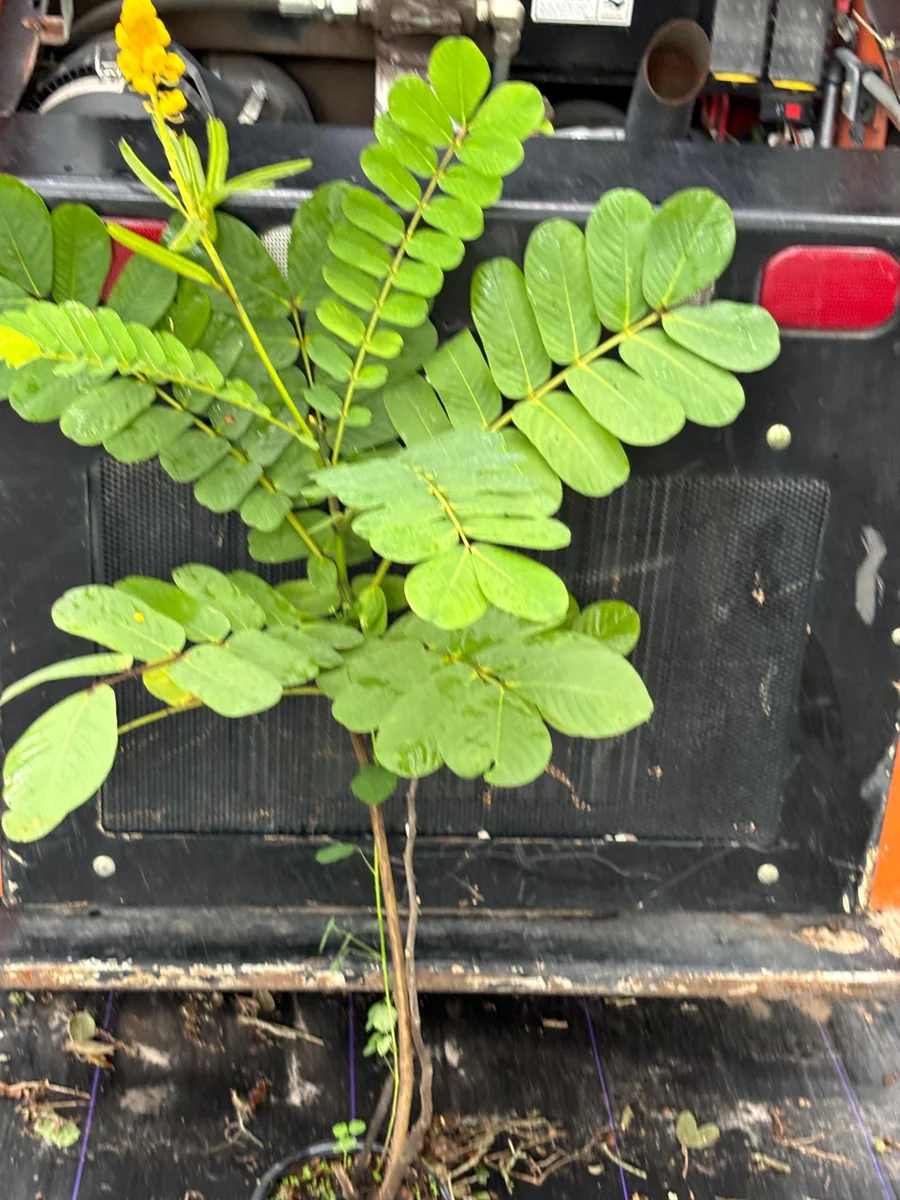
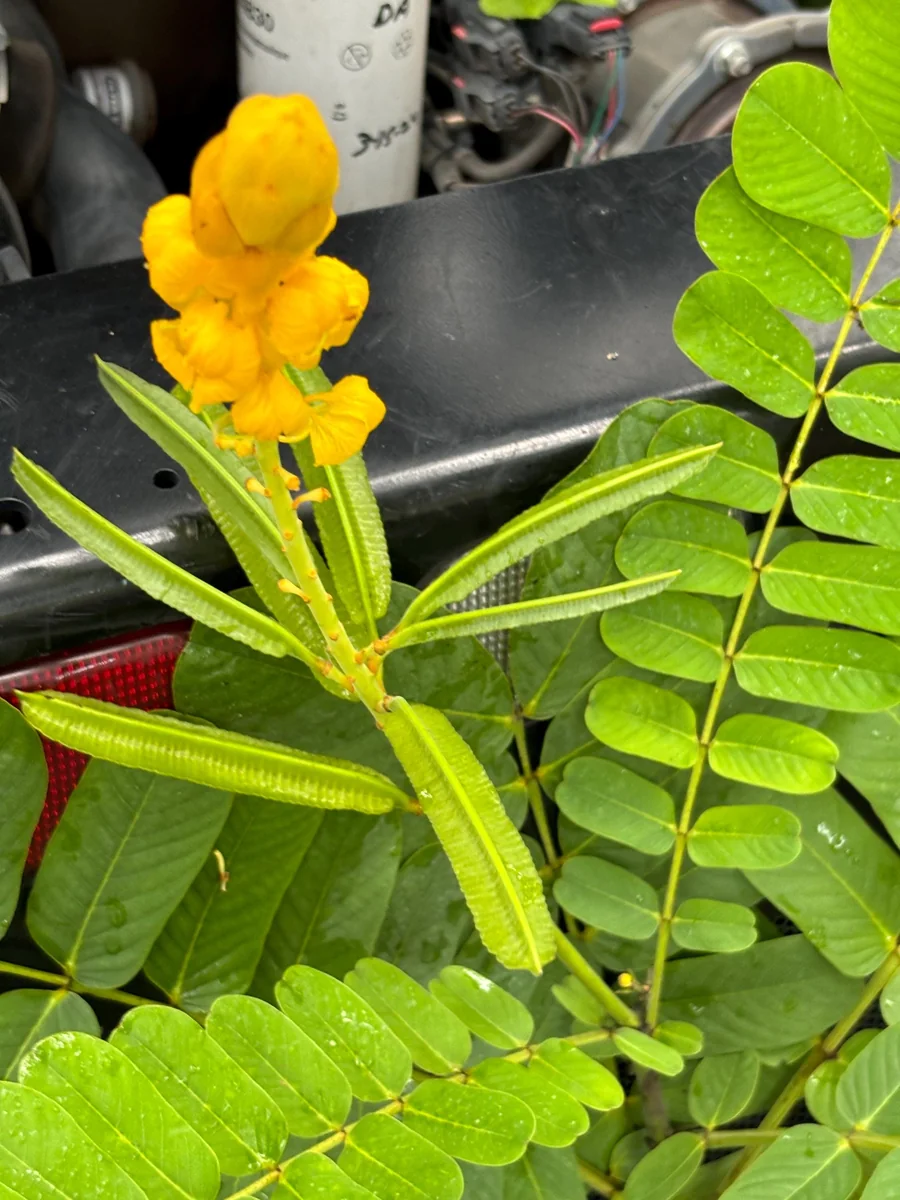
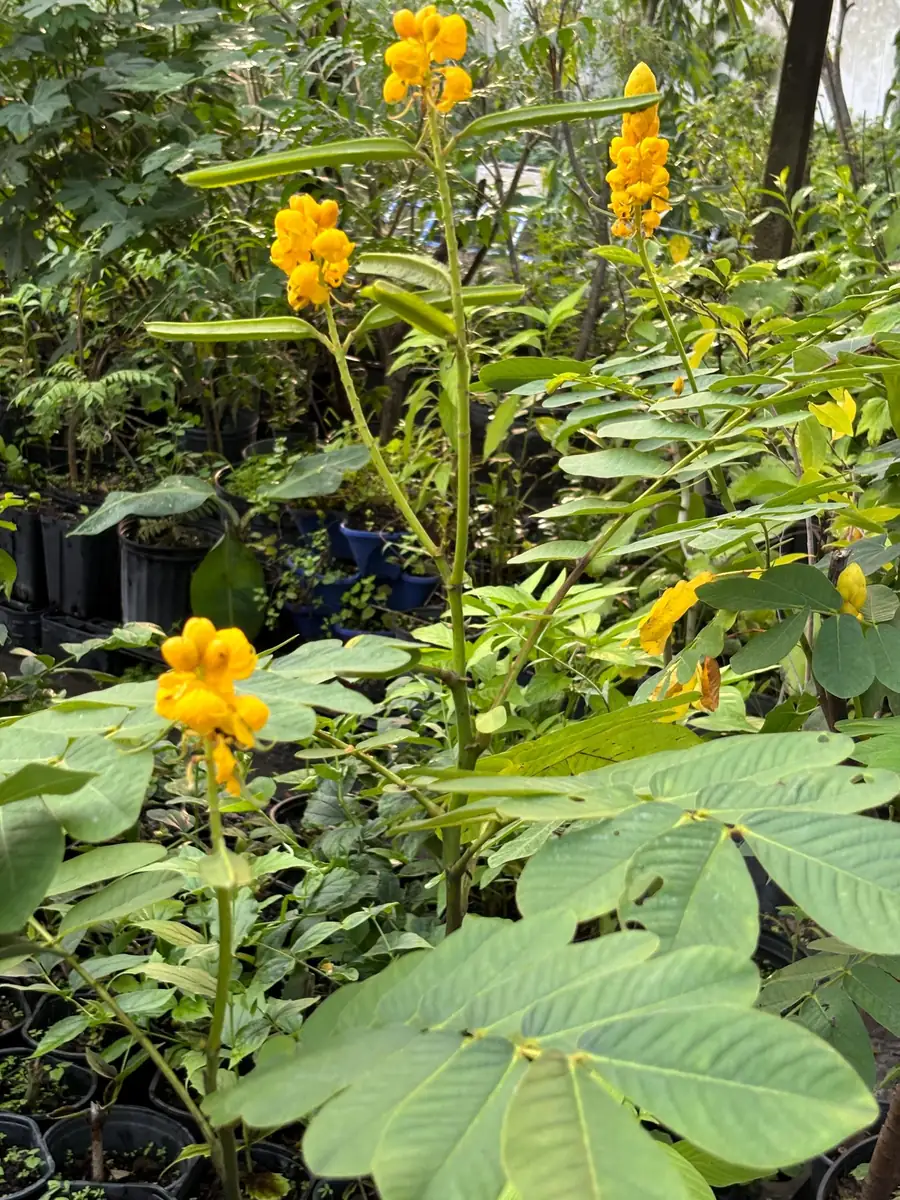
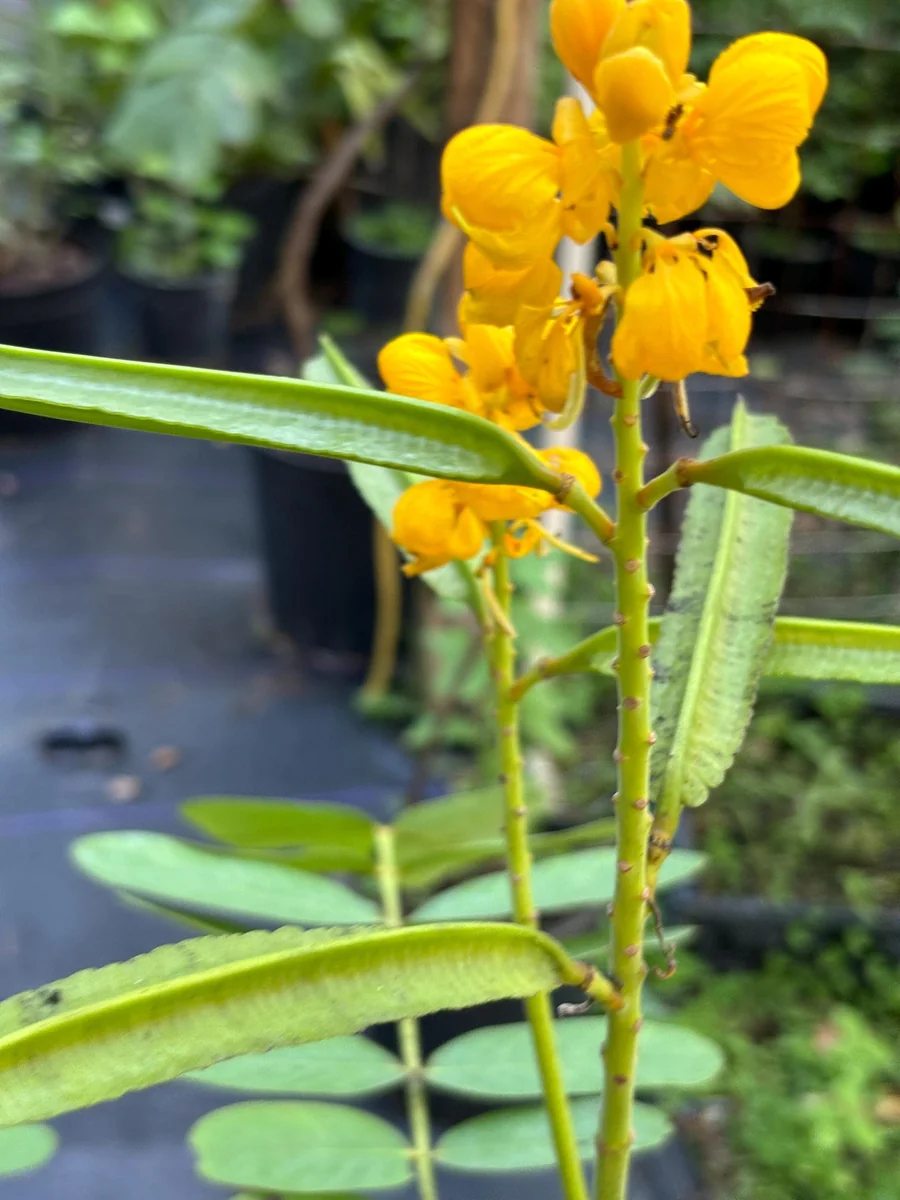
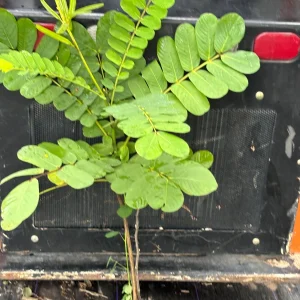
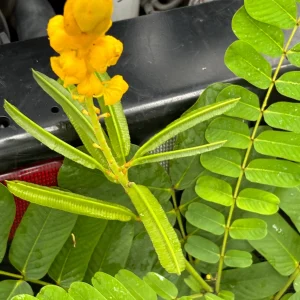
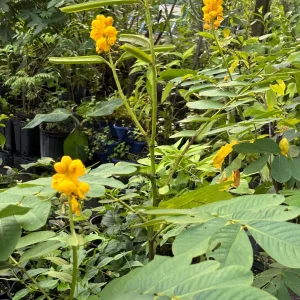
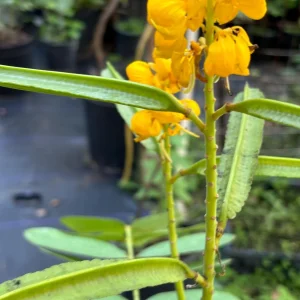
Candlestick Tree Live Plant – Senna alata – Yellow Flower – 2Ft Tall – 6 Inch Pot
Original price was: $192.00.$96.00Current price is: $96.00.
Bring tropical beauty to your garden with the stunning candlestick tree live plant, botanically known as Senna alata. This 2-foot tall specimen, currently in a 6-inch pot, produces magnificent yellow flowers resembling candles, adding a vibrant touch to any landscape. Ideal for warm climates and as a focal point.
-
USDA Hardiness Zone
USDA Zones 9-11 -
Soil Type
Well-draining, fertile soil -
Sunlight Exposure
Full sun -
Expected Planting Period
Spring to early summer outdoors, year-round indoors

You can track your order HERE
Mar 04
Mar 09 - Mar 11
Mar 14 - Mar 18
Shipping and return policies: Our Alive & Thrive Guarantee covers issues with your plants within the first 30 days. Reach out to us. Our team will answer your questions and help you find the plants that are truly suitable for your environment, climate, and personal preferences.

Overview
The candlestick tree live plant, scientifically known as Senna alata (formerly Cassia alata), is a magnificent and fast-growing tropical shrub or small tree celebrated for its dramatic, candle-like yellow flower spikes. This particular specimen stands at a healthy 2 feet tall and comes ready to thrive in a 6-inch pot, making it an excellent addition to any garden or patio. Native to tropical regions, the Senna alata plant is not only prized for its ornamental value but also holds historical significance in traditional medicine. Its vibrant blossoms create a spectacular display, especially during its peak flowering season, attracting pollinators and delighting onlookers. Whether you’re a seasoned gardener or a passionate beginner, the candlestick tree live plant offers an exotic flair and a rewarding growing experience.
Often referred to as the ‘candle bush’ due to its unique flower formation, this plant brings a touch of the tropics to your outdoor space. Its lush green foliage provides a beautiful backdrop for the brilliant yellow blooms that emerge in upright clusters, resembling lit candles. This robust and resilient plant is relatively easy to care for, making it suitable for various garden styles, from tropical landscapes to mixed borders. The yellow flowering tree aspect ensures a splash of sunny color, enhancing the aesthetic appeal of its surroundings. Embrace the beauty and versatility of this remarkable plant and watch your garden transform into a vibrant oasis.
Key Benefits
The candlestick tree live plant offers a multitude of benefits, making it a highly desirable addition to any garden. Its striking appearance and ecological contributions are just a few reasons why this plant is so beloved. Here are some of the key advantages:
- Spectacular Ornamental Value: The primary appeal of the candlestick tree live plant lies in its stunning, upright yellow flower spikes. These unique blooms resemble candles, creating a spectacular visual display that can become a focal point in any garden or landscape. The vibrant yellow color adds a cheerful and exotic touch.
- Attracts Pollinators: The bright flowers of the Senna alata plant are a magnet for various pollinators, including bees and butterflies. By planting this tree, you contribute to local biodiversity and support the health of your garden ecosystem. It’s a wonderful way to bring life and movement to your outdoor space.
- Fast Growing and Resilient: This tropical plant is known for its vigorous growth rate and resilience. It establishes quickly and can reach impressive sizes in optimal conditions, providing rapid landscaping solutions. Its robust nature makes it relatively forgiving for gardeners.
- Medicinal Properties: Historically, the Cassia alata plant has been valued in traditional medicine for its various uses, particularly for skin conditions and as a laxative. While we focus on its ornamental benefits, its cultural significance adds another layer of interest to this versatile species.
- Low Maintenance: Once established, the candlestick tree is relatively low maintenance. It tolerates a range of soil conditions and is generally pest and disease resistant, making it an excellent choice for gardeners seeking high impact with minimal fuss.
- Screening and Hedging Potential: Due to its dense foliage and rapid growth, the candlestick tree live plant can be effectively used for creating privacy screens, hedges, or windbreaks in appropriate climates. Its height and spread offer natural partitioning for garden spaces.
- Tropical Aesthetic: For those looking to create a tropical garden paradise, the candlestick tree is an indispensable element. Its large leaves and exotic flowers instantly transport you to warmer climates, enhancing the overall ambiance of your outdoor living area.
Plant Care & Growing Tips
Caring for your candlestick tree live plant (Senna alata) is straightforward, especially when provided with the right conditions. This tropical beauty thrives in warm environments and with proper attention, will reward you with abundant blooms. Understanding its specific needs for sunlight, water, soil, and temperature is crucial for its healthy growth and vibrant flowering.
Sunlight Requirements: The Senna alata plant flourishes in full sun, meaning it needs at least 6-8 hours of direct sunlight per day to produce its best flowers. While it can tolerate partial shade, too little sun may result in fewer blooms and leggy growth. If planting outdoors, choose a location that receives ample morning and afternoon sun. For indoor cultivation, place it near a south-facing window or provide supplemental grow lights to ensure adequate light exposure.
Watering Schedule and Soil Moisture: This plant prefers consistently moist, but not waterlogged, soil. Water thoroughly when the top inch or two of soil feels dry to the touch. During hot, dry periods, it may require more frequent watering. Ensure good drainage to prevent root rot, as the yellow flowering tree does not tolerate standing water. Reduce watering slightly during cooler months when the plant’s growth slows down.
Soil Type and Drainage Requirements: The candlestick tree live plant is adaptable to various soil types but performs best in fertile, well-draining soil. A slightly acidic to neutral pH (6.0-7.0) is ideal. Amend heavy clay soils with organic matter like compost or perlite to improve drainage and aeration. For potted plants, use a high-quality potting mix designed for tropical plants, ensuring it allows water to drain freely from the bottom of the pot.
Temperature Range and USDA Hardiness Zone: Being a tropical plant, Senna alata is sensitive to cold. It thrives in warm temperatures and is generally hardy in USDA Zones 9-11. In these zones, it can be grown as a perennial. In colder climates, it can be grown as an annual or brought indoors during winter to protect it from frost. It prefers temperatures above 50°F (10°C) and can be damaged by prolonged exposure to freezing temperatures.
Fertilization Schedule and Type: Fertilize your candlestick tree live plant during the growing season (spring and summer) with a balanced, all-purpose liquid fertilizer every 4-6 weeks. Alternatively, you can use a slow-release granular fertilizer at the beginning of spring. Reduce or cease fertilization during fall and winter when the plant is not actively growing. Always follow the product instructions for application rates.
Pruning and Maintenance: Pruning helps maintain a bushy shape, encourages more blooms, and removes any dead or damaged branches. Prune after the main flowering period or in early spring before new growth begins. Pinching back young stems can promote branching. Regular inspection for pests and diseases is also recommended; address any issues promptly with appropriate organic or chemical treatments.
Size & Details
This candlestick tree live plant is currently 2 feet tall, measured from the base of the pot to the top of the plant, and is comfortably rooted in a 6-inch nursery pot. This size makes it ideal for immediate planting in your garden or for continued growth in a larger container on your patio or indoors. The Senna alata plant is known for its rapid growth rate, and in optimal conditions, it can quickly mature into a large shrub or small tree, reaching heights of 10-15 feet in warmer climates. Its spread can be equally impressive, often growing 6-10 feet wide, creating a dense and vibrant presence.
You will receive a healthy, actively growing specimen that has been carefully nurtured. It is shipped as a potted plant, ensuring minimal stress during transit and a smooth transition to its new environment. Expect the magnificent yellow candle-like flowers to appear from late summer through fall, providing a spectacular seasonal display. While this particular specimen is 2 feet tall, its potential for growth is significant, offering years of tropical beauty. The tropical garden plant is a wonderful choice for creating an exotic focal point or adding a bold splash of color to your landscape.
Frequently Asked Questions
- Q: How big does this candlestick tree live plant get? A: This particular plant is 2 feet tall in a 6-inch pot. In ideal conditions, the Senna alata plant can grow into a large shrub or small tree, reaching heights of 10-15 feet and a spread of 6-10 feet, especially in its preferred warm climates.
- Q: What size pot does it come in? A: The candlestick tree live plant is shipped in a 6-inch nursery pot, providing a good start for its growth. You can transplant it into a larger pot or directly into the ground once it has acclimated to its new environment.
- Q: Is this an indoor or outdoor plant? A: The candlestick tree live plant is primarily an outdoor plant, thriving in tropical and subtropical climates (USDA Zones 9-11). In colder regions, it can be grown as an annual or brought indoors during winter to protect it from frost.
- Q: How much sunlight does it need? A: This yellow flowering tree requires full sun, ideally 6-8 hours of direct sunlight daily, to produce the most abundant flowers. It can tolerate partial shade, but flowering may be reduced.
- Q: Is this plant easy to care for? A: Yes, the candlestick tree live plant is considered relatively easy to care for once established. It’s resilient and tolerant of various soil conditions, making it suitable for gardeners of different experience levels.
- Q: What condition will it arrive in? A: Your tropical garden plant will arrive as a healthy, actively growing potted plant, carefully packed to minimize stress during shipping. Some minor leaf drop might occur due to transit, but the plant will quickly recover.
- Q: When is the best time to plant? A: The best time to plant your candlestick tree live plant outdoors is in spring or early summer, after all danger of frost has passed. This allows the plant ample time to establish itself before cooler weather.
- Q: Will it survive winter in my zone? A: The Senna alata plant is hardy in USDA Zones 9-11. If you are in a colder zone, you will need to protect it from frost by bringing it indoors or treating it as an annual.
- Q: What’s the minimum temperature it can tolerate? A: The candlestick tree live plant prefers temperatures above 50°F (10°C). Prolonged exposure to temperatures below this can cause damage, and it will not survive freezing temperatures.
- Q: Does the Cassia alata plant have any special soil requirements? A: It thrives in fertile, well-draining soil with a slightly acidic to neutral pH. Good drainage is key to prevent root issues.
Be the first to review “Candlestick Tree Live Plant – Senna alata – Yellow Flower – 2Ft Tall – 6 Inch Pot”
People Also Viewed

Sold 70 products
Original price was: $19.16.$9.58Current price is: $9.58.
Sold 53 products
Original price was: $47.96.$23.98Current price is: $23.98.
Sold 69 products
Original price was: $39.98.$19.99Current price is: $19.99.
Sold 69 products
Original price was: $39.98.$19.99Current price is: $19.99.
Sold 50 products
Original price was: $199.60.$99.80Current price is: $99.80.
Sold 99 products
Original price was: $147.16.$73.58Current price is: $73.58.
Sold 97 products
From $59.80
Sold 62 products
From $79.96
Sold 88 products
From $99.80
Sold 79 products
Original price was: $75.96.$37.98Current price is: $37.98.
Sold 66 products
Original price was: $45.99.$25.99Current price is: $25.99.
Sold 54 products
Original price was: $69.98.$34.99Current price is: $34.99.
Sold 94 products
Original price was: $43.99.$23.99Current price is: $23.99.
Sold 100 products
From $79.80
Sold 92 products
Original price was: $49.98.$24.99Current price is: $24.99.
Sold 96 products
Original price was: $80.00.$64.00Current price is: $64.00.
Sold 96 products
$43.98
Sold 55 products
From $75.80


Reviews
There are no reviews yet.