
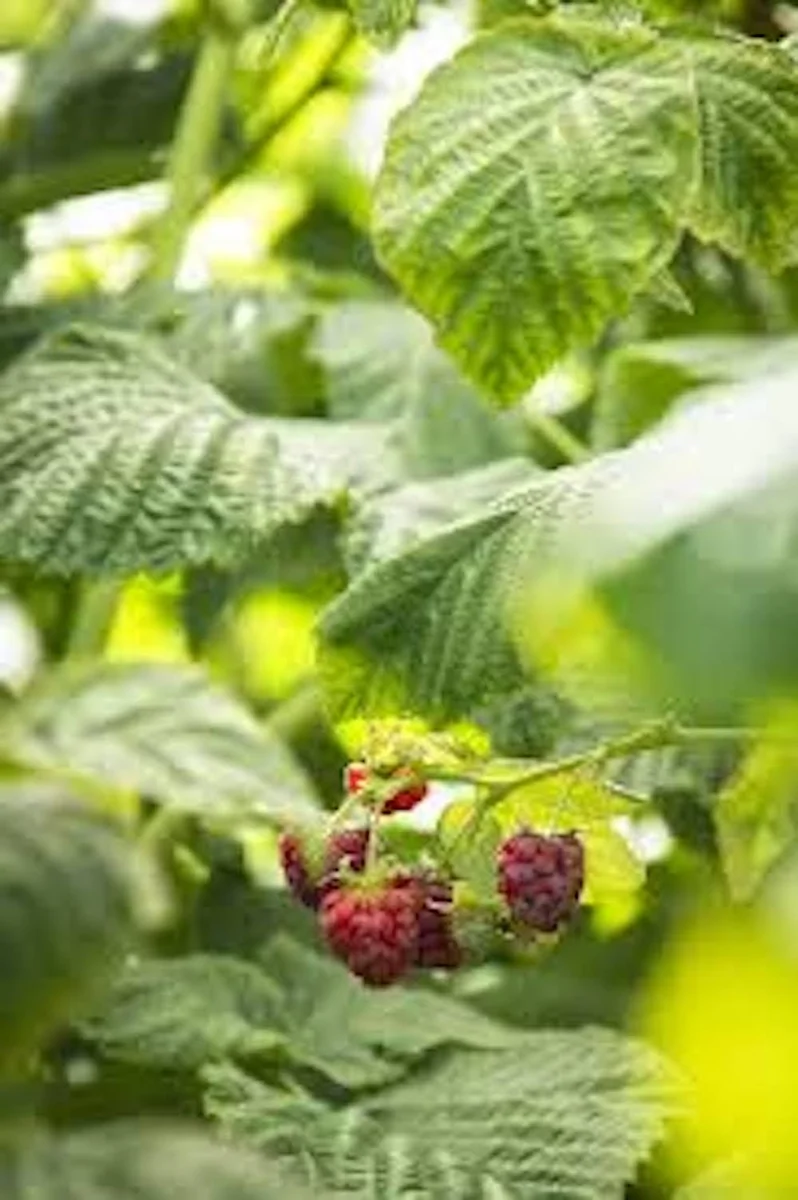
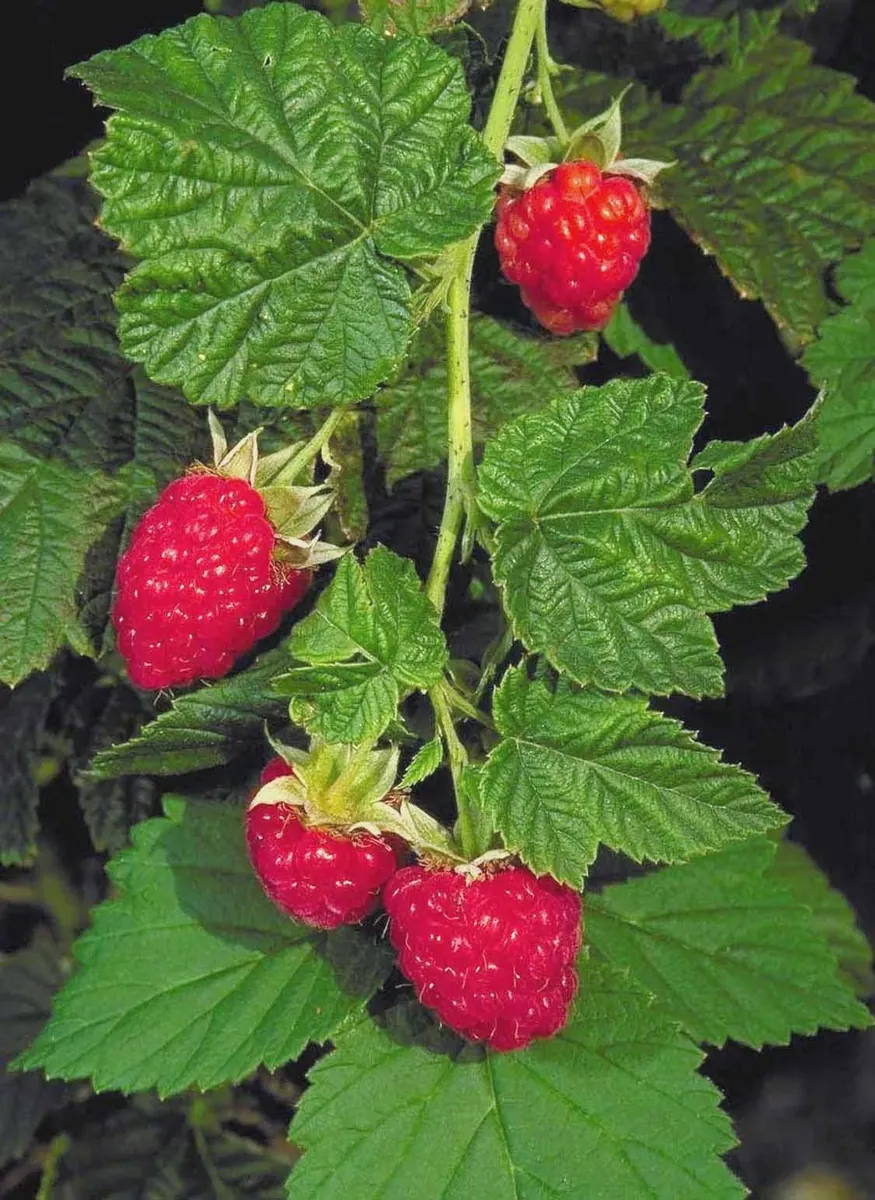
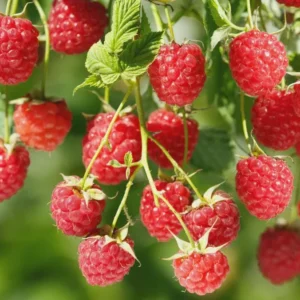
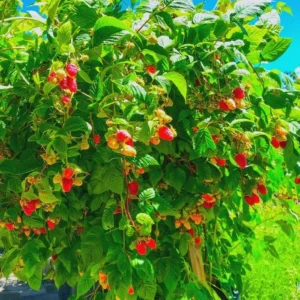
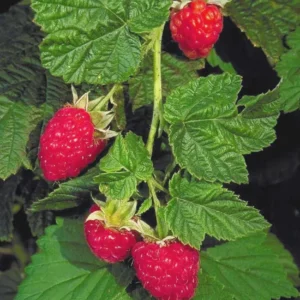
Canby Thornless Red Raspberry Live Plant – Starter Plug – Sweet, Easy Harvest
Original price was: $36.00.$28.80Current price is: $28.80.
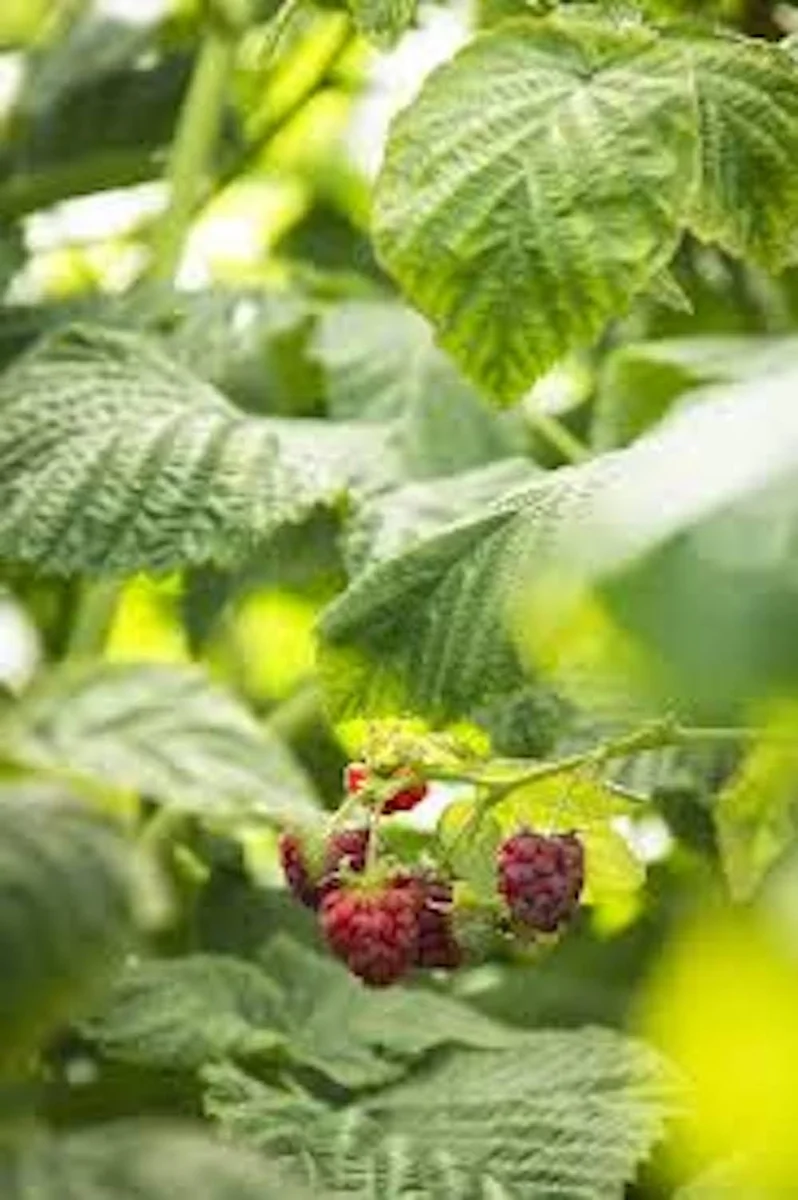
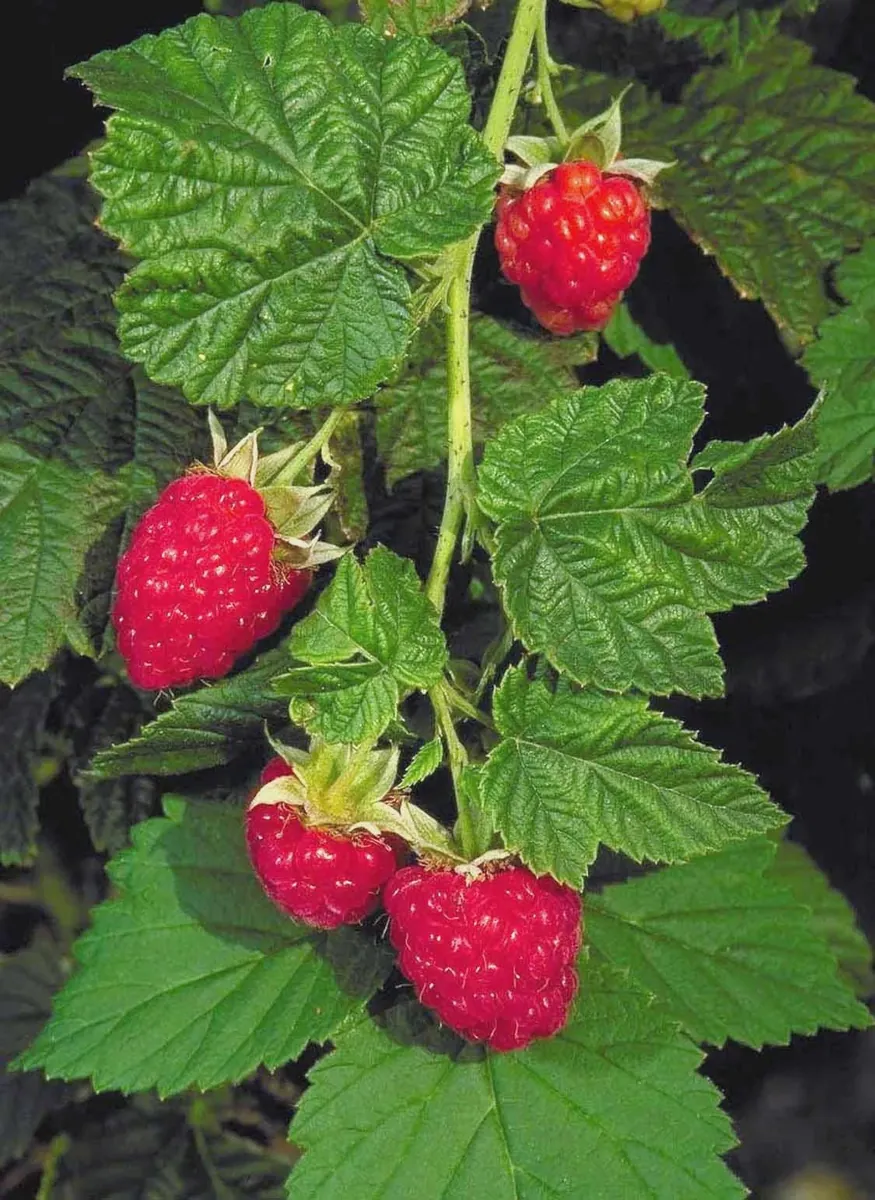
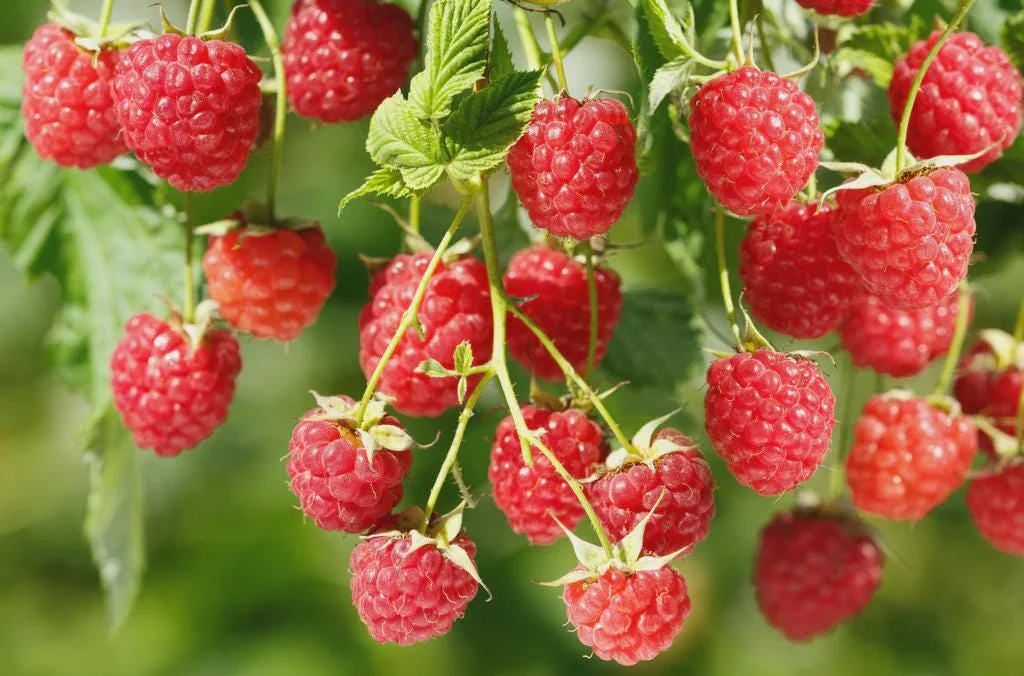
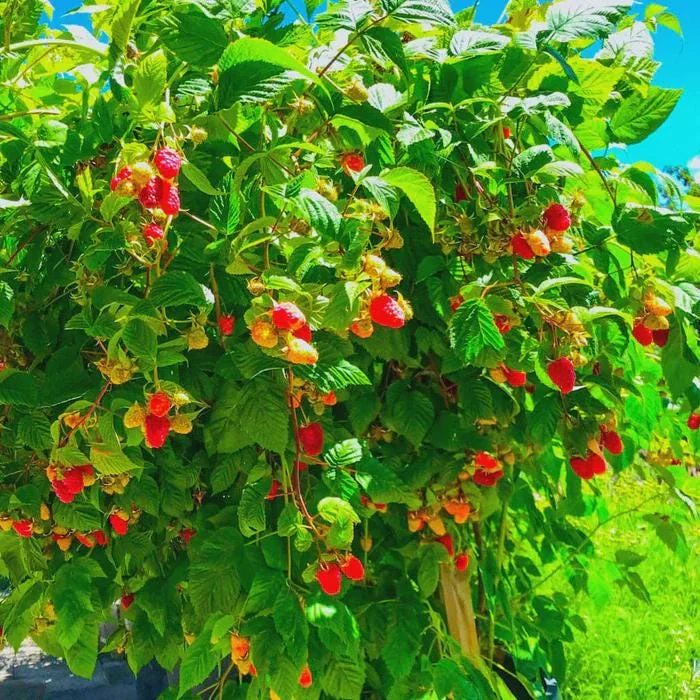
Cultivate your own sweet harvest with a Canby Thornless Red Raspberry starter plug. This robust, June-bearing variety is celebrated for its large, flavorful red fruit and thornless canes, making harvesting a breeze. A vigorous and cold-hardy choice for USDA zones 3-8, perfect for home gardens.
-
USDA Hardiness Zone
USDA zones 3 to 8 -
Soil Type
Well-draining, fertile, slightly acidic (pH 6.0-6.8) -
Sunlight Exposure
Full sun (6-8 hours direct sunlight daily) -
Expected Planting Period
Early spring

You can track your order HERE
Apr 13
Apr 18 - Apr 20
Apr 23 - Apr 27
Shipping and return policies: Our Alive & Thrive Guarantee covers issues with your plants within the first 30 days. Reach out to us. Our team will answer your questions and help you find the plants that are truly suitable for your environment, climate, and personal preferences.

Overview
Introduce a delightful addition to your garden with the Canby Thornless Red Raspberry starter plug. This popular June-bearing variety, scientifically known as Rubus idaeus ‘Canby’, is highly sought after by home gardeners for its exceptional fruit quality and ease of cultivation. The ‘Canby’ raspberry is renowned for producing abundant crops of large, sweet, and bright red berries that are perfect for fresh eating, jams, pies, or freezing. What makes this particular raspberry stand out is its nearly thornless canes, which significantly simplify the harvesting process and make tending to the plants a more enjoyable experience. It’s a vigorous and cold-hardy plant, thriving in cooler summer climates and suitable for a wide range of growing conditions, specifically USDA zones 3 to 8. Plant this starter plug and look forward to a rewarding harvest of delicious berries year after year.
The Canby Thornless Red Raspberry is a self-pollinating variety, meaning you typically only need one plant to produce fruit, although planting multiple can increase yields. Its upright growth habit makes it a great choice for various garden settings, from dedicated berry patches to integrated edible landscapes. This resilient plant also boasts good resistance to certain viruses and aphids, contributing to its reputation as a reliable and low-maintenance option for both novice and experienced gardeners alike.
Key Benefits
The Canby Thornless Red Raspberry offers a multitude of advantages for the home gardener, making it a highly desirable plant. Its robust nature and abundant yields ensure a fulfilling growing experience. Discover why this variety is a favorite:
- Delicious & Abundant Fruit: Enjoy a prolific harvest of large, succulent, bright red raspberries with a wonderfully sweet flavor, ideal for a variety of culinary uses.
- Thornless Canes: The most celebrated feature, its nearly thornless canes make harvesting and pruning comfortable and safe, eliminating the typical prickles associated with raspberry plants. This is a key advantage of the thornless raspberry plant.
- Cold Hardy & Vigorous Growth: This variety is incredibly cold-hardy, thriving in USDA zones 3 to 8, and exhibits vigorous upright growth, ensuring a strong and healthy plant.
- Self-Pollinating: As a self-pollinating plant, a single ‘Canby’ raspberry can produce fruit, simplifying your planting plans and ensuring a harvest even with limited space.
- Disease & Pest Resistance: The ‘Canby’ variety demonstrates good resistance to some common raspberry viruses and aphids, contributing to easier maintenance and healthier fruit production.
- Versatile Use: Perfect for fresh eating, turning into jams, jellies, pies, or freezing to enjoy the taste of summer throughout the year.
- June-Bearing: As a June-bearing raspberry, it provides a concentrated harvest in early summer, perfect for preparing preserves and enjoying fresh berries.
Plant Care & Growing Tips
Cultivating a healthy and productive Canby Thornless Red Raspberry requires attention to a few key environmental factors and consistent care, ensuring a bountiful harvest. These plants are generally vigorous and forgiving, but providing optimal conditions will maximize fruit production and plant longevity.
Sunlight Requirements:
For the best fruit production, Canby Thornless Red Raspberry plants require at least 6-8 hours of direct sunlight per day. Choose a location in your garden that receives full sun exposure. While they can tolerate partial shade, fruit yield and quality may decrease. Adequate sunlight is crucial for the development of sweet, flavorful berries.
Watering Schedule and Soil Moisture:
Consistent moisture is key for raspberry plants, especially during flowering and fruiting. Water regularly, aiming for about 1-2 inches of water per week, either from rainfall or irrigation. The soil should remain consistently moist but not waterlogged. Deep watering is preferable to shallow, frequent watering, as it encourages deeper root growth. Reduce watering slightly after the harvest period. A good layer of mulch can help retain soil moisture and suppress weeds.
Soil Type and Drainage Requirements:
Raspberries thrive in well-draining, fertile soil with a slightly acidic pH, ideally between 6.0 and 6.8. A loamy soil rich in organic matter is perfect. If your soil is heavy clay, amend it with compost, peat moss, or sand to improve drainage. Poor drainage can lead to root rot, which is detrimental to the plant’s health. Ensure the planting site allows for water to drain away freely.
Temperature Range and USDA Hardiness Zone:
The Canby Thornless Red Raspberry is exceptionally cold-hardy, suitable for USDA zones 3 to 8. This means it can tolerate winter temperatures down to approximately -40°F (-40°C). It prefers cooler summer climates, which contribute to its robust growth and fruit quality. Protection from extreme heat in hotter zones might be beneficial, such as providing afternoon shade.
Fertilization Schedule and Type:
Fertilize your raspberry plants in early spring before new growth begins, and again after harvest. Use a balanced granular fertilizer (e.g., 10-10-10) or a fertilizer specifically formulated for berries. Alternatively, a layer of well-rotted compost spread around the base of the plants can provide a slow release of nutrients. Avoid over-fertilizing, especially with high-nitrogen fertilizers, as this can lead to excessive foliage growth at the expense of fruit production.
Common Problems and Solutions:
While the Rubus idaeus Canby variety has good resistance to some diseases and pests, it’s always wise to be vigilant. Watch out for common issues like cane borers, Japanese beetles, and fungal diseases such as anthracnose. Good air circulation and proper pruning can help prevent fungal problems. For pests, hand-picking or organic pest control methods can be effective. Ensure adequate spacing between plants and avoid overhead watering to minimize disease spread. This cold hardy raspberry is generally robust, but consistent monitoring will keep it thriving.
Size & Details
This offering is for 1 Canby Thornless Red Raspberry starter plug, ready for planting in your garden. As a vigorous cultivar, the ‘Canby’ raspberry typically grows upright, reaching a mature height of 4 to 6 feet, making it a manageable size for most home gardens. While its upright habit is strong, providing some form of trellis or support structure can be beneficial as the plant matures and becomes laden with fruit, preventing canes from bending or breaking under the weight. This support also promotes better air circulation and easier harvesting of the delicious berries.
As a June-bearing raspberry, this plant will produce a single, concentrated harvest in early to mid-summer, typically from June to early July, depending on your specific climate and growing conditions. The starter plug provides a head start, and with proper care, you can expect fruit production usually within one to two years after planting. These plants are shipped bare root, without a pot, to ensure healthy transit and reduce shipping stress, ready to be planted directly into your prepared garden bed or a large container. The thornless raspberry plant will establish quickly with adequate watering and sunlight.
Frequently Asked Questions
- Q: How big does this Canby Thornless Red Raspberry plant get? A: The ‘Canby’ raspberry typically grows to an upright height of 4 to 6 feet, making it a good size for most garden spaces. It may benefit from a trellis as it matures and fruits.
- Q: Is this an indoor or outdoor plant? A: The Canby Thornless Red Raspberry is an outdoor plant, best suited for garden beds or large outdoor containers where it can receive full sun. It is cold-hardy and thrives in various outdoor climates.
- Q: How much sunlight does it need? A: For optimal fruit production and plant health, this raspberry variety requires at least 6-8 hours of direct sunlight per day. Choose a sunny location in your garden.
- Q: Is this plant easy to care for? A: Yes, the ‘Canby’ raspberry is considered relatively easy to care for, especially due to its thornless canes and good disease resistance. Consistent watering and adequate sunlight are its primary requirements.
- Q: What condition will it arrive in? A: The plant typically ships as a bare root starter plug, meaning it will arrive without soil or a pot, ready for immediate planting in your garden or a suitable container.
- Q: Can I use the fruit of the Rubus idaeus Canby in cooking? A: Absolutely! The large, sweet berries produced by the ‘Canby’ variety are excellent for fresh eating, making jams, jellies, pies, or freezing for later use.
- Q: How long until it produces fruit? A: With proper care, you can generally expect your Canby Thornless Red Raspberry plant to begin producing fruit within one to two years after planting the starter plug.
- Q: Will this cold hardy raspberry survive winter in my zone? A: The ‘Canby’ raspberry is very cold-hardy and suitable for USDA zones 3 to 8, meaning it can withstand significant winter temperatures.
- Q: What’s the best time to plant this June-bearing raspberry? A: The best time to plant raspberry bare roots is typically in early spring after the last hard frost, allowing the plant ample time to establish before summer.
- Q: Does this plant require a pollinator? A: No, the ‘Canby’ raspberry is a self-pollinating variety, so you only need one plant to produce fruit. However, planting multiple can often lead to a larger harvest.
Be the first to review “Canby Thornless Red Raspberry Live Plant – Starter Plug – Sweet, Easy Harvest”
People Also Viewed
Sold 100 products
Original price was: $23.98.$19.18Current price is: $19.18.
Sold 91 products
Original price was: $32.00.$16.00Current price is: $16.00.
Sold 55 products
Original price was: $77.84.$38.92Current price is: $38.92.
Aquatic Plants
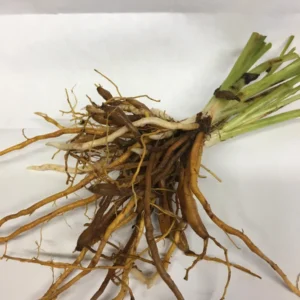
Cattail Plant Bare-root – Wetland Aquatic Grass for Ponds & Gardens – USDA Zones 3-10
Sold 68 products
From $59.96
Sold 95 products
Original price was: $38.76.$19.38Current price is: $19.38.
Sold 50 products
Original price was: $60.00.$30.00Current price is: $30.00.
Sold 54 products
Original price was: $19.00.$9.50Current price is: $9.50.
Sold 69 products
Original price was: $43.98.$21.99Current price is: $21.99.
Sold 100 products
Original price was: $112.96.$67.78Current price is: $67.78.
Sold 57 products
From $4.26
Sold 56 products
Original price was: $50.36.$25.18Current price is: $25.18.
Sold 70 products
Original price was: $130.00.$104.00Current price is: $104.00.

Sold 60 products
Original price was: $23.96.$11.98Current price is: $11.98.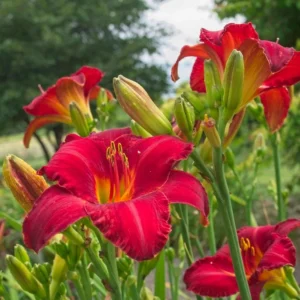
Flower Bulbs
Chicago Apache Daylily Bare Root – Scarlet Red Reblooming Perennial – 1-2 Fan Division – Outdoor
Sold 63 products
From $95.80
Sold 78 products
Original price was: $75.98.$37.99Current price is: $37.99.
Sold 86 products
Original price was: $19.98.$15.98Current price is: $15.98.
Sold 55 products
Original price was: $64.80.$32.40Current price is: $32.40.
Sold 50 products
Original price was: $59.98.$29.99Current price is: $29.99.




Reviews
There are no reviews yet.