

Canadice Seedless Grape Vine – 2 Bare Root Live Plants – Red Grapes
Original price was: $179.80.$89.90Current price is: $89.90.
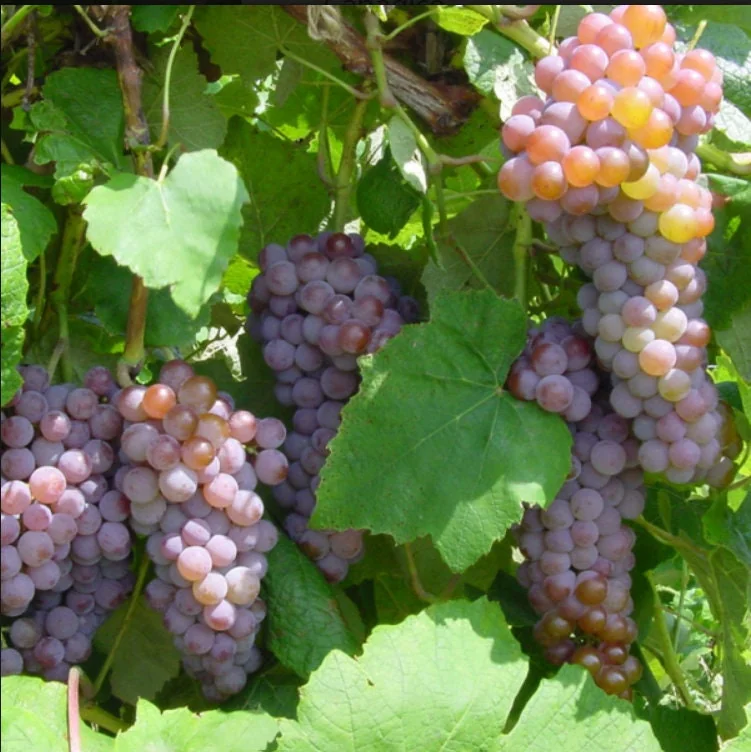
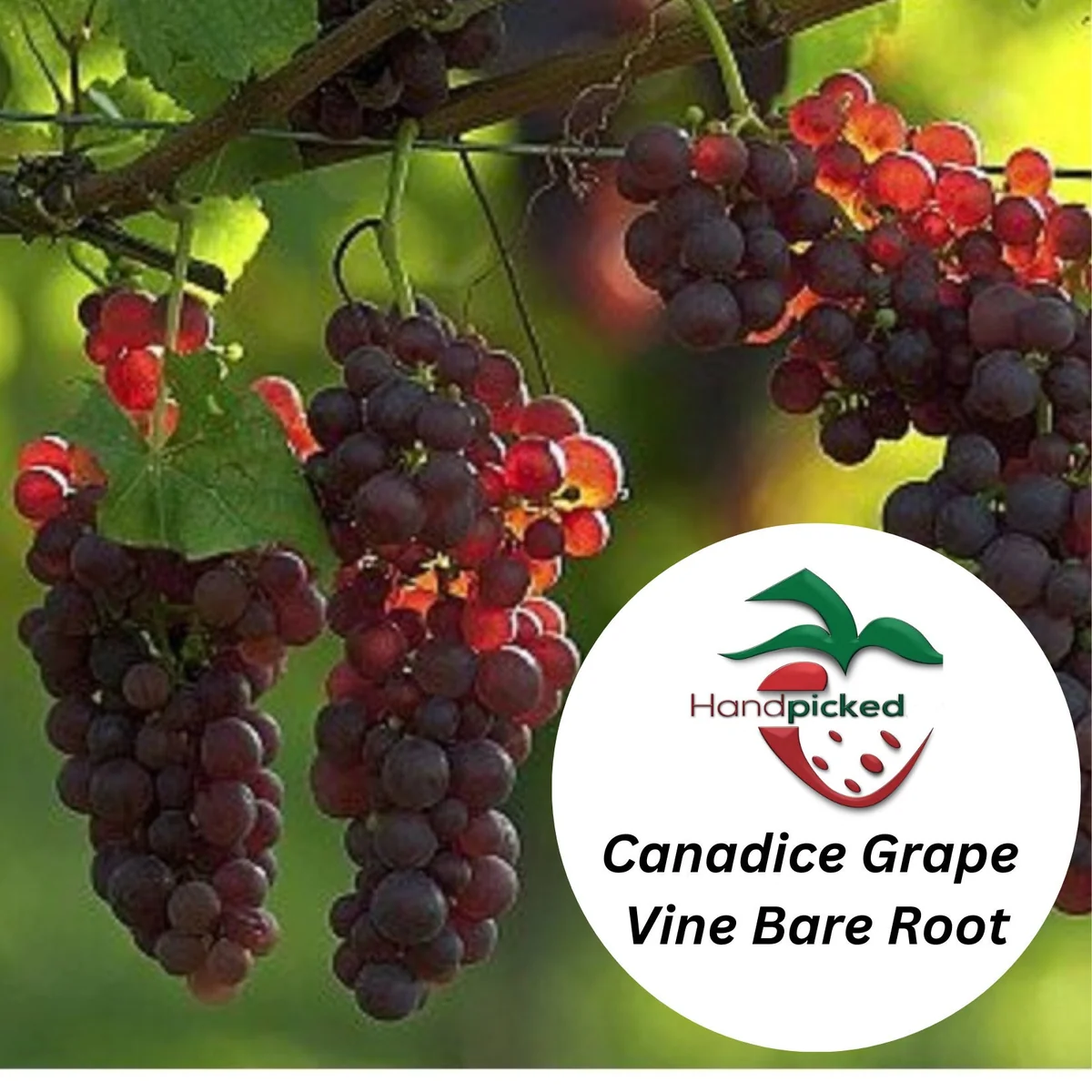
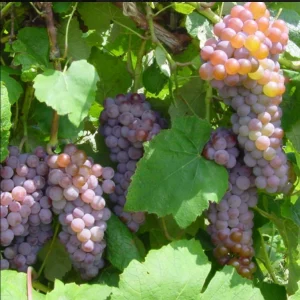
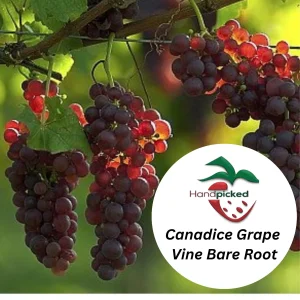
Cultivate your own vineyard with this offer for Canadice Seedless Grape Vine. You will receive 2 healthy bare root plants, ready to be established in your garden. These robust vines produce sweet, juicy red grapes, ideal for fresh eating, making juice, or even homemade wine. A rewarding addition for any gardener looking for a prolific and flavorful grape variety.
-
USDA Hardiness Zone
5-12 -
Soil Type
Well-drained soil with pH 6.5-7.5, rich in organic matter -
Sunlight Exposure
Full sun (at least 8 hours direct sunlight) -
Expected Planting Period
Late winter to early spring

You can track your order HERE
Feb 26
Mar 03 - Mar 05
Mar 08 - Mar 12
Shipping and return policies: Our Alive & Thrive Guarantee covers issues with your plants within the first 30 days. Reach out to us. Our team will answer your questions and help you find the plants that are truly suitable for your environment, climate, and personal preferences.

Overview
Embark on a rewarding gardening journey with the Canadice Seedless Grape Vine. This offer includes two robust bare root live plants, meticulously prepared to ensure a healthy start in your garden. The Canadice grape is a highly esteemed hybrid variety, celebrated for its exceptional sweetness and juicy texture, making it a favorite for fresh consumption. Developed by Cornell University, these grapes are a cross between the red Canaiolo Nero and the white Muscat Hamburg, inheriting the best qualities of both parents. Whether you aspire to create your own homemade wines, delicious jams, or simply enjoy fresh, garden-grown fruit, the Canadice Seedless Grape Vine offers a versatile and abundant harvest. Its vibrant red grapes add a touch of beauty to any landscape while providing a bountiful yield of delectable fruit.
Known for their reliability and adaptability, bare root grape plants like the Canadice variety are an excellent choice for establishing a new vineyard or enhancing an existing garden. These plants are shipped without soil, allowing for easier transplanting and often leading to quicker establishment once planted in their permanent location. With proper care, these vines will flourish, transforming your outdoor space into a productive and beautiful environment. Experience the joy of harvesting your own sweet, flavorful grapes directly from your backyard.
Key Benefits
The Canadice Seedless Grape Vine offers numerous advantages for both novice and experienced gardeners, promising a delightful harvest and an attractive addition to your landscape. Investing in these vines brings a multitude of rewards.
- Delicious Flavor: Enjoy the remarkably sweet and juicy taste of these red grapes, perfect for snacking right off the vine. Their balanced sugar content makes them exceptionally palatable.
- Versatile Use: These grapes are highly versatile, suitable for fresh eating, making homemade juices, jellies, and even crafting your own rosé wines. The possibilities are endless with your harvest of Canadice Seedless Grape Vine.
- Seedless Convenience: As a seedless variety, Canadice grapes are a family-friendly choice, eliminating the hassle of dealing with seeds and making them a preferred option for fresh consumption and children.
- Vigorous Growth: Known for their semi-upright growth habit, these vines are robust and establish well, providing a strong framework for abundant fruit production year after year with proper care.
- Hardy & Adaptable: The Canadice variety is adaptable to a wide range of climates, thriving in USDA Zones 5-12, making it a suitable choice for many regions across the United States. This resilience ensures successful growing Canadice grapes in various environments.
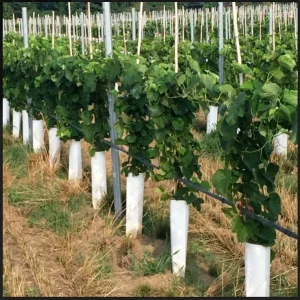
- Attractive Landscape Addition: Beyond their fruit, these grapevines provide beautiful foliage and a lush green canopy, especially when trained on a trellis, enhancing the aesthetic appeal of your garden or patio.
- Rewarding Experience: Cultivating your own grapes from bare root grape plants is an incredibly satisfying endeavor, offering fresh, organic produce and the pride of growing your own food.
Plant Care & Growing Tips
Successful cultivation of your Canadice Seedless Grape Vine begins with proper planting and consistent care. These vines thrive in a sunny location, requiring at least 8 hours of direct sunlight per day to ensure optimal fruit development and sweetness. When preparing the planting site, ensure the soil is well-drained and rich in organic matter. A soil pH between 6.5 and 7.5 is ideal for these grapes. Loosen the soil to a depth of at least 12 inches to allow for robust root development. For best results when growing Canadice grapes, plant your bare root vines 6-10 feet apart, depending on the desired spread and training system.
After planting, water the grapevines deeply and regularly, especially during dry periods, making sure the soil remains consistently moist but never waterlogged. Fertilize your plants with a balanced fertilizer in both spring and fall to support vigorous growth and fruit production. Training the vines on a trellis or other support system is crucial for managing their growth and maximizing sun exposure to the fruit. Pruning is an essential annual task, typically performed in late winter or early spring. Cut back the vines to just two or three buds to encourage larger, sweeter grapes and maintain the plant’s health. This diligent care will contribute significantly to the success of your red grape vines.
Monitor your plants for any signs of pests or diseases and address them promptly. With attentive care and the right growing conditions, your Canadice Seedless Grape Vine will yield bountiful harvests of delicious fruit for many years. Harvesting typically occurs in late summer or early fall when the grapes have developed their full color and sweetness. Enjoy the fruits of your labor, whether fresh, juiced, or transformed into homemade culinary delights. This guide to sweet table grapes care ensures a rewarding experience.
Size & Details
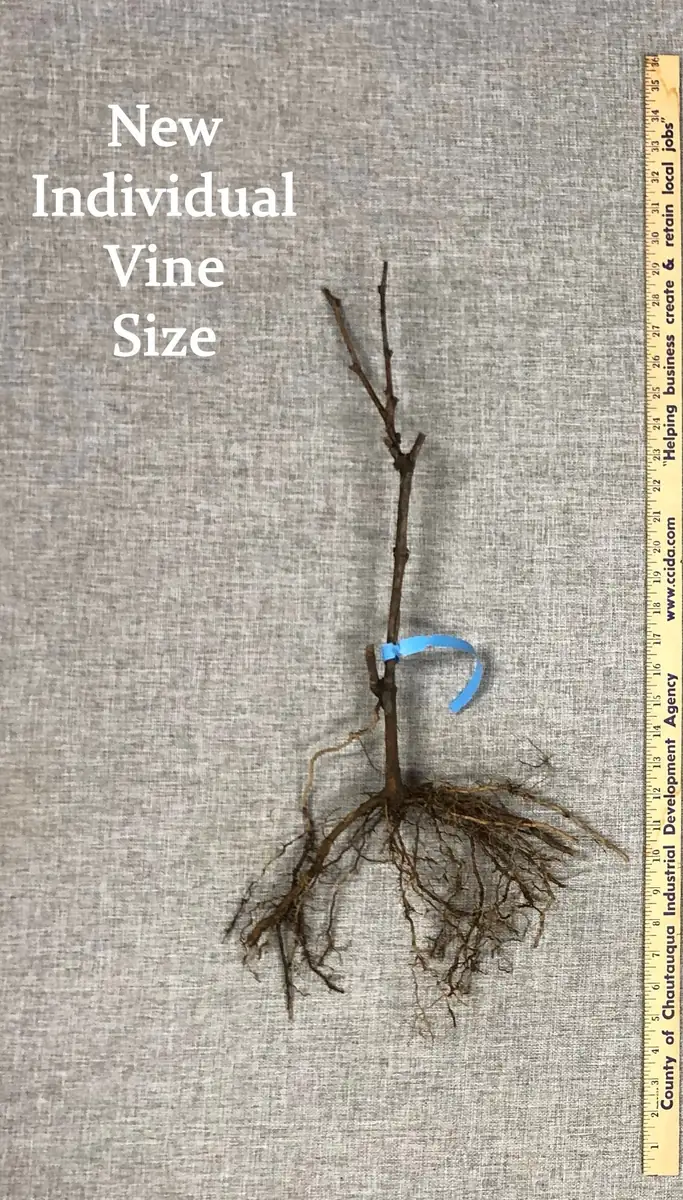
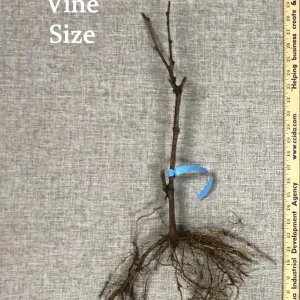
This offering includes two bare root grape plants of the Canadice Seedless variety. Bare root plants are dormant when shipped, making them easy to handle and plant. Each plant will arrive with a healthy, established root system, ready for immediate planting upon receipt. The Canadice grape is a semi-upright grower, and its mature size will largely depend on your training system and pruning practices. Typically, when trained on a trellis, a single vine can spread several feet, requiring spacing of 6 to 8 feet between individual plants to allow for ample growth and air circulation. The suggested distance between vines is 6 ft, 7 ft, or 8 ft, allowing for flexibility in garden design.
These vines are known for their vigorous growth rate once established, quickly developing into productive fruit-bearing plants. Expect a moderate to fast growth rate, with significant vine development in the first few seasons. The primary use for these grapes includes juice, table consumption, wine production (rosé specifically), and jelly making, highlighting their versatility as sweet table grapes. The variety originated from Cornell University, a testament to its quality and reliability. With proper care, these vines will begin producing fruit within a few years of planting, offering a long-term source of fresh, delicious red grapes.
Frequently Asked Questions
- Q: How big do these grapevines get? A: The mature size of the Canadice Seedless Grape Vine depends on your training system and pruning. When trained on a trellis, they can spread several feet, typically requiring 6-8 feet of space between plants. Proper pruning helps manage their size and encourages fruit production.
- Q: What size are the bare root plants I will receive? A: You will receive two bare root plants with a healthy root system. These are dormant plants without soil, ready for immediate planting in your prepared garden space.
- Q: Is this an indoor or outdoor plant? A: The Canadice Seedless Grape Vine is an outdoor plant, best suited for gardens, vineyards, or large containers outdoors where it can receive ample sunlight and space to grow. It is not suitable for indoor cultivation.
- Q: How much sunlight does the Canadice grape vine need? A: These grapevines require full sun, meaning at least 8 hours of direct sunlight per day, for optimal growth and fruit development. A sunny spot is crucial for growing Canadice grapes.
- Q: Is this plant easy to care for? A: While grapevines require consistent care, including pruning and training, the Canadice variety is known for its vigor and adaptability, making it a rewarding plant for gardeners of most skill levels. Following basic care guidelines will ensure success.
- Q: What condition will the bare root plants arrive in? A: Your bare root grape plants will arrive dormant, carefully packaged to protect their healthy root systems during transit. They may appear to be just roots and a stem, which is normal for bare root stock.
- Q: Can I use these grapes for making wine? A: Yes, Canadice grapes are excellent for making rosé wine, in addition to being fantastic for fresh eating, juice, and jellies. Their sweet and juicy profile lends itself well to various culinary applications.
- Q: When is the best time to plant these bare root grape plants? A: Bare root plants are typically best planted in late winter or early spring, as soon as the soil can be worked. This allows them to establish their root system before the heat of summer.
- Q: What USDA hardiness zones are suitable for the Canadice grape? A: The Canadice Seedless Grape Vine is hardy in USDA Zones 5-12, making it suitable for a wide range of climates. This broad zone range contributes to its popularity.
- Q: What kind of soil is best for red grape vines? A: Well-drained soil with a pH between 6.5 and 7.5, rich in organic matter, is ideal for these grapevines. Good drainage is essential to prevent root rot and ensure healthy growth.
Be the first to review “Canadice Seedless Grape Vine – 2 Bare Root Live Plants – Red Grapes”
People Also Viewed
Sold 78 products
Original price was: $97.50.$58.50Current price is: $58.50.

Sold 60 products
Original price was: $63.96.$31.98Current price is: $31.98.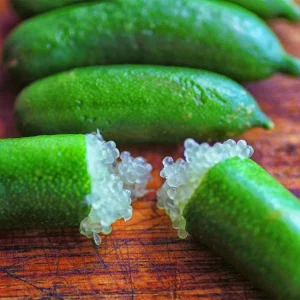
Fruits
Australian Finger Lime Live Plant – Grafted – 3 Gallon Pot – 2-3 Feet Tall – Edible Citrus Tree
Sold 55 products
Original price was: $170.00.$127.50Current price is: $127.50.

Sold 87 products
Original price was: $75.80.$37.90Current price is: $37.90.
Sold 94 products
From $9.38
Sold 56 products
From $51.96
Sold 88 products
Original price was: $67.98.$33.99Current price is: $33.99.
Sold 82 products
From $25.28
Sold 95 products
Original price was: $26.76.$13.38Current price is: $13.38.
Sold 88 products
From $7.98
Sold 52 products
Original price was: $199.80.$99.90Current price is: $99.90.
Sold 54 products
From $51.80
Sold 67 products
Original price was: $190.02.$114.02Current price is: $114.02.
Sold 65 products
Original price was: $27.92.$13.96Current price is: $13.96.
Sold 54 products
Original price was: $53.98.$26.99Current price is: $26.99.
Sold 83 products
From $103.80
Sold 52 products
Original price was: $77.56.$38.78Current price is: $38.78.
Sold 84 products
From $47.80



Reviews
There are no reviews yet.