
Caddo Blackberry Live Plant – Thornless Fruit Starter Plug – USDA Zones 5-9
Original price was: $32.00.$25.60Current price is: $25.60.
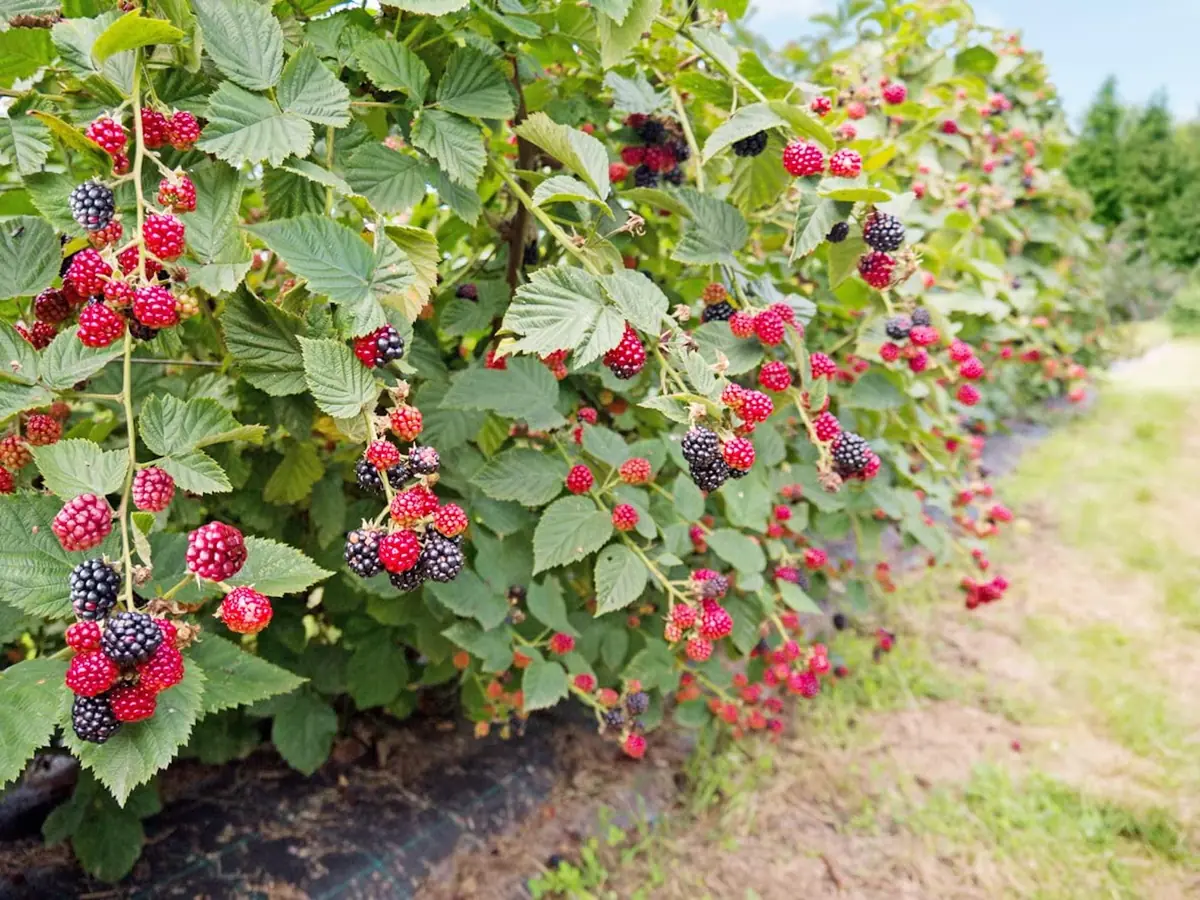
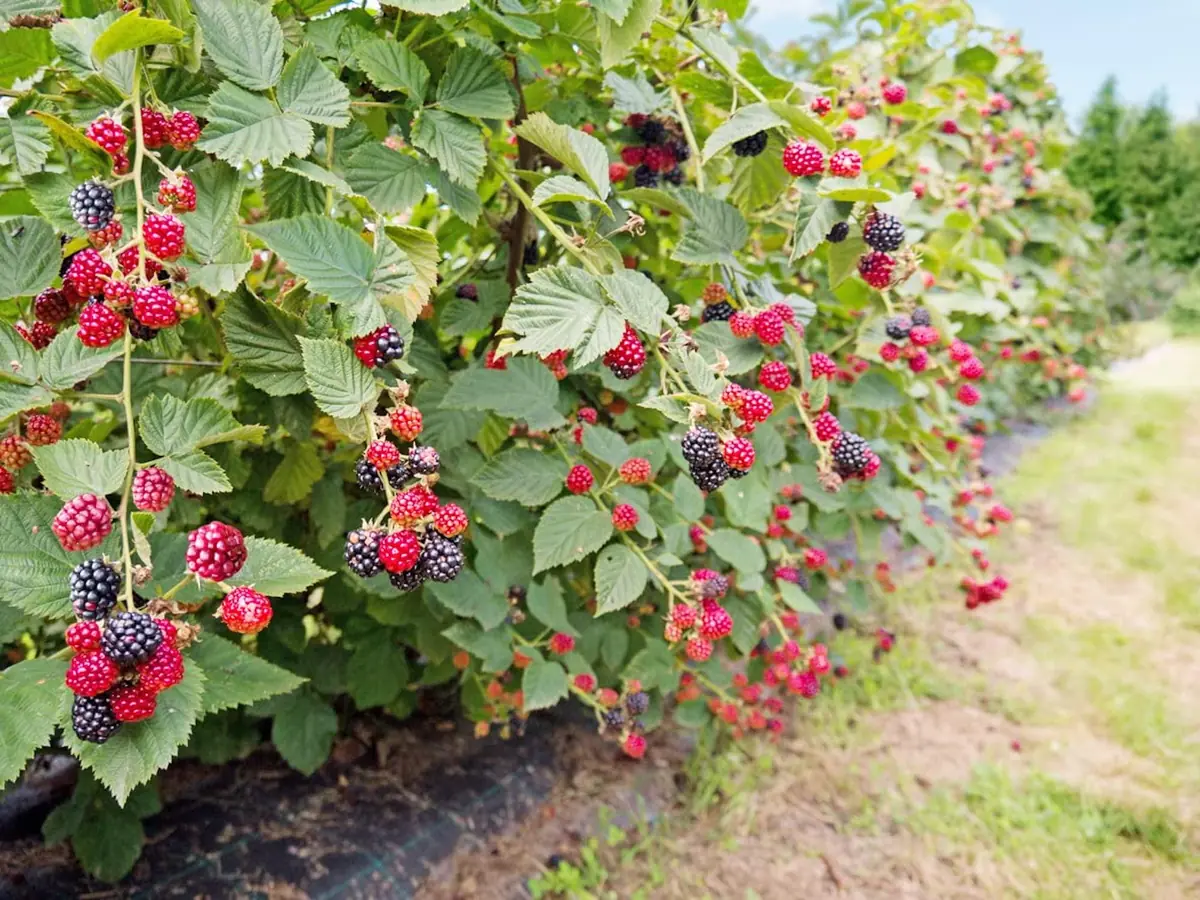
Cultivate delicious, juicy berries with the caddo blackberry live plant. This thornless, erect variety offers abundant yields of large, early-ripening fruit. Ideal for gardens in USDA Zones 5-9, it’s known for excellent plant health and post-harvest quality, making it a superb addition to any edible landscape.
-
USDA Hardiness Zone
USDA Zones 5-9 -
Soil Type
Well-drained, slightly acidic soil (pH 6.0-6.8) -
Sunlight Exposure
Full sun -
Expected Planting Period
Early spring or fall

You can track your order HERE
Feb 27
Mar 04 - Mar 06
Mar 09 - Mar 13
Shipping and return policies: Our Alive & Thrive Guarantee covers issues with your plants within the first 30 days. Reach out to us. Our team will answer your questions and help you find the plants that are truly suitable for your environment, climate, and personal preferences.

Overview
Bring the joy of fresh, homegrown berries to your garden with the caddo blackberry live plant. This exceptional fruit plant, scientifically known as Rubus ‘Caddo’, is a highly desirable cultivar prized for its thornless nature and prolific production. The Caddo blackberry is an erect variety that simplifies harvesting and maintenance, making it a fantastic choice for both novice and experienced gardeners. Known for its large, flavorful fruits and early mid-season ripening, this plant ensures you’ll enjoy a bountiful harvest. Its excellent post-harvest handling characteristics also mean your berries will stay fresh longer, perfect for eating fresh, baking, or preserving. This robust plant offers consistent high yields and maintains excellent overall plant health, providing a reliable source of delicious fruit for years to come.
The caddo blackberry live plant is a versatile addition to any home garden or small orchard. Its vigorous growth and disease resistance contribute to its popularity. Cultivating this plant allows you to enjoy sweet, juicy blackberries straight from your garden, tasting far superior to store-bought varieties. Whether you’re looking to start a new berry patch or enhance an existing one, the Caddo blackberry offers an outstanding combination of ease of care, productivity, and superior fruit quality.
Key Benefits
The caddo blackberry live plant offers a multitude of benefits that make it a standout choice for home gardeners seeking delicious, high-quality fruit. Its unique characteristics contribute to an easier gardening experience and a more rewarding harvest.
- Thornless Canes for Easy Harvesting: One of the most significant advantages of the Caddo blackberry is its thornless growth habit. This makes picking berries a pain-free experience, encouraging more frequent harvesting and making the plant safe for families with children. It also simplifies pruning and general maintenance.
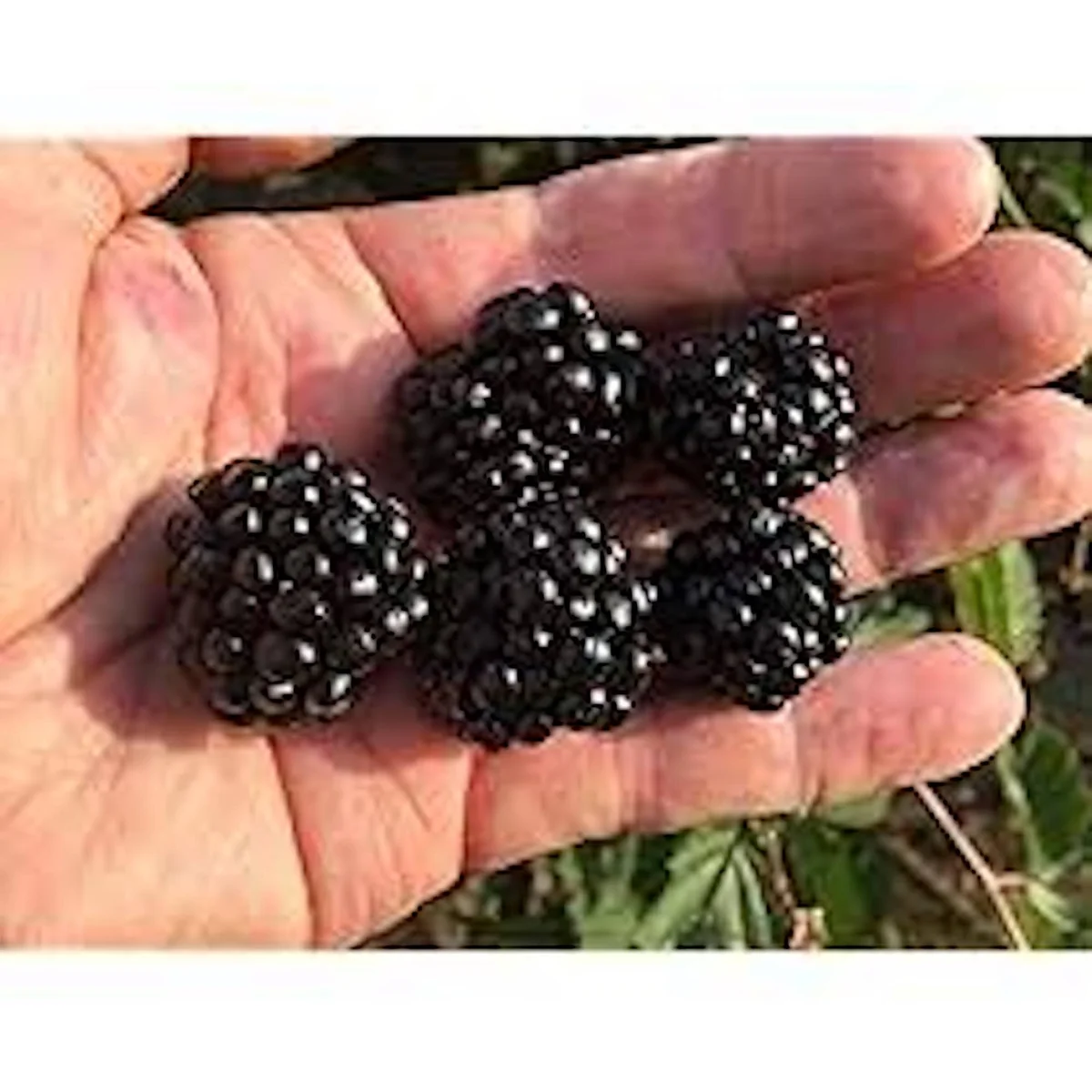
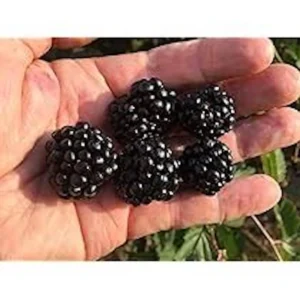
- Large, Flavorful Berries: The Caddo variety produces impressively large, sweet, and juicy blackberries. These berries are excellent for fresh eating, baking, jams, jellies, and desserts, offering a superior taste profile compared to many other cultivars.
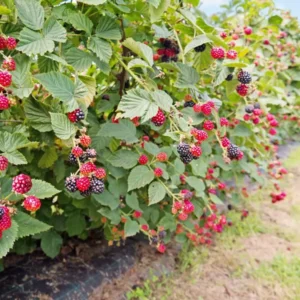
- Early Mid-Season Ripening: Enjoy your harvest sooner with the Caddo blackberry’s early mid-season ripening. This allows you to extend your berry season and get a head start on enjoying fresh fruit, often before other late-season varieties are ready.
- High Yields and Productivity: This cultivar is renowned for its consistent and abundant yields. With proper care, you can expect a generous supply of blackberries, ensuring you have plenty for your family and perhaps even some to share.
- Excellent Post-Harvest Handling: Caddo blackberries are known for their firm texture and good storage life after harvesting. This means the berries retain their quality longer, giving you more time to enjoy them or process them without spoilage.
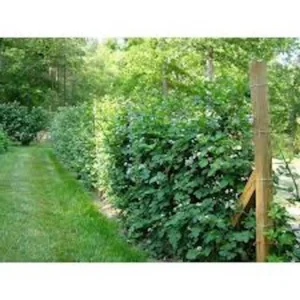
- Vigorous and Healthy Growth: The rubus caddo plant exhibits strong, erect growth and excellent plant health, making it resistant to many common diseases and pests. This contributes to a robust and long-lived plant that requires less intervention.
- Adaptable to Various Climates: Hardy in USDA Zones 5-9, the caddo blackberry live plant is suitable for a wide range of climates across the United States, allowing many gardeners to successfully cultivate this rewarding fruit.
Plant Care & Growing Tips
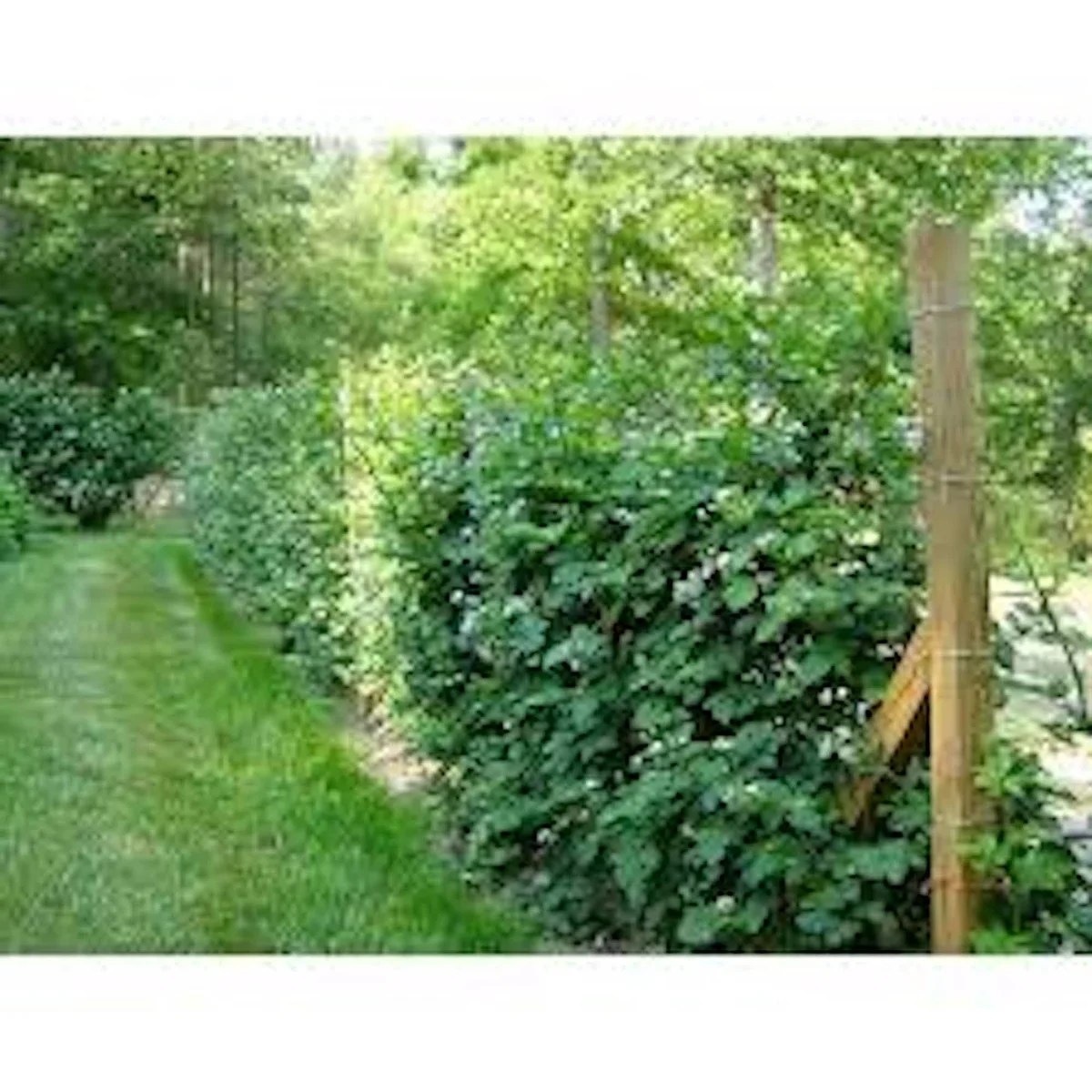
Successful cultivation of the caddo blackberry live plant begins with understanding its basic needs for sunlight, soil, and water. These plants thrive in full sun, meaning they require at least 6-8 hours of direct sunlight per day to produce the best fruit yields. Choose a location in your garden that receives ample sun exposure throughout the day. For optimal growth, ensure the soil is well-drained and slightly acidic, with a pH ranging from 6.0 to 6.8. Amending heavy clay soils with organic matter like compost can improve drainage and provide essential nutrients. When planting, space individual plants 3-4 feet apart within rows, and allow 6-8 feet between rows to ensure adequate air circulation and room for growth.
Watering is crucial, especially during dry periods and when the fruit is developing. Keep the soil consistently moist but not waterlogged. Deep watering encourages a strong root system. Fertilize in early spring with a balanced slow-release fertilizer designed for fruiting plants, following the manufacturer’s instructions. Pruning is essential for maintaining plant health and maximizing fruit production. Since blackberries fruit on second-year canes (floricanes), you’ll need to remove old canes that have already fruited in late summer or early fall. New canes (primocanes) will grow and produce fruit the following year. Due to its vigorous and erect growth habit, the growing caddo blackberry may benefit from trellising or other forms of support to manage its size and keep the fruit off the ground.
Protect your thornless blackberry plant from extreme winter temperatures if you are at the colder end of its hardiness range (USDA Zone 5). Mulching heavily around the base of the plant can provide insulation. Watch out for common pests like Japanese beetles or diseases like anthracnose; prompt identification and organic pest control methods can help keep your plants healthy. Regular observation and timely care will ensure a productive and healthy Caddo blackberry patch, providing you with delicious fruit for many seasons.
Size & Details
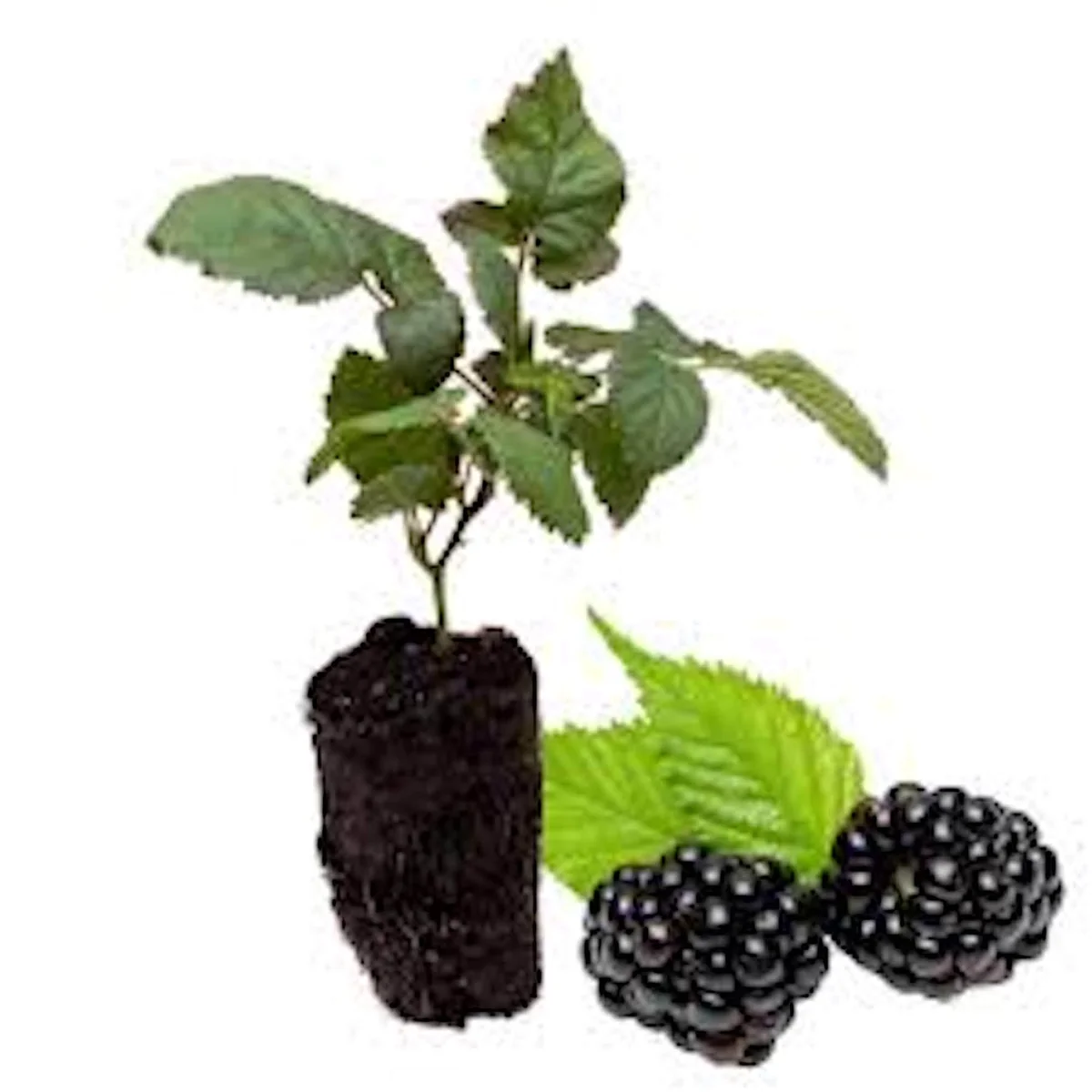
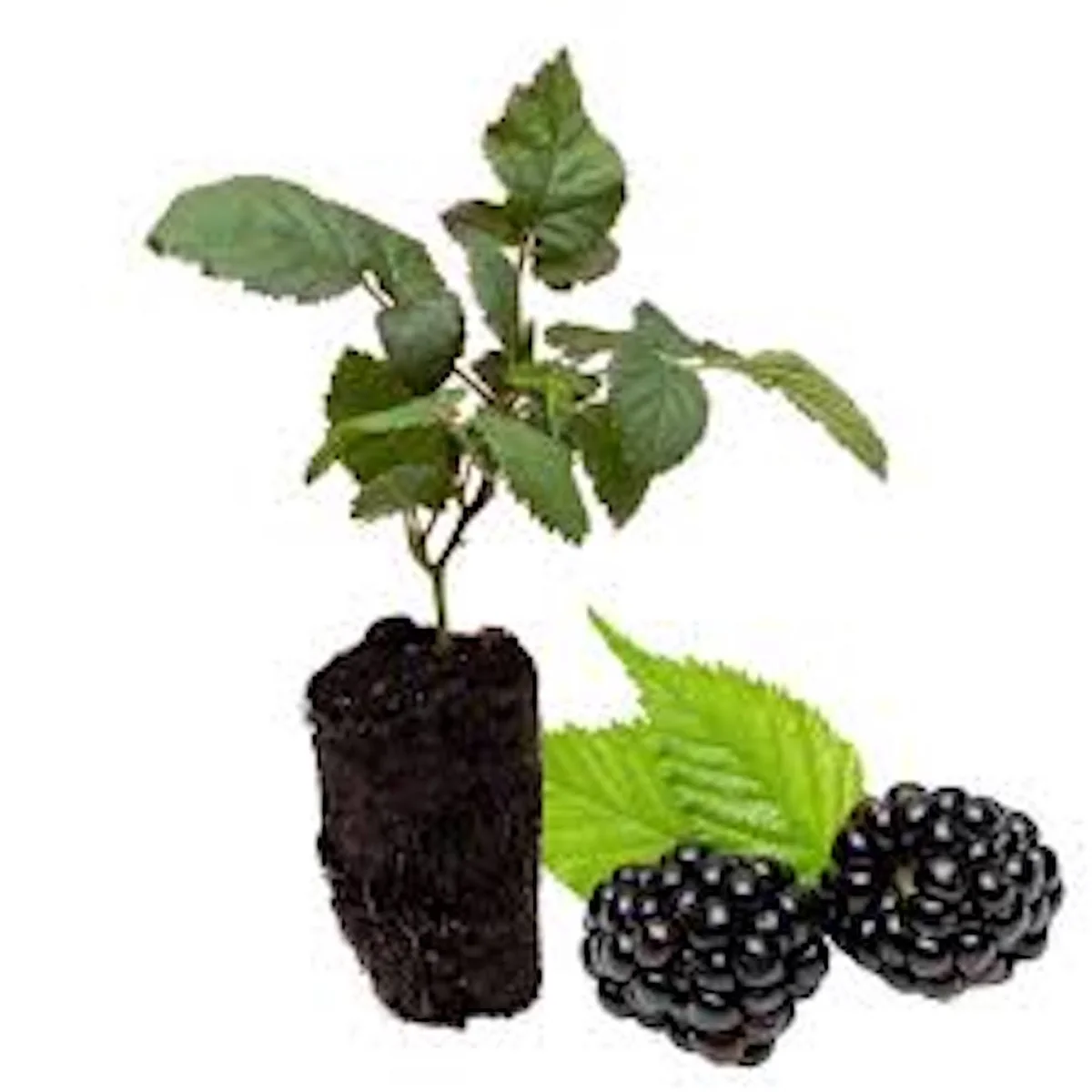
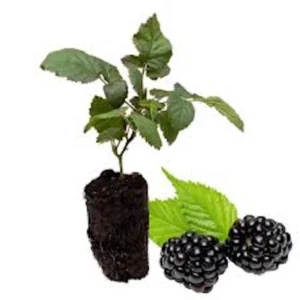
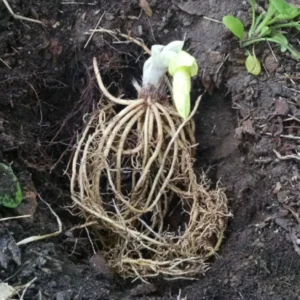
This offering is for a single caddo blackberry live plant provided as a starter plug. Upon arrival, the plant will be a young, actively growing specimen, ready for transplanting into your garden. Caddo blackberry plants are known for their vigorous growth, typically reaching a mature size of 4-6 feet tall and 4-6 feet wide. As an erect variety, it maintains a manageable, upright form, though trellising may be beneficial for supporting heavy fruit loads and promoting air circulation. These plants are shipped bare root, meaning they arrive without a pot or soil around their roots, which helps reduce shipping stress and allows for easier transplanting.
Expected time to fruit production is typically within the first two years after planting, with significant yields increasing in subsequent years. The early ripening blackberry characteristic means you can anticipate your first harvest in the early mid-season, usually starting in late spring to early summer depending on your local climate. This productive cultivar is designed to provide abundant fruit for many years, becoming a long-term asset to your edible landscape. Ensure you have adequate space for its mature size and provide the necessary support for optimal growth and fruit development.
Frequently Asked Questions
- Q: How big does this Caddo blackberry plant get? A: The caddo blackberry live plant can grow to an impressive size of 4-6 feet tall and 4-6 feet wide at maturity. Its erect growth habit helps manage its spread, but support can be beneficial.
- Q: What condition will the plant arrive in? A: Your thornless blackberry plant will be shipped as a bare root starter plug. This means it will arrive without soil or a pot, carefully packaged to ensure its health during transit.
- Q: How much sunlight does the Caddo blackberry need? A: For optimal fruit production and plant health, the Caddo blackberry requires full sun, which translates to at least 6-8 hours of direct sunlight daily.
- Q: Is this Caddo blackberry plant easy to care for? A: Yes, the Caddo blackberry is considered relatively easy to care for, especially due to its thornless canes. Regular watering, annual pruning, and proper sunlight will ensure a healthy and productive plant.
- Q: When is the best time to plant a Caddo blackberry? A: The best time to plant this early ripening blackberry is typically in early spring after the last frost, or in the fall before the ground freezes, allowing the roots to establish.
- Q: What kind of soil does the Rubus ‘Caddo’ prefer? A: The rubus caddo plant thrives in well-drained, slightly acidic soil with a pH between 6.0 and 6.8. Amending with organic matter can improve soil structure and fertility.
- Q: Will the Caddo blackberry survive winter in my zone? A: Yes, the Caddo blackberry is hardy in USDA Zones 5-9. If you are in Zone 5, providing winter protection like heavy mulching may be beneficial.
- Q: How long does it take for a Caddo blackberry to produce fruit? A: You can typically expect your growing caddo blackberry to start producing fruit within 1-2 years after planting, with yields increasing significantly in subsequent years.
- Q: Does this blackberry variety need support or trellising? A: While the Caddo blackberry has an erect growth habit, trellising or other support systems are often recommended to help manage its vigorous growth and support the weight of heavy fruit loads.
- Q: Can I grow this Caddo blackberry in a container? A: While primarily suited for in-ground planting, a very large container (20+ gallons) with good drainage could potentially accommodate a Caddo blackberry, though it may not reach its full size or yield potential.
Be the first to review “Caddo Blackberry Live Plant – Thornless Fruit Starter Plug – USDA Zones 5-9”
People Also Viewed
Sold 92 products
Original price was: $31.62.$15.81Current price is: $15.81.
Sold 75 products
From $17.99
Sold 58 products
Original price was: $53.98.$26.99Current price is: $26.99.
Sold 90 products
Original price was: $79.38.$39.69Current price is: $39.69.
Sold 88 products
$48.38
Sold 81 products
Original price was: $25.90.$12.95Current price is: $12.95.
Sold 84 products
Original price was: $89.98.$44.99Current price is: $44.99.
Sold 100 products
$54.98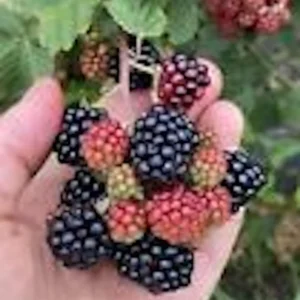
Sold 68 products
Original price was: $84.00.$67.20Current price is: $67.20.
Sold 89 products
Original price was: $65.98.$32.99Current price is: $32.99.
Sold 93 products
Original price was: $51.78.$25.89Current price is: $25.89.
Sold 78 products
Original price was: $47.96.$23.98Current price is: $23.98.
Sold 92 products
Original price was: $39.98.$19.99Current price is: $19.99.
Sold 77 products
From $31.99
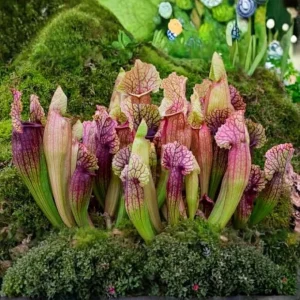
HousePlants
Purple Nepenthes Pitcher Plant Live – Exotic Tropical Houseplant for Indoor/Outdoor Décor
Sold 99 products
$65.98

Sold 70 products
Original price was: $54.36.$27.18Current price is: $27.18.
Sold 98 products
From $63.80
Sold 81 products
Original price was: $29.18.$14.59Current price is: $14.59.


Reviews
There are no reviews yet.