
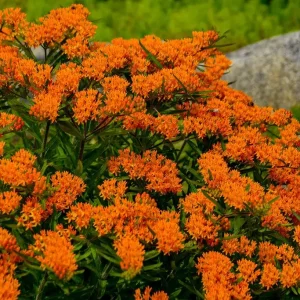
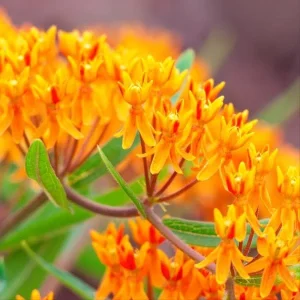
Butterflyweed Live Plant (Asclepias tuberosa) Orange Starter for Pollinator Gardens, 1.15-inch Pot
From $13.98
Bring your garden to life with a butterflyweed live plant! This 1.15-inch potted Asclepias tuberosa plant is perfect for attracting monarch butterflies, bees, and other pollinators. Drought-tolerant and deer-resistant, it’s an ideal native perennial plant for a vibrant, low-maintenance landscape.
-
USDA Hardiness Zone
3-9 -
Soil Type
Well-draining, sandy or rocky soil -
Sunlight Exposure
Full sun to part sun -
Expected Planting Period
Spring through early summer

You can track your order HERE
Mar 04
Mar 09 - Mar 11
Mar 14 - Mar 18
Shipping and return policies: Our Alive & Thrive Guarantee covers issues with your plants within the first 30 days. Reach out to us. Our team will answer your questions and help you find the plants that are truly suitable for your environment, climate, and personal preferences.

Overview
Introduce a burst of vibrant color and vital ecological support to your outdoor space with this stunning butterflyweed live plant. Known scientifically as Asclepias tuberosa, this remarkable perennial is a cornerstone for any thriving pollinator garden. Shipped as a robust starter plant in a 1.15-inch pot, it’s ready for transplanting to bring its cheerful orange blooms to your landscape. This native plant is not only beautiful but also incredibly beneficial, serving as a critical food source for monarch caterpillars and attracting a diverse array of butterflies and bees. Unlike many ornamental plants, Asclepias tuberosa plant thrives in less-than-perfect conditions, making it a resilient and rewarding addition for gardeners of all experience levels.
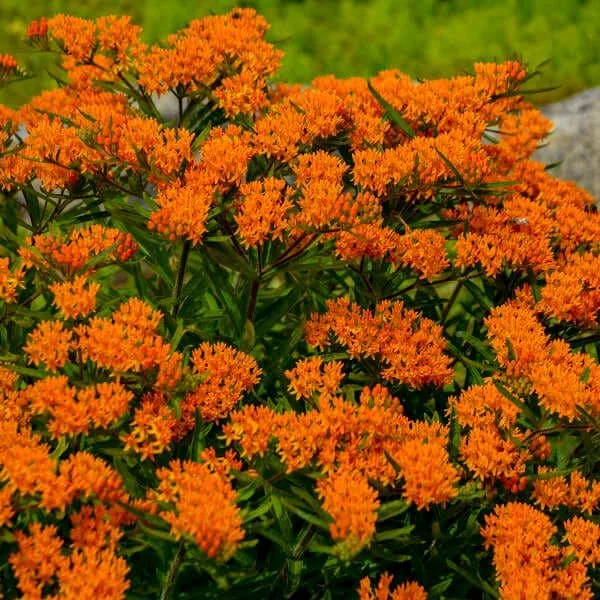
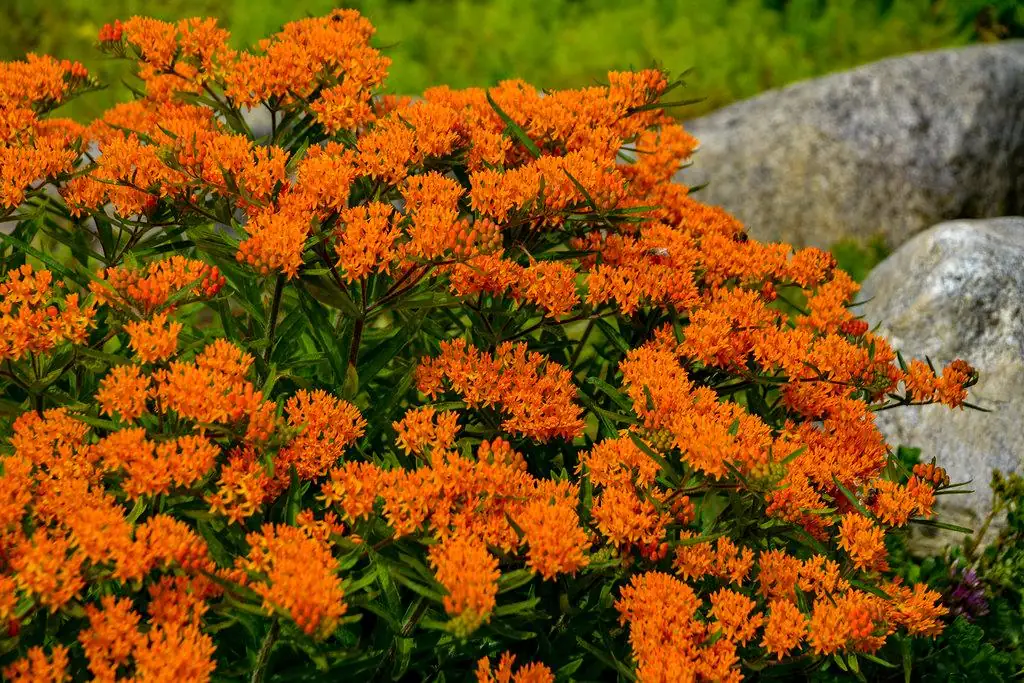
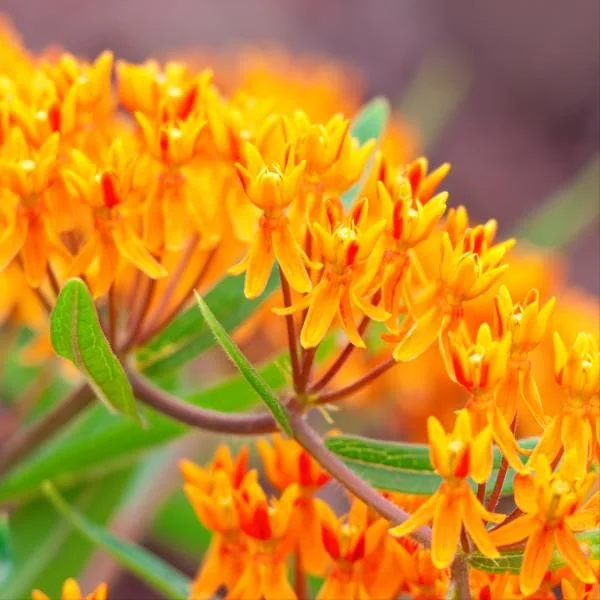
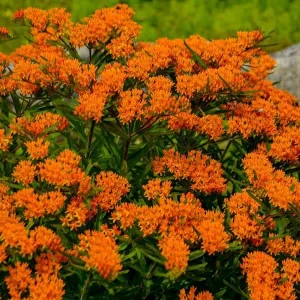
Commonly referred to as Butterfly Weed, Butterfly Milkweed, or Orange Milkweed, this species is celebrated for its brilliant yellow-orange to bright orange flower clusters, which can span 2-5 inches across. These showy flower heads emerge atop dense, lance-shaped, dark-green foliage, creating a striking visual contrast that enhances any garden design. Beyond its aesthetic appeal, this pollinator garden plant offers unparalleled support for local ecosystems, making your garden a haven for wildlife. Choose this easy-to-grow perennial for lasting beauty and a significant positive impact on your local environment.
Key Benefits
Integrating a butterflyweed live plant into your garden offers a multitude of advantages, transforming your outdoor area into a dynamic, eco-friendly space. Its inherent qualities provide both ornamental beauty and essential ecological functions.
- Attracts Pollinators: This plant is a magnet for monarch butterflies, bees, and other beneficial pollinators. Its nectar-rich flowers provide crucial sustenance, ensuring your garden is a hub of activity and supporting local biodiversity. Planting an orange butterfly plant directly contributes to the health of these vital insects.
- Monarch Host Plant: Asclepias tuberosa is the sole food source for monarch butterfly caterpillars. By planting this species, you provide essential habitat and food, directly supporting the monarch life cycle and conservation efforts.
- Drought-Tolerant: Once established, Butterflyweed is remarkably drought-tolerant, requiring minimal supplemental watering. Its deep root system allows it to thrive through dry spells, making it an excellent choice for water-wise gardening and reducing maintenance.
- Low Maintenance: Thriving in poor, sandy, or rocky soils, this plant requires almost no maintenance once mature. It’s deer-resistant and pest-tough, offering a hassle-free gardening experience compared to more delicate ornamentals.
- Long-Lasting Blooms: Enjoy vibrant yellow-orange to bright orange flower clusters from spring through summer. These showy, long-lasting blooms provide continuous color and interest in your garden for months.
- Native Plant: As a native species, Butterflyweed is perfectly adapted to local conditions and contributes to the health of regional ecosystems. It’s an excellent choice for sustainable gardening and supporting local wildlife.
- Versatile Use: Ideal for perennial gardens, containers, and landscape beds. Its striking flowers also make delightful cut flowers, bringing the beauty of your garden indoors. This native perennial plant adapts well to various garden settings.
Plant Care & Growing Tips
Caring for your butterflyweed live plant is remarkably straightforward, making it an excellent choice for both novice and experienced gardeners. This resilient plant is designed to thrive with minimal intervention once established. For optimal growth and prolific blooms, select a location that receives full to part sun, meaning at least 6 hours of direct sunlight daily. While it can tolerate some afternoon shade, more sun generally leads to more abundant flowering. This plant is hardy in USDA zones 3-9, making it suitable for a wide range of climates.
When it comes to soil, Asclepias tuberosa prefers well-draining conditions and can even thrive in poor, sandy, or rocky soils. Avoid heavy, wet soils, as excessive moisture can lead to root rot. Upon transplanting your asclepias tuberosa plant, water it thoroughly. After establishment, it becomes very drought-tolerant and typically only requires watering during extended dry periods. Fertilization is generally not necessary, especially if planted in average garden soil, as it can adapt to nutrient-poor conditions. Avoid over-fertilizing, as this can encourage foliage growth at the expense of flowers.
Common problems are rare with this tough perennial. It is naturally deer-resistant and generally not bothered by pests. Deadheading spent flowers can encourage a longer bloom period, though it’s not strictly necessary. In late fall or early spring, you can cut back the previous year’s growth to the ground to encourage fresh new growth. Remember that this pollinator garden plant is a perennial, meaning it will return year after year, often with increased vigor. Provide good air circulation and avoid overhead watering to minimize any potential fungal issues.
Size & Details
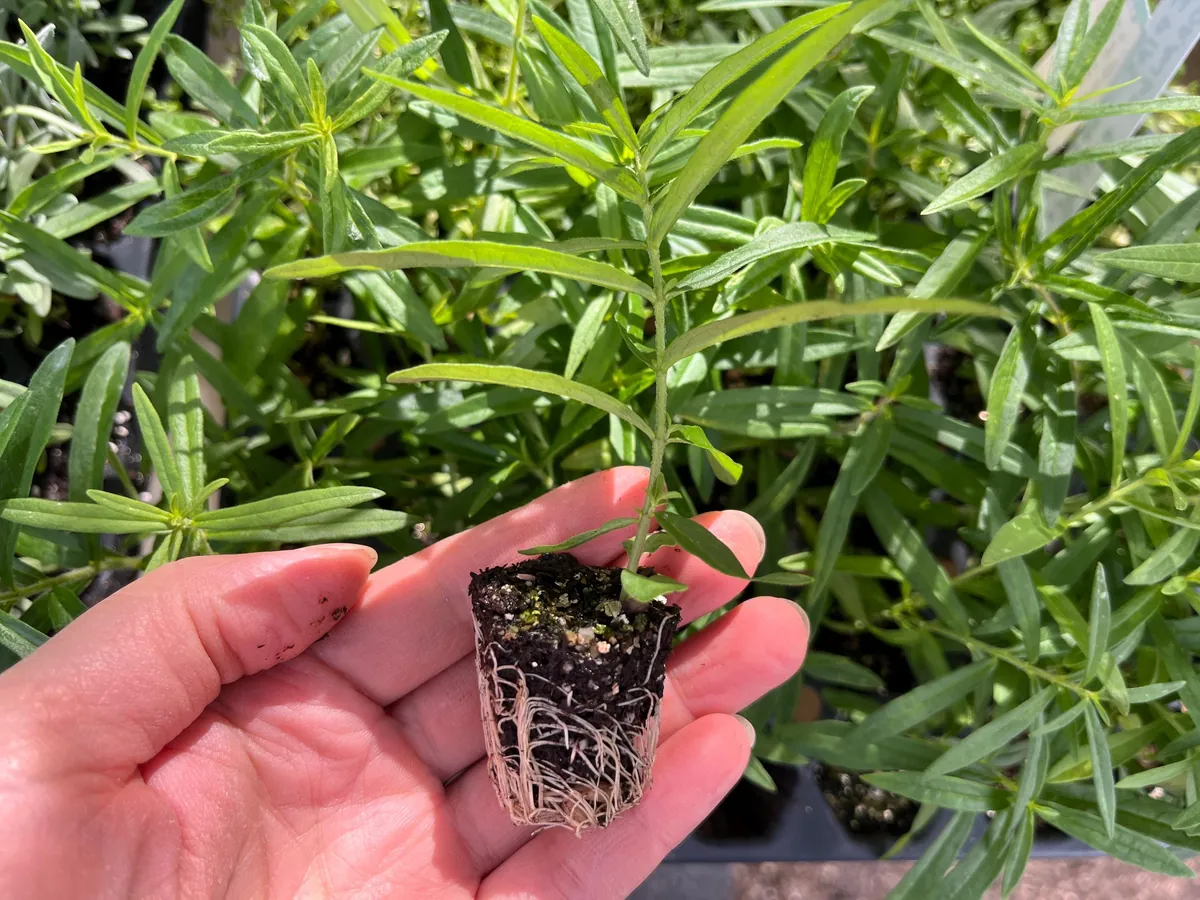
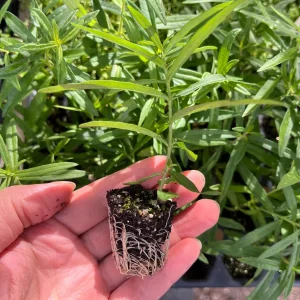
Your butterflyweed live plant will arrive as a healthy starter plant, carefully cultivated in a small plug-size 1.15-inch x 1-inch x 1.25-inch container, ready for transplanting. While plant sizes may vary slightly due to their natural growth, each specimen boasts a strong, healthy root system, which is the most critical feature for successful establishment. Once mature, this orange butterfly plant typically reaches a garden height of approximately 24 inches (61 cm) with a spread of 18-24 inches (46-61 cm), creating a substantial presence in your garden.
The plant features captivating yellow-orange to bright orange flower clusters, measuring 2-5 inches across. It typically blooms from spring through summer, providing a long season of color and pollinator activity. This native perennial plant is suitable for container gardening, landscape beds, and as a cut flower. Allow adequate spacing of about 24 inches between plants to ensure proper airflow and growth. The plant’s deep roots contribute to its drought tolerance and longevity, ensuring it returns year after year with increasing beauty and ecological value.
Frequently Asked Questions
- Q: How big does this butterflyweed live plant get? A: Once mature, this plant typically reaches a garden height of about 24 inches (61 cm) with a spread of 18-24 inches (46-61 cm). It forms a lovely clump of vibrant orange flowers over dark green foliage.
- Q: What size pot does the plant come in? A: The Asclepias tuberosa plant is shipped as a starter plant in a 1.15-inch x 1-inch x 1.25-inch plug-size container, ready for you to transplant into a larger pot or directly into your garden.
- Q: Is this an indoor or outdoor plant? A: This is primarily an outdoor plant, ideal for gardens, landscapes, and containers placed outdoors. It thrives in full to part sun and is hardy in USDA zones 3-9.
- Q: How much sunlight does my pollinator garden plant need? A: Your Butterflyweed requires full to part sun, meaning at least 6 hours of direct sunlight per day. More sun generally leads to more abundant and vibrant blooms.
- Q: Is this plant easy to care for? A: Yes, this orange butterfly plant is known for being very low-maintenance. Once established, it is drought-tolerant, deer-resistant, and thrives in poor soils, requiring minimal care.
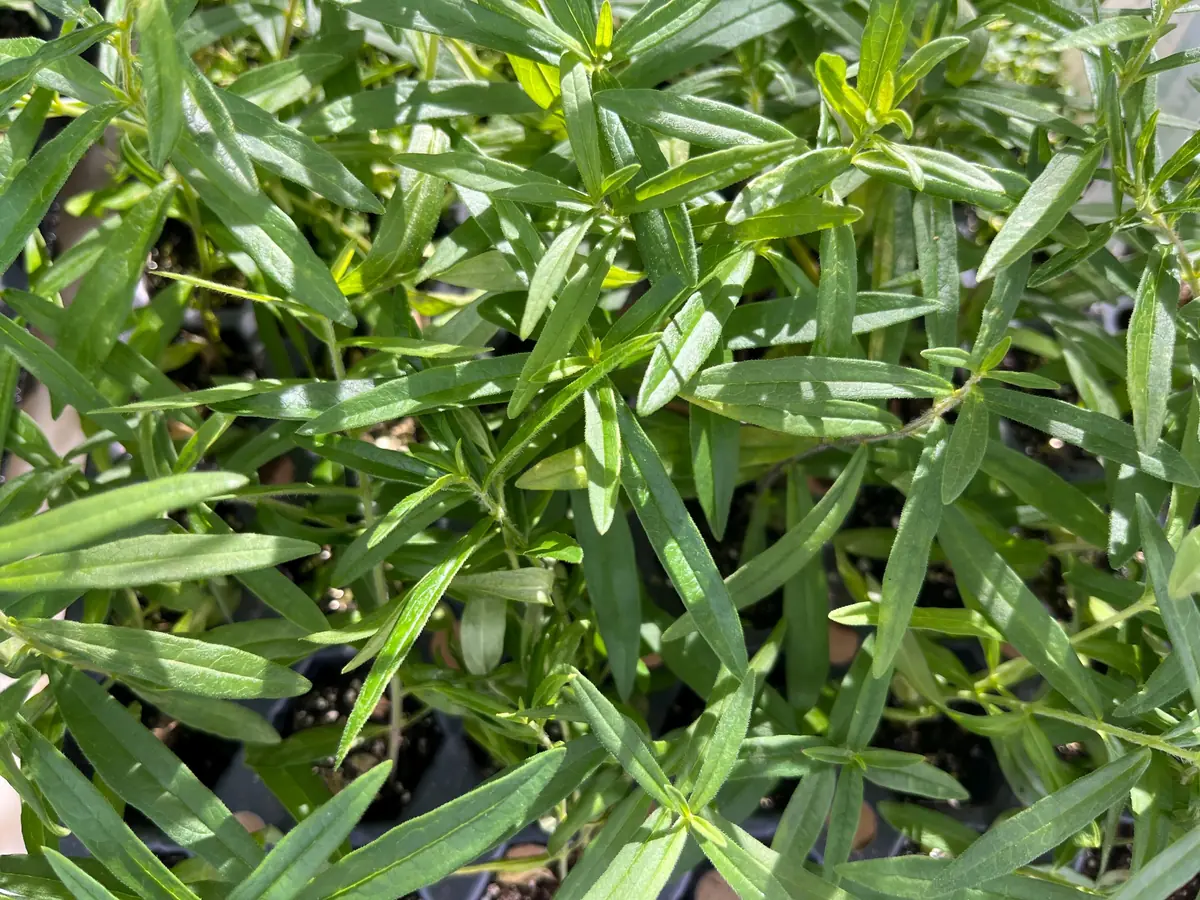
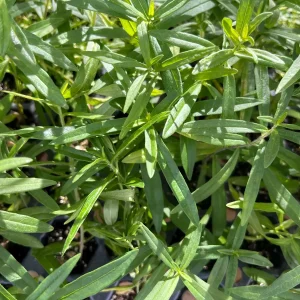
- Q: What condition will the plant arrive in? A: We ship healthy starter plants with strong root systems. While some minor leaf yellowing or damage can occur during transit due to lack of light, the plant will recover quickly once planted and cared for.
- Q: How long until this native perennial plant blooms? A: Butterflyweed typically blooms from spring through summer. If planted in spring or early summer, you may see blooms in its first year, especially if it receives adequate sunlight.
- Q: Will it survive winter in my zone? A: This plant is hardy in USDA zones 3-9, meaning it will survive winter in most temperate climates and return each spring. Its deep roots help it withstand cold temperatures.
- Q: Does this plant attract monarch butterflies? A: Absolutely! Butterflyweed is a critical host plant for monarch caterpillars and its nectar-rich flowers are a favorite food source for adult monarch butterflies and other pollinators.
- Q: What kind of soil does Butterflyweed prefer? A: It thrives in well-draining soil, including sandy or rocky soils. It’s quite adaptable and does not require rich soil, often performing better in less fertile conditions.
| Pack size | 1 Plant, 3 Plants, 6 Plants |
|---|
Be the first to review “Butterflyweed Live Plant (Asclepias tuberosa) Orange Starter for Pollinator Gardens, 1.15-inch Pot”
People Also Viewed
Sold 81 products
Original price was: $79.98.$39.99Current price is: $39.99.

Sold 65 products
Original price was: $26.36.$13.18Current price is: $13.18.
Sold 57 products
From $39.80
Sold 92 products
Original price was: $79.98.$63.98Current price is: $63.98.
Sold 67 products
Original price was: $111.96.$55.98Current price is: $55.98.
Sold 54 products
Original price was: $111.96.$55.98Current price is: $55.98.
Sold 94 products
Original price was: $31.96.$15.98Current price is: $15.98.
Sold 73 products
Original price was: $39.98.$19.99Current price is: $19.99.
Sold 72 products
Original price was: $463.96.$231.98Current price is: $231.98.
Sold 86 products
Original price was: $18.76.$9.38Current price is: $9.38.
Sold 85 products
Original price was: $31.98.$15.99Current price is: $15.99.
Sold 92 products
Original price was: $59.78.$29.89Current price is: $29.89.
Sold 81 products
Original price was: $62.76.$31.38Current price is: $31.38.
Sold 93 products
Original price was: $137.98.$68.99Current price is: $68.99.
Sold 86 products
Original price was: $251.56.$125.78Current price is: $125.78.
Sold 89 products
Original price was: $158.99.$111.29Current price is: $111.29.
Sold 76 products
From $61.58
Sold 62 products
Original price was: $46.00.$36.80Current price is: $36.80.


Reviews
There are no reviews yet.