
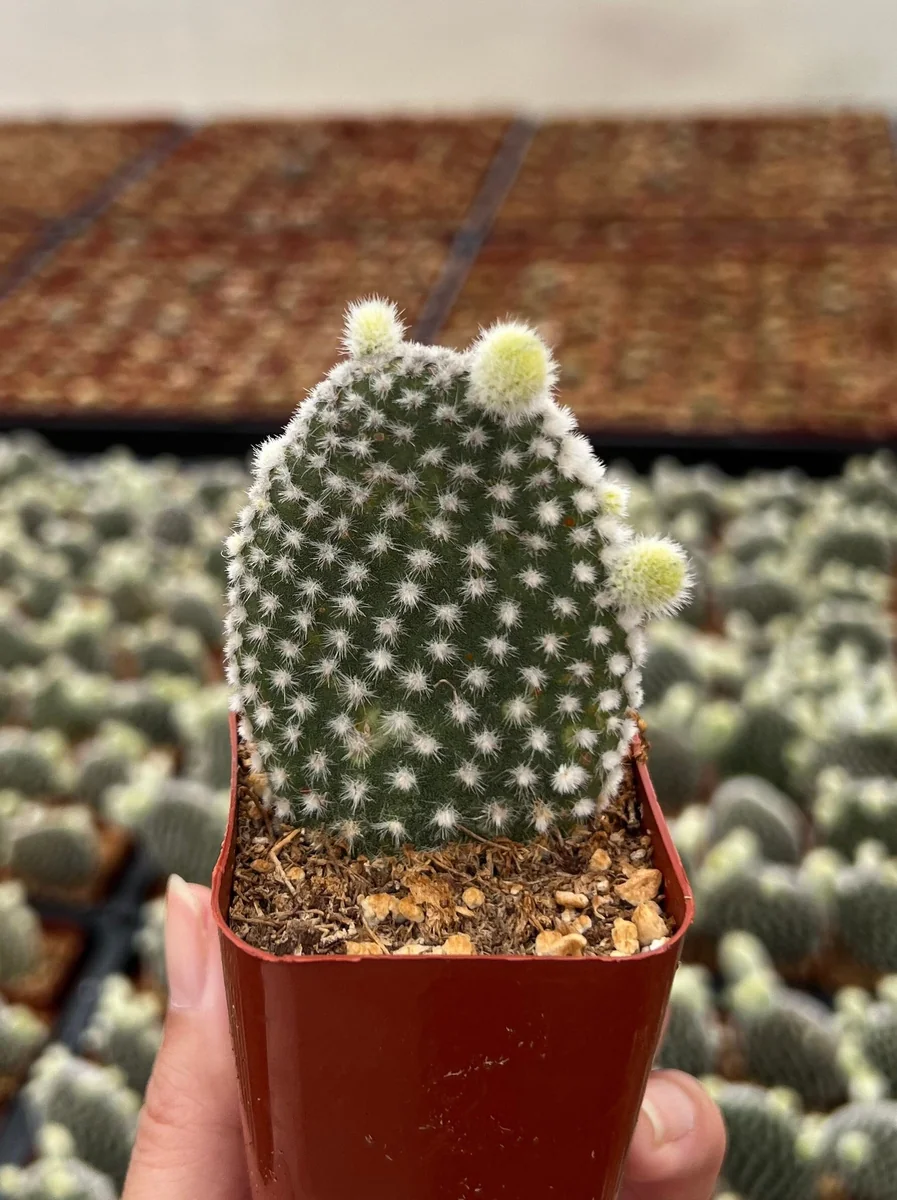
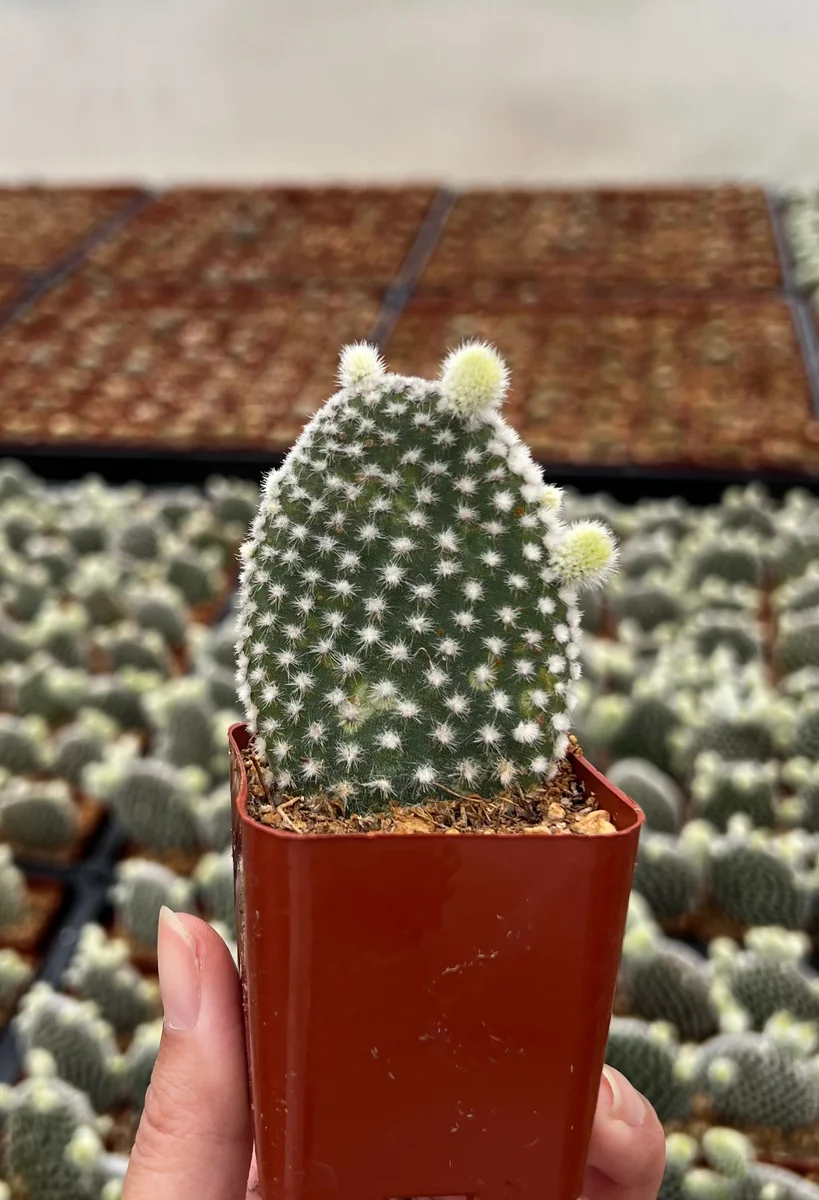
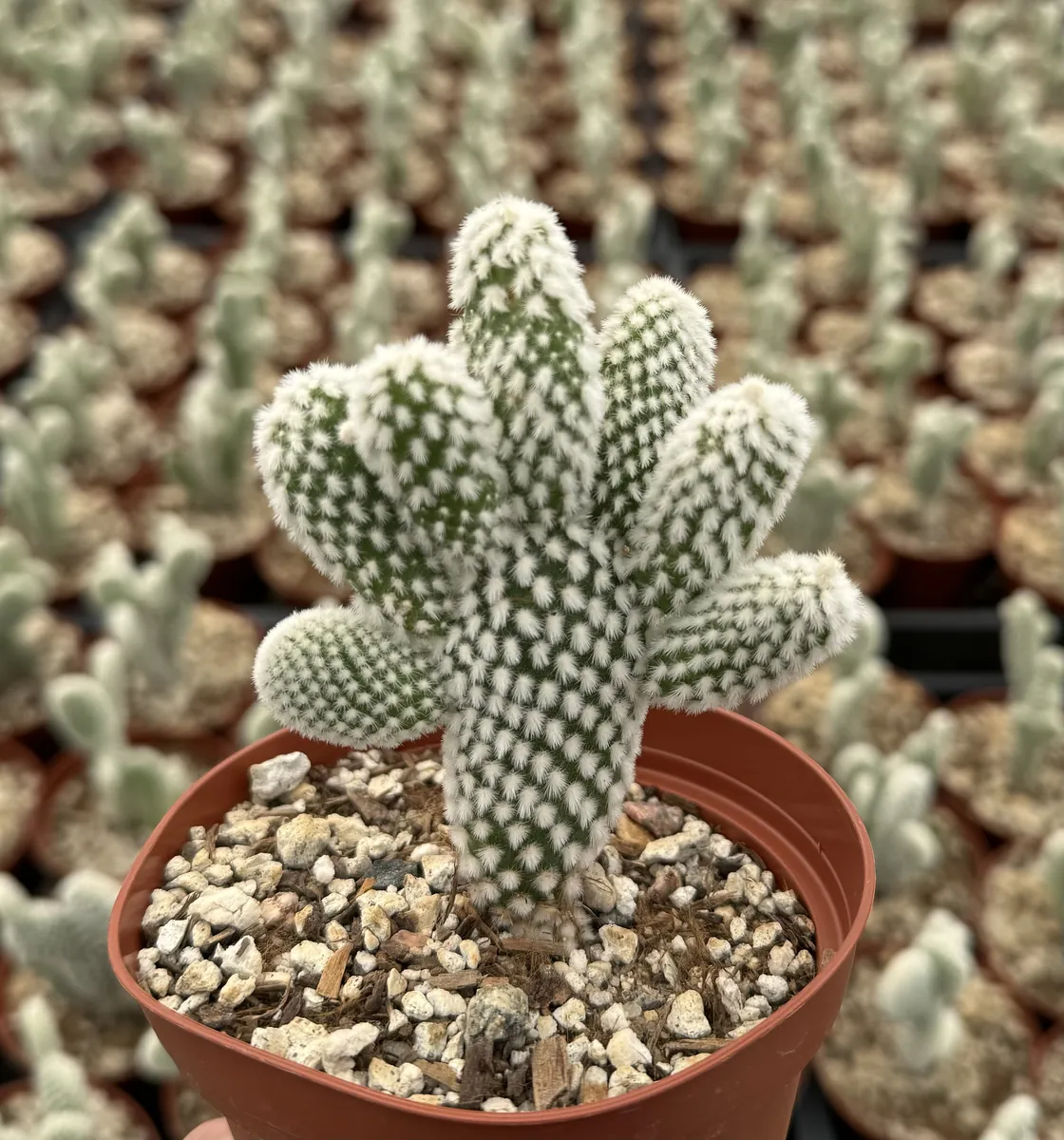
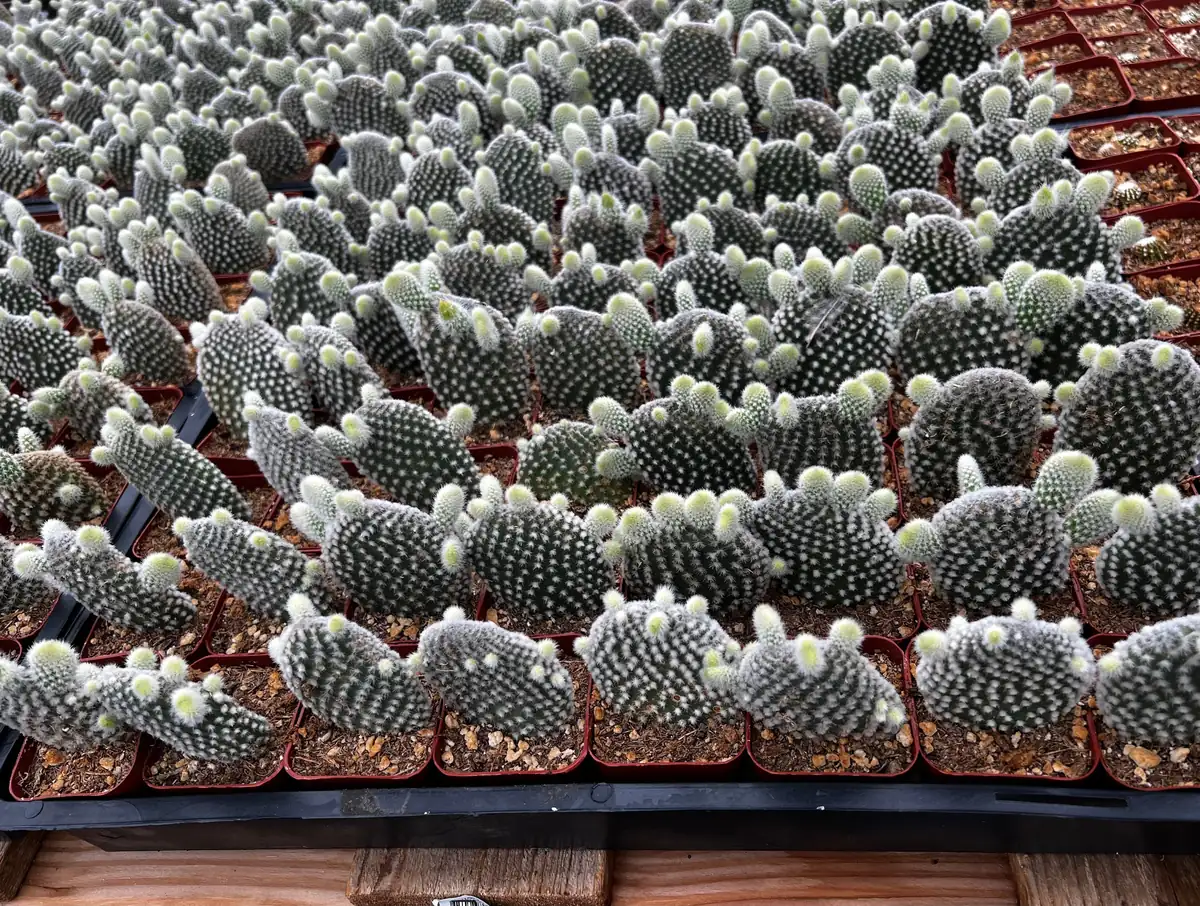
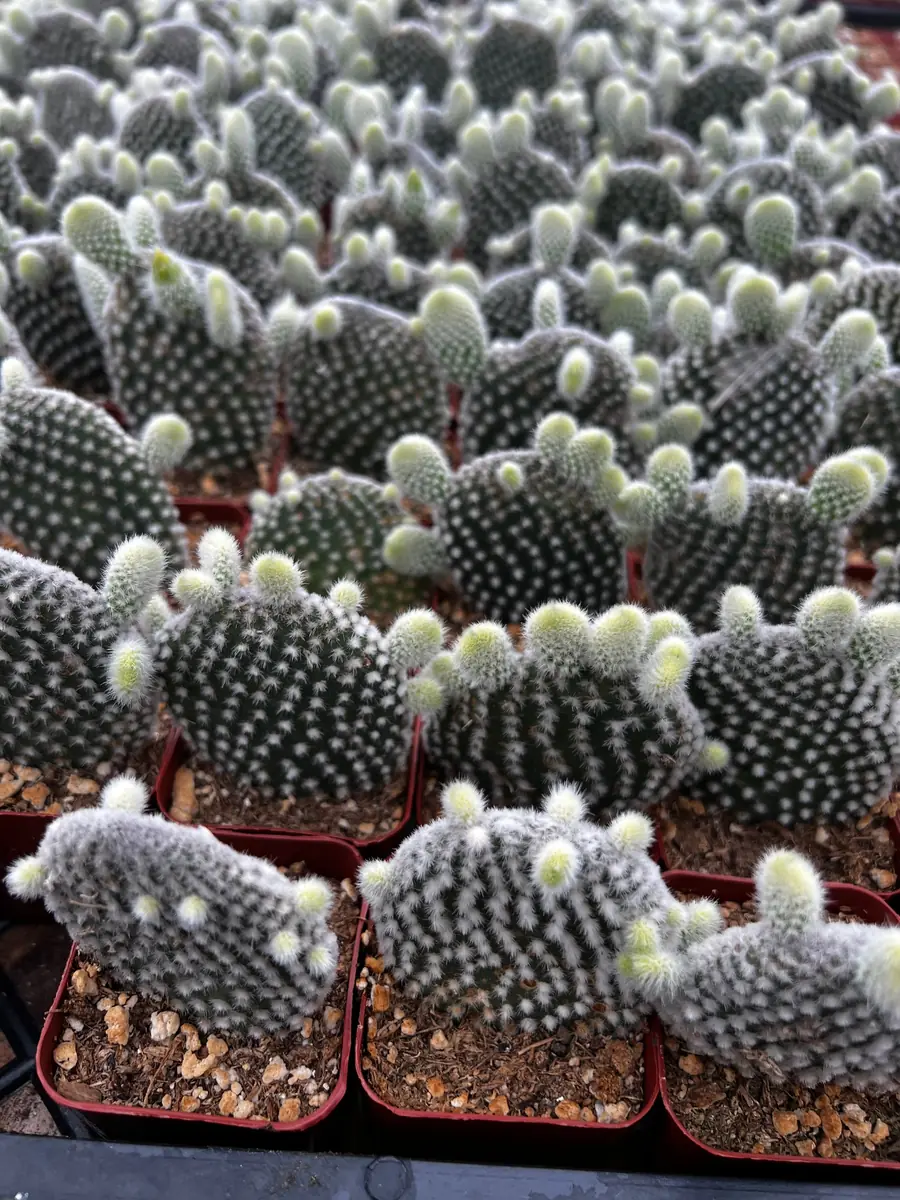
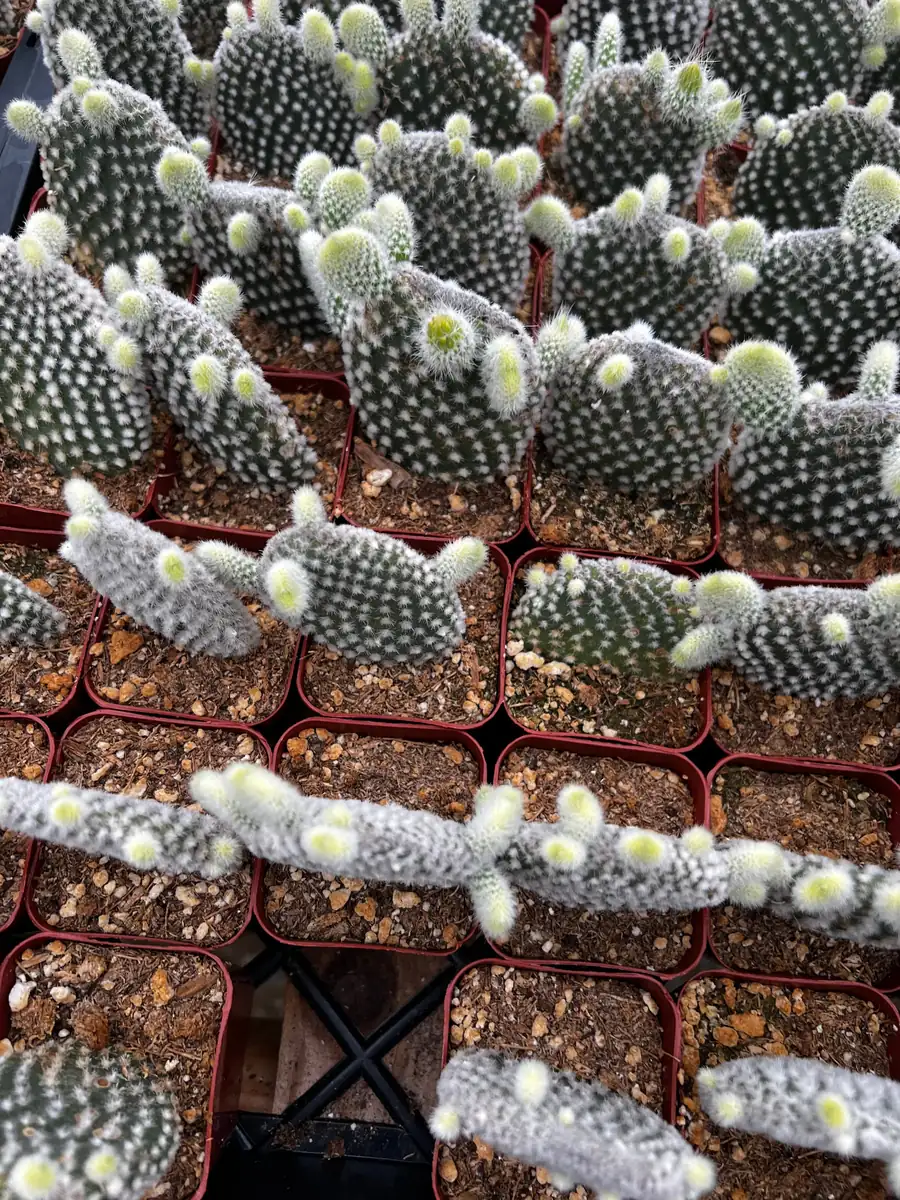
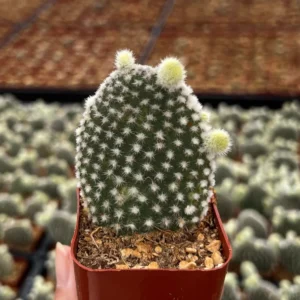
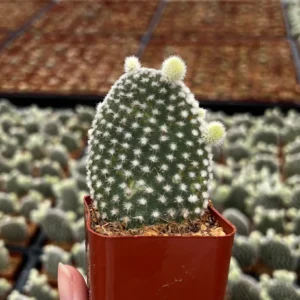
Bunny Ear Cactus Live Plant – Opuntia Microdasys in 2 inch or 4 inch Pot
From $10.48
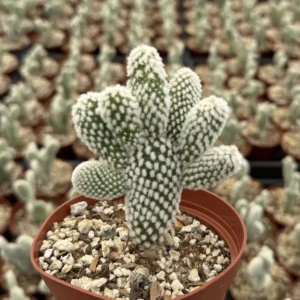
Bring unique desert charm to your home with the delightful bunny ear cactus live plant (Opuntia Microdasys). This easy-to-care-for succulent is perfect for beginners and adds a touch of whimsy to any indoor setting. Its distinctive paddle-like segments resemble bunny ears, making it a conversation starter.
-
USDA Hardiness Zone
USDA zones 9-11 (outdoor) or year-round indoors -
Soil Type
well-draining cactus or succulent potting mix -
Sunlight Exposure
full sun to bright indirect light -
Expected Planting Period
year-round indoors; spring to early summer outdoors

You can track your order HERE
Feb 26
Mar 03 - Mar 05
Mar 08 - Mar 12
Shipping and return policies: Our Alive & Thrive Guarantee covers issues with your plants within the first 30 days. Reach out to us. Our team will answer your questions and help you find the plants that are truly suitable for your environment, climate, and personal preferences.

Overview
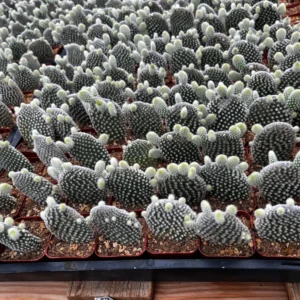
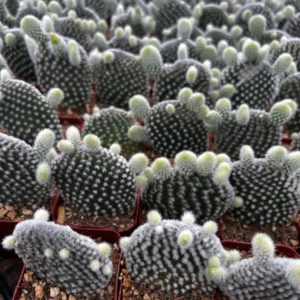
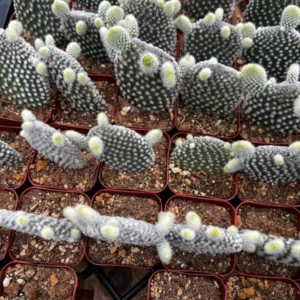
Introduce a whimsical touch to your plant collection with the delightful bunny ear cactus live plant, scientifically known as Opuntia Microdasys. This charming succulent is a favorite among plant enthusiasts for its distinctive appearance, featuring flattened oval pads covered in clusters of fine, golden-yellow or white glochids (tiny, barbed spines) that resemble soft fur, hence its common name. The Opuntia Microdasys care is relatively straightforward, making it an excellent choice for both novice and experienced gardeners. Originating from Mexico, this attractive cactus thrives in arid conditions and brings a desert aesthetic to any indoor or outdoor space where temperatures remain warm. Its compact size and unique form make it a perfect desk plant, window sill accent, or addition to a succulent arrangement. The ‘polka dot cactus’ nickname further highlights its endearing appearance, as the clusters of glochids often create a spotted pattern on its pads.
The bunny ear cactus live plant is a species of prickly pear cactus, though it lacks the large, sharp spines of many of its relatives, instead boasting the aforementioned glochids. These tiny bristles are an adaptation to protect the plant from herbivores and should be handled with care, as they can easily detach and become embedded in skin. Despite this, its overall appeal and low-maintenance nature make it a highly desirable specimen. Whether you’re looking to enhance your indoor jungle or add a resilient plant to a rock garden, this cactus offers both beauty and ease of cultivation, proving that even desert dwellers can be captivating companions.
Key Benefits
The bunny ear cactus live plant offers a multitude of benefits that make it an exceptional choice for any plant lover. Its unique aesthetics and resilience contribute to its widespread popularity, ensuring it remains a standout in any collection. Understanding these advantages can help you appreciate why this succulent is such a rewarding plant to grow.
- Unique Aesthetic Appeal: The most striking feature of the bunny ear cactus live plant is its distinctive paddle-like segments that resemble adorable bunny ears. This playful form, coupled with the dense clusters of glochids, creates a visually interesting and charming plant that serves as a natural conversation starter and a focal point in any room.
- Low Maintenance & Drought Tolerant: As a desert native, the bunny ear cactus live plant is incredibly forgiving and requires minimal care. It thrives on neglect, needing infrequent watering and tolerating dry conditions, making it perfect for busy individuals or those new to plant care.
- Air Purification: Like many plants, the Opuntia Microdasys contributes to a healthier indoor environment by absorbing carbon dioxide and releasing oxygen. While not as potent as some other air purifiers, it still plays a role in improving air quality.
- Versatile Decor: Its compact size and unique shape allow it to fit seamlessly into various decor styles, from modern minimalist to bohemian. It’s ideal for small spaces, office desks, windowsills, or as part of a larger succulent display.
- Beginner-Friendly: Due to its hardy nature and simple care requirements, learning how to grow bunny ear cactus is an excellent starting point for new plant parents. It’s resilient to common mistakes and provides a rewarding growing experience with minimal effort.
- Pet-Friendly (Visual only): While not edible for pets due to its glochids, its unique appearance can be a fun addition to a pet-friendly home, provided it’s placed out of reach. It adds visual interest without being toxic.
- Long Lifespan: With proper care, the polka dot cactus can live for many years, growing into a larger, multi-segmented specimen that continues to delight and thrive, offering lasting beauty and enjoyment.
Plant Care & Growing Tips
Mastering Opuntia Microdasys care is key to ensuring your plant thrives and continues to produce its charming ‘bunny ears’. This desert succulent is relatively undemanding, but understanding its specific needs for light, water, and soil will lead to a healthy and robust specimen. Providing the right environment will allow your bunny ear cactus live plant to flourish and grow.
Sunlight Requirements
The bunny ear cactus live plant thrives in abundant sunlight. It prefers at least 6 hours of direct sunlight per day. When grown indoors, place it in a south-facing window where it can receive the brightest light. If sufficient natural light isn’t available, consider supplementing with a grow light. For outdoor cultivation, ensure it’s in a location that gets full sun. Insufficient light can lead to etiolation, where the plant stretches and becomes spindly in search of light, losing its compact, paddle-like form.
Watering Schedule and Soil Moisture
Overwatering is the most common cause of problems for cacti. The bunny ear cactus live plant is extremely drought-tolerant. Water thoroughly only when the soil is completely dry to the touch, and then allow it to dry out completely again before the next watering. During the dormant winter months, reduce watering significantly, perhaps once every 3-4 weeks, or even less, depending on your environment. Always ensure excess water can drain away freely from the pot.
Soil Type and Drainage Requirements
Excellent drainage is paramount for the health of your bunny ear cactus live plant. Use a specialized cactus or succulent potting mix, or create your own by mixing regular potting soil with perlite, pumice, or coarse sand in a 1:1 ratio. This ensures that water doesn’t sit around the roots, preventing root rot. A terracotta pot is often recommended as it allows for better airflow and quicker drying of the soil.
Temperature Range and USDA Hardiness Zone
This succulent prefers warm temperatures, ideally between 65-100°F (18-38°C). It can tolerate cooler temperatures down to about 20°F (-6°C) for short periods, but prolonged exposure to freezing temperatures will cause damage. The bunny ear cactus live plant is generally suitable for outdoor growing in USDA Zones 9-11. If you live in a colder climate, it’s best to grow it in a container that can be brought indoors during winter. Moderate humidity is generally fine, but avoid excessively humid environments.
Fertilization Schedule and Type
The bunny ear cactus live plant is not a heavy feeder. Fertilize sparingly during its active growing season (spring and summer) with a balanced, diluted liquid fertilizer formulated for cacti and succulents. Apply once every 2-4 weeks at half strength. Avoid fertilizing during the fall and winter dormant period. Over-fertilization can lead to leggy growth and potential root burn.
Common Problems and Solutions
While generally resilient, the polka dot cactus can face issues like root rot from overwatering, indicated by soft, mushy pads. If this occurs, unpot the plant, remove affected parts, and repot in fresh, dry soil. Pests like mealybugs or scale can sometimes appear; treat with neem oil or insecticidal soap. Handle with care due to glochids; use gloves or tongs when repotting or moving the plant. Learning how to grow bunny ear cactus successfully involves monitoring these factors.
Size & Details
This offering includes a vibrant bunny ear cactus live plant (Opuntia Microdasys) available in either a 2-inch or 4-inch nursery pot, providing flexibility for your planting preferences. The plant’s size will vary slightly depending on the pot size, with the 2-inch pot containing a younger, more compact specimen, and the 4-inch pot housing a more established plant with several pads. These cacti typically grow at a moderate rate, eventually forming clumps that can reach up to 2-3 feet in height and width when mature, though they remain much smaller in containers indoors. The plant is shipped in its nursery pot with well-draining soil, carefully packaged to ensure its safe arrival. Expect a healthy, ready-to-grow succulent that will bring immediate character to your space. The exact number of pads will vary, but each plant is selected for its robust health and appealing form, ready to begin its new life in your home or garden.
Frequently Asked Questions
- Q: How big does this plant get? A: The bunny ear cactus live plant can eventually grow to be 2-3 feet tall and wide when mature, especially if allowed to spread. However, when grown in a pot indoors, its size can be managed through pruning and pot size, typically remaining more compact.
- Q: What size pot does it come in? A: This bunny ear cactus live plant is available in either a 2-inch or 4-inch nursery pot. Both sizes are carefully selected to ensure a healthy start for your new succulent.
- Q: Is this an indoor or outdoor plant? A: The bunny ear cactus live plant can be grown both indoors and outdoors. It thrives outdoors in warm climates (USDA Zones 9-11) but makes an excellent indoor houseplant in all zones, provided it receives ample sunlight.
- Q: How much sunlight does it need? A: It requires at least 6 hours of direct sunlight per day. Indoors, place it in a south-facing window. Outdoors, choose a spot with full sun exposure for optimal growth and health.
- Q: Is this plant easy to care for? A: Yes, Opuntia Microdasys care is considered very easy, making it an ideal choice for beginners. It’s drought-tolerant and forgiving of occasional neglect, primarily needing plenty of light and infrequent watering.
- Q: What condition will it arrive in? A: Your polka dot cactus will arrive safely packaged in its nursery pot with soil, ready to be placed in its new home. We take great care to ensure the plant is protected during transit.
- Q: Is it pet-safe? A: While not toxic, the bunny ear cactus live plant has tiny barbed glochids that can irritate skin and mouths. It’s best to keep it out of reach of pets and small children to prevent accidental contact.
- Q: When is the best time to plant or repot? A: The best time to plant or repot your bunny ear cactus live plant is during its active growing season in spring or early summer. This allows the plant to establish itself quickly in its new environment.
- Q: How often should I water my bunny ear cactus? A: Water sparingly. Only water when the soil is completely dry to the touch. During winter, reduce watering significantly to once every few weeks or even less, depending on the humidity and temperature of your home.
- Q: Do the ‘bunny ears’ bloom? A: Mature bunny ear cactus live plant specimens can produce small, yellow, or reddish flowers, typically during the spring or early summer. However, flowering is more common in outdoor settings or when the plant receives ideal conditions and maturity.
| Size | 2", 4" |
|---|
Be the first to review “Bunny Ear Cactus Live Plant – Opuntia Microdasys in 2 inch or 4 inch Pot”
People Also Viewed
Sold 74 products
Original price was: $26.76.$13.38Current price is: $13.38.
Sold 98 products
Original price was: $359.60.$179.80Current price is: $179.80.
Sold 58 products
From $99.00
Sold 53 products
From $131.80
Sold 66 products
From $7.16
Sold 87 products
Original price was: $33.98.$16.99Current price is: $16.99.
Sold 96 products
Original price was: $38.00.$19.00Current price is: $19.00.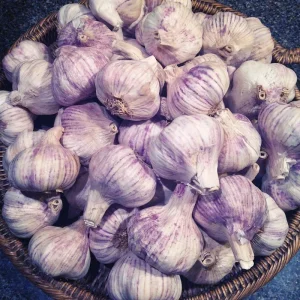

Flower Bulbs
Organic Purple Stripe Italian Garlic Bulbs for Planting or Eating – USA Grown – Choose 1/2 to 10 lbs
Sold 69 products
From $20.98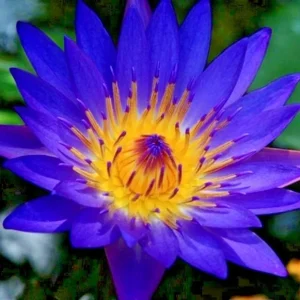

Aquatic Plant Seeds
Colorful Lotus Water Lily Bulbs – Easy Grow Perennial Aquatic Plant for Ponds & Aquariums
Sold 75 products
Original price was: $22.76.$11.38Current price is: $11.38.
Sold 85 products
Original price was: $49.98.$39.98Current price is: $39.98.
Sold 77 products
From $107.80
Sold 54 products
Original price was: $54.36.$27.18Current price is: $27.18.
Fruits
Miracle Berry Grafted Live Plant – Synsepalum dulcificum – Taste-Altering Fruit – 6-12 inches
Sold 79 products
From $150.00
Sold 73 products
Original price was: $339.96.$169.98Current price is: $169.98.
Sold 53 products
From $95.80
Sold 72 products
From $67.80
Sold 100 products
Original price was: $59.98.$29.99Current price is: $29.99.
Sold 52 products
Original price was: $146.76.$73.38Current price is: $73.38.


Reviews
There are no reviews yet.