
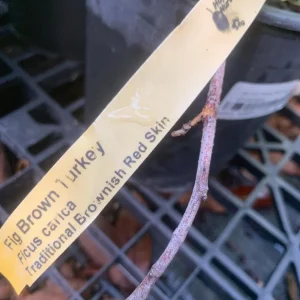
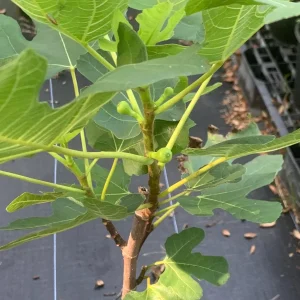
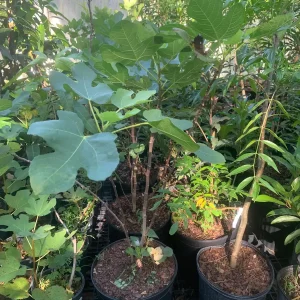
Brown Turkey Fig Dwarf Live Plant – Edible Fruit Tree – Heavy Producer
From $64.00
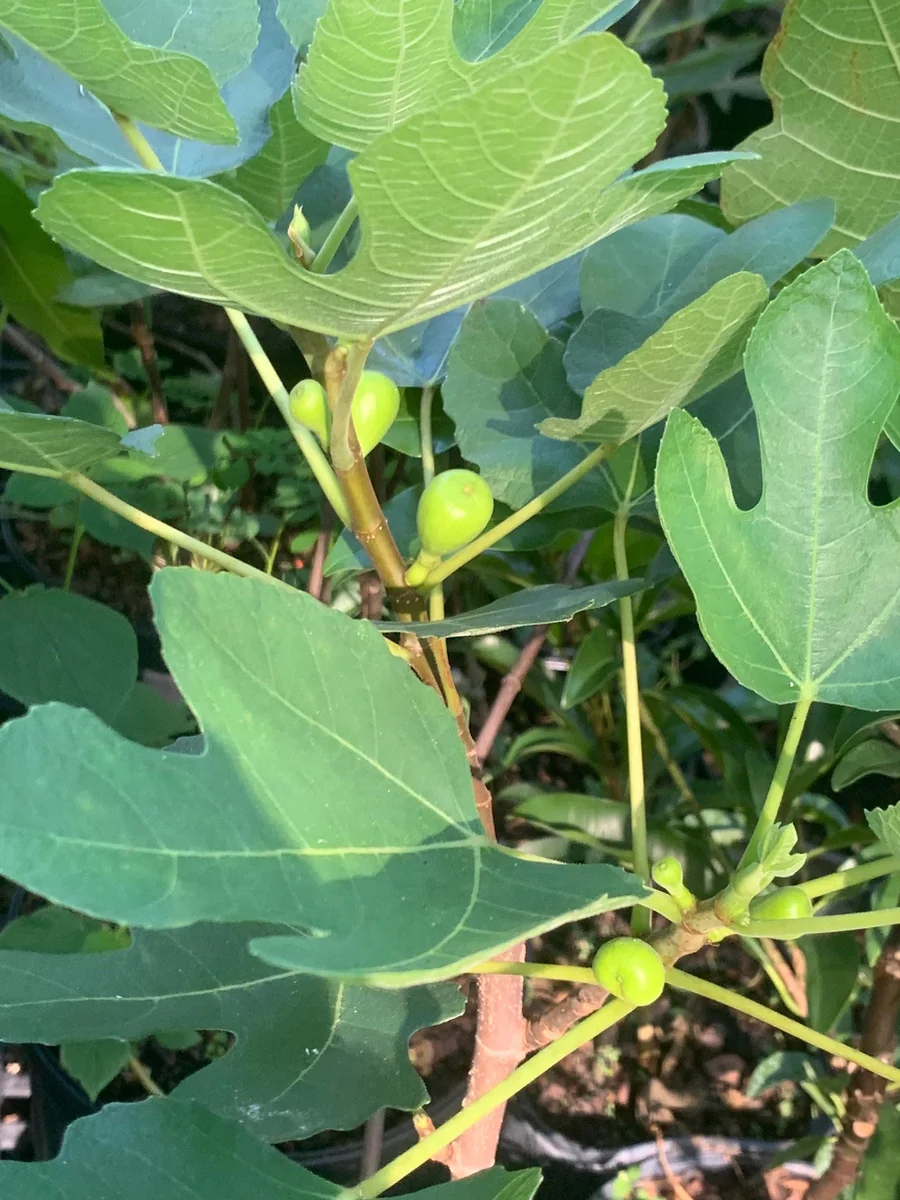
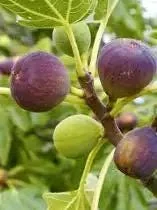
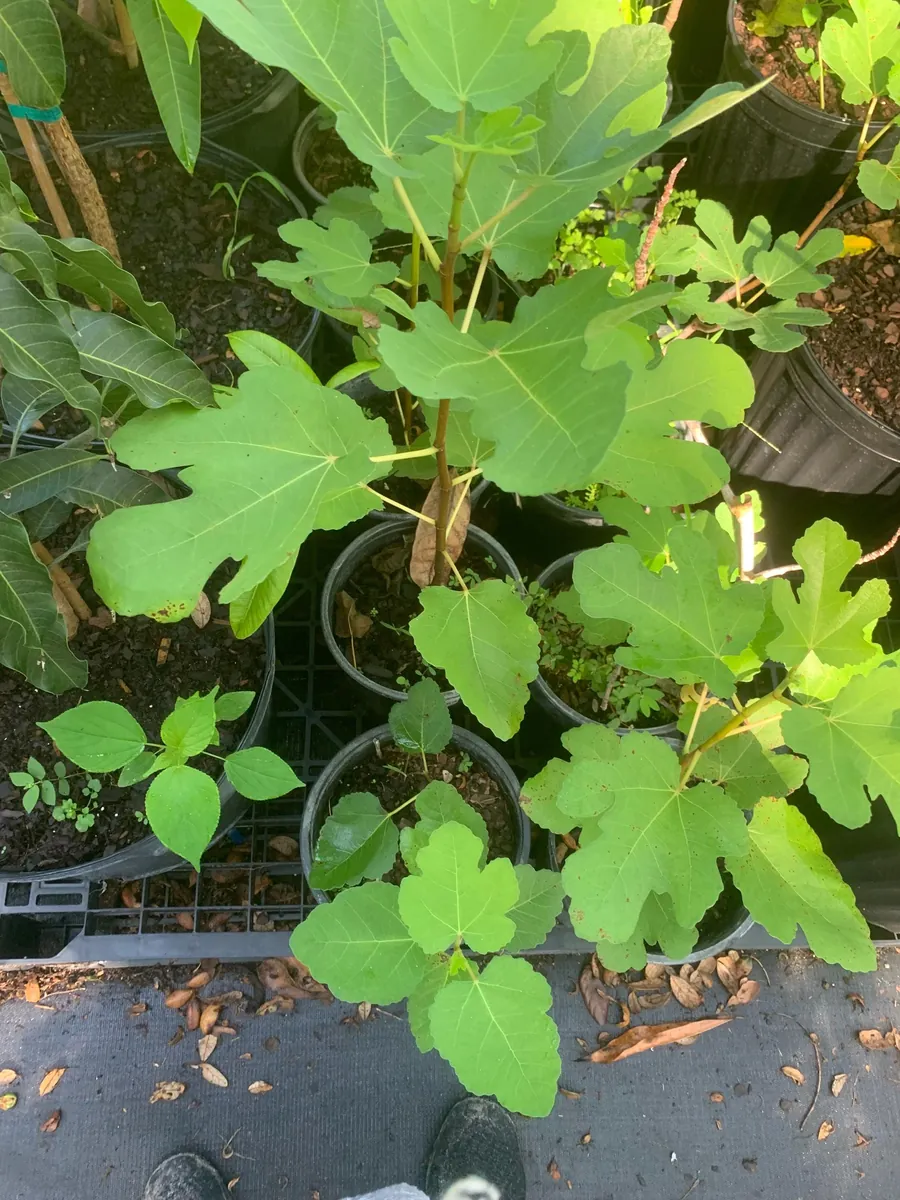
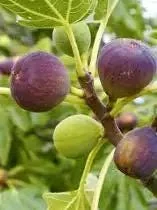
Cultivate your own sweet fruit with the Brown Turkey Fig Dwarf Plant. This live plant is a heavy producer of medium to large, brownish-maroon figs with amber-colored, very sweet flesh. It’s a self-fertile variety, perfect for any garden or large container. Enjoy fresh figs right from your tree!
-
USDA Hardiness Zone
USDA zones 7-10 -
Soil Type
Well-draining, rich in organic matter -
Sunlight Exposure
Full sun (6-8 hours direct light) -
Expected Planting Period
Spring to early summer

You can track your order HERE
Mar 18
Mar 23 - Mar 25
Mar 28 - Apr 01
Shipping and return policies: Our Alive & Thrive Guarantee covers issues with your plants within the first 30 days. Reach out to us. Our team will answer your questions and help you find the plants that are truly suitable for your environment, climate, and personal preferences.

Overview
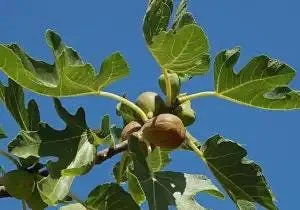
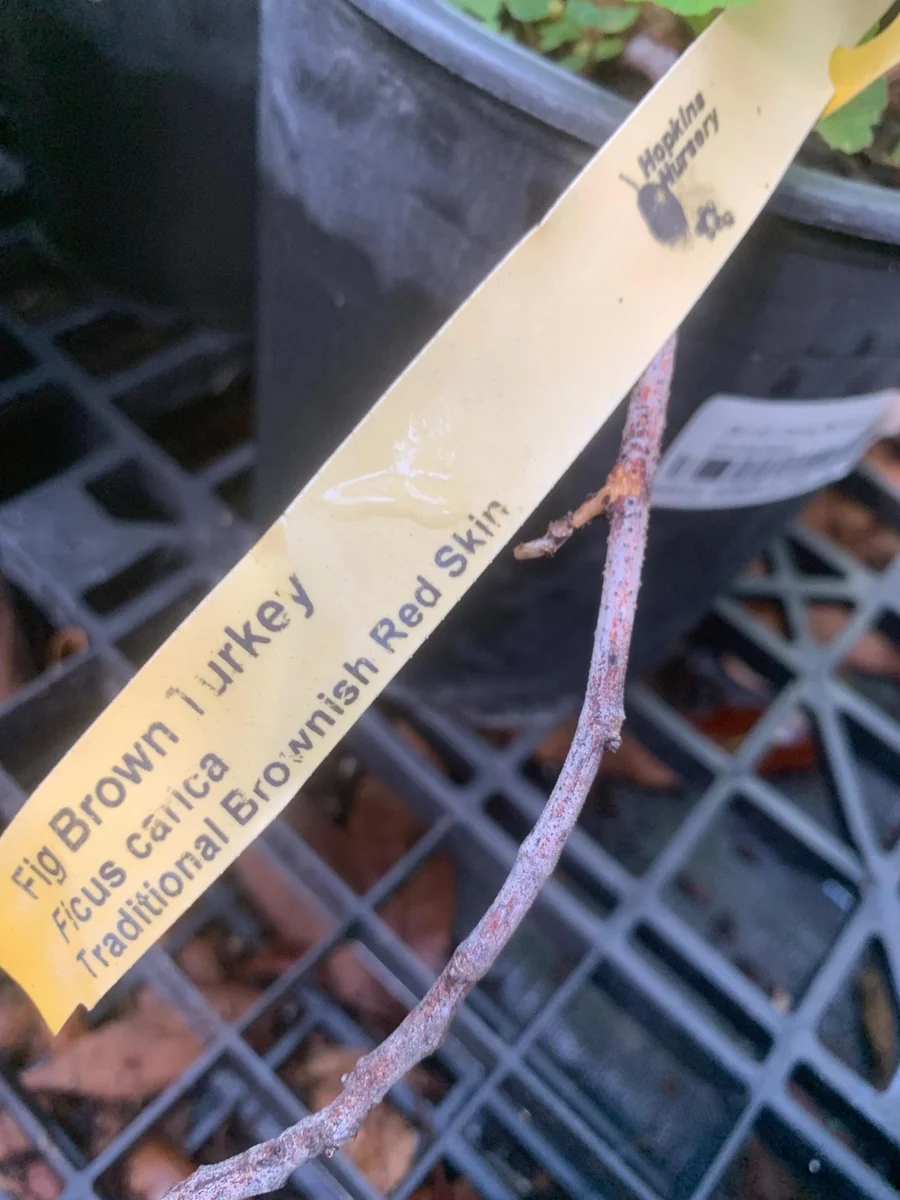
Bring the joy of home-grown fruit to your garden with the Brown Turkey Fig Dwarf Plant. This live plant is renowned for its vigorous growth and abundant harvest, making it a favorite among gardeners. The Brown Turkey Fig, scientifically known as Ficus carica ‘Brown Turkey’, is a highly productive variety, yielding delicious, medium to large bell-shaped figs. Its skin boasts a beautiful brownish-maroon hue, encasing a succulent, amber-colored flesh that is exceptionally sweet and tender. Ideal for eating fresh directly from the tree, these figs also excel in preserves, baking, or drying. This particular dwarf variety is well-suited for smaller gardens or container growing, allowing even urban dwellers to experience the pleasure of harvesting their own figs. It’s an excellent choice for those looking to add an edible and ornamental plant to their landscape.
Key Benefits
Choosing to cultivate a Brown Turkey Fig Dwarf Plant offers numerous advantages, from its culinary contributions to its relative ease of care. This plant is a fantastic addition to any home garden, providing both aesthetic appeal and a bountiful harvest. Here are some of the key benefits:
- Abundant Fruit Production: The Brown Turkey Fig is a very heavy bearer, often producing two crops per year. This means a continuous supply of fresh, delicious figs from mid-season until late, ensuring you have plenty to enjoy and share.
- Exceptional Flavor: The figs produced by this plant are celebrated for their incredibly sweet and tender amber-colored flesh. They are ideal for eating fresh, offering a delightful taste experience straight from the tree, or can be used in various culinary applications.
- Self-Fertile Variety: This edible fig plant is self-fertile, meaning it does not require another fig tree for pollination. This makes it a convenient choice for gardeners who may only have space for one fig tree, simplifying the growing process and guaranteeing fruit.
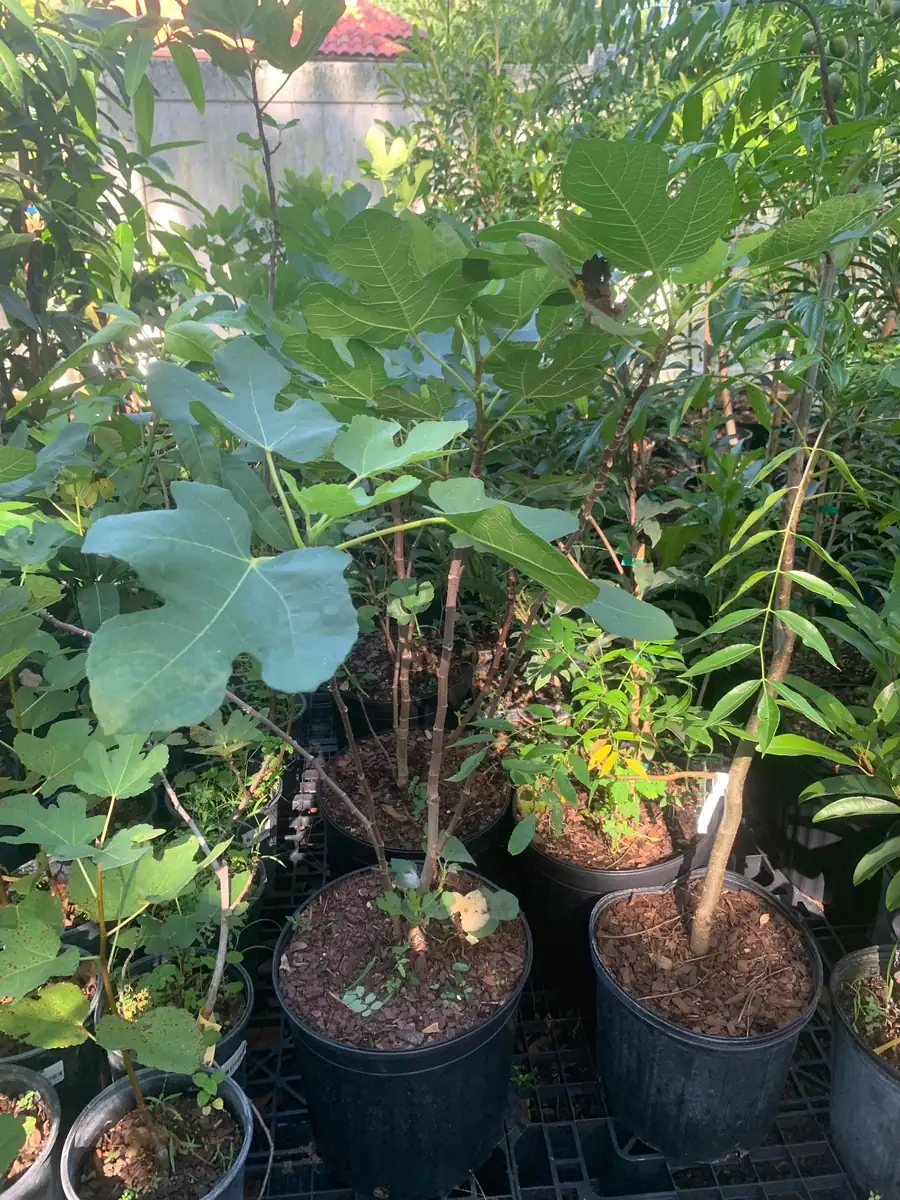
- Dwarf Growth Habit: As a dwarf variety, this fig plant is perfect for smaller gardens, patios, or growing in containers. Its manageable size makes it easier to prune, harvest, and protect during colder months, allowing more people to grow fig tree successfully.
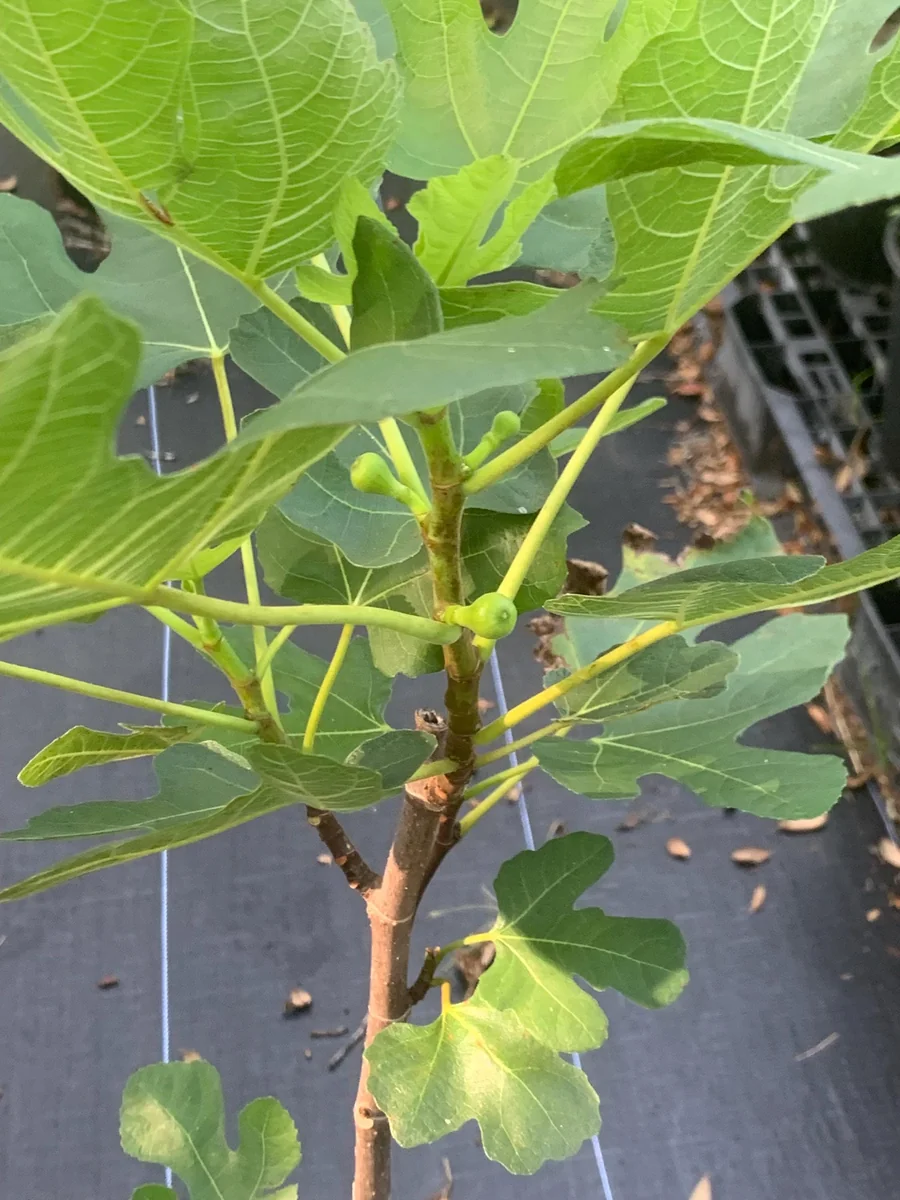
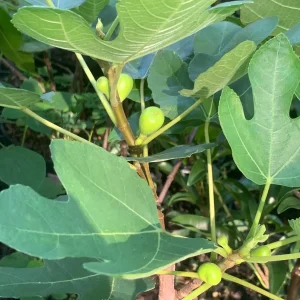
- Ornamental Value: Beyond its fruit-bearing capabilities, the Brown Turkey Fig features attractive lobed leaves that add a touch of Mediterranean charm to any garden. It serves as a beautiful focal point, enhancing the visual appeal of your outdoor space.
- Versatile Culinary Use: The sweet figs are incredibly versatile. Enjoy them fresh, grilled, in salads, desserts, jams, or dried. Having your own supply ensures access to fresh, organic figs for all your culinary adventures.
- Relatively Low Maintenance: Once established, the fig plant care for a Brown Turkey Fig is relatively straightforward. It is quite resilient and can tolerate various soil conditions, making it suitable for both novice and experienced gardeners.
Plant Care & Growing Tips
To ensure your Brown Turkey Fig Dwarf Plant thrives and produces a bountiful harvest, understanding its specific care requirements is crucial. This hardy and adaptable plant generally requires minimal fuss once established, but providing optimal conditions will lead to the best results. Proper fig plant care involves attention to sunlight, watering, soil, and protection from extreme temperatures.
Sunlight Requirements: Fig trees, including the Brown Turkey variety, are sun-lovers. They require at least 6-8 hours of direct sunlight per day to produce the sweetest and most abundant fruit. Choose a location in your garden that receives full sun exposure throughout the day. If growing in a container, ensure it’s placed in the sunniest spot on your patio or balcony. Watering Schedule & Soil Moisture: While established fig trees are somewhat drought-tolerant, consistent watering is essential, especially during fruit development and dry spells. Water deeply when the top 1-2 inches of soil feel dry to the touch. Avoid overwatering, as figs do not like soggy roots. Ensure good drainage to prevent root rot. Soil Type & Drainage: Figs prefer well-draining soil that is rich in organic matter. A slightly acidic to neutral pH (6.0-7.0) is ideal. If planting in the ground, amend heavy clay soils with compost to improve drainage. For container growing, use a high-quality potting mix designed for edible plants or fruit trees. This will help your Brown Turkey Fig Dwarf Plant establish a strong root system.
Temperature Range & USDA Hardiness Zone: The Brown Turkey Fig is relatively cold-hardy for a fig, typically thriving in USDA Zones 7-10. In colder zones (6 and below), it can be grown in containers and moved indoors during winter, or given significant winter protection. Provide protection from harsh freezes, especially for young plants. Fertilization Schedule & Type: Fertilize your fig tree in early spring before new growth begins, and again in mid-summer if needed, especially if you want to grow fig tree with maximum yield. Use a balanced, slow-release fertilizer or one formulated for fruit trees. Avoid over-fertilizing, particularly with high nitrogen, which can lead to excessive foliage at the expense of fruit. Common Problems & Solutions: Figs are generally resilient, but watch out for common pests like spider mites or fig rust. Good air circulation and proper watering can prevent many fungal issues. Prune annually in late winter to remove dead or crossing branches and to maintain desired shape and size, which is a key aspect of healthy fig plant care.
Size & Details
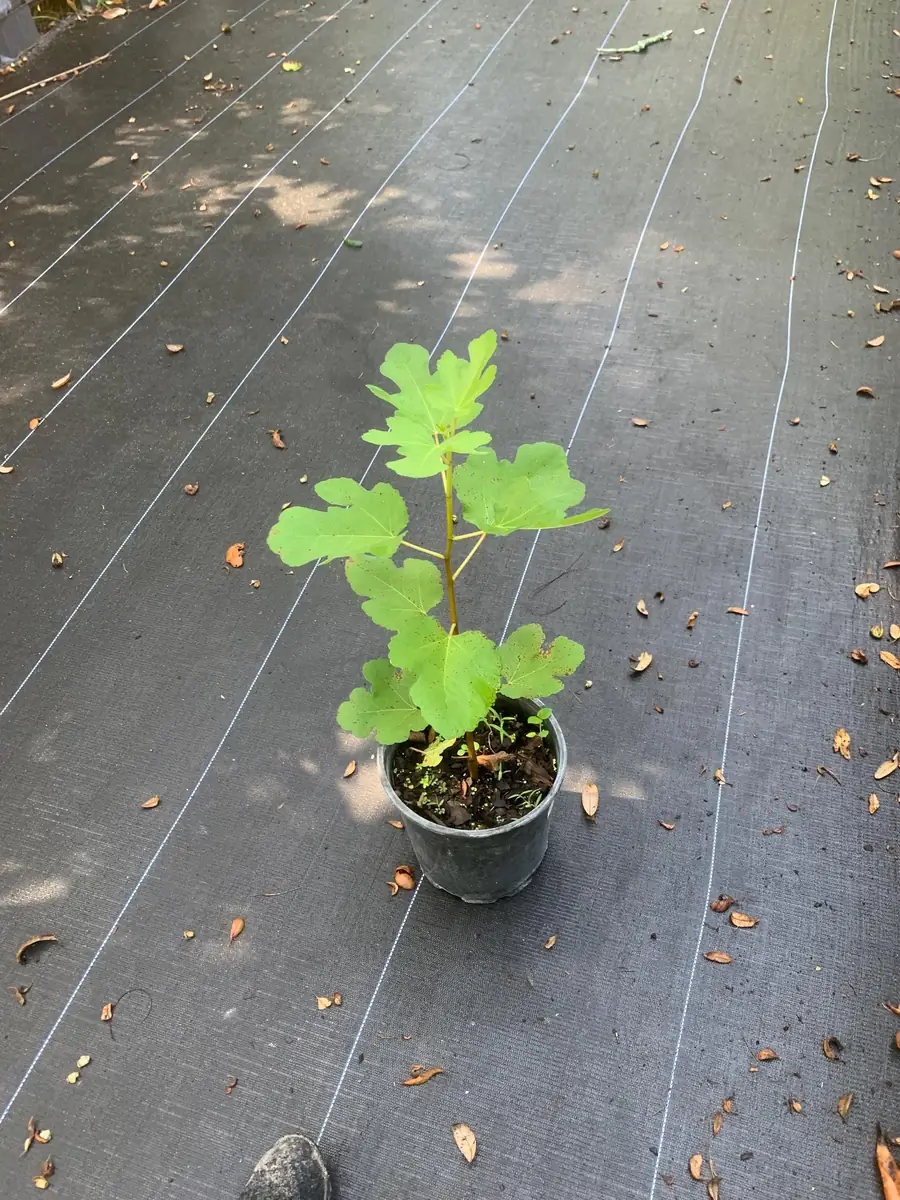
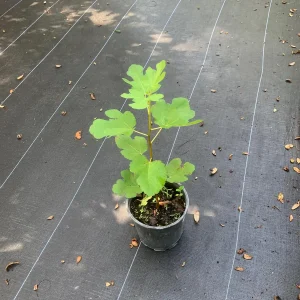
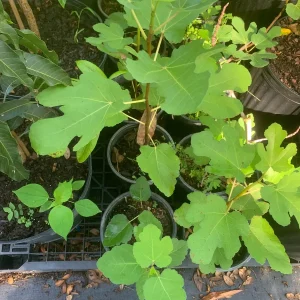
This Brown Turkey Fig Dwarf Plant is a live, actively growing specimen, ready to establish itself in your garden or a large container. Typically, a dwarf fig variety will reach a mature height of 6-10 feet and a similar spread when planted in the ground, though its size can be kept smaller with regular pruning, especially when grown in a container. The plant you receive will be carefully packaged to ensure its safe arrival, usually shipped in a nursery pot with established roots. While initial growth may focus on root development, you can expect this heavy bearer to start producing fruit within 1-2 years of planting. The bell-shaped figs mature to a medium to large size, offering a substantial harvest. This variety is known for its ability to produce two crops annually, with the first ripening in early summer and a more substantial second crop in late summer to early fall. With proper fig plant care, your plant will provide years of delicious fruit.
Frequently Asked Questions
- Q: How big does this plant get? A: The Brown Turkey Fig Dwarf Plant typically grows to a mature height of 6-10 feet and a similar width when planted in the ground. Its size can be easily managed through pruning, especially if you plan to grow it in a large container.
- Q: Is this an indoor or outdoor plant? A: This fig plant is primarily an outdoor plant, thriving in full sun. However, in colder climates (below USDA Zone 7), it can be grown in containers and brought indoors during the winter months to protect it from freezing temperatures.
- Q: How much sunlight does it need? A: For optimal fruit production and plant health, the Brown Turkey Fig Dwarf Plant requires at least 6-8 hours of direct sunlight per day. Choose a sunny location for planting.
- Q: Is this plant easy to care for? A: Yes, the Brown Turkey Fig is considered relatively easy to care for once established. It’s quite forgiving and adaptable, making it a good choice for both beginner and experienced gardeners looking to grow fig tree.
- Q: What condition will it arrive in? A: Your live plant will arrive carefully packaged in a nursery pot with its root system intact and healthy. Some minor leaf drop or stress is normal during transit, but the plant should recover quickly with proper care.
- Q: Can I use the figs for cooking? A: Absolutely! The figs from the Brown Turkey Fig Dwarf Plant are incredibly versatile. They are delicious eaten fresh, but also excellent for baking, making jams, drying, or adding to savory dishes.
- Q: How long until it produces fruit? A: This fig variety is a relatively fast grower. You can typically expect your plant to start producing its first crop of figs within 1-2 years after planting, with increasing yields as it matures.
- Q: What’s the minimum temperature it can tolerate? A: The Brown Turkey Fig is hardy in USDA Zones 7-10. It can tolerate temperatures down to about 10-15°F (-12 to -9°C) with some protection. In colder zones, winter protection or indoor overwintering is recommended for healthy edible fig plant growth.
- Q: Is it shipped in soil? A: Yes, your Brown Turkey Fig Dwarf Plant will be shipped in its nursery pot with soil, ensuring its roots remain moist and protected during transit. This allows for an easier transition to your garden or a larger container.
- Q: When is the best time to plant this fig? A: The best time to plant your fig tree is in the spring after the last frost, allowing it ample time to establish its root system before the heat of summer or the cold of winter. This is crucial for optimal fig plant care.
| sold by sizes | 2 Years Old, 3 Years Old |
|---|
Be the first to review “Brown Turkey Fig Dwarf Live Plant – Edible Fruit Tree – Heavy Producer”
People Also Viewed
Sold 64 products
From $71.80

Sold 73 products
Original price was: $54.36.$27.18Current price is: $27.18.
Sold 72 products
Original price was: $47.96.$23.98Current price is: $23.98.
Sold 51 products
Original price was: $319.96.$159.98Current price is: $159.98.
Sold 93 products
Original price was: $37.99.$26.59Current price is: $26.59.
Sold 94 products
Original price was: $107.80.$53.90Current price is: $53.90.
Trees
Sold 62 products
From $4.26
Sold 54 products
Original price was: $75.96.$37.98Current price is: $37.98.
Sold 69 products
Original price was: $25.60.$12.80Current price is: $12.80.

Sold 62 products
Original price was: $62.36.$31.18Current price is: $31.18.
Sold 69 products
Original price was: $59.96.$29.98Current price is: $29.98.
Sold 60 products
Original price was: $107.80.$53.90Current price is: $53.90.
Sold 85 products
Original price was: $53.98.$26.99Current price is: $26.99.
Sold 53 products
Original price was: $55.78.$27.89Current price is: $27.89.
Sold 61 products
From $10.96
Sold 79 products
Original price was: $355.96.$177.98Current price is: $177.98.
Sold 56 products
Original price was: $131.96.$65.98Current price is: $65.98.
Shrubs
Chicago Lustre Viburnum Shrub Live Plant – Glossy Foliage, Blue Fruit, 10-18 in Tall, 2.5 in Pot
Sold 89 products
Original price was: $31.98.$22.38Current price is: $22.38.


Reviews
There are no reviews yet.