

Boyne Raspberry Bare Root Cane – 1-Year-Old Live Plant – Cold Hardy
From $75.80
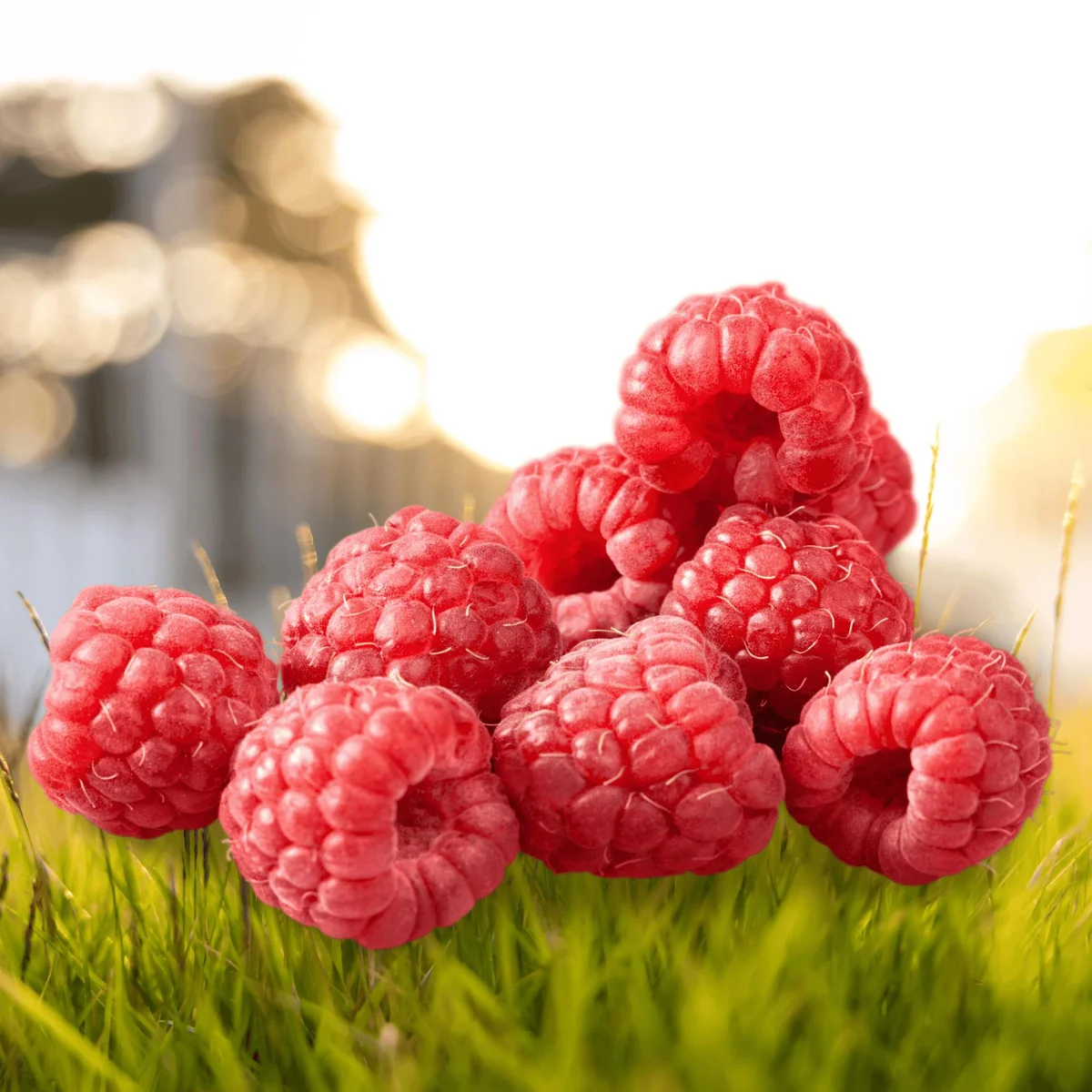
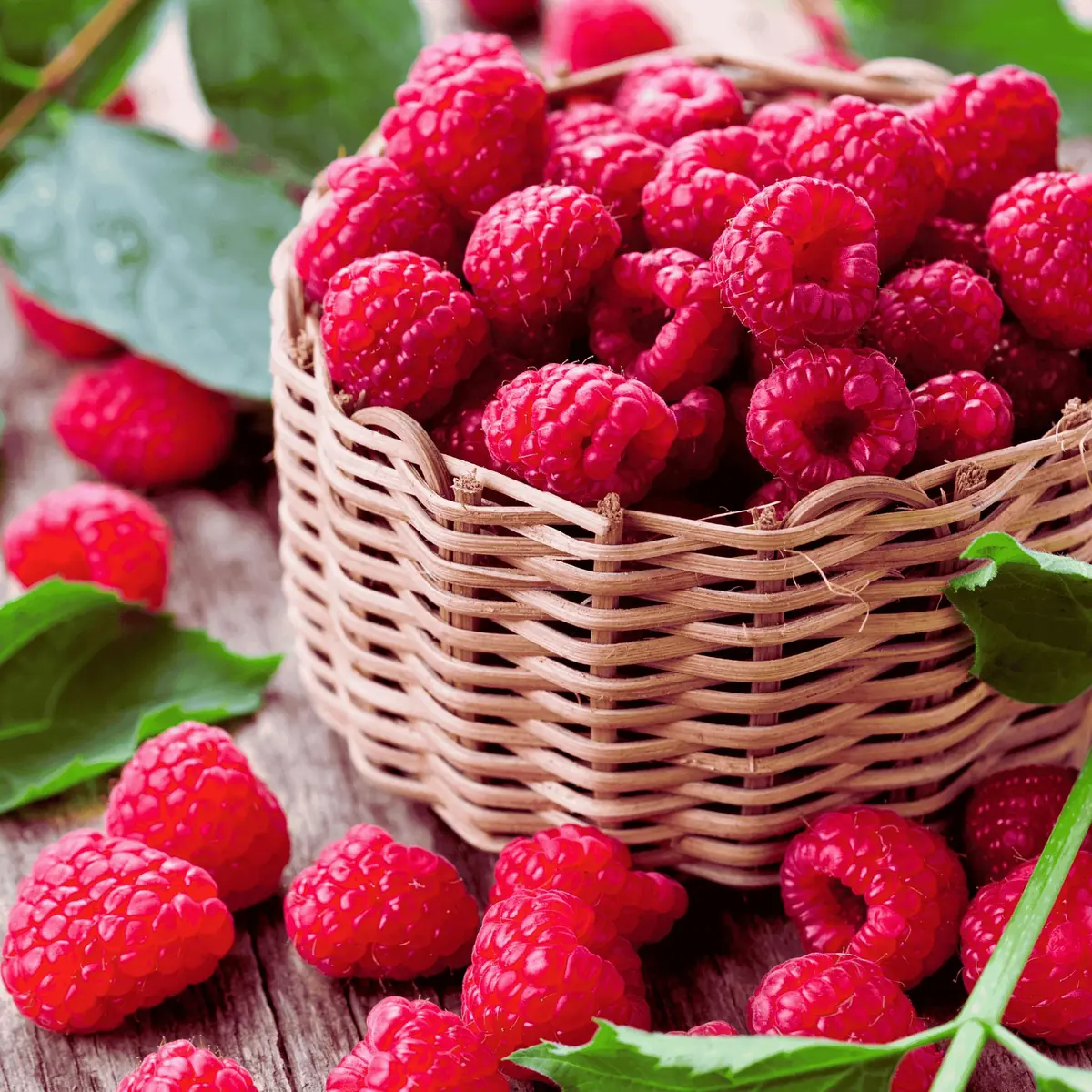
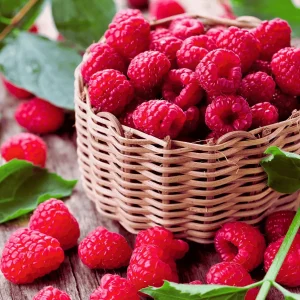
Cultivate delicious boyne raspberry bare root canes, ideal for cooler climates. These 1-year-old plants yield sweet, aromatic red berries in early summer, perfect for fresh eating or preserving. Enjoy a robust, disease-resistant cold hardy raspberry plant that thrives in USDA Zones 3-7.
-
USDA Hardiness Zone
3–7 -
Soil Type
Well-drained, fertile soil (pH 6.0-6.5) -
Sunlight Exposure
Full sun (at least 6 hours per day) -
Expected Planting Period
Early spring or fall

You can track your order HERE
Mar 03
Mar 08 - Mar 10
Mar 13 - Mar 17
Shipping and return policies: Our Alive & Thrive Guarantee covers issues with your plants within the first 30 days. Reach out to us. Our team will answer your questions and help you find the plants that are truly suitable for your environment, climate, and personal preferences.

Overview
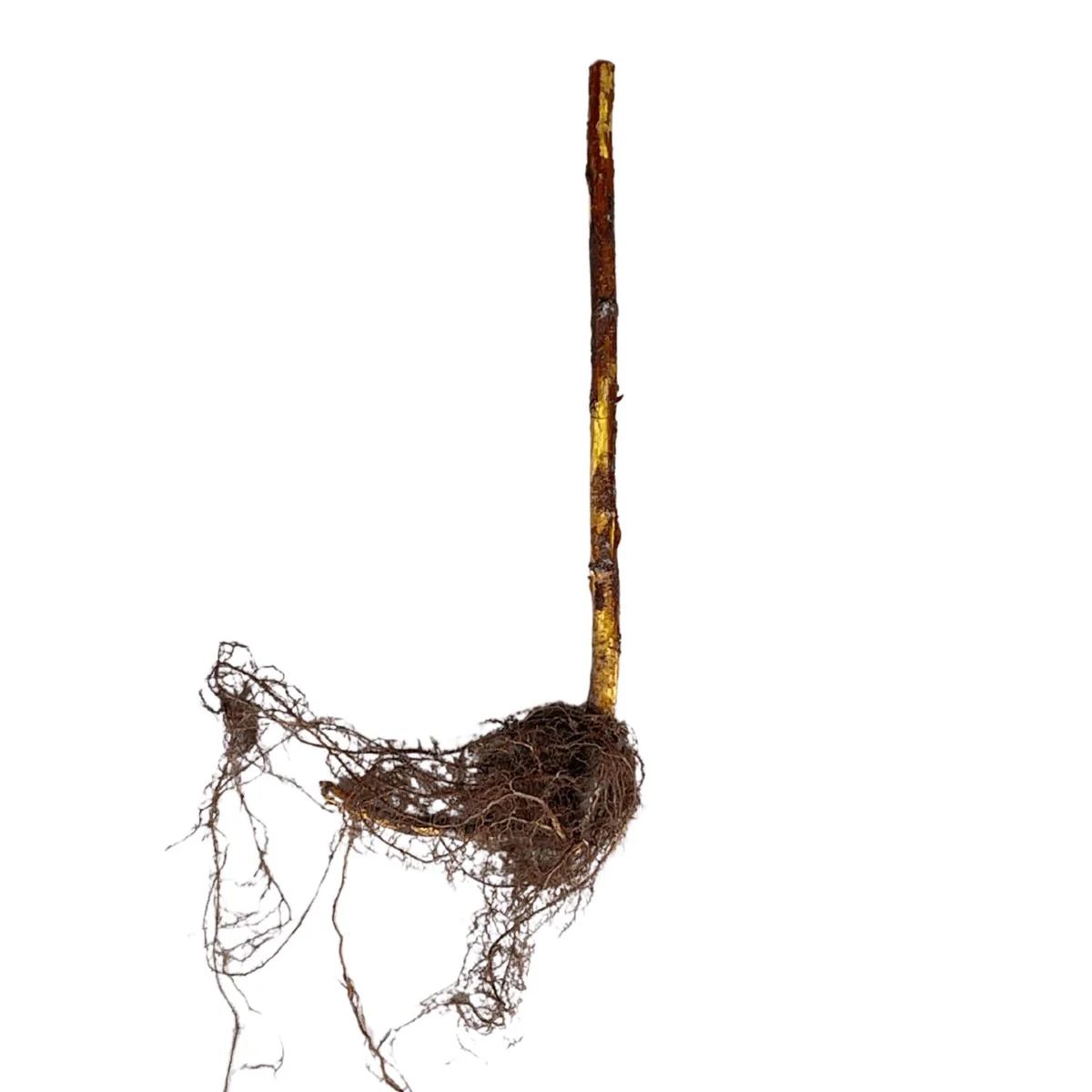
Bring the joy of home-grown fruit to your garden with the boyne raspberry bare root cane. This exceptional variety is renowned for its resilience and abundant harvest, making it a top choice for gardeners, especially in cooler regions. As a 1-year-old bare root plant, it arrives dormant and ready for planting, ensuring a smooth transition to your garden. The Boyne raspberry cultivar is celebrated for its early summer production of flavorful, deep red berries, offering a delightful treat straight from the bush. This robust cold hardy raspberry plant is designed to thrive where other varieties might falter, providing a reliable source of sweet, aromatic fruit year after year.
The Boyne raspberry is a dependable choice for both novice and experienced growers seeking a high-yielding and low-maintenance fruit plant. Its vigorous growth and natural disease resistance contribute to its ease of cultivation. These bare root canes are an economical and effective way to establish a productive raspberry patch, promising a bountiful supply of berries for eating fresh, baking, or preserving. Prepare to enjoy the rich, sweet taste of raspberries picked right from your own backyard.
Key Benefits
Choosing the Boyne raspberry for your garden offers numerous advantages, from its delicious fruit to its robust growth habit. This variety is specifically bred for performance and ease, providing a rewarding growing experience.
- Exceptional Cold Hardiness: The Boyne raspberry is one of the most cold-tolerant red raspberry varieties, thriving in USDA Zones 3-7, making it perfect for northern climates where winters can be harsh.
- Prolific Early Summer Harvest: Enjoy a generous crop of medium-sized, deep red berries beginning in late June to early July, providing a consistent supply of fresh fruit.
- Superior Flavor & Aroma: The berries boast a sweet, aromatic profile with excellent texture, making them ideal for fresh eating, baking, jams, and other preserves.
- Vigorous & Disease Resistant: These plants exhibit strong growth and natural resistance to common raspberry diseases, reducing the need for extensive care and treatments.
- Easy to Establish Bare Root: Shipped dormant and bare root, these boyne raspberry bare root canes are simple to plant and establish in your garden, requiring minimal effort for maximum reward.
- Versatile Culinary Use: Whether you’re making pies, smoothies, or simply enjoying them by the handful, the delicious berries from this cold hardy raspberry plant are incredibly versatile.
- Supports Pollinators: Raspberry flowers attract bees and other beneficial pollinators to your garden, contributing to a healthy ecosystem.
Plant Care & Growing Tips
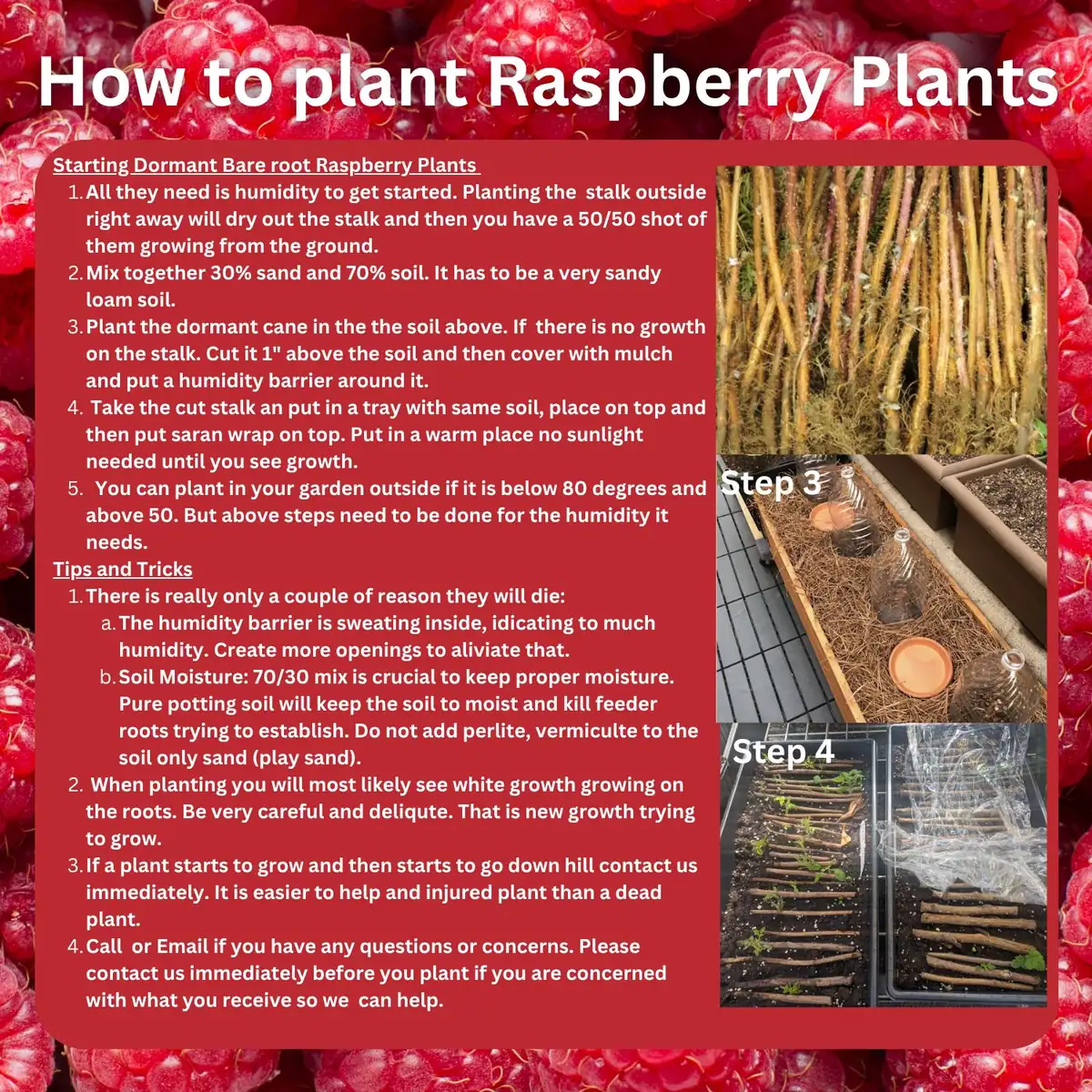
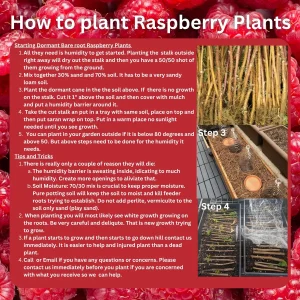
Successful cultivation of a boyne raspberry bare root plant begins with proper planting and consistent care. These plants are relatively easy to maintain, especially when given the right conditions. For optimal growth and fruit production, select a site that receives full sun, meaning at least 6 hours of direct sunlight per day. Well-drained, fertile soil with a pH between 6.0–6.5 is ideal. Before planting, amend your soil with compost or other organic matter to improve fertility and drainage. Dig a hole wide enough to accommodate the roots spread out, and plant the cane so that the crown is at soil level. Backfill with soil, gently firming around the roots, and water thoroughly.
Maintain consistent moisture, aiming for about 1–1.5 inches of water per week, especially during dry spells and fruit development. Mulching around the base of the plants with straw or wood chips helps conserve moisture, suppress weeds, and regulate soil temperature. Spacing is crucial for healthy air circulation and growth; plant individual canes 2–3 feet apart within a row, with rows spaced 6–8 feet apart. Providing support with a trellis system will help manage the vigorous canes, prevent them from sprawling, and improve air circulation, which can reduce disease risk. Pruning is essential for productivity: remove spent canes after the summer harvest, and thin new canes to encourage strong fruiting growth for the next season. This care regimen will ensure your grow red raspberries successfully and yield bountiful harvests.
Fertilize your cold hardy raspberry plant in early spring with a balanced fertilizer, avoiding excessive nitrogen which can promote leafy growth at the expense of fruit. Watch for common pests like aphids or Japanese beetles and address them promptly with organic pest control methods if possible. Disease resistance is a strong trait of the Boyne variety, but good cultural practices like proper spacing and air circulation further minimize issues. With these guidelines, you’ll be well on your way to enjoying delicious, homegrown raspberries from your thriving patch.
Size & Details
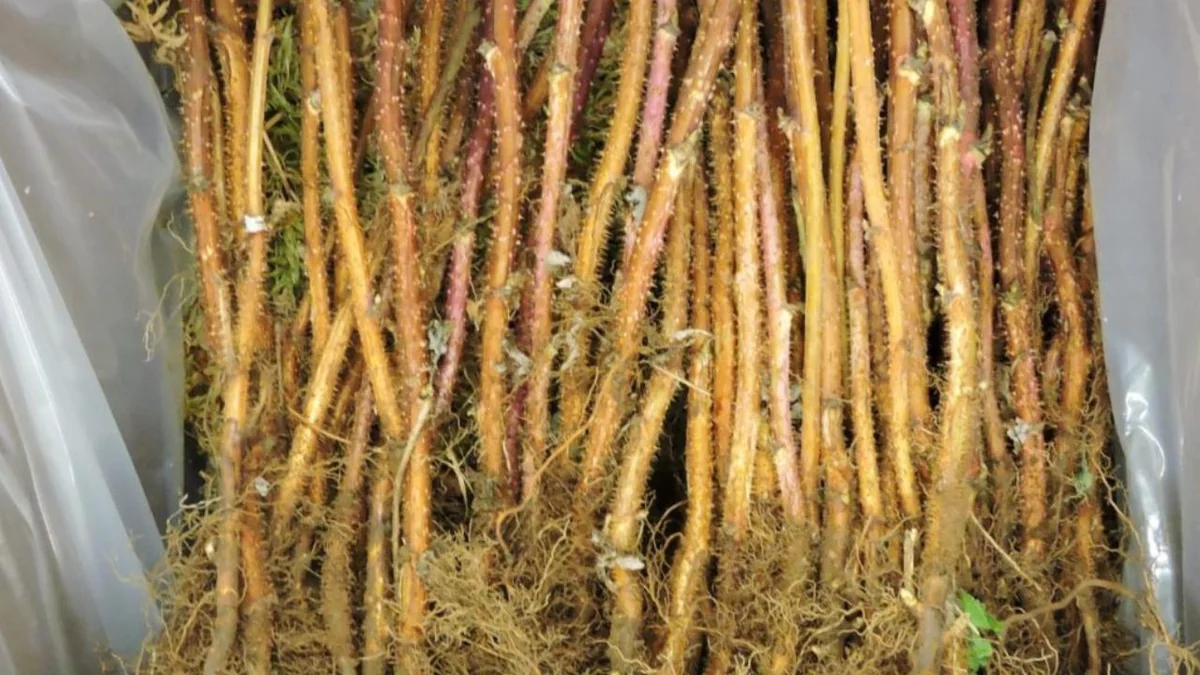
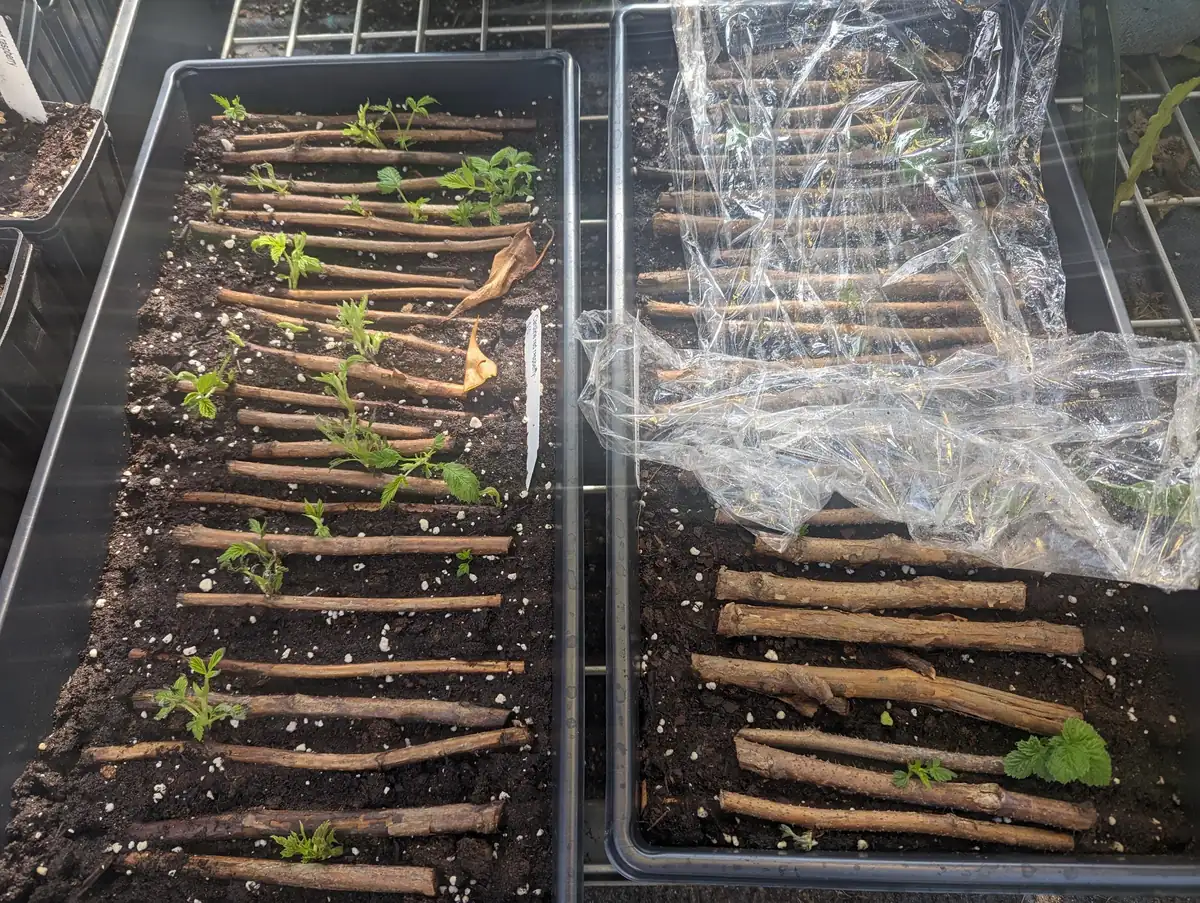
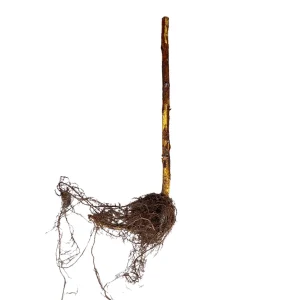
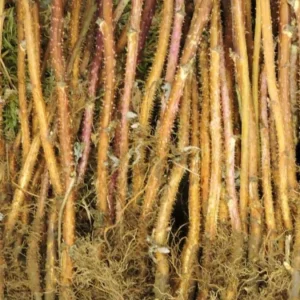
The boyne raspberry bare root cane arrives as a 1-year-old dormant plant, typically measuring 12-18 inches in length, ready for immediate planting. These bare root plants are an efficient way to start a new raspberry patch, as they establish quickly once planted in suitable conditions. Once mature, Boyne raspberry plants are vigorous growers, with canes reaching an average height of 4-6 feet, though some may grow taller depending on growing conditions and pruning practices. The plant’s productive lifespan is many years, providing a consistent harvest season after season. Expect your first significant harvest in the second year after planting.
This variety produces medium-sized, deep red berries that are ready for harvest from late June to early July, depending on your specific region and local climate. The canes are sturdy and benefit from trellising to support the heavy fruit load and maintain an organized garden space. With proper care, these plants will form a productive raspberry patch, expanding over time through suckering, which can be managed by pruning or division. The early summer raspberry harvest is a highlight for any gardener, offering fresh, sweet fruit just as summer begins.
Frequently Asked Questions
- Q: How big do Boyne raspberry plants get? A: Boyne raspberry canes typically grow to a height of 4-6 feet. Providing a trellis or support system can help manage their vigorous growth and keep them upright for easier harvesting.
- Q: What condition will the Boyne raspberry arrive in? A: Your boyne raspberry bare root plants will arrive dormant and bare root, meaning they will not have leaves or soil attached. This is the optimal state for planting and ensures a smooth transition to your garden.
- Q: Is this an indoor or outdoor plant? A: The Boyne raspberry is an outdoor plant, specifically a fruiting shrub. It requires full sun exposure and is best suited for garden beds or dedicated berry patches. It is a very cold hardy raspberry plant.
- Q: How much sunlight does a Boyne raspberry plant need? A: These plants thrive in full sun, requiring at least 6 hours of direct sunlight per day for optimal fruit production and plant health. More sun generally leads to more berries.
- Q: Is this plant easy to care for? A: Yes, Boyne raspberries are considered relatively easy to care for, especially due to their cold hardiness and disease resistance. Consistent watering, annual pruning, and proper sun exposure are key to success.
- Q: When is the best time to plant a Boyne raspberry bare root? A: The best time to plant boyne raspberry bare root canes is in early spring or fall when the plants are dormant. This allows them to establish their root system before the stress of summer heat or winter cold.
- Q: Can I really grow red raspberries that are sweet and aromatic? A: Absolutely! The Boyne variety is specifically known for producing sweet, aromatic, deep red berries that are excellent for fresh eating, baking, and preserving.
- Q: What USDA Hardiness Zones are suitable for Boyne raspberries? A: Boyne raspberries are exceptionally cold hardy and are suitable for USDA Hardiness Zones 3-7, making them a great choice for many northern climates.
- Q: How long until my Boyne raspberry plant produces fruit? A: You can typically expect your first significant harvest from an early summer raspberry plant like Boyne in the second year after planting, with some fruit potentially in the first year.
- Q: What kind of soil is best for Boyne raspberries? A: Boyne raspberries prefer well-drained, fertile soil with a pH between 6.0 and 6.5. Amending with organic matter can greatly improve soil quality.
| Quantity | 1, 3, 5 |
|---|
Be the first to review “Boyne Raspberry Bare Root Cane – 1-Year-Old Live Plant – Cold Hardy”
People Also Viewed
Sold 75 products
$329.98

Flower Plants
African Violet Live Plant Houseplant – Dark Blue Flower, 4 Inch Pot – Indoor Ready to Grow
Sold 76 products
Original price was: $75.98.$37.99Current price is: $37.99.
Sold 70 products
$87.98

Sold 99 products
Original price was: $39.98.$19.99Current price is: $19.99.
Trees
Sweetheart Lychee Tree Live Plant – 2-4 Ft Tall – 10-inch Pot – Air Layered – Outdoor Fruit Tree
Sold 81 products
From $215.68
Sold 69 products
Original price was: $28.76.$14.38Current price is: $14.38.
Sold 65 products
Original price was: $283.96.$141.98Current price is: $141.98.
Sold 53 products
Original price was: $61.98.$49.58Current price is: $49.58.
Sold 68 products
Original price was: $39.98.$31.98Current price is: $31.98.
Sold 61 products
$48.38
Sold 87 products
Original price was: $175.96.$87.98Current price is: $87.98.
Sold 83 products
Original price was: $154.36.$77.18Current price is: $77.18.
Sold 89 products
Original price was: $76.00.$60.80Current price is: $60.80.
Sold 60 products
Original price was: $355.96.$177.98Current price is: $177.98.
Sold 82 products
Original price was: $355.96.$177.98Current price is: $177.98.
Sold 99 products
From $43.00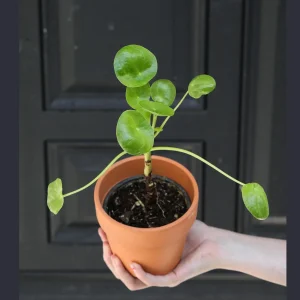
HousePlants
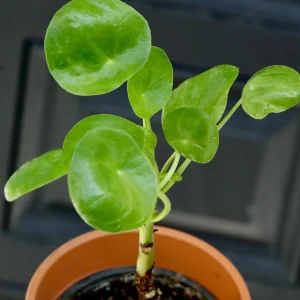
Chinese Money Plant – Pilea Peperomioides Live Plant – 3 inch Nursery Pot – Indoor Houseplant
Sold 53 products
Original price was: $51.94.$25.97Current price is: $25.97.
Sold 72 products
Original price was: $24.35.$7.74Current price is: $7.74.



Reviews
There are no reviews yet.