
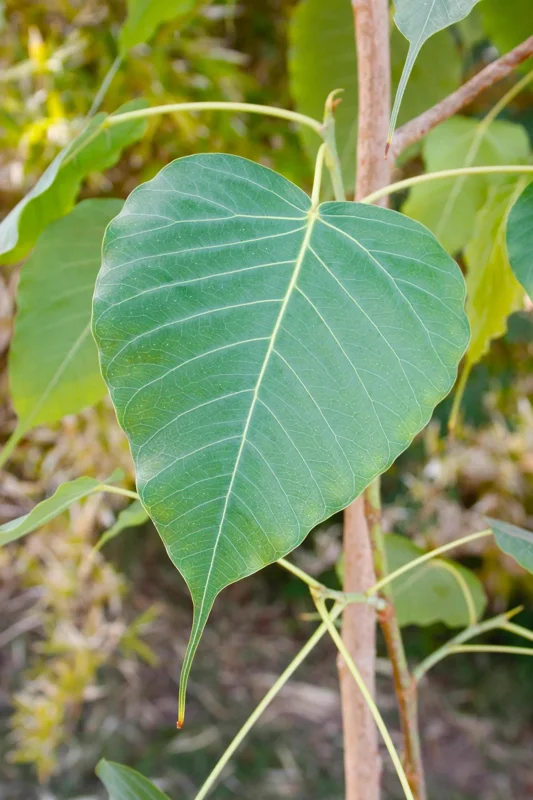
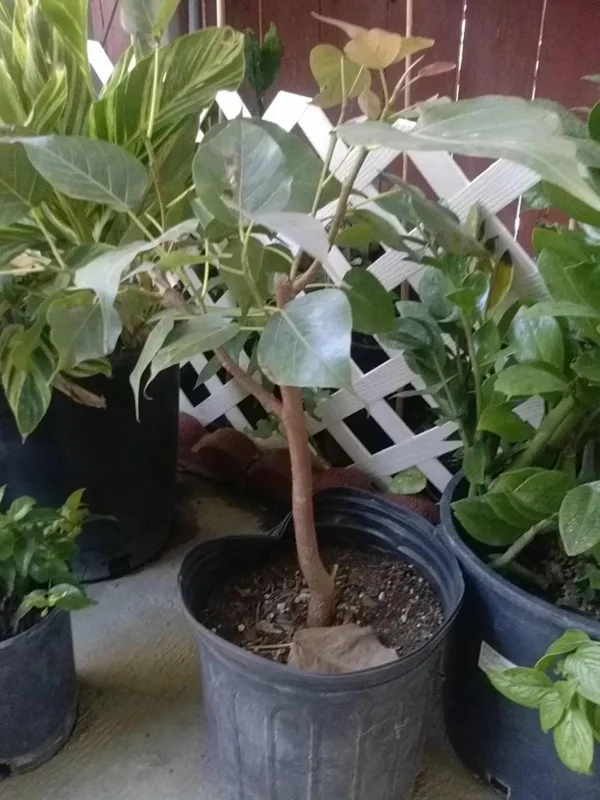
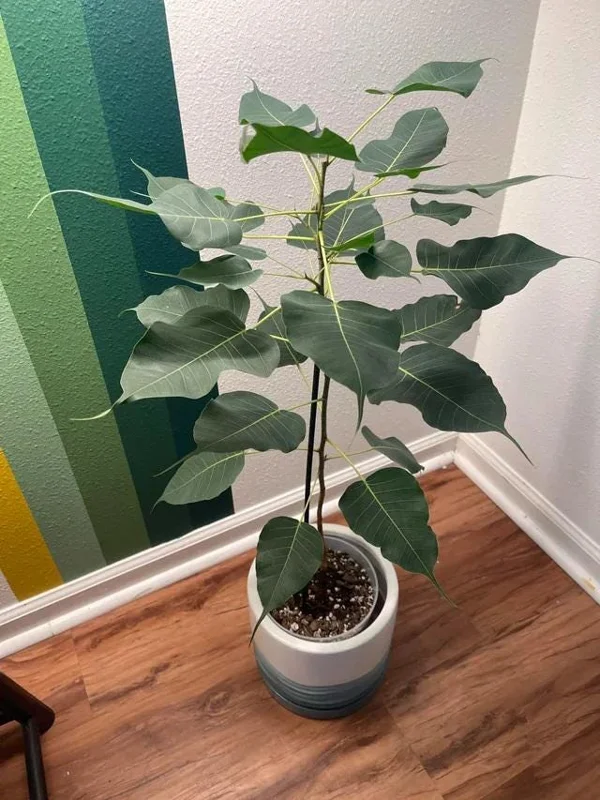
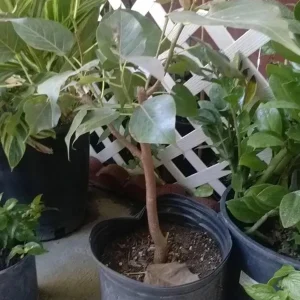
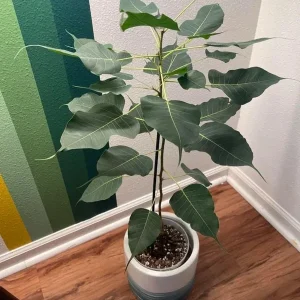
Bodhi Plant Ficus Religiosa – Sacred Fig Live Tree – 2-3 Feet Tall – 3 Gal Pot
Original price was: $319.96.$159.98Current price is: $159.98.
Bring home a piece of spiritual history with the Bodhi plant live tree, Ficus Religiosa. This 2-3 feet tall sacred fig is revered across cultures, known for its beautiful foliage and deep symbolism. Perfect for indoor or outdoor cultivation in appropriate climates.
-
USDA Hardiness Zone
USDA zones 10-11 (outdoors) or indoors -
Soil Type
Well-draining potting mix -
Sunlight Exposure
Full sun to bright indirect light -
Expected Planting Period
Year-round indoors, Spring to Summer outdoors

You can track your order HERE
Mar 04
Mar 09 - Mar 11
Mar 14 - Mar 18
Shipping and return policies: Our Alive & Thrive Guarantee covers issues with your plants within the first 30 days. Reach out to us. Our team will answer your questions and help you find the plants that are truly suitable for your environment, climate, and personal preferences.

Overview
The Bodhi plant live tree, scientifically known as Ficus Religiosa, is a truly remarkable and historically significant specimen. Also widely recognized as the Sacred Fig Tree or Pipal Tree, this plant holds immense cultural and religious importance in Hinduism, Jainism, and Buddhism. It is famously associated with the enlightenment of Siddhartha Gautama, the Buddha, who is said to have attained ‘Bodhi’ (awakening) while meditating beneath its branches. This deep spiritual connection has made the sacred fig tree a powerful symbol of happiness, prosperity, longevity, and good luck. Its distinctive heart-shaped leaves and often massive trunk make it a captivating addition to any garden or a majestic potted plant for your home. While it can grow to impressive sizes in its native habitat, it adapts well to container living, allowing you to enjoy its profound beauty and symbolism.
Originating from the Indian subcontinent, the Ficus Religiosa is a member of the diverse Ficus family, known for its adaptability and robust growth. This particular offering provides a healthy, established plant that is ready to thrive in its new environment. The reverence for this tree continues today, with many finding peace and inspiration in its presence, whether used for meditation or simply as a focal point in a tranquil space. The unique deeply-veined leaves add an ornamental quality, making it a beautiful specimen even without its rich historical context.
Key Benefits
The Bodhi plant live tree offers a multitude of benefits, extending beyond its striking appearance to its profound cultural significance and environmental contributions. Cultivating this plant can enrich your space in several ways:
- Spiritual & Cultural Significance: Owning a sacred fig tree connects you to millennia of spiritual tradition. It is revered as a holy tree and a symbol of enlightenment, peace, and wisdom, bringing a unique sense of tranquility and historical depth to your environment.
- Air Purification: Like many Ficus varieties, the Ficus Religiosa is known to contribute to improved indoor air quality by absorbing common airborne toxins, making your living or working space healthier and more refreshing.
- Ornamental Beauty: With its distinctive heart-shaped, deeply-veined leaves that shimmer in the light and its graceful growth habit, this plant is an exceptionally beautiful ornamental tree, adding a touch of exotic elegance to any setting.
- Longevity & Growth: The Bodhi tree is renowned for its impressive lifespan and vigorous growth, promising many years of enjoyment and a continually evolving, majestic presence in your garden or large container.
- Symbol of Good Fortune: Across various cultures, the Pipal tree benefits include being a powerful emblem of prosperity, longevity, and good luck, making it a meaningful gift or personal acquisition.
- Educational Value: It serves as a living lesson in botany, history, and culture, sparking conversations and offering insights into the natural world and human spirituality.
- Adaptability: While a tropical plant, the Ficus Religiosa can be successfully grown in containers, allowing those in cooler climates to enjoy its beauty by moving it indoors during colder months. This adaptability makes growing Bodhi tree accessible to a wider range of enthusiasts.
Plant Care & Growing Tips
Caring for your Bodhi plant live tree, Ficus Religiosa, involves understanding its specific needs to ensure robust growth and longevity. This sacred fig thrives in conditions that mimic its tropical origins. For optimal health, provide plenty of bright light. If grown indoors, place it near a south or west-facing window where it can receive several hours of direct sunlight daily, supplemented with bright indirect light. When outdoors, full sun to partial shade is ideal, especially in hotter climates where some afternoon shade can prevent leaf scorch. Ensure good air circulation around the plant, but protect it from strong, drying winds.
Watering should be consistent but allow the top inch or two of soil to dry out between waterings. Overwatering can lead to root rot, so good drainage is crucial. The soil should be a well-draining potting mix, ideally one formulated for tropical plants or a general-purpose mix amended with perlite or coarse sand to enhance drainage. The Ficus Religiosa prefers warm temperatures, ideally between 65-80°F (18-27°C), and high humidity. If growing indoors, consider using a pebble tray or humidifier. Fertilize your sacred fig tree every 2-4 weeks during the growing season (spring and summer) with a balanced liquid fertilizer diluted to half strength. Reduce feeding in fall and winter. Pruning can be done to shape the tree and encourage bushier growth, typically in late winter or early spring. Common issues include yellowing leaves from overwatering or underwatering, and potential pest infestations like spider mites or mealybugs, which can be managed with insecticidal soap. Understanding Ficus Religiosa care is key to a thriving plant.
Size & Details
This offering is for a vibrant Bodhi plant live tree, specifically a Ficus Religiosa, standing approximately 2 to 3 feet tall from the base of the plant to its highest point. It is shipped in a 3-gallon nursery pot, providing a well-established root system and a sturdy foundation for continued growth. The plant exhibits healthy, deeply-veined leaves characteristic of the species. The Ficus Religiosa is known for its moderate to fast growth rate under ideal conditions, meaning it will continue to develop into a larger, more imposing specimen over time. While it can reach significant heights in its natural habitat, when grown in a container, its size can be managed through pruning. This plant is a young, vigorous specimen, ready to adapt to its new home and begin its journey of growth with you. The mature size of a Pipal tree benefits from ample space, so consider its eventual size if planting in the ground or plan for repotting as it grows.
Frequently Asked Questions
- Q: How big does this Bodhi plant get? A: This Bodhi plant live tree is currently 2-3 feet tall. When grown in a container, its size can be managed through pruning, but in ideal outdoor conditions, it can grow into a very large tree, often reaching 30-100 feet tall.
- Q: Is this an indoor or outdoor plant? A: The Ficus Religiosa can be grown both indoors and outdoors. In USDA Zones 10-11, it can thrive outdoors year-round. In cooler climates, it is best grown in a container and brought indoors during colder months.
- Q: How much sunlight does the sacred fig tree need? A: This plant prefers bright light. When grown indoors, provide several hours of direct sunlight daily. Outdoors, it enjoys full sun to partial shade, especially in areas with intense afternoon heat.
- Q: Is this plant easy to care for? A: With proper Ficus Religiosa care, it is a relatively easy plant to maintain. Consistent watering, adequate light, and protection from extreme cold are the main requirements for a healthy tree.
- Q: What condition will the Bodhi plant arrive in? A: Your sacred fig tree will arrive as a healthy, established plant in a 3-gallon nursery pot, carefully packaged to ensure its safe journey. It will be ready to be placed in its new environment.
- Q: When is the best time to plant or repot this tree? A: The best time to plant or repot your Bodhi tree is during spring or early summer when the plant is actively growing. This allows it to establish itself before cooler temperatures arrive.
- Q: What kind of soil is best for growing Bodhi tree? A: A well-draining potting mix is essential. You can use a general-purpose potting soil amended with perlite or coarse sand to improve drainage, as the Ficus Religiosa dislikes soggy roots.
- Q: Will the Pipal tree benefits my garden’s ecosystem? A: Yes, a mature Pipal tree benefits local ecosystems by providing shade, shelter, and sometimes fruit for wildlife. Its extensive root system can also help with soil stability.
- Q: How often should I fertilize my Ficus Religiosa? A: During the active growing season (spring and summer), fertilize every 2-4 weeks with a balanced liquid fertilizer diluted to half strength. Reduce or stop fertilizing during fall and winter.
- Q: Is this plant pet-safe? A: Like many Ficus species, the Ficus Religiosa can be mildly toxic if ingested by pets, potentially causing oral irritation. It’s best to keep it out of reach of curious animals.
Be the first to review “Bodhi Plant Ficus Religiosa – Sacred Fig Live Tree – 2-3 Feet Tall – 3 Gal Pot”
People Also Viewed
Sold 75 products
$50.58

Sold 53 products
Original price was: $99.80.$49.90Current price is: $49.90.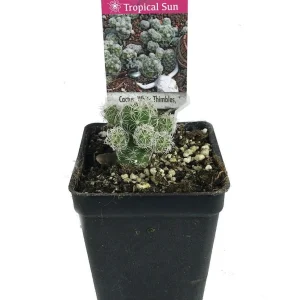
Succulents
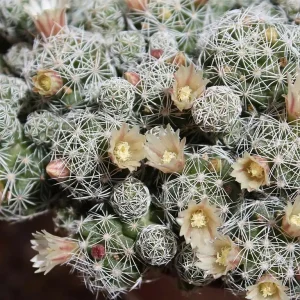
White Thimbles Cactus – Mammillaria gracilis – Live Plant – 2.5 inch Pot – Indoor/Outdoor
Sold 76 products
Original price was: $28.76.$14.38Current price is: $14.38.
Sold 96 products
Original price was: $355.96.$177.98Current price is: $177.98.
Sold 50 products
$43.98
Sold 82 products
Original price was: $79.96.$39.98Current price is: $39.98.
Sold 63 products
$43.98
Sold 74 products
From $26.99
Sold 84 products
Original price was: $36.00.$28.80Current price is: $28.80.
Sold 77 products
From $70.00
Sold 63 products
Original price was: $39.94.$19.97Current price is: $19.97.

Sold 92 products
From $71.80
Sold 80 products
Original price was: $43.80.$21.90Current price is: $21.90.
Sold 91 products
Original price was: $24.35.$7.74Current price is: $7.74.
Sold 58 products
Original price was: $41.97.$13.99Current price is: $13.99.
Sold 70 products
Original price was: $60.00.$30.00Current price is: $30.00.
Sold 59 products
Original price was: $99.98.$49.99Current price is: $49.99.
Sold 71 products
From $197.96


Reviews
There are no reviews yet.