


Blueray Northern Highbush Blueberry Plant – 1 Quart Size, 18-24 inches, Bare Root
Original price was: $339.80.$169.90Current price is: $169.90.
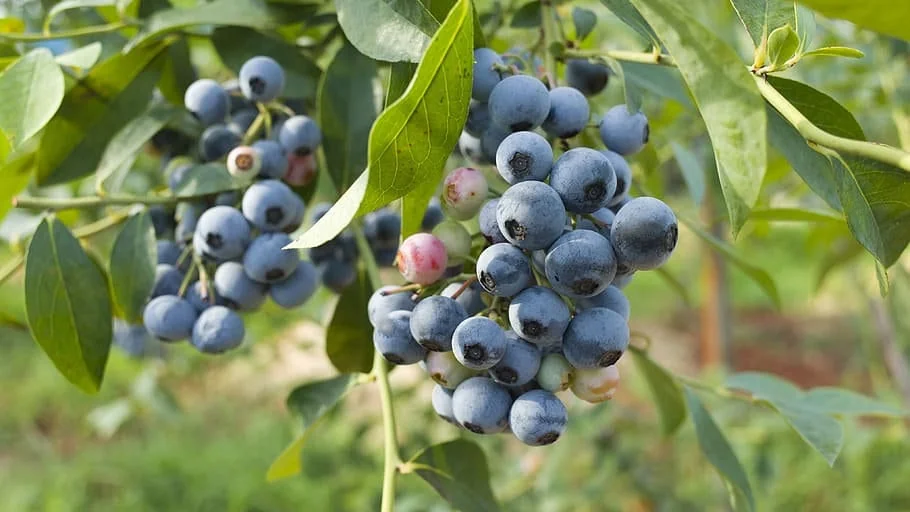
Cultivate your own delicious fruit with a blueray northern highbush blueberry plant. This 18-24 inch bare root specimen, shipped in quart size, is perfect for zones 4-7. Enjoy sweet, light blue berries that resist cracking and ripen in July, offering a prolonged harvest season.
-
USDA Hardiness Zone
4-7 -
Soil Type
Acidic, well-draining soil with high organic matter -
Sunlight Exposure
Full sun -
Expected Planting Period
Early spring or late fall

You can track your order HERE
Mar 01
Mar 06 - Mar 08
Mar 11 - Mar 15
Shipping and return policies: Our Alive & Thrive Guarantee covers issues with your plants within the first 30 days. Reach out to us. Our team will answer your questions and help you find the plants that are truly suitable for your environment, climate, and personal preferences.

Overview
Bring the joy of fresh, homegrown fruit to your garden with the blueray northern highbush blueberry plant. This robust and popular cultivar is renowned for its exceptional flavor, producing very sweet, light blue fruits that are resistant to cracking. Shipped as a bare root plant, typically 18 to 24 inches tall in a quart size, it is ready for immediate planting upon arrival. The ‘Blueray’ variety is a Northern Highbush, making it an excellent choice for colder climates and thriving particularly well in USDA Zones 4-7. These plants not only provide a bountiful harvest but also offer ornamental value, transforming into a blaze of crimson foliage in the fall, making them ideal for informal hedges or accent plantings.
The blueray northern highbush blueberry plant is known for its consistent production and vigorous growth. Its berries ripen in July, providing a prolonged harvest period that can last for weeks. To ensure optimal fruit set and larger berries, it’s recommended to plant ‘Blueray’ with at least two other blueberry varieties for adequate cross-pollination. This practice can significantly enhance your overall yield and extend your harvest season with different ripening times among cultivars.
Key Benefits
Investing in a blueray northern highbush blueberry plant offers numerous rewards, from delicious fruit to beautiful landscaping. Here are some of the standout benefits you’ll enjoy:
- Abundant & Delicious Fruit: The ‘Blueray’ variety yields a generous crop of very sweet, light blue blueberries. These berries are perfect for eating fresh, baking, preserves, or freezing, providing a versatile and healthy addition to your diet.
- Crack-Resistant Berries: Unlike some other varieties, ‘Blueray’ berries are known for their resistance to cracking, ensuring a higher quality harvest and less waste, even after heavy rains.
- Extended Harvest Season: Berries ripen in July and continue to produce for several weeks, allowing you to enjoy fresh blueberries over an extended period. Planting multiple cultivars can further lengthen your harvesting window.
- Stunning Fall Foliage: Beyond its fruit production, the blueray northern highbush blueberry plant offers significant aesthetic appeal. In autumn, the 5-6′ tall bushes transform into a brilliant crimson, providing a spectacular display of color in your garden.
- Versatile Landscaping: With their attractive form and fall color, these bushes are excellent for creating informal hedges, adding structure to garden beds, or serving as a focal point in your landscape design.
- Cold Hardiness: As a Northern Highbush variety, ‘Blueray’ is well-suited for colder climates, thriving in USDA Zones 4-7, making it a reliable choice for many gardeners.
- Promotes Cross-Pollination: While self-fertile, planting with other blueberry varieties enhances cross-pollination, leading to larger, more abundant berries and a more robust harvest.
Plant Care & Growing Tips
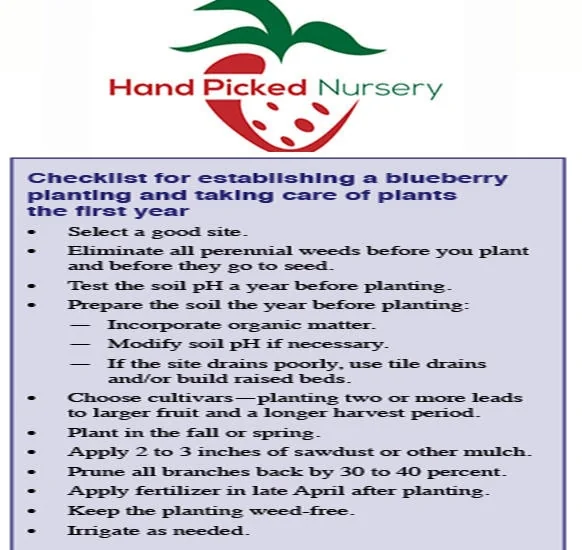
Proper care is essential for a thriving blueray northern highbush blueberry plant. Blueberries require specific conditions to flourish, primarily acidic soil with high organic matter content. Good drainage is crucial, as their shallow fibrous roots are easily starved for oxygen, yet they are not tolerant of drought and need consistent moisture. They will produce best in a sunny location, receiving at least 6-8 hours of direct sunlight per day.
When planting your bare root blueberry plant, avoid exposing the roots to wind or sun. If you’re not ready to plant immediately, soak the roots in lukewarm water for up to 24 hours, then keep them moist in a dark, cool place (35-40°F) for up to two weeks. Spread the roots carefully and position the plant so all roots are covered, being careful not to plant too deep. Mix any provided peat moss, along with additional peat moss if your soil is heavy, into the planting hole. Ensure the peat is saturated with water before planting to prevent it from wicking moisture away from the roots. Pack soil firmly and water thoroughly. For post-planting care, do not place bare root plants in full sun for the first two weeks; allow them to acclimate gradually. Water weekly during the first year, supplementing rainfall. Wait four to six weeks before fertilizing and avoid late summer/fall fertilization to prevent tender new growth from being damaged by winter cold. Understanding blueberry plant care is key to a successful harvest.
For optimal growth and fruit production, plant multiple cultivars within 5 feet of each other. Even though blueberry cultivars are self-fertile, cross-pollination leads to larger berries. Selecting varieties with different ripening times can also lengthen your harvest season. The blueray blueberry zone 4 hardiness makes it a resilient choice for regions with cold winters, ensuring consistent performance year after year.
Size & Details
This offering is for one blueray northern highbush blueberry plant, shipped as a bare root specimen. The plant will typically measure between 18 and 24 inches in height at the time of shipment, reflecting its young but established growth. It is considered a quart-sized plant, indicating the volume equivalent of its root system. These highbush blueberries are expected to mature into bushes reaching 5-6 feet tall, providing a substantial presence in your garden. With proper care, these plants have a moderate growth rate, establishing well in their first year and beginning to produce fruit within 1-2 years, with significant yields increasing in subsequent years.
The ‘Blueray’ variety is a long-lived producer, offering many years of delicious fruit. Its robust nature and adaptability to various soil conditions (provided they are acidic and well-drained) make it a rewarding addition to any home orchard or edible landscape. Expect a significant harvest of berries ripened in July, which can be extended by planting other compatible varieties. This bare root plant provides an economical and effective way to start your blueberry patch.
Frequently Asked Questions
- Q: How big does this blueray northern highbush blueberry plant get? A: This plant typically arrives as an 18-24 inch bare root specimen. When mature, the ‘Blueray’ bush can reach a height of 5-6 feet.
- Q: What condition will the bare root blueberry plant arrive in? A: Your bare root blueberry plant will arrive dormant, with its roots carefully packaged to maintain moisture. It should be planted as soon as possible after arrival, or temporarily stored as instructed.
- Q: Is this an indoor or outdoor plant? A: The ‘Blueray’ is an outdoor plant, specifically a Northern Highbush variety, designed to thrive in garden settings and produce fruit.
- Q: How much sunlight does it need? A: This blueberry plant requires a location with full sun, meaning at least 6-8 hours of direct sunlight per day, for optimal growth and fruit production.
- Q: Is this plant easy to care for? A: Blueberries have specific needs, particularly regarding soil acidity and moisture. With proper attention to these requirements, growing a blueberry plant care is manageable for most gardeners.
- Q: When is the best time to plant this bare root blueberry plant? A: The best time to plant bare root blueberry plants is typically in early spring, after the danger of hard frost has passed, or in late fall before the ground freezes.
- Q: What USDA hardiness zone is suitable for the blueray blueberry zone 4? A: The ‘Blueray’ Northern Highbush Blueberry is hardy and thrives in USDA Zones 4 through 7.
- Q: Do I need to plant more than one blueberry plant? A: While ‘Blueray’ is self-fertile, cross-pollination with at least two other compatible blueberry varieties is highly recommended to ensure larger berries and a more abundant harvest.
- Q: How long until it produces fruit? A: A well-cared-for blueray northern highbush blueberry plant typically begins to produce fruit within 1-2 years of planting, with increasing yields in subsequent years.
- Q: What kind of soil does this blueberry plant need? A: Blueberries require highly acidic soil (pH 4.5-5.5) that is rich in organic matter and provides excellent drainage.
Be the first to review “Blueray Northern Highbush Blueberry Plant – 1 Quart Size, 18-24 inches, Bare Root”
People Also Viewed
Sold 60 products
$43.98

Sold 91 products
Original price was: $115.80.$57.90Current price is: $57.90.
Sold 83 products
$43.98
Sold 70 products
From $43.80
Sold 91 products
Original price was: $91.98.$45.99Current price is: $45.99.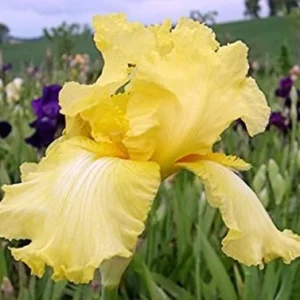
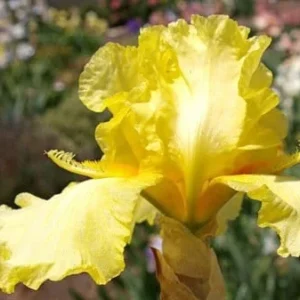
Flower Plants
Summer Olympics Bearded Iris – Iris germanica Live Plant, Creamy Yellow, Reblooming, Zone 3-9
Sold 84 products
Original price was: $59.80.$29.90Current price is: $29.90.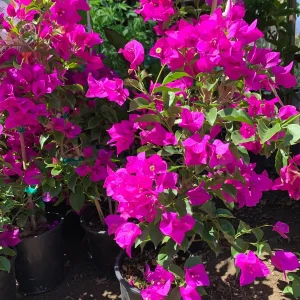
Sold 97 products
Original price was: $147.16.$73.58Current price is: $73.58.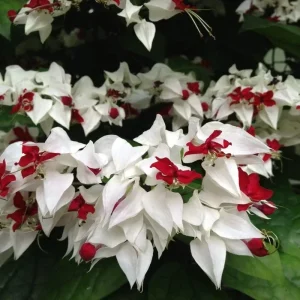
Sold 52 products
$48.38
Sold 96 products
Original price was: $107.80.$53.90Current price is: $53.90.
Sold 96 products
Original price was: $43.85.$15.54Current price is: $15.54.
Sold 61 products
Original price was: $57.98.$28.99Current price is: $28.99.
Sold 84 products
$329.98
Sold 84 products
$35.18
Sold 52 products
Original price was: $39.98.$19.99Current price is: $19.99.
Sold 78 products
Original price was: $34.00.$27.20Current price is: $27.20.
Sold 51 products
Original price was: $27.96.$13.98Current price is: $13.98.

Sold 54 products
Original price was: $89.98.$44.99Current price is: $44.99.
Sold 70 products
From $43.80


Reviews
There are no reviews yet.