
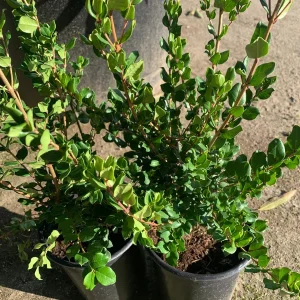
Blueberry Guava Live Plant (Luma Apiculata) – 1 Gallon Pot – Chilean Myrtle Shrub
Original price was: $154.36.$77.18Current price is: $77.18.
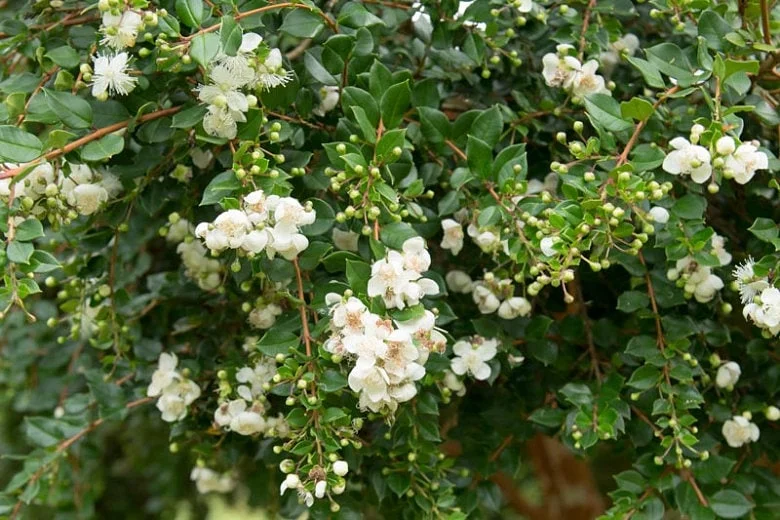
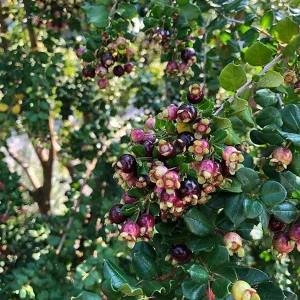
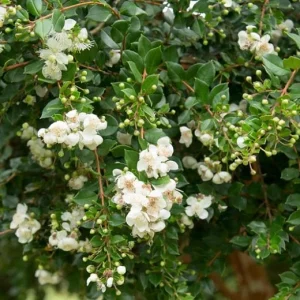
Bring home a beautiful blueberry guava live plant (Luma Apiculata), also known as Chilean Myrtle shrub. This evergreen produces fragrant white flowers and delicious dark purple fruits, perfect for edible landscaping or as a decorative shrub. Ships in a 1 gallon pot.
-
USDA Hardiness Zone
USDA Zones 8-10 -
Soil Type
Well-draining, loamy soil -
Sunlight Exposure
Full sun to partial shade -
Expected Planting Period
Spring to early fall

You can track your order HERE
Mar 01
Mar 06 - Mar 08
Mar 11 - Mar 15
Shipping and return policies: Our Alive & Thrive Guarantee covers issues with your plants within the first 30 days. Reach out to us. Our team will answer your questions and help you find the plants that are truly suitable for your environment, climate, and personal preferences.

Overview
Introduce a touch of exotic beauty and delicious flavor to your garden with the blueberry guava live plant. Also known as Chilean Myrtle (Luma Apiculata) or Arrayan, this stunning evergreen shrub is native to the central Andes regions of Chile and Argentina. Revered for its ornamental appeal and its delectable fruit, the blueberry guava live plant is a versatile addition to any landscape. It’s an easy-to-grow specimen that offers year-round interest, from its glossy green foliage to its fragrant blooms and edible berries. This plant is a fantastic choice for gardeners looking for something unique and productive.
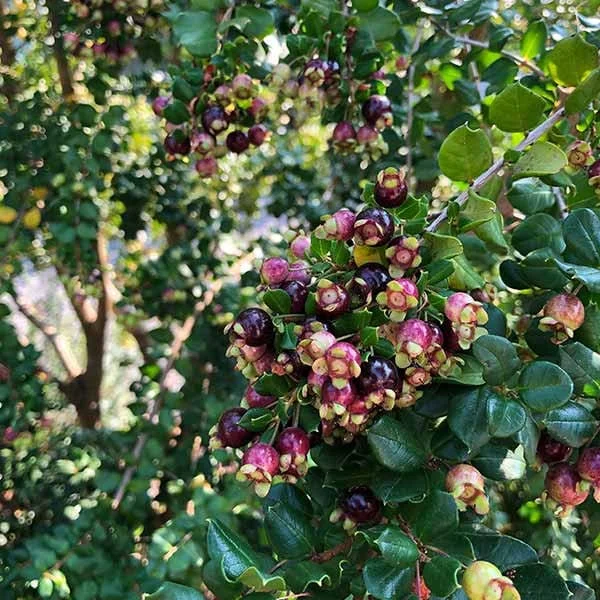
The Luma Apiculata is celebrated for its attractive reddish-brown bark, which peels to reveal creamy patches, adding texture and visual interest even in winter. Its dense, dark green leaves provide a lush backdrop for the profusion of small, white, fragrant flowers that appear in late spring to early summer. These charming blossoms are followed by an abundance of small, dark purple fruits that resemble blueberries, hence its common name. The fruits are not only visually appealing but also offer a sweet and resinous flavor, making them perfect for fresh eating, jams, or desserts. Growing a luma apiculata plant is a rewarding experience for any plant enthusiast.
This resilient shrub thrives in a variety of conditions, making it suitable for many garden styles. Whether you’re aiming for a Mediterranean theme, a cottage garden feel, or simply want to add an unusual fruiting plant, the blueberry guava live plant fits right in. It can be grown as a specimen plant, part of a hedge, or even in a large container. Its hardiness and relatively low maintenance requirements make it an excellent choice for both experienced gardeners and those just starting out. Embrace the charm and utility of this incredible plant.
Key Benefits
The blueberry guava live plant offers a multitude of benefits, making it a highly desirable addition to any garden or patio. From its aesthetic appeal to its edible bounty, this plant provides continuous enjoyment and value.
- Delicious Edible Fruit: Enjoy small, dark purple berries that boast a unique sweet and resinous flavor, perfect for snacking, making preserves, or adding to desserts. This makes it an excellent choice for an edible berry plant.
- Fragrant White Flowers: In late spring to summer, the plant produces clouds of delicate, fragrant white flowers that attract pollinators and add a delightful aroma to your garden space.
- Attractive Evergreen Foliage: Maintain year-round interest with glossy, dark green evergreen leaves that provide a lush and vibrant backdrop to your landscape, even during cooler months.
- Distinctive Reddish Bark: The peeling, cinnamon-colored bark adds a unique textural element and visual appeal, especially during winter when other plants may be dormant.
- Versatile Landscaping Option: Can be grown as a standalone specimen, part of a mixed border, a hedge, or even in a large container on a patio, offering great flexibility for your garden design. It’s a fantastic chilean myrtle shrub for various uses.
- Relatively Low Maintenance: Once established, this shrub is quite hardy and requires average watering, making it a good choice for gardeners seeking beauty without excessive upkeep.
- Drought Tolerance: While it appreciates consistent moisture, the luma apiculata plant demonstrates good drought tolerance once mature, making it suitable for water-wise gardening.
Plant Care & Growing Tips
Caring for your blueberry guava live plant is straightforward, ensuring it thrives and produces abundant flowers and fruits. This hardy shrub adapts well to various conditions, but providing optimal care will maximize its growth and yield. For best results, plant your chilean myrtle shrub in a location where it can receive full sun to partial shade. While it can tolerate some shade, more sunlight generally leads to better flowering and fruit production. Aim for at least 6 hours of direct sunlight per day if possible. In hotter climates, some afternoon shade can protect the plant from intense heat and prevent leaf scorch.
Watering is crucial, especially during the plant’s establishment phase. The blueberry guava live plant prefers consistently moist, but not waterlogged, soil. Water deeply when the top inch or two of soil feels dry to the touch. Once established, it becomes more tolerant of average water conditions and can withstand short periods of drought. Ensure the soil is well-draining to prevent root rot. A good quality, loamy soil enriched with organic matter is ideal. Fertilize in spring with a balanced, slow-release fertilizer formulated for fruiting shrubs to support healthy growth and fruit development. Prune lightly after fruiting to maintain shape and encourage new growth, removing any dead or crossing branches.
The Luma Apiculata is relatively pest and disease resistant, making it a robust choice for your garden. It can tolerate temperatures down to about 20°F (-6°C), thriving in USDA Zones 8-10. In colder regions, it can be grown in containers and brought indoors during winter or treated as an annual. Protect young plants from severe frost. Keep an eye out for common garden pests like aphids or scale, though they are usually not a major issue for this plant. Regular observation and good cultural practices will help ensure your fragrant fruit plant remains healthy and vigorous.
Size & Details
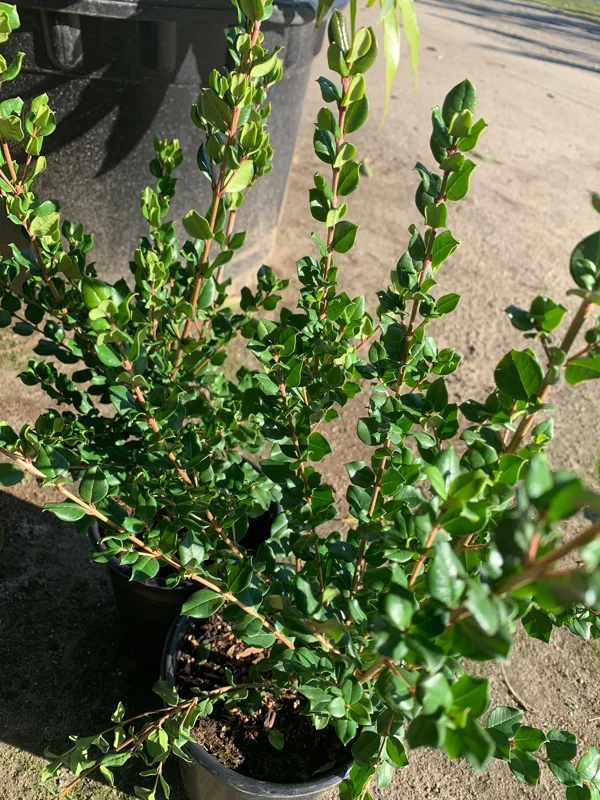
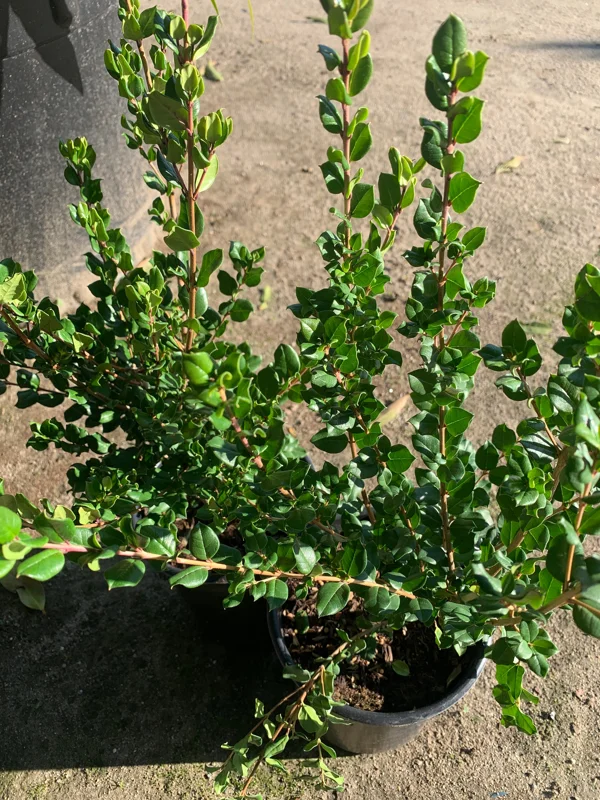
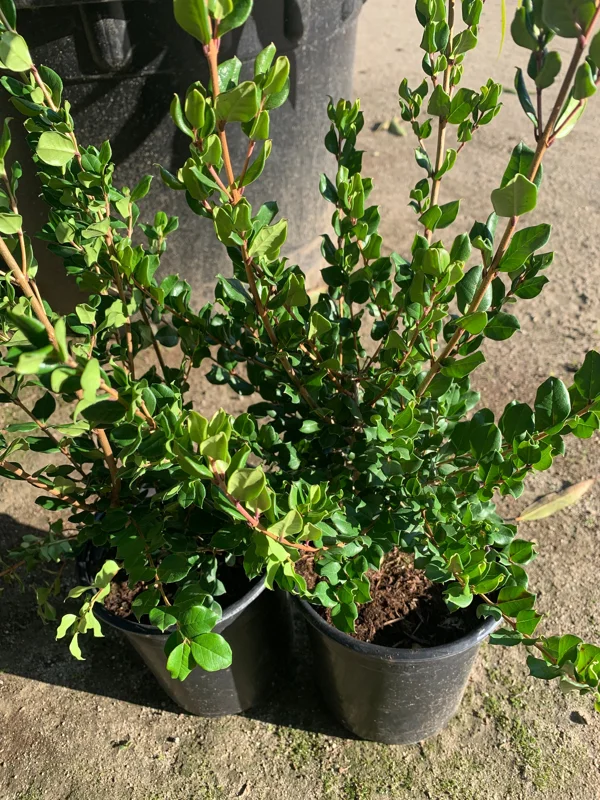
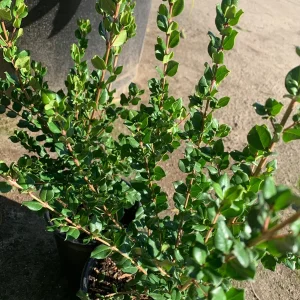
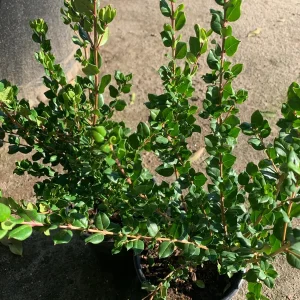
This blueberry guava live plant is a healthy specimen, ready to establish in your garden or a larger container. It is currently approximately 1 foot tall and ships securely in a 1 gallon nursery pot, ensuring its roots are well-protected during transit. The plant’s compact size upon arrival makes it easy to handle and transplant. Expect this evergreen shrub to mature into a dense, multi-stemmed plant, typically reaching a height of 10-15 feet and a similar spread in ideal conditions. However, it can be maintained at a smaller size with regular pruning, making it suitable for various garden spaces, including smaller yards or patio containers.
The growth rate of the luma apiculata plant is moderate, allowing you to enjoy its development without it quickly outgrowing its space. You can anticipate its first fragrant white flowers to appear within a year or two of planting, followed by the distinctive dark purple, edible berries. This plant is a long-lived species, providing many years of beauty and delicious fruit. Its robust root system helps it establish quickly once transplanted. The plant’s mature size and dense foliage make it an excellent choice for creating privacy screens, hedges, or as a striking ornamental specimen in your landscape design. This edible berry plant promises a rewarding gardening experience.
Frequently Asked Questions
- Q: How big will my blueberry guava live plant get? A: In optimal conditions, the blueberry guava live plant can grow to be 10-15 feet tall and wide, but it can be kept smaller with regular pruning. Its mature size makes it a versatile landscape choice.
- Q: What size pot does the plant come in? A: Our blueberry guava live plant is shipped in a sturdy 1 gallon nursery pot, with the plant itself standing approximately 1 foot tall, ready for transplanting.
- Q: Is this an indoor or outdoor plant? A: The chilean myrtle shrub is primarily an outdoor plant, suitable for USDA Zones 8-10. In colder climates, it can be grown in containers and moved indoors during winter months.
- Q: How much sunlight does it need? A: This plant thrives in full sun to partial shade. For the best flowering and fruiting, aim for at least 6 hours of direct sunlight per day, especially for your fragrant fruit plant.
- Q: Is this plant easy to care for? A: Yes, the blueberry guava live plant is considered relatively easy to care for. It’s hardy, drought-tolerant once established, and requires average watering and occasional pruning. It’s a good choice for various gardening skill levels.
- Q: What condition will it arrive in? A: Your plant will arrive healthy and well-packaged in its 1 gallon pot, with its roots protected and moist, ready for planting. We take great care in shipping live plants.
- Q: Is the fruit of the luma apiculata plant edible? A: Yes, the small, dark purple fruits of the luma apiculata plant are edible and have a sweet, resinous flavor, similar to a blueberry with a hint of spice. They can be eaten fresh or used in cooking.
- Q: When is the best time to plant a chilean myrtle shrub? A: The best time to plant is in spring or early fall, allowing the plant sufficient time to establish its root system before extreme weather.
- Q: Will it survive winter in my zone? A: The blueberry guava live plant is hardy in USDA Zones 8-10. If you are in a colder zone, you may need to provide winter protection or grow it in a container to bring indoors.
- Q: What are some good uses for the fruit from this edible berry plant? A: The berries are excellent for fresh eating, making jams, jellies, pies, or as an addition to smoothies and desserts, offering a unique flavor profile.
Be the first to review “Blueberry Guava Live Plant (Luma Apiculata) – 1 Gallon Pot – Chilean Myrtle Shrub”
People Also Viewed
Flower Plants
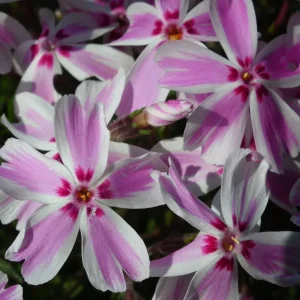
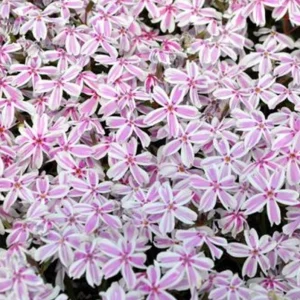
Candy Stripes Creeping Phlox Live Plant – Perennial – Quart Pot – Outdoor Flowering Groundcover
Sold 92 products
Original price was: $47.96.$23.98Current price is: $23.98.

Sold 87 products
Original price was: $18.76.$9.38Current price is: $9.38.
Sold 61 products
From $43.98
Sold 98 products
Original price was: $77.98.$38.99Current price is: $38.99.
Sold 96 products
Original price was: $54.76.$27.38Current price is: $27.38.
Sold 81 products
Original price was: $35.90.$21.54Current price is: $21.54.
Sold 74 products
Original price was: $43.96.$21.98Current price is: $21.98.
Sold 61 products
Original price was: $147.16.$73.58Current price is: $73.58.
Sold 92 products
Original price was: $79.98.$63.98Current price is: $63.98.
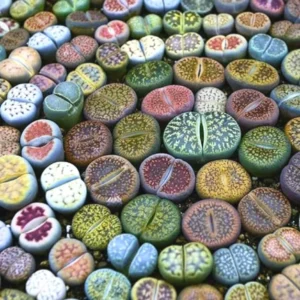
HousePlants
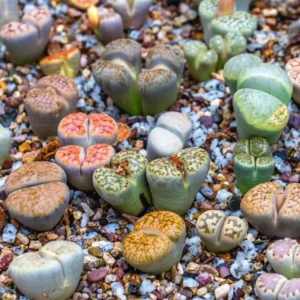
Lithops Live Plants Mix – 10 Large Colorful Living Stones Succulents for Indoor/Outdoor Growing
Sold 59 products
Original price was: $27.98.$13.99Current price is: $13.99.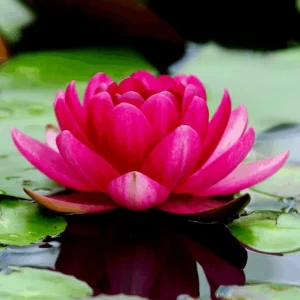
Aquatic Plant Seeds
Colorful Lotus Water Lily Seeds – Aquarium & Pond Plant – Easy Grow Perennial Bulb Type
Sold 88 products
Original price was: $42.76.$21.38Current price is: $21.38.
Sold 78 products
Original price was: $73.90.$44.34Current price is: $44.34.
Sold 58 products
Original price was: $83.96.$41.98Current price is: $41.98.
Flower Bulbs
Chicago Apache Daylily Bare Root – Scarlet Red Reblooming Perennial – 1-2 Fan Division – Outdoor
Sold 90 products
From $95.80
Sold 59 products
Original price was: $28.76.$14.38Current price is: $14.38.
Sold 55 products
Original price was: $138.00.$69.00Current price is: $69.00.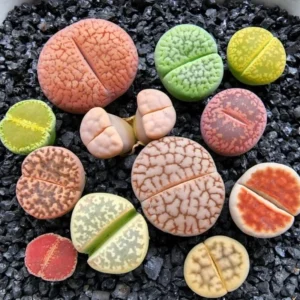
Sold 63 products
Original price was: $39.98.$19.99Current price is: $19.99.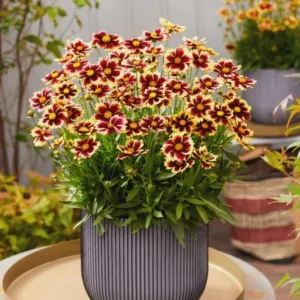
Flower Plants
Coreopsis Solar Eclipse Live Plant – Bicolor Red/Yellow, 3.5 inch Pot, Outdoor Perennial
Sold 99 products
From $43.80


Reviews
There are no reviews yet.