
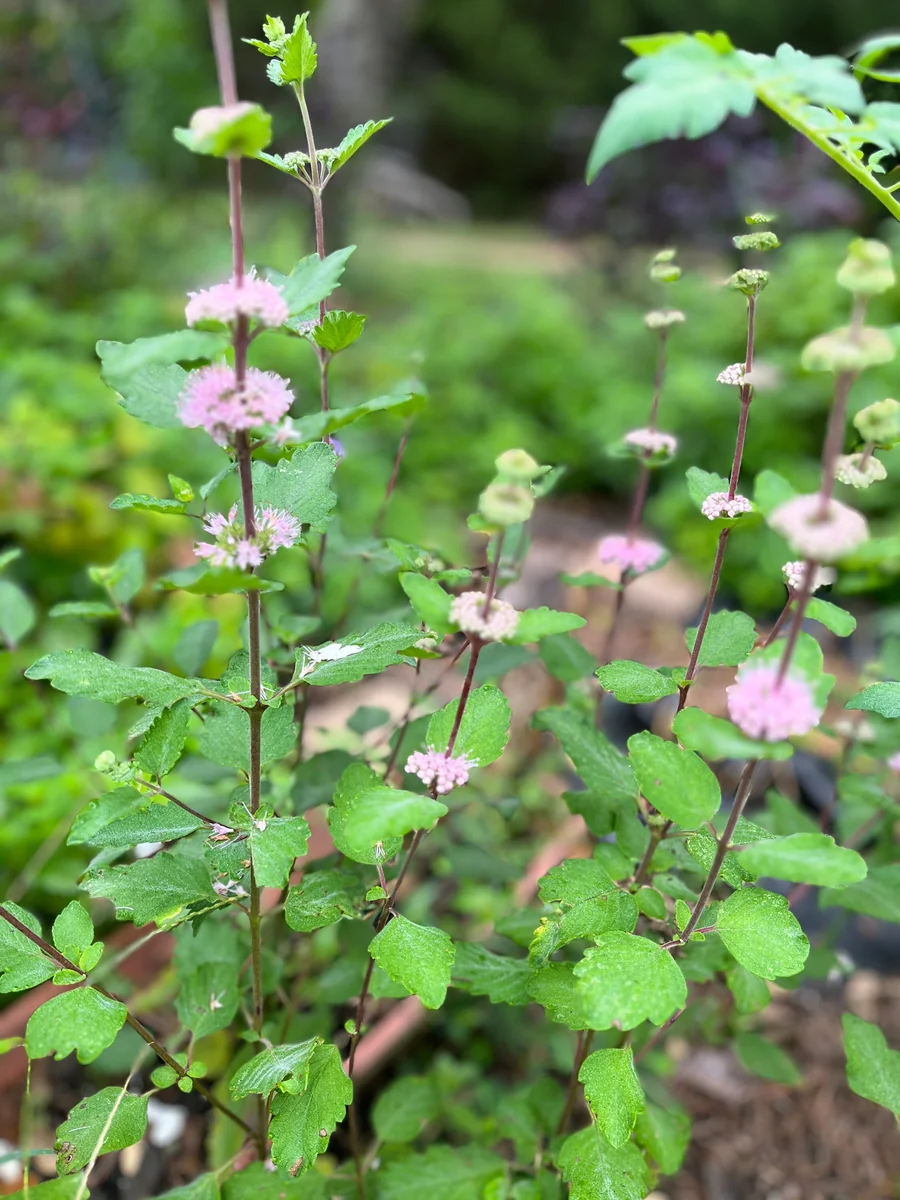
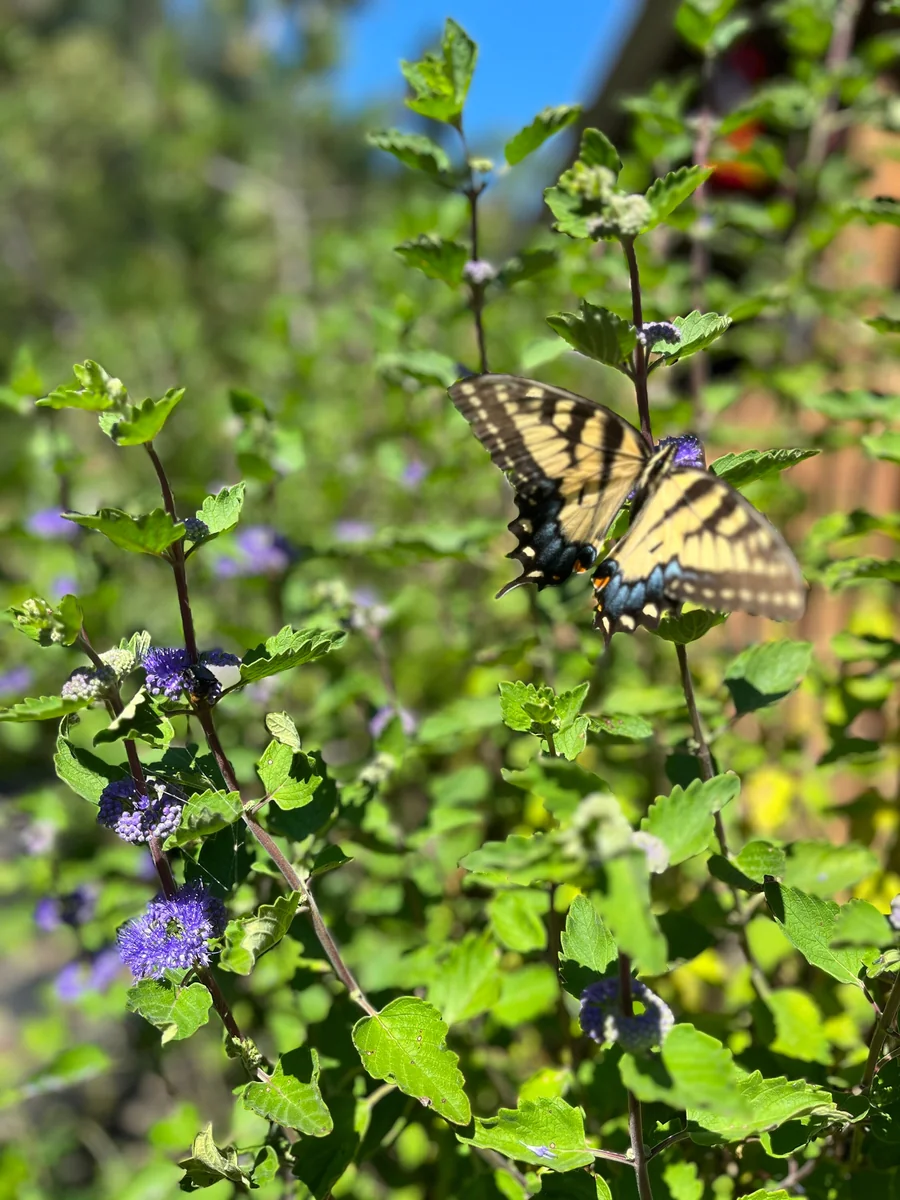
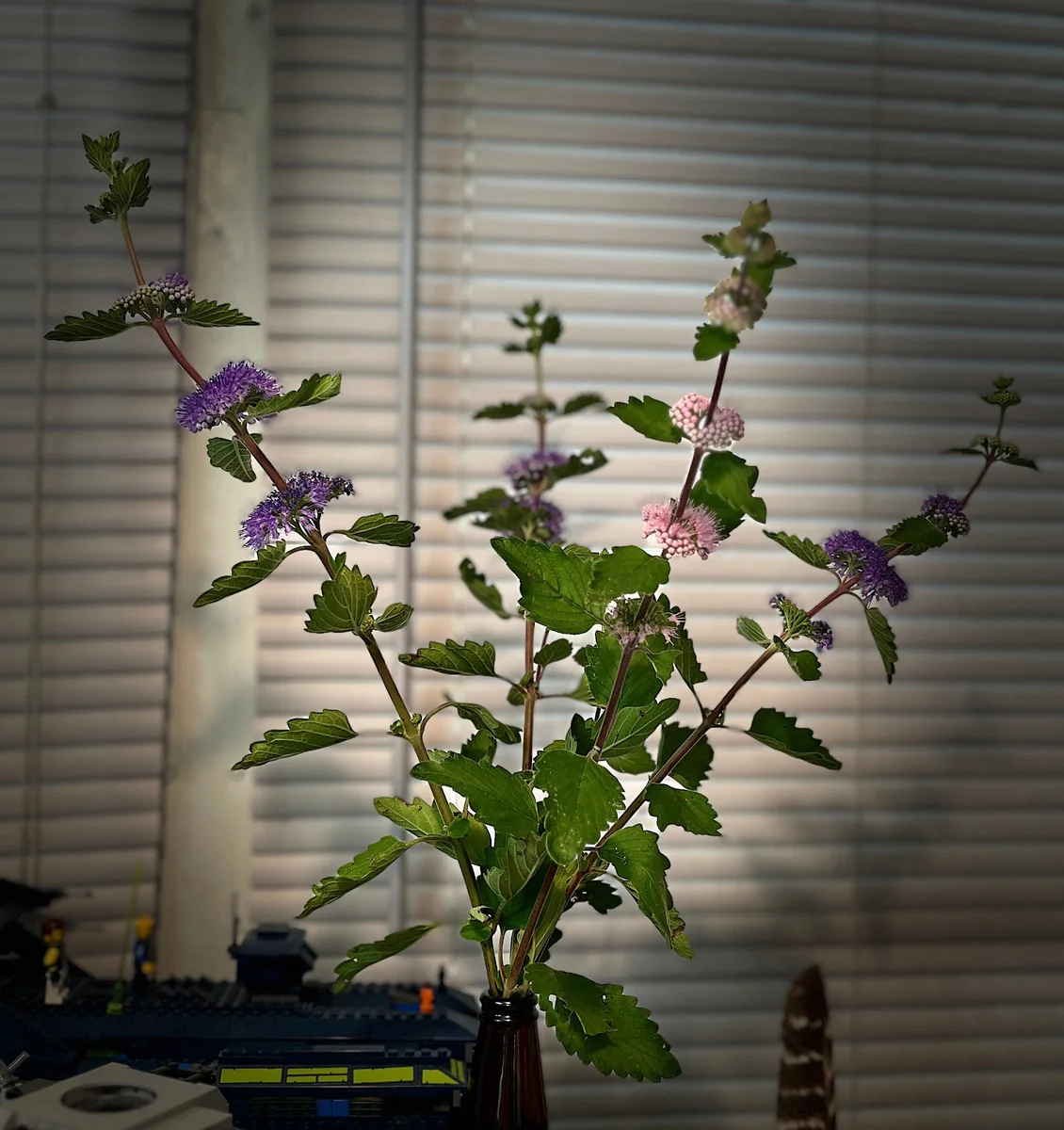
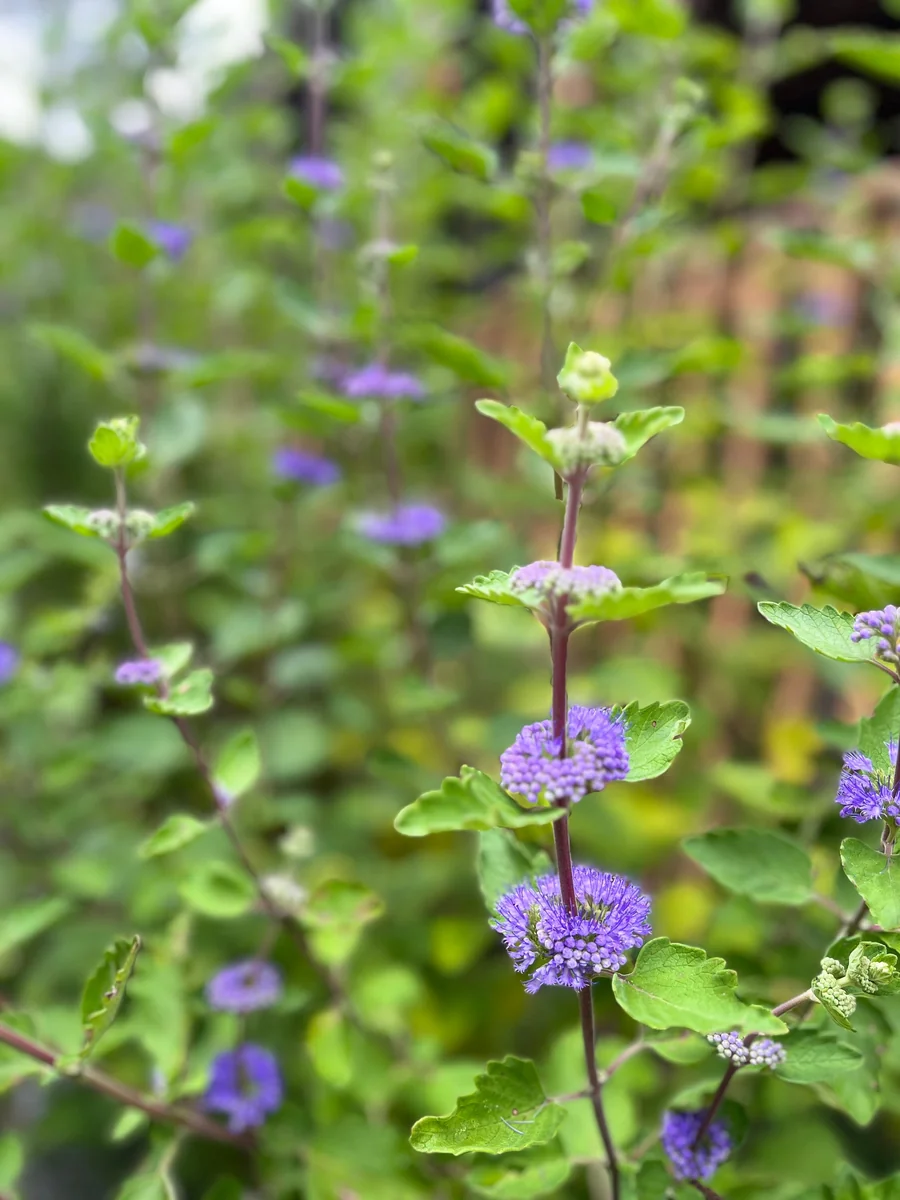
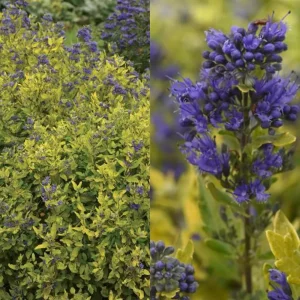
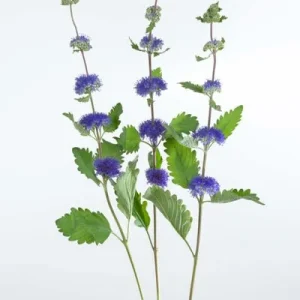
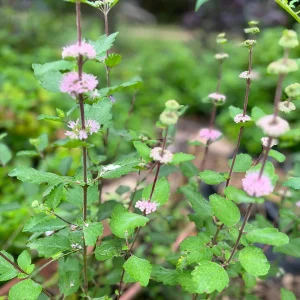
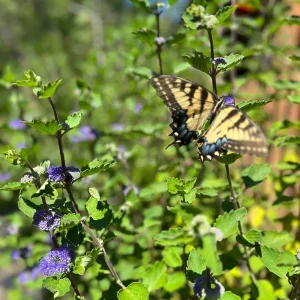
Bluebeard Caryopteris Live Plant – Easy-to-Grow Perennial Shrub for Pollinators
Original price was: $31.96.$15.98Current price is: $15.98.
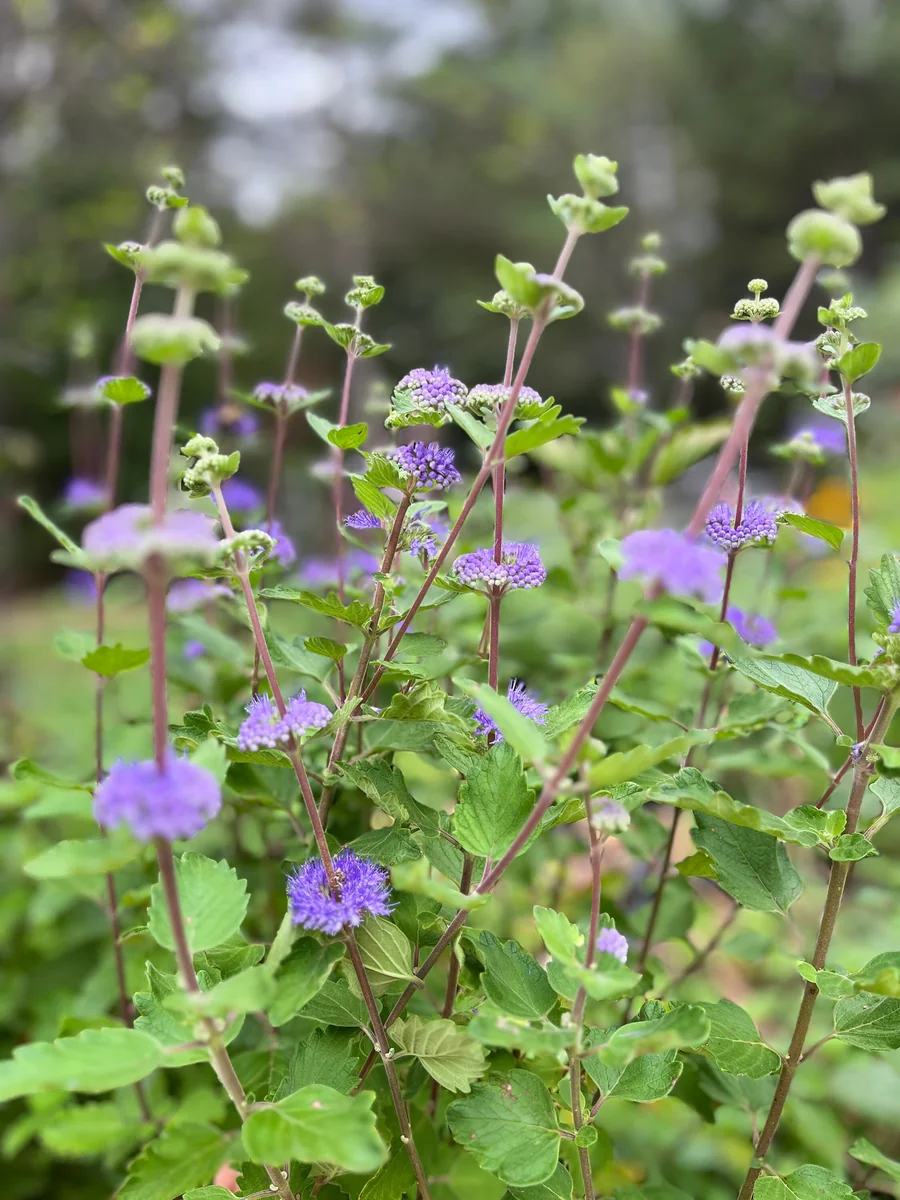
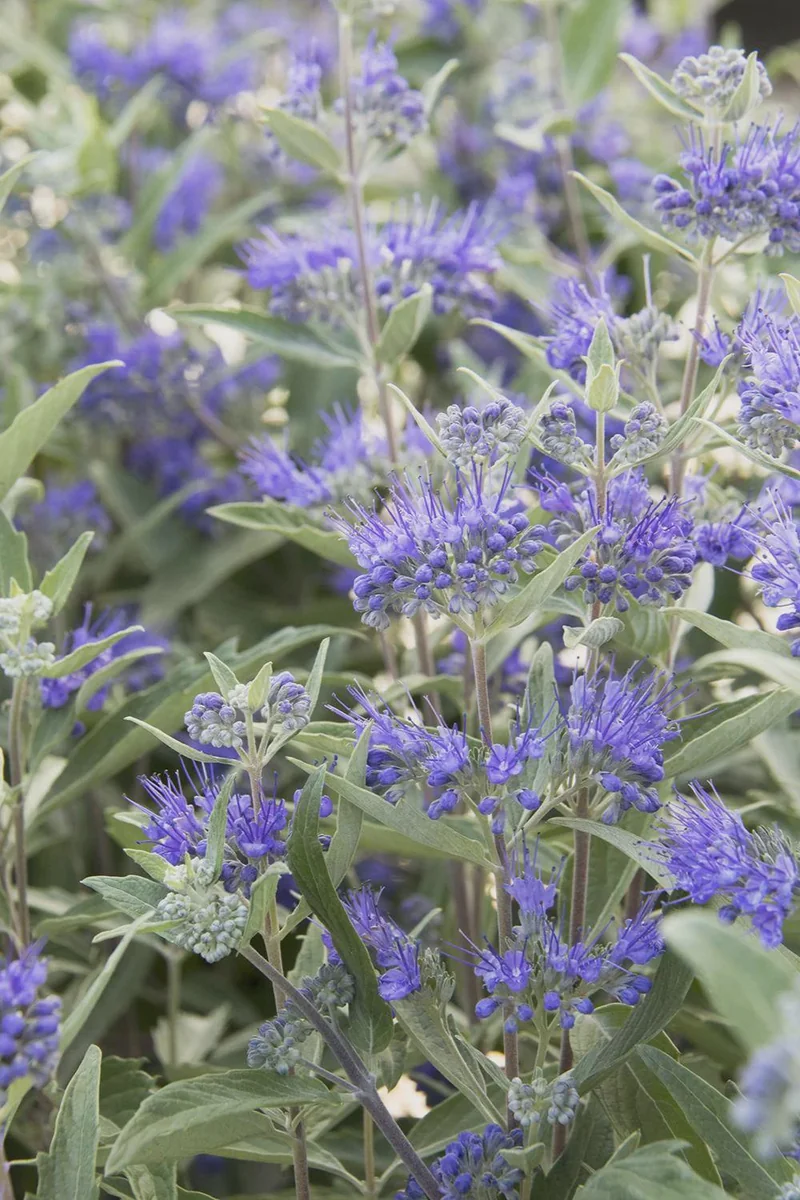
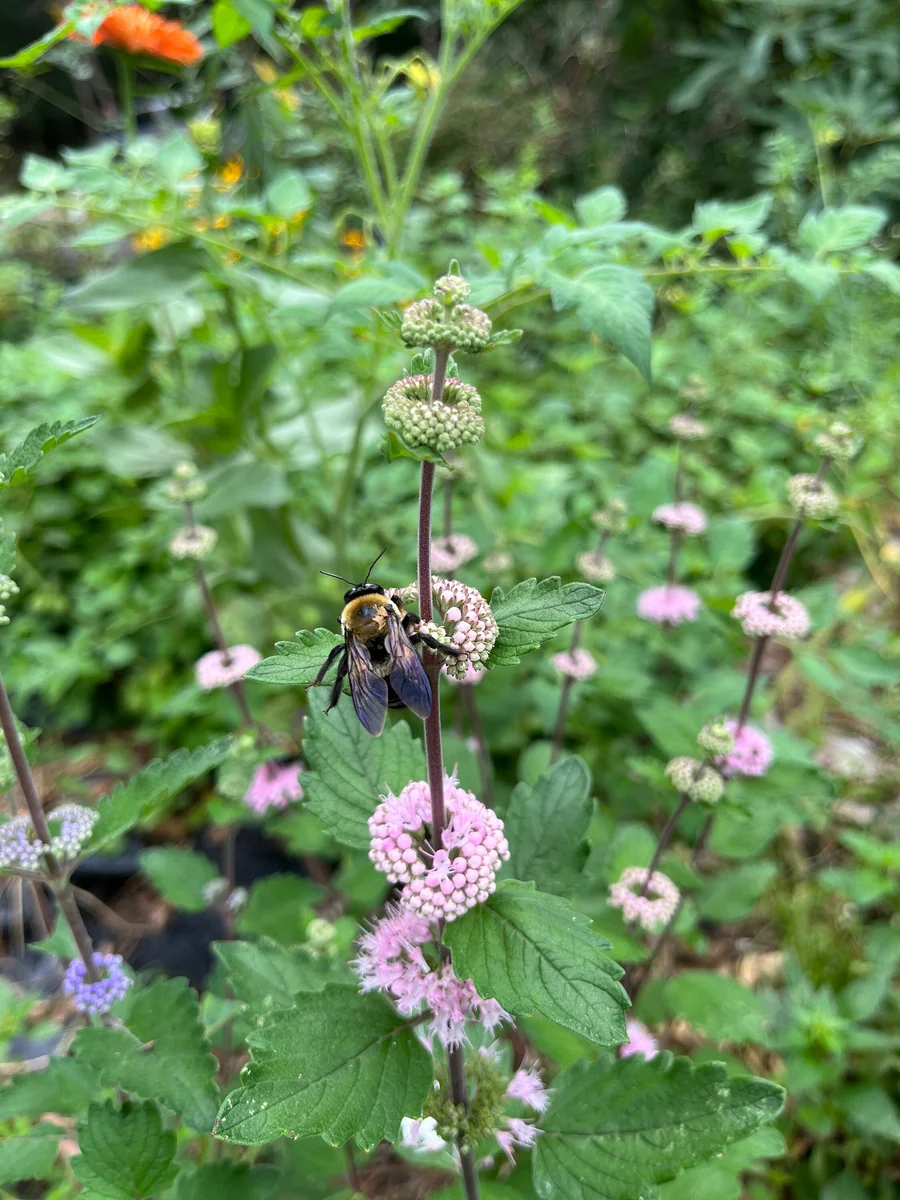
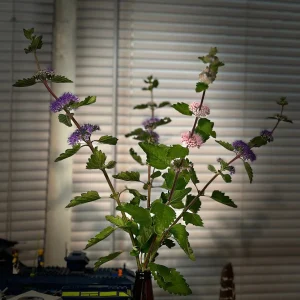
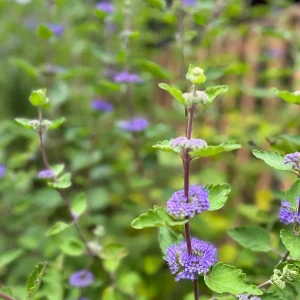
Enhance your garden with a beautiful bluebeard caryopteris live plant. This easy care perennial shrub offers late summer to fall blooms, attracting pollinators and providing excellent cut flowers. It’s also a deer resistant plant, making it a robust choice for any landscape.
-
USDA Hardiness Zone
USDA zones 5 and above -
Soil Type
Well-draining soil (clay, sand, loam) -
Sunlight Exposure
Full sun to partial shade -
Expected Planting Period
Spring to early summer

You can track your order HERE
Mar 09
Mar 14 - Mar 16
Mar 19 - Mar 23
Shipping and return policies: Our Alive & Thrive Guarantee covers issues with your plants within the first 30 days. Reach out to us. Our team will answer your questions and help you find the plants that are truly suitable for your environment, climate, and personal preferences.

Overview
Introduce vibrant color and life to your garden with the stunning bluebeard caryopteris live plant. Also known as blue spirea, this delightful perennial shrub belongs to the Lamiaceae family and is celebrated for its compact, mound-shaped form and dense, fragrant foliage. Originating from East Asia, the caryopteris shrub is a true garden gem, cherished for its long-lasting flowers that burst into bloom from late summer into fall, a time when many other plants have faded. Planting these in groups can create an enchanting border along perennial beds, walkways, or entryways, offering a spectacular display of blue hues that will captivate both gardeners and beneficial insects. This bluebeard caryopteris live plant is not only beautiful but also remarkably resilient, thriving in a variety of conditions, making it an ideal choice for a diverse range of garden styles.
The bluebeard caryopteris live plant is a versatile addition to any landscape, providing continuous interest with its unique blooming schedule. Its ability to produce abundant flowers later in the season ensures your garden remains a lively and colorful space. Beyond its aesthetic appeal, this plant is known for its hardiness and adaptability, suitable for many climates across the United States. Its fragrant blossoms also contribute to a sensory garden experience, making it a truly rewarding plant to cultivate.
Key Benefits
The bluebeard caryopteris live plant offers a multitude of advantages for the home gardener, making it a highly desirable addition. Its robust nature and charming appearance contribute significantly to a thriving and attractive outdoor space. This easy care perennial simplifies gardening while maximizing beauty.
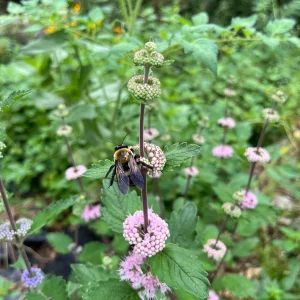
- Attracts Pollinators: The vibrant blue flowers of the bluebeard caryopteris live plant are a magnet for hummingbirds, bees, and butterflies, turning your garden into a buzzing hub of activity and supporting local ecosystems. It’s an excellent choice for a pollinator garden plant.
- Extended Bloom Season: Enjoy beautiful, long-lasting blooms from late summer through fall, providing essential color and nectar when other plants are winding down. This extended season of interest ensures your garden remains lively.
- Low Maintenance: This shrub is remarkably easy to care for, requiring minimal attention once established. It tolerates a range of soil types and is quite drought-tolerant, making it perfect for busy gardeners.
- Deer and Rabbit Resistant: A significant benefit for many gardeners, the bluebeard caryopteris live plant is known to be resistant to both deer and rabbits, protecting your investment and ensuring its beauty. This characteristic makes it a reliable deer resistant plant.
- Versatile Landscape Use: Its compact form makes it ideal for borders, containers, mass plantings, or as a single specimen. It adapts well to various design ideas, from cottage gardens to modern landscapes.
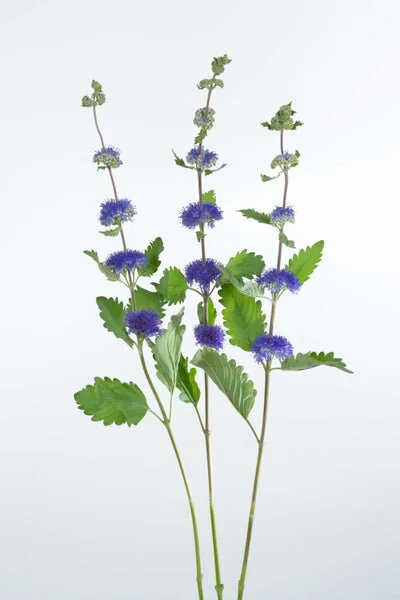
- Excellent for Cut Flowers: The fragrant blooms are perfect for both fresh-cut and dried flower arrangements, allowing you to bring the beauty of your garden indoors.
- Fragrant Foliage: Beyond its flowers, the dense foliage of the caryopteris shrub releases a pleasant aroma, adding another sensory dimension to your garden experience.
Plant Care & Growing Tips
Caring for your bluebeard caryopteris live plant is straightforward, ensuring a rewarding gardening experience. This easy care perennial thrives with basic attention and will reward you with abundant blooms. To ensure your caryopteris shrub flourishes, consider these growing tips.
For optimal growth, plant your bluebeard caryopteris live plant in a location that receives full sun to partial shade. Full sun encourages the most prolific flowering. While it tolerates a wide range of soil types, including clay, sand, and loam, it prefers light, well-draining soil. The plant is adaptable to soil pH ranging from 5.0 to 8.0, making it quite forgiving. When planting, aim for a spacing of approximately one square foot per plant, or choose a 3-gallon pot or larger if growing in containers. This allows sufficient room for the plant to develop its compact form. Regular watering is important during its establishment phase, but once mature, it is quite waterwise and can tolerate periods of drought.
Pruning is key to maintaining the plant’s shape and encouraging continuous blooming. Pinch plants above 3-4 pairs of leaves about 3-9 weeks after planting to promote bushier growth. After the initial flowering flush, prune plants to a height of 10-15 cm to encourage a second round of blooms. As new shoots emerge, thinning them out to 6-8 stems per plant can help achieve a qualitative yield of flowers. This practice ensures that the plant directs its energy into producing strong, healthy blooms. This pollinator garden plant benefits from this simple care routine. The deer resistant plant nature of Caryopteris makes it even easier to maintain as you won’t have to worry about browsing damage.
Size & Details
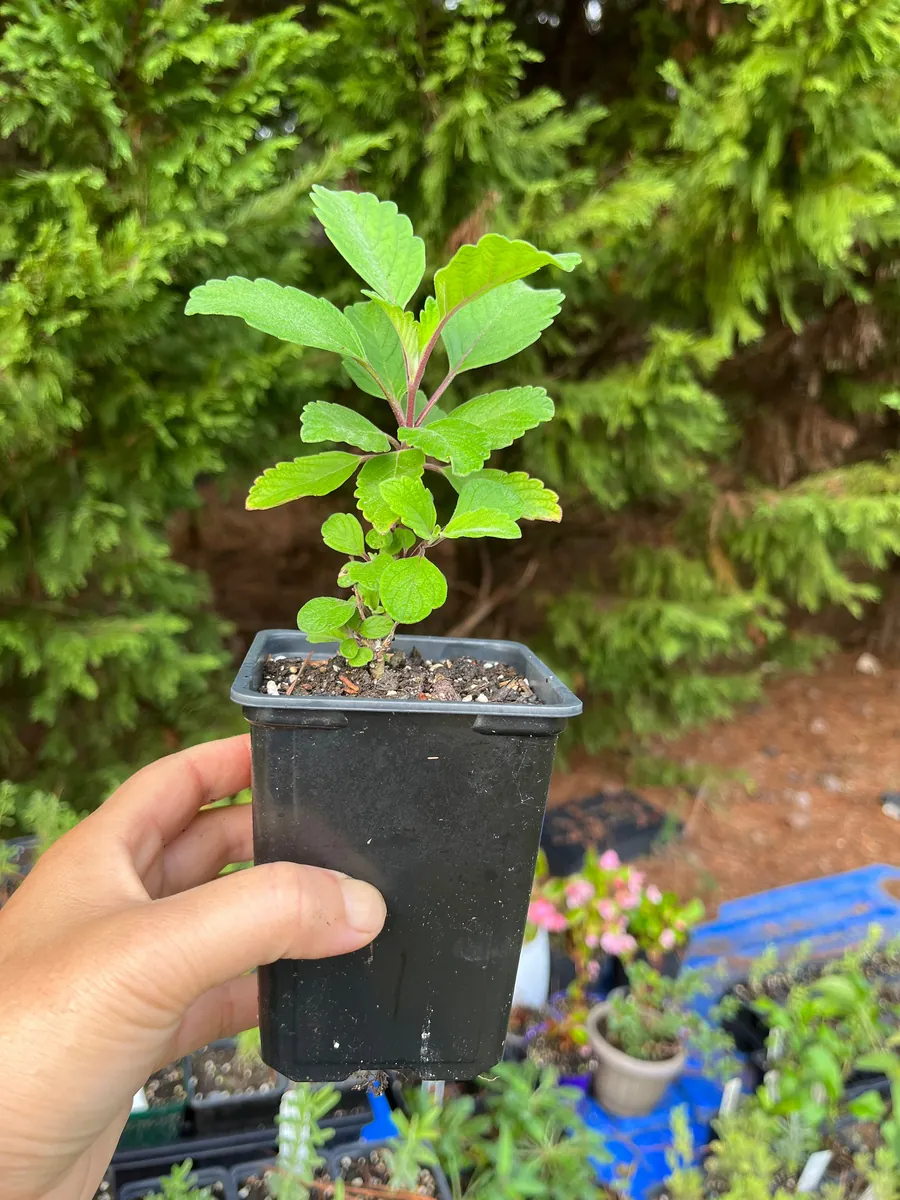
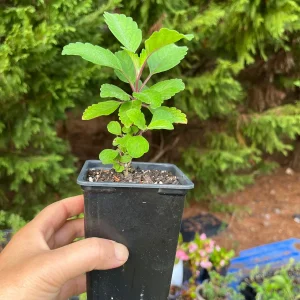
The bluebeard caryopteris live plant is a versatile shrub that typically grows to a compact size, making it suitable for various garden applications. While specific sizes may vary, mature plants generally reach heights of 2-3 feet and spread similarly, creating a beautiful, rounded form. Each seedling is typically provided in a 1-inch, 2.25-inch, or 3 1/4-inch pot, depending on availability, ensuring a healthy start for your garden. Plant sizes will naturally vary, reflecting the unique growth of each individual specimen. This easy care perennial will establish itself quickly.
This caryopteris shrub exhibits a moderate growth rate, allowing it to establish and mature within a few seasons. It is hardy in USDA zones 5 and above, making it a reliable choice for a broad range of climates. The plant is shipped as a healthy live plant, ready for immediate planting upon arrival. With proper care, you can expect this pollinator garden plant to begin producing its characteristic blue flowers from late summer into fall in its first or second growing season. Its adaptability and robust nature ensure a lasting presence in your garden.
Frequently Asked Questions
- Q: How big does the bluebeard caryopteris live plant get? A: A: This caryopteris shrub typically grows to a compact size, reaching about 2-3 feet in height and spread, forming an attractive mound. Its moderate growth rate allows it to fill out nicely within a few seasons.
- Q: What size pot does it come in? A: The seedlings are typically supplied in either 1-inch, 2.25-inch, or 3 1/4-inch pots, depending on current availability. These sizes provide a good foundation for planting directly into your garden or a larger container.
- Q: Is this an indoor or outdoor plant? A: The bluebeard caryopteris live plant is primarily an outdoor perennial shrub, thriving in garden beds, borders, and outdoor containers. It is hardy in USDA zones 5 and above.
- Q: How much sunlight does it need? A: For the best flowering performance, this easy care perennial prefers full sun, meaning at least 6 hours of direct sunlight per day. It can tolerate partial shade, but flowering may be less prolific.
- Q: Is this plant easy to care for? A: Yes, the bluebeard caryopteris live plant is renowned for its easy care nature. It’s drought-tolerant once established and generally resistant to pests and diseases, making it a great choice for beginners and experienced gardeners alike.
- Q: What condition will it arrive in? A: Your plant will arrive as a healthy, live seedling in a nursery pot. While slight stress from shipping is normal, it is packed to ensure the best possible condition upon arrival.
- Q: When is the best time to plant? A: The ideal time to plant your bluebeard caryopteris live plant is in spring or early summer after the last frost, allowing it ample time to establish before colder weather.
- Q: Will it survive winter in my zone? A: This caryopteris shrub is hardy in USDA zones 5 and above. In these zones, it will typically die back to the ground in winter and regrow vigorously in spring.
- Q: Is this a deer resistant plant? A: Yes, the bluebeard caryopteris live plant is known for its resistance to both deer and rabbits, making it an excellent choice for gardens where these animals are a concern.
- Q: Why is it a good pollinator garden plant? A: Its abundant, late-season blue flowers are a significant nectar source for bees, butterflies, and hummingbirds, providing crucial support for pollinators when other food sources may be scarce.
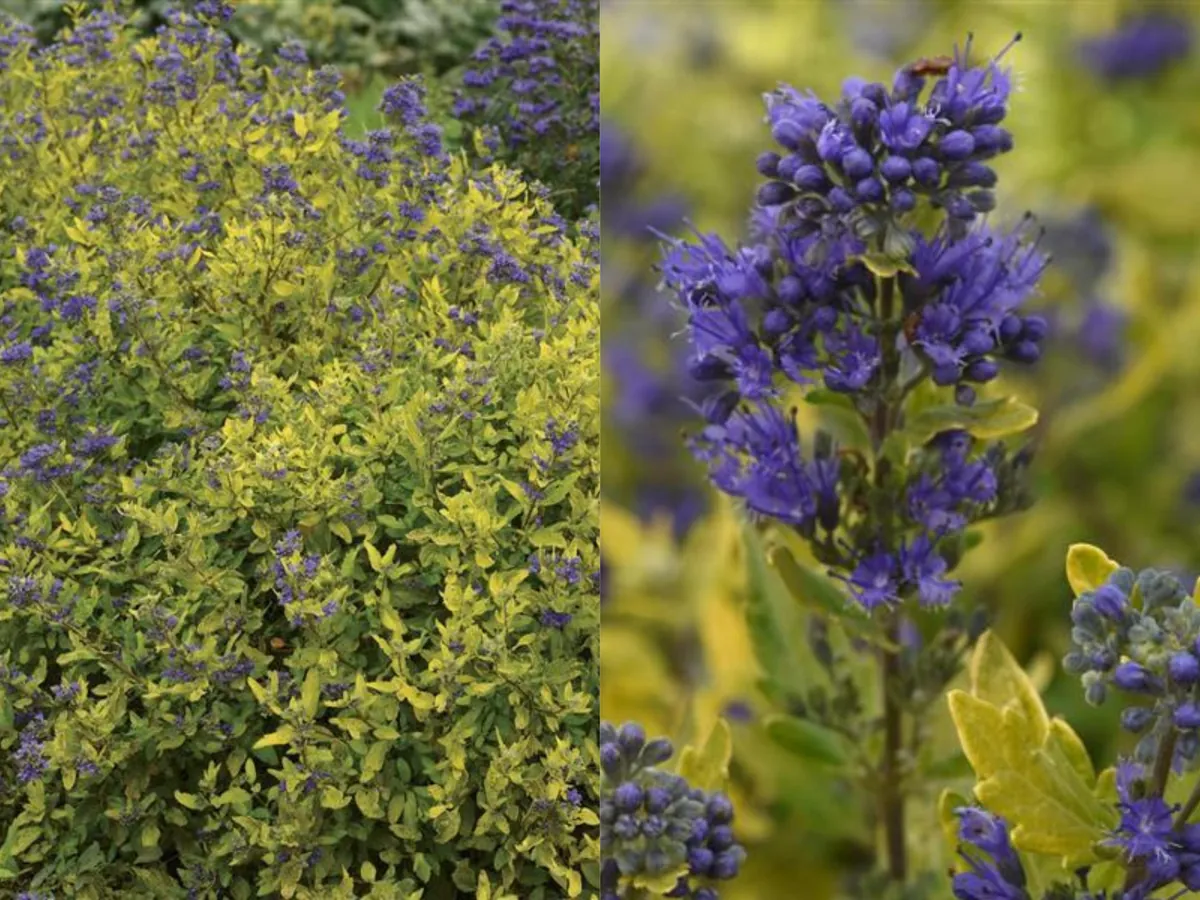
| Varieties | Blue Lagoon 3.25" P, Dark Knight 2.25" P, Gold Crest 2.25" Pot, Pink 3.25" Pot |
|---|
Be the first to review “Bluebeard Caryopteris Live Plant – Easy-to-Grow Perennial Shrub for Pollinators”
People Also Viewed
Sold 78 products
Original price was: $150.76.$75.38Current price is: $75.38.
Sold 64 products
Original price was: $147.16.$73.58Current price is: $73.58.
Sold 97 products
Original price was: $66.00.$52.80Current price is: $52.80.
Sold 82 products
Original price was: $58.99.$38.99Current price is: $38.99.
Sold 90 products
From $34.80
Sold 95 products
Original price was: $36.00.$18.00Current price is: $18.00.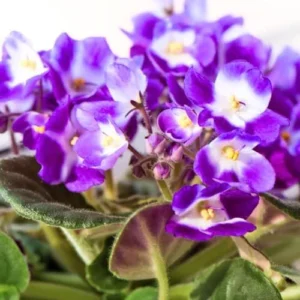
Flower Plants
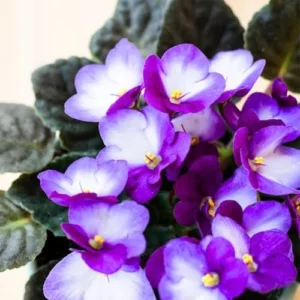
African Violet Live Plant Houseplant – Purple White Flower, 4 Inch Pot, Indoor Growing
Sold 68 products
Original price was: $79.98.$39.99Current price is: $39.99.
Sold 73 products
From $4.26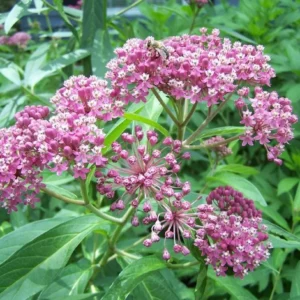
Flower Plants
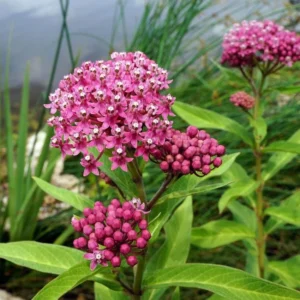
Red Milkweed Live Starter Plants – Set of 2, 4-8″ Tall, Perennial, Attracts Monarch Butterflies
Sold 76 products
Original price was: $59.97.$19.99Current price is: $19.99.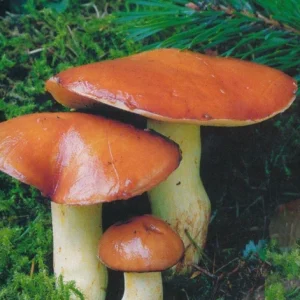
Sold 57 products
Original price was: $40.00.$20.00Current price is: $20.00.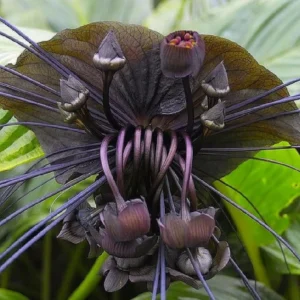
Flower Plants
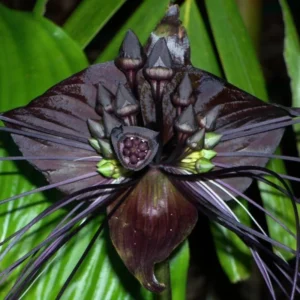
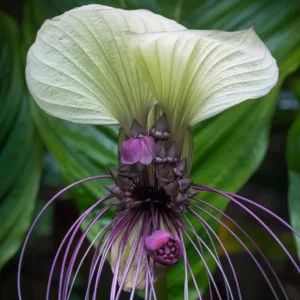
Black Bat Orchid Plant – Tacca Chantrieri Live Plant – Tall 4-6″ – Black Flower – Houseplant
Sold 94 products
Original price was: $39.98.$22.99Current price is: $22.99.
Sold 93 products
Original price was: $283.96.$141.98Current price is: $141.98.

Sold 85 products
Original price was: $85.98.$42.99Current price is: $42.99.

Sold 87 products
From $5.98
Flower Plants
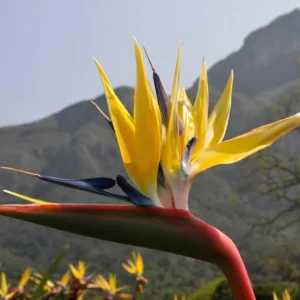
Yellow Bird of Paradise Plant Live Houseplant 5-10 Inches Tropical Strelitzia Reginae Bush
Sold 81 products
Original price was: $19.92.$9.96Current price is: $9.96.
Seeds
Saffron Milk Cap Mycelium Spawn (Lactarius deliciosus) on Dry Seeds – Outdoor Mushroom Cultivation
Sold 71 products
Original price was: $36.00.$18.00Current price is: $18.00.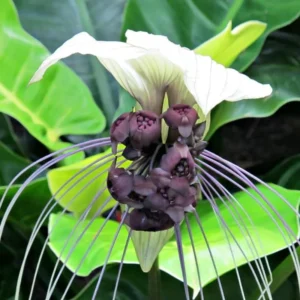
Sold 96 products
Original price was: $69.98.$34.99Current price is: $34.99.
Sold 91 products
Original price was: $53.98.$26.99Current price is: $26.99.



Reviews
There are no reviews yet.