
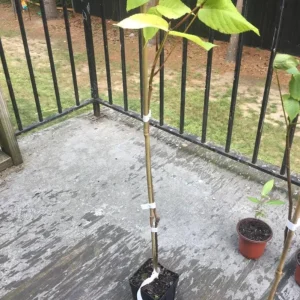
Black Walnut Tree Live Plant – 12-18″ Tall – 4-Inch Pot – Nut Producing & Fall Color
Original price was: $53.98.$37.78Current price is: $37.78.
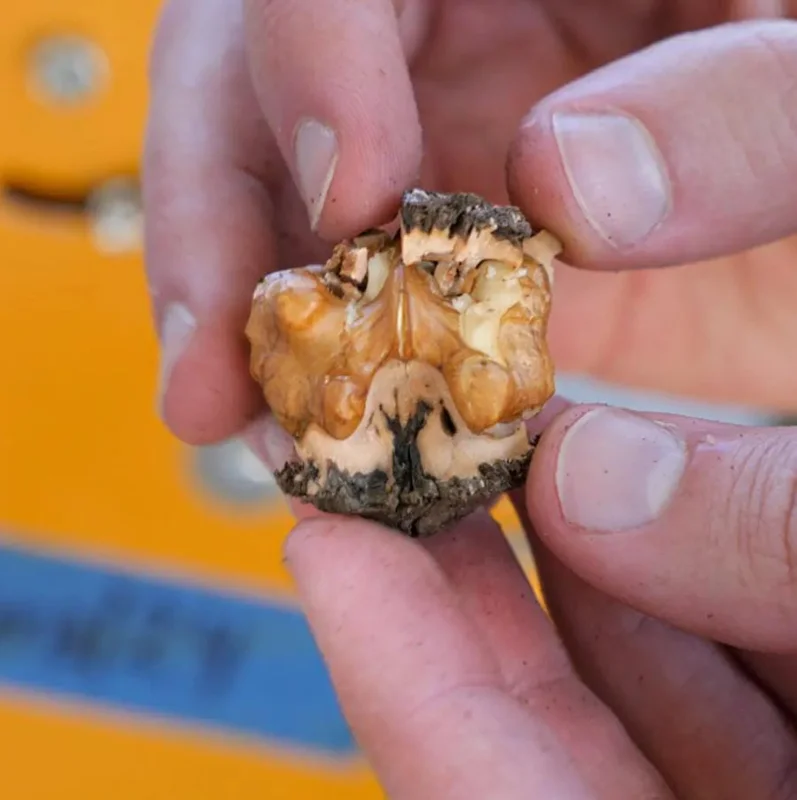
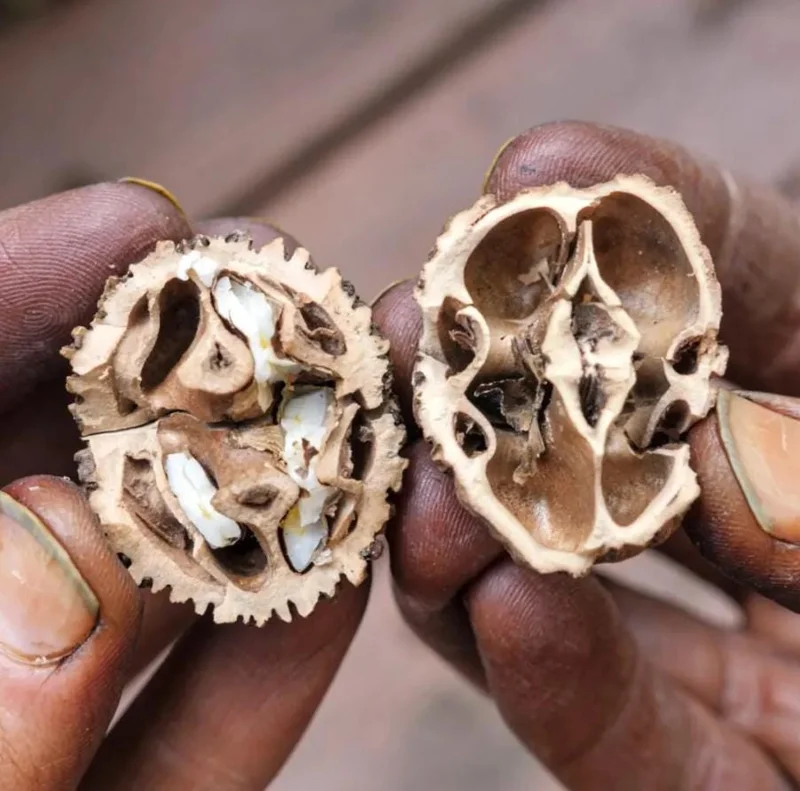
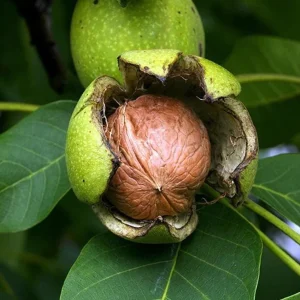
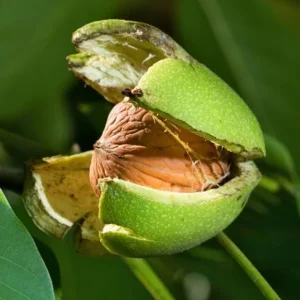
Introduce a majestic Black Walnut Tree live plant to your landscape. This 12-18 inch tall specimen, shipped in a 4-inch pot, offers delicious edible nuts, stunning yellow fall foliage, and valuable timber. Thrives outdoors in USDA Zones 4-9.
-
USDA Hardiness Zone
USDA Zones 4–9 -
Soil Type
Well-drained, fertile, slightly acidic to neutral soil -
Sunlight Exposure
Full sun (at least 6 hours daily) -
Expected Planting Period
Spring or early fall

You can track your order HERE
Mar 19
Mar 24 - Mar 26
Mar 29 - Apr 02
Shipping and return policies: Our Alive & Thrive Guarantee covers issues with your plants within the first 30 days. Reach out to us. Our team will answer your questions and help you find the plants that are truly suitable for your environment, climate, and personal preferences.

Overview
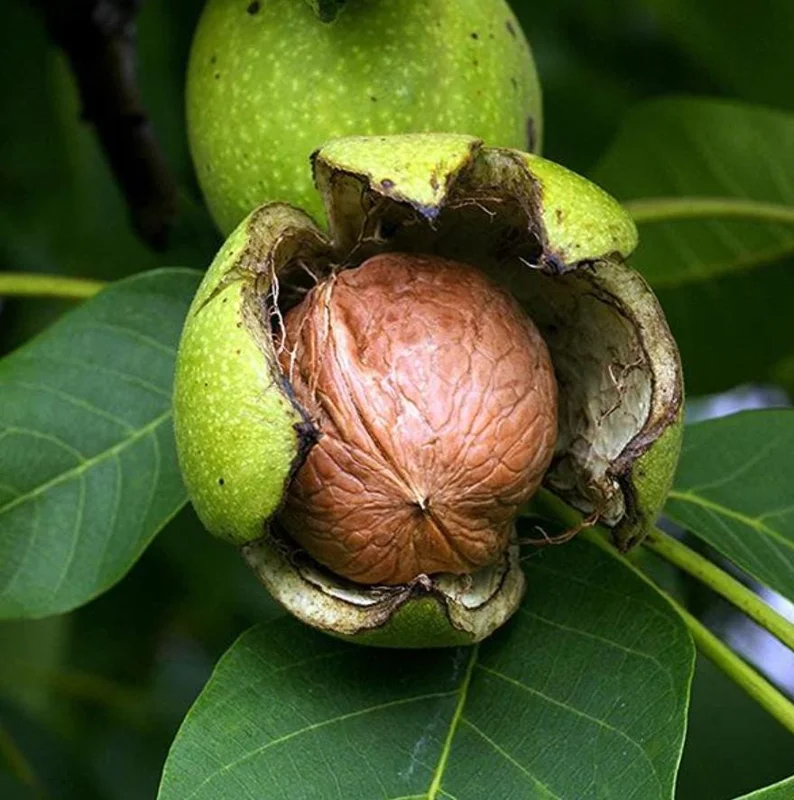
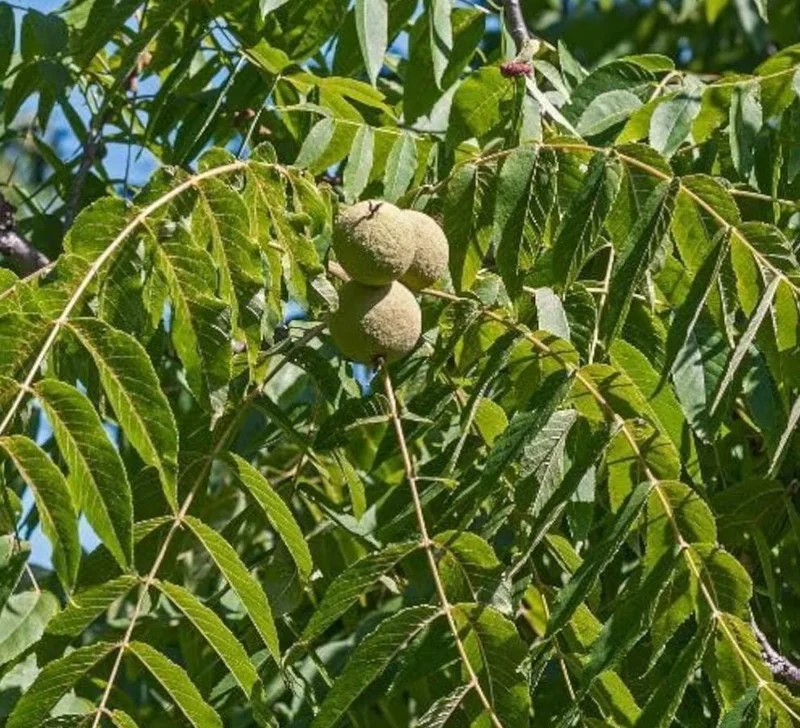
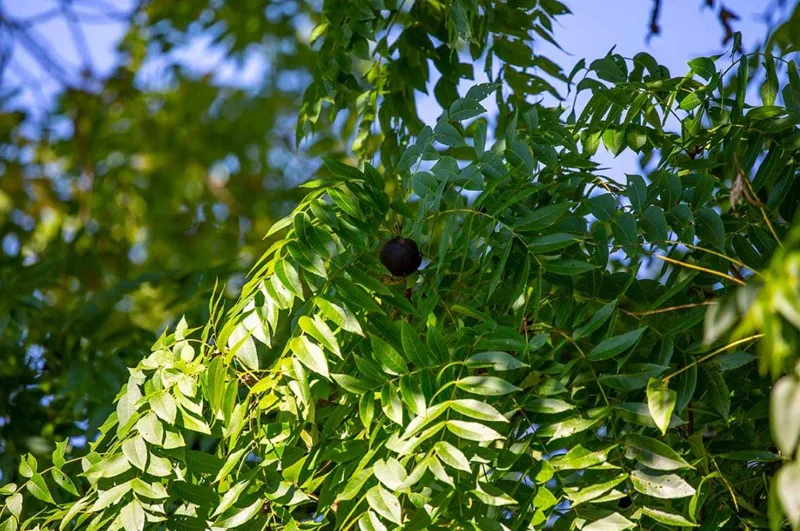
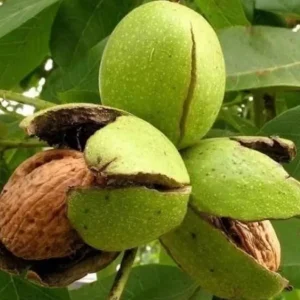
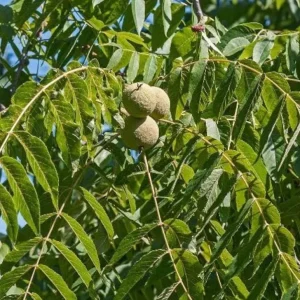
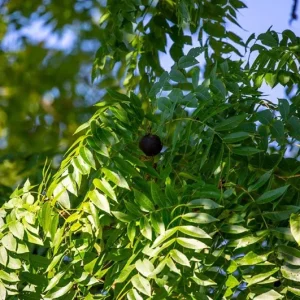
Introduce a magnificent centerpiece to your garden with this Black Walnut Tree live plant (Juglans nigra). This native North American deciduous tree is supplied as a thriving young specimen, approximately 12–18 inches tall and rooted in a 4-inch pot. Known for its impressive stature, reaching up to 75 feet with a broad, rounded crown, the Black Walnut is a truly majestic species. Beyond its commanding presence, it offers a dual benefit: producing delicious, edible walnuts in the autumn and showcasing spectacular yellow fall foliage that adds a vibrant splash of color to your landscape. The Juglans nigra tree is also highly valued for its durable, beautifully grained wood, prized by woodworkers worldwide. Planting this tree is an investment in both aesthetic appeal and potential future harvests, making it an excellent choice for a variety of garden designs and purposes.
The Black Walnut Tree live plant is a hardy and adaptable species, capable of flourishing in USDA Zones 4–9. It prefers full sun exposure, requiring at least 6 hours of direct sunlight daily to ensure optimal growth and nut production. While self-fertile, planting multiple trees is highly recommended to enhance pollination and significantly improve nut yields. This robust tree is a wonderful addition for those looking to cultivate a long-lived, productive, and visually stunning tree that contributes both beauty and bounty to their environment.
Key Benefits
Adding a Black Walnut Tree live plant to your property offers a range of compelling advantages, from its practical yield to its ornamental value and ecological benefits:
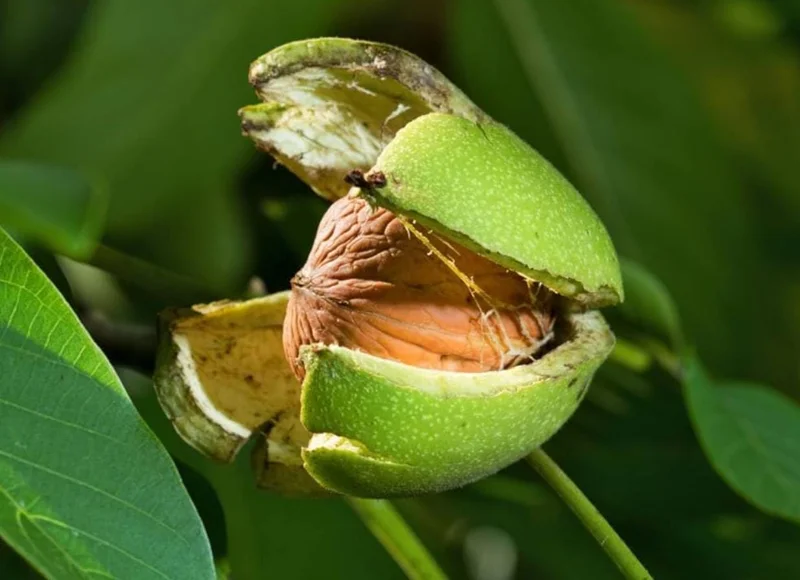
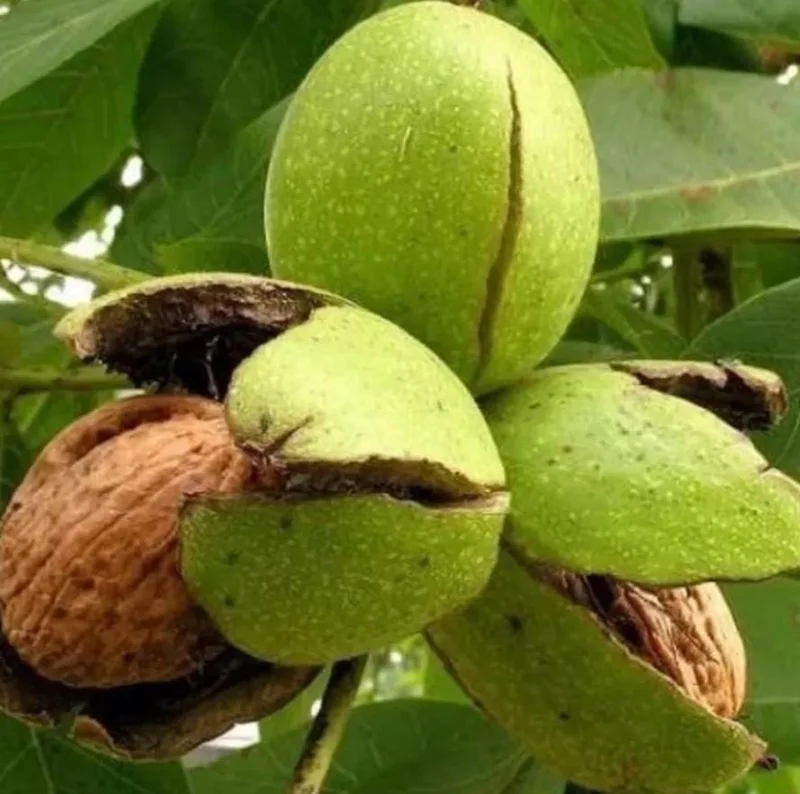
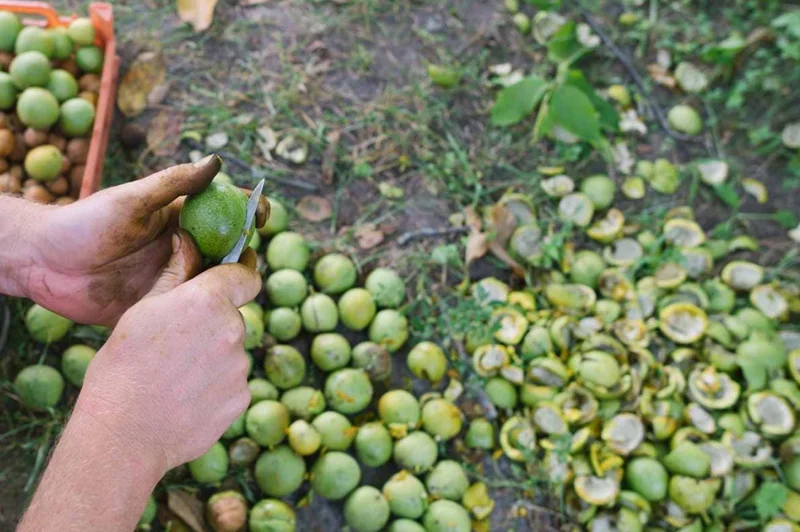
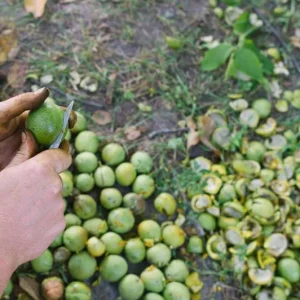
- Produces Edible Walnuts: Enjoy a harvest of delicious, protein-rich walnuts in early to mid-autumn, perfect for baking, snacking, or culinary use. Planting more than one nut producing tree can significantly increase your yield, ensuring a more abundant harvest for years to come.
- Stunning Yellow Fall Foliage: Experience a breathtaking display of vibrant yellow leaves each fall, providing spectacular seasonal color that enhances any landscape. This beautiful yellow fall foliage tree becomes a focal point of autumnal beauty, transforming your garden with its radiant hues.
- Valuable Timber Resource: Black Walnut wood is highly sought after for its strength, durability, and rich, handsome grain, making it a valuable long-term asset for future woodworking projects. The timber quality improves with age, offering a legacy for generations.
- Large Shade Tree: With a mature height of up to 75 feet and an equally wide crown, this tree provides extensive shade, helping to cool your home and outdoor living areas during hot summer months. Its dense canopy creates a comfortable retreat.
- Wildlife Attractor: The nuts provide a food source for local wildlife, contributing to the biodiversity of your garden ecosystem. Birds, squirrels, and other small animals will appreciate this natural food source.
- Hardy and Adaptable: Thrives in a wide range of climates (USDA Zones 4–9) and soil conditions, provided it receives adequate sunlight and drainage. This adaptability makes the Black Walnut Tree live plant a resilient choice for many regions.
- Self-Fertile with Enhanced Yields: While self-fertile, a single Juglans nigra tree benefits greatly from cross-pollination, so planting multiple trees ensures a more abundant nut crop. This strategy maximizes your potential nut harvest.
Plant Care & Growing Tips
Caring for your Black Walnut Tree live plant is straightforward, ensuring it establishes well and thrives for years to come. Upon arrival, unpack your tree gently. Choose a planting location that receives at least 6 hours of direct sunlight daily, as full sun is crucial for robust growth and nut production. The ideal soil is well-drained, fertile, and slightly acidic to neutral. While adaptable, avoid heavy, waterlogged soils. Dig a hole twice as wide as the root ball and just as deep. Carefully remove the tree from its 4-inch pot, loosen any circling roots, and place it in the hole so that the top of the root ball is level with the surrounding ground. Backfill with soil, gently tamping to remove air pockets, and water thoroughly.
During its establishment period (the first year or two), consistent watering is key. Keep the soil consistently moist but not waterlogged. Once established, the Black Walnut tree care regimen becomes less intensive, as it gains some drought tolerance. Mulching around the base of the tree with organic material helps retain soil moisture, regulate soil temperature, and suppress weeds. Pruning is generally minimal; focus on removing dead, damaged, or crossing branches to maintain a strong structure. For best nut yields, remember that while the tree is self-fertile, planting multiple trees will significantly improve pollination rates and lead to a more bountiful harvest. Protect young trees from deer if they are prevalent in your area. This nut producing tree is a long-term investment, and proper early care ensures its successful growth.
Size & Details
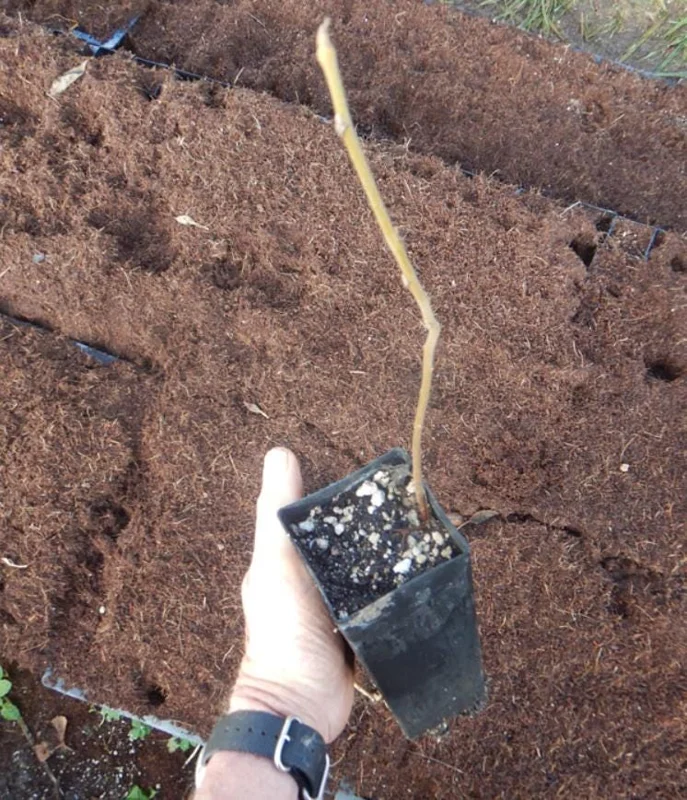
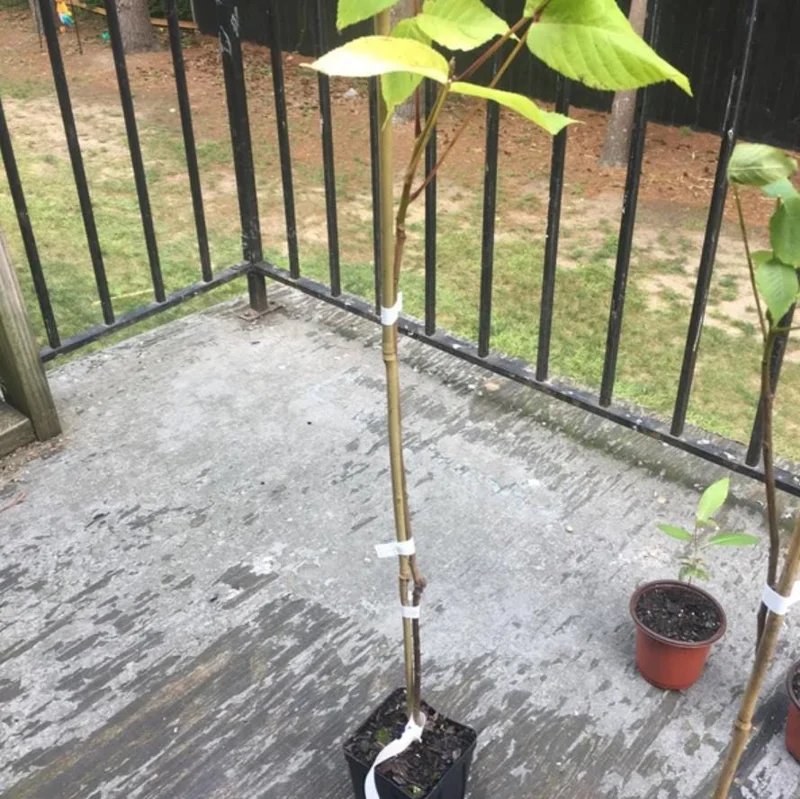
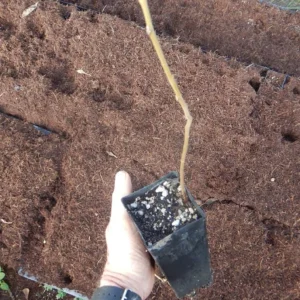
You will receive one healthy Black Walnut Tree live plant, which stands approximately 12–18 inches tall from the base of the pot to the top of the foliage. Each tree is carefully grown and shipped in a 4-inch nursery pot, providing a robust root system ready for planting. This deciduous tree features green foliage that transforms into a brilliant yellow in the fall, offering seasonal interest. As a young specimen, it is ideal for planting in spring or fall, allowing it ample time to establish before extreme temperatures. Black Walnut trees are known for their strong growth rate, developing into a large tree that can reach impressive heights of up to 75 feet with a broad, spreading crown. This makes it an excellent choice for a shade tree or a specimen plant in a spacious landscape. Expect your tree to begin producing nuts in about 10-15 years, with yields increasing as the tree matures. This yellow fall foliage tree will be a striking addition to your property.
Frequently Asked Questions
- Q: How tall is the Black Walnut Tree when it ships? A: Your Black Walnut Tree live plant will arrive approximately 12–18 inches tall, measured from the base of the pot to the top of the tree. This is a young, healthy specimen ready for planting in your garden or landscape.
- Q: What size pot does the tree come in? A: Each Juglans nigra tree is shipped in a sturdy 4-inch nursery pot, providing a good foundation for its root system during transit and initial planting. This ensures the tree is well-protected and ready to thrive.
- Q: Is this an indoor or outdoor plant? A: The Black Walnut Tree is an outdoor tree. It requires ample space and direct sunlight to thrive and reach its full potential, making it unsuitable for indoor cultivation.
- Q: How much sunlight does a Black Walnut Tree need? A: A Black Walnut Tree live plant requires full sun, meaning at least 6 hours of direct sunlight daily, for optimal growth and nut production. Plenty of sunshine is key to its health and productivity.
- Q: Is this tree easy to care for? A: Black Walnut trees are relatively low-maintenance once established. Initial Black Walnut tree care involves consistent watering and proper site selection, but mature trees are quite resilient and require less intervention.
- Q: When is the best time to plant a Black Walnut Tree? A: The best time to plant a Black Walnut Tree is typically in the spring after the last frost or in the early fall before the ground freezes, allowing the roots to establish well.
- Q: What condition will the tree arrive in? A: Your tree will arrive healthy and well-packaged. If purchased between October and March, it may arrive dormant with bare branches, which is a natural and healthy state for this deciduous tree.
- Q: How long until this nut producing tree starts producing nuts? A: Black Walnut trees typically begin producing nuts within 10–15 years of planting, with production increasing significantly as the tree matures. It is a long-term investment that yields rewarding results.
- Q: Will this tree survive winter in my zone? A: This yellow fall foliage tree is hardy in USDA Zones 4–9, making it suitable for a wide range of temperate climates. Check your local hardiness zone to ensure compatibility.
- Q: Do I need to plant more than one Black Walnut Tree for nuts? A: While Black Walnut trees are self-fertile, planting multiple trees greatly improves cross-pollination, leading to a much better and more consistent nut yield. This is recommended for maximizing your harvest.
Be the first to review “Black Walnut Tree Live Plant – 12-18″ Tall – 4-Inch Pot – Nut Producing & Fall Color”
People Also Viewed
Succulents
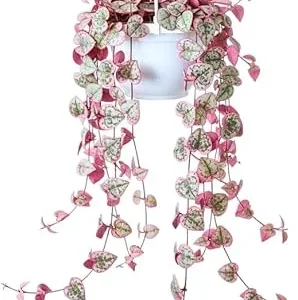
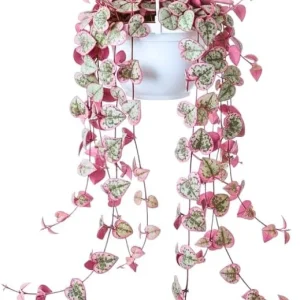
Variegated String of Hearts Live Plant – Ceropegia Woodii, 2.5″ Pot Indoor Trailing Succulent
Sold 100 products
Original price was: $37.96.$18.98Current price is: $18.98.
Sold 67 products
Original price was: $41.98.$20.99Current price is: $20.99.
Sold 66 products
Original price was: $79.06.$39.53Current price is: $39.53.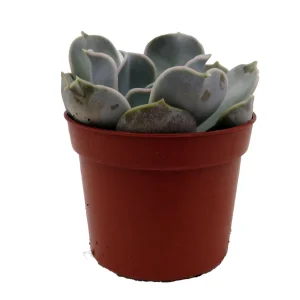
Succulents
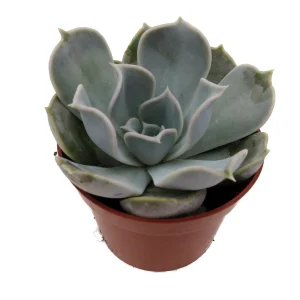
Echeveria Lilacina Succulent Live Plant – White Ghost Desert Rose – 2.5 Inch Pot – Indoor
Sold 69 products
Original price was: $25.56.$12.78Current price is: $12.78.
Sold 84 products
Original price was: $70.98.$35.49Current price is: $35.49.
Sold 92 products
Original price was: $63.00.$31.50Current price is: $31.50.
Sold 93 products
Original price was: $38.00.$19.00Current price is: $19.00.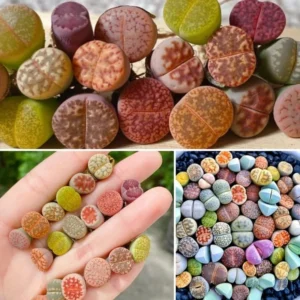
HousePlants
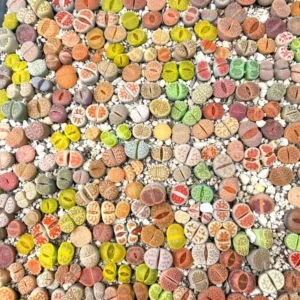
Lithops Live Plants Mix – 10 Large Colorful Living Stones Succulents for Indoor/Outdoor Growing
Sold 85 products
Original price was: $27.98.$13.99Current price is: $13.99.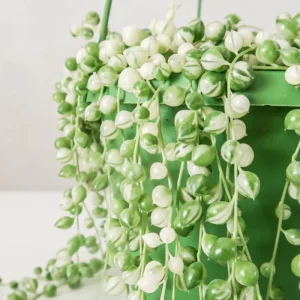
Succulents
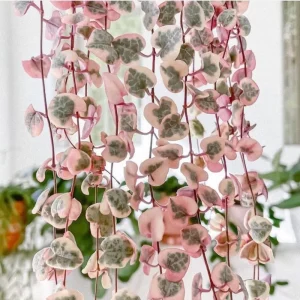
Variegated String of Hearts Live Plant – Ceropegia Woodii Trailing Succulent, Indoor Houseplant
Sold 57 products
Original price was: $39.98.$19.99Current price is: $19.99.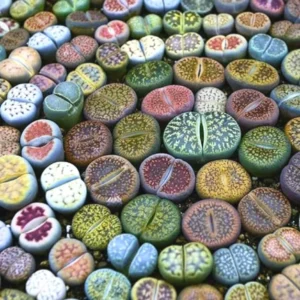
Sold 57 products
Original price was: $39.98.$19.99Current price is: $19.99.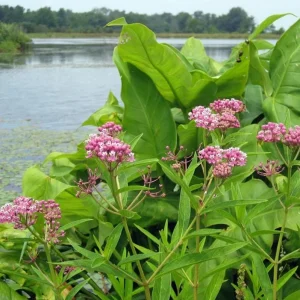
Flower Plants
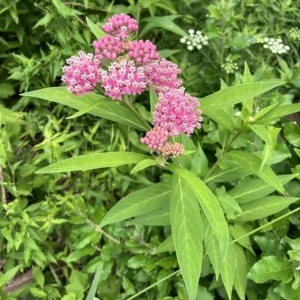
Pink Milkweed Live Plant – Set of 2, 4-6″ Tall – Asclepias spp. for Monarch Butterflies
Sold 62 products
Original price was: $47.58.$23.79Current price is: $23.79.
Sold 85 products
Original price was: $52.38.$26.19Current price is: $26.19.
Sold 54 products
Original price was: $59.98.$29.99Current price is: $29.99.
Flowers
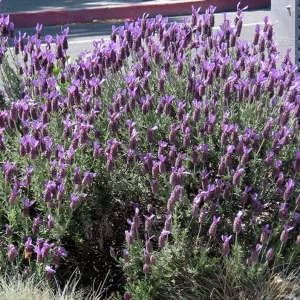
Set of 2 Spanish Eyes Lavender Live Plants – 4-6″ Tall – Fragrant Perennial Flowers – Indoor/Outdoor
Sold 62 products
Original price was: $36.38.$18.19Current price is: $18.19.
Sold 92 products
Original price was: $28.76.$14.38Current price is: $14.38.

Flower Plants
Sold 65 products
Original price was: $66.72.$22.24Current price is: $22.24.
Sold 71 products
Original price was: $31.96.$15.98Current price is: $15.98.
Sold 53 products
Original price was: $63.96.$31.98Current price is: $31.98.


Reviews
There are no reviews yet.