
Black Turmeric Rhizomes (Curcuma caesia) – Edible & Ornamental Plant
From $43.96
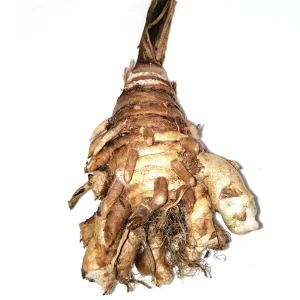
Cultivate your own unique black turmeric rhizomes (Curcuma caesia). These fresh rhizomes are perfect for planting to grow beautiful, edible plants with striking pink and yellow flowers, or for immediate culinary use. Enjoy the distinctive bitter, sharp, and hot taste with a pleasant aroma.
-
USDA Hardiness Zone
USDA zones 8-11 (outdoors), suitable for year-round indoor cultivation -
Soil Type
Well-draining, rich, organic soil -
Sunlight Exposure
Partial shade to full sun (4-6 hours direct sun) -
Expected Planting Period
Early spring after last frost

You can track your order HERE
Mar 17
Mar 22 - Mar 24
Mar 27 - Mar 31
Shipping and return policies: Our Alive & Thrive Guarantee covers issues with your plants within the first 30 days. Reach out to us. Our team will answer your questions and help you find the plants that are truly suitable for your environment, climate, and personal preferences.

Overview
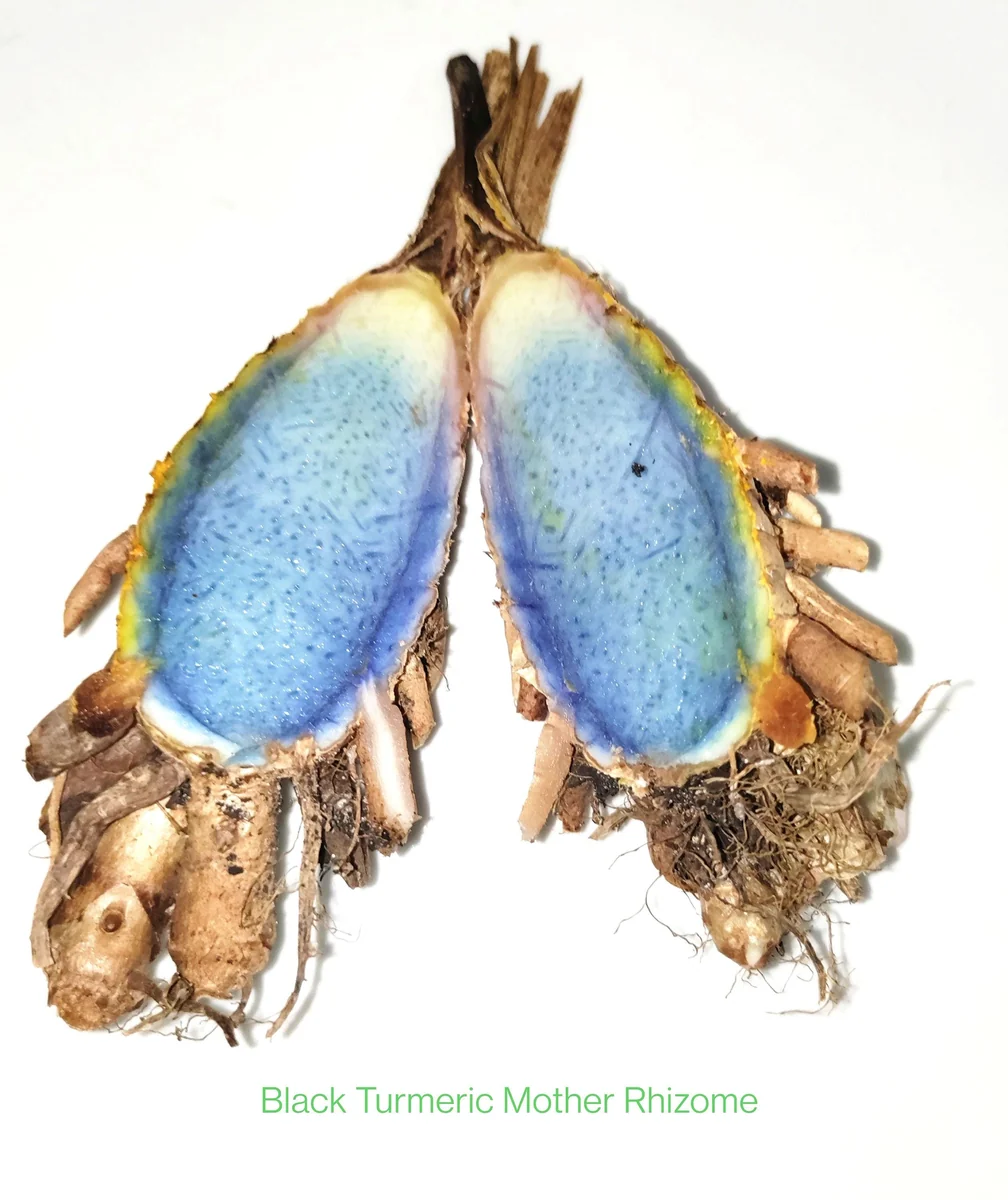
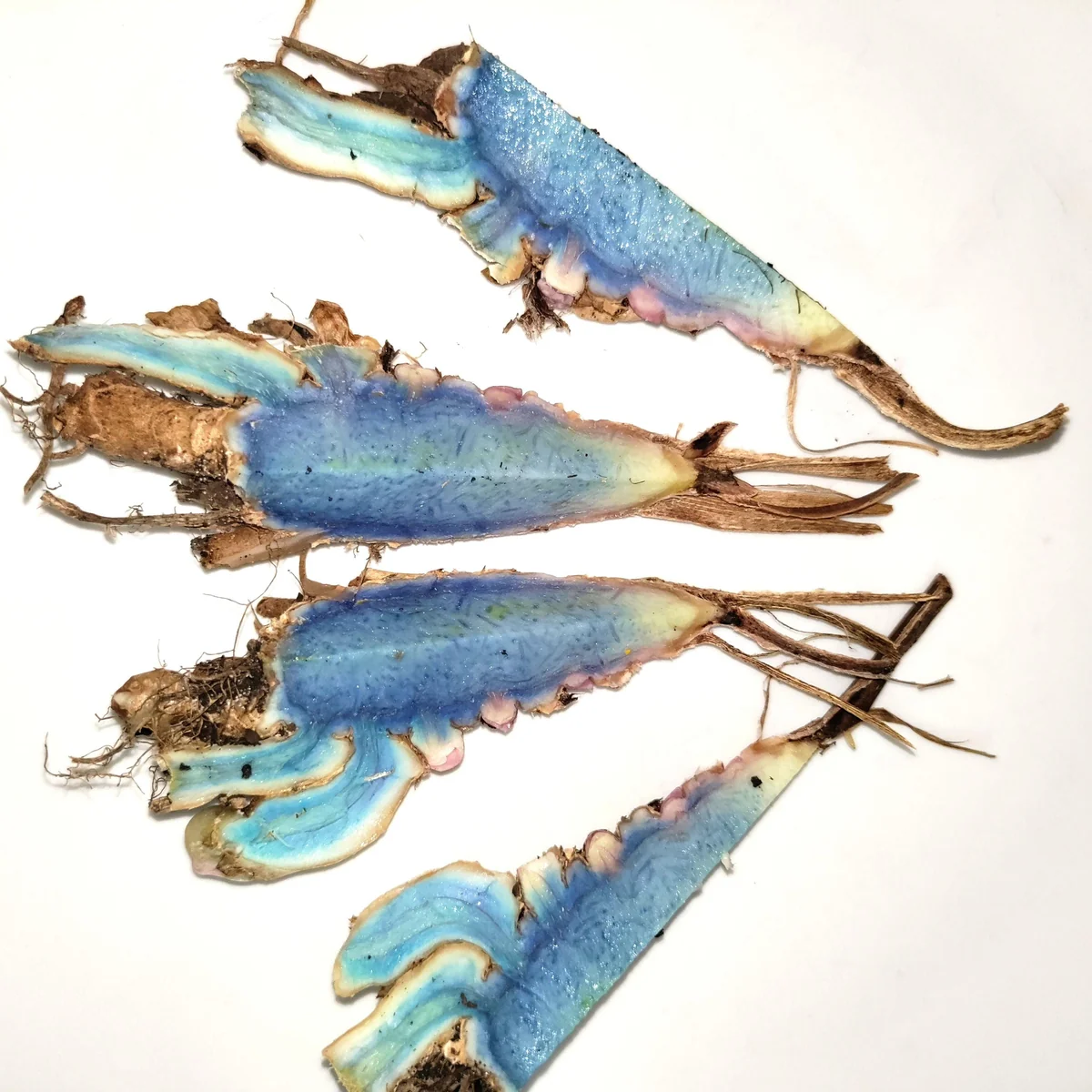
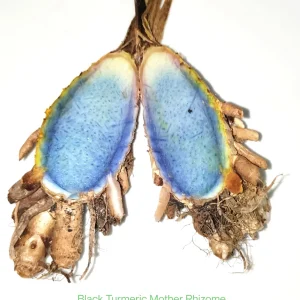
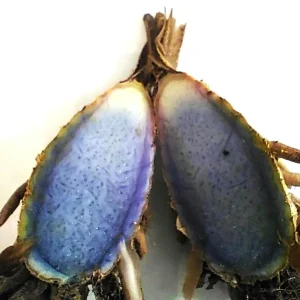
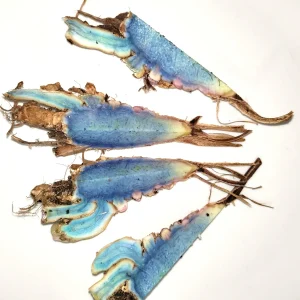
Unearth the mystique of black turmeric rhizomes, known scientifically as Curcuma caesia. These fresh, vibrant rhizomes offer a dual purpose: they can be planted to grow stunning ornamental plants that also yield edible produce, or they can be used directly in your kitchen. Unlike common turmeric, Curcuma caesia boasts a unique dark blue to almost black interior when mature, which starts as a light blue when freshly harvested. This intriguing plant is a member of the ginger family and adds both beauty and flavor to your home and garden. Grow your own black turmeric and discover its unique characteristics and versatile applications.
Originating from regions with warm climates, these rhizomes are ready to embark on their journey to become thriving plants in your garden or kitchen. Whether you’re an experienced gardener looking for something exotic or a culinary enthusiast eager to experiment with new flavors, black turmeric rhizomes provide an exciting opportunity.
Key Benefits
Cultivating black turmeric rhizomes offers a range of rewarding benefits, from enhancing your garden’s aesthetic to enriching your culinary adventures. These versatile rhizomes are a must-have for those seeking both beauty and utility.
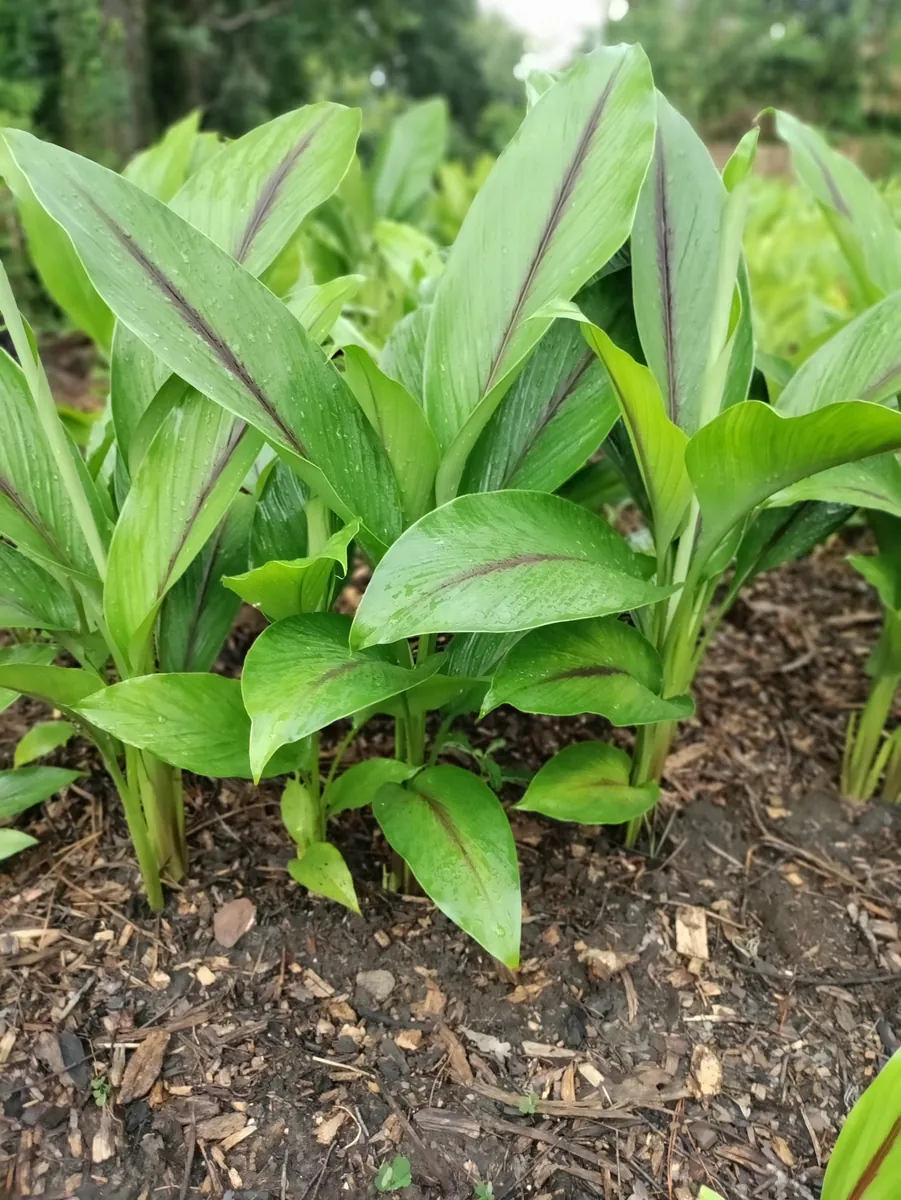
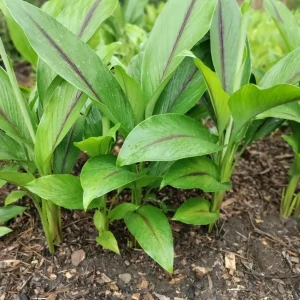
- Unique Ornamental Appeal: The plant features striking bright pink and yellow flowers in mid-spring, followed by impressive leaves up to four feet tall with a distinctive red stripe along the midrib. It’s an excellent addition to both ornamental and kitchen gardens.
- Edible & Flavorful: The rhizomes possess a bitter, sharp, hot taste with a pleasant odor, making them a unique ingredient for culinary exploration. They can be consumed fresh or processed.
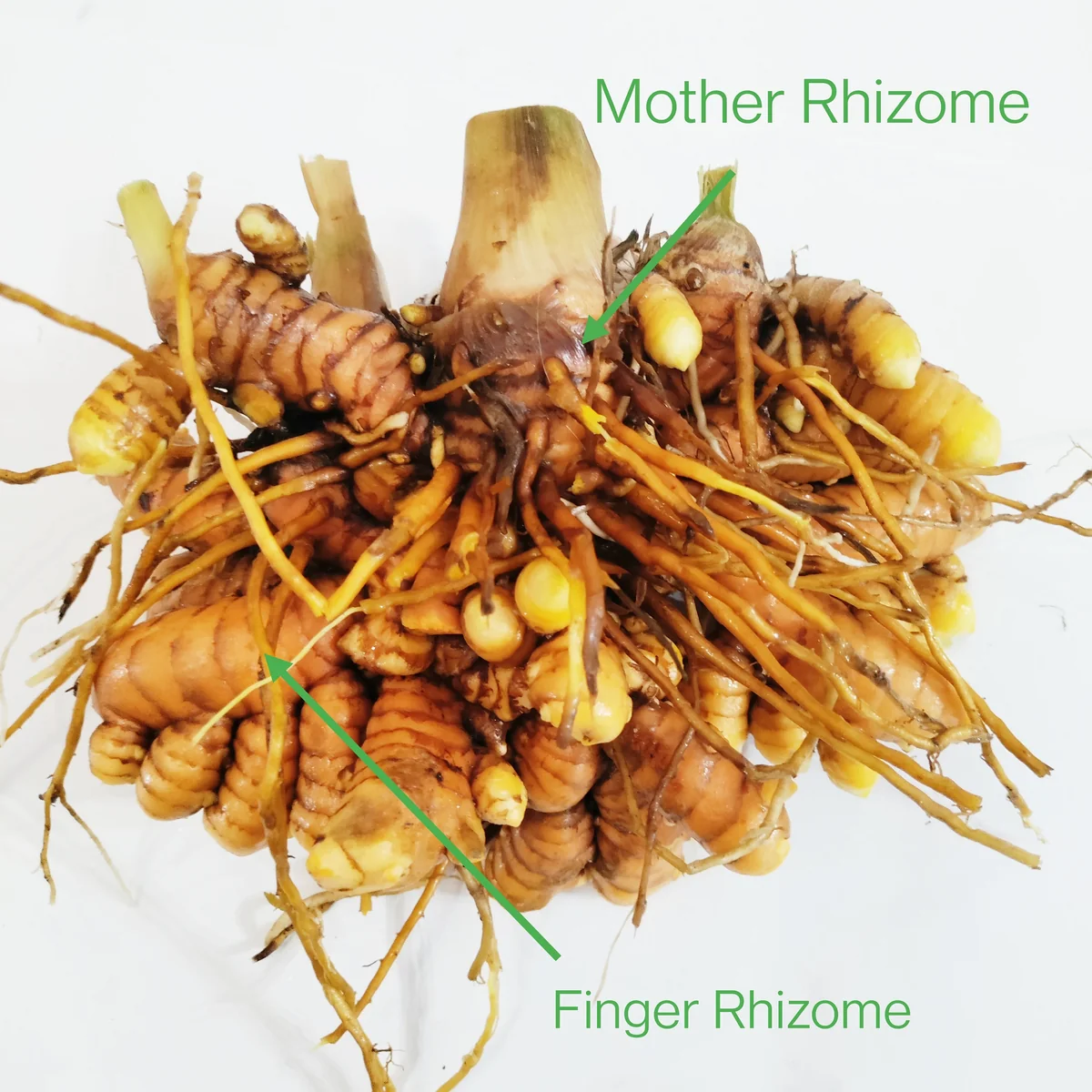
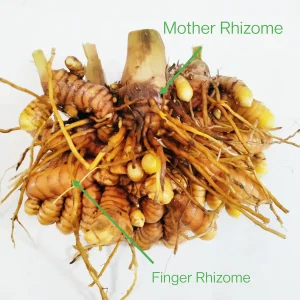
- Grow Your Own: Plant these fresh rhizomes to cultivate your own supply of edible turmeric, ensuring freshness and control over growing conditions. Mother rhizomes tend to grow faster and produce a more abundant harvest.
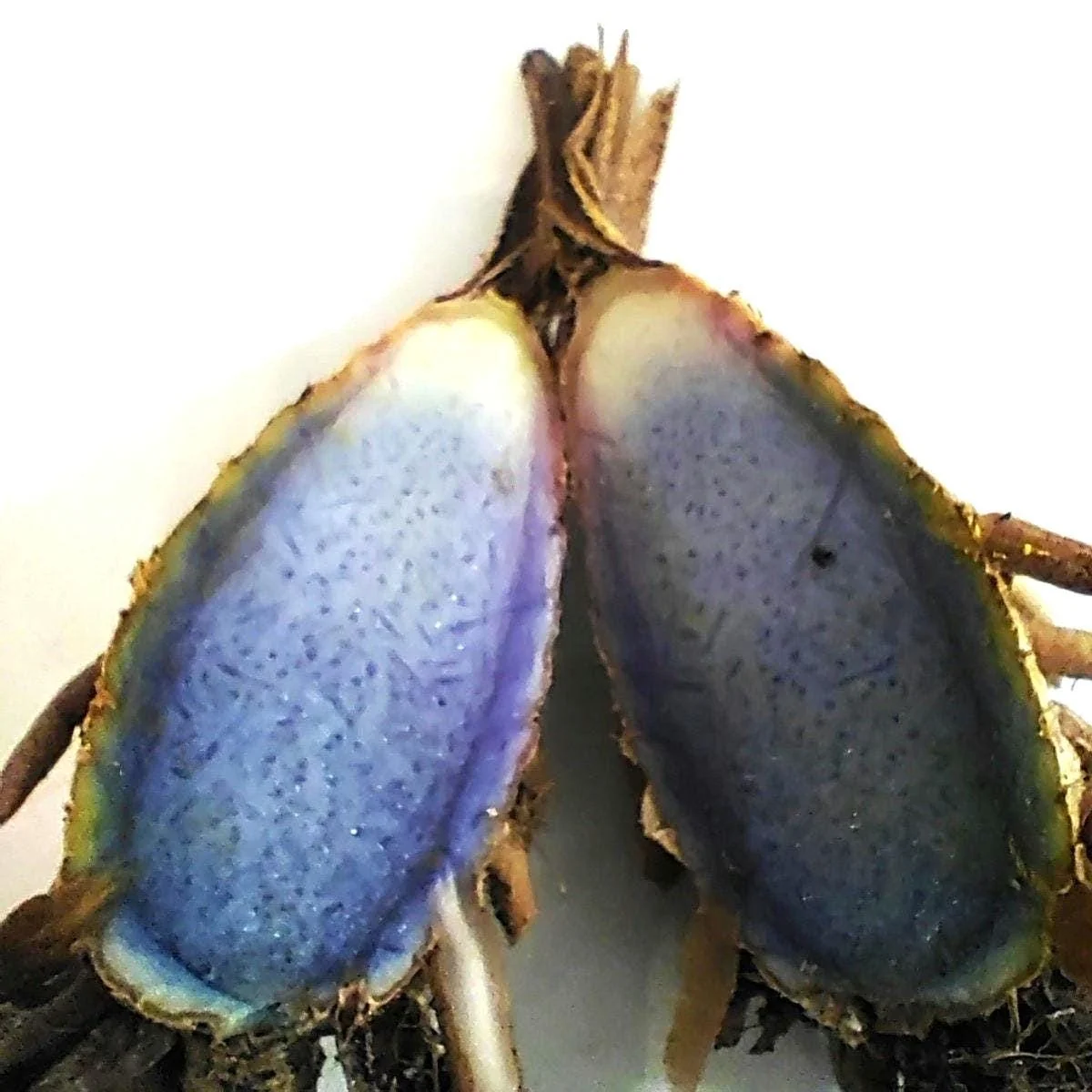
- Distinctive Color: Experience the captivating color transformation from light blue when freshly harvested to a deep dark blue or almost black as the rhizomes mature.
- Perennial Growth: Like other turmeric varieties, black turmeric goes dormant in winter and re-emerges in spring, providing continuous harvests year after year in suitable climates.
- Medicinal Potential: Historically, Curcuma caesia has been recognized in traditional practices for various potential health benefits, adding another layer of interest to this remarkable plant.
- Adaptable Cultivation: Suitable for a range of garden settings, from kitchen gardens to more formal ornamental displays, making it a flexible choice for various garden designs.
Plant Care & Growing Tips
Growing black turmeric rhizomes successfully requires attention to specific environmental conditions, mimicking its natural tropical habitat. Proper care ensures a healthy plant and a bountiful harvest. Black turmeric thrives in warm, humid environments and requires a dormant period during cooler months.
For optimal growth, plant your Curcuma caesia in well-draining, rich, organic soil. A soil pH between 6.0 and 7.5 is ideal. Ensure the planting site receives partial shade to full sun, ideally 4-6 hours of direct sunlight per day. Too much intense, direct sun can scorch the leaves, especially in hotter climates, while too little light will reduce rhizome production. Water regularly to keep the soil consistently moist but never waterlogged; good drainage is crucial to prevent rhizome rot. Reduce watering significantly when the plant enters dormancy in winter.
Fertilize every 2-4 weeks during the growing season with a balanced liquid fertilizer or a slow-release granular fertilizer. Protect your plants from frost, as they are not cold-hardy. In cooler climates (below USDA Zone 8), it’s best to grow black turmeric in containers that can be brought indoors during winter, or harvest the rhizomes before the first frost. Watch out for common pests like spider mites and mealybugs, and treat with organic insecticidal soap if necessary. With proper care, you can successfully grow black turmeric and enjoy its unique beauty and culinary uses.
Size & Details
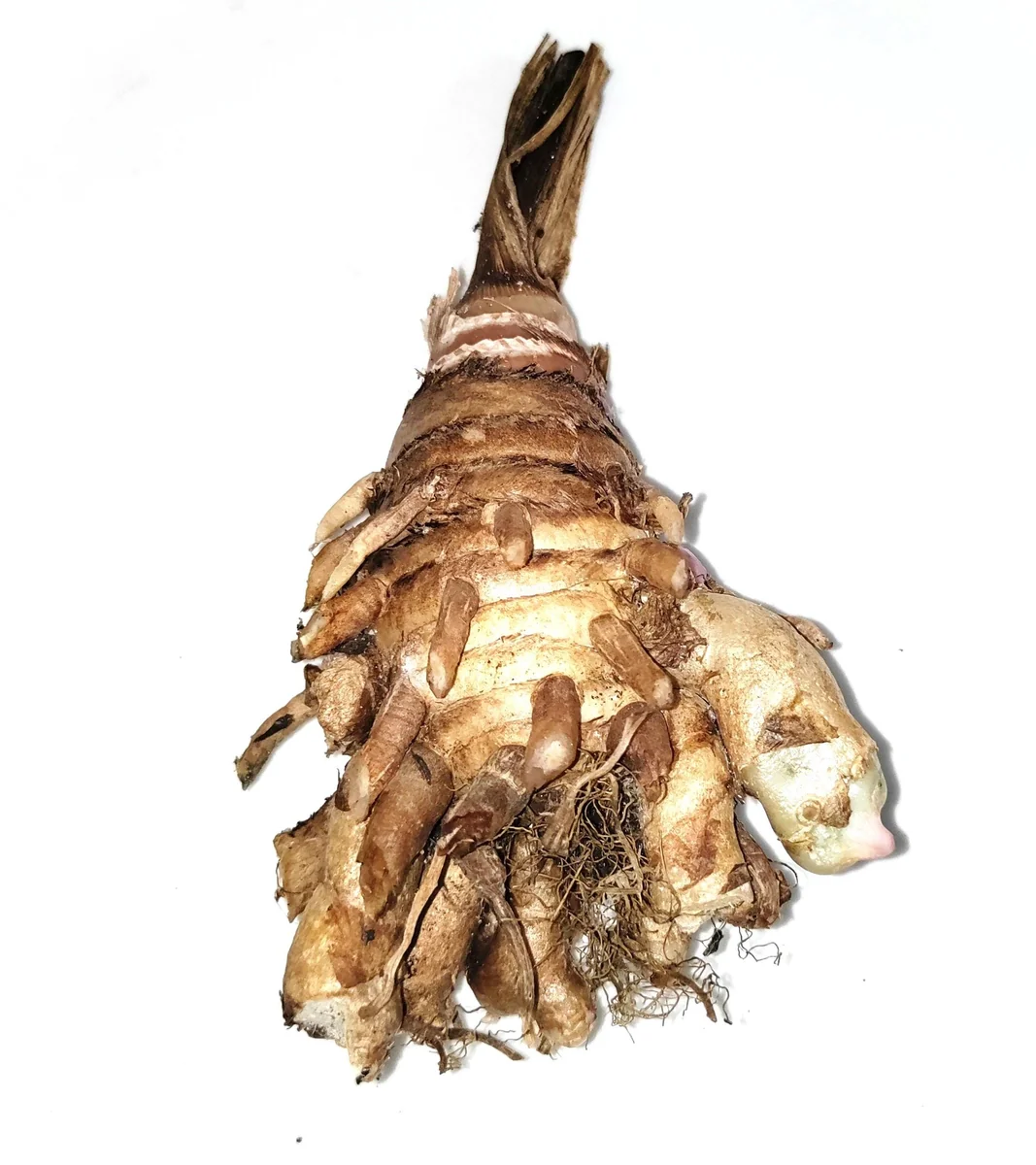
Our black turmeric rhizomes are shipped fresh and ready for planting or consumption. Each order provides you with healthy, viable rhizomes for propagation. For a 4 Oz order, you will receive at least 1 mother rhizome and additional finger rhizomes. An 8 Oz order includes at least 2 mother rhizomes and additional finger rhizomes. Both mother and finger rhizomes are suitable for planting, though mother rhizomes typically establish faster and lead to a more abundant yield. The plants can grow up to four feet tall, showcasing their vibrant flowers and distinctive foliage.
These rhizomes are sourced from plants grown in Tallahassee, Florida, ensuring they are accustomed to a warm climate. They will enter dormancy during winter months and re-emerge in mid-spring with beautiful blooms. The initial light blue color of freshly harvested rhizomes deepens to a striking dark blue or almost black hue as they age, adding to their allure. Expect a moderate growth rate, with mature rhizomes ready for harvest typically within 8-10 months after planting.
Frequently Asked Questions
- Q: How big does this plant get? A: The ornamental turmeric plant can grow quite large, with leaves reaching up to four feet tall. The spread can be considerable, so allow ample space in your garden or choose a large pot for container growing.
- Q: What size pot does it come in? A: This product consists of fresh rhizomes for planting, not a potted plant. You will receive the rhizomes to plant in your preferred pot size or directly in your garden bed.
- Q: Is this an indoor or outdoor plant? A: Curcuma caesia can be grown both indoors and outdoors. Outdoors, it thrives in warm climates (USDA Zones 8-11). Indoors, it can be grown year-round as a houseplant, provided it receives adequate light and humidity.
- Q: How much sunlight does it need? A: Black turmeric prefers partial shade to full sun, ideally around 4-6 hours of direct sunlight per day. In very hot climates, afternoon shade is beneficial to prevent leaf scorch.
- Q: Is this plant easy to care for? A: With proper attention to watering, soil, and sunlight, black turmeric is relatively easy to care for, especially for those familiar with tropical plants. It’s a rewarding plant for intermediate gardeners.
- Q: What condition will it arrive in? A: Your black turmeric rhizomes will arrive fresh and healthy, carefully packaged to ensure their viability for planting or immediate use. They are ready to be either planted or consumed.
- Q: Can I use black turmeric in cooking? A: Yes, these rhizomes are edible and have a distinctive bitter, sharp, hot taste with a pleasant odor. They can be used in various culinary applications, similar to common turmeric, but with a unique flavor profile.
- Q: How long until it blooms? A: Black turmeric typically blooms in mid-spring, after emerging from dormancy. The flowers appear before the main foliage, offering a beautiful seasonal display.
- Q: When is the best time to plant? A: The ideal time to plant black turmeric rhizomes is in early spring, after the last frost, when soil temperatures have begun to warm up. This allows the plant a full growing season.
- Q: Will it survive winter in my zone? A: Black turmeric is cold-sensitive and will go dormant in winter. In USDA Zones 8 and below, it’s recommended to harvest the rhizomes before frost or bring potted plants indoors. In warmer zones (9-11), it can overwinter outdoors.
| Weight | 1 Lb, 4 Oz, 8 Oz |
|---|
Be the first to review “Black Turmeric Rhizomes (Curcuma caesia) – Edible & Ornamental Plant”
People Also Viewed
Sold 89 products
Original price was: $79.38.$39.69Current price is: $39.69.
Sold 70 products
Original price was: $27.98.$13.99Current price is: $13.99.
Sold 99 products
$30.00
Sold 58 products
Original price was: $14.76.$7.38Current price is: $7.38.
Sold 62 products
Original price was: $90.00.$72.00Current price is: $72.00.
Sold 94 products
Original price was: $288.00.$144.00Current price is: $144.00.
Sold 84 products
From $7.16
Sold 91 products
Original price was: $57.60.$28.80Current price is: $28.80.
Sold 89 products
From $43.00
Flower Plants
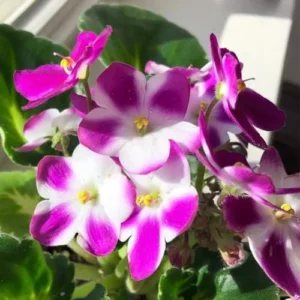
African Violet Live Plant – Pink White Flower Houseplant 4 Inch Pot Indoor Ready to Grow
Sold 61 products
Original price was: $63.98.$31.99Current price is: $31.99.
Sold 55 products
Original price was: $100.00.$50.00Current price is: $50.00.
Sold 73 products
Original price was: $180.00.$90.00Current price is: $90.00.
Sold 67 products
From $50.00
Sold 66 products
Original price was: $148.00.$118.40Current price is: $118.40.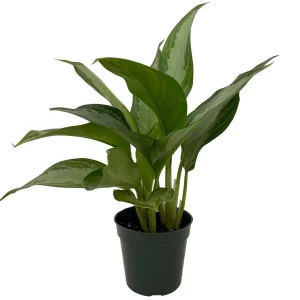
HousePlants
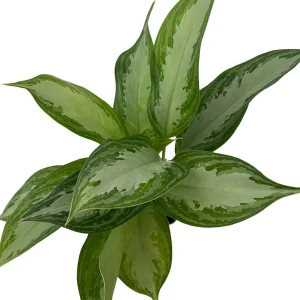
Silver Bay Chinese Evergreen Live Plant – Aglaonema – Low Light Indoor Plant – 4 inch Pot
Sold 66 products
Original price was: $54.36.$27.18Current price is: $27.18.
Sold 85 products
Original price was: $74.18.$37.09Current price is: $37.09.
Sold 74 products
Original price was: $30.78.$15.39Current price is: $15.39.
Sold 92 products
From $69.98



Reviews
There are no reviews yet.