
-
×
 Atemoya Live Plant - 1 Foot Tall, Ships in 6 Inch Pot
2 × $104.40
Atemoya Live Plant - 1 Foot Tall, Ships in 6 Inch Pot
2 × $104.40 -
×
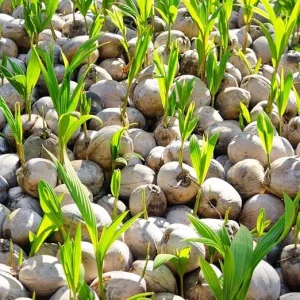 Yellow Coconut Tree Live Plant - Sprouted Edible Tropical Fruit, 6-8 Inch, Zones 10-11
2 × $109.98
Yellow Coconut Tree Live Plant - Sprouted Edible Tropical Fruit, 6-8 Inch, Zones 10-11
2 × $109.98 -
×
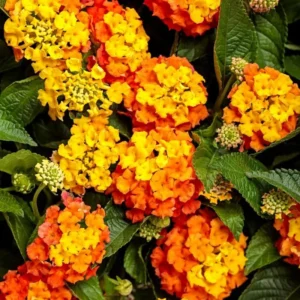 Orange Lantana Plant Live - 6-9 Inch Tall - Fragrant Outdoor Butterfly Perennial Flowers
2 × $18.99
Orange Lantana Plant Live - 6-9 Inch Tall - Fragrant Outdoor Butterfly Perennial Flowers
2 × $18.99 -
×
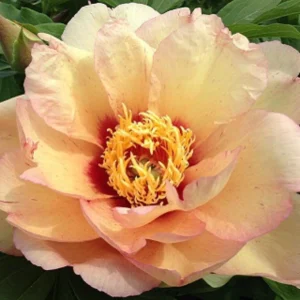 Callie's Memory Itoh Peony Bareroot – Hybrid Peony Plant – Outdoor
2 × $73.90
Callie's Memory Itoh Peony Bareroot – Hybrid Peony Plant – Outdoor
2 × $73.90 -
×
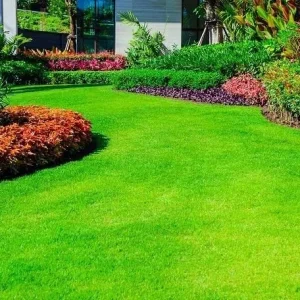 40,000 Emerald Zoysia Grass Seeds - Premium Lawn Turf, Drought & Heat Tolerant
1 × $73.38
40,000 Emerald Zoysia Grass Seeds - Premium Lawn Turf, Drought & Heat Tolerant
1 × $73.38 -
×
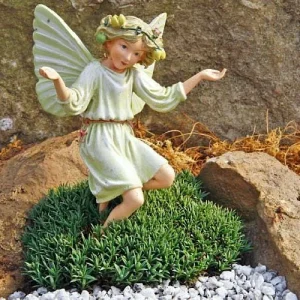 Blue Stone Dianthus Live Plant – Fragrant Hardy Groundcover – 2.5 inch Pot – Outdoor
2 × $14.38
Blue Stone Dianthus Live Plant – Fragrant Hardy Groundcover – 2.5 inch Pot – Outdoor
2 × $14.38 -
×
 Krimson Queen Hoya Wax Plant - Live Plant - 4 inch Pot - Indoor Houseplant
1 × $27.18
Krimson Queen Hoya Wax Plant - Live Plant - 4 inch Pot - Indoor Houseplant
1 × $27.18 -
×
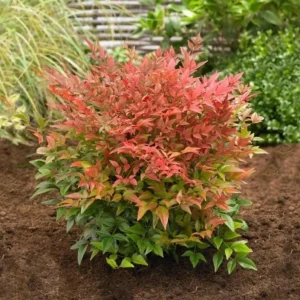 Dwarf Nandina Shrub Live Plant – 2.5" Pot – Compact Heavenly Bamboo for Garden & Patio
2 × $32.18
Dwarf Nandina Shrub Live Plant – 2.5" Pot – Compact Heavenly Bamboo for Garden & Patio
2 × $32.18 -
×
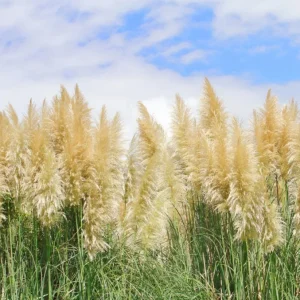
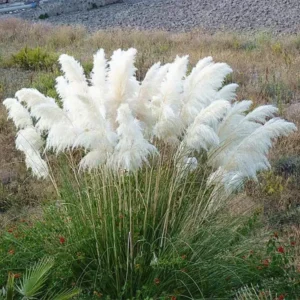 White Pampas Grass Plants Live - 2 Pack Fully Rooted Ornamental Grasses
1 × $39.99
White Pampas Grass Plants Live - 2 Pack Fully Rooted Ornamental Grasses
1 × $39.99 -
×
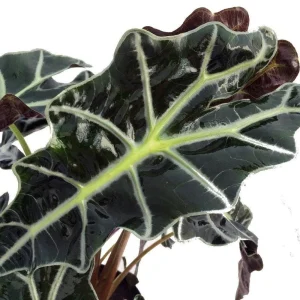 Alocasia Polly Live Plant – African Black Shield – 6 inch Pot – Houseplant
1 × $31.98
Alocasia Polly Live Plant – African Black Shield – 6 inch Pot – Houseplant
1 × $31.98 -
×
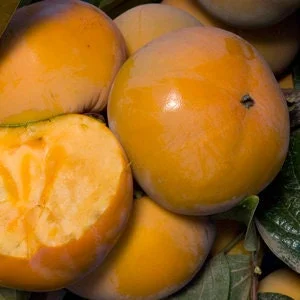 Fuju Imoto Persimmon Live Plant - 3-4 Ft Tall, 3 Gallon Pot, Non-Astringent
1 × $159.98
Fuju Imoto Persimmon Live Plant - 3-4 Ft Tall, 3 Gallon Pot, Non-Astringent
1 × $159.98 -
×
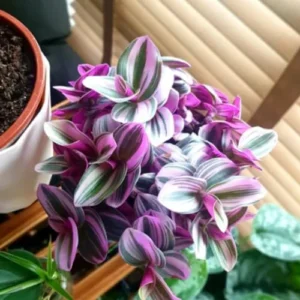 Wandering Jew Live Plant - Pink Indoor Houseplant - Easy Care
1 × $29.29
Wandering Jew Live Plant - Pink Indoor Houseplant - Easy Care
1 × $29.29
-40%
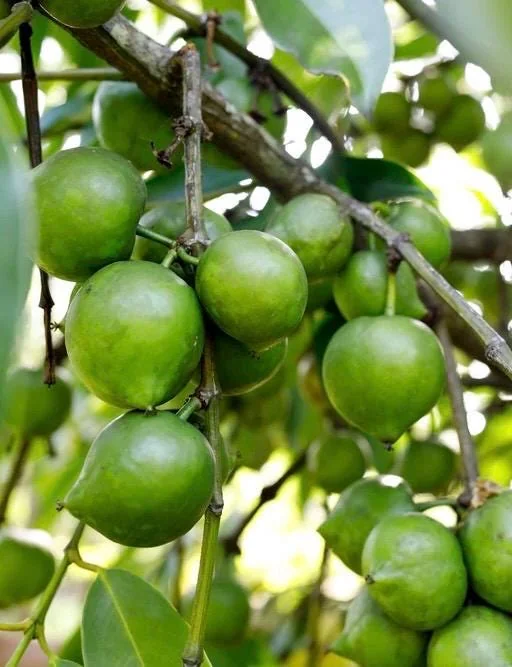
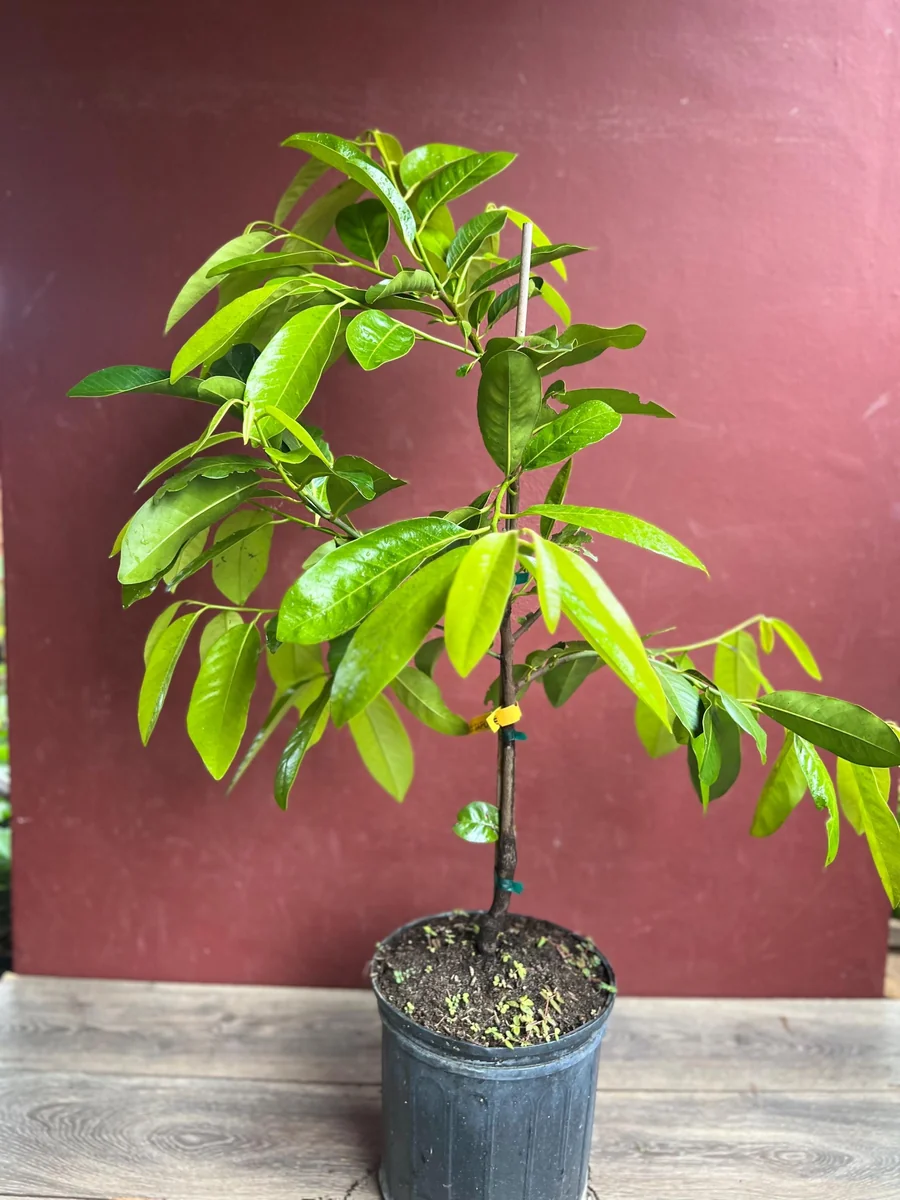
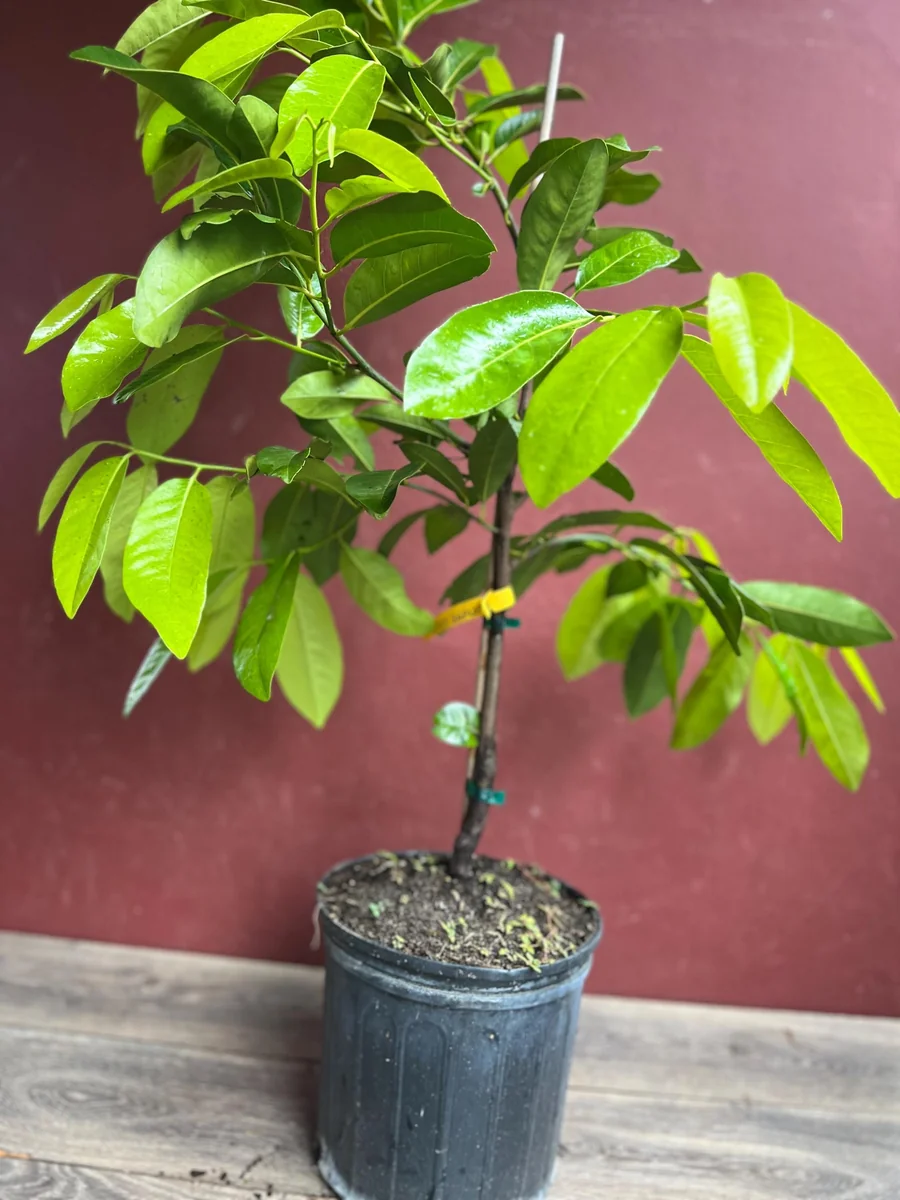
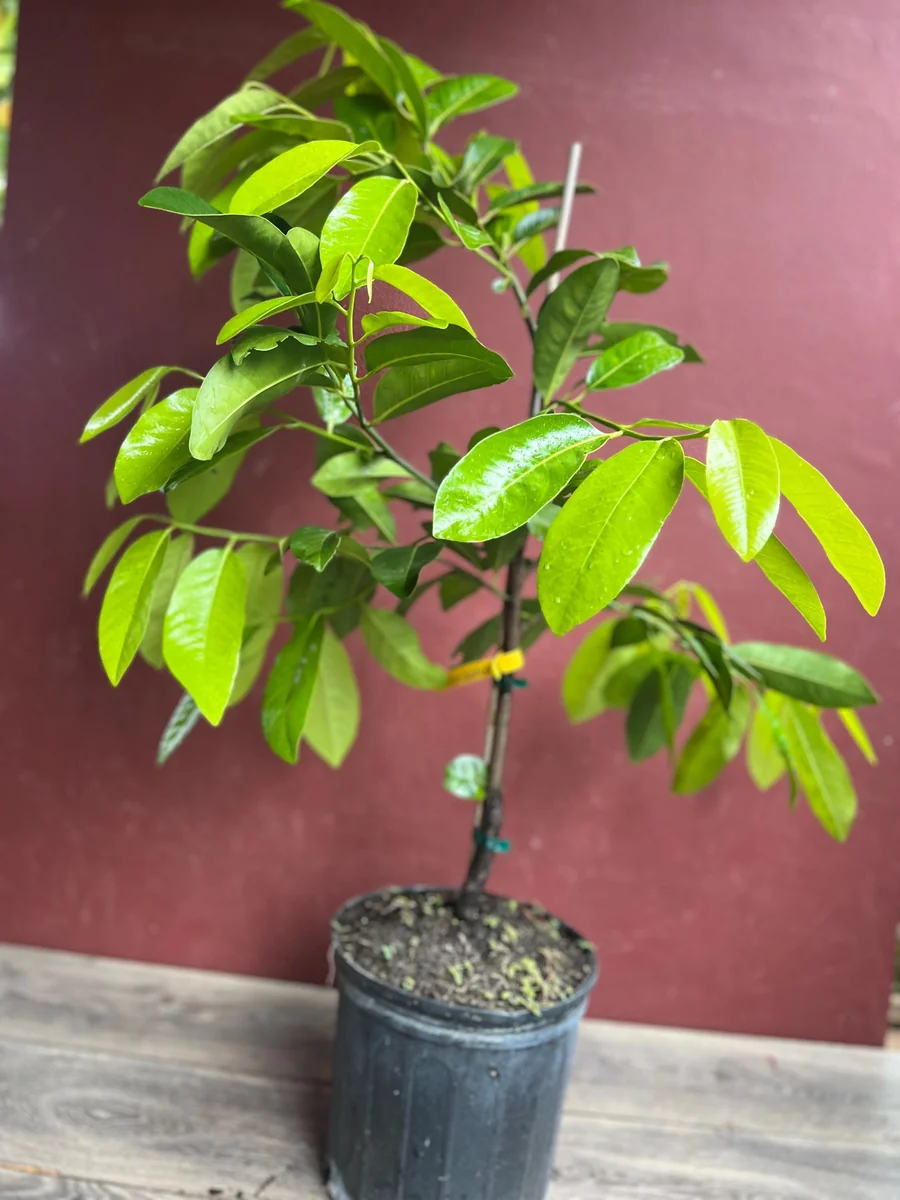
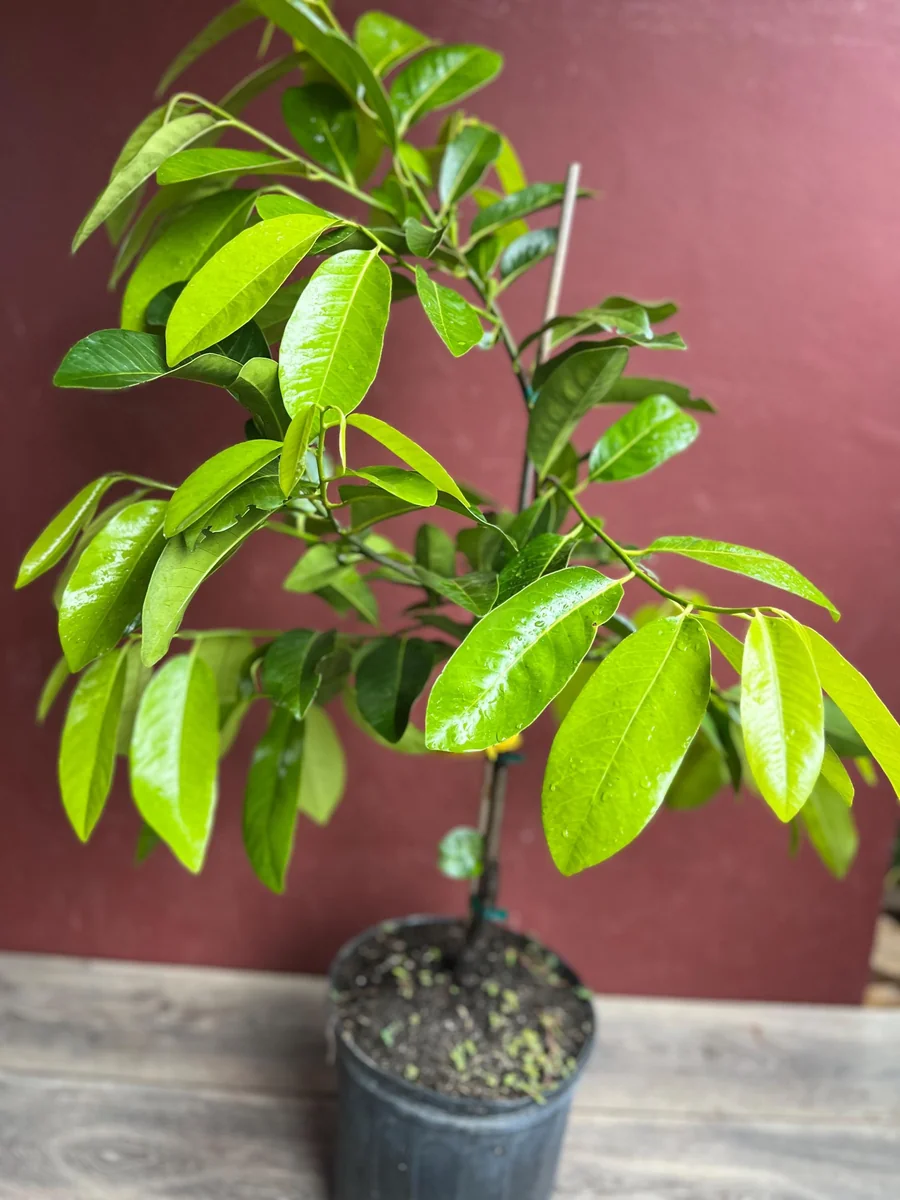
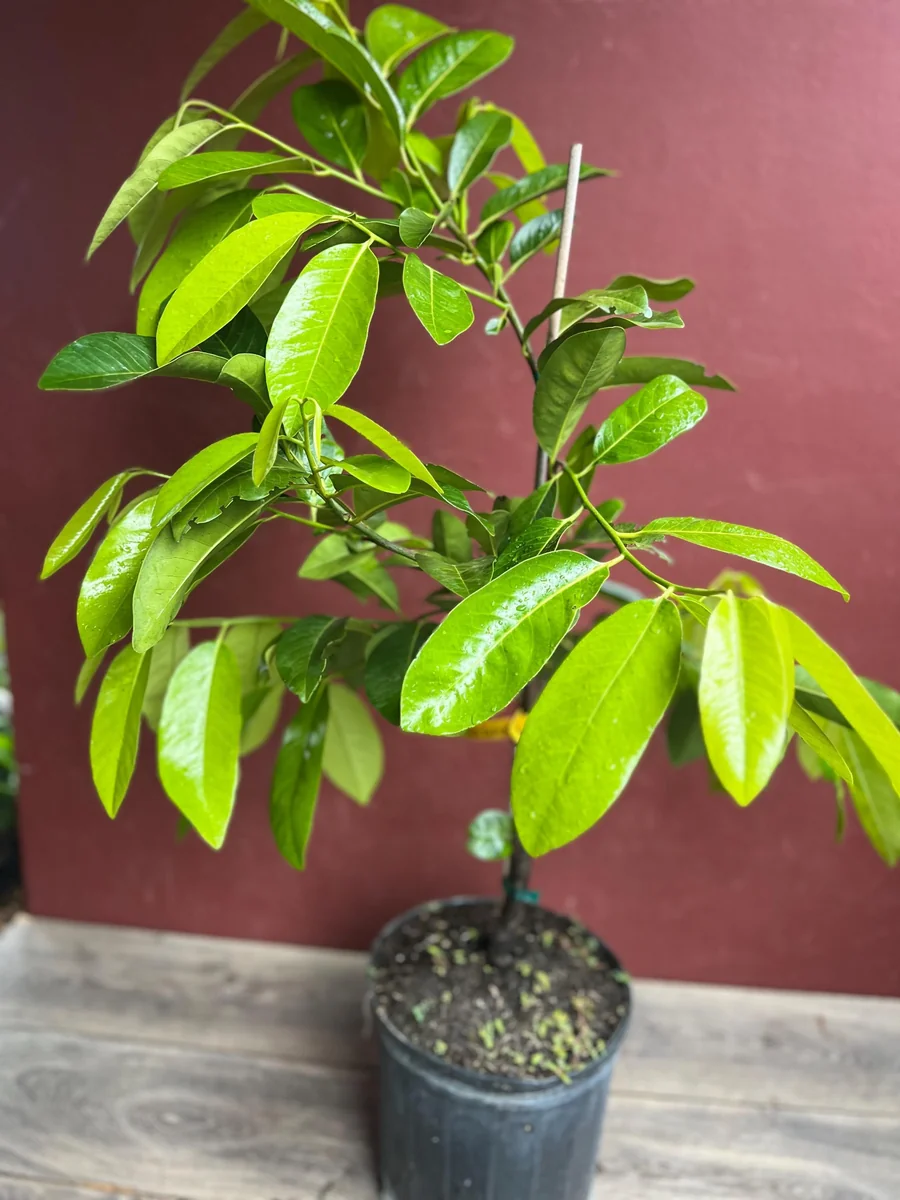
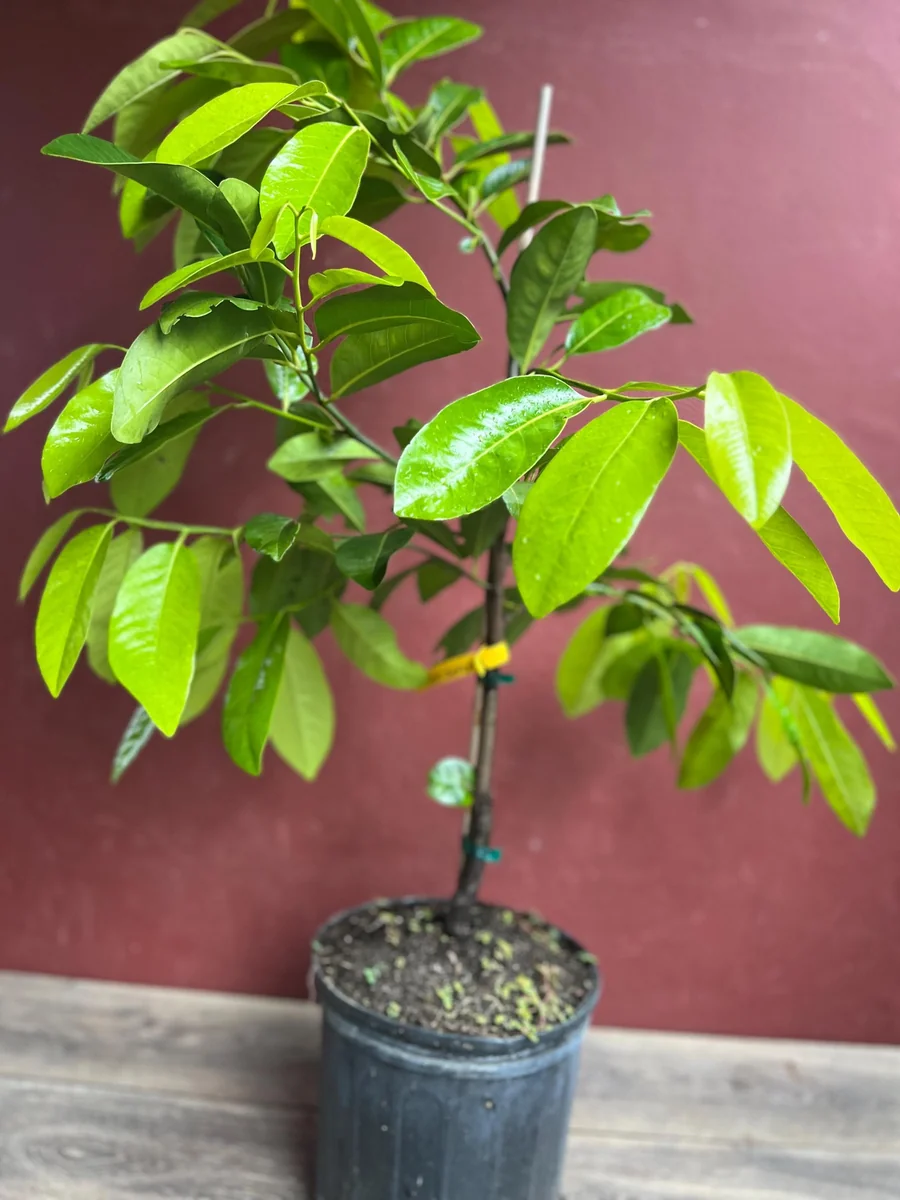
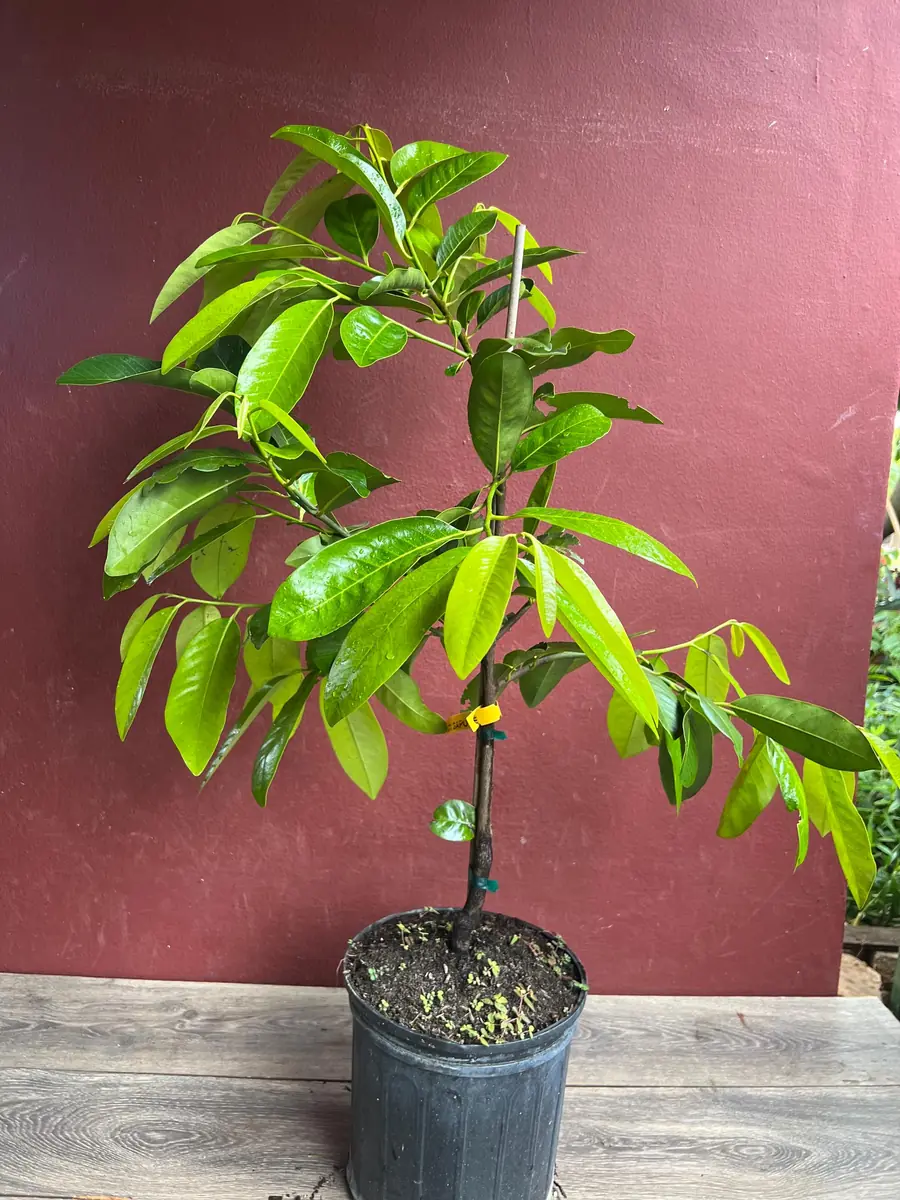
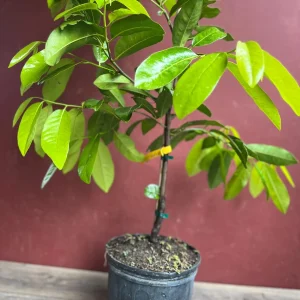
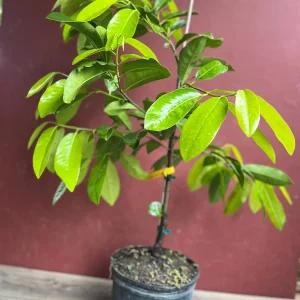
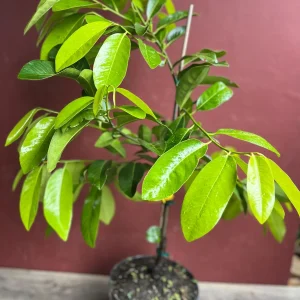
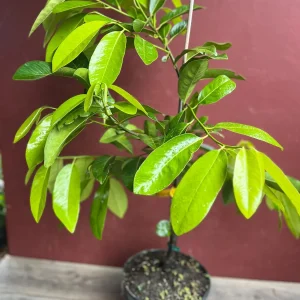
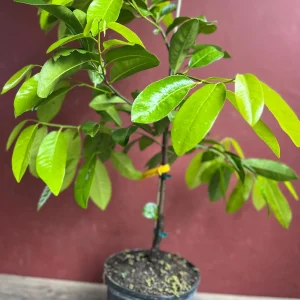
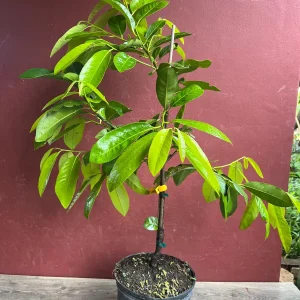
Black Sapote Live Plant – Grafted Fruit Tree – 3 Gallon Pot – Tropical
Original price was: $213.58.$128.14Current price is: $128.14.
Bring the exotic taste of the tropics to your home with a black sapote live plant. This grafted tree, often called the chocolate pudding fruit tree, comes in a 3 gallons pot, ready to produce unique, rich, and creamy fruit. Perfect for gardeners looking for a distinctive and delicious addition to their landscape.
Item Details
-
USDA Hardiness Zone
USDA Zones 10-11 -
Soil Type
Well-draining soil enriched with organic matter -
Sunlight Exposure
Full sun to light shade -
Expected Planting Period
Year-round in tropical climates; spring to early summer elsewhere

You can track your order HERE
Mar 01
Mar 06 - Mar 08
Mar 11 - Mar 15
Shipping and return policies: Our Alive & Thrive Guarantee covers issues with your plants within the first 30 days. Reach out to us. Our team will answer your questions and help you find the plants that are truly suitable for your environment, climate, and personal preferences.

Overview
Discover the joy of growing your own exotic fruit with this healthy black sapote live plant. Often referred to as the “chocolate pudding fruit,” the black sapote (Diospyros nigra) is a tropical tree renowned for its unique and delicious fruit. This grafted specimen ensures earlier fruiting and true-to-type characteristics, providing you with the authentic taste and texture that resembles a rich, creamy chocolate pudding. Native to Central and South America, the black sapote is a fascinating addition to any tropical or subtropical garden, offering both ornamental beauty and an abundance of highly sought-after fruit. Our grafted black sapote tree is supplied in a 3 gallons pot, making it a robust and well-established plant ready for its new home.
The fruit’s smooth, dark brown to black flesh is soft and creamy, with a flavor reminiscent of chocolate pudding, making it a popular ingredient in desserts and smoothies. When ripe, its green skin turns to a deep, almost black color, and the texture is rich and custard-like. This tropical fruit tree is typically eaten fresh or used in recipes, offering a unique and delicious twist to sweet treats with its mild sweetness and velvety consistency. Cultivating a black sapote live plant is a rewarding experience, providing fresh, unusual produce right from your garden.
Key Benefits
Growing a black sapote live plant offers a multitude of benefits, from its unique fruit to its ornamental value. This tropical gem is an excellent choice for expanding your home orchard or adding an exotic touch to your landscape.
- Unique & Delicious Fruit: Enjoy the rare and sought-after “chocolate pudding fruit” directly from your garden. The rich, creamy texture and mild, sweet flavor make it a delightful treat.
- Grafted for Early Fruiting: Our grafted plants ensure quicker fruit production and maintain the desirable characteristics of the parent tree, so you won’t have to wait years for your first harvest.
- Ornamental Appeal: The black sapote tree boasts attractive foliage and can serve as a beautiful specimen tree in your garden, adding a lush, tropical aesthetic.
- Versatile Culinary Uses: The fruit is perfect for eating fresh, blending into smoothies, making desserts, or even as a healthy, natural chocolate substitute in various recipes.
- Healthy & Nutritious: Black sapote is not only delicious but also a good source of vitamins and minerals, offering a healthy addition to your diet.
- Adaptable Growth: While preferring tropical climates, with proper black sapote care, it can be successfully grown in suitable warmer regions or even in containers in cooler areas.
- Conversation Starter: Its unusual name and even more unusual taste make it a fantastic talking point among friends and family.
Plant Care & Growing Tips
Proper black sapote care is essential for a thriving tree and abundant fruit production. This tropical fruit tree prefers specific conditions to flourish. Black Sapote trees prefer full sun to light shade, needing plenty of sunlight to produce fruit. Aim for at least 6-8 hours of direct sunlight daily. In extremely hot climates, some afternoon shade can be beneficial to prevent leaf scorch.
Keep the soil consistently moist, especially during the growing season when the tree is actively producing fruit. Avoid waterlogging, as the tree prefers well-drained soil. A good watering strategy involves deep watering when the top few inches of soil begin to dry out. Plant in well-draining soil enriched with organic matter like compost or well-rotted manure. A slightly acidic to neutral pH (6.0-7.0) is ideal. Black Sapote trees are tolerant of humidity and thrive in tropical and subtropical climates, making them perfect for USDA Zones 10 and 11. They are not frost-tolerant and should be protected from cold temperatures; consider bringing container-grown plants indoors during winter if you live in a colder zone.
For fertilization, use a balanced, slow-release fertilizer designed for fruit trees. Apply in early spring as new growth begins and again in late summer. Regular pruning promotes healthy growth and fruit production. Remove any dead, diseased, or crossed branches to maintain a balanced canopy and improve air circulation. While black sapote live plant trees are self-pollinating, having multiple trees or encouraging pollinators like bees can enhance fruit yield. Harvest the fruits when they turn dark green to brown and feel slightly soft to the touch. They can be eaten fresh or used in desserts, offering a truly unique flavor experience from your own chocolate pudding fruit tree.
Size & Details
This black sapote live plant is a healthy, grafted tree provided in a substantial 3 gallons pot, ensuring a well-developed root system and a strong start. Grafted trees typically begin to fruit earlier than seed-grown plants, often within 3-5 years. The plant will arrive ready for transplanting into a larger pot or directly into your garden if your climate permits. Young trees can grow vigorously, reaching heights of 10-15 feet in favorable conditions, eventually maturing into larger specimens up to 20-30 feet tall with an equivalent spread. We ensure careful packaging to protect your new grafted black sapote during transit, so it arrives in optimal condition.
The tree’s growth rate is moderate, and with consistent care, you can expect it to develop into a productive and attractive feature in your landscape. The lush, dark green foliage provides a beautiful backdrop for the developing fruit. This specific variety, Reineke, is known for its excellent fruit quality and reliability. Growing a tropical fruit tree like the black sapote is a long-term investment that yields delicious rewards.
Frequently Asked Questions
- Q: How big does this black sapote live plant get? A: This black sapote live plant is provided in a 3-gallon pot. Mature trees can reach heights of 20-30 feet with a similar spread, depending on growing conditions and pruning.
- Q: Is this an indoor or outdoor plant? A: The chocolate pudding fruit tree is a tropical plant best suited for outdoor planting in USDA Zones 10 and 11. In cooler climates, it can be grown in a large container and brought indoors during cold weather.
- Q: How much sunlight does a black sapote need? A: Black sapote care requires full sun to light shade, ideally 6-8 hours of direct sunlight per day to ensure good fruit production.
- Q: Is this plant easy to care for? A: With consistent watering and proper light, the grafted black sapote is relatively easy to care for in suitable climates. It requires protection from frost.
- Q: What condition will it arrive in? A: Your tropical fruit tree will arrive as a healthy, well-established plant in a 3-gallon pot, carefully packaged to minimize stress during shipping.
- Q: How long until it produces fruit? A: Since this is a grafted plant, it typically begins to bear fruit within 3-5 years after planting, much faster than seed-grown trees.
- Q: Will it survive winter in my zone? A: A black sapote live plant is sensitive to cold. It will only survive outdoors year-round in USDA Zones 10 and 11. In colder zones, it must be protected from frost or grown in a container and moved indoors.
- Q: What type of soil is best for black sapote? A: Well-draining soil enriched with organic matter is preferred. A slightly acidic to neutral pH is ideal for optimal growth and fruit production.
- Q: Can I grow this black sapote live plant in a pot permanently? A: Yes, you can grow a black sapote live plant in a large container. Ensure the pot is big enough to accommodate its root system and provides good drainage. Regular repotting and feeding will be necessary.
- Q: What is the main benefit of a grafted black sapote? A: A grafted black sapote ensures that the tree will produce fruit identical to the desirable parent tree, and it will typically begin fruiting much sooner than a tree grown from seed.
Be the first to review “Black Sapote Live Plant – Grafted Fruit Tree – 3 Gallon Pot – Tropical”
People Also Viewed
-50%
HousePlants
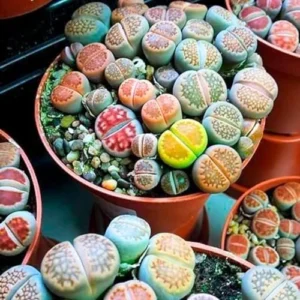
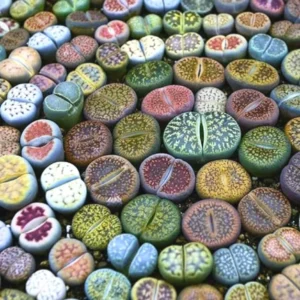
Lithops Live Plants Mix – 30 Colorful Succulents – Living Stones for Indoor/Outdoor Planting
Sold 50 products
Original price was: $65.98.$32.99Current price is: $32.99.
Sold 93 products
$87.98-50%
Flower Plants
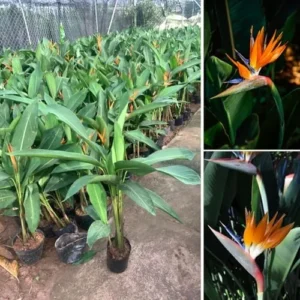
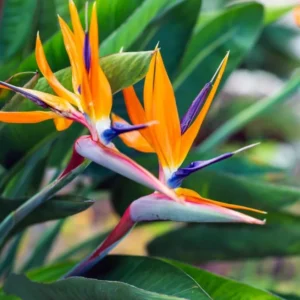
Orange Bird of Paradise Live Plant – 5-10 Inch Tropical Strelitzia Reginae Outdoor Plant
Sold 54 products
Original price was: $35.98.$17.99Current price is: $17.99.-50%
HousePlants
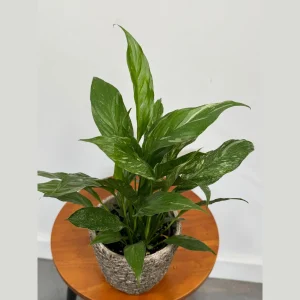
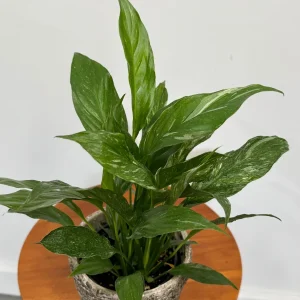
Variegated Peace Lily Live Plant – Spathiphyllum Domino – 4 inch Pot – Indoor Air Purifying
Sold 51 products
Original price was: $59.92.$29.96Current price is: $29.96.-50%
Flower Plants
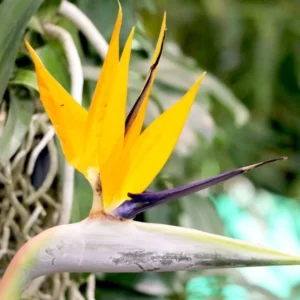
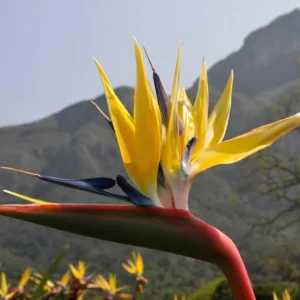
Yellow Bird of Paradise Plant Live Houseplant 5-10 Inches Tropical Strelitzia Reginae Bush
Sold 81 products
Original price was: $19.92.$9.96Current price is: $9.96.-50%
Sold 87 products
Original price was: $99.80.$49.90Current price is: $49.90.
HousePlants
Purple Nepenthes Pitcher Plant Live – Exotic Tropical Houseplant for Indoor/Outdoor Décor
Sold 92 products
$65.98-50%
Sold 89 products
Original price was: $211.96.$105.98Current price is: $105.98.-50%
Sold 73 products
Original price was: $79.80.$39.90Current price is: $39.90.-50%
Sold 62 products
Original price was: $147.16.$73.58Current price is: $73.58.-50%
Sold 53 products
Original price was: $79.80.$39.90Current price is: $39.90.-50%
Sold 91 products
Original price was: $391.96.$195.98Current price is: $195.98.-36%
Sold 82 products
Original price was: $54.99.$34.99Current price is: $34.99.-50%
Sold 60 products
Original price was: $74.00.$37.00Current price is: $37.00.-42%
Flower Plants
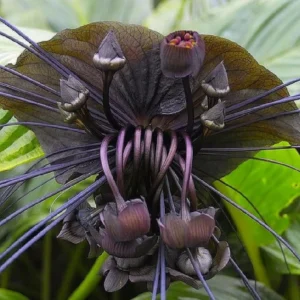
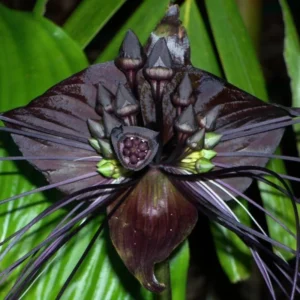
Black Bat Orchid Plant – Tacca Chantrieri Live Plant – Tall 4-6″ – Black Flower – Houseplant
Sold 75 products
Original price was: $39.98.$22.99Current price is: $22.99.-50%
Sold 82 products
Original price was: $67.80.$33.90Current price is: $33.90.-50%
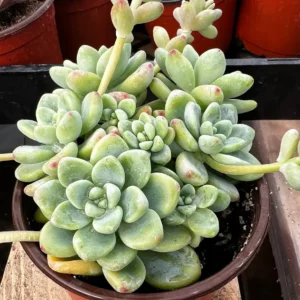
Sold 69 products
Original price was: $33.56.$16.78Current price is: $16.78.-20%
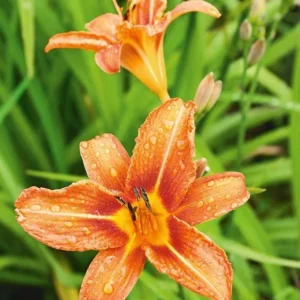
Sold 62 products
Original price was: $39.98.$31.98Current price is: $31.98.


Reviews
There are no reviews yet.