
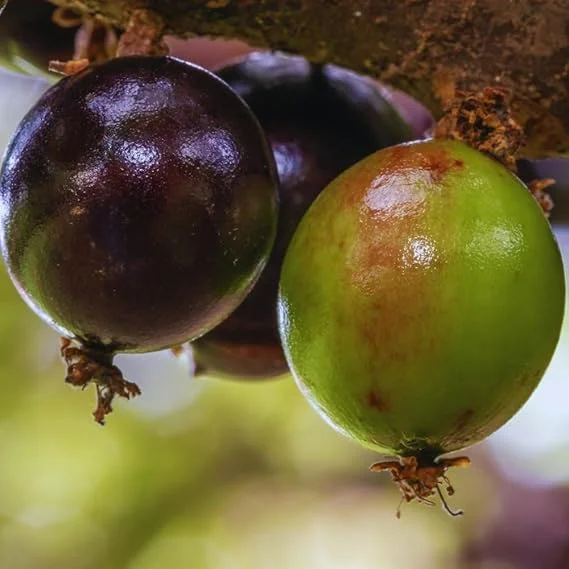
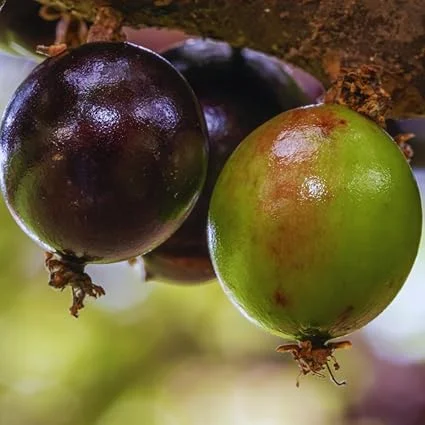
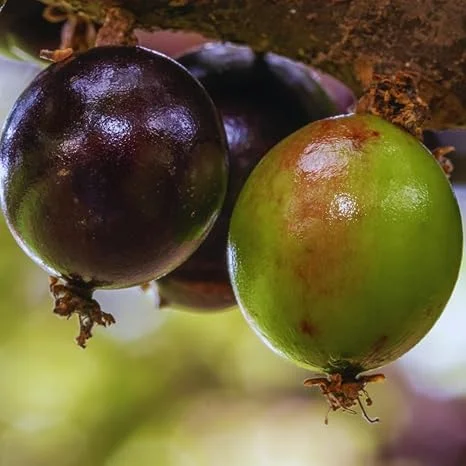
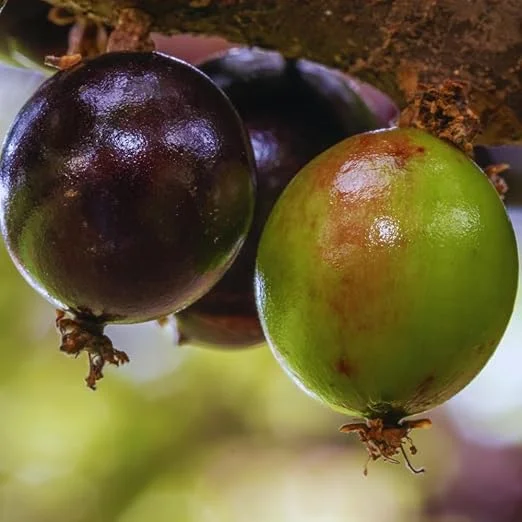
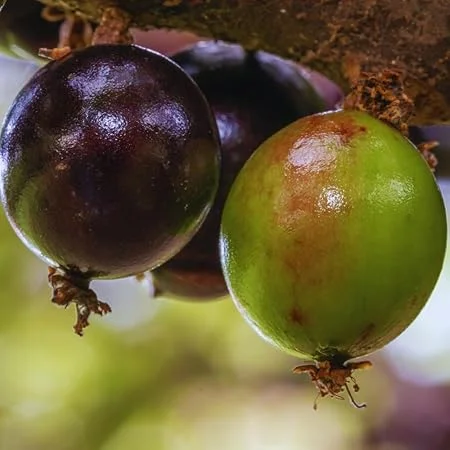
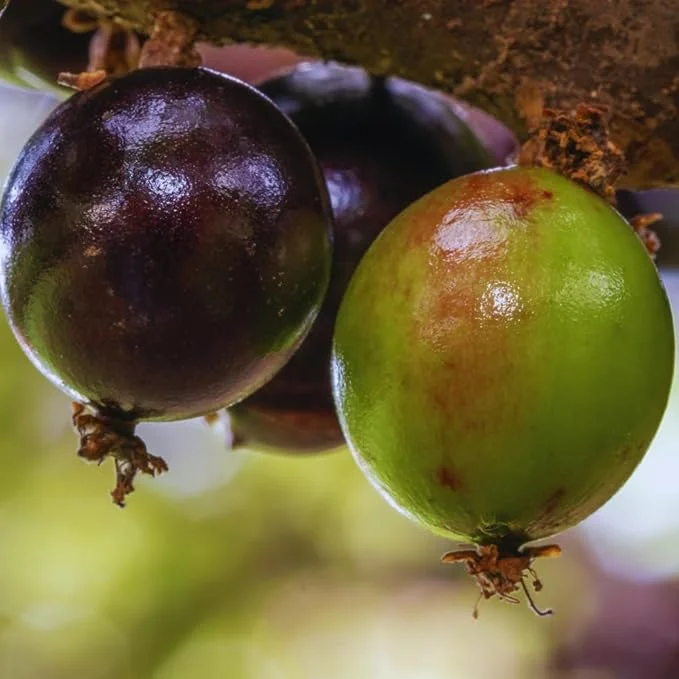
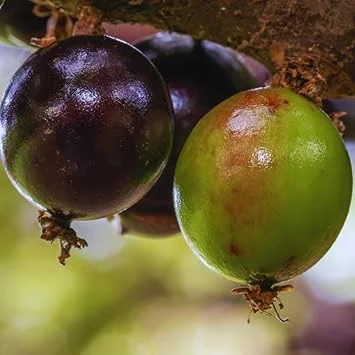
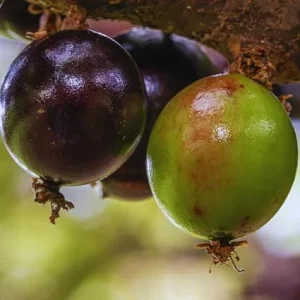
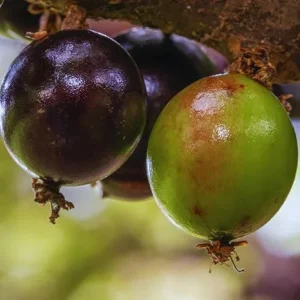
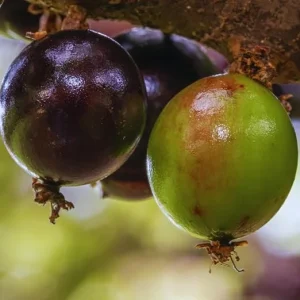
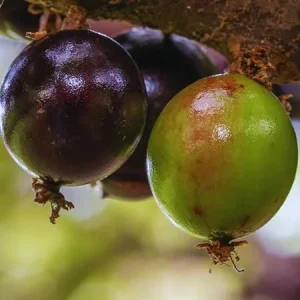
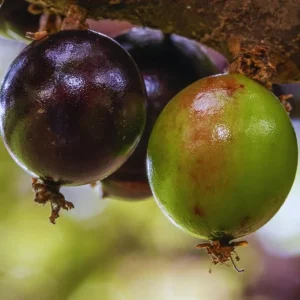
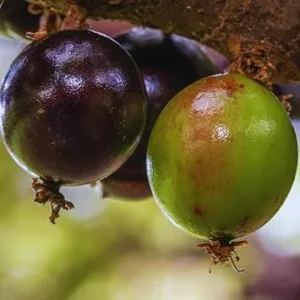
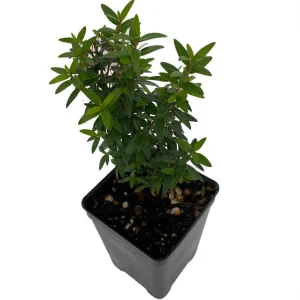
Black Jaboticaba Tree Live Plant – 1 Foot Tall, Brazilian Grapetree
Original price was: $75.98.$37.99Current price is: $37.99.
Bring exotic flavor to your garden with this black jaboticaba tree live plant. Standing 1 foot tall, this unique Brazilian grapetree is perfect for tropical climates (USDA Zones 9-11) and yields delicious, grape-like fruit directly on its trunk. An excellent choice for fruit orchards or as a distinctive ornamental specimen.
-
USDA Hardiness Zone
9-11 -
Soil Type
Slightly acidic, well-draining soil -
Sunlight Exposure
Full Sun -
Expected Planting Period
Year-round indoors; Spring to early summer outdoors

You can track your order HERE
Feb 10
Feb 15 - Feb 17
Feb 20 - Feb 24
Shipping and return policies: Our Alive & Thrive Guarantee covers issues with your plants within the first 30 days. Reach out to us. Our team will answer your questions and help you find the plants that are truly suitable for your environment, climate, and personal preferences.

Overview
Discover the exotic beauty and delicious fruits of the black jaboticaba tree live plant, a truly unique addition to any garden or patio. This remarkable Brazilian fruit tree, also known as a brazilian grapetree or Myrciaria cauliflora, is celebrated for its distinctive growth habit where fruits grow directly on the trunk and branches. Our healthy, 1-foot tall specimen is ready to establish in your home, offering both ornamental appeal and the promise of sweet, grape-like berries. Perfect for those looking to cultivate a tropical oasis, the Jaboticaba is a slow-growing, long-lived tree that will provide years of enjoyment and a bountiful harvest.
Originating from Brazil, the black jaboticaba tree live plant thrives in warm, humid conditions, making it an ideal choice for USDA hardiness zones 9-11. Its glossy green leaves provide a lush backdrop to the fascinating fruit production. The tree’s unique cauliflorous habit means you’ll see small white flowers bloom directly on the bark, followed by dark purple, almost black, fruits that resemble large grapes. These fruits are not only visually striking but also incredibly flavorful, perfect for fresh eating, making jams, jellies, or even wine.
Key Benefits
Cultivating a black jaboticaba tree live plant offers a multitude of rewards, from its aesthetic charm to its delicious yield. This extraordinary plant is more than just a fruit tree; it’s a conversation starter and a source of fresh, homegrown produce. Here are some of the key advantages of adding this magnificent tree to your collection:
- Unique Fruit Production: Experience the wonder of cauliflory, where sweet, juicy, grape-like fruits emerge directly from the trunk and branches. This unusual growth habit makes the brazilian grapetree a fascinating specimen for any garden enthusiast.
- Delicious & Versatile Fruit: Enjoy a continuous supply of fresh Jaboticaba berries, which are perfect for eating raw, blending into smoothies, or processing into gourmet jams, jellies, and even wine. The flavor is a delightful blend of grape and lychee.
- Ornamental Appeal: With its dense, glossy foliage and the unique sight of fruits adorning its bark, the Jaboticaba tree is a highly attractive ornamental plant, adding a touch of tropical elegance to your landscape or patio.
- Long-Lived & Productive: Jaboticaba trees are known for their longevity and can produce fruit for many decades once established, offering a sustainable source of fresh produce for years to come.
- Adaptable to Containers: While it can grow into a sizable tree in the ground, the Jaboticaba adapts well to container growing, making it suitable for smaller gardens, patios, or for bringing indoors during colder months.
- Relatively Low Maintenance: Once established, this tropical fruit tree requires moderate care, making it a rewarding choice for gardeners of varying experience levels. Understanding proper jaboticaba care will ensure a healthy, productive plant.
- Exotic Garden Addition: Elevate your garden’s diversity with a truly exotic specimen. The myrciaria cauliflora stands out from conventional fruit trees, bringing a piece of the Amazon to your backyard.
Plant Care & Growing Tips
Proper jaboticaba care is essential for a thriving and productive black jaboticaba tree live plant. This tropical fruit tree prefers a warm, humid environment and consistent moisture. When selecting a location, choose one that receives full sun, meaning at least 6-8 hours of direct sunlight per day. While it can tolerate partial shade, fruit production will be maximized in brighter conditions. For indoor growing, place it near a south-facing window or use supplemental grow lights to ensure adequate light exposure.
Watering is crucial for the brazilian grapetree. It prefers consistently moist, but not waterlogged, soil. Water deeply when the top inch or two of soil feels dry to the touch, and reduce frequency during cooler, dormant periods. Ensure excellent drainage to prevent root rot. Jaboticabas thrive in slightly acidic, well-draining soil rich in organic matter. A good quality potting mix amended with compost is ideal for container-grown plants. For in-ground planting, amend heavy clay soils with organic material to improve drainage and aeration. The tree is suitable for USDA Hardiness Zones 9-11, where temperatures rarely drop below 20°F (-6°C). In colder climates, it must be grown in a container and brought indoors during winter.
Fertilize your myrciaria cauliflora regularly during the growing season (spring through fall) with a balanced, slow-release fertilizer formulated for fruiting plants. Follow the product’s instructions for application rates. Young trees benefit from more frequent, lighter applications. Pruning is generally minimal, focused on removing dead or diseased branches and shaping the tree for aesthetics or to maintain a manageable size. Pests are not a major issue, but keep an eye out for aphids or scale insects. Consistent care will ensure your tropical fruit tree produces abundant, delicious fruits.
Size & Details
This offering is for a healthy black jaboticaba tree live plant, standing approximately 1 foot tall from the base of the soil. It is shipped as a young, actively growing specimen, ready for transplanting into a larger pot or directly into your garden. The tree is typically grown in a nursery pot, ensuring its root system is well-established for a smooth transition to its new home. Jaboticabas are slow to moderate growers, and while this plant is 1 foot tall now, it will gradually mature into a larger shrub or small tree, reaching heights of 10-15 feet in optimal conditions, though it can be kept smaller with pruning or in a container.
Expect your brazilian grapetree to begin flowering and fruiting within a few years, depending on growing conditions and care. The flowers typically bloom in spring, leading to fruit development in late spring to early summer. Fruit production can be sporadic throughout the year in ideal tropical climates. This tropical fruit tree is a long-term investment, offering increasing yields as it matures. Its compact growth habit makes it suitable for various garden sizes, and its adaptability to container culture means you can enjoy this exotic beauty even if you have limited space.
Frequently Asked Questions
- Q: How big does this black jaboticaba tree live plant get? A: In ideal conditions, a Jaboticaba tree can grow up to 10-15 feet tall, but it is a slow-growing plant. It can also be maintained at a smaller size through regular pruning or by growing it in a container.
- Q: Is this an indoor or outdoor plant? A: The brazilian grapetree is a tropical plant suitable for outdoor growing in USDA Hardiness Zones 9-11. In colder climates, it must be grown in a container and brought indoors during the winter months to protect it from frost.
- Q: How much sunlight does this tropical fruit tree need? A: This plant thrives in full sun, requiring at least 6-8 hours of direct sunlight daily for optimal growth and fruit production. It can tolerate partial shade, but fruiting may be reduced.
- Q: What condition will the plant arrive in? A: Your black jaboticaba tree live plant will arrive as a healthy, actively growing specimen, typically in a nursery pot with its root system intact and ready for transplanting. We package our plants carefully to ensure a safe journey.
- Q: Is this plant easy to care for? A: While tropical, jaboticaba care is relatively straightforward once established. Key factors are consistent moisture, full sun, well-draining soil, and protection from frost. It’s a rewarding plant for gardeners of all levels.
- Q: When is the best time to plant a Jaboticaba tree? A: The best time to plant a myrciaria cauliflora in warm climates is in spring or early summer, allowing it to establish before the peak heat. If growing in a container, it can be planted any time indoors.
- Q: What kind of soil does a Jaboticaba prefer? A: Jaboticabas prefer slightly acidic (pH 5.5-6.5), rich, well-draining soil. Amending with organic matter like compost will significantly benefit its growth.
- Q: How long until this tropical fruit tree starts producing fruit? A: A 1-foot tall Jaboticaba plant typically starts producing fruit within 3-5 years from planting, though this can vary based on growing conditions and care.
- Q: Can I grow a brazilian grapetree in a pot? A: Yes, Jaboticabas are excellent candidates for container growing. Choose a large pot with good drainage and ensure it receives adequate sunlight and water.
- Q: What is the ideal temperature range for a Jaboticaba? A: This plant thrives in temperatures between 65-85°F (18-29°C). It can tolerate brief drops to 20°F (-6°C) but prefers warmer conditions and should be protected from prolonged cold.
Be the first to review “Black Jaboticaba Tree Live Plant – 1 Foot Tall, Brazilian Grapetree”
People Also Viewed
Flower Plants
Brunfelsia Floribunda Live Plant – Yesterday, Today, Tomorrow – 1 Plant – 1 Foot Tall – 6 Inch Pot
Sold 54 products
Original price was: $139.96.$69.98Current price is: $69.98.
Sold 98 products
From $59.80
Sold 75 products
Original price was: $59.98.$29.99Current price is: $29.99.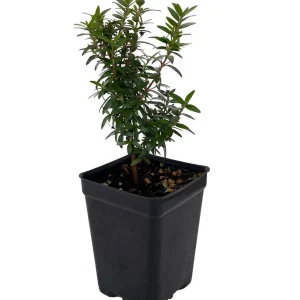
Sold 90 products
Original price was: $28.76.$14.38Current price is: $14.38.
Shrubs
White Rose of Sharon Live Plant, 6-12″ Tall Althea Hibiscus Bush, Quart Pot, Outdoor Perennial
Sold 87 products
Original price was: $55.98.$27.99Current price is: $27.99.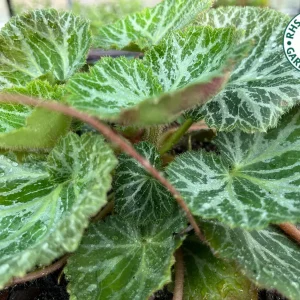
HousePlants
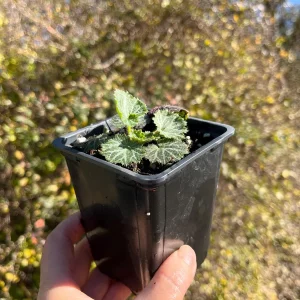
Variegated Strawberry Begonia Live Plant – Saxifraga Stolonifera – 3 1/4″ Pot – Indoor/Outdoor
Sold 85 products
Original price was: $39.96.$19.98Current price is: $19.98.
Sold 91 products
Original price was: $147.16.$73.58Current price is: $73.58.
Sold 92 products
Original price was: $24.35.$7.74Current price is: $7.74.
Sold 52 products
Original price was: $95.16.$47.58Current price is: $47.58.
Sold 82 products
Original price was: $131.96.$65.98Current price is: $65.98.
Vegetable Seeds
Sold 89 products
Original price was: $35.16.$17.58Current price is: $17.58.
Sold 52 products
Original price was: $63.96.$31.98Current price is: $31.98.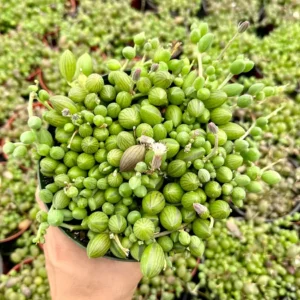
Succulents
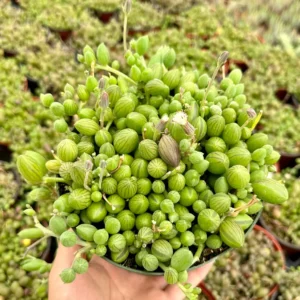
String of Watermelons Live Plant – Trailing Succulent – Potted Houseplant – 2, 4, or 6 inch pot
Sold 73 products
From $22.38
Sold 54 products
Original price was: $149.98.$74.99Current price is: $74.99.
Flower Plants
Sold 69 products
Original price was: $43.99.$23.99Current price is: $23.99.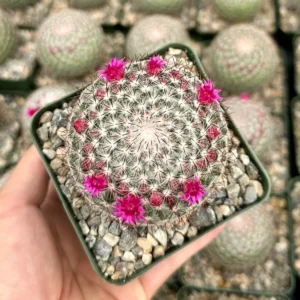
Succulents
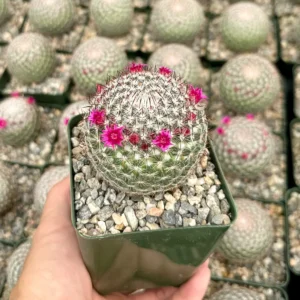
Rainbow Pincushion Cactus Live Plant – Mammillaria Rhodantha – Spherical Cactus, 3 inch Pot
Sold 79 products
Original price was: $39.16.$19.58Current price is: $19.58.
Sold 88 products
Original price was: $99.80.$49.90Current price is: $49.90.
Sold 63 products
Original price was: $391.96.$195.98Current price is: $195.98.


Reviews
There are no reviews yet.