
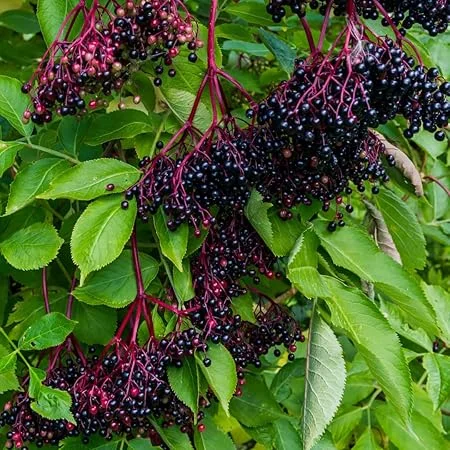
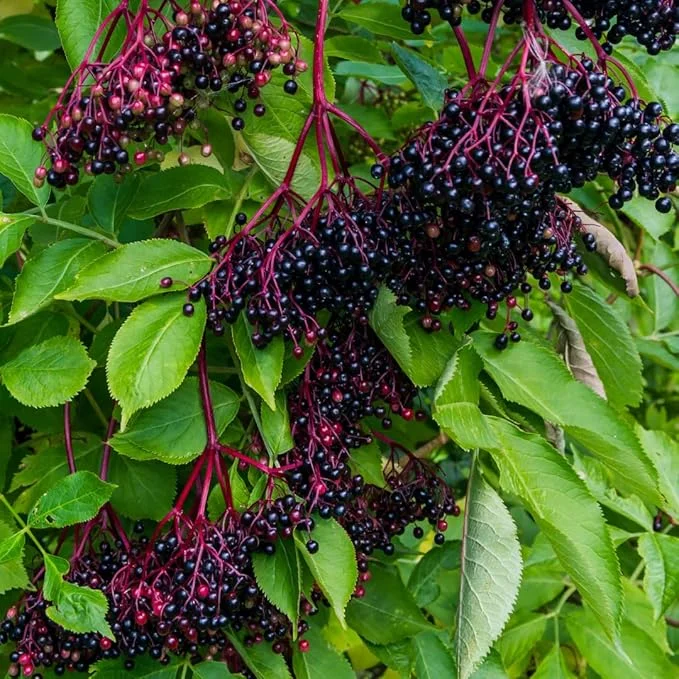
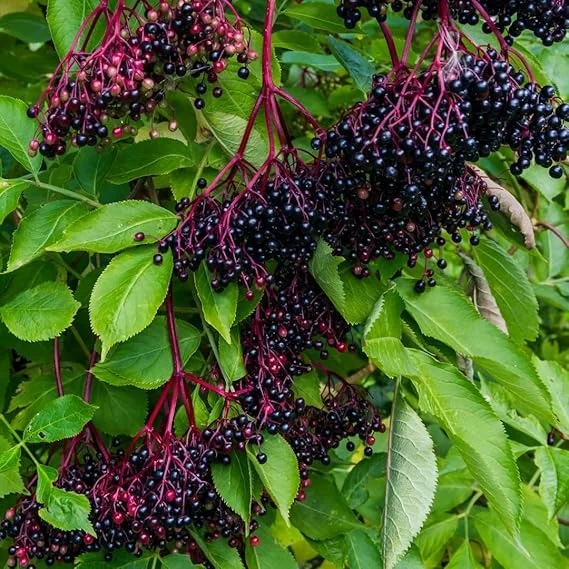
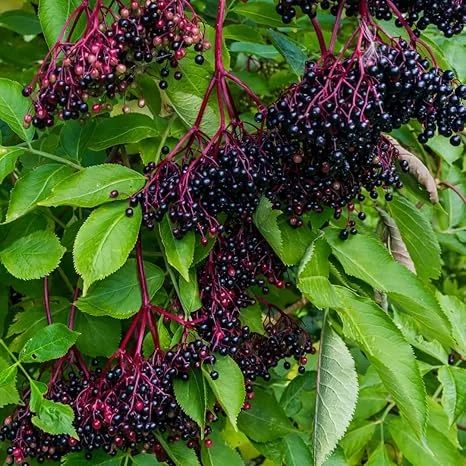
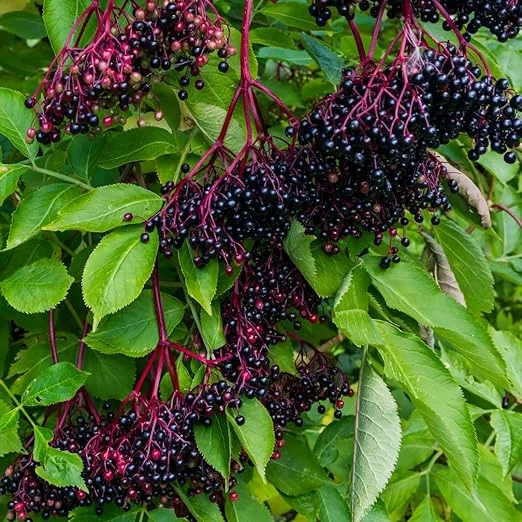
Black Elderberry Live Plant – 5-9 Inches Tall Bush – Ready for Growing – Outdoor
$39.58
Cultivate your own black elderberry live plant, a versatile and attractive shrub perfect for garden beds or large containers. This 5-9 inch tall plant is ready for growing, thriving in full sun to partial shade and well-drained soil. Enjoy its seasonal beauty and potential for fruit production.
-
USDA Hardiness Zone
USDA Hardiness Zones 4–8 -
Soil Type
Moist, well-draining soil -
Sunlight Exposure
Full sun to partial shade -
Expected Planting Period
Spring to early fall

You can track your order HERE
Feb 13
Feb 18 - Feb 20
Feb 23 - Feb 27
Shipping and return policies: Our Alive & Thrive Guarantee covers issues with your plants within the first 30 days. Reach out to us. Our team will answer your questions and help you find the plants that are truly suitable for your environment, climate, and personal preferences.

Overview
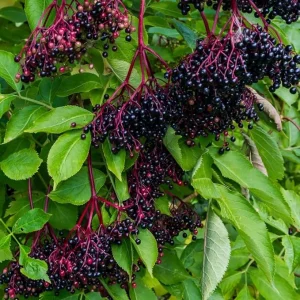
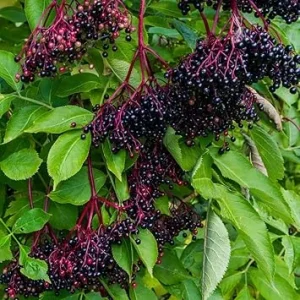
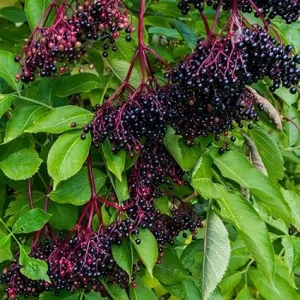
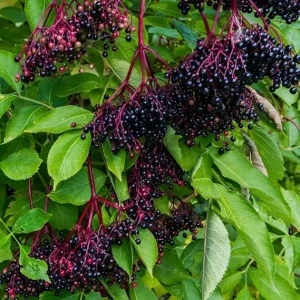
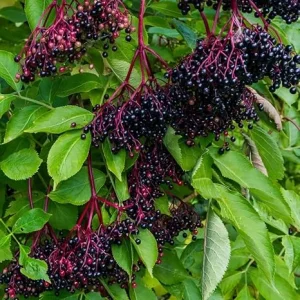
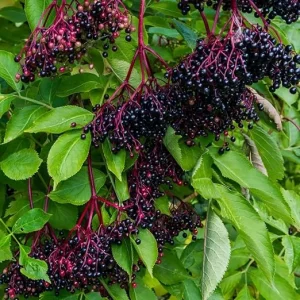
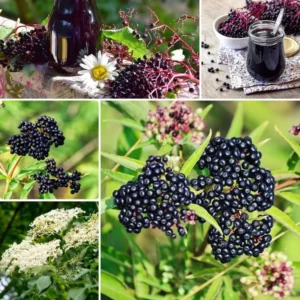
Bring the beauty and potential benefits of a black elderberry live plant to your garden. This robust shrub, often referred to as Sambucus nigra, arrives as a healthy 5-9 inch tall specimen, ready to establish itself in your landscape. Known for its lush foliage, delicate white flower clusters in spring, and dark berries in late summer, the elderberry is a fantastic addition for both its ornamental value and its traditional uses. While it may arrive dormant in winter, it is a sign of its natural cycle, ensuring it’s ready to burst into life with warmer temperatures. Whether you’re looking to create a natural hedge, add a focal point, or cultivate a plant with historical significance, this elderberry bush plants option is an excellent choice for a thriving garden.
Our black elderberry live plant is carefully nurtured to ensure a strong start for your gardening success. It’s suitable for a wide range of climates, particularly USDA Hardiness Zones 4-8, making it a versatile choice for many gardeners across the United States. With proper care, this plant will grow into a productive and attractive feature, providing seasonal interest and a touch of nature’s bounty right in your backyard.
Key Benefits
Adding a black elderberry live plant to your garden offers a multitude of advantages, from aesthetic appeal to ecological contributions. This adaptable shrub is more than just a pretty face; it’s a valuable asset for any home gardener.
- Attractive Seasonal Display: Enjoy beautiful clusters of creamy white flowers in late spring to early summer, followed by dark purple-black berries in late summer. These features provide continuous visual interest throughout the growing season, making it a focal point in your garden.
- Supports Local Wildlife: The flowers attract pollinators like bees and butterflies, while the berries are a favorite food source for various bird species, contributing to local biodiversity.
- Adaptable and Resilient: This plant is known for its hardiness and ability to thrive in a range of conditions, tolerating both full sun and partial shade, and adapting to different soil types as long as they are well-draining.
- Easy to Grow: Ideal for both experienced gardeners and beginners, the elderberry is relatively low-maintenance once established, requiring minimal intervention to flourish. It’s a great choice for those interested in growing elderberry plant with ease.
- Versatile Landscape Use: Perfect for use as a specimen plant, in mixed borders, as an informal hedge, or even in large outdoor containers, offering flexibility in garden design.
- Potential for Fruit Harvest: The dark berries are well-known for their use in making jams, jellies, pies, and beverages, offering a rewarding harvest for those interested in edible landscaping.
- Hardy in Many Climates: Thrives in USDA Hardiness Zones 4-8, demonstrating excellent cold tolerance and making it a reliable choice for temperate regions.
Plant Care & Growing Tips
Caring for your black elderberry live plant is straightforward, ensuring a healthy and productive shrub for years to come. Elderberries prefer a location with full sun to partial shade, meaning they should receive at least 6 hours of direct sunlight daily for optimal growth and berry production. While they can tolerate some shade, too much will reduce flowering and fruiting. These plants thrive in moist, well-draining soil. Avoid areas where water tends to collect, as elderberries do not like wet feet, which can lead to root rot. A slightly acidic to neutral soil pH (6.0-7.0) is ideal.
When planting, dig a hole twice as wide as the root ball and just as deep. Place the plant in the hole so that the top of the root ball is level with the soil surface. Backfill with soil, gently tamping down to remove air pockets, and water thoroughly. Regular watering is crucial during the first year to help the plant establish its root system. Once established, elderberries are relatively drought-tolerant but will benefit from consistent moisture, especially during dry spells and fruit development. Fertilize in early spring with a balanced slow-release fertilizer or compost to encourage vigorous growth. Pruning can be done in late winter or early spring to remove dead or weak branches and to maintain an attractive shape. Learning the specifics of an elderberry care guide will ensure your plant thrives.
This sambucus nigra plant is quite resilient, but keep an eye out for common pests like aphids or diseases like powdery mildew, especially in humid conditions. Good air circulation and appropriate spacing can help prevent fungal issues. Regular inspection and prompt action will keep your elderberry healthy. Remember, while the berries are edible when cooked, raw elderberries and other parts of the plant are not recommended for consumption.
Size & Details
This black elderberry live plant arrives as a young, vigorous specimen, typically measuring 5-9 inches tall from the top of the soil to the tip of the plant. It is shipped ready for growing, often dormant during cooler months, which is a natural and healthy state for a deciduous shrub. This size makes it easy to handle and plant, allowing it to quickly establish itself in your garden or a large outdoor container. Elderberry bushes are known for their fast growth rate, and with proper care, you can expect significant development in its first few seasons.
When mature, a black elderberry live plant can reach heights of 6-12 feet and a similar spread, forming a dense, multi-stemmed shrub. It typically begins producing fruit within 2-3 years of planting. The plant is shipped in a nursery pot with its root system intact, ensuring a smooth transition to your chosen planting location. Consider its mature size when selecting a site to provide ample room for growth and air circulation.
Frequently Asked Questions
- Q: How big does this plant get? A: This black elderberry live plant arrives 5-9 inches tall. At maturity, it can grow to be 6-12 feet tall and wide, forming a substantial bush in your garden.
- Q: Is this an indoor or outdoor plant? A: The black elderberry live plant is an outdoor plant, best suited for planting directly in the ground or in very large outdoor containers where it can grow to its full potential.
- Q: How much sunlight does it need? A: Elderberries prefer full sun to partial shade. For the best flowering and fruiting, aim for at least 6 hours of direct sunlight per day.
- Q: Is this plant easy to care for? A: Yes, the elderberry bush plants are considered relatively easy to care for once established. They are hardy and adaptable, making them suitable for gardeners of all experience levels.
- Q: What condition will it arrive in? A: Your elderberry plant will arrive as a healthy, live specimen, typically 5-9 inches tall. It may be dormant if ordered during colder months, which is normal and indicates it’s ready to thrive in spring.
- Q: When is the best time to plant? A: The best time for growing elderberry plant is in spring or early fall. If planting in summer, ensure consistent watering to help it establish.
- Q: Will it survive winter in my zone? A: Yes, this elderberry is hardy in USDA Zones 4–8, meaning it is well-equipped to survive typical winter conditions in these regions, going dormant and returning in spring.
- Q: What soil type does it prefer? A: Elderberries thrive in moist, well-draining soil. They can tolerate a range of soil types but prefer a slightly acidic to neutral pH. Avoid heavy, waterlogged soils.
- Q: Can I use the berries from this plant? A: Yes, the berries from the sambucus nigra plant are commonly used in culinary applications like jams, jellies, and pies after being cooked. Raw berries are not recommended for consumption.
- Q: How quickly does it grow? A: Elderberries are fast-growing shrubs, and you can expect noticeable growth in the first few years, with fruit production typically starting within 2-3 years after planting.
Be the first to review “Black Elderberry Live Plant – 5-9 Inches Tall Bush – Ready for Growing – Outdoor”
People Also Viewed
Sold 63 products
$87.98
Sold 77 products
$48.38
Sold 90 products
$32.98
Sold 64 products
$57.18
Sold 96 products
$43.98
Sold 87 products
$41.78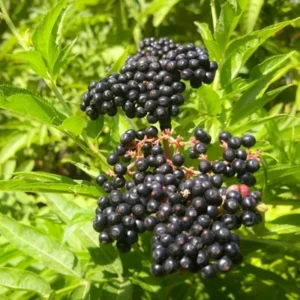
Sold 94 products
Original price was: $69.98.$34.99Current price is: $34.99.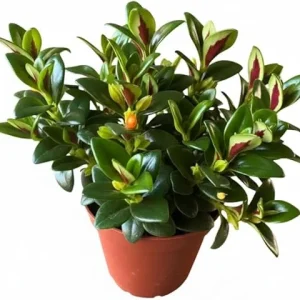
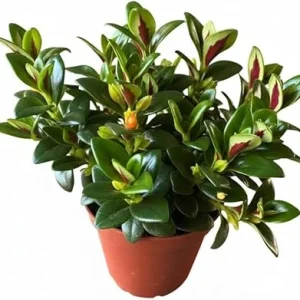
HousePlants
Goldfish Plant Live Houseplant – Lady Goldfish Variety – 4-Inch Potted Tropical Indoor Plant
Sold 87 products
$72.58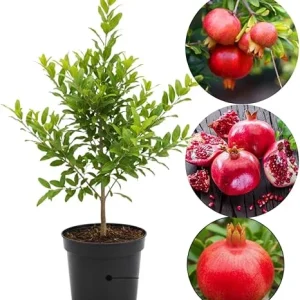
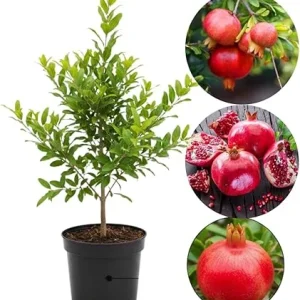
Sold 100 products
$65.98
Sold 89 products
Original price was: $107.96.$53.98Current price is: $53.98.
Sold 72 products
From $54.00
Flower Plants
Sold 97 products
Original price was: $45.96.$22.98Current price is: $22.98.
Sold 81 products
$43.98
Sold 70 products
Original price was: $34.00.$27.20Current price is: $27.20.
Sold 97 products
From $155.80
Sold 71 products
Original price was: $67.96.$33.98Current price is: $33.98.
Sold 57 products
Original price was: $39.98.$19.99Current price is: $19.99.
Sold 82 products
Original price was: $67.96.$33.98Current price is: $33.98.


Reviews
There are no reviews yet.