
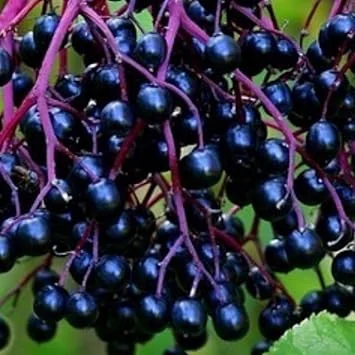
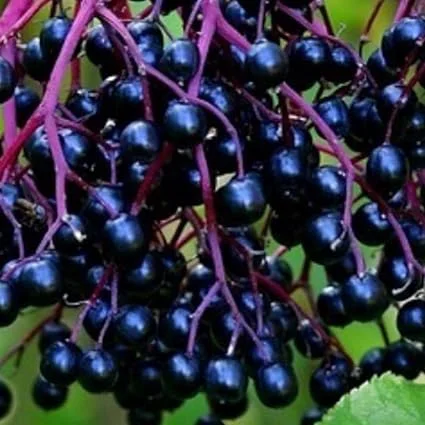
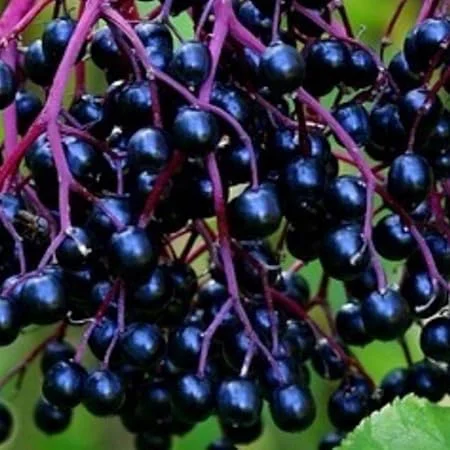
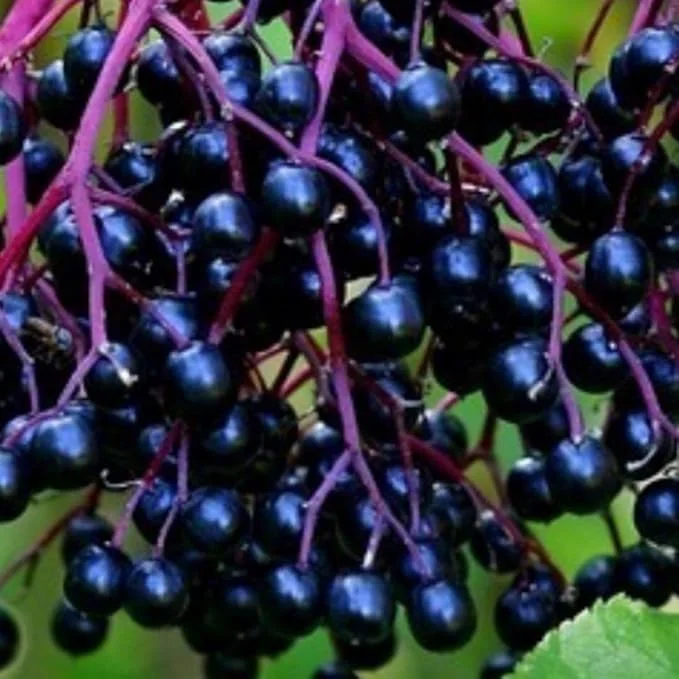
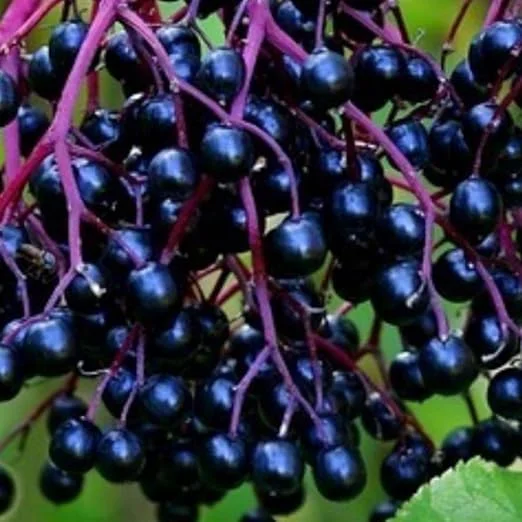
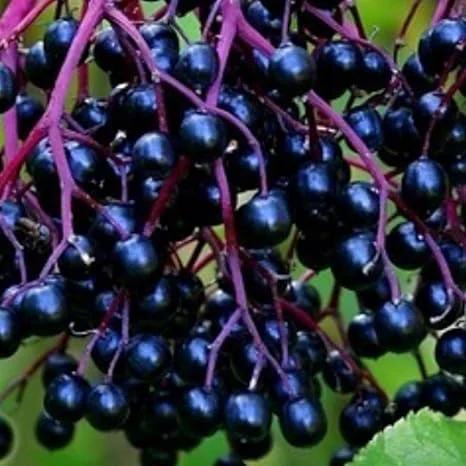
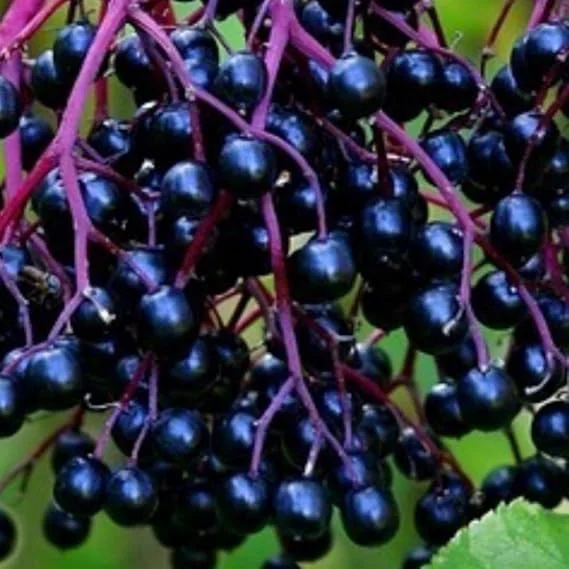
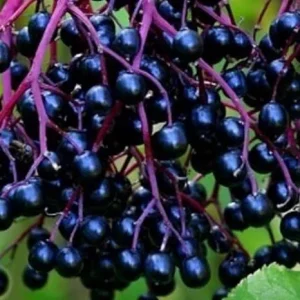
Black Elderberry Live Plant – 5-9 Inch Tall Perennial Fruit Bush, Cold Hardy
$37.38
Cultivate your own healthy berries with a black elderberry live plant. This cold-hardy, 5 to 9-inch tall perennial fruit bush is ideal for outdoor gardens, offering delicious fruit and attractive foliage. It’s an easy-care shrub that thrives in full sun.
-
USDA Hardiness Zone
USDA Zones 5–9 -
Soil Type
Well-drained soil -
Sunlight Exposure
Full Sun -
Expected Planting Period
Early spring or fall

You can track your order HERE
Apr 01
Apr 06 - Apr 08
Apr 11 - Apr 15
Shipping and return policies: Our Alive & Thrive Guarantee covers issues with your plants within the first 30 days. Reach out to us. Our team will answer your questions and help you find the plants that are truly suitable for your environment, climate, and personal preferences.

Overview
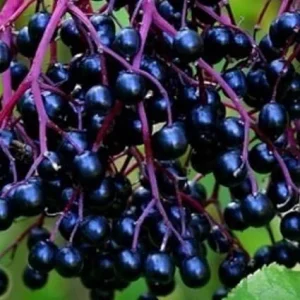
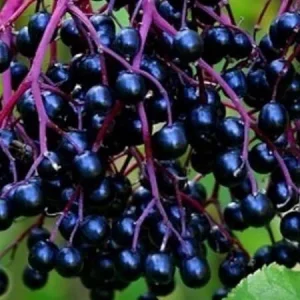
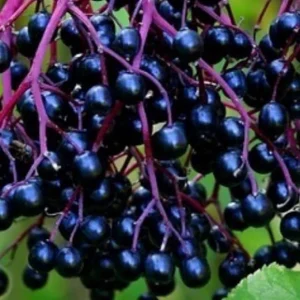
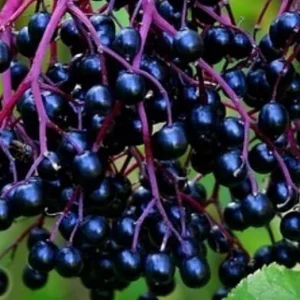
Introduce a robust and fruitful addition to your outdoor space with this black elderberry live plant. Known for its ornamental beauty and nutrient-rich berries, the elderberry bush (Sambucus nigra) is a fantastic choice for both edible landscaping and garden aesthetics. This particular offering is a 5 to 9-inch tall perennial fruit plant, ready to establish itself and provide years of bountiful harvests. Elderberries are celebrated for their distinctive flavor and are often used in jams, jellies, pies, and even wines. Our black elderberry live plant arrives dormant during winter, which is a natural and healthy state for ensuring successful transplanting and vigorous spring growth. These plants are cold-hardy, making them a resilient option for many climates.
The elderberry plant is a versatile shrub that not only produces delicious fruit but also adds significant visual interest to your garden with its lacy foliage and clusters of creamy white flowers in late spring to early summer. Beyond its culinary uses, elderberry has a long history of traditional use, valued for its potential health benefits. Growing your own ensures a fresh, organic supply right at your fingertips. This low-maintenance plant is an excellent choice for gardeners looking for a productive and attractive shrub that requires minimal fuss once established.
Key Benefits
Adding a black elderberry live plant to your garden offers a multitude of advantages, from culinary delights to ecological benefits. Its hardiness and ease of care make it a rewarding choice for gardeners of all experience levels.
- Abundant Fruit Production: Enjoy a generous harvest of dark, flavorful elderberries, perfect for making homemade preserves, syrups, and baked goods. These berries are packed with antioxidants and vitamins.
- Ornamental Appeal: The elderberry bush features attractive, deeply lobed leaves and fragrant, flat-topped clusters of white flowers that bloom in spring, adding beauty and fragrance to your landscape.
- Cold Hardiness: This perennial fruit plant is exceptionally cold-hardy, thriving in USDA Zones 5-9. It returns year after year, establishing stronger growth and larger yields over time, making it a reliable garden investment.
- Wildlife Attractor: The flowers attract pollinators like bees and butterflies, while the berries provide a food source for birds, enhancing biodiversity in your garden.
- Low Maintenance: Once established, growing elderberry bushes requires minimal care. They are tolerant of various soil conditions and generally resistant to pests and diseases, making them an easy-care shrub.
- Versatile Landscaping: Ideal for borders, privacy screens, containers, or as a decorative backdrop in garden beds. Its fast growth rate allows it to quickly fill spaces and create lush greenery.
- Natural Health Benefits: Elderberries are renowned for their nutritional value, often used in traditional remedies. Cultivating your own provides a fresh supply for healthy living.
Plant Care & Growing Tips
Caring for your black elderberry live plant is straightforward, ensuring a healthy and productive bush for years to come. Elderberries are known for their resilience and adaptability, making them a great choice for various garden settings. Understanding their basic needs will help your plant thrive.
For optimal growth and fruit production, elderberry bushes prefer a location with full sun exposure, meaning at least 6 hours of direct sunlight per day. While they can tolerate partial shade, full sun will result in more flowers and berries. They are adaptable to a range of soil types but perform best in well-drained soil that is rich in organic matter. Avoid excessively wet or poorly drained areas, as this can lead to root rot. When planting, ensure the soil pH is between 5.5 and 6.5. Regular watering is crucial during the first growing season to help the plant establish a strong root system. Once established, elderberries are relatively drought-tolerant, but consistent moisture during dry spells will promote better fruit development. Mulching around the base of the plant can help retain soil moisture and suppress weeds.
Pruning is an important aspect of elderberry plant care to maintain plant vigor and maximize fruit yield. In late winter or early spring, before new growth begins, remove any dead, damaged, or weak canes. Elderberries produce fruit on one-year-old wood, so it’s beneficial to encourage new growth by regularly removing older canes. A good practice is to remove about one-third of the oldest canes each year, cutting them back to the ground. Fertilize in early spring with a balanced slow-release fertilizer or compost to provide essential nutrients for healthy growth and fruit production. This cold hardy elderberry is generally pest and disease resistant, but monitor for common garden issues and address them promptly if they arise. With proper care, your elderberry bush will be a long-lasting and fruitful addition to your garden.
Size & Details
This offering is for one black elderberry live plant, typically measuring between 5 to 9 inches in height upon arrival. It is shipped as a bare-root plant, meaning it will arrive without a pot, allowing for easier transplanting directly into your garden or a larger container. This plant is a perennial, meaning it will return year after year, growing larger and more productive with each season. It is shipped dormant during the winter months, which is a natural and healthy state that promotes successful establishment in its new environment. The plant will leaf out and begin active growth once planted and conditions are favorable in spring. Expected growth rate is moderate to fast, typically reaching a mature height of 6-10 feet and a similar spread, depending on growing conditions and pruning practices. The berries usually ripen in late summer to early autumn, offering a delightful harvest.
Frequently Asked Questions
- Q: How big does this plant get? A: This black elderberry live plant typically arrives 5 to 9 inches tall. Once established, elderberry bushes can grow to a mature height of 6 to 10 feet with a similar spread, depending on growing conditions and annual pruning.
- Q: Is this an indoor or outdoor plant? A: This is an outdoor plant, specifically a cold hardy elderberry bush. It is designed to thrive in garden settings and is not suitable for long-term indoor cultivation.
- Q: How much sunlight does it need? A: Elderberry bushes prefer full sun, meaning at least 6 hours of direct sunlight per day, for optimal growth and fruit production. They can tolerate partial shade, but yields may be reduced.
- Q: Is this plant easy to care for? A: Yes, this elderberry fruit plant is considered easy to care for. Once established, it is relatively low maintenance, tolerant of various soil conditions, and generally resistant to pests and diseases.
- Q: What condition will it arrive in? A: The plant will arrive as a bare-root specimen, typically dormant during cooler months. This is a normal and healthy state for elderberries and ensures successful transplanting.
- Q: When is the best time to plant? A: The best time to plant a dormant bare-root elderberry is in early spring after the last frost, or in the fall before the ground freezes. This allows the plant to establish its roots before extreme temperatures.
- Q: Will it survive winter in my zone? A: Yes, this is a cold hardy elderberry that thrives in USDA Zones 5-9. It is accustomed to going dormant in winter and will reliably return with new growth each spring.
- Q: What kind of soil is best for elderberries? A: Elderberries prefer well-drained soil rich in organic matter. They can tolerate a range of soil types but avoid areas with standing water or very heavy clay.
- Q: How long until it produces fruit? A: Elderberry bushes typically begin producing fruit within 1 to 2 years after planting, with larger harvests as the plant matures in subsequent years.
- Q: Can I grow this in a container? A: While elderberries can be grown in large containers initially, they are vigorous growers and will eventually require a permanent spot in the ground for best long-term results. If using a container, ensure it’s very large (20+ gallons) and provides adequate drainage.
Be the first to review “Black Elderberry Live Plant – 5-9 Inch Tall Perennial Fruit Bush, Cold Hardy”
People Also Viewed
Sold 62 products
Original price was: $202.56.$101.28Current price is: $101.28.
Sold 94 products
Original price was: $32.18.$16.09Current price is: $16.09.
Sold 89 products
Original price was: $48.72.$16.24Current price is: $16.24.
Sold 86 products
Original price was: $35.99.$15.99Current price is: $15.99.
Sold 94 products
Original price was: $147.16.$73.58Current price is: $73.58.
Sold 99 products
Original price was: $33.98.$16.99Current price is: $16.99.
Sold 72 products
Original price was: $51.98.$25.99Current price is: $25.99.
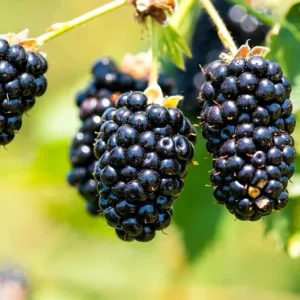
Sold 78 products
Original price was: $95.96.$47.98Current price is: $47.98.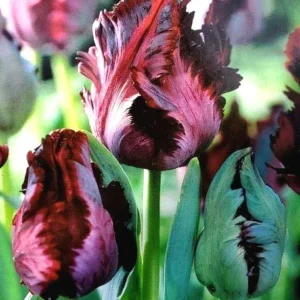
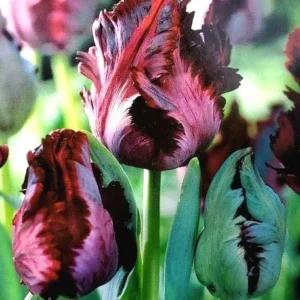
Sold 96 products
Original price was: $59.00.$29.50Current price is: $29.50.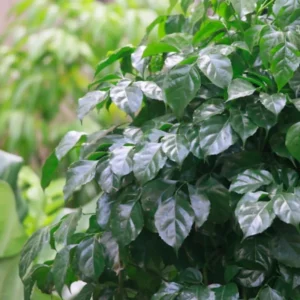
Sold 54 products
Original price was: $79.98.$39.99Current price is: $39.99.
Sold 97 products
From $14.99
Sold 75 products
Original price was: $89.98.$44.99Current price is: $44.99.
Sold 51 products
Original price was: $143.96.$71.98Current price is: $71.98.
Sold 78 products
Original price was: $39.98.$19.99Current price is: $19.99.
Sold 98 products
Original price was: $131.96.$65.98Current price is: $65.98.
Sold 79 products
Original price was: $63.98.$31.99Current price is: $31.99.
Sold 72 products
Original price was: $37.98.$18.99Current price is: $18.99.
Sold 92 products
Original price was: $27.98.$22.38Current price is: $22.38.


Reviews
There are no reviews yet.