
Black Cherry Tree Prunus serotina Bare Root – 12-24in Tall – 5 Pack
Original price was: $80.00.$64.00Current price is: $64.00.
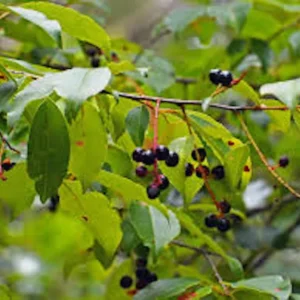
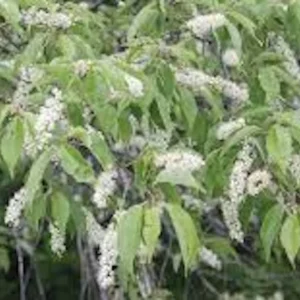
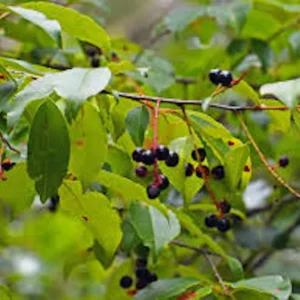
Cultivate a beautiful and productive landscape with our black cherry tree bare root plants. This offering includes 5 Prunus serotina for sale, each 12-24 inches tall, ready to establish in your garden. Known for showy white spring blooms and dark, edible cherries, these trees are a wonderful addition to any property.
-
USDA Hardiness Zone
3-9 -
Soil Type
Well-draining, moist, acidic to neutral soil -
Sunlight Exposure
Full sun to partial shade -
Expected Planting Period
Early spring or late fall

You can track your order HERE
Feb 27
Mar 04 - Mar 06
Mar 09 - Mar 13
Shipping and return policies: Our Alive & Thrive Guarantee covers issues with your plants within the first 30 days. Reach out to us. Our team will answer your questions and help you find the plants that are truly suitable for your environment, climate, and personal preferences.

Overview
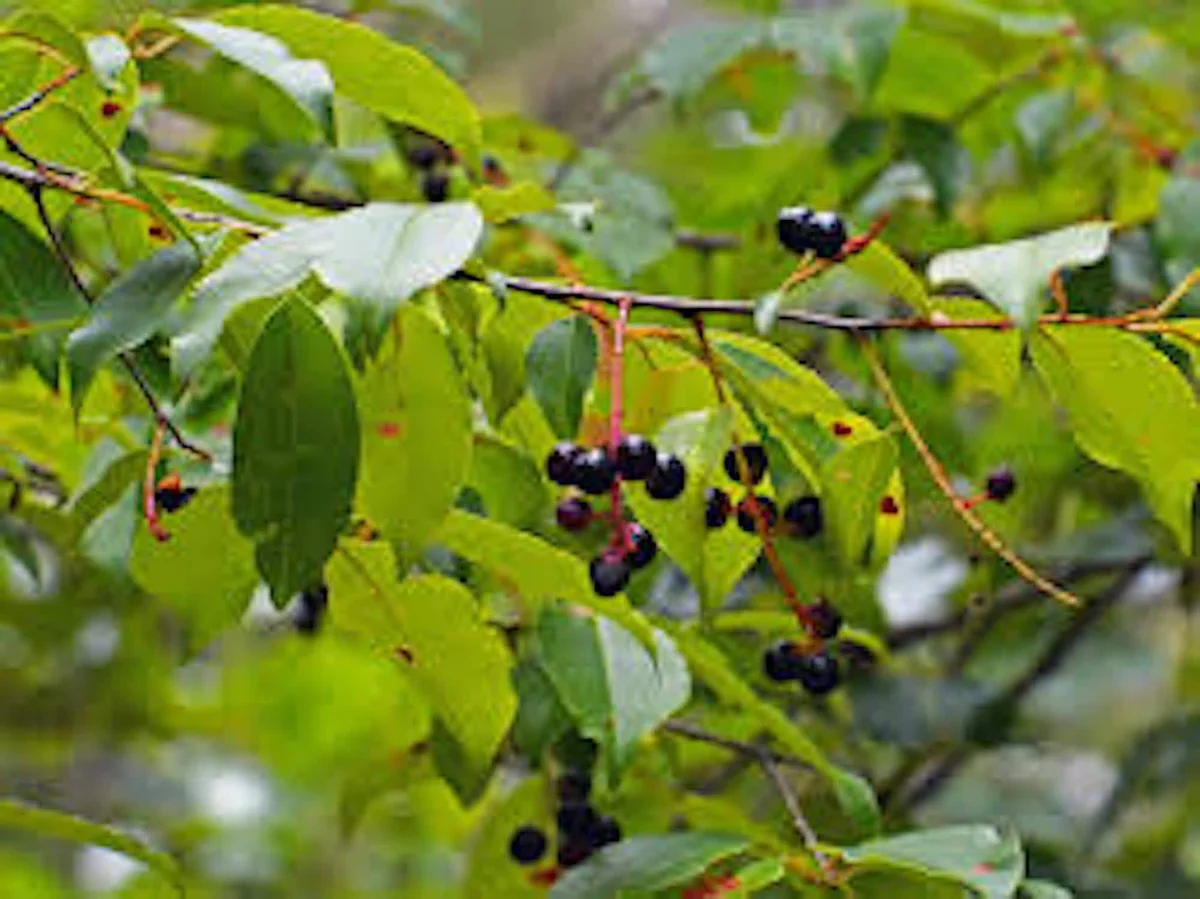
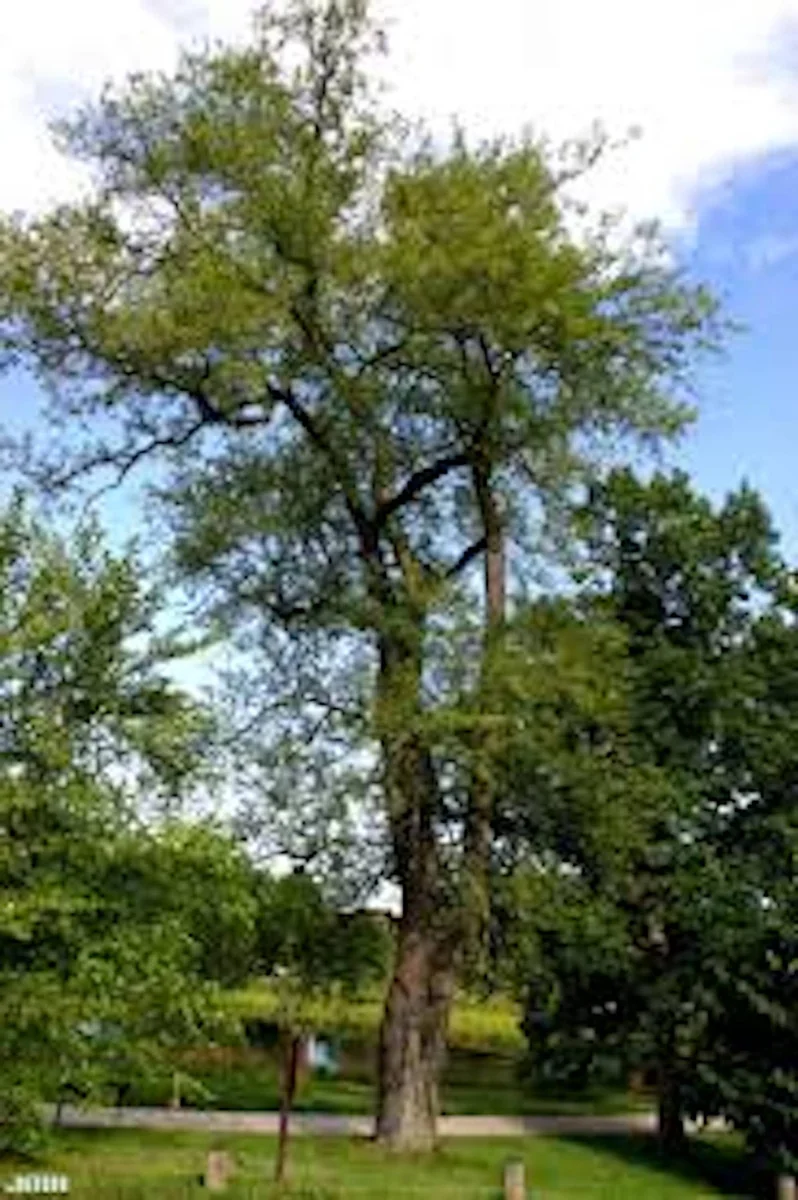
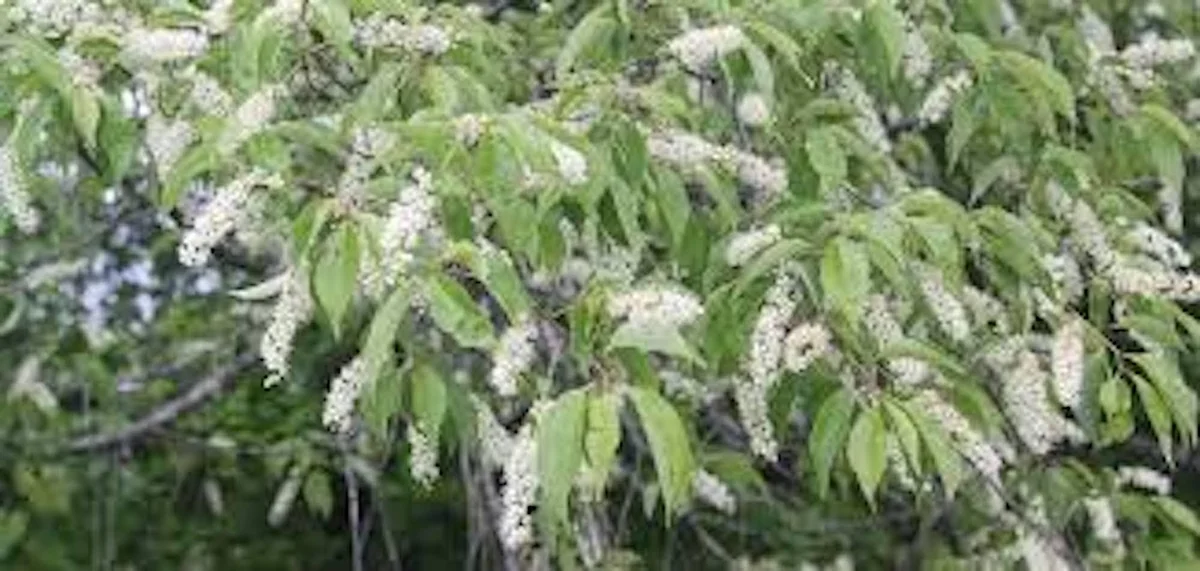
Introduce a touch of natural elegance and ecological value to your property with our black cherry tree bare root plants. This selection provides five robust Prunus serotina for sale, each measuring 12-24 inches in height, ready for planting. The black cherry tree, scientifically known as Prunus serotina, is a revered native North American tree prized for its multifaceted appeal. From its stunning white spring blossoms that herald the arrival of warmer weather to its abundant dark cherries that ripen in late summer, this tree offers year-round interest. Its distinctive bark, which transitions from smooth to scaly and dark with age, adds character to any landscape. Ideal for those looking to enhance biodiversity or cultivate their own fruit, these bare root trees are an excellent starting point for establishing a thriving cherry grove.
These bare root specimens are a cost-effective and efficient way to plant multiple trees, allowing for rapid establishment once properly cared for. The black cherry tree bare root is a resilient choice, known for its adaptability and ability to contribute significantly to local ecosystems by providing food and habitat for wildlife. Whether you’re a seasoned gardener or a new enthusiast, growing black cherry tree varieties from bare root is a rewarding experience that yields beautiful results.
Key Benefits
Opting for the black cherry tree bare root brings a multitude of advantages to your garden and local environment. These trees are not only aesthetically pleasing but also offer practical benefits that make them a valuable investment.
- Ecological Contribution: As a native North American tree, Prunus serotina supports local wildlife, providing dark, edible cherries for birds and other animals in late summer, and serving as a host plant for various insect species.
- Beautiful Blooms: Enjoy a spectacular display of showy white flowers each spring, adding significant ornamental value to your landscape and attracting pollinators.
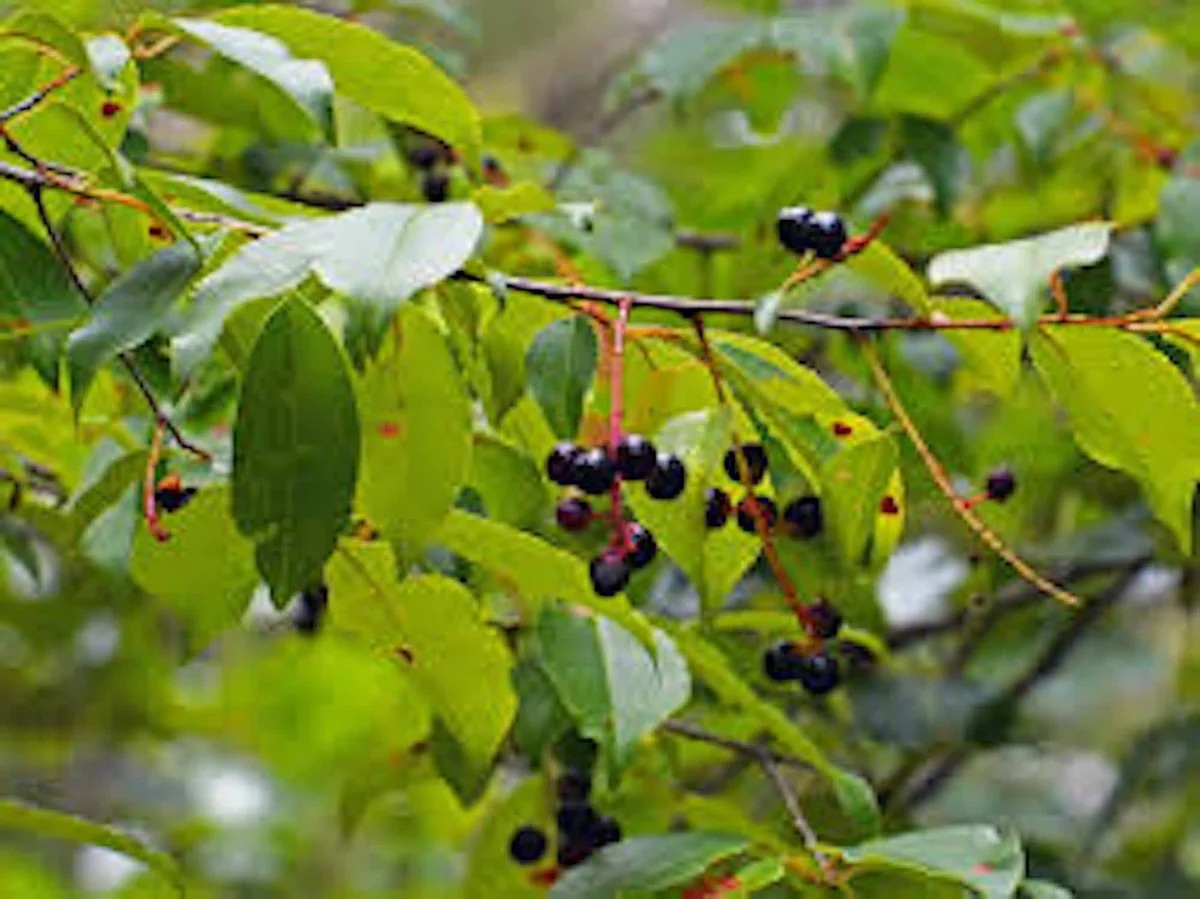
- Edible Fruit Production: Produce your own dark, tart cherries, perfect for jams, jellies, pies, or simply eating fresh, offering a sustainable food source directly from your garden.
- Distinctive Bark: The tree’s bark develops a unique scaly, dark appearance with age, adding textural interest and character to your property, especially during winter months.
- Valuable Wood: Beyond its beauty and fruit, the black cherry tree is known for its valuable timber, often used in furniture making, making it a long-term asset.
- Adaptability: This cherry tree hardiness allows it to thrive across a wide range of climates, specifically USDA hardiness zones 3 through 9, making it suitable for many regions.
- Full Sun Preference: While tolerant of some shade, these trees prefer full sun exposure, ensuring optimal growth and maximum fruit yield, making them ideal for open garden spaces.
Plant Care & Growing Tips
To ensure the successful establishment and vigorous growth of your black cherry tree bare root, proper care from planting to maturity is crucial. These trees are relatively low-maintenance once established, but initial attention will set them up for a long and productive life. When considering growing black cherry tree varieties, understanding their needs is key.
Black cherry trees generally prefer full sun for optimal growth and fruit production, meaning at least 6-8 hours of direct sunlight daily. While they can tolerate some partial shade, too little sun can reduce flowering and fruiting. They thrive in well-draining, moist, acidic to neutral soil (pH 5.0-7.0). Avoid heavy clay soils that retain too much water, as this can lead to root rot. When planting your Prunus serotina for sale, dig a hole wide enough to accommodate the roots without bending them, and deep enough so the root collar is level with the soil surface. Amend heavy soils with compost or organic matter to improve drainage and fertility. Water thoroughly after planting to settle the soil around the roots.
Consistent watering is important during the first few years, especially during dry spells. Aim for deep watering sessions rather than frequent shallow ones, allowing the top few inches of soil to dry out slightly between waterings. Once established, black cherry trees are quite drought-tolerant. Fertilization is generally not required in the first year if the soil is amended. In subsequent years, a balanced slow-release fertilizer can be applied in early spring before new growth begins. Pruning should focus on removing dead, damaged, or crossing branches, and shaping the tree for good air circulation and structure. The cherry tree hardiness of Prunus serotina makes it a robust choice, thriving in USDA zones 3 through 9, making it resilient to a broad spectrum of temperatures.
Size & Details
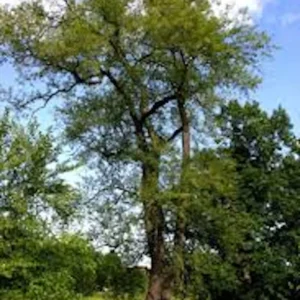
This offering includes 5 individual black cherry tree bare root plants, each measuring approximately 12-24 inches tall. These bare root trees are shipped without soil, allowing for easier transport and planting. Upon arrival, it is crucial to plant them as soon as possible or keep the roots moist until planting. Black cherry trees are fast-growing, especially in their early years, and can reach mature heights of 50-80 feet with a spread of 30-50 feet, developing into a stately specimen. The growth rate can be 1-2 feet per year under ideal conditions. Expect to see the characteristic white blooms in spring, typically after a few years of establishment, with the dark cherries ripening in late summer. This native North American tree will provide many years of beauty and bounty.
Frequently Asked Questions
- Q: How big will these black cherry trees get? A: Your black cherry tree bare root plants are 12-24 inches tall when shipped. Once mature, a black cherry tree (Prunus serotina) can reach impressive heights of 50-80 feet with a spread of 30-50 feet, becoming a significant part of your landscape.
- Q: Is this an indoor or outdoor plant? A: The Prunus serotina for sale is an outdoor tree. It is a large, deciduous tree that requires ample space to grow and thrive in a garden or naturalized area, not suitable for indoor cultivation.
- Q: How much sunlight does a black cherry tree need? A: For optimal growth and fruit production, your black cherry tree bare root prefers full sun, meaning at least 6-8 hours of direct sunlight per day. While it can tolerate some partial shade, more sun generally leads to better yields.
- Q: Is this tree difficult to care for? A: Once established, the black cherry tree is relatively low-maintenance. The initial planting and watering during the first few years are the most critical steps for successful growing black cherry tree varieties.
- Q: What condition will the bare root trees arrive in? A: Your black cherry tree bare root plants will arrive with their roots protected and moist. It is important to plant them promptly upon arrival or keep the roots hydrated until planting to ensure successful establishment.
- Q: When is the best time to plant a black cherry tree? A: The best time to plant bare root trees, including the black cherry, is typically in early spring or late fall when the tree is dormant. This allows the roots to establish before the stress of summer heat or winter cold.
- Q: What USDA hardiness zones are suitable for this cherry tree? A: The cherry tree hardiness of Prunus serotina is excellent, thriving in USDA hardiness zones 3 through 9. This wide range makes it suitable for many different climates across North America.
- Q: Can I eat the cherries from this tree? A: Yes, the dark cherries produced by the black cherry tree are edible. They are often tart but can be used in various culinary applications like jams, jellies, pies, and wines.
- Q: What kind of soil does this native North American tree prefer? A: The black cherry tree prefers well-draining, moist, and slightly acidic to neutral soil. Avoid waterlogged conditions to prevent root issues. Amending with organic matter can improve soil structure.
- Q: How long until the tree starts producing fruit? A: While growth is rapid, a black cherry tree bare root typically begins producing fruit within 5-10 years after planting, with significant yields coming as the tree matures.
Be the first to review “Black Cherry Tree Prunus serotina Bare Root – 12-24in Tall – 5 Pack”
People Also Viewed
Sold 72 products
Original price was: $28.76.$14.38Current price is: $14.38.
Sold 87 products
Original price was: $202.56.$101.28Current price is: $101.28.
Sold 80 products
Original price was: $12.76.$6.38Current price is: $6.38.
Sold 60 products
Original price was: $43.99.$23.99Current price is: $23.99.
Sold 68 products
Original price was: $91.96.$45.98Current price is: $45.98.
Sold 87 products
Original price was: $64.76.$32.38Current price is: $32.38.
Sold 66 products
Original price was: $529.96.$264.98Current price is: $264.98.
Sold 94 products
Original price was: $39.98.$19.99Current price is: $19.99.
Sold 77 products
From $74.99
Sold 96 products
Original price was: $11.96.$5.98Current price is: $5.98.
Sold 82 products
From $4.06
Sold 50 products
Original price was: $25.98.$20.78Current price is: $20.78.
Sold 91 products
Original price was: $10.78.$6.46Current price is: $6.46.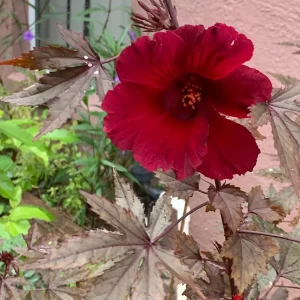
Herbs
Cranberry Hibiscus Live Plant – Edible African Rose Mallow – Mature 4-inch Pot – Indoor/Outdoor
Sold 62 products
Original price was: $100.00.$50.00Current price is: $50.00.
Sold 86 products
Original price was: $9.96.$4.98Current price is: $4.98.
Sold 52 products
Original price was: $64.00.$51.20Current price is: $51.20.

Sold 81 products
Original price was: $16.76.$8.38Current price is: $8.38.
Sold 84 products
Original price was: $8.52.$4.26Current price is: $4.26.



Reviews
There are no reviews yet.