
Bird of Paradise Live Plant – Strelitzia Reginae – Tropical Orange Blue Flower
Original price was: $47.96.$23.98Current price is: $23.98.
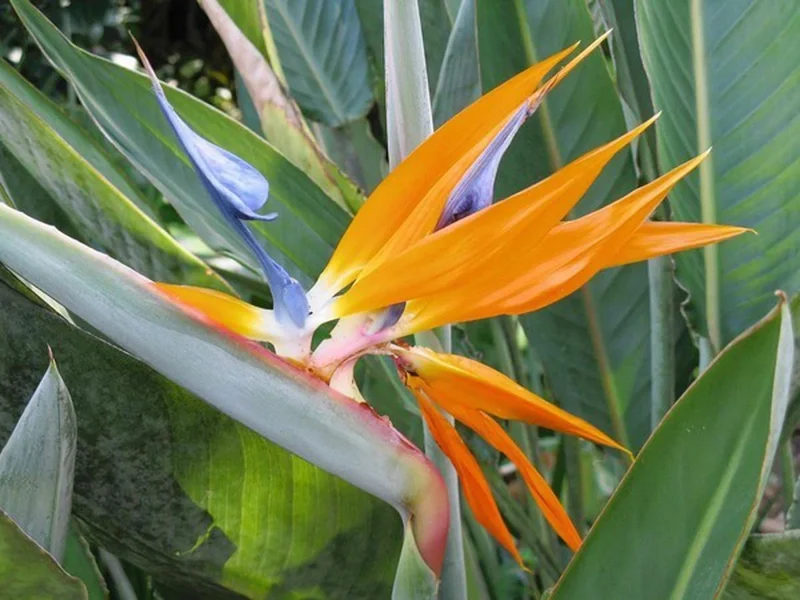
Introduce vibrant tropical flair with the bird of paradise live plant (Strelitzia reginae). Known for its striking orange and blue crane-like flowers, this evergreen plant adds dramatic architectural interest to gardens and patios. It’s a relatively low-maintenance choice for warm climates or as a stunning container plant.
-
USDA Hardiness Zone
USDA zones 9 to 11 -
Soil Type
Well-draining, loamy, or peat-based soil -
Sunlight Exposure
Full sun to partial shade (at least 6 hours direct sunlight) -
Expected Planting Period
Year-round in warm climates; spring to early summer in containers

You can track your order HERE
Mar 20
Mar 25 - Mar 27
Mar 30 - Apr 03
Shipping and return policies: Our Alive & Thrive Guarantee covers issues with your plants within the first 30 days. Reach out to us. Our team will answer your questions and help you find the plants that are truly suitable for your environment, climate, and personal preferences.

Overview
Introduce a touch of the tropics to your landscape with the magnificent bird of paradise live plant, scientifically known as Strelitzia reginae. This iconic plant is celebrated for its truly unique and vibrant flowers that strikingly resemble a crane’s head in flight, earning it the common name ‘crane flower plant’. Originating from South Africa, the bird of paradise live plant is a showstopper, boasting bold orange and blue blooms contrasted against lush, banana-like green foliage. It’s an excellent choice for adding dramatic architectural interest and a splash of exotic color to any garden or patio. As a relatively low-maintenance plant, the Strelitzia reginae thrives in warm climates and can be a fantastic focal point. Its evergreen nature ensures year-round beauty, even when not in bloom. Whether you’re an experienced horticulturist or a budding gardener, incorporating a bird of paradise live plant into your outdoor oasis will undoubtedly elevate its aesthetic appeal and provide endless visual delight. Many enthusiasts enjoy the process of growing bird of paradise for its rewarding display.
Key Benefits
The bird of paradise live plant offers a multitude of benefits, making it a highly sought-after specimen for various garden styles. Its distinct appearance and robust nature contribute to its widespread appeal, making it a favorite for those seeking a tropical bird of paradise.
- Stunning Visual Appeal: The most prominent benefit is undoubtedly its breathtaking flowers. The vivid orange sepals and bright blue petals create an unforgettable display, instantly transforming any space into a tropical paradise. These unique blooms are also excellent for cut flower arrangements, lasting for weeks, making the crane flower plant a versatile choice.
- Architectural Interest: With its upright growth habit and large, paddle-shaped leaves, the Strelitzia reginae provides strong architectural form, adding structure and drama to garden beds, borders, or large containers.
- Low Maintenance: Once established, the bird of paradise live plant is remarkably resilient and requires minimal care. It’s drought-tolerant and can withstand a range of soil conditions, making it suitable for busy gardeners.
- Attracts Pollinators: The nectar-rich flowers attract birds, especially sunbirds in their native habitat, and other pollinators, contributing to the biodiversity of your garden.
- Evergreen Foliage: Unlike many flowering plants, the Strelitzia reginae maintains its lush green foliage throughout the year, providing continuous greenery and visual interest even when not in its spectacular blooming phase.
- Versatile Planting: It can be grown as a specimen plant, in mass plantings, as a screen, or in large pots on patios and decks, offering flexibility in garden design for your tropical bird of paradise.
Plant Care & Growing Tips
Proper Strelitzia reginae care is crucial for ensuring vigorous growth and abundant blooms. While generally forgiving, understanding its specific needs will help your plant thrive. The bird of paradise live plant prefers a warm, sunny location and well-draining soil. When it comes to sunlight, the tropical bird of paradise performs best in full sun to partial shade. Aim for at least 6 hours of direct sunlight daily for optimal flowering. In hotter climates, some afternoon shade can protect the foliage from scorching. Watering should be consistent during the growing season (spring through fall), allowing the top few inches of soil to dry out between waterings. Reduce watering significantly in winter. The plant is fairly drought-tolerant once established but will look its best with regular moisture. Good drainage is essential to prevent root rot, so ensure your soil is loamy, peat-based, or clay with good aeration. Fertilize every 2-3 months during the growing season with a balanced liquid fertilizer, especially one formulated for flowering plants. The growing bird of paradise benefits from a general-purpose fertilizer in spring to encourage new growth.
The bird of paradise live plant is hardy in USDA zones 9 to 11. In cooler climates, it can be grown in containers and brought indoors during winter or treated as an annual. Protect from frost, as cold temperatures can damage foliage and prevent flowering. Pests are generally not a major issue, but watch for scale insects, mealybugs, and spider mites, especially on indoor plants. Treat with insecticidal soap if necessary. Prune spent flower stalks and any dead or damaged leaves to maintain a tidy appearance and encourage new growth. Division of clumps can be done every few years to rejuvenate older plants or to propagate new ones. With consistent Strelitzia reginae care, your plant will reward you with its exotic blooms.
Size & Details
This bird of paradise live plant is typically shipped as a potted plant, ready for transplanting into your garden or a larger container. These plants generally have an upright growth habit and can reach impressive heights of 3 to 5 feet, with a spread of 2 to 4 feet, when mature. They are known for their relatively fast growth rate under ideal conditions, quickly developing into a substantial and beautiful specimen. The plant form is characterized by large, leathery, evergreen foliage that provides a lush backdrop to the vibrant flowers. The crane flower plant begins flowering once it reaches maturity, which can take several years from a young plant. Blooms are often produced from late fall through late spring, providing color during cooler months when many other plants are dormant. Each plant is carefully selected to ensure health and vigor upon arrival, giving you the best start for your tropical bird of paradise journey. These details are vital for successful growing bird of paradise.
Frequently Asked Questions
- Q: How big does this plant get? A: A mature bird of paradise live plant typically grows 3 to 5 feet tall and can spread 2 to 4 feet wide. Its size can be somewhat managed by container size and pruning.
- Q: Is this an indoor or outdoor plant? A: The Strelitzia reginae is primarily an outdoor plant in USDA zones 9-11. In colder climates, it can be grown in containers and brought indoors during winter or housed in a conservatory for optimal Strelitzia reginae care.
- Q: How much sunlight does it need? A: For optimal flowering and healthy growth, the bird of paradise live plant requires at least 6 hours of direct sunlight per day. It tolerates partial shade, especially in very hot climates.
- Q: Is this plant easy to care for? A: Yes, once established, the Strelitzia reginae care is considered relatively easy. It’s known for being drought-tolerant and resilient, making it a good choice for both novice and experienced gardeners looking to grow a tropical bird of paradise.
- Q: What condition will it arrive in? A: Your bird of paradise live plant will arrive as a healthy, potted plant, carefully packaged to ensure its protection during transit. It will be ready for immediate planting or repotting.
- Q: How long until it blooms? A: While young plants provide beautiful foliage, the crane flower plant typically begins to produce its signature blooms once it reaches maturity, which can take 3-5 years. Proper growing bird of paradise conditions will encourage earlier flowering.
- Q: Will it survive winter in my zone? A: The tropical bird of paradise is hardy in USDA zones 9, 10, and 11. If you live in a colder zone, you will need to protect it from frost or grow it as a container plant that can be moved indoors during winter.
- Q: What type of soil does the bird of paradise prefer? A: It thrives in well-draining soil. A mix that is rich in organic matter, such as a loamy or peat-based soil, is ideal to ensure proper drainage and nutrient retention.
- Q: How often should I water my bird of paradise? A: Water thoroughly when the top 1-2 inches of soil feel dry to the touch during the growing season. Reduce watering significantly in winter, allowing the soil to dry out more between waterings.
- Q: Can I grow the bird of paradise in a pot? A: Absolutely! The bird of paradise live plant is an excellent container plant, especially for those in colder climates who need to bring it indoors for winter protection. Choose a large pot with good drainage.
Be the first to review “Bird of Paradise Live Plant – Strelitzia Reginae – Tropical Orange Blue Flower”
People Also Viewed
Sold 56 products
Original price was: $19.56.$9.78Current price is: $9.78.
Sold 78 products
Original price was: $61.56.$30.78Current price is: $30.78.
Sold 50 products
Original price was: $33.56.$16.78Current price is: $16.78.
Sold 89 products
Original price was: $111.96.$55.98Current price is: $55.98.
Sold 72 products
Original price was: $33.56.$16.78Current price is: $16.78.
Sold 70 products
Original price was: $44.99.$24.99Current price is: $24.99.
Sold 87 products
Original price was: $39.16.$19.58Current price is: $19.58.
Sold 97 products
Original price was: $36.36.$18.18Current price is: $18.18.
Sold 64 products
Original price was: $33.56.$16.78Current price is: $16.78.
Sold 80 products
Original price was: $41.96.$20.98Current price is: $20.98.
Sold 99 products
Original price was: $19.56.$9.78Current price is: $9.78.
Sold 67 products
From $27.98
Sold 98 products
Original price was: $67.96.$33.98Current price is: $33.98.
Sold 80 products
Original price was: $50.36.$25.18Current price is: $25.18.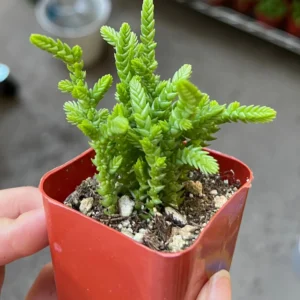
Succulents
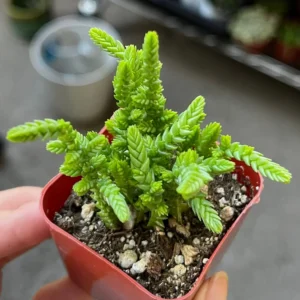
Giant Watch Chain Succulent Live Plant – Crassula muscosa Princess Pine – 2 inch Potted Houseplant
Sold 85 products
Original price was: $16.76.$8.38Current price is: $8.38.
Sold 80 products
Original price was: $39.16.$19.58Current price is: $19.58.
Sold 95 products
Original price was: $59.98.$41.98Current price is: $41.98.
Sold 84 products
Original price was: $35.00.$28.00Current price is: $28.00.


Reviews
There are no reviews yet.