
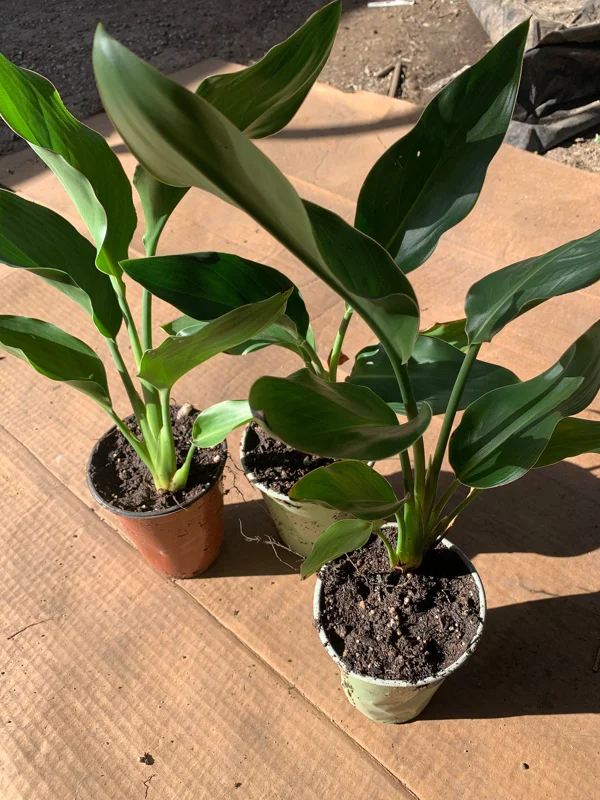
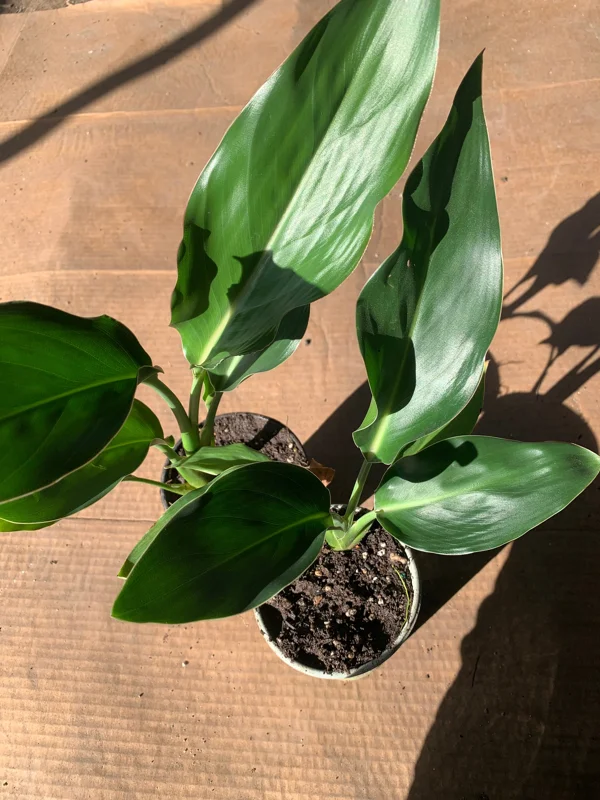
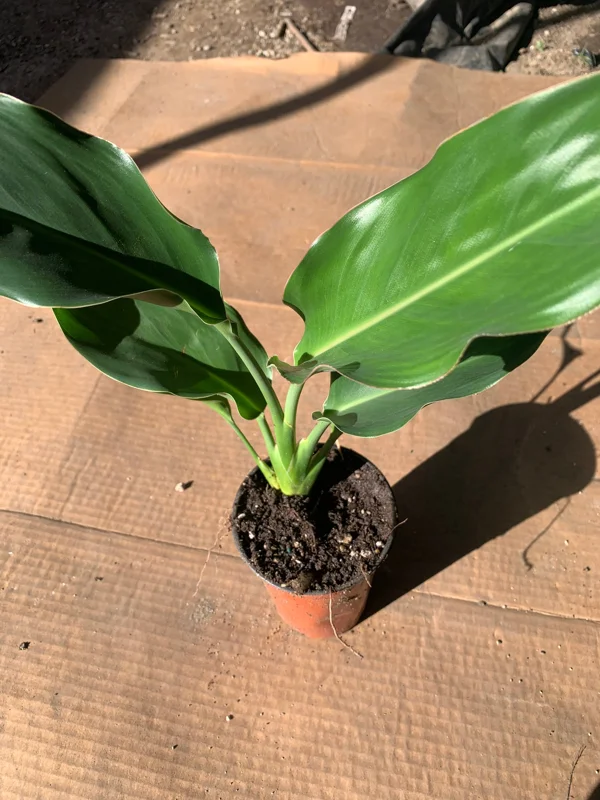
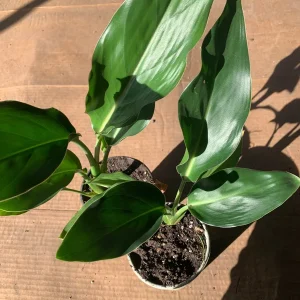
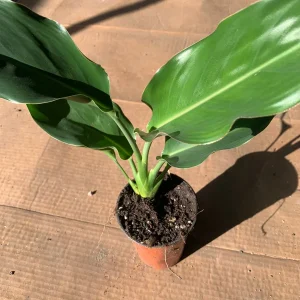
Bird of Paradise Live Plant (Strelitzia Regina) – 6 inch Cup – 5-8″ Tall Tropical Indoor/Outdoor
Original price was: $147.16.$73.58Current price is: $73.58.
Cultivate a piece of the tropics with this beautiful bird of paradise live plant (Strelitzia Regina). Arriving 5-8 inches tall in a 6-inch nursery cup, this vibrant plant is ready to bring exotic flair to your home or garden. Known for its striking, crane-like blooms, it’s a popular choice for both indoor decoration and outdoor landscapes.
-
USDA Hardiness Zone
USDA zones 9-11 (outdoors) or indoors year-round -
Soil Type
Well-draining potting mix -
Sunlight Exposure
Bright direct to bright indirect light -
Expected Planting Period
Year-round indoors; Spring to early summer outdoors in suitable zones

You can track your order HERE
Mar 03
Mar 08 - Mar 10
Mar 13 - Mar 17
Shipping and return policies: Our Alive & Thrive Guarantee covers issues with your plants within the first 30 days. Reach out to us. Our team will answer your questions and help you find the plants that are truly suitable for your environment, climate, and personal preferences.

Overview
Introduce a touch of the exotic to your living space or garden with this stunning bird of paradise live plant. Scientifically known as Strelitzia Reginae, this magnificent tropical specimen is celebrated for its vibrant, bird-like flowers that resemble a crane’s head in flight, hence its common name, ‘Crane Flower’. This particular plant arrives as a healthy, young specimen, typically standing 5-8 inches tall and nestled in a 6-inch nursery cup, perfectly sized for transplanting or growing indoors. The bird of paradise live plant is a fantastic choice for plant enthusiasts looking for a visually striking and relatively easy-to-care-for addition to their collection. Its bold foliage and spectacular blooms make it a focal point in any setting.
Native to South Africa, the bird of paradise live plant thrives in warm climates and can be grown as a perennial outdoors in suitable USDA zones or as a cherished houseplant in cooler regions. Its architectural form and brilliant orange and blue flowers provide a dramatic flair that few other plants can match. Whether you’re an experienced gardener or just starting, this plant offers a rewarding growing experience, culminating in truly breathtaking floral displays.
Key Benefits
The bird of paradise live plant offers numerous advantages, making it a highly sought-after botanical treasure:
-
Exotic Floral Display: The most prominent feature is its unique, vibrant flowers resembling a tropical bird. These striking orange and blue blooms add unparalleled beauty and a dramatic focal point to any space, captivating onlookers with their intricate structure and brilliant colors.
-
Bold, Architectural Foliage: Even when not in bloom, the plant’s large, paddle-shaped, green leaves provide a lush, tropical aesthetic. The upright growth habit creates a sculptural presence, enhancing modern and traditional decor alike, making it an excellent choice for a statement plant.
-
Adaptable Growth: While ideally suited for outdoor planting in warm climates, the bird of paradise live plant also adapts well to indoor conditions, especially when given adequate light. This versatility allows gardeners in various regions to enjoy its beauty, either as a patio plant or an indoor showpiece.
-
Relatively Low Maintenance: Once established, Strelitzia Reginae is known for its resilience and can tolerate some neglect, making it a good option for those with busy schedules. Its robust nature means it’s less prone to common pests and diseases compared to more delicate tropical varieties.
-
Long-Lasting Blooms: The individual flowers of the bird of paradise can last for several weeks, and the plant often produces multiple blooms throughout its flowering season. This extended period of beauty ensures a continuous display of its iconic, colorful spectacle.
Plant Care & Growing Tips
Caring for your bird of paradise live plant (Strelitzia Reginae) involves understanding its tropical needs to ensure robust growth and prolific flowering. For optimal health, this plant requires plenty of bright light. If grown indoors, place it near a south-facing window where it can receive at least 4-6 hours of direct sunlight daily, supplemented with bright indirect light. Outdoors, it thrives in full sun to partial shade. In very hot climates, some afternoon shade can protect the leaves from scorching. Adequate light is crucial for stimulating its iconic blooms, so don’t skimp on the sunshine for your growing bird of paradise.
Watering should be consistent but not excessive. Allow the top inch or two of soil to dry out between waterings. Overwatering can lead to root rot, so ensure excellent drainage. During the growing season (spring and summer), the plant will require more frequent watering, while in winter, reduce the frequency. A well-draining potting mix is essential; a blend designed for tropical plants or a mix of peat, perlite, and pine bark works well. This plant prefers consistently moist, but not soggy, soil. To encourage lush growth and vibrant blooms, fertilize every 2-4 weeks during the active growing season with a balanced liquid fertilizer. Reduce or stop fertilizing during the dormant winter months to prevent nutrient buildup.
The strelitzia reginae care routine also includes maintaining appropriate temperatures. This tropical beauty prefers temperatures between 65-80°F (18-27°C) during the day and no lower than 50-55°F (10-13°C) at night. It is not frost-tolerant, so bring indoor plants inside before temperatures drop. Humidity is also beneficial, so consider misting regularly or placing the pot on a pebble tray with water, especially in dry indoor environments. Watch out for common pests like spider mites and mealybugs, and treat promptly with insecticidal soap if detected. Regular pruning of dead or yellowing leaves will keep your plant looking tidy and healthy, promoting new growth and flowering for your beautiful tropical plant indoors.
Size & Details
This offering is for one healthy bird of paradise live plant (Strelitzia Reginae) shipped in a 6-inch nursery cup. Upon arrival, the plant typically measures approximately 5-8 inches in height, providing a robust young specimen ready for continued growth. When mature, the Bird of Paradise can reach impressive heights of 3-5 feet (and sometimes taller outdoors) with a similar spread, creating a significant presence in your garden or home. Its growth rate is moderate, and with proper care, you can expect it to establish well and begin producing its iconic flowers within 3-5 years from this young stage. The plant is carefully packaged to ensure it arrives in optimal condition, ready to be nurtured into a magnificent mature specimen.
Frequently Asked Questions
-
Q: How big does this plant get? A: This bird of paradise live plant arrives 5-8 inches tall in a 6-inch cup. With proper care, it can grow to a mature height of 3-5 feet indoors, and potentially larger when planted outdoors in suitable climates.
-
Q: Is this an indoor or outdoor plant? A: The Bird of Paradise (Strelitzia Reginae) is versatile. It can thrive as a magnificent outdoor plant in USDA Zones 9-11. In cooler climates, it is typically grown as a stunning tropical plant indoors.
-
Q: How much sunlight does it need? A: This plant requires abundant bright light. For optimal blooming, provide at least 4-6 hours of direct sunlight daily, ideally from a south-facing window if grown indoors. Outdoors, full sun to partial shade is best.
-
Q: Is this plant easy to care for? A: Once established, the bird of paradise live plant is considered moderately easy to care for. It’s relatively resilient and forgiving, making strelitzia reginae care manageable for many plant enthusiasts, including those new to tropical plants.
-
Q: What condition will it arrive in? A: Your plant will arrive as a healthy, live specimen, carefully packaged in its 6-inch nursery cup with soil. We take great care to ensure it reaches you in excellent condition, ready for its new home.
-
Q: How long until it blooms? A: While this is a young plant, you can typically expect your growing bird of paradise to begin flowering within 3-5 years from this stage, given optimal light and care conditions.
-
Q: What is the best soil for a Bird of Paradise? A: A well-draining, rich potting mix is ideal. A blend formulated for tropical plants or a mix containing peat, perlite, and pine bark will provide the necessary drainage and aeration for healthy root development.
-
Q: What’s the minimum temperature it can tolerate? A: The Bird of Paradise is a tropical plant and is not frost-hardy. It prefers temperatures above 50-55°F (10-13°C). If growing outdoors in a cooler zone, it must be brought indoors before the first frost.
-
Q: Is the Crane Flower Plant toxic to pets? A: Yes, parts of the Bird of Paradise plant, particularly the seeds, are considered mildly toxic if ingested by pets. It’s advisable to keep curious pets away from the plant.
-
Q: Can I grow the bird of paradise plant from seed? A: While possible, growing the crane flower plant from seed can be a slow process, often taking several years to reach maturity and bloom. Purchasing a live plant offers a significant head start.
Be the first to review “Bird of Paradise Live Plant (Strelitzia Regina) – 6 inch Cup – 5-8″ Tall Tropical Indoor/Outdoor”
People Also Viewed
Sold 66 products
Original price was: $33.98.$16.99Current price is: $16.99.
Sold 63 products
Original price was: $187.56.$93.78Current price is: $93.78.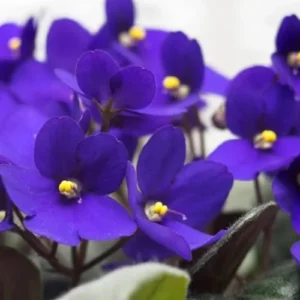
Flower Plants
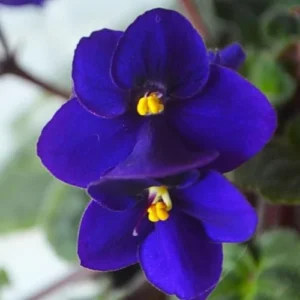
African Violet Live Plant Houseplant – Dark Blue Flower, 4 Inch Pot – Indoor Ready to Grow
Sold 79 products
Original price was: $75.98.$37.99Current price is: $37.99.
Sold 84 products
From $51.80
Sold 94 products
Original price was: $26.76.$13.38Current price is: $13.38.
Sold 66 products
Original price was: $131.60.$65.80Current price is: $65.80.
Sold 67 products
From $19.98
Sold 80 products
From $63.80
Sold 79 products
Original price was: $8.52.$4.26Current price is: $4.26.
Sold 76 products
Original price was: $114.06.$68.44Current price is: $68.44.
Sold 94 products
Original price was: $13.92.$6.96Current price is: $6.96.
Sold 60 products
Original price was: $103.98.$83.18Current price is: $83.18.
Sold 97 products
Original price was: $77.98.$38.99Current price is: $38.99.
Sold 56 products
Original price was: $227.80.$113.90Current price is: $113.90.
Sold 97 products
Original price was: $200.00.$160.00Current price is: $160.00.
HousePlants
Golden Pothos Live Plant – 4” Pot or Cuttings – Easy Care Indoor Houseplant – Low Light Air Purifier
Sold 84 products
From $13.90
Sold 99 products
Original price was: $100.00.$80.00Current price is: $80.00.
Sold 65 products
Original price was: $79.96.$39.98Current price is: $39.98.


Reviews
There are no reviews yet.