
Belle of Georgia Peach Tree Live Plant – Bareroot 2-3 ft Tall – Outdoor Fruit Tree
From $103.80
Introduce a classic to your home orchard with the belle of georgia peach tree. This bareroot peach tree, typically 2-3 feet tall, offers delicious, freestone peaches. It’s a disease resistant peach and self-pollinating peach, making it an excellent choice for growing peach trees in USDA Zones 5-8.
-
USDA Hardiness Zone
USDA Zones 5-8 -
Soil Type
Loamy, well-drained soil -
Sunlight Exposure
Full sun (6-8 hours daily) -
Expected Planting Period
Early spring

You can track your order HERE
Mar 02
Mar 07 - Mar 09
Mar 12 - Mar 16
Shipping and return policies: Our Alive & Thrive Guarantee covers issues with your plants within the first 30 days. Reach out to us. Our team will answer your questions and help you find the plants that are truly suitable for your environment, climate, and personal preferences.

Overview
Introduce a timeless classic to your home orchard with the belle of georgia peach tree. This beloved cultivar, originating in Georgia in the 1870s, is renowned for its prolific yield of delicious, sweet fruit. This offering is for a bareroot peach tree, typically measuring 2-3 feet tall upon arrival, allowing you to cultivate old-fashioned Georgia peaches right in your backyard. Classified botanically as Prunus persica, it’s a vigorous grower that will bring both beauty and bounty to your landscape. With proper care, you’ll soon experience the satisfaction of harvesting your own succulent, home-grown peaches, making it an excellent choice for anyone interested in growing peach trees.
The belle of georgia peach tree is celebrated for its attractive fruit and impressive resilience. It stands as an excellent choice for both seasoned gardeners and those new to fruit tree cultivation, promising a rewarding experience with its beautiful spring blossoms and abundant late-summer harvest. This particular self-pollinating peach variety is noted for its natural disease resistance, offering a more dependable option for a healthy and consistent yield. Investing in this tree means investing in years of fresh, flavorful, and home-grown fruit.
Key Benefits
The belle of georgia peach tree offers a multitude of benefits for the home gardener, seamlessly blending ornamental beauty with practical fruit production. Its robust nature and delicious yield make it a standout choice for any landscape, enhancing both aesthetics and culinary possibilities.
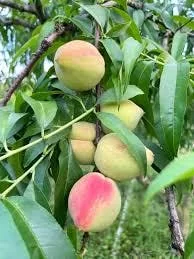
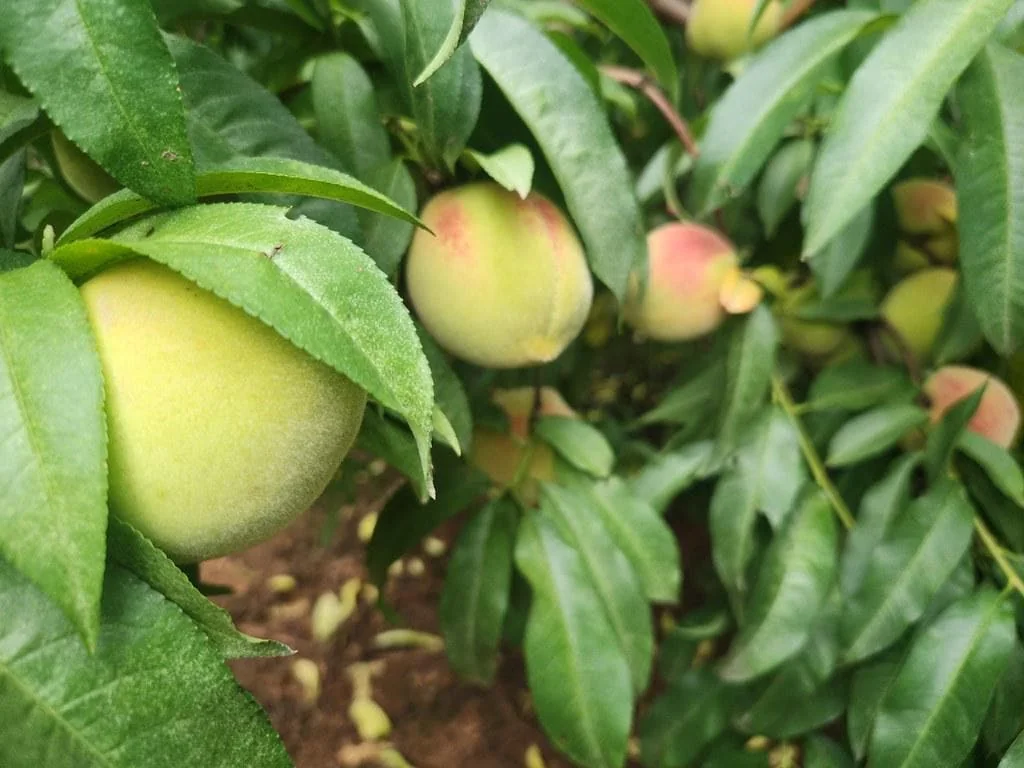
- Abundant, Delicious Fruit: Enjoy large quantities of attractive peaches with sweet, firm, white flesh. These freestone peaches are perfect for eating fresh, canning, or freezing, providing a taste of summer long after the season ends. The unique flavor profile is a hallmark of the belle of georgia peach tree.
- Disease Resistance: This cultivar is known for being a naturally disease resistant peach, specifically to bacterial leaf spot and brown rot, significantly reducing the need for extensive chemical treatments and making overall care much easier.
- Beautiful Spring Blooms: In spring, the tree bursts with stunning pinkish-red blossoms, adding significant ornamental value to your garden before the fruit even begins to form. These blooms are a delightful precursor to the summer harvest.
- Self-Pollinating: The belle of georgia peach tree is a self-pollinating peach variety, meaning you only need one tree to produce fruit. While planting another pollinator can increase yields, it’s not strictly necessary for successful fruit production.
- Versatile Culinary Uses: The firm, juicy peaches are ideal for a wide variety of culinary delights, from pies and cobblers to preserves and fresh eating. They pair wonderfully with other ingredients like almonds, raspberries, cream, and mascarpone.
- Nutritional Value: Peaches are high in fiber and vitamin C, and also contain beneficial vitamins A and beta-carotene, contributing to a healthy and balanced diet.
- Reliable Growth: This established cultivar has a long history of reliable performance, making it a trustworthy choice for a productive endeavor in growing peach trees.
Plant Care & Growing Tips
To ensure your belle of georgia peach tree thrives and produces a bountiful harvest, proper care and attention to its specific needs are crucial. These fruit trees require a sunny location and well-drained soil to flourish, laying the foundation for successful fruit production.
For optimal growth, plant your belle of georgia peach tree in a location that receives full sun, meaning at least 6-8 hours of direct sunlight per day. The soil should be loamy, well-drained, and have a pH level between 6.0 and 7.0. While the tree tolerates average moistness, it’s important to avoid waterlogged conditions, which can lead to root rot. Regular watering is essential, especially during dry spells and when the fruit is developing. Ensure the soil remains consistently moist but not saturated. Pruning is vital for fruit production; dormant season pruning helps shape the tree and encourages stronger branches. Fruit thinning after the natural ‘June drop’ will result in larger, higher-quality peaches, optimizing your yield when growing peach trees.
The belle of georgia peach tree requires approximately 800 chill hours during the winter. Chill hours refer to the total number of hours between 32°F and 45°F (0°C and 7°C) that the tree needs to go dormant and properly set fruit in the spring. This makes it suitable for USDA Hardiness Zones 5-8. Fertilize in early spring with a balanced fruit tree fertilizer, following package directions. Monitor for pests and diseases, though this particular disease resistant peach variety is less susceptible to common issues like bacterial leaf spot and brown rot. Proper air circulation achieved through pruning also helps prevent fungal problems. Understanding how to grow healthy growing peach trees includes ensuring these specific environmental and care requirements are met.
Size & Details
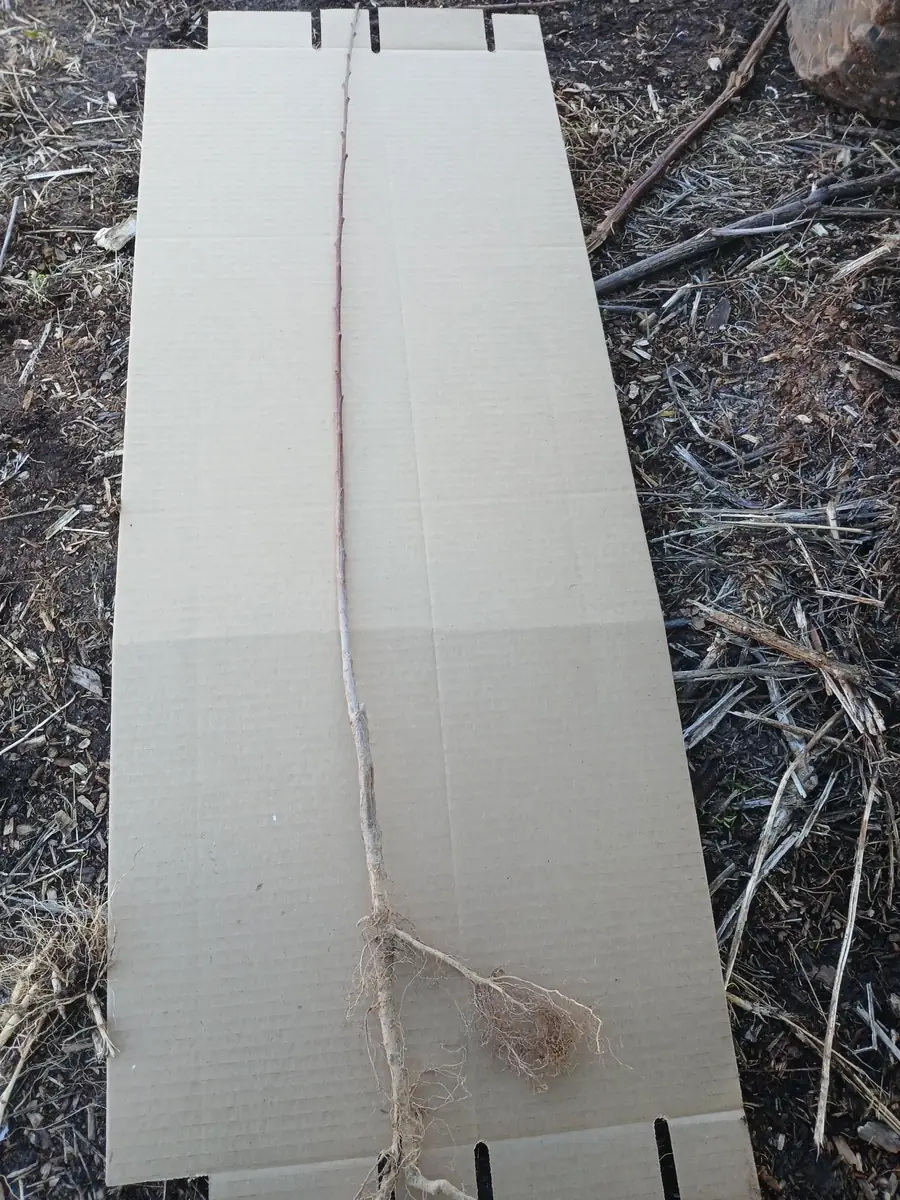
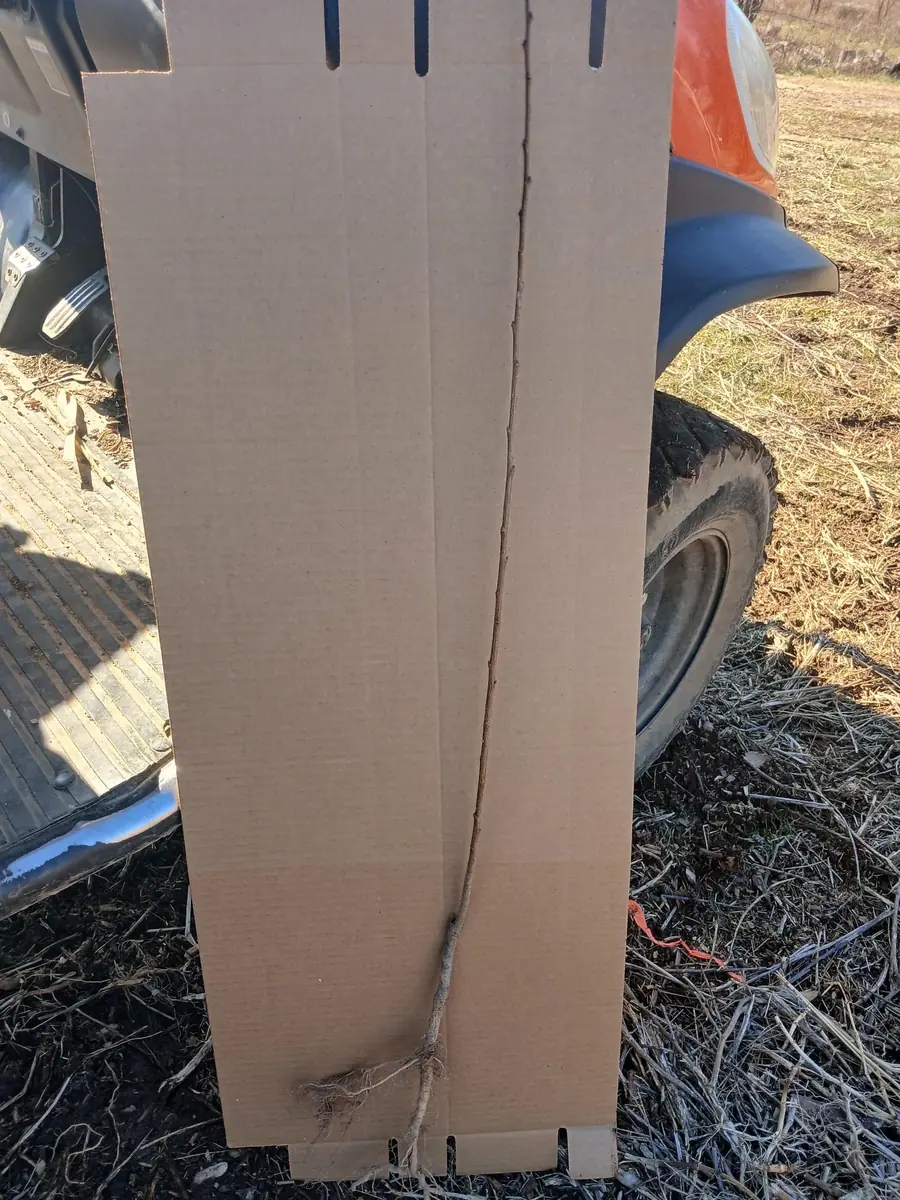
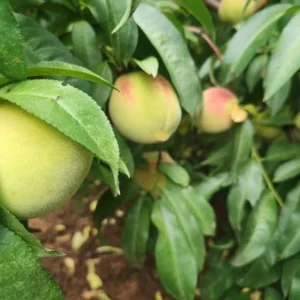
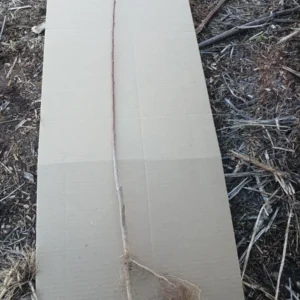
This offering is for a belle of georgia peach tree provided as a bareroot peach tree, typically measuring 2-3 feet in height upon shipment. Bareroot plants are dormant and ship without soil around their roots, making them an economical and efficient way to establish new trees. Once planted, these trees will begin to establish their root system and leaf out in the spring. Expect your tree to begin bearing fruit within 2-4 years after planting, with peaches ripening in late August. The fruit size is medium to large, boasting a lovely peachy yellow skin with red cheeks, and a firm, juicy white flesh. As a freestone peach tree, the flesh separates easily from the pit, making preparation a breeze.
The tree exhibits a mid-to-late bloom time with beautiful pink flowers. It is a vigorous grower, eventually reaching a mature size that requires adequate space in your garden. The specific mature height and spread will depend on growing conditions and pruning practices, but generally, peach trees can reach 15-20 feet tall and wide. Its self-pollinating peach nature ensures fruit production, but for an even larger harvest, consider planting another peach variety nearby. This tree is an excellent long-term investment for fresh fruit.
Frequently Asked Questions
- Q: How tall will the Belle of Georgia Peach Tree be upon arrival? A: The belle of georgia peach tree is shipped as a bareroot live plant and typically measures 2-3 feet tall. This size is ideal for establishing a strong root system in its new location.
- Q: Is this an indoor or outdoor plant? A: The belle of georgia peach tree is an outdoor fruit tree. It requires full sun and specific chill hours to produce fruit, making it unsuitable for indoor cultivation.
- Q: How much sunlight does this peach tree need? A: This tree thrives in full sun, requiring at least 6-8 hours of direct sunlight per day for optimal growth and fruit production. Proper sun exposure is key for successfully growing peach trees.
- Q: Is the Belle of Georgia Peach Tree easy to care for? A: With proper planting and consistent care, including adequate watering, pruning, and thinning, the belle of georgia peach tree is relatively easy to care for, especially given its disease resistant peach qualities. It’s a good choice for gardeners looking for a reliable fruit tree.
- Q: What condition will the bareroot plant arrive in? A: Your bareroot peach tree will arrive dormant, without leaves, and with its roots carefully packaged without soil. This is normal for bareroot plants and ensures they transplant well.
- Q: How long until this peach tree bears fruit? A: You can typically expect your belle of georgia peach tree to start bearing fruit within 2-4 years after planting, with the first harvest ripening in late August.
- Q: What USDA zones are suitable for this peach tree? A: The belle of georgia peach tree is suitable for USDA Hardiness Zones 5-8, as it requires approximately 800 chill hours during the winter months.
- Q: What does ‘freestone’ mean for a peach? A: ‘Freestone’ means that the flesh of the peach easily separates from the pit, making it very convenient for eating fresh, canning, and other culinary preparations. This is a highly desirable trait for any peach tree.
- Q: Do I need more than one tree for pollination? A: The belle of georgia peach tree is a self-pollinating peach, so a single tree can produce fruit. However, planting another compatible peach variety nearby can often increase overall fruit yield.
- Q: Is this peach tree resistant to common diseases? A: Yes, this variety is known for its resistance to common peach diseases such as bacterial leaf spot and brown rot, contributing to a healthier and more productive tree.
| Amount | 1, 2, 3 |
|---|
Be the first to review “Belle of Georgia Peach Tree Live Plant – Bareroot 2-3 ft Tall – Outdoor Fruit Tree”
People Also Viewed
Sold 60 products
Original price was: $140.00.$112.00Current price is: $112.00.
Sold 52 products
Original price was: $41.98.$20.99Current price is: $20.99.
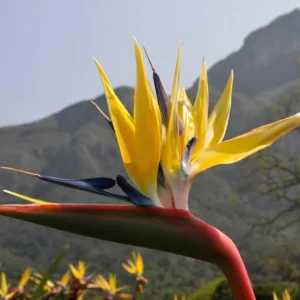
Flower Plants
Yellow Bird of Paradise Live Plant – 5-10 Inch Tropical Outdoor Plant Strelitzia Reginae
Sold 80 products
Original price was: $69.98.$34.99Current price is: $34.99.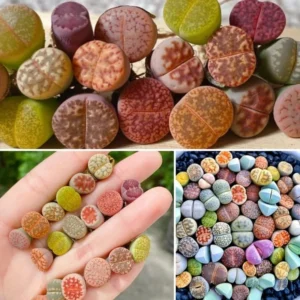
HousePlants
Lithops Live Plants Mix – 10 Large Colorful Living Stones Succulents for Indoor/Outdoor Growing
Sold 58 products
Original price was: $27.98.$13.99Current price is: $13.99.
Sold 72 products
Original price was: $19.98.$15.98Current price is: $15.98.
Sold 87 products
Original price was: $23.98.$16.78Current price is: $16.78.
Sold 86 products
$35.18
Sold 66 products
Original price was: $49.98.$34.98Current price is: $34.98.
Sold 91 products
From $51.80
Sold 79 products
Original price was: $183.16.$91.58Current price is: $91.58.
Sold 90 products
Original price was: $28.76.$14.38Current price is: $14.38.
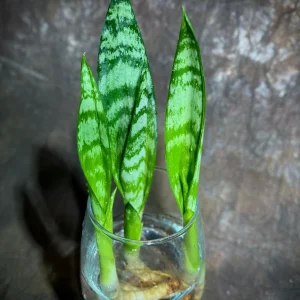
HousePlants
Sansevieria Zeylanica Baby Plant – 2″ Green Snake Plant Starter – Indoor Low Light Houseplant
Sold 98 products
Original price was: $31.76.$15.88Current price is: $15.88.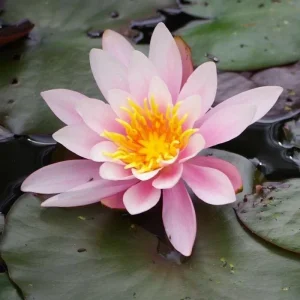
Aquatic Plant Seeds
Pink Lotus Water Lily Aquatic Plant Seeds – Easy Grow for Ponds & Aquariums
Sold 82 products
Original price was: $22.76.$11.38Current price is: $11.38.
Sold 94 products
$43.98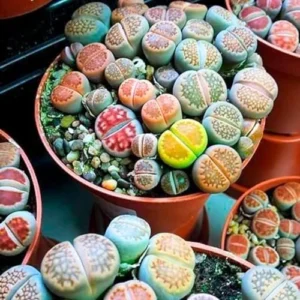
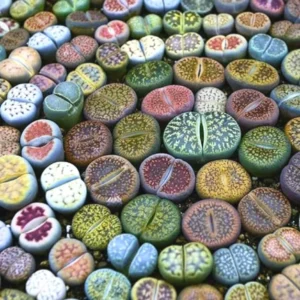
HousePlants
Lithops Live Plants Mix – 30 Colorful Succulents – Living Stones for Indoor/Outdoor Planting
Sold 92 products
Original price was: $65.98.$32.99Current price is: $32.99.
Sold 84 products
Original price was: $107.98.$53.99Current price is: $53.99.
Sold 90 products
$329.98
Sold 60 products
Original price was: $79.98.$39.99Current price is: $39.99.



Reviews
There are no reviews yet.