
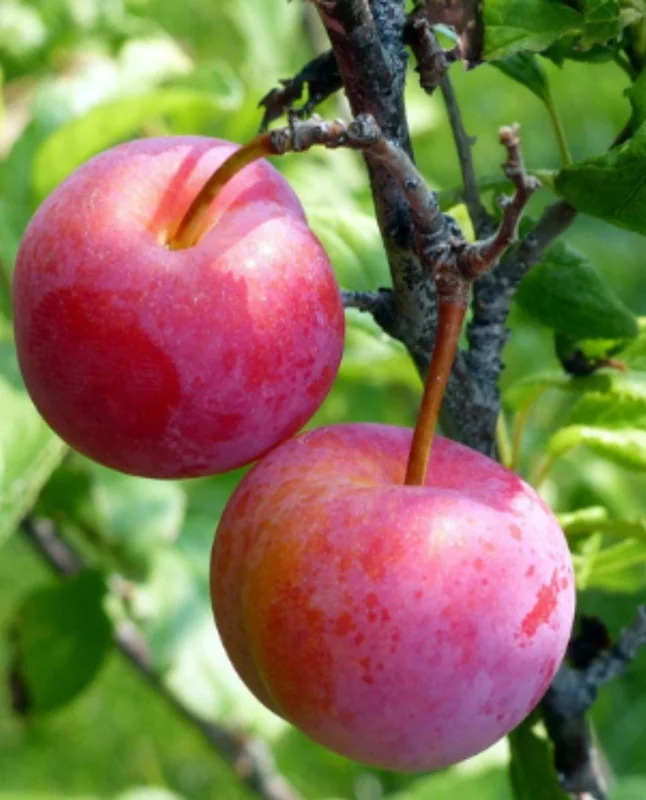
Beauty Plum Live Plant – 3-4 Feet Tall – 3 Gallon Pot – Fruit Tree
Original price was: $283.96.$141.98Current price is: $141.98.
Cultivate your own orchard with this vibrant beauty plum live plant, standing at an impressive 3-4 feet tall and shipped in a 3-gallon pot. Known for its delicious fruit, this tree is an excellent addition to any home garden, promising bountiful harvests and ornamental beauty.
-
USDA Hardiness Zone
USDA Zones 5-9 -
Soil Type
Well-draining loamy soil -
Sunlight Exposure
Full sun (6-8+ hours daily) -
Expected Planting Period
Early spring or fall

You can track your order HERE
Mar 04
Mar 09 - Mar 11
Mar 14 - Mar 18
Shipping and return policies: Our Alive & Thrive Guarantee covers issues with your plants within the first 30 days. Reach out to us. Our team will answer your questions and help you find the plants that are truly suitable for your environment, climate, and personal preferences.

Overview
Introduce a taste of homegrown sweetness to your garden with the magnificent beauty plum live plant. This robust and healthy fruit tree arrives expertly cultivated, typically standing between 3-4 feet tall and potted in a convenient 3-gallon nursery container, ready for planting. The Beauty Plum (Prunus salicina ‘Beauty’) is a highly sought-after Japanese plum variety, celebrated for its medium to large-sized fruit with attractive red-purple skin and sweet, juicy, amber-colored flesh. Ideal for fresh eating, canning, or making preserves, this tree not only provides delicious yields but also adds significant aesthetic value to your landscape with its lovely spring blossoms. Whether you’re an experienced gardener or just starting your fruit-growing journey, growing beauty plum tree is a rewarding endeavor that brings both beauty and bounty to your outdoor space.
Key Benefits
Adding a beauty plum live plant to your garden offers numerous advantages, from its delectable fruit to its ornamental appeal. This tree is a fantastic investment for any fruit enthusiast.
- Abundant, Delicious Fruit: Enjoy a generous harvest of sweet, juicy plums perfect for eating fresh, baking, or preserving. The ‘Beauty’ plum is renowned for its exceptional flavor and versatility.
- Ornamental Value: Beyond its fruit, the tree provides beautiful white to pink blossoms in spring, adding a stunning visual display to your garden before the foliage fully emerges.
- Good Pollinator: While ‘Beauty’ is partially self-fertile, it performs best and yields more fruit when cross-pollinated with another Japanese plum variety, aiding in the pollination of other trees in your orchard.
- Adaptable Growth: This variety is known for its vigorous growth and adaptability to various soil types, making it a reliable choice for many gardeners.
- Home Orchard Essential: An excellent choice for establishing or expanding a home orchard, providing fresh, organic fruit right from your backyard. Enjoy the satisfaction of growing beauty plum tree and harvesting your own produce.
- Healthy Living: Plums are packed with vitamins, minerals, and antioxidants, contributing to a healthy diet and lifestyle.
- Long-Term Investment: A well-cared-for plum tree can provide delicious fruit for many years, becoming a cherished part of your landscape.
Plant Care & Growing Tips
To ensure your beauty plum live plant thrives and produces abundant fruit, proper care is essential. This fruit tree generally prefers a sunny location and well-draining soil. Plant your plum tree in an area that receives at least 6-8 hours of direct sunlight daily to encourage robust growth and fruit production. For optimal growth, ensure the soil is a well-draining loamy type with a pH between 6.0 and 7.0. If your soil is heavy clay, amend it with organic matter like compost to improve drainage.
Watering is crucial, especially during the first few years after planting and during dry spells. Water deeply and regularly, ensuring the soil remains consistently moist but not waterlogged. Reduce watering frequency once the tree is established, but continue to provide supplementary water during prolonged dry periods. Fertilize your plum tree annually in early spring before new growth begins, using a balanced fruit tree fertilizer. Follow the product instructions for application rates. Pruning should be done in late winter or early spring while the tree is dormant to shape the tree, remove dead or diseased branches, and encourage better air circulation and fruit development. Pay attention to common pests and diseases that affect prunus salicina and address them promptly with appropriate organic or chemical controls.
This variety typically thrives in USDA zones 5-9, requiring a certain number of chill hours to set fruit effectively. Protect young trees from harsh winter winds in colder climates. Consistent care will lead to a healthy, productive edible fruit tree for years to come.
Size & Details
This beauty plum live plant is carefully cultivated to reach a height of approximately 3-4 feet upon arrival, providing a substantial head start for your garden. It is shipped securely in a 3-gallon nursery pot, ensuring its root system is well-established and ready for transplanting into your garden. The ‘Beauty’ plum tree is known for its moderate to fast growth rate, typically maturing to a height of 15-20 feet with a similar spread, though it can be kept smaller with proper pruning. Expect fruit production to begin within 2-5 years after planting, with peak yields occurring as the tree matures. This variety is an excellent choice for a productive edible fruit tree that delivers delicious fruit season after season.
Frequently Asked Questions
- Q: How big does this plum tree get? A: This beauty plum live plant typically arrives 3-4 feet tall in a 3-gallon pot. When mature, it can reach heights of 15-20 feet with a similar spread, though its size can be managed with regular pruning.
- Q: Is this an indoor or outdoor plant? A: The Beauty Plum is an outdoor fruit tree. It requires specific chill hours and ample sunlight to produce fruit, making it unsuitable for indoor cultivation.
- Q: How much sunlight does it need? A: For optimal growth and fruit production, your prunus salicina needs at least 6-8 hours of direct full sun exposure daily.
- Q: Is this plant easy to care for? A: While not entirely hands-off, the Beauty Plum is considered moderately easy to care for. Consistent watering, annual fertilization, and proper pruning are key to its success. It’s a great choice for those interested in growing beauty plum tree.
- Q: What condition will it arrive in? A: Your beauty plum live plant will arrive as a healthy, actively growing tree, securely packaged in its 3-gallon nursery pot with its root ball intact, ready for planting.
- Q: How long until it blooms and produces fruit? A: This plum tree typically begins to bloom in early spring, and you can expect to see fruit production within 2-5 years after planting, with yields increasing as the tree matures.
- Q: Will it survive winter in my zone? A: The Beauty Plum tree is generally hardy in USDA Zones 5-9. It requires a specific number of chill hours to set fruit, so ensure your climate meets these requirements.
- Q: Can I plant this plum tree in a container? A: While possible for a young tree, for long-term health and optimal fruit production, it’s best to plant the beauty plum live plant directly in the ground, as it needs ample space for its root system to develop.
- Q: Does this plum tree need a pollinator? A: The ‘Beauty’ plum is partially self-fertile, meaning it can produce some fruit on its own. However, for the best and most abundant harvest, it is highly recommended to plant another Japanese plum variety nearby for cross-pollination.
- Q: What kind of soil is best for a plum tree? A: This edible fruit tree thrives in well-draining, fertile soil with a slightly acidic to neutral pH (6.0-7.0). Amend heavy clay soils with organic matter to improve drainage.
Be the first to review “Beauty Plum Live Plant – 3-4 Feet Tall – 3 Gallon Pot – Fruit Tree”
People Also Viewed
Sold 73 products
$59.38
Sold 71 products
Original price was: $147.16.$73.58Current price is: $73.58.
Sold 64 products
Original price was: $10.36.$5.18Current price is: $5.18.
Sold 63 products
Original price was: $64.00.$51.20Current price is: $51.20.
Sold 56 products
Original price was: $95.96.$47.98Current price is: $47.98.
Sold 52 products
Original price was: $199.80.$99.90Current price is: $99.90.
Sold 82 products
Original price was: $24.35.$7.74Current price is: $7.74.
Sold 50 products
Original price was: $47.96.$23.98Current price is: $23.98.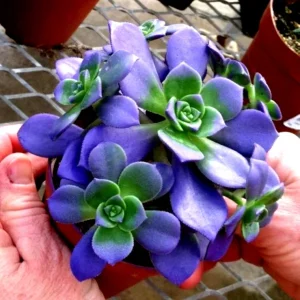
Seeds
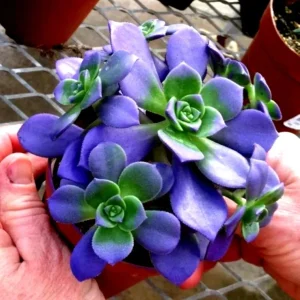
Lithops Living Stone Succulent Seeds – Rare Flower Cactus Plant Seeds – Easy to Grow Indoor/Outdoor
Sold 96 products
Original price was: $18.76.$9.38Current price is: $9.38.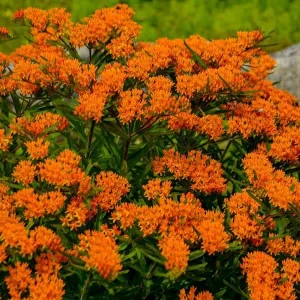
Flower Plants
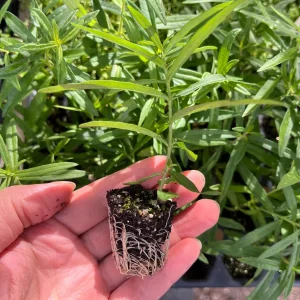
Butterflyweed Live Plant (Asclepias tuberosa) Orange Starter for Pollinator Gardens, 1.15-inch Pot
Sold 99 products
From $13.98
Sold 90 products
Original price was: $14.76.$7.38Current price is: $7.38.
Trees
Sweetbay Magnolia Tree Live Plant – 2-3ft Tall, 1 Gallon Pot – Fragrant White Flowers, Outdoor
Sold 88 products
Original price was: $85.98.$42.99Current price is: $42.99.
Sold 87 products
Original price was: $31.96.$15.98Current price is: $15.98.
Sold 92 products
Original price was: $54.36.$27.18Current price is: $27.18.
Sold 54 products
Original price was: $91.98.$45.99Current price is: $45.99.
Sold 62 products
Original price was: $40.00.$32.00Current price is: $32.00.
Sold 72 products
From $15.98
Sold 78 products
Original price was: $18.76.$9.38Current price is: $9.38.



Reviews
There are no reviews yet.