
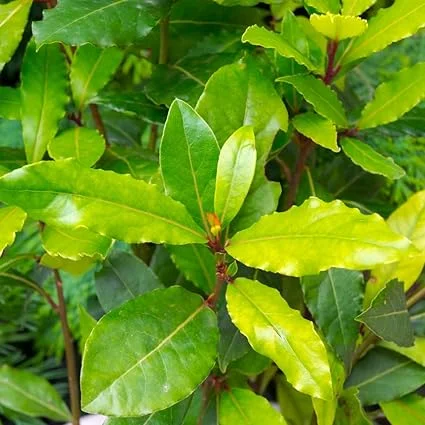
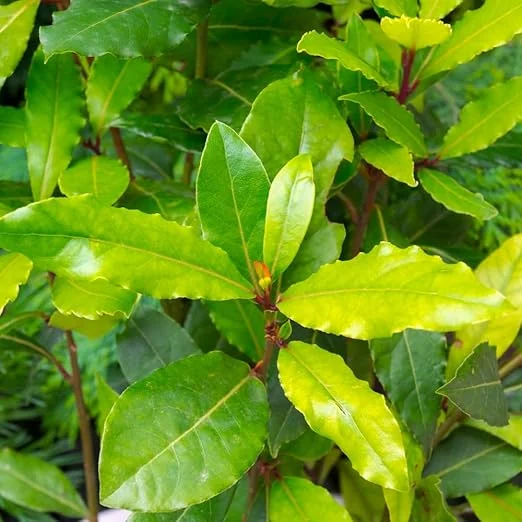
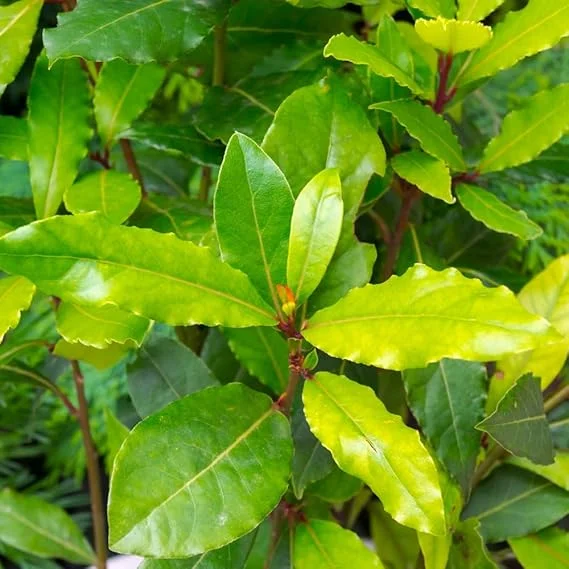
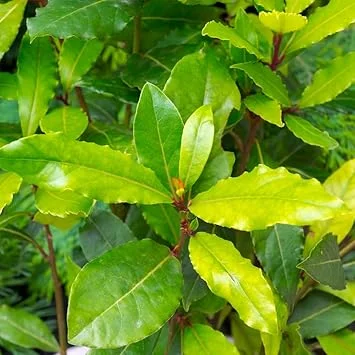
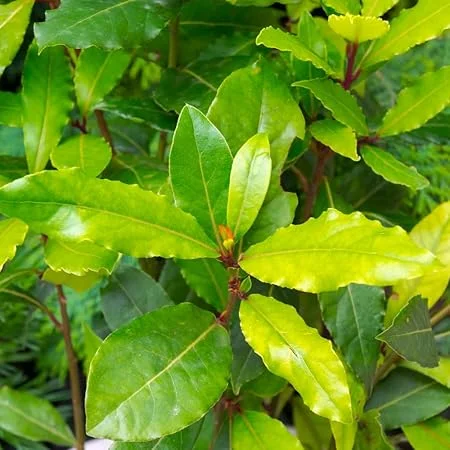
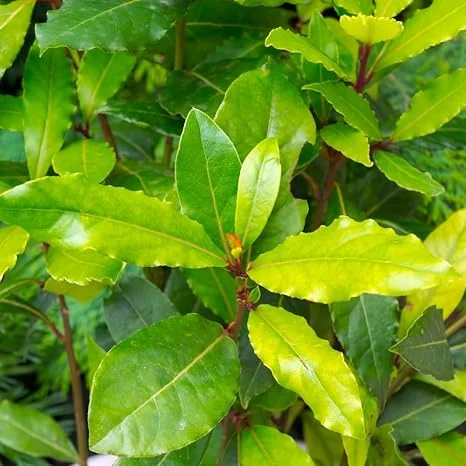
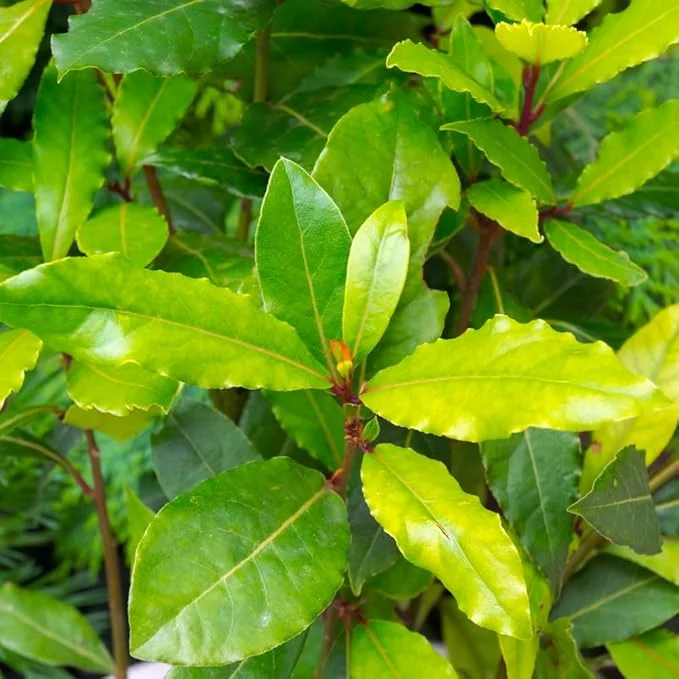
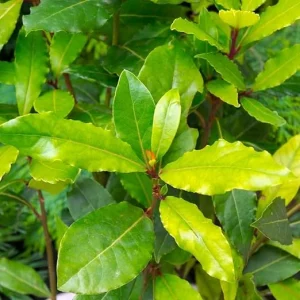
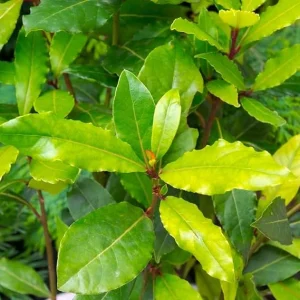
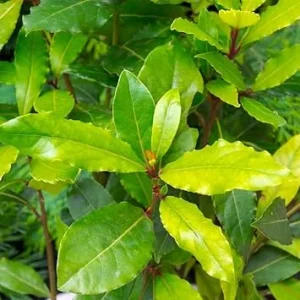
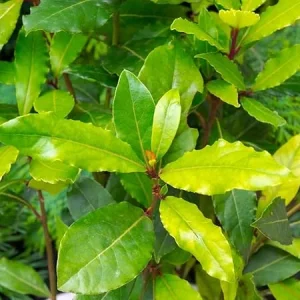
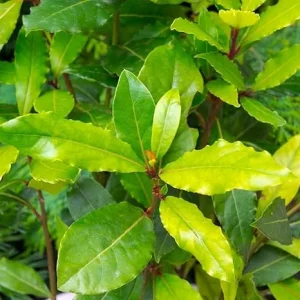
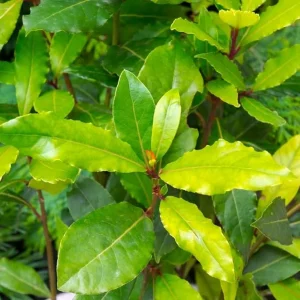
Bay Leaf Laurel Tree Live Plant, Sweet Bay Laurus Nobilis, 7-9 Inches Tall, Indoor/Outdoor
$59.38
Bring the flavor of fresh bay leaves to your home with this beautiful bay leaf laurel tree live plant. This sweet bay laurus nobilis is 7-9 inches tall, perfect for indoor or outdoor growing, and offers year-round aromatic foliage for culinary use.
-
USDA Hardiness Zone
7-11 -
Soil Type
Well-drained soil -
Sunlight Exposure
Full Sun -
Expected Planting Period
Year-round indoors, Spring to Fall outdoors

You can track your order HERE
Apr 01
Apr 06 - Apr 08
Apr 11 - Apr 15
Shipping and return policies: Our Alive & Thrive Guarantee covers issues with your plants within the first 30 days. Reach out to us. Our team will answer your questions and help you find the plants that are truly suitable for your environment, climate, and personal preferences.

Overview
Introduce a touch of Mediterranean elegance and culinary delight to your home with the bay leaf laurel tree live plant. This exquisite sweet bay laurus nobilis, standing between 7 to 9 inches tall, is a versatile and aromatic evergreen known for its glossy, dark green leaves. Revered for centuries, the bay laurel is not only a beautiful ornamental plant but also a staple in kitchens worldwide, providing fresh bay leaves for soups, stews, sauces, and more. Whether you’re an experienced gardener or just starting, this live plant offers the joy of growing your own fresh herbs and adds a sophisticated green accent to any space, indoors or out.
The bay laurel, scientifically known as Laurus nobilis, is a slow-growing tree or shrub native to the Mediterranean region. It’s cherished for its fragrant leaves, which release a distinct, savory aroma when bruised or cooked. This particular specimen is a young, healthy plant, ready to thrive in your care. Its compact size makes it ideal for containers, allowing you to easily bring it indoors during colder months or enjoy it as a patio plant in warmer climates. Beyond its culinary appeal, the bay laurel is also celebrated for its historical significance and symbolic value, representing victory and honor.
Key Benefits
Owning a bay leaf laurel tree live plant offers a multitude of advantages, enhancing both your garden and kitchen:
- Fresh Culinary Herbs: Enjoy an endless supply of fresh bay leaves for your cooking. Unlike dried leaves, fresh bay leaves impart a more subtle and complex flavor to dishes, elevating your culinary creations. This makes the sweet bay laurus nobilis an invaluable addition to any home chef’s garden.
- Ornamental Beauty: With its attractive, leathery green foliage and classic form, the bay laurel serves as a beautiful decorative plant. It can be pruned into various shapes, including topiaries, adding a touch of formal elegance to patios, balconies, or indoor spaces.
- Low Maintenance: This hardy plant is relatively easy to care for, requiring moderate watering and well-drained soil. It’s a forgiving plant that can tolerate a range of conditions, making it suitable for gardeners of all skill levels.
- Air Purification: Like many living plants, the bay laurel contributes to a healthier indoor environment by improving air quality and releasing a pleasant, natural fragrance.
- Versatile Growth: Suitable for both indoor and outdoor cultivation, depending on your climate. In USDA zones 7-11, it can thrive outdoors year-round, while in colder regions, it makes an excellent container plant that can be overwintered indoors.
- Long-Lived Plant: With proper care, a culinary bay leaf plant can live for many years, growing into a substantial shrub or small tree, providing a lasting source of fresh herbs and beauty.
Plant Care & Growing Tips
Caring for your bay leaf laurel tree live plant is straightforward, ensuring a healthy and productive specimen for years to come. This plant thrives in conditions that mimic its Mediterranean origins. For optimal growth, it requires ample sunlight. Place your bay laurel in a location where it receives at least 6 hours of full sun daily. If growing indoors, a south-facing window is ideal, or supplement with grow lights to ensure it gets enough light. While it tolerates some shade, consistent full sun promotes denser foliage and better flavor in its leaves.
Watering should be moderate and consistent. Allow the top inch or two of soil to dry out completely between waterings, then water thoroughly until it drains from the bottom of the pot. Avoid overwatering, as the bay laurel is susceptible to root rot in waterlogged conditions. The ideal soil type is a well-draining potting mix. A mix designed for citrus or herbs with good aeration and drainage is perfect. You can also amend regular potting soil with perlite or sand to improve drainage. For those interested in bay laurel plant care, consistent moisture without saturation is key.
The bay laurel is hardy in USDA zones 7-11, meaning it can withstand winter temperatures down to about 0°F to 10°F. In colder zones, it must be brought indoors before the first frost. When indoors, reduce watering slightly but ensure it still receives adequate light. Fertilize your growing bay tree indoors or out with a balanced liquid fertilizer every 2-4 weeks during the growing season (spring through fall). Reduce or stop fertilization during winter dormancy. Pruning can be done in late spring or early summer to maintain desired size and shape, and to encourage bushier growth. Watch out for common pests like scale insects and mealybugs, and treat with insecticidal soap if necessary.
Size & Details
This offering is for one healthy bay leaf laurel tree live plant, measuring approximately 7 to 9 inches in height from the base of the soil to the tip of its tallest leaf. The plant is shipped in a nursery pot, typically around 4 inches in diameter, providing a stable environment for its journey to your home. While currently a young plant, the sweet bay laurus nobilis has the potential to grow significantly. When mature, it can reach heights of 6 to 10 feet as a container plant, or even up to 50 feet if planted directly in the ground in suitable climates. Growth rate is moderate, allowing you to enjoy its development over time. It will develop into a robust, fragrant specimen that can be harvested for culinary use throughout the year. The mature height provides ample opportunity for a continuous supply of fresh bay leaves.
Frequently Asked Questions
- Q: How big does this plant get? A: This bay leaf laurel tree live plant arrives 7 to 9 inches tall. With proper care, it can grow 6-10 feet in a container or up to 50 feet if planted in the ground in appropriate climates.
- Q: Is this an indoor or outdoor plant? A: The sweet bay laurus nobilis is versatile. It can be grown outdoors year-round in USDA zones 7-11. In colder zones, it thrives as an indoor plant or can be moved indoors during winter months.
- Q: How much sunlight does it need? A: This plant requires at least 6 hours of full sun per day for best growth and flavor. If growing indoors, place it in your brightest window, preferably south-facing.
- Q: Is this plant easy to care for? A: Yes, the bay laurel is considered low-maintenance. It needs well-draining soil, moderate watering, and plenty of sun. It’s a great choice for both beginners and experienced gardeners.
- Q: Can I use bay leaf from this plant in cooking? A: Absolutely! This is a true culinary bay leaf plant (Laurus nobilis), and its leaves are perfect for adding flavor to your favorite dishes like soups, stews, and sauces.
- Q: What condition will it arrive in? A: Your bay leaf plant will arrive as a healthy, live specimen, typically in a nursery pot, ready for you to transplant or place in a decorative container. We ensure careful packaging for safe transit.
- Q: When is the best time to plant? A: You can plant your bay laurel in a container any time of year for indoor growing. If planting outdoors in suitable zones, spring or early fall are ideal to allow it to establish before extreme temperatures.
- Q: What’s the best soil for bay laurel plant care? A: Use a well-draining potting mix. Amending with perlite or sand can further improve drainage, which is crucial to prevent root rot.
- Q: Will it survive winter in my zone? A: If you are in USDA zones 7-11, it can typically survive outdoors. In colder zones, you must bring the plant indoors before temperatures drop below freezing to protect it.
- Q: How often should I fertilize my growing bay tree indoors? A: Fertilize every 2-4 weeks during the active growing season (spring through fall) with a balanced liquid fertilizer. Reduce or stop fertilizing in winter.
Be the first to review “Bay Leaf Laurel Tree Live Plant, Sweet Bay Laurus Nobilis, 7-9 Inches Tall, Indoor/Outdoor”
People Also Viewed
Sold 77 products
Original price was: $41.56.$20.78Current price is: $20.78.

Sold 95 products
Original price was: $54.36.$27.18Current price is: $27.18.
HousePlants
Set of 2 Black Velvet Alocasia Live Plants – Alocasia Reginula – 4-6″ Tall Compact Indoor Houseplant
Sold 88 products
Original price was: $60.18.$30.09Current price is: $30.09.
Sold 51 products
Original price was: $65.98.$32.99Current price is: $32.99.
Sold 51 products
Original price was: $30.76.$15.38Current price is: $15.38.
Sold 94 products
Original price was: $16.00.$12.80Current price is: $12.80.
Sold 52 products
Original price was: $95.96.$47.98Current price is: $47.98.
Sold 67 products
From $75.80
Sold 84 products
Original price was: $73.98.$36.99Current price is: $36.99.
Sold 55 products
From $79.80
Flower Plants
Sold 56 products
Original price was: $29.90.$14.95Current price is: $14.95.
Sold 59 products
Original price was: $147.16.$73.58Current price is: $73.58.
Sold 99 products
From $71.96
Sold 54 products
Original price was: $79.80.$39.90Current price is: $39.90.
Sold 82 products
Original price was: $63.98.$31.99Current price is: $31.99.
Sold 92 products
Original price was: $63.96.$31.98Current price is: $31.98.
Sold 94 products
Original price was: $25.00.$20.00Current price is: $20.00.

Sold 57 products
Original price was: $66.00.$52.80Current price is: $52.80.



Reviews
There are no reviews yet.