
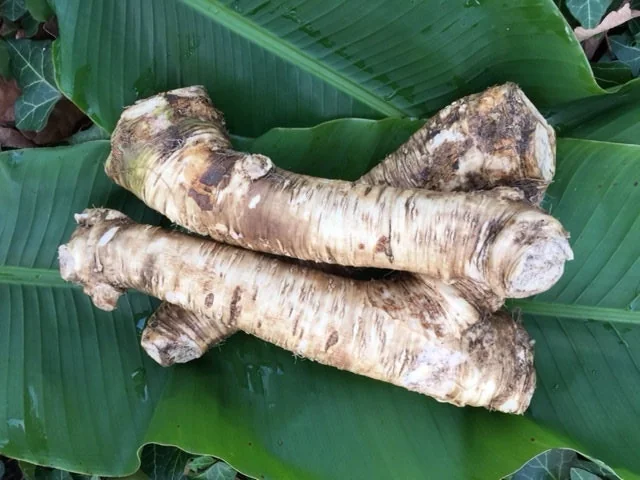
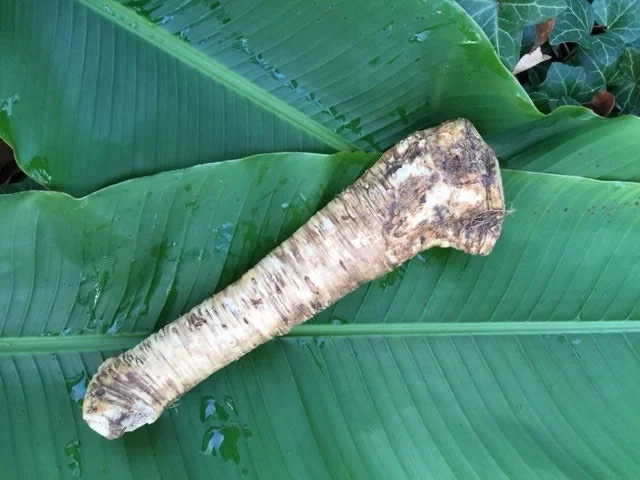
Bare Root Horseradish Plant – Easy to Grow Perennial Herb for Culinary & Health Benefits, USDA Zones 3-8
From $59.80
Bring the zesty flavor of fresh horseradish to your kitchen with this easy-to-grow horseradish bare root. This vigorous perennial is perfect for gardeners of all levels, offering both culinary delight and potential horseradish benefits. It’s a low-maintenance, cold-hardy plant that provides years of delicious harvests.
-
USDA Hardiness Zone
USDA Zones 3-8 -
Soil Type
Rich, well-drained loam -
Sunlight Exposure
Full sun -
Expected Planting Period
Early spring or early fall

You can track your order HERE
Apr 12
Apr 17 - Apr 19
Apr 22 - Apr 26
Shipping and return policies: Our Alive & Thrive Guarantee covers issues with your plants within the first 30 days. Reach out to us. Our team will answer your questions and help you find the plants that are truly suitable for your environment, climate, and personal preferences.

Overview
Bring the pungent, zesty flavor of fresh horseradish to your kitchen with this easy-to-grow horseradish bare root. This offering provides a healthy bare root, ready for planting, ensuring a successful start to your horseradish patch. Horseradish (Armoracia rusticana) is a vigorous perennial herb known for its spicy roots, which are a staple in many cuisines worldwide. Whether you’re a seasoned gardener or just beginning, learning how to grow horseradish is incredibly rewarding. Once established, this resilient plant will provide years of delicious harvests, becoming a cherished part of your garden. It’s an ideal choice for those looking to cultivate their own potent roots with minimal fuss and maximum yield. The horseradish root is not only celebrated for its distinctive flavor but also for its historical use in traditional remedies.
This particular variety is cold-hardy, self-pollinating, and thrives in a range of environments, making it a reliable addition to almost any garden. You’ll appreciate the ease of cultivation and the abundance of fresh, potent roots it produces. Get ready to elevate your meals with homegrown horseradish that far surpasses anything you can find in stores. Experience the satisfaction of harvesting your own spice directly from your garden, enhancing a variety of dishes with its unique kick.
Key Benefits
Growing your own horseradish bare root offers a multitude of advantages, from culinary delights to gardening satisfaction. This powerful root is a versatile ingredient and a robust garden performer, providing both flavor and potential wellness support.
- Unbeatable Flavor: Enjoy the intensely pungent, fresh flavor of homegrown horseradish, far superior to store-bought varieties. It adds a spicy kick to sauces, roasts, and sandwiches, transforming everyday meals into culinary experiences.
- Perennial Productivity: As a perennial horseradish, this plant returns year after year, providing continuous harvests and growing stronger with each season. You can plan on bigger and better crops annually without needing to replant.
- Easy to Grow: Horseradish is remarkably resilient and low-maintenance, making it an excellent choice for gardeners of all skill levels. Simply plant and watch it thrive, requiring minimal attention once established.
- Health Benefits: Historically recognized for its potential health benefits, horseradish is rich in compounds that support overall wellness. Explore the many ways to enjoy the traditional horseradish benefits for respiratory health and immunity.
- Versatile Culinary Use: Perfect for making fresh horseradish sauce, adding zest to cocktails, or enhancing savory dishes. The possibilities are endless for this flavorful root, from seafood to Bloody Marys.
- Cold-Hardy: This plant is incredibly cold-hardy, thriving in USDA Zones 3-8, ensuring it can withstand harsh winter conditions and rebound vigorously in spring.
- Self-Pollinating: The plant is self-pollinating, meaning you don’t need multiple plants for it to produce, simplifying cultivation and ensuring a reliable harvest.
Plant Care & Growing Tips
To successfully grow horseradish, understanding its basic needs will ensure a bountiful harvest. This hardy plant is quite forgiving but performs best with proper care, leading to robust root development and flavorful produce.
Sunlight Requirements: Horseradish thrives in full sun, meaning it needs at least 6-8 hours of direct sunlight per day. While it can tolerate partial shade, full sun exposure promotes stronger root development and more vigorous growth. Ensure your planting location receives ample light throughout the growing season for optimal performance.
Watering & Soil: This plant prefers consistently moist, but not waterlogged, soil. Water regularly, especially during dry spells, to keep the soil evenly damp. The ideal soil type is a rich, well-drained loam. While tolerant of various soil conditions, good drainage is crucial to prevent root rot. If your soil is heavy clay, consider amending it with organic matter to improve drainage. For optimal growth and to prevent it from becoming invasive, many gardeners recommend planting horseradish root for planting in a large container buried in the soil with the bottom cut out. This method helps contain its spreading tendencies while still allowing the roots to grow deep.
Temperature & Hardiness: The horseradish bare root is exceptionally cold-hardy, flourishing in USDA Zones 3-8. It can withstand freezing temperatures and is a reliable perennial in these regions. It prefers cooler temperatures for root development and can be harvested from early spring until late fall. Fertilization is generally not heavily required if planted in rich soil, but a balanced organic fertilizer can be applied in spring to boost growth.
Size & Details
This offering is for a healthy horseradish bare root, ready for direct planting. The root size may vary; you may receive one large root or several smaller ones, depending on the harvest season, but all are viable for planting. You can cut the root into several large chunks for planting purposes, allowing you to establish multiple plants from a single purchase. These roots are known for their vigorous growth and quick multiplication once established in the garden. They are not chosen for their aesthetic appeal but for their robust ability to grow and produce. Expect the roots to develop significantly over the growing season, reaching a substantial size for harvesting. This perennial horseradish will continue to expand its root system year after year, providing an ever-increasing supply of fresh horseradish.
Frequently Asked Questions
- Q: How big does this horseradish plant get? A: Horseradish plants typically grow 2-3 feet tall with a spread of 1-2 feet. The roots can grow quite long and thick underground, often reaching 12 inches or more in length, especially in loose, well-drained soil.
- Q: Is this an indoor or outdoor plant? A: Horseradish is primarily an outdoor plant, best suited for garden beds or large outdoor containers. While it could theoretically be grown indoors in a very large pot, it thrives and produces best when given ample space and sunlight outdoors.
- Q: How much sunlight does it need? A: This plant requires full sun, meaning at least 6-8 hours of direct sunlight daily for optimal growth and root development. Partial shade can be tolerated but may result in smaller yields when you grow horseradish.
- Q: Is this plant easy to care for? A: Yes, horseradish is considered very easy to grow and is quite low-maintenance. It’s a hardy perennial that, once established, requires minimal attention beyond occasional watering and harvesting. It’s an excellent choice for beginners to plant a horseradish bare root.
- Q: What condition will the horseradish root for planting arrive in? A: You will receive a bare root, meaning it will not have soil or foliage. It will be dormant and ready for planting. Roots are inspected to ensure health and viability upon shipping. This ensures your horseradish bare root is ready for success.
- Q: When is the best time to plant horseradish? A: The optimal time to plant horseradish root for planting is in early spring, after the danger of hard frost has passed, or in early fall. This allows the plant to establish its root system before extreme temperatures.
- Q: Will it survive winter in my zone? A: Yes, this perennial horseradish is very cold-hardy and thrives in USDA Zones 3-8. It will die back to the ground in winter but reliably regrow from its roots in spring.
- Q: Can I cut the root into smaller pieces for planting? A: Absolutely! You can cut the root into several large chunks, each with at least one bud, for planting purposes. This is a common practice to propagate more plants from your horseradish root for planting.
- Q: What are some horseradish benefits? A: Beyond its culinary use, horseradish has been traditionally valued for its potential to support respiratory health, boost immunity, and aid digestion. It’s a good source of vitamins and minerals, offering notable horseradish benefits.
- Q: Will horseradish become invasive in my garden? A: Horseradish can be quite vigorous and spread if not contained. Many people recommend planting it in a large container buried in the soil with the bottom cut out to manage its growth and prevent invasiveness. This is a key tip when you grow horseradish.
| Weight | 1 Lbs, 10 Lbs, 2 Lbs, 3 Lbs, 4 Lbs, 6, 8 Lbs |
|---|
Be the first to review “Bare Root Horseradish Plant – Easy to Grow Perennial Herb for Culinary & Health Benefits, USDA Zones 3-8”
People Also Viewed
Sold 75 products
Original price was: $219.80.$109.90Current price is: $109.90.
HousePlants
Lithops Live Plants Mix – 10 Large Colorful Living Stones Succulents for Indoor/Outdoor Growing
Sold 61 products
Original price was: $27.98.$13.99Current price is: $13.99.
Sold 94 products
From $39.18
Sold 81 products
Original price was: $55.98.$27.99Current price is: $27.99.
Sold 93 products
Original price was: $319.96.$159.98Current price is: $159.98.
Sold 94 products
Original price was: $40.00.$32.00Current price is: $32.00.
Sold 68 products
Original price was: $59.98.$29.99Current price is: $29.99.
Sold 93 products
Original price was: $24.35.$7.74Current price is: $7.74.
Flower Plants
African Violet Live Plant Houseplant – Purple White Flower, 4 Inch Pot, Indoor Growing
Sold 63 products
Original price was: $79.98.$39.99Current price is: $39.99.
Sold 85 products
Original price was: $89.98.$44.99Current price is: $44.99.
Sold 98 products
Original price was: $30.78.$15.39Current price is: $15.39.
Sold 96 products
From $60.00
Sold 97 products
Original price was: $80.00.$64.00Current price is: $64.00.
Sold 94 products
Original price was: $208.00.$104.00Current price is: $104.00.
Sold 63 products
Original price was: $39.98.$19.99Current price is: $19.99.
Sold 73 products
Original price was: $139.96.$69.98Current price is: $69.98.
Sold 91 products
Original price was: $30.78.$15.39Current price is: $15.39.
Sold 76 products
Original price was: $59.70.$29.85Current price is: $29.85.





%20–%202%20Gallon%20Pot%20–%20Edible%20Fruit%20Tree&url=https://gardennursery.net/product/loquat-tree-live-plant-eriobotrya-japonica-2-gallon-pot-edible-fruit-tree/&media=https://img.gardennursery.net/2026/01/loquat-tree-live-plant-eriobotrya-japonica-2-gallo.webp)


Reviews
There are no reviews yet.